📖 About this Collection
Macaulay Culkin: The Boy the World Borrowed for a Decade
The Legend & The Legacy
Few cultural phenomena of the late twentieth century arrived as swiftly, or burned as luminously, as the child who became the most recognizable face of the early 1990s. When Home Alone shattered box office records in 1990, Macaulay Culkin did not merely star in a holiday film — he became a generational touchstone, a mirror held up to the anxieties and comedic fantasies of suburban American life. In an era before streaming, before social media, before the internet collapsed distance between celebrity and audience, the public's relationship with this young star was mediated almost entirely through physical print: the glossy covers of entertainment weeklies on supermarket stands, the breathless profiles tucked inside teen magazines, and the thoughtful long-form pieces that attempted to make sense of what it meant to be the most famous child alive. Readers in Des Moines and Dublin alike tracked his rise through the same dog-eared pages, clipping photographs and stacking issues in bedroom drawers. He was everywhere and, in the way only print could achieve, he was intimate.
Inside the Archive
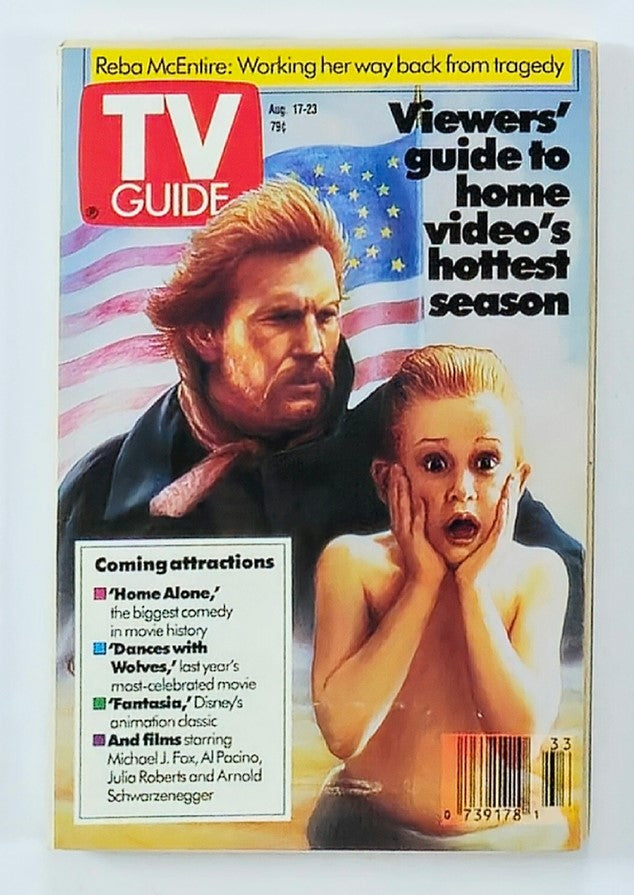
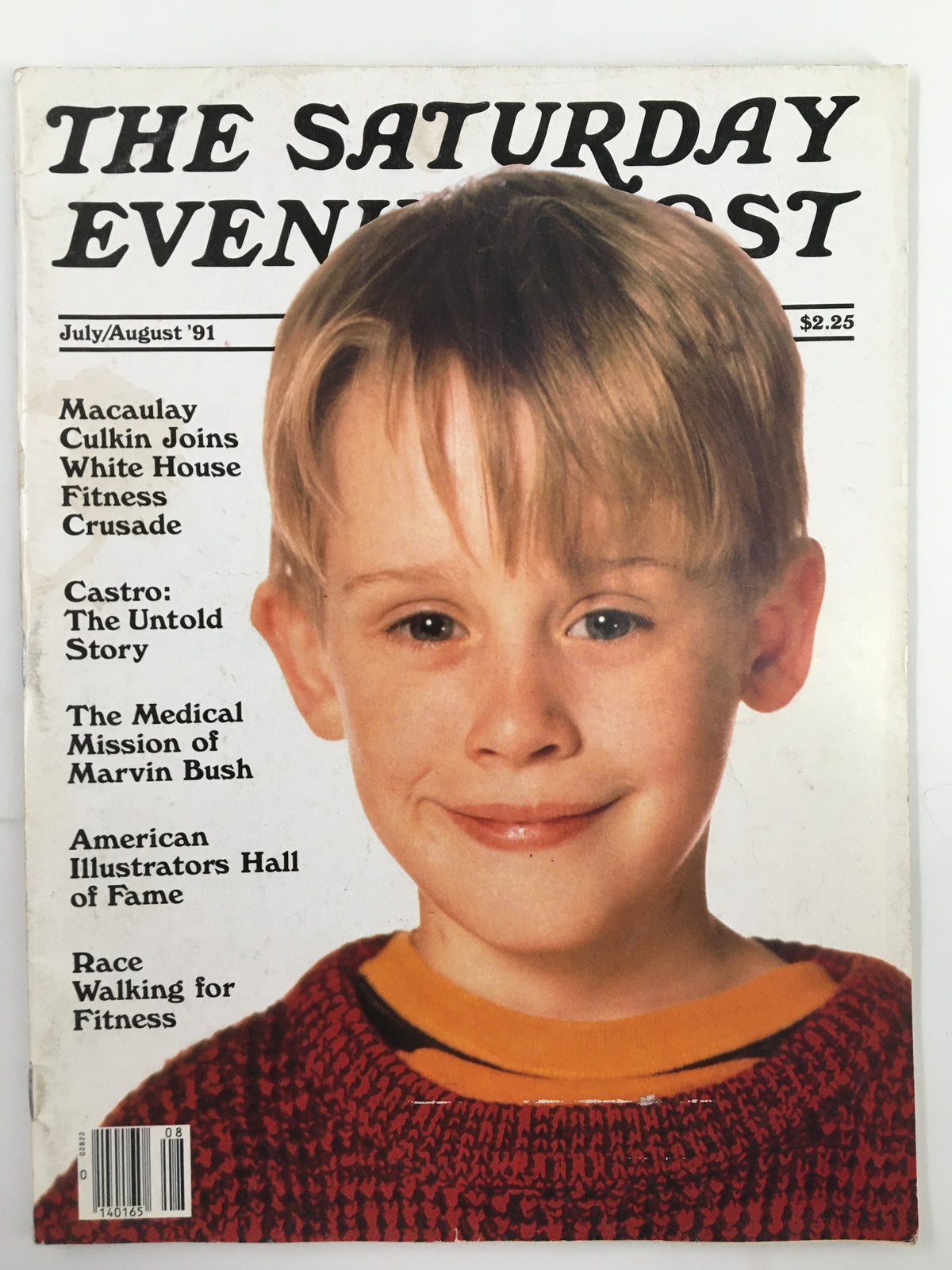
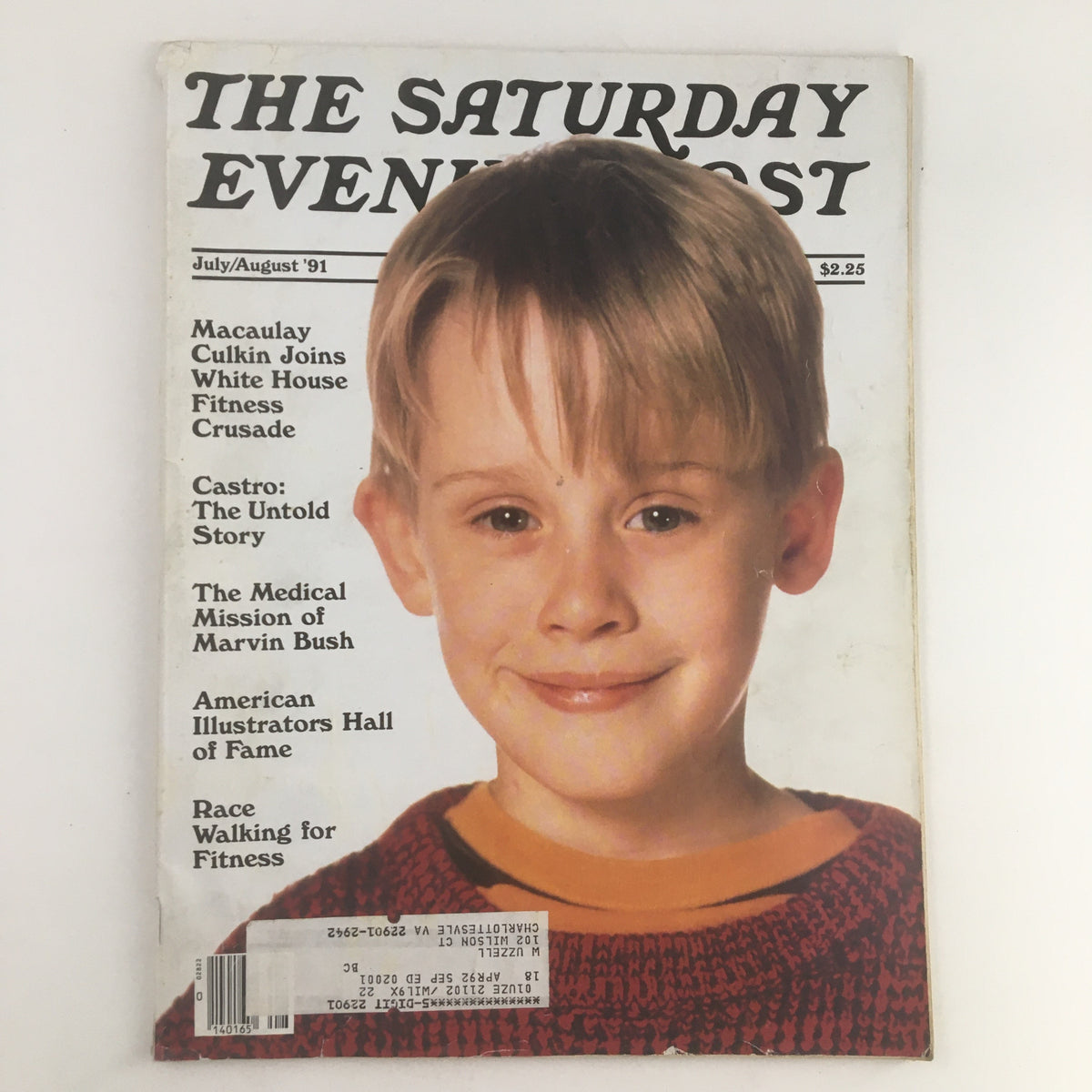
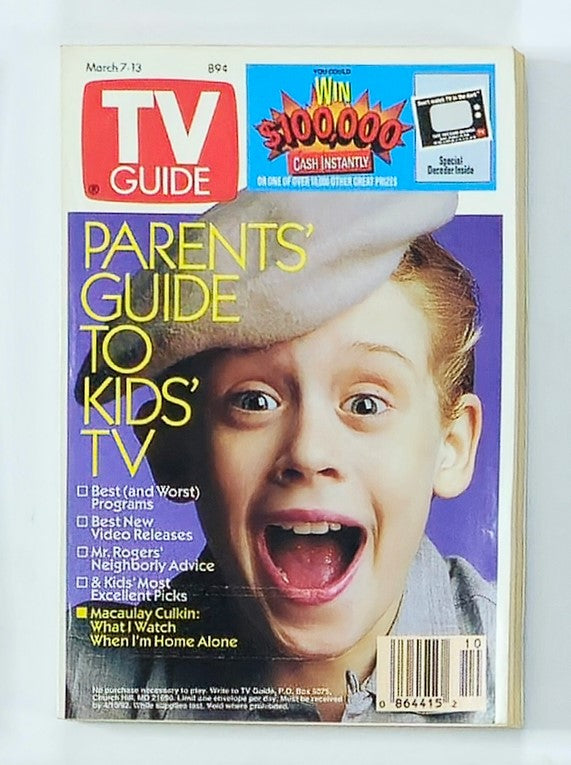
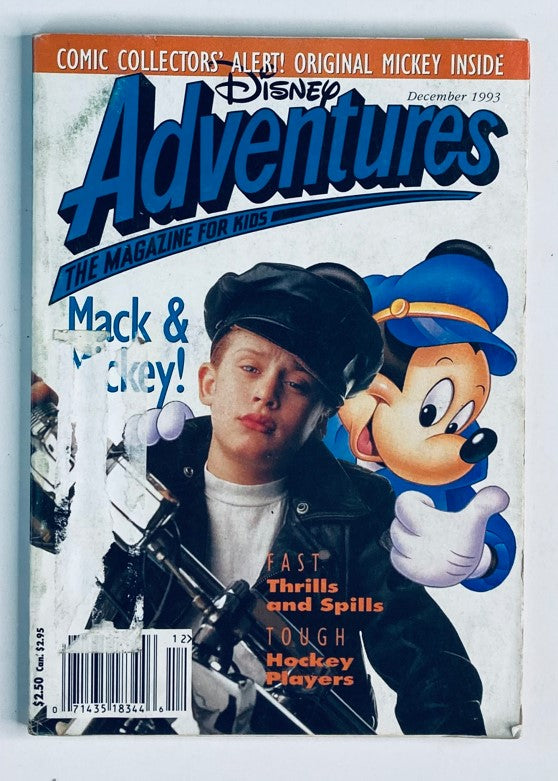
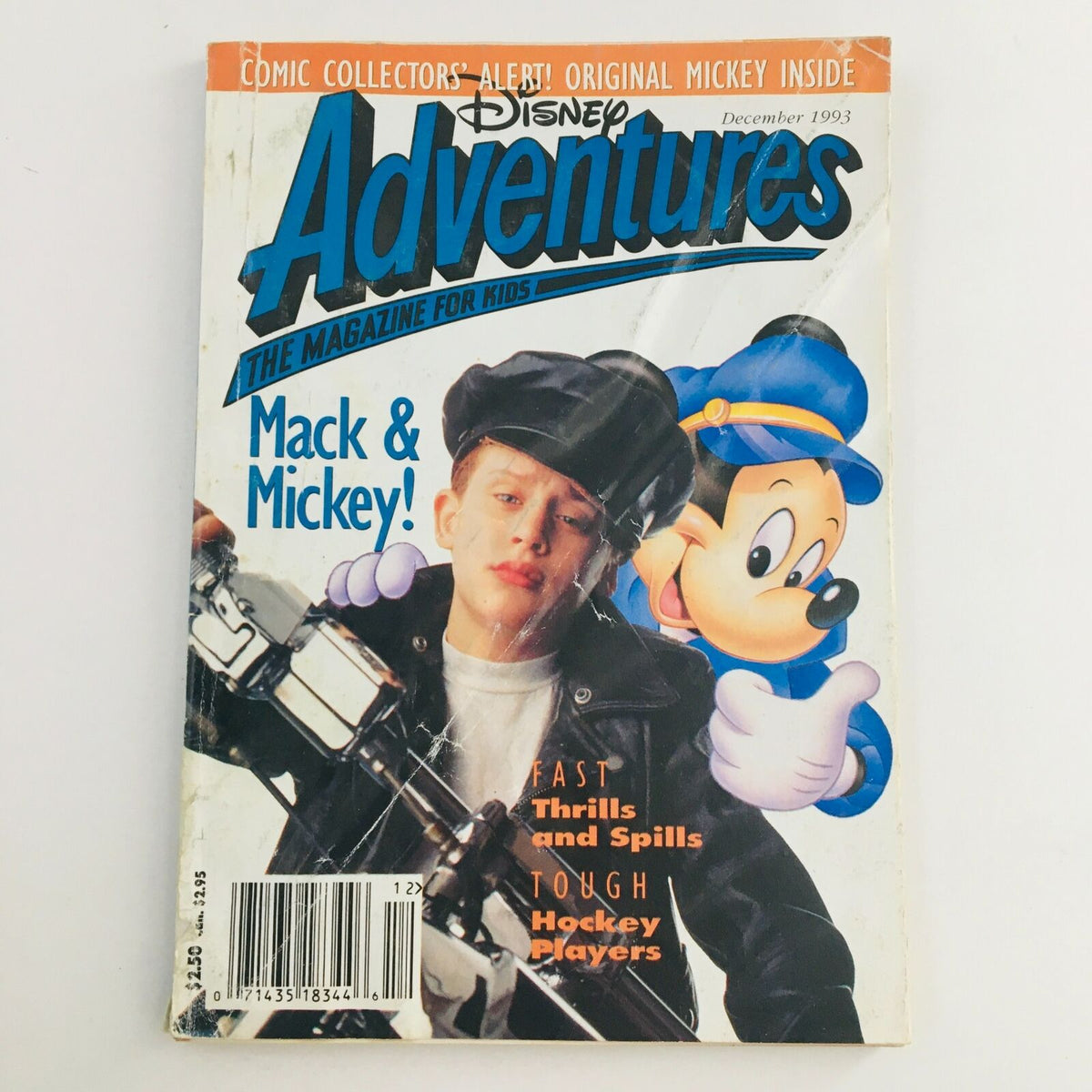
Vintage magazines of the 1990–1996 period covered the young star with a combination of wonder, warmth, and an increasingly complex editorial curiosity. Early coverage leaned heavily into soft-focus, warmly lit portraiture — the kind of photography that communicated innocence and approachability, designed to reassure parents and enchant children simultaneously. As his celebrity grew stratospheric, publications shifted toward more sophisticated layouts, pairing candid behind-the-scenes imagery with interviews that probed the peculiar pressures of child stardom. Entertainment Weekly devoted multiple covers and lengthy features to his box office dominance and the machinery of his fame. People magazine, the era's definitive arbiter of mainstream celebrity culture, returned to him repeatedly — profiling not only the star but the spectacle surrounding him, including his highly publicized friendship with Michael Jackson and the very public unraveling of his family dynamics. Internationally, Paris Match and similar European weeklies treated him as a curio of American cultural excess, framing his story within a broader fascination with Hollywood's treatment of its youngest talent. Teen-oriented publications such as Tiger Beat and Teen Beat, meanwhile, immortalized him in the language of pinups and fan devotion, capturing a rawer, more fervent dimension of his cultural moment.
Curator's Checklist: Highlights Often Include
- Breakthrough era features (1990–1991) documenting the phenomenon of Home Alone and its record-breaking theatrical run, often with full-cover portraiture and behind-the-scenes production photography
- Peak stardom profiles (1992–1994) spanning his run through My Girl, Home Alone 2, and Richie Rich, including studio press materials reproduced in entertainment publications of the period
- Human interest and family coverage exploring the unusual world of a child earning adult-scale fees, with editorial commentary on childhood, fame, and the Hollywood system
- International editions from the UK, France, Germany, and Australia that offer distinct photographic selections and cultural framings not found in domestic American issues
- Teen magazine collectibles featuring fold-out posters, fan mail columns, and reader polls that capture the raw, unmediated devotion of a generation of young admirers
The Collector's Value
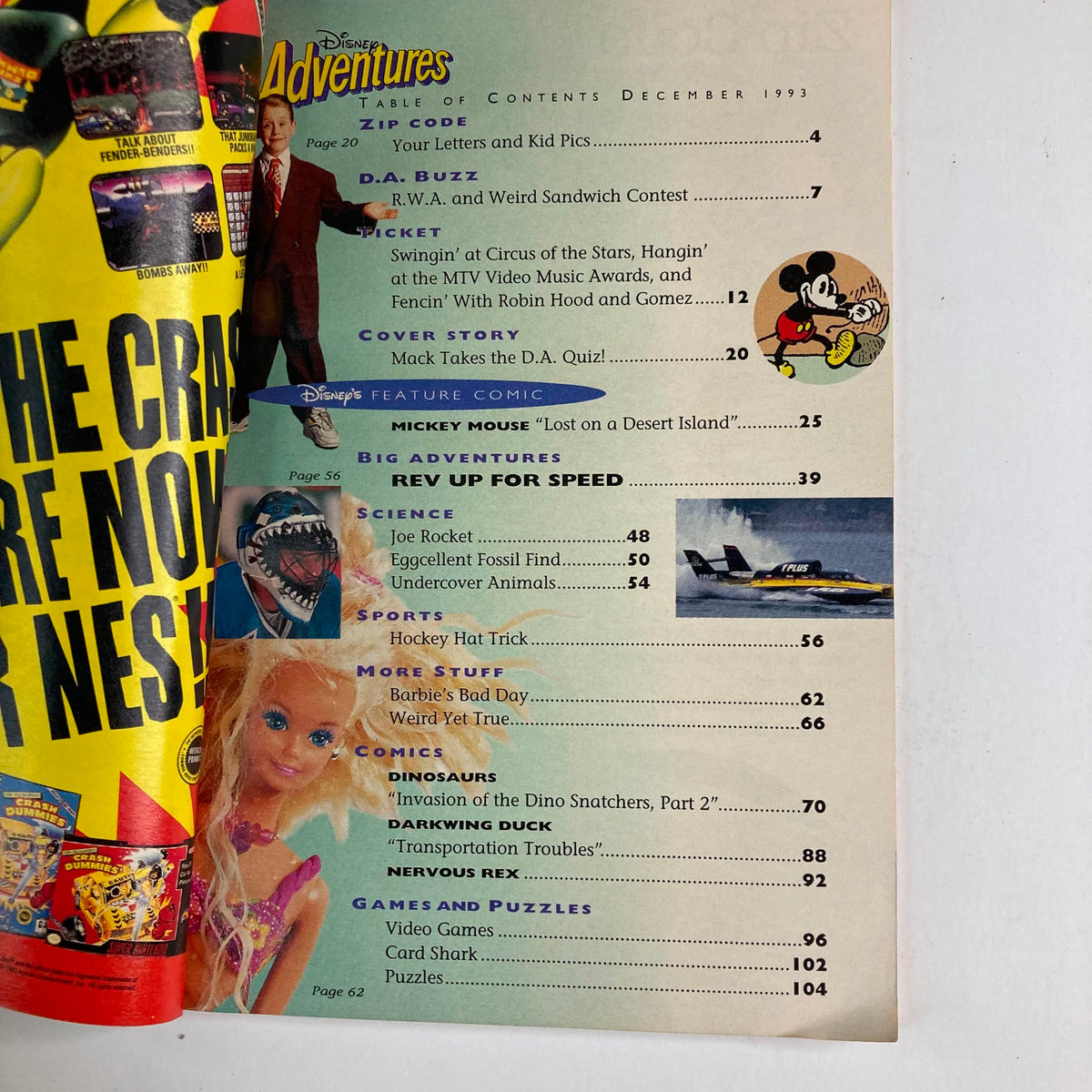
To hold one of these issues today is to hold a time capsule sealed at the precise moment the world was watching. The paper stock of early 1990s magazines carries its own sensory language — the slight coarseness of newsprint celebrity weeklies, the heavier gloss of premium entertainment monthlies, the faint, unmistakable perfume of decades-old ink that no digital archive can replicate. Surrounding the editorial content are the advertisements of the era: fast food tie-ins, VHS rental promotions, the fashion silhouettes of a decade with its own unmistakable visual grammar. These are not merely documents about one child star; they are primary sources of an entire cultural moment, preserved in the medium that first gave it life. For collectors of 1990s pop culture ephemera, Golden Age Hollywood memorabilia, or childhood nostalgia and Gen X cultural artifacts, these publications offer an irreplaceable and deeply personal connection to a shared past that no reprint or digital scan can authentically restore. Browse the current inventory below and discover which pieces of that era are waiting to find their next keeper.