📖 About this Collection
"Macho Man" Randy Savage: The Crown Jewel of the Golden Age
The Legend & The Legacy
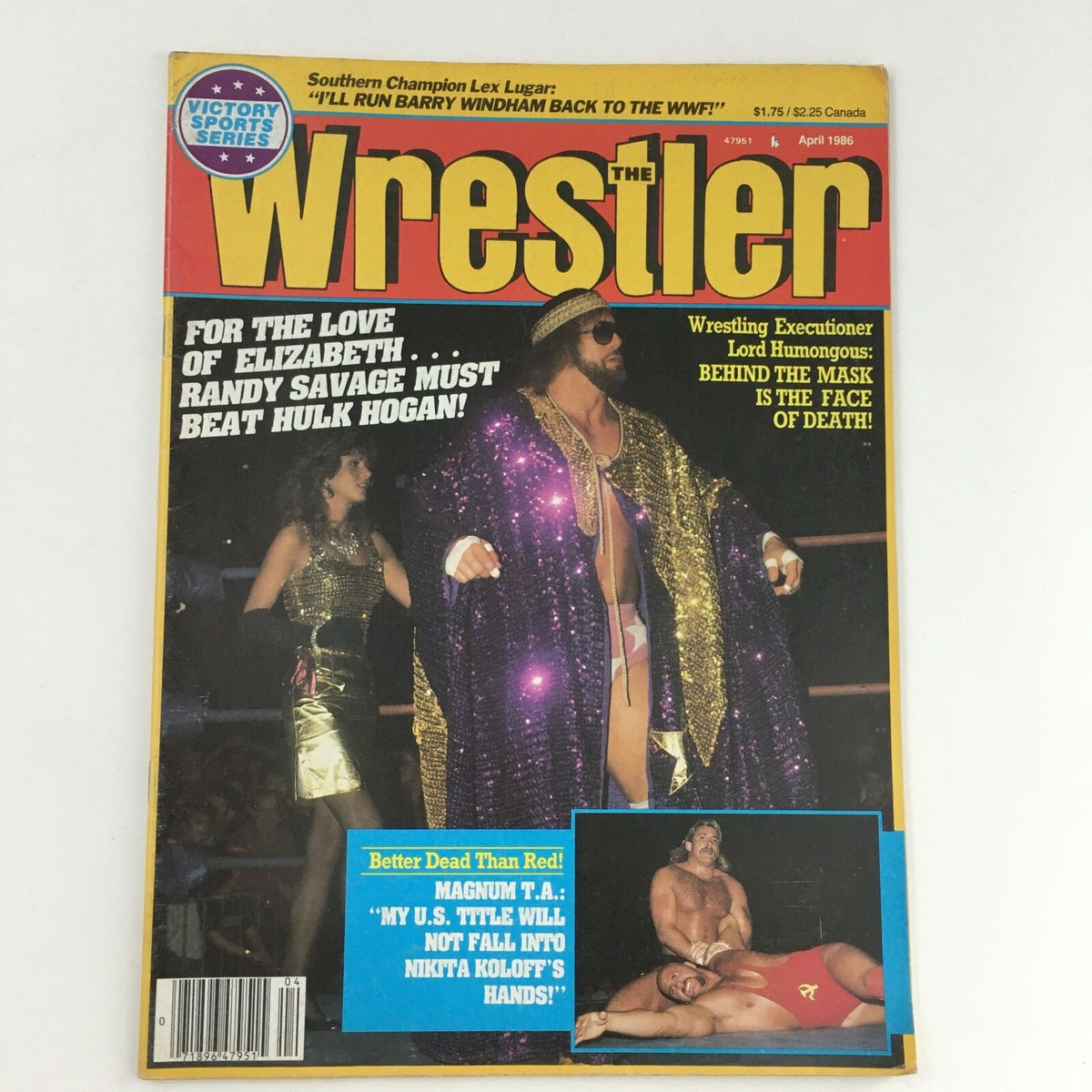
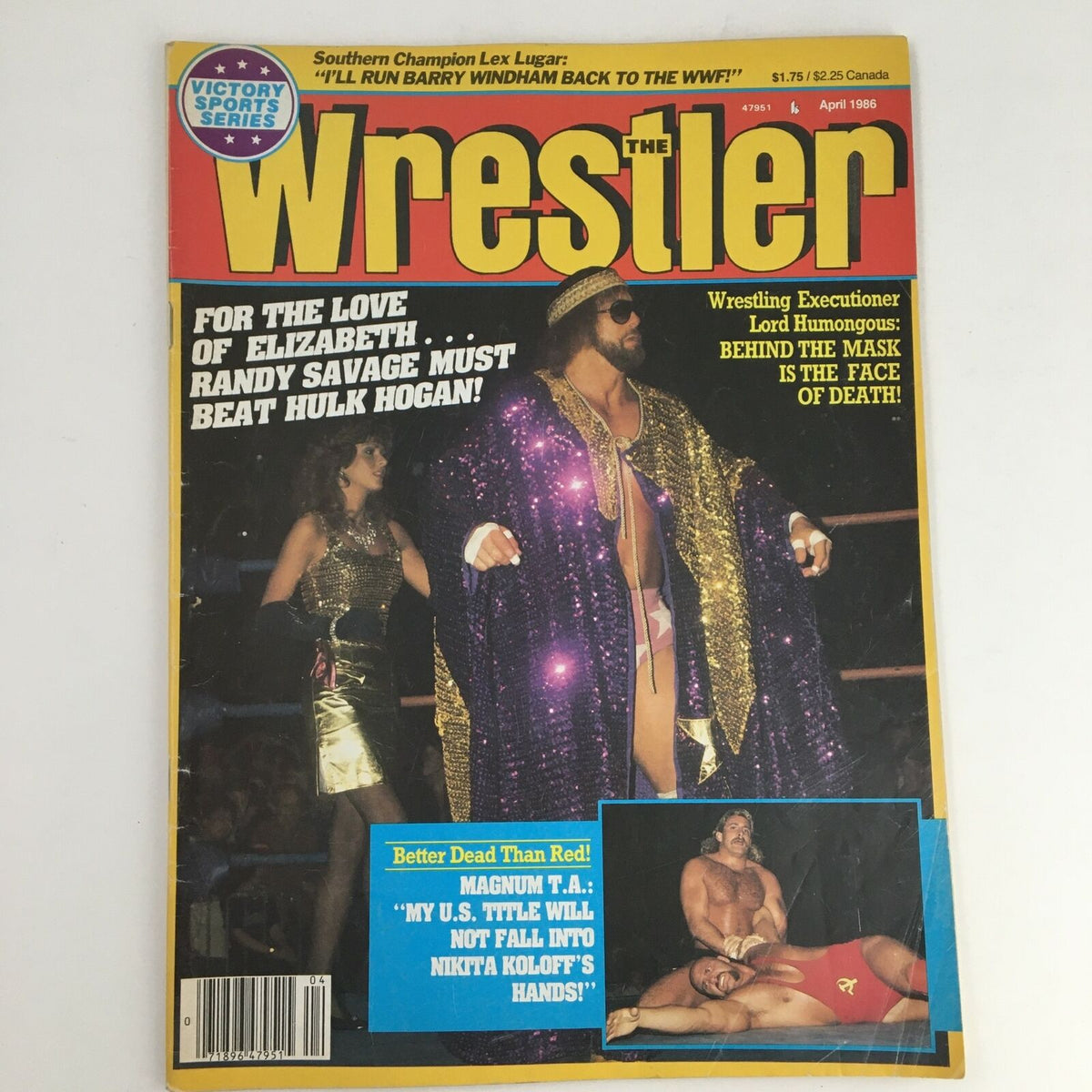
Before the algorithm, before the highlight reel, before the endless scroll — there was the magazine rack, and on it, the electric, rhinestone-draped image of one of professional wrestling's most electrifying figures. Randy Poffo, known to the world as "Macho Man" Randy Savage, dominated the cultural consciousness of the 1980s and early 1990s with a ferocity that transcended the squared circle. At a time when the World Wrestling Federation was engineering its own pop-culture supernova, he stood at the very center of it — a performer of unmatched theatricality, an athlete of genuine, underestimated physical brilliance, and a personality so outsized that no arena, no camera, and no printed page could fully contain him. In an era when fans could not stream matches on demand or follow their heroes in real time, the wrestling magazine was sacred scripture. It was how a kid in rural Ohio or a teenager in suburban Glasgow knew what had happened at WrestleMania, what the Macho Man had said in the locker room, what Miss Elizabeth was wearing at ringside. Print was the pipeline — and it ran hot.
Inside the Archive
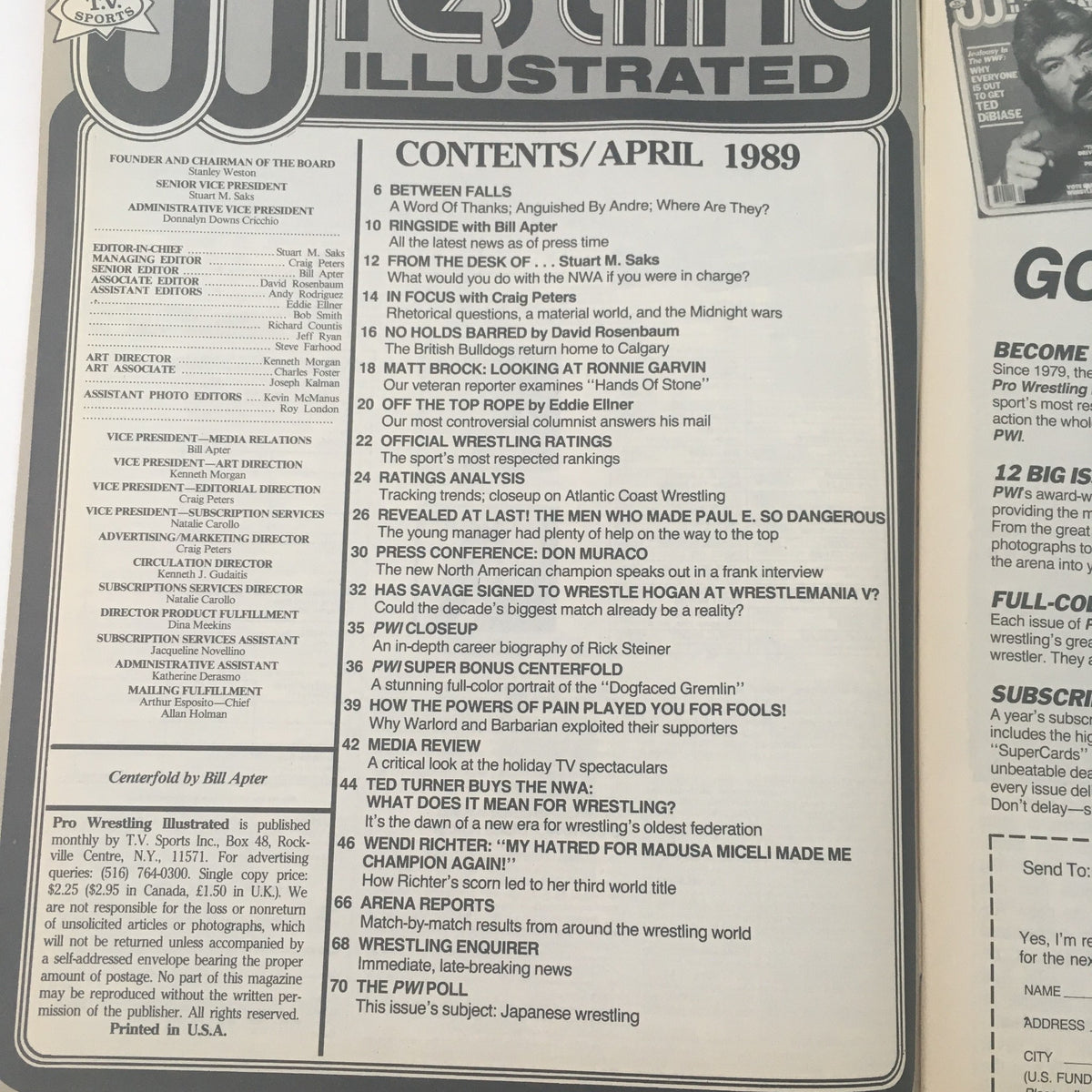
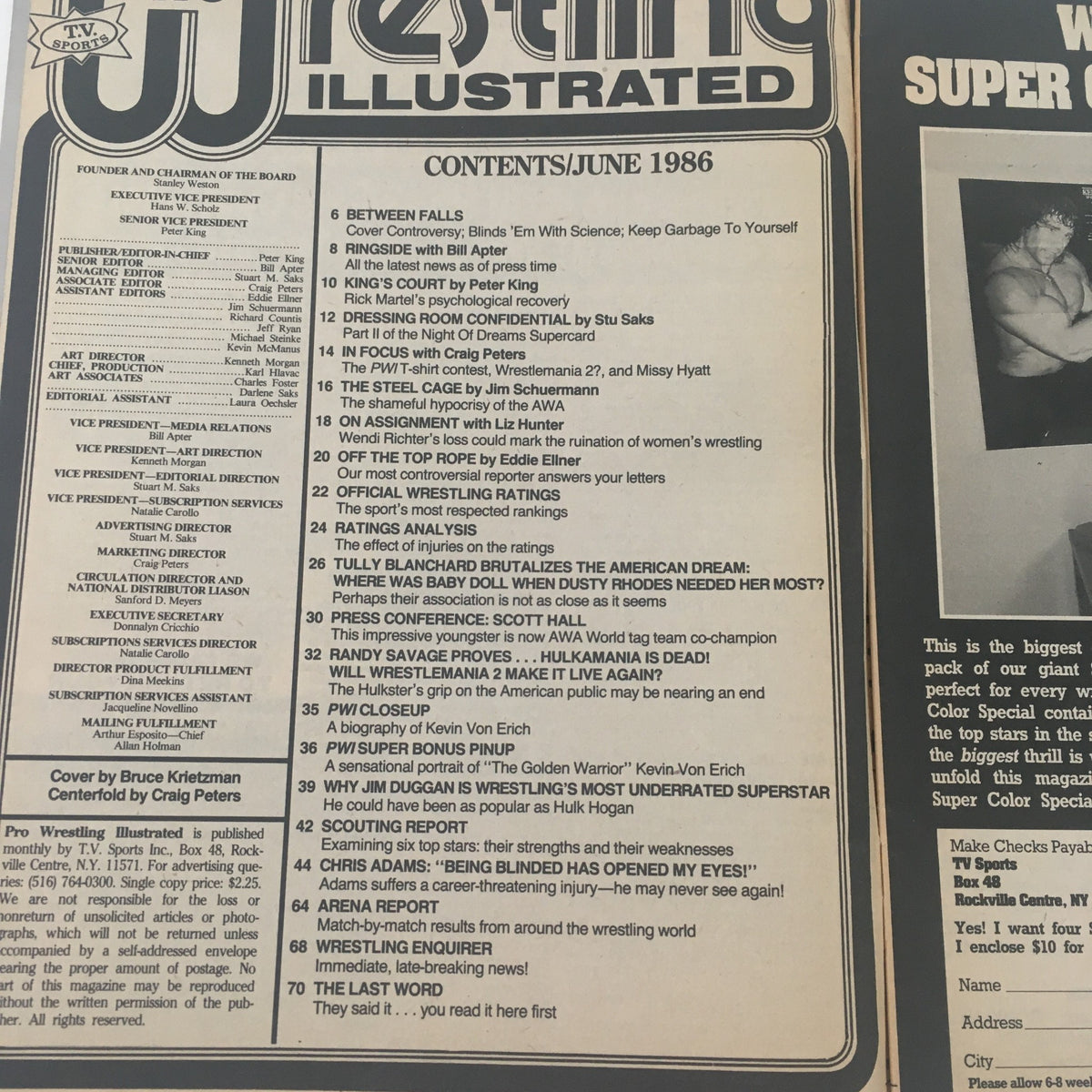
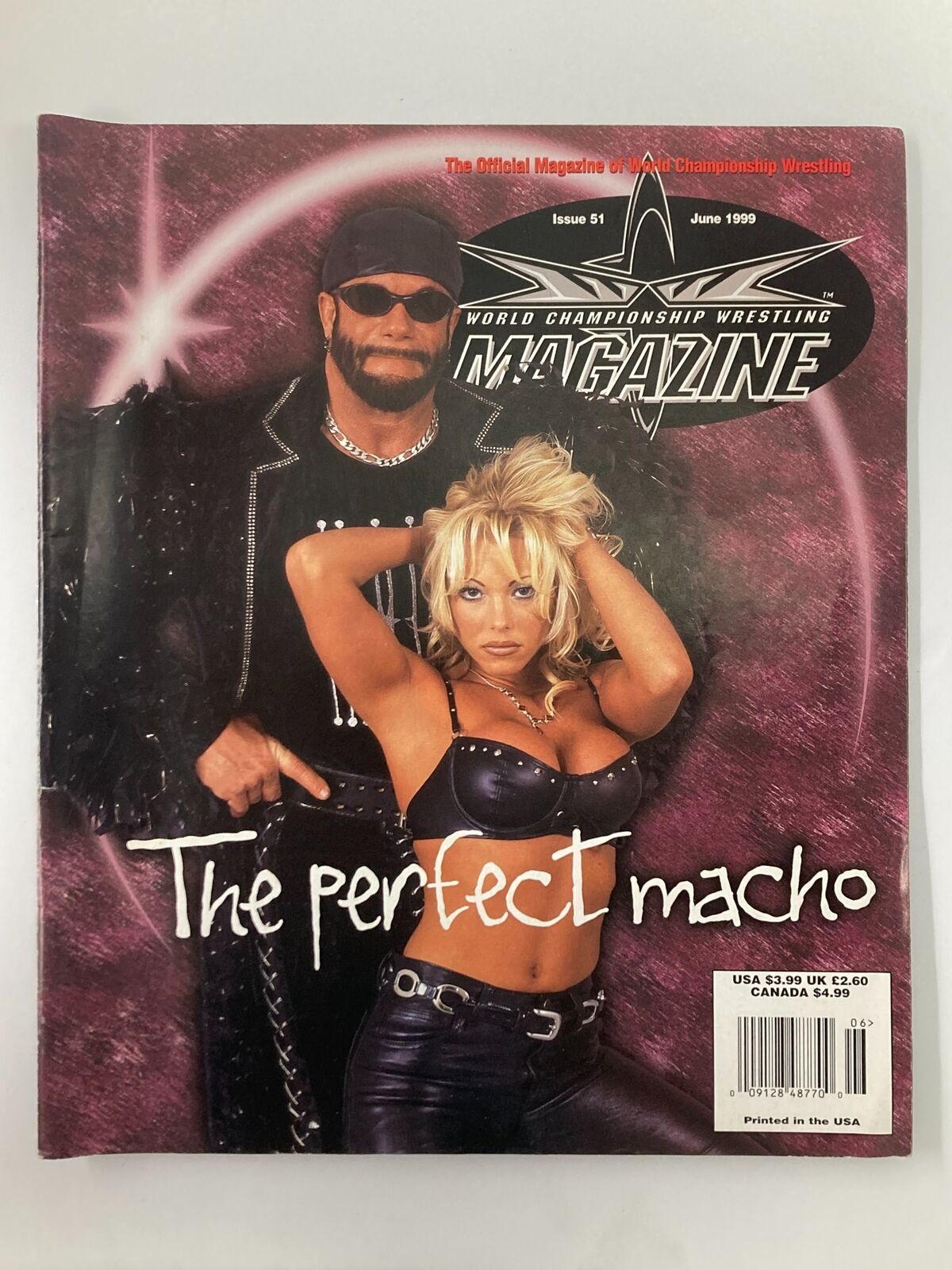
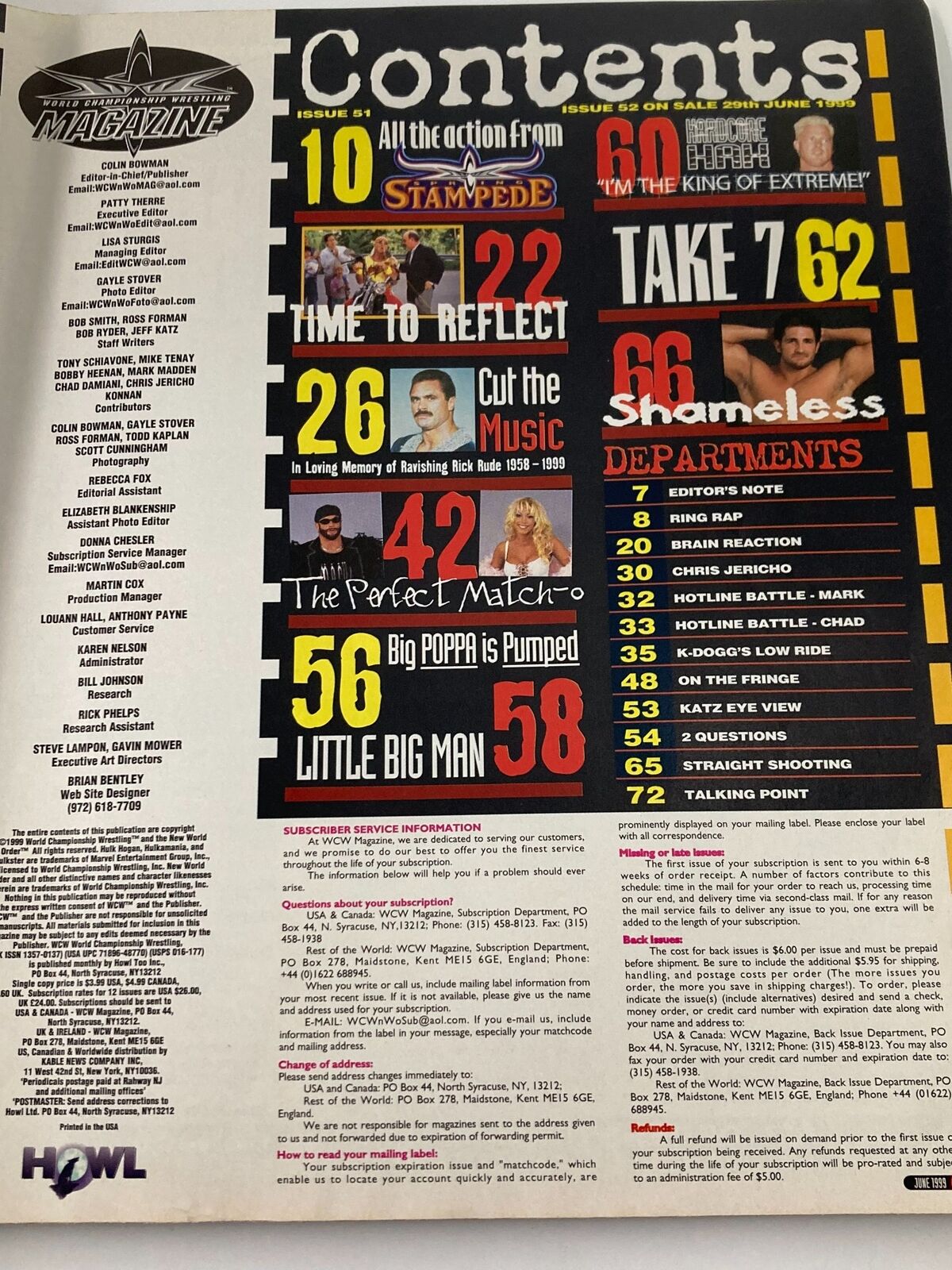
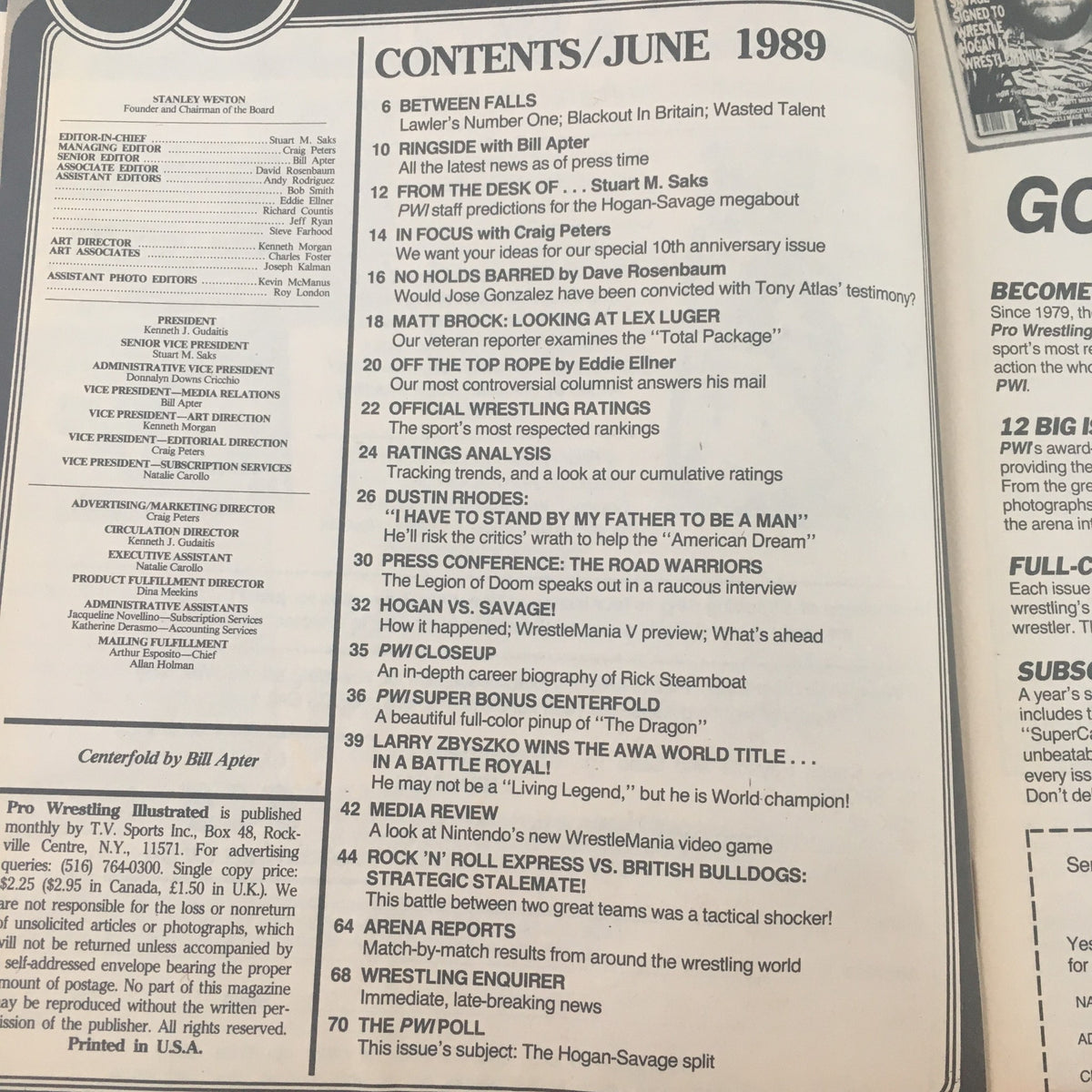
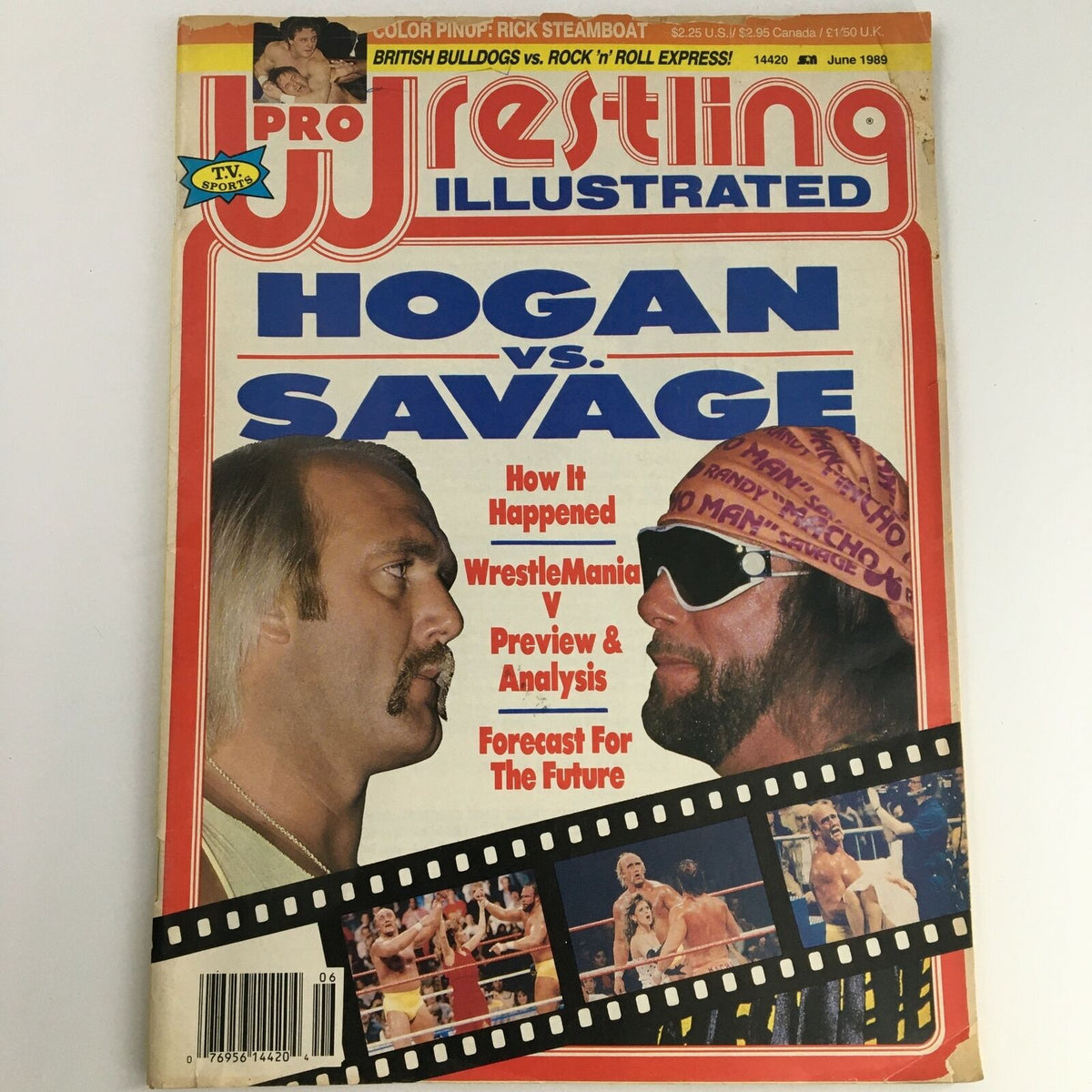
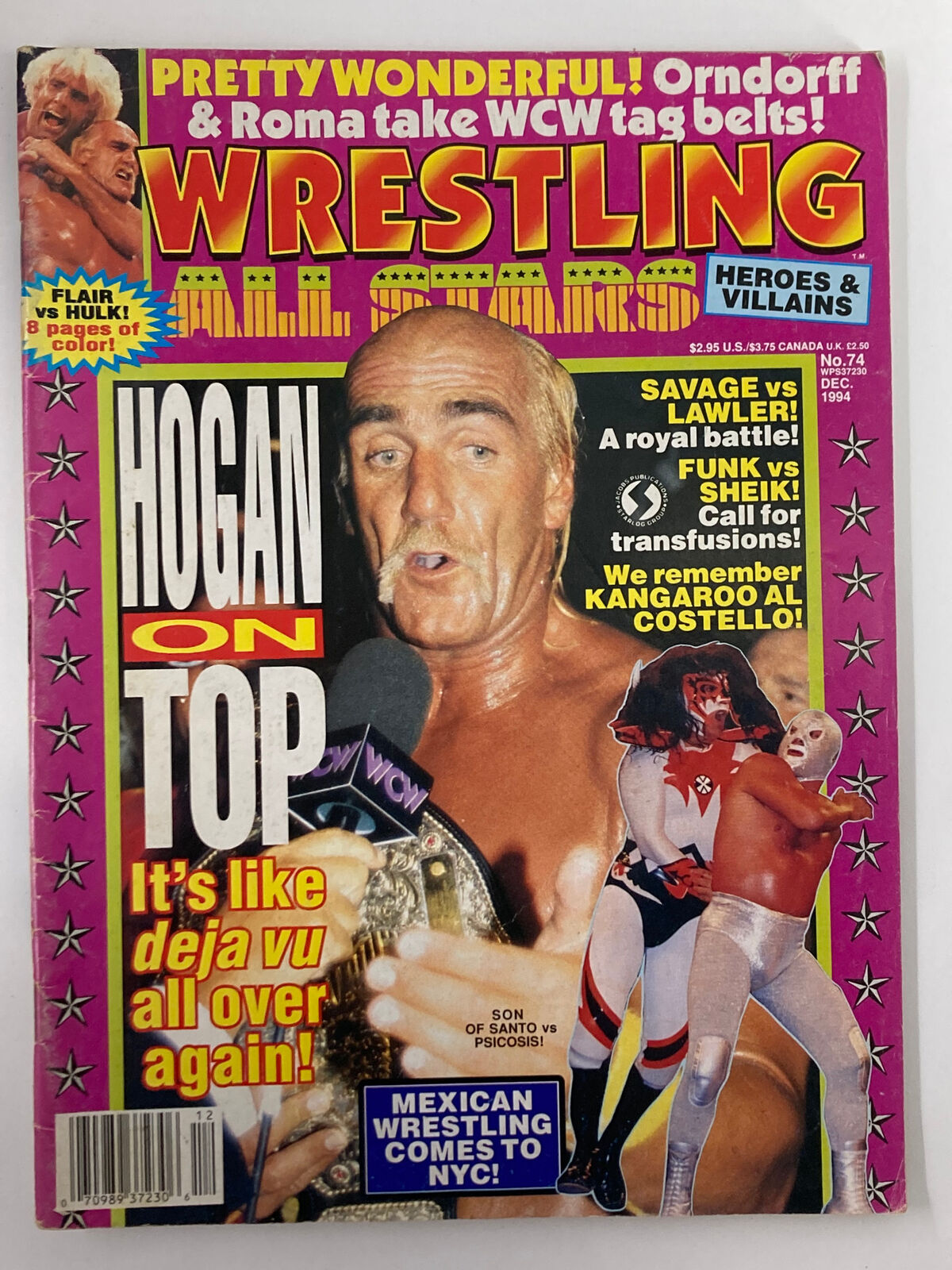
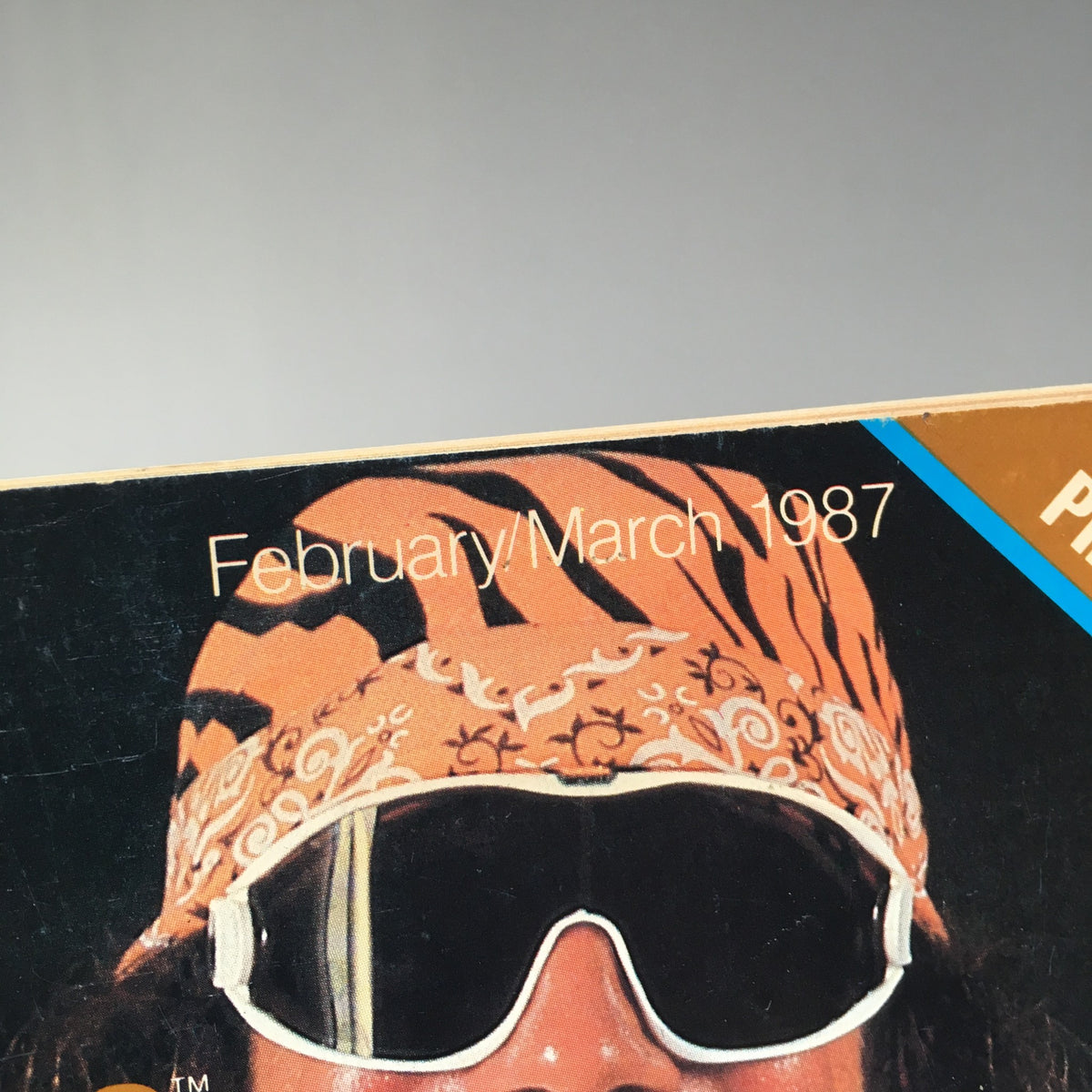
The coverage that surrounded this singular figure during his peak years was as bold and vivid as the man himself. Wrestling-specific publications led the charge with full-bleed action photography — the dramatic mid-air elbow drop frozen in time, the championship belt gleaming under arena lights, the wild-eyed interview promos rendered in stark, punchy print. WWF Magazine, the sport's own flagship publication, delivered authorized, glossy portraits and insider access that made it essential reading for any serious fan of the era. Pro Wrestling Illustrated, the beloved trade bible of the industry, offered a more journalistic lens — rankings, retrospectives, and long-form features that treated the craft with the seriousness of a legitimate sport. Beyond the wrestling press, the Macho Man's crossover celebrity — fueled by his iconic Slim Jim commercials and his mainstream visibility during wrestling's first true golden age — earned him space in broader pop-culture and sports entertainment publications, including features and mentions in People and TV Guide, where editors understood they were documenting something genuinely new in American entertainment. The photography throughout was raw and kinetic; the editorial tone oscillated between breathless fandom and serious sport, capturing an industry in the thrilling act of reinventing itself.
Curator's Checklist: Highlights Often Include
- Championship milestone coverage — Issues documenting his WWF Championship reigns, including the legendary WrestleMania IV tournament victory and his complex, storied rivalries with Hulk Hogan and the Ultimate Warrior
- Tag team & Miss Elizabeth features — Editorial spreads celebrating one of wrestling's most iconic pairings, with photography capturing the theatrical romance and managerial drama that made their story appointment viewing
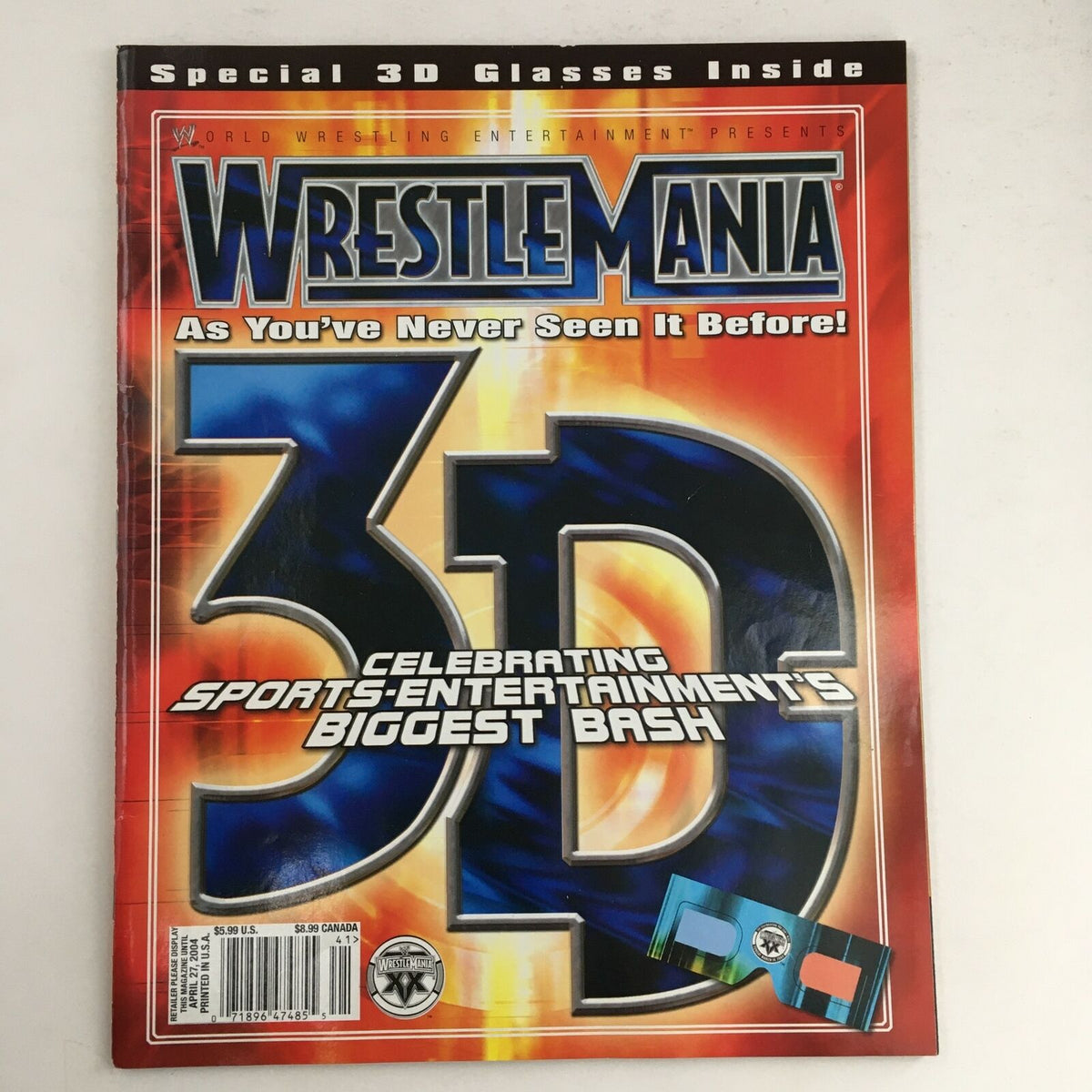
- WrestleMania program guides & event specials — Official event programs and commemorative issues from the late 1980s and early 1990s, representing some of the rarest and most visually striking print artifacts of the entire WWF golden era
- Crossover pop-culture appearances — Issues from mainstream entertainment weeklies and television guides from the early 1990s, reflecting his expanded cultural footprint during the commercial peak of wrestling's mainstream moment
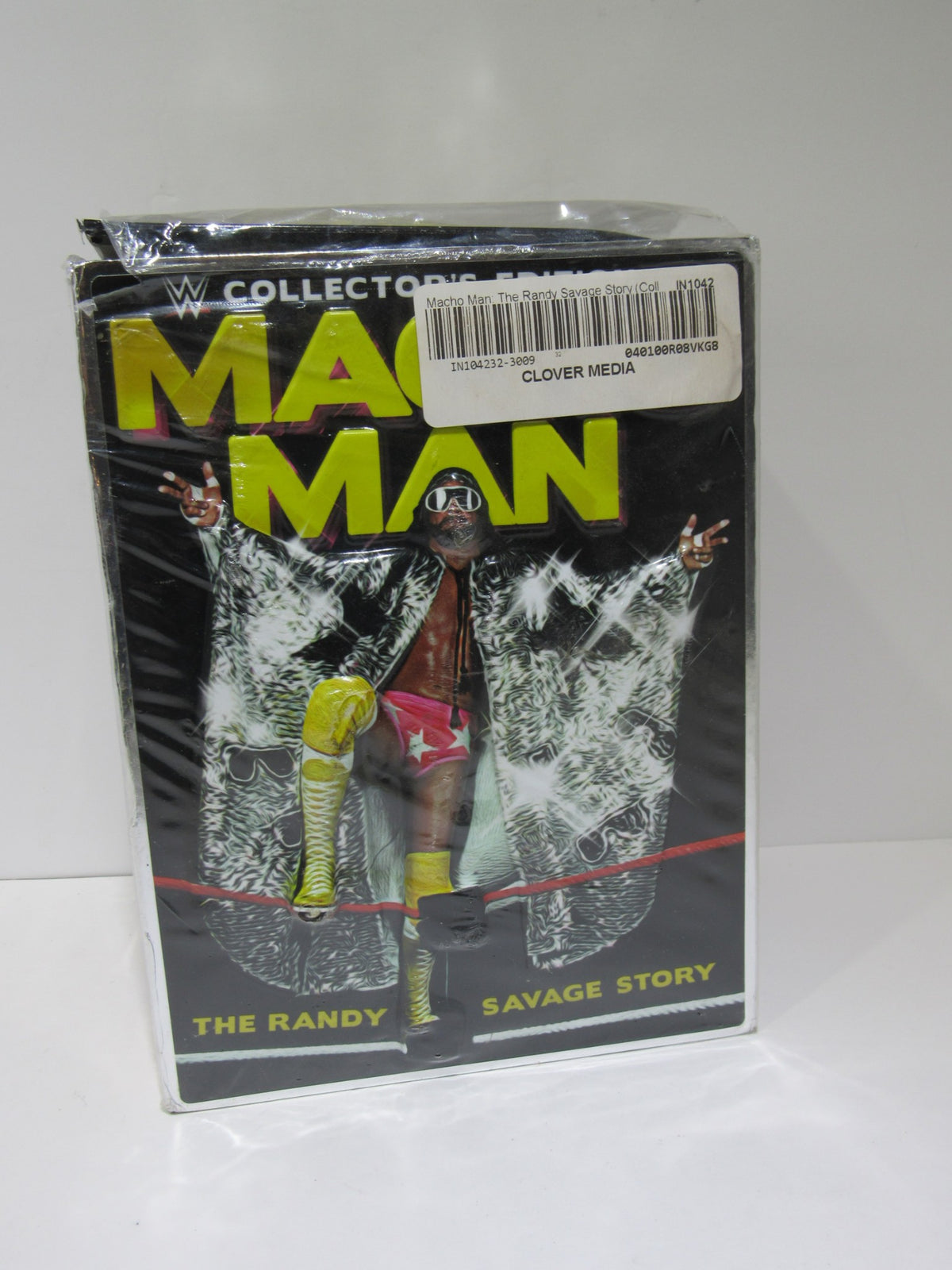
- Retrospective & tribute issues — Later publications and special editions that cemented his legacy as one of the all-time greats, including coverage following his 2011 WWE Hall of Fame induction
The Collector's Value
To hold one of these magazines is to hold the era itself — the slightly rough texture of newsprint beneath your fingertips, the vivid pop of offset-printed color photography that somehow still blazes off a forty-year-old page, the faint, unmistakable perfume of aged ink and paper that no digital archive has ever come close to replicating. Tucked between the features, vintage advertisements for action figures, breakfast cereals, and video game cartridges serve as a complete time capsule of the cultural moment — artifacts within artifacts, each one a doorway back to a very specific, irretrievable Saturday morning. These are primary sources: unfiltered, physical documents of a phenomenon as it was happening, untouched by nostalgia's revision or the internet's curation. For collectors of professional wrestling memorabilia, 1980s pop-culture ephemera, or vintage American sports and entertainment history, these publications offer something no replica championship belt or signed photograph ever can — the authentic, contemporary record of a legend in the making, as his own era saw him. Explore the current available inventory below and discover what the archive holds today.