📖 About this Collection
Manuel Noriega: The Iron Fist in the Jungle's Shadow
The Legend & The Legacy
Few figures in the final act of the Cold War captured the world's attention — and its moral confusion — quite like Manuel Antonio Noriega. Rising through the ranks of Panama's military intelligence with quiet ruthlessness, he became the de facto ruler of a strategically irreplaceable nation, a man simultaneously courted by the CIA and condemned by the DEA. His reign over Panama through the 1980s unfolded like a geopolitical thriller in real time: a strongman who played Washington and Havana against each other, who controlled the Canal's fate, and who ultimately fell in one of the most extraordinary military operations of the modern era — Operation Just Cause, the December 1989 U.S. invasion that ended with him surrendering from the sanctuary of the Vatican's diplomatic mission. In an age before social media or rolling cable news, readers absorbed this drama entirely through the considered, curated lens of print — through long-form investigative journalism, photojournalistic spreads, and the measured gravitas of weekly newsmagazines that transformed a distant tropical crisis into a story felt on every kitchen table in America and beyond.
Inside the Archive
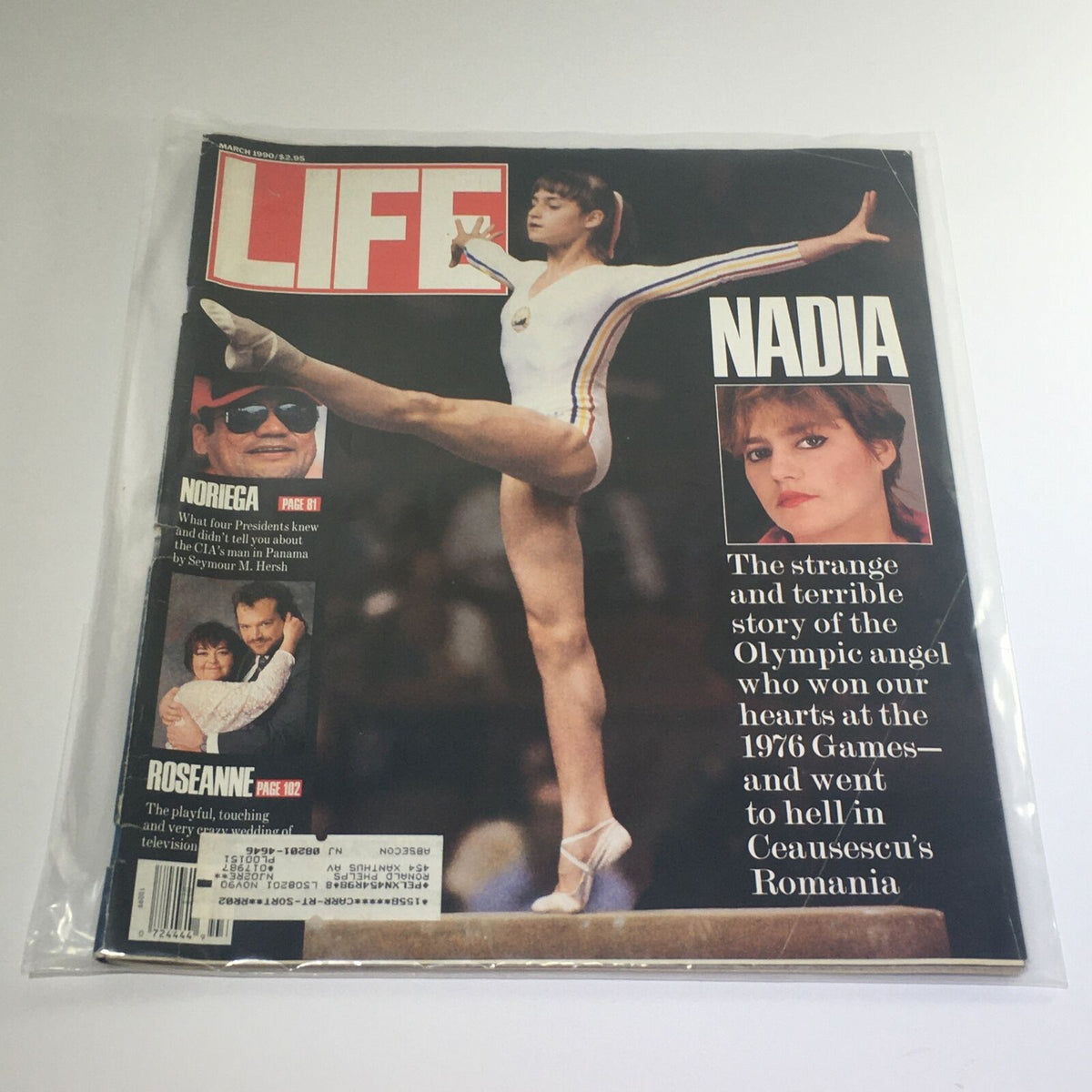
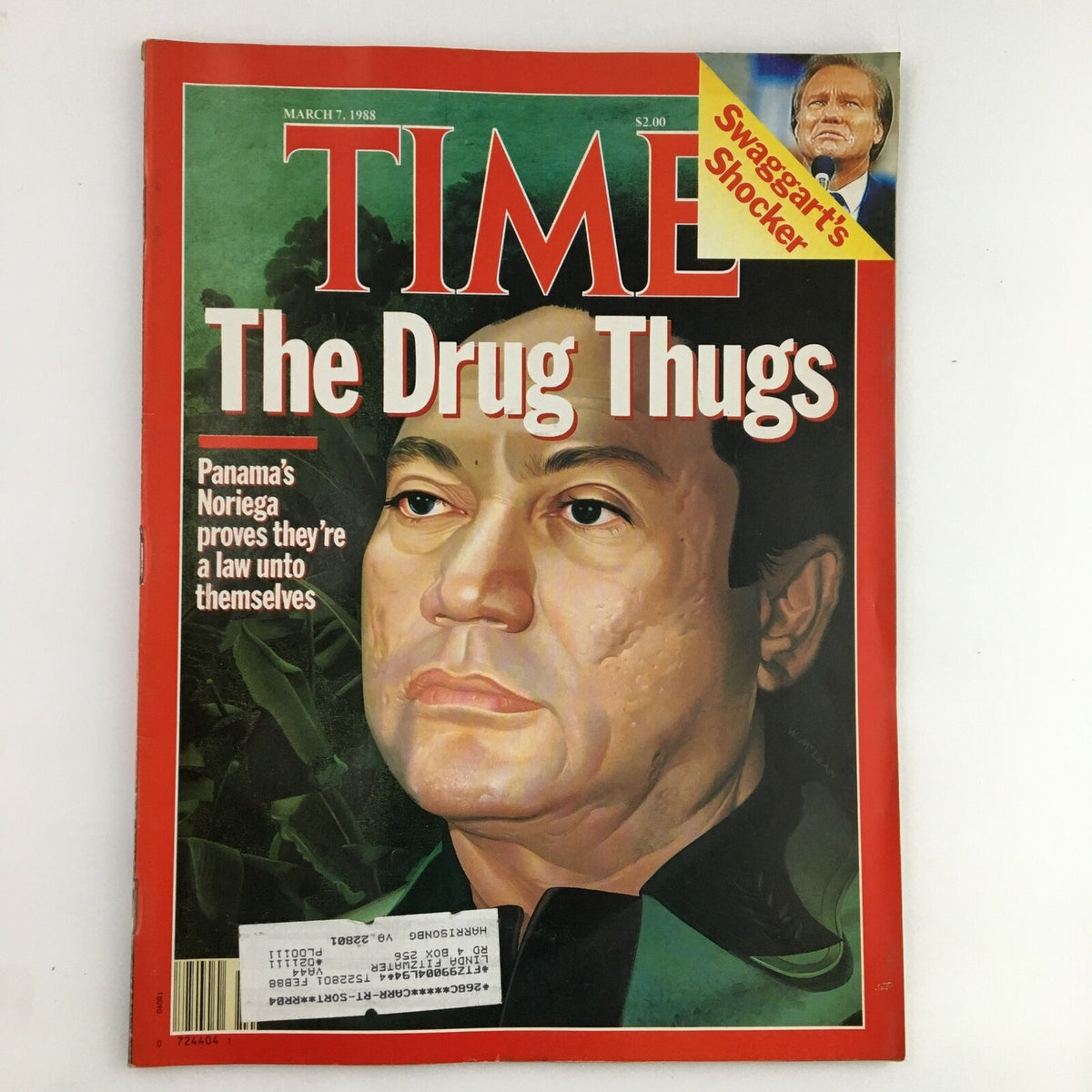
The press coverage of Noriega and his era was urgent, cinematic, and morally charged. Photographers captured the visual contradictions of his world — the garish military uniforms and pockmarked face that editors were famously reluctant to soften, the burning headquarters of the Panamanian Defense Forces, the jubilant crowds greeting U.S. paratroopers in Panama City. Time and Newsweek devoted multiple cover stories to the unfolding crisis, framing the strongman as both a creature of American foreign policy and its most embarrassing consequence. U.S. News & World Report offered rigorous geopolitical analysis of the Canal's strategic value and the legal precedents of the invasion. Internationally, Der Spiegel and Paris Match approached the story with a more skeptical eye toward American interventionism, lending European perspective to a crisis that resonated deeply in Latin America and among former colonial powers watching Washington flex its hemispheric muscle. The editorial photography of this period has a particular raw, documentary quality — heavy grain, deep shadows, the unmistakable aesthetic of journalism operating at the edge of danger.
Curator's Checklist: Highlights Often Include
- Crisis & Invasion Coverage (1989–1990): Issues documenting Operation Just Cause — the airborne assault on Panama City, the siege of the Vatican nunciature, and the eventual surrender — representing some of the most intensely reported military actions of the post-Vietnam era
- Cold War Espionage Features: Long-form investigations into Noriega's dual role as CIA asset and narco-trafficker, published by major American and European weeklies throughout the mid-to-late 1980s as his relationship with Washington publicly deteriorated
- Drug War & Latin America Specials: Thematic issues exploring the broader U.S. war on drugs, frequently featuring the Panamanian strongman alongside figures like Pablo Escobar as symbols of a hemisphere in crisis
- Post-Invasion Trial Coverage (1991–1992): Newsmagazine issues chronicling his unprecedented U.S. federal drug trafficking trial — the first time a foreign head of state had been prosecuted in an American court — a genuinely historic legal moment captured in print
- Retrospective & Anniversary Editions: Later issues revisiting the legacy of the invasion, reassessing civilian casualties, the Canal's transition to Panamanian control in 1999, and the long shadow cast over U.S.–Latin American relations
The Collector's Value
To hold one of these original issues is to hold a primary source — a direct artifact from the moment history was still unresolved, when the outcome was uncertain and the stakes felt enormous to every reader who cracked the spine. The paper stock of a late-1980s Newsweek or Time carries its own sensory testimony: the slight yellowing at the margins, the faint, distinctive perfume of decades-old ink, the crackle of a subscription copy that traveled through the mail to someone's home in another era entirely. The surrounding advertisements are a world unto themselves — Cold War–era automobiles, wristwatches, cigarette brands, and airline routes that frame the editorial content in the full cultural atmosphere of the moment. For collectors of Cold War political history, Latin American affairs, or U.S. military and foreign policy, these publications offer something no digitized archive can replicate: the unmediated, tactile experience of reading history as it happened, raw and unrevised. Explore the current available inventory below and discover which pieces of this extraordinary chapter await a place in your collection.