📖 About this Collection
March 1938: The Month the Map of Europe Changed Forever
The Historical Context
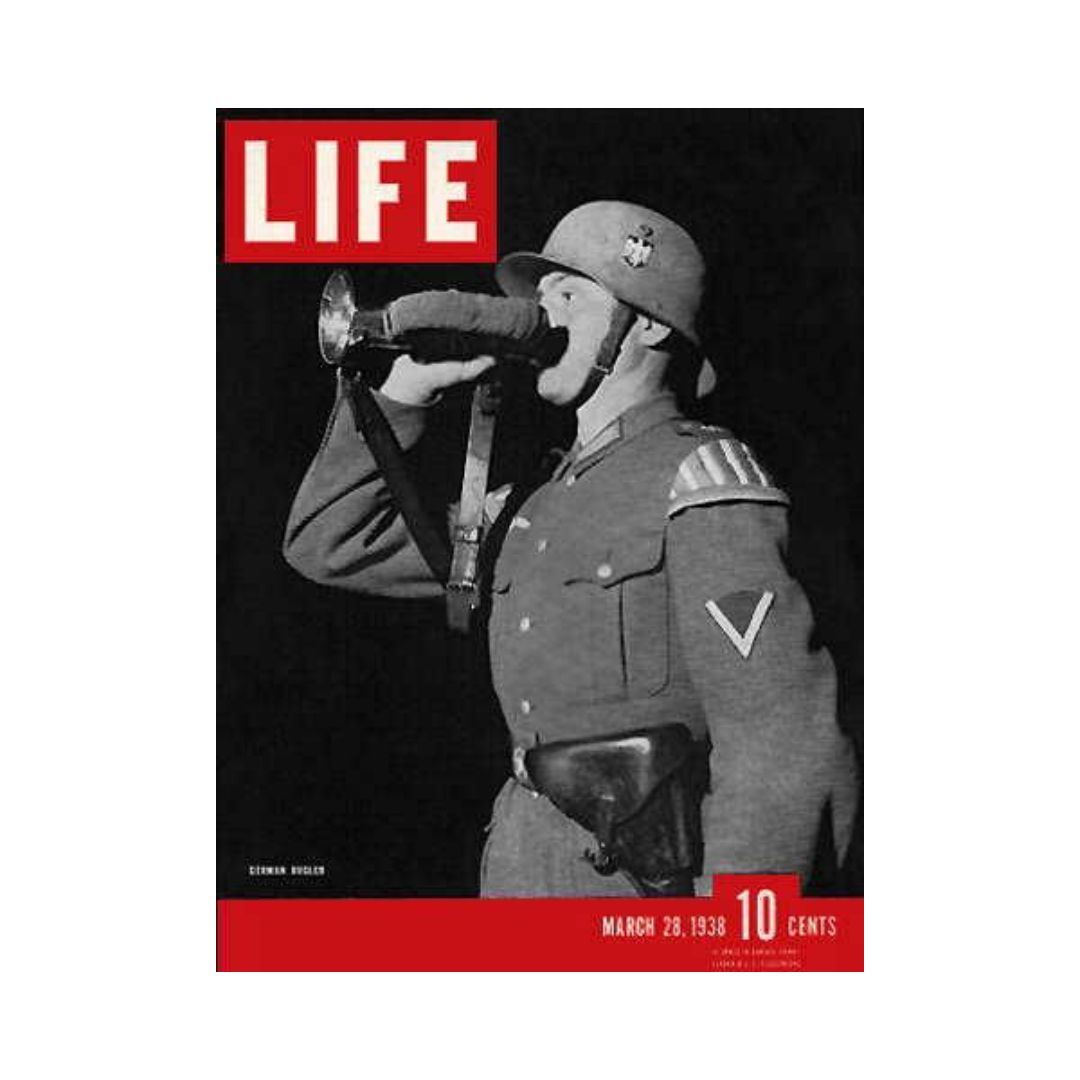
March 1938 arrived with a tension that no headline could fully capture. On the 12th, German troops crossed into Austria—and within a day, a sovereign nation had ceased to exist. The Anschluss, Hitler's forced annexation of Austria into the Reich, sent shockwaves through every capital in Europe and landed on the front page of every major periodical on earth. Time, Life, and Newsweek scrambled their correspondents; editors rewrote layouts at midnight. The photographs—columns of Wehrmacht soldiers, jubilant crowds in Vienna, the swastika raised over the Ringstrasse—were unlike anything readers had seen on an American newsstand. Simultaneously, the world watched as the trial of Soviet leaders unfolded in Moscow, and as Italian bombers, flying in support of Francisco Franco, rained destruction on the civilian streets of Barcelona. This was the world your loved one entered: one balanced on the razor's edge of history, where the front page changed everything before breakfast.
What America Was Watching, Wearing, and Talking About
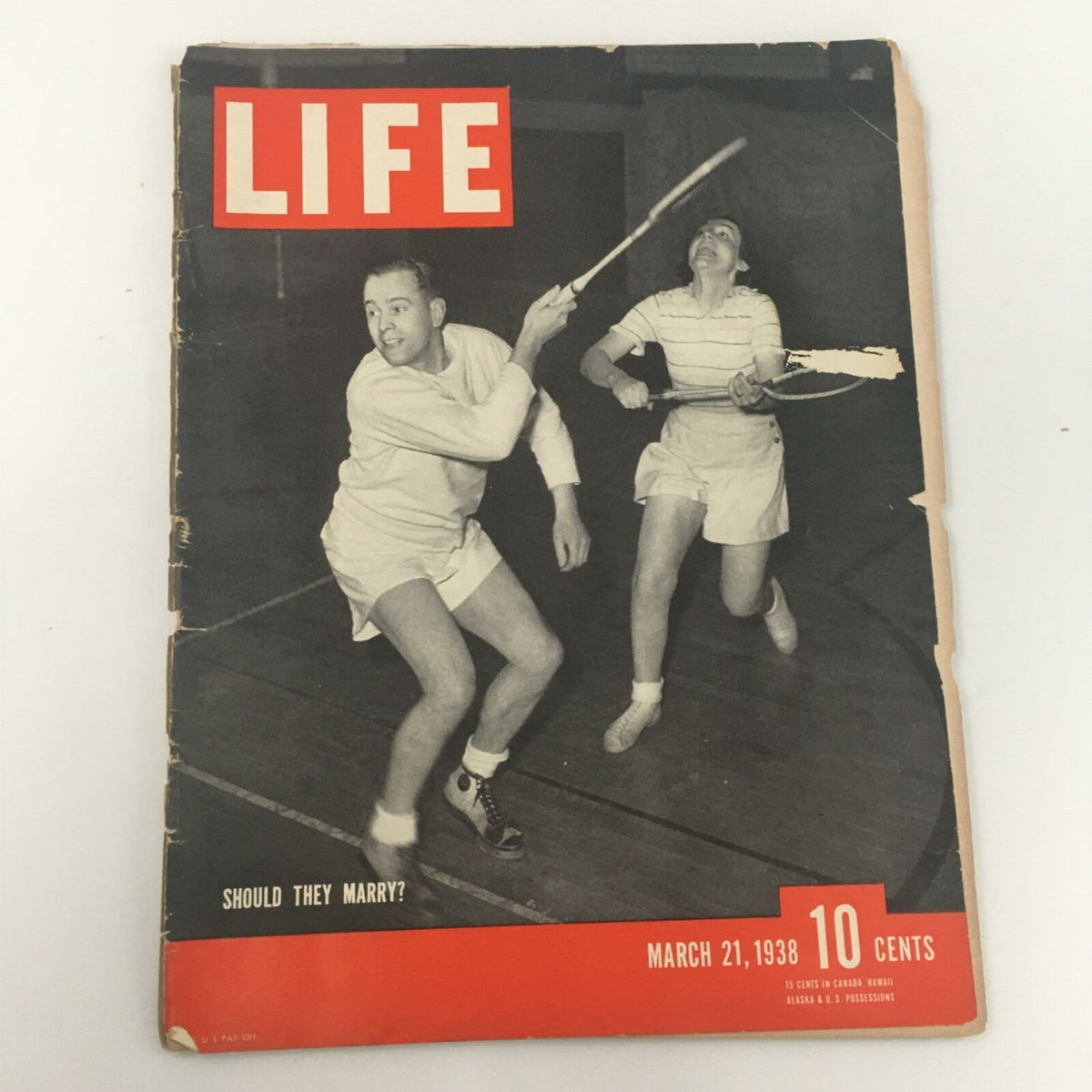
Away from the darkening news from Europe, March 1938 had a glamour all its own. The 10th Academy Awards ceremony glittered with Hollywood royalty: Spencer Tracy took home Best Actor and Luise Rainer claimed Best Actress, while The Life of Émile Zola walked away with the night's top honor. Ten days earlier, Bette Davis and Henry Fonda had set the screen alight with the premiere of Jezebel, a film that crackled with Southern drama and instant star power. On stage in London, Noël Coward unveiled his musical Operette, adding another jewel to one of the era's most dazzling theatrical careers. Rare magazines from this month capture all of it—the gowns, the gossip columns, the full-page studio portraits. Original magazines from March 1938 reflect an America at the movies even as Europe prepared for war, their pages thick with celebrity spreads in Life and Look, sports scores from the bowling halls to the rugby pitch, and advertisements for the clothes and cars of a nation still dreaming forward.
Curator's Checklist: What to Look for in March 1938 Issues
-
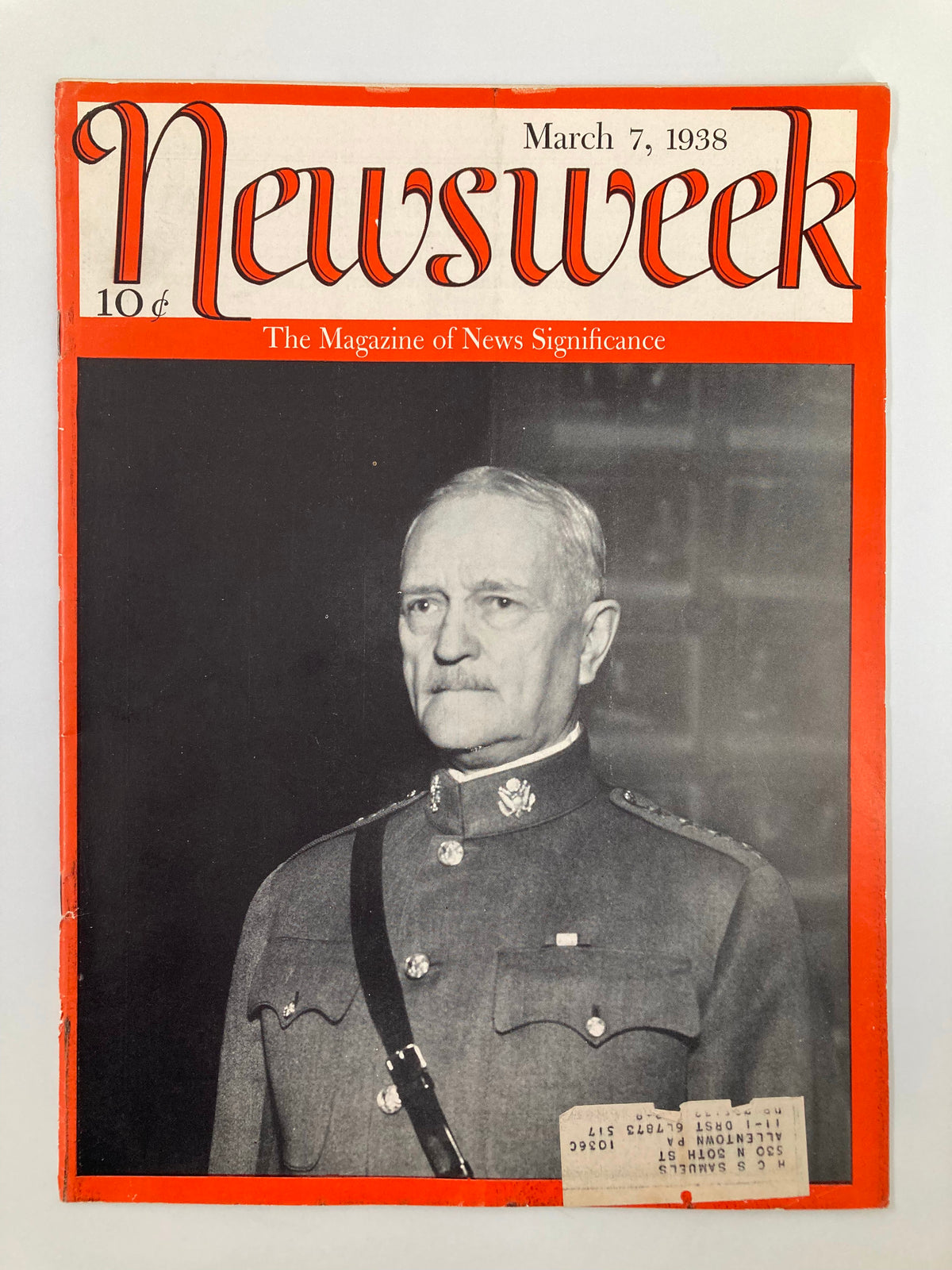
The Anschluss & European Crisis: News-focused vintage magazines—Time, Life, and Newsweek—from this month feature dramatic front-page photography of German forces entering Vienna, often illustrated with maps of the newly expanded Reich and urgent editorial dispatches from European correspondents.
-
The 10th Academy Awards: Hollywood publications and general-interest titles like Look and the Saturday Evening Post ran lavish spreads on the ceremony's winners, showcasing studio-produced portraits of Spencer Tracy and Luise Rainer alongside full-color advertisements for the nominated films still in theaters.
-
The Premiere of Jezebel: Entertainment and fan magazines from March 1938 feature promotional photography of Bette Davis and Henry Fonda, chronicling a premiere that generated some of the most striking Hollywood imagery of the decade—a must for collectors of classic cinema ephemera.
-
The Spanish Civil War & Barcelona Bombing: Issues of Life and Newsweek from this month contain photographic coverage of the Italian Air Force's devastating campaign over Barcelona, offering readers—and today's collectors—an authentic, unfiltered record of a conflict that prefigured the coming World War.
-
Sports & American Life: From the American Bowling Congress tournament drawing nearly 25,000 competitors, to Temple's first NIT title, to the 97th Grand National won by 17-year-old Bruce Hobbs aboard the legendary Battleship, sports pages and Sports Illustrated-era predecessors capture the full breadth of March 1938's athletic drama in genuine, preserved newsprint.
The Perfect Gift for Someone Born in March 1938
For someone born in March 1938, an original magazine from this defining month isn't just a keepsake—it's an authentic time capsule of a world poised between the last days of peace and the gathering storm, preserved in genuine period headlines, original photography, and the very advertisements their parents would have read.