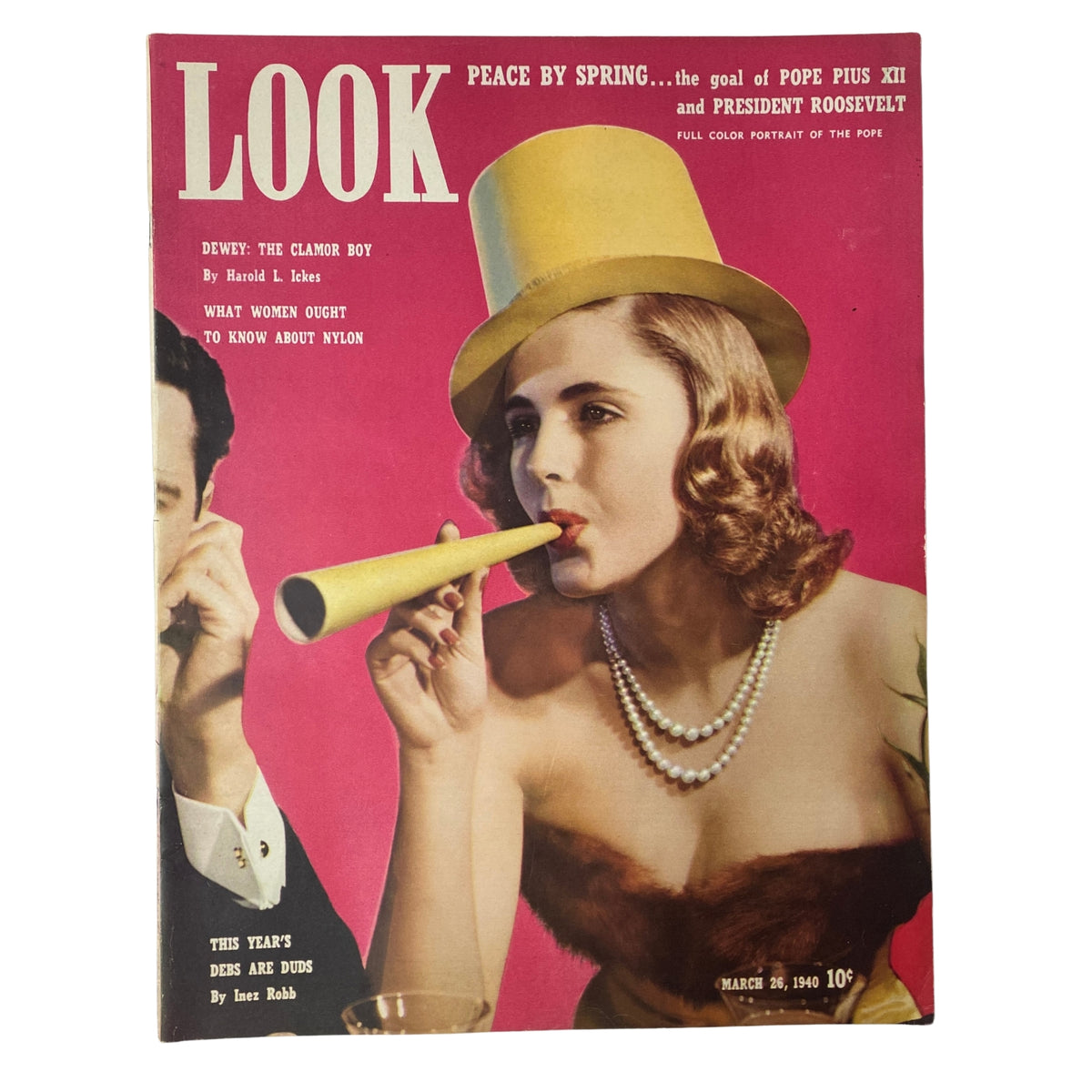
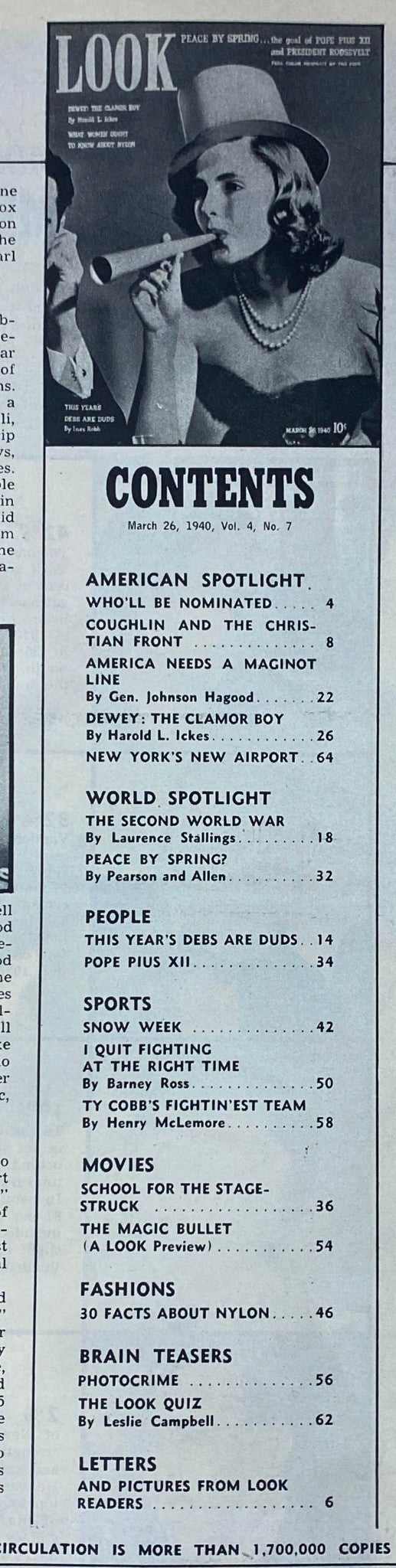
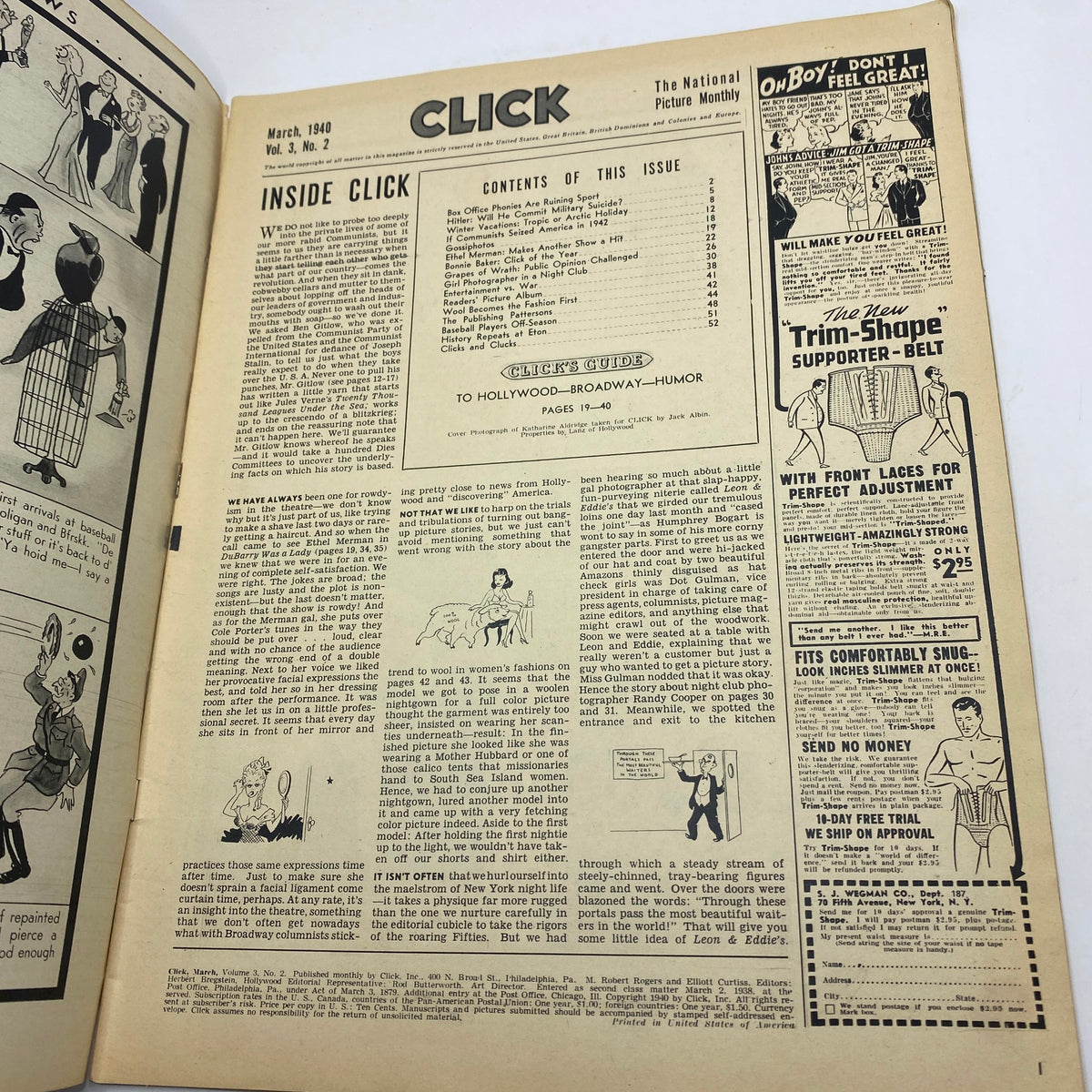
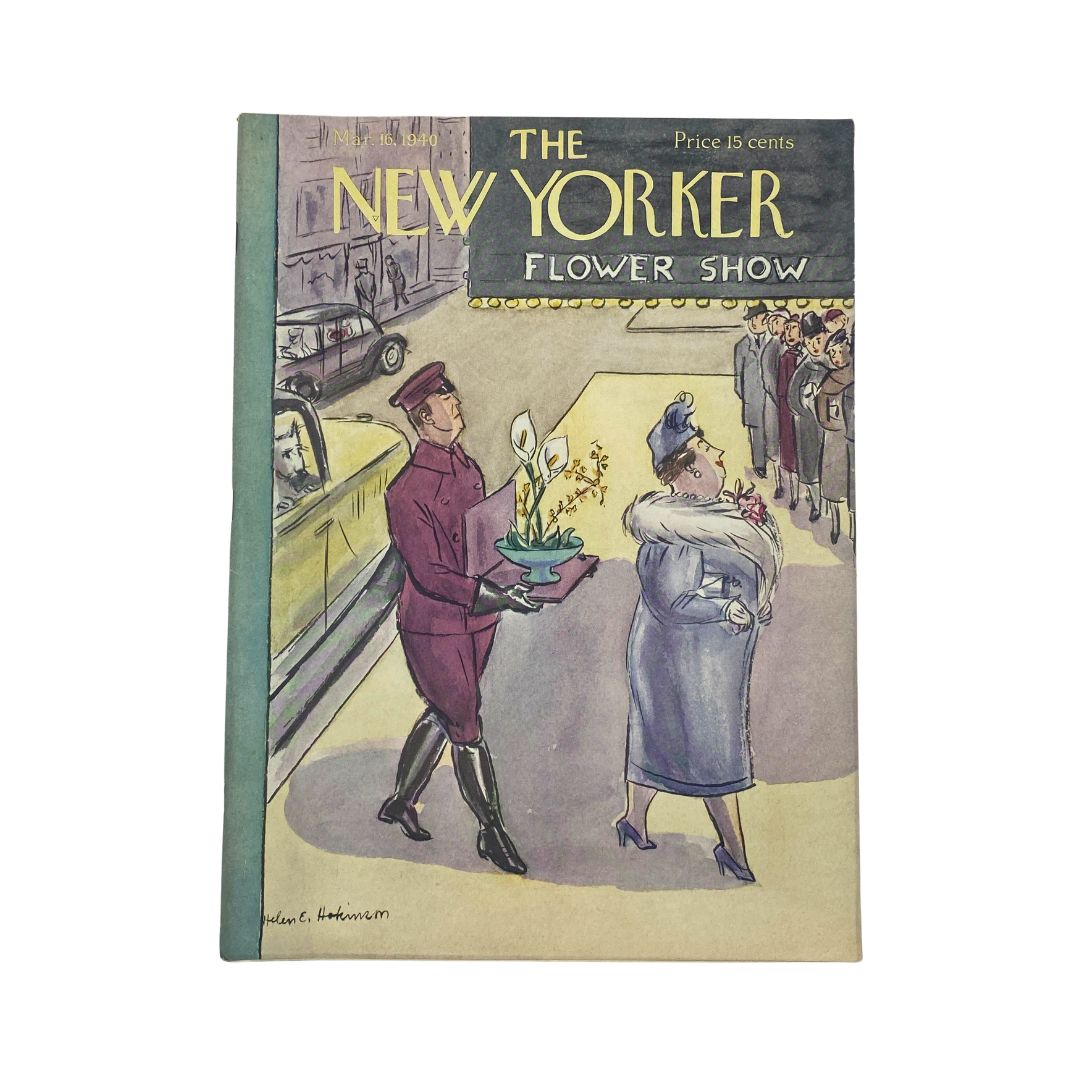
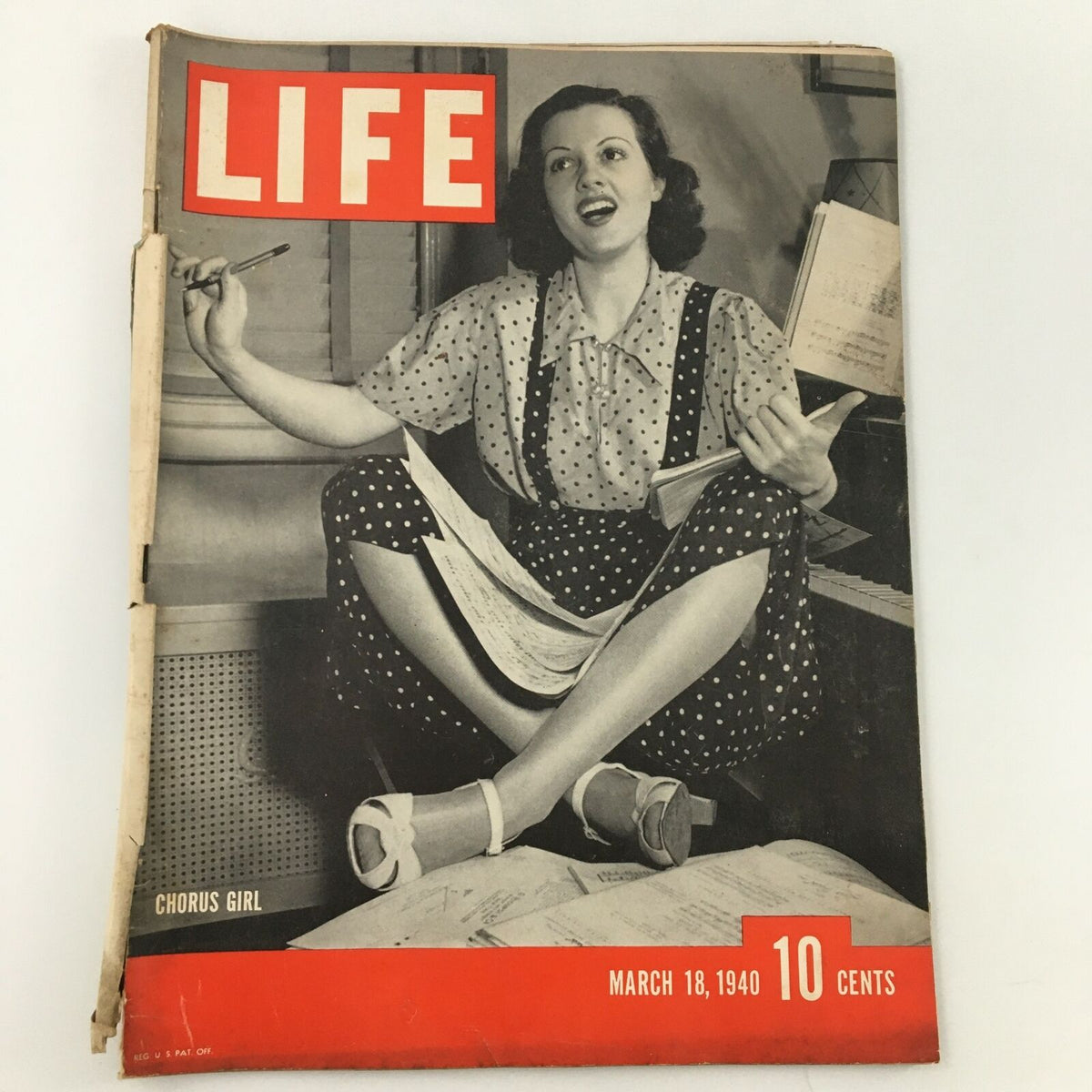
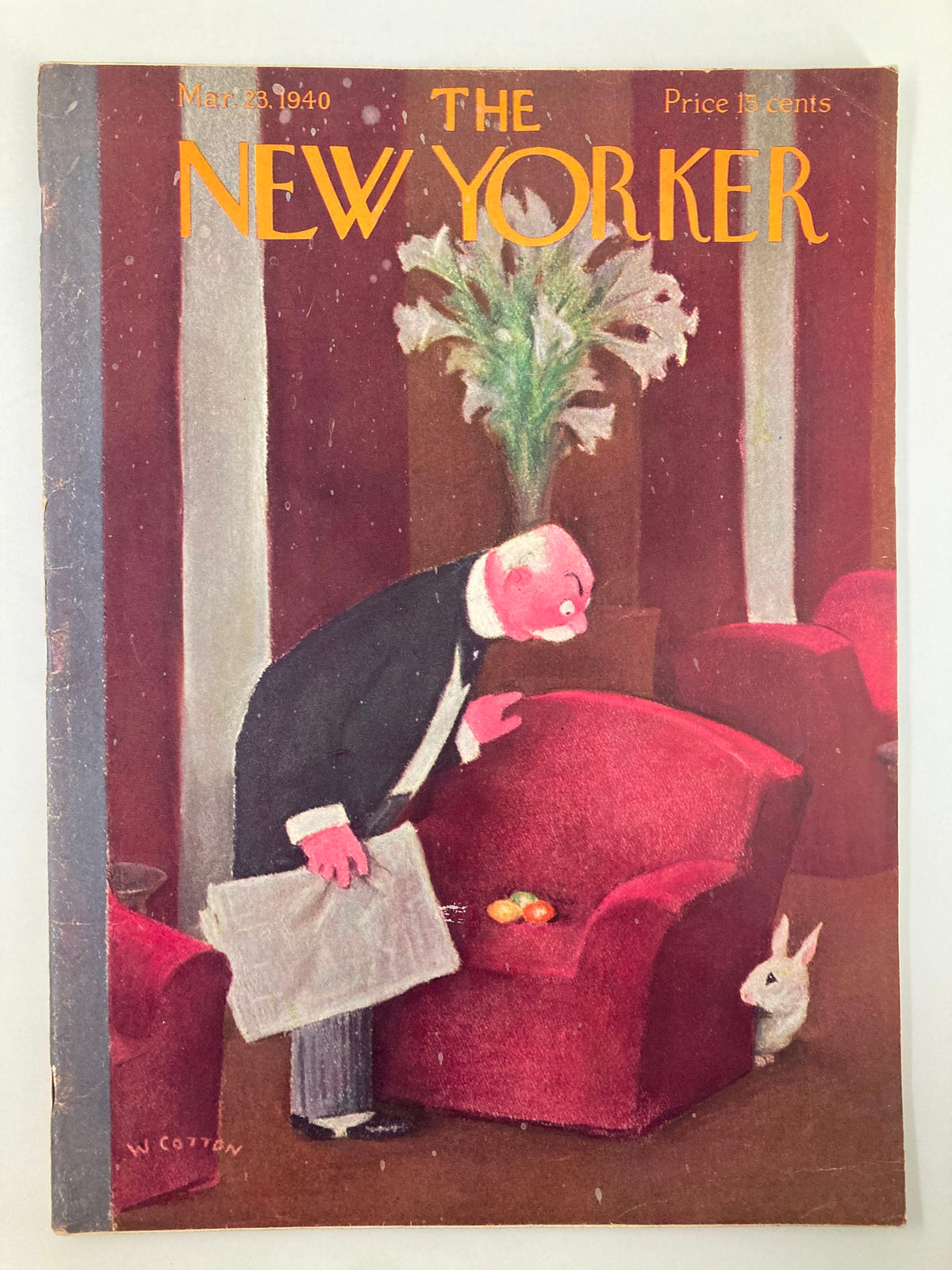
📖 About this Collection
March 1940: Europe in the Balance, America Watching
The Historical Context
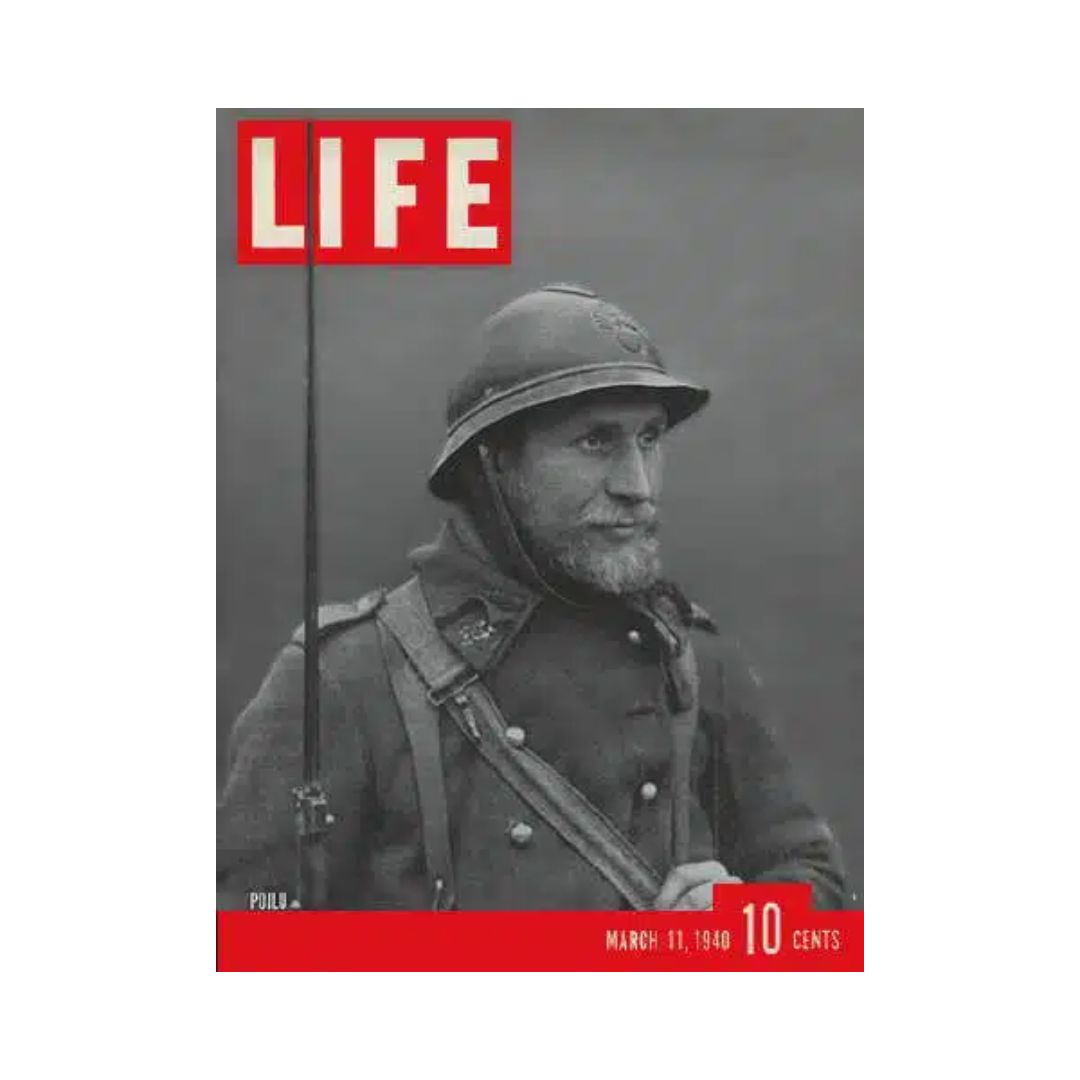
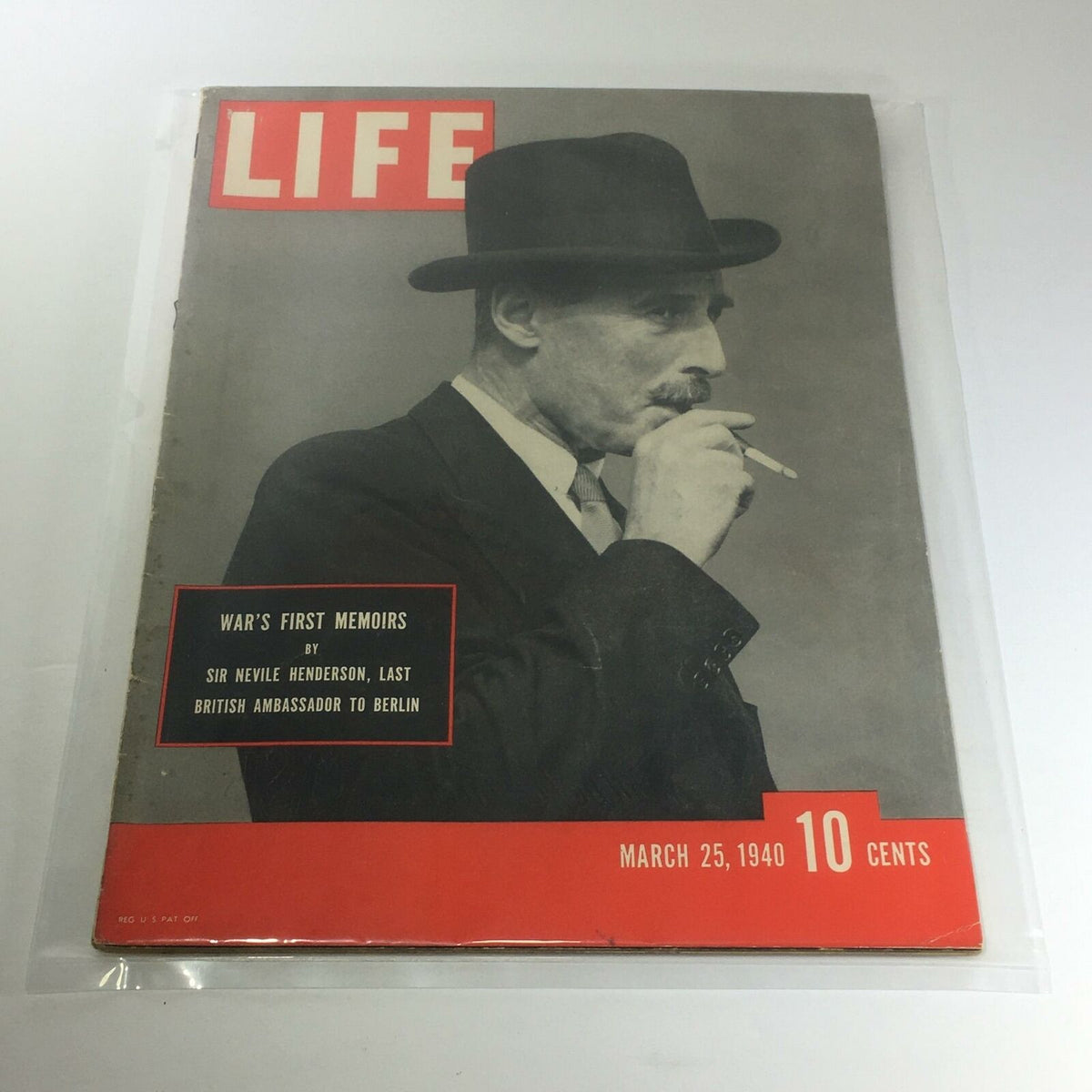
March 1940 opened with the final tremors of one war and the gathering thunder of another. Finland, battered for months by Soviet forces, signed the Moscow Peace Treaty on March 12th, surrendering 11% of its territory—a stark reminder that small nations were being swallowed whole. The cease-fire brought a grim peace to the Karelian front, but offered little comfort: just six days later, at the Brenner Pass, Mussolini met Hitler and pledged Italy's alignment with Germany's coming offensive in the west. The French government fell on March 19th, with Édouard Daladier replaced by Paul Reynaud as premier—a political convulsion signaling just how uncertain France's footing had become. Across the Atlantic, Americans followed these dispatches with a mix of dread and disbelief. Life and Time filled their pages with maps, photographs, and grave-faced statesmen. This was the world your loved one entered: one where history moved at a terrifying pace, and ordinary life pressed on regardless.
Culture and Life on the American Homefront
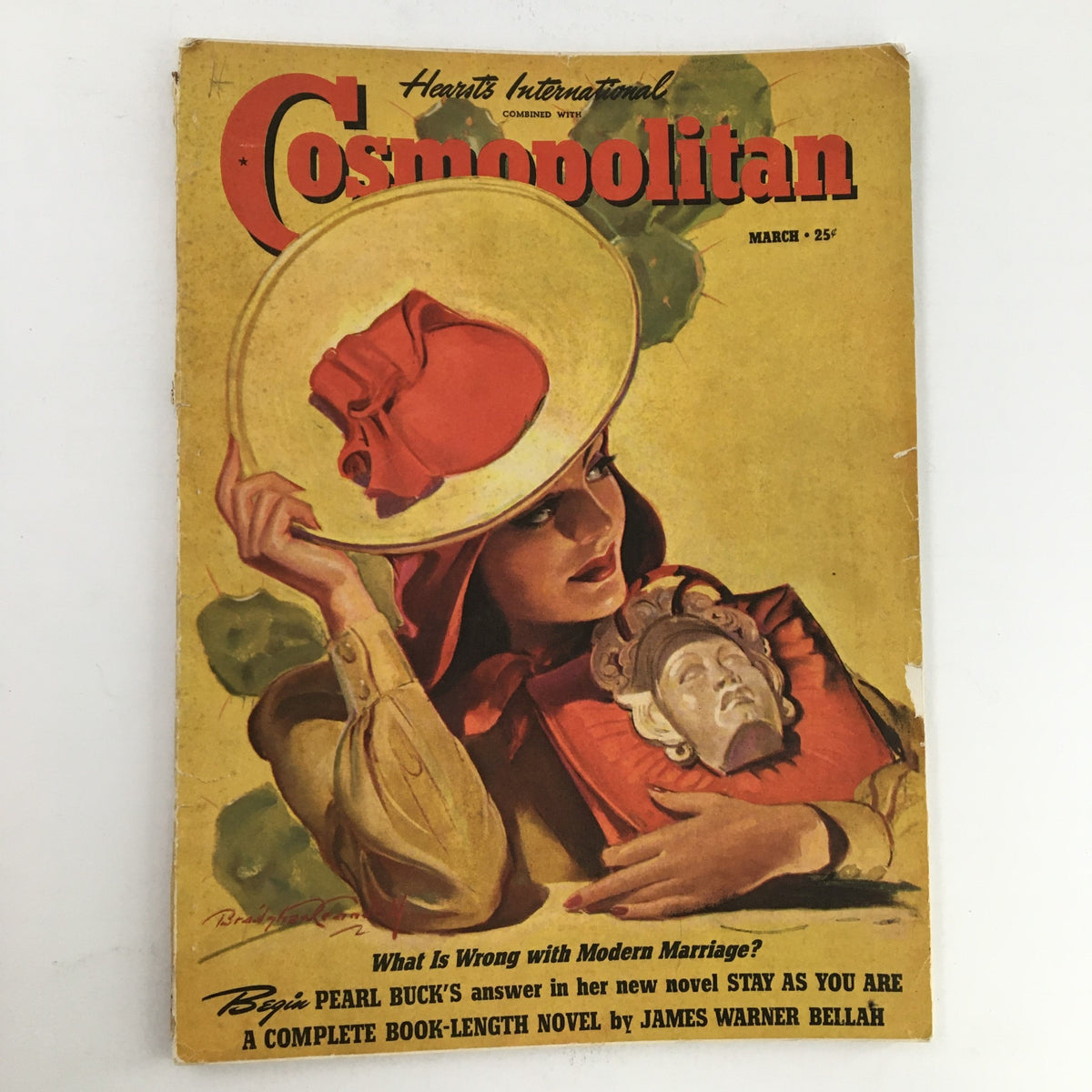
While Europe lurched toward catastrophe, American culture pulsed with vivid energy. Alfred Hitchcock's Rebecca—adapted from Daphne du Maurier's novel and starring Laurence Olivier and Joan Fontaine—had its Miami premiere on March 21st, destined for Best Picture at the Oscars. The Road to Singapore debuted on March 14th, launching the beloved Hope-Crosby-Lamour road picture franchise and making audiences laugh in uncertain times. On the radio, Truth or Consequences made its CBS debut on March 23rd. Sports fans had reason to cheer: Seabiscuit finally captured the Santa Anita Handicap on March 2nd, ending his career as the world's leading money-winning horse in an emotional triumph. Joe Louis knocked out Johnny Paycheck in the second round on March 29th. And in a quiet corner of Detective Comics, a boy named Dick Grayson put on a costume for the first time—Robin had arrived. Original magazines from March 1940 capture this tension beautifully: the ads bright and optimistic, the headlines shadowed by war.
Curator's Checklist: What to Look for in March 1940 Magazines
-
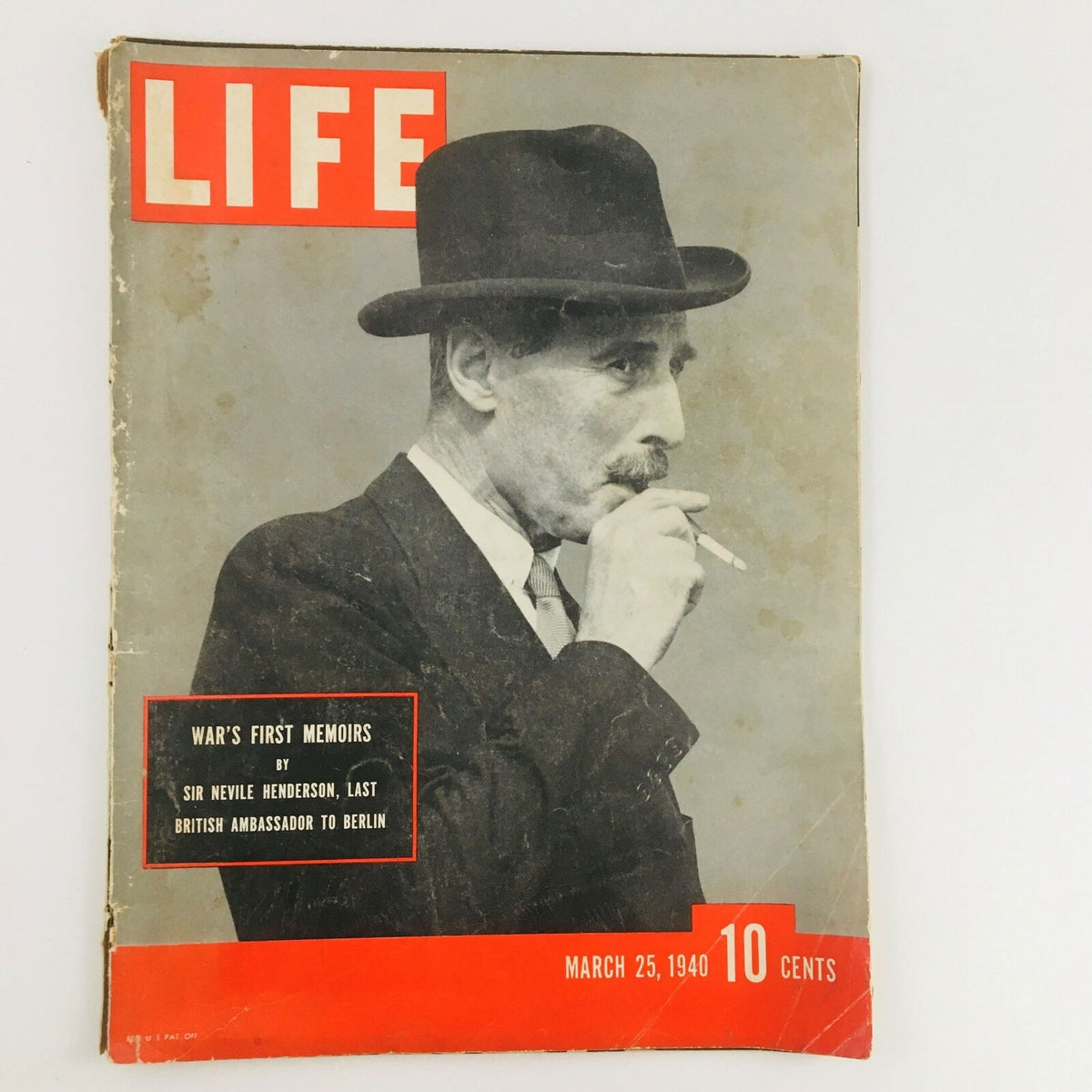
The Winter War's End: Time, Life, and Newsweek ran extensive coverage of Finland's surrender and the Moscow Peace Treaty, typically illustrated with stark photography of Finnish soldiers and territorial maps marking the ceded Karelian region.
-
Hitchcock's Rebecca and Hollywood Premieres: Entertainment-focused vintage magazines and issues of Variety from this month document the film's arrival, with studio portraits of Olivier and Fontaine and early critical notices from the Miami premiere.
-
Seabiscuit's Final Victory: Sports Illustrated did not yet exist, but Life and the Saturday Evening Post both covered racing with full-page photography; issues from this month may feature Seabiscuit's Santa Anita triumph, one of the most celebrated sports stories of the era.
-
Mussolini and Hitler at Brenner Pass: Rare magazines from the news weeklies—particularly Look and Life—captured this diplomatic meeting with wire photography, offering buyers a genuine artifact from the moment Italy's fate in the war was effectively sealed.
-
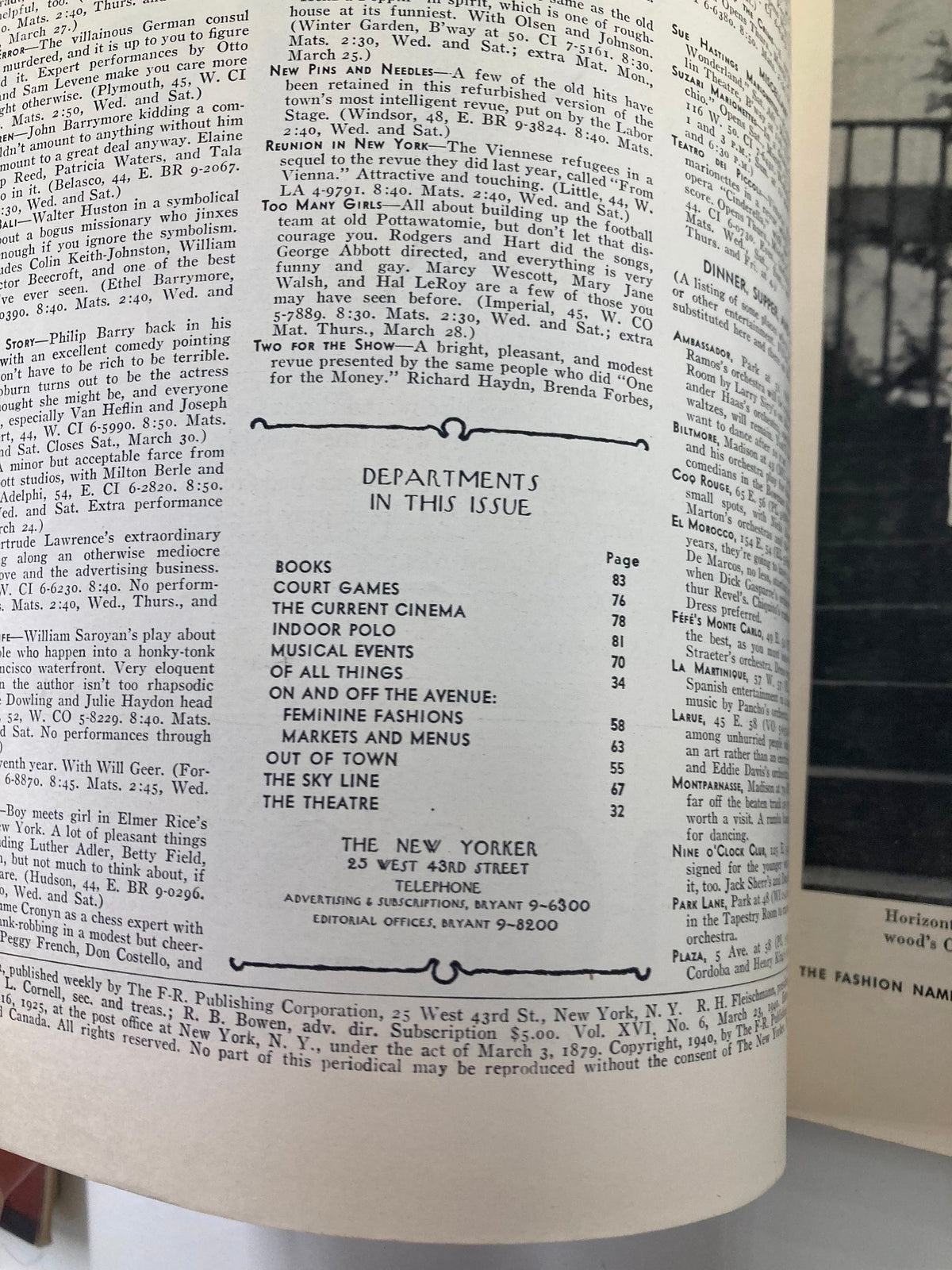
Robin's Comic Debut and American Pop Culture: Beyond hard news, authentic advertisements in these magazines reflect the buoyant consumer culture of 1940—automobiles, cigarettes, household appliances—alongside the first whispers of a wartime economy beginning to shift.
The Perfect Gift
For someone born in March 1940, an original magazine from this pivotal month isn't just a piece of paper—it's a genuine time capsule of a world on the edge of history, preserved in the ink, headlines, and advertisements of the exact days they first arrived in it.