📖 About this Collection
March 1942: The World at War's Darkest Hour
The Historical Context
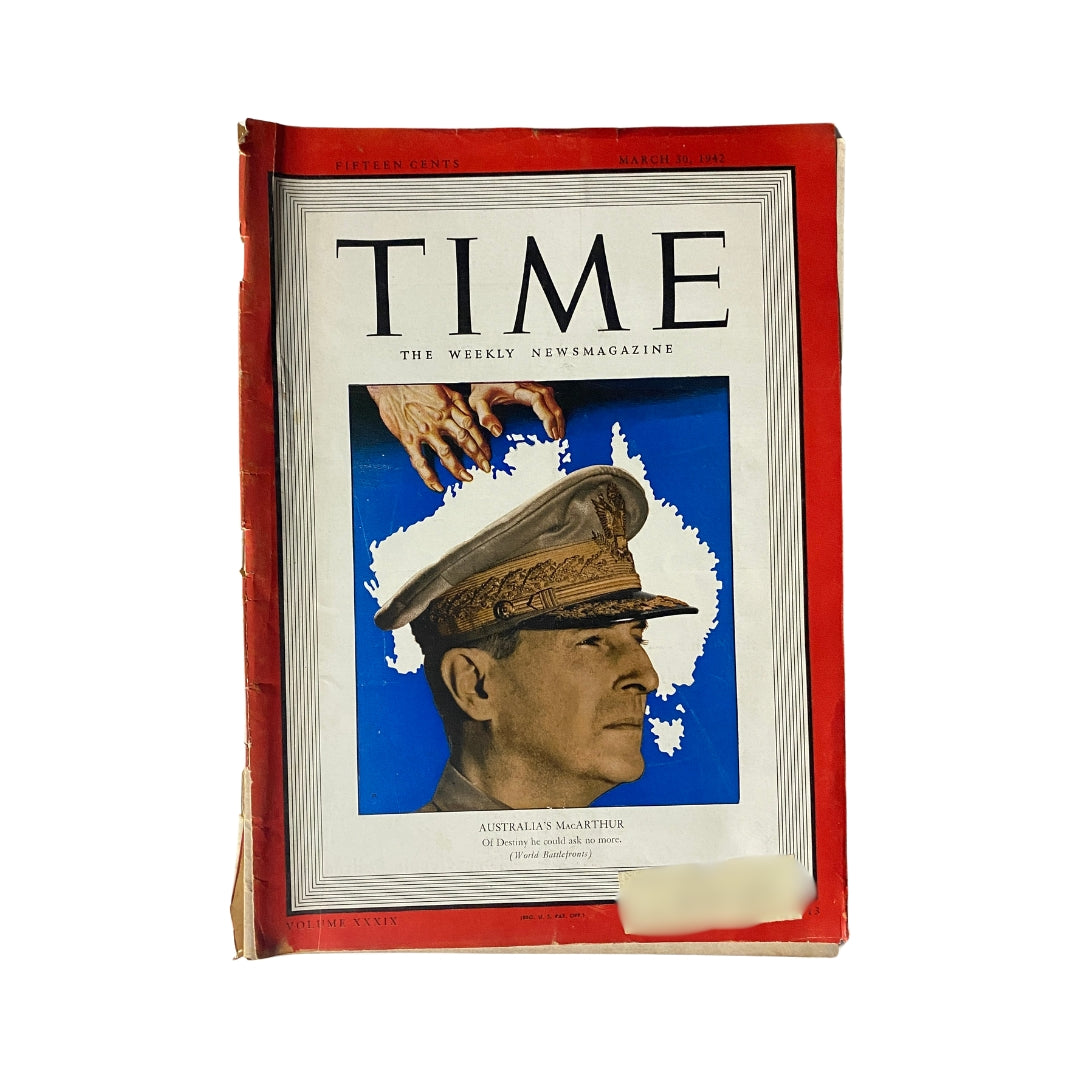
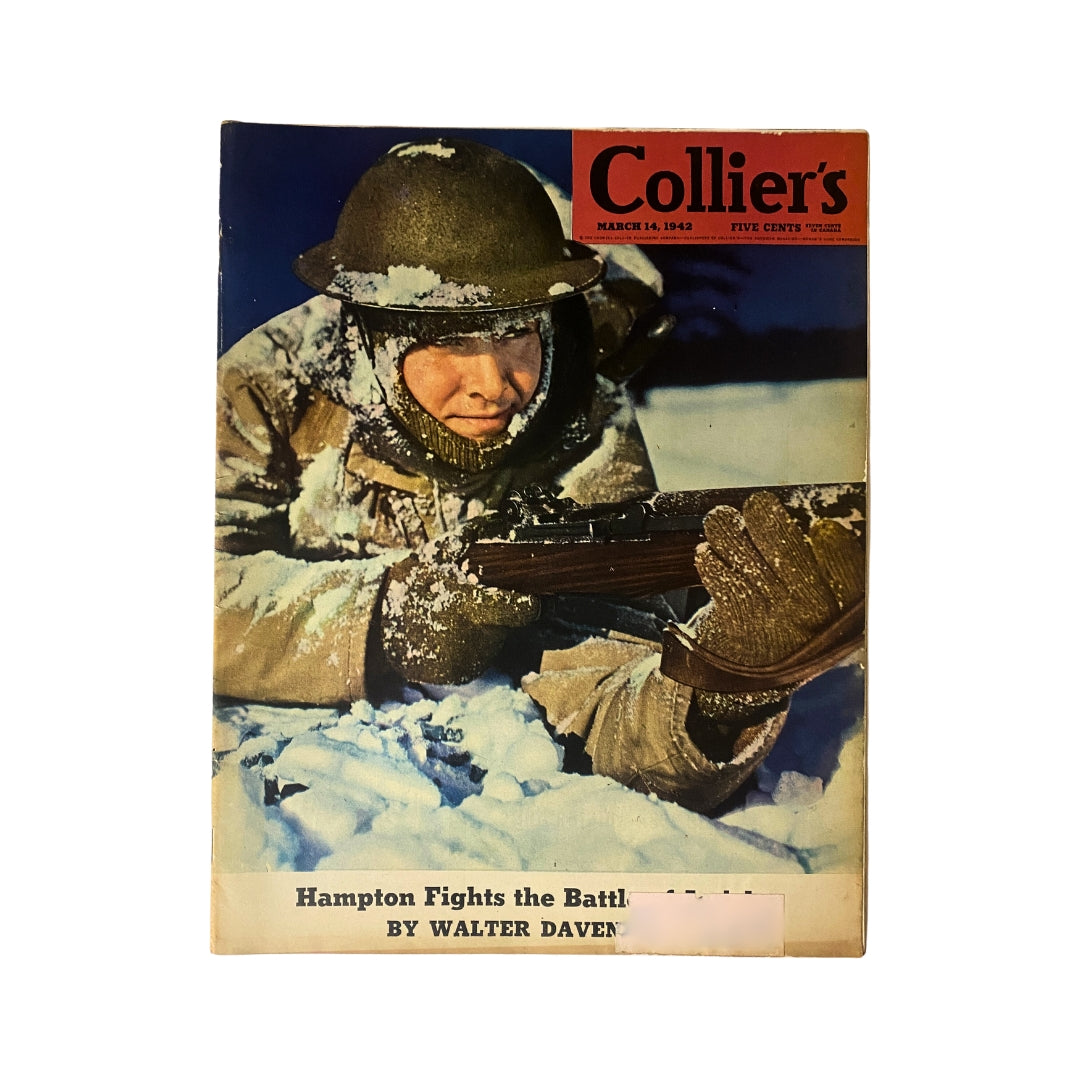
March 1942 arrived with the war machine in full motion and no pause for breath. The Pacific was ablaze—Japanese forces had seized Rangoon, overrun Java, occupied the Andaman Islands, and forced the surrender of the Dutch colonial army in a matter of days. In the Philippines, General Douglas MacArthur made his legendary escape from Corregidor, arriving in Australia with a vow that echoed across the Allied world: "I came through and I shall return." It was a line that gave a desperate people something to hold onto.
On the other side of the globe, the RAF launched its first truly devastating strike against a German city, reducing Lübeck to rubble across two nights of bombing. Rommel pressed his offensive in North Africa. In occupied Europe, the horror deepened—the Bełżec concentration camp opened its gates, the first deportation train left Paris for Auschwitz, and the first "Eichmann transport" arrived at Birkenau. This was the world your loved one entered—a planet gripped by history being made in the worst and most heroic of ways.
Culture Under Pressure: Hollywood, Sports, and a Nation Holding Together
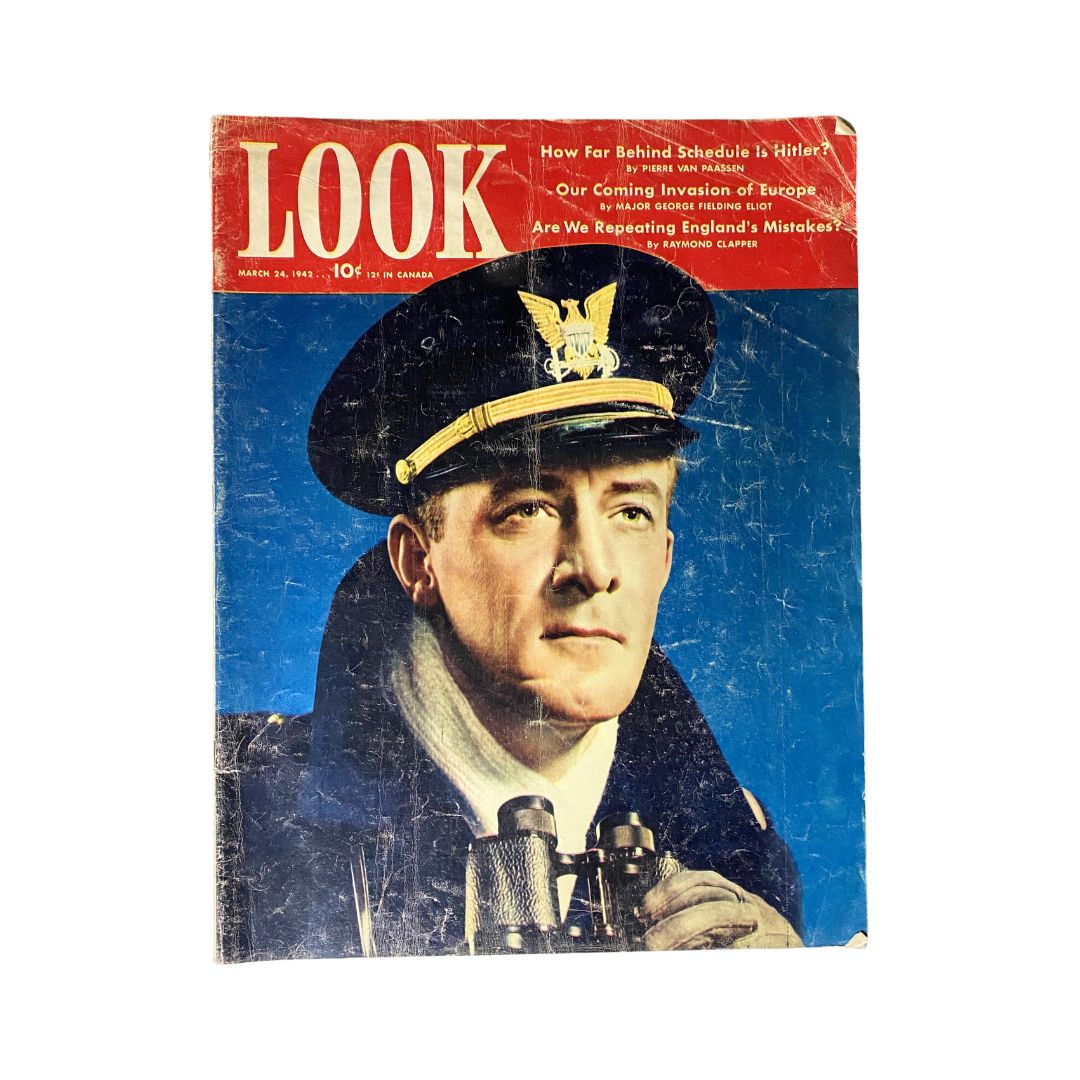
Even as the world burned, American life pressed forward with a stubborn determination that defined the era. On March 2nd, Hollywood gathered for the 14th Academy Awards, where How Green Was My Valley claimed Best Picture, Gary Cooper won Best Actor, and Joan Fontaine took Best Actress—images from that ceremony filled Life and Look magazines the following week, offering a brief, glamorous exhale amid the headlines. In New York's Madison Square Garden, Joe Louis knocked out Abe Simon in the sixth round to retain his heavyweight title, a bout that Time and Newsweek covered as both sporting spectacle and wartime morale.
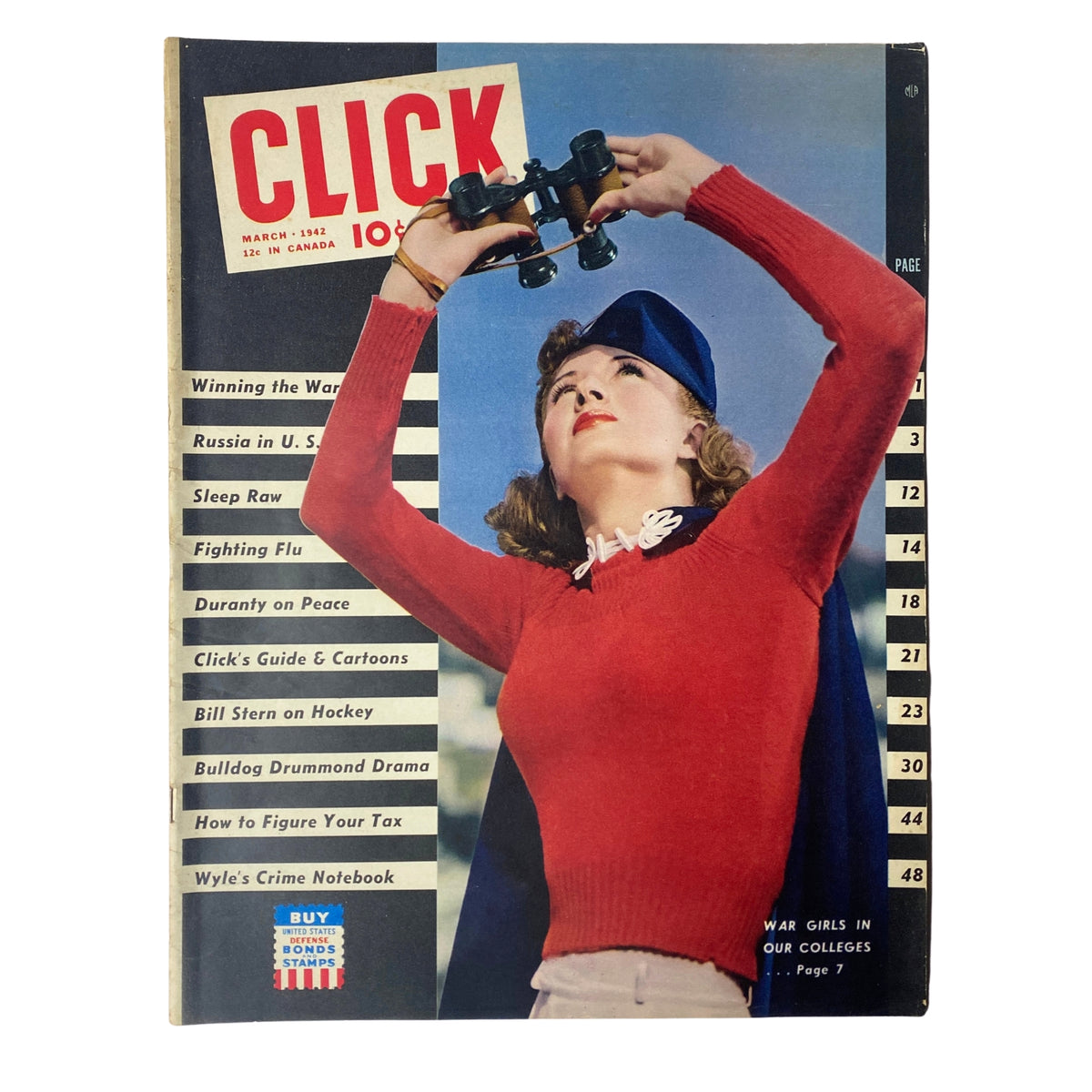
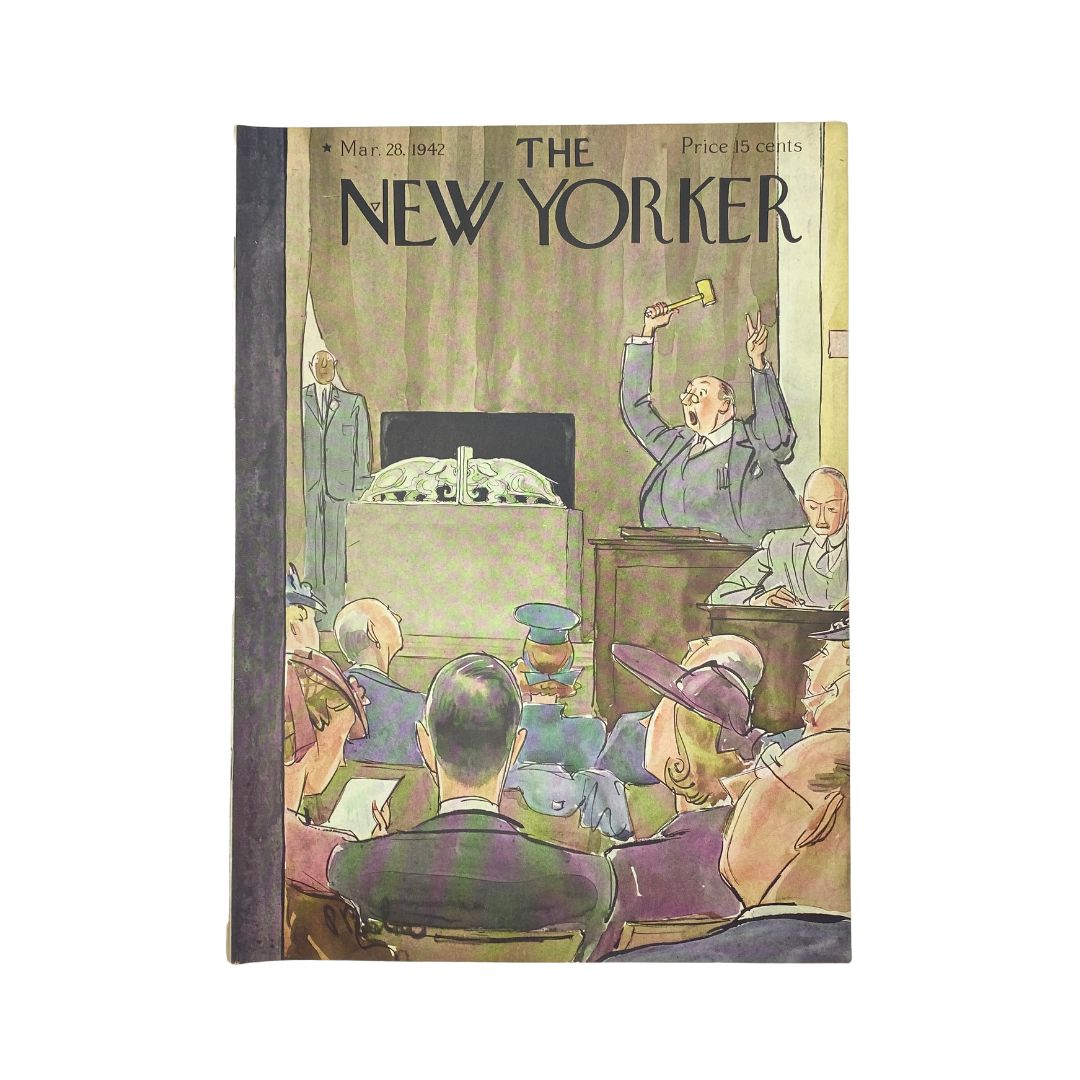
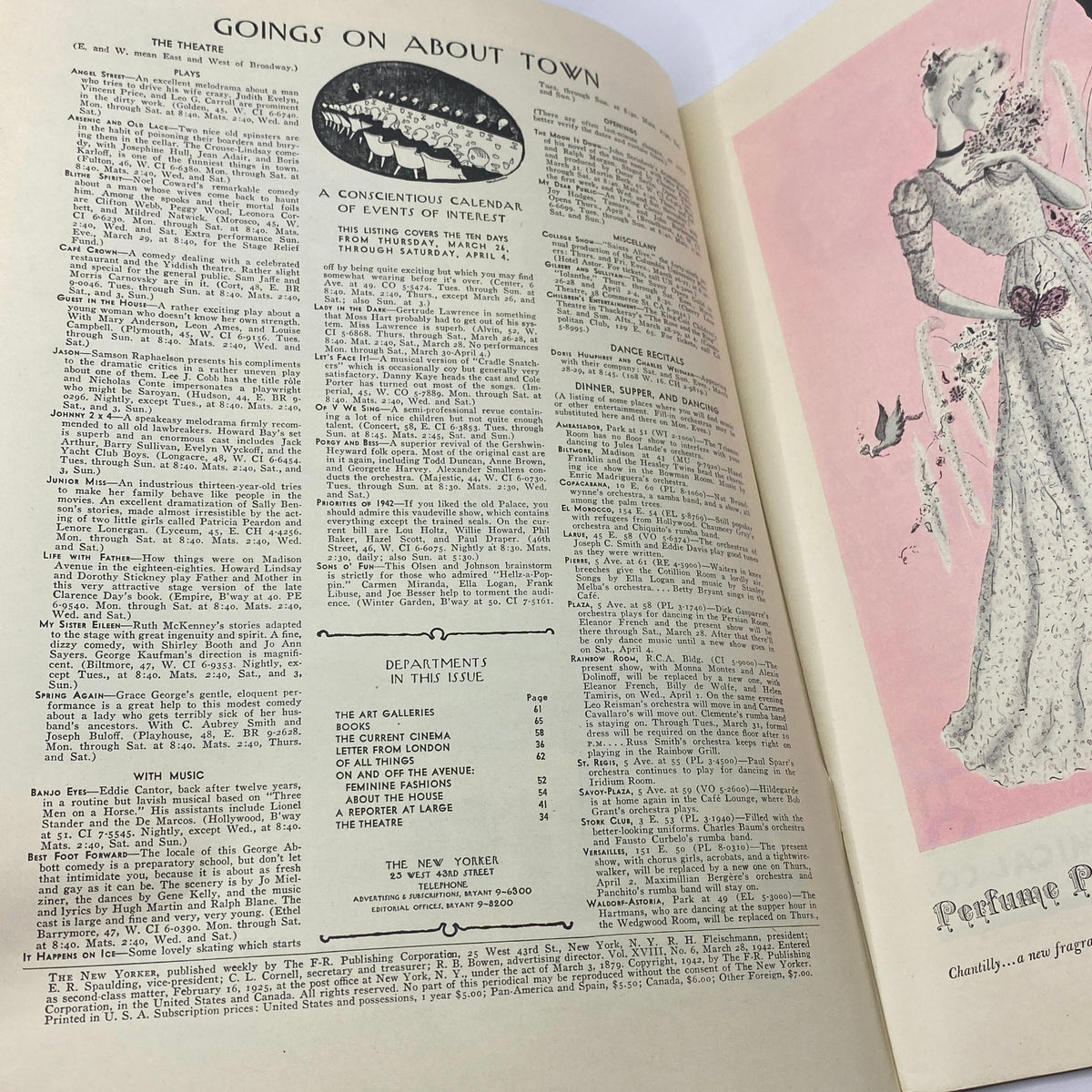
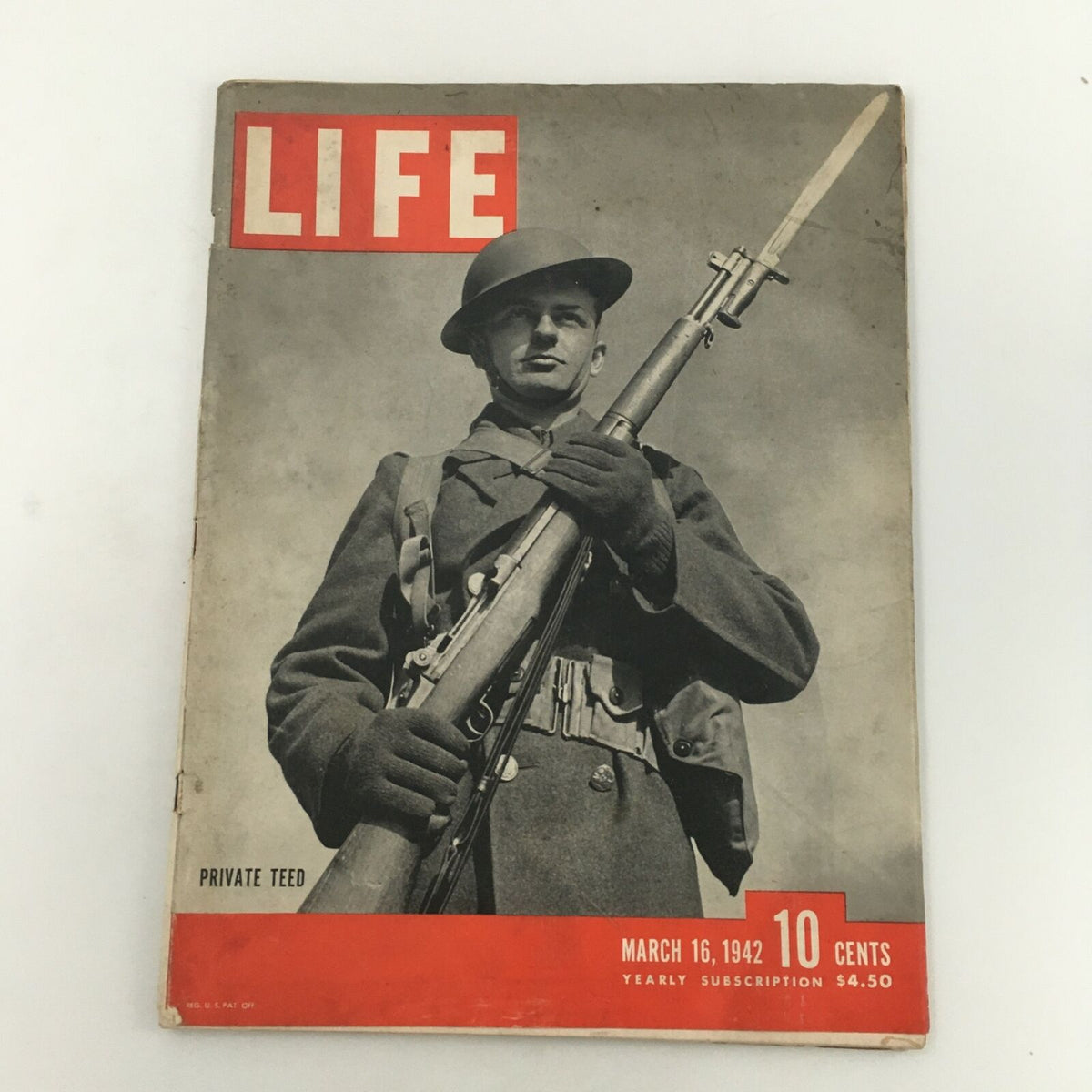
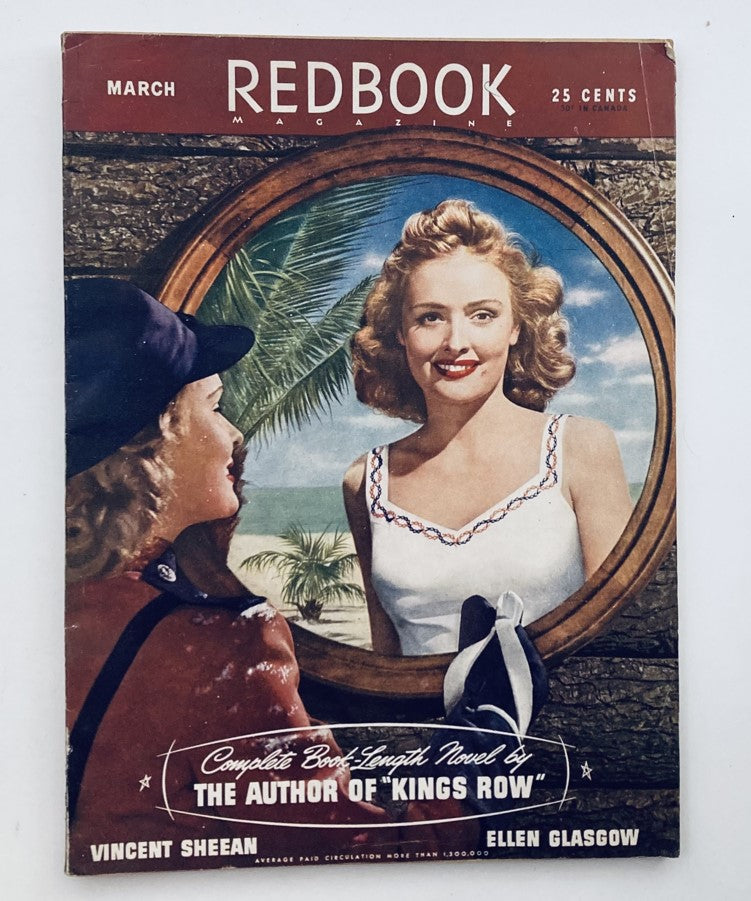
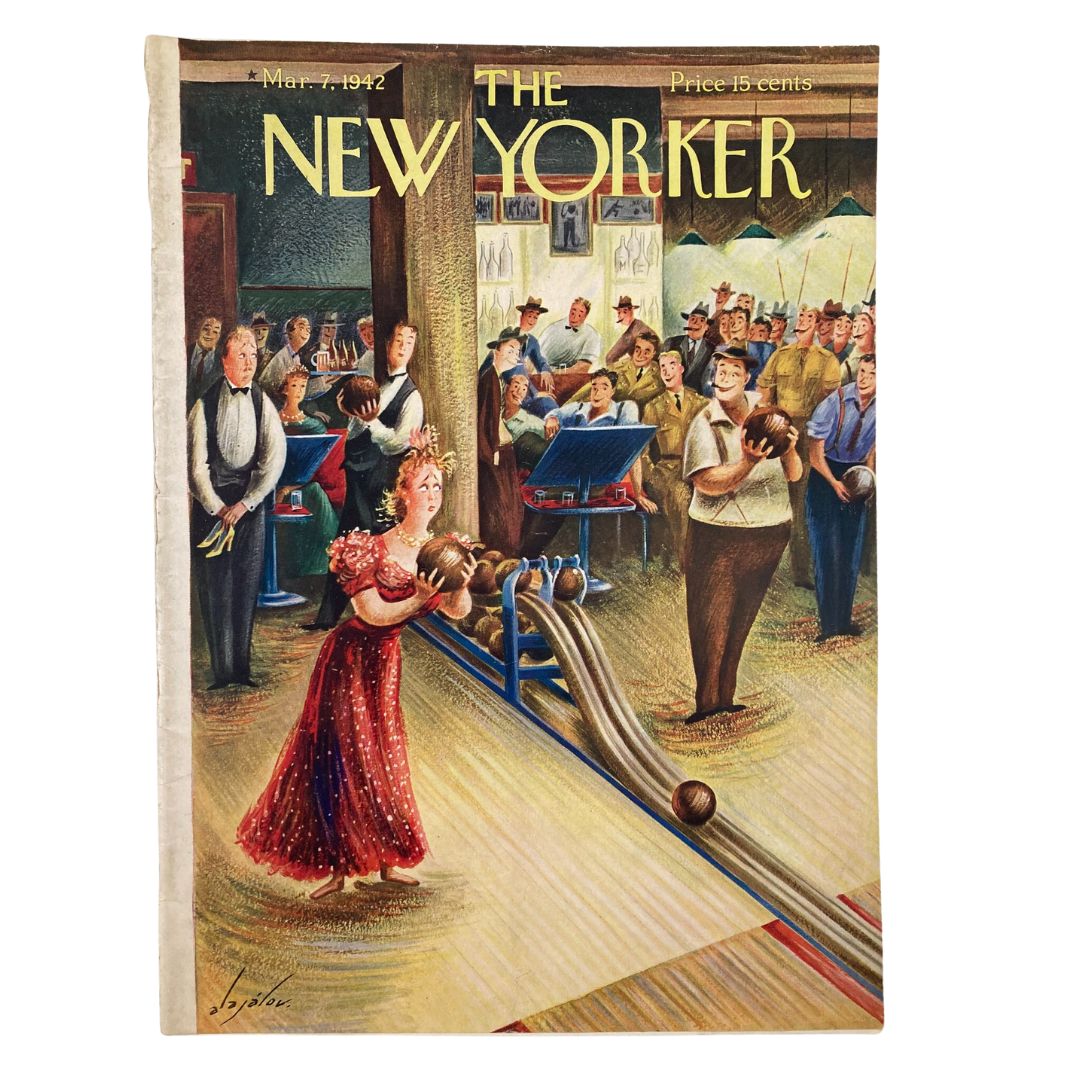
On March 7th, the first cadets graduated from the flying school at Tuskegee, Alabama—a milestone that resonated far beyond the airfield. And in an early tremor of what would reshape American sport decades later, Jackie Robinson and Nate Moreland requested a tryout with the Chicago White Sox. Original magazines from March 1942 capture this collision of everyday American life and extraordinary circumstance—the advertisements for rationed goods, the Hollywood portraits, the grim dispatch maps printed beside department store ads.
Curator's Checklist: What to Look for in March 1942 Issues
-
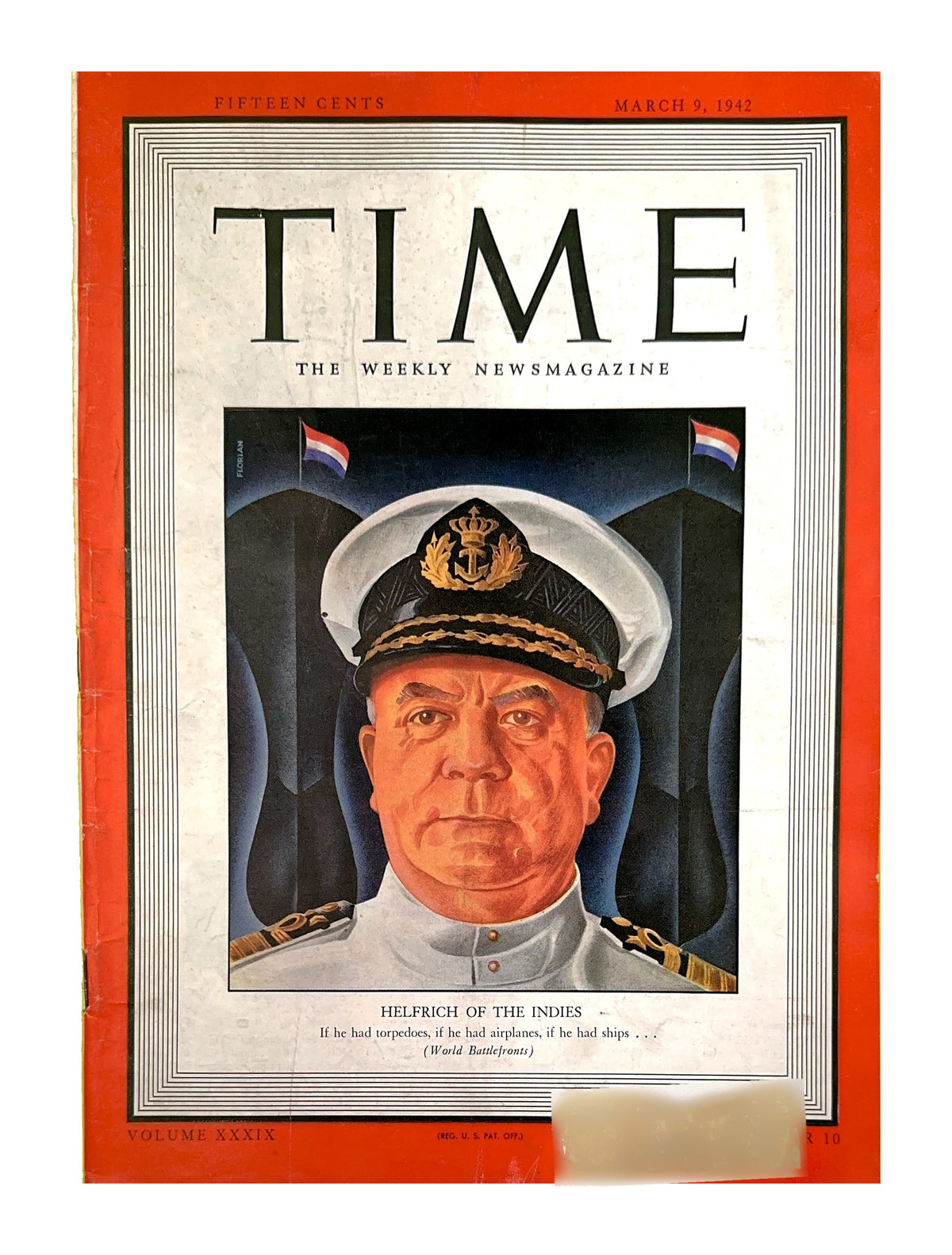
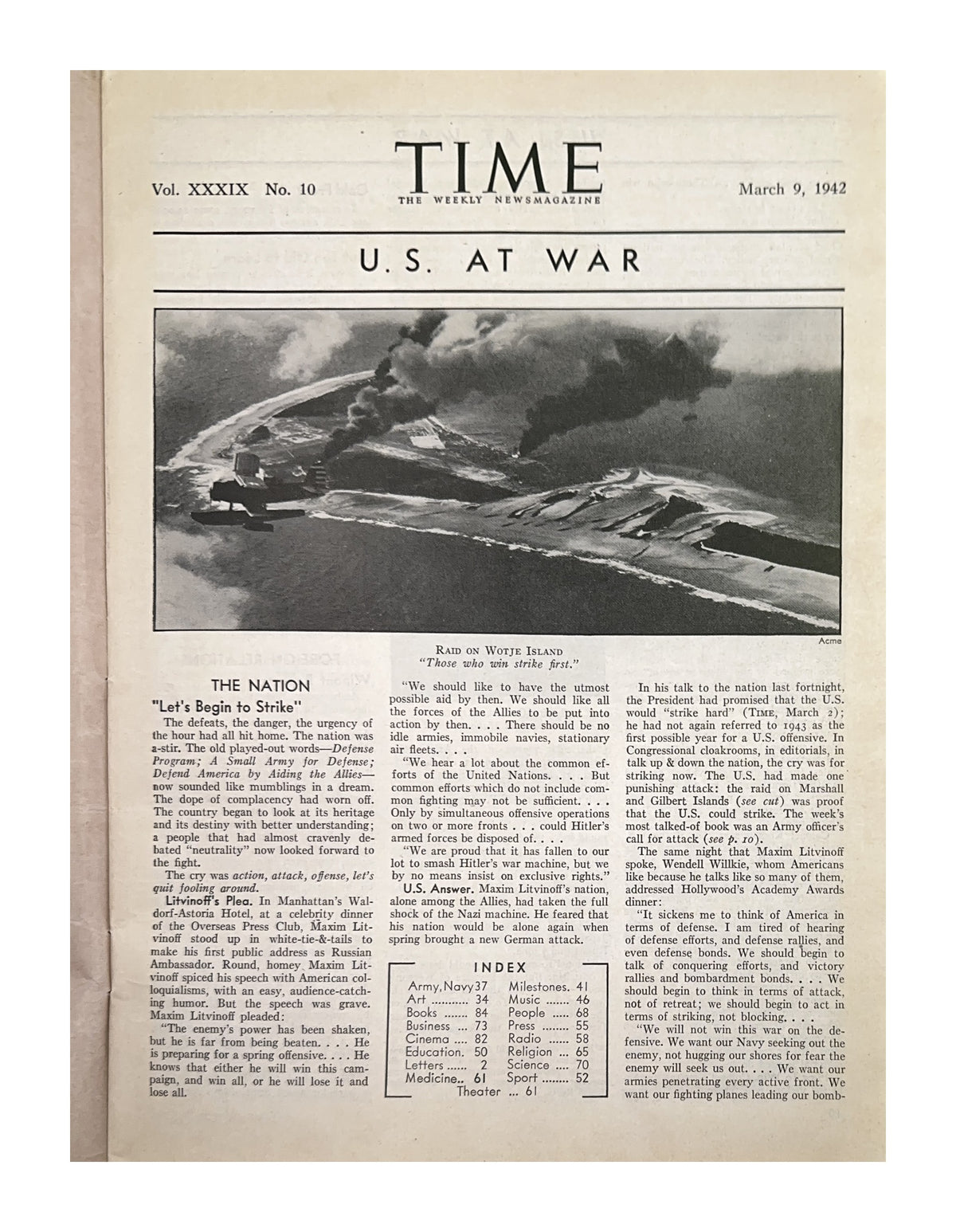
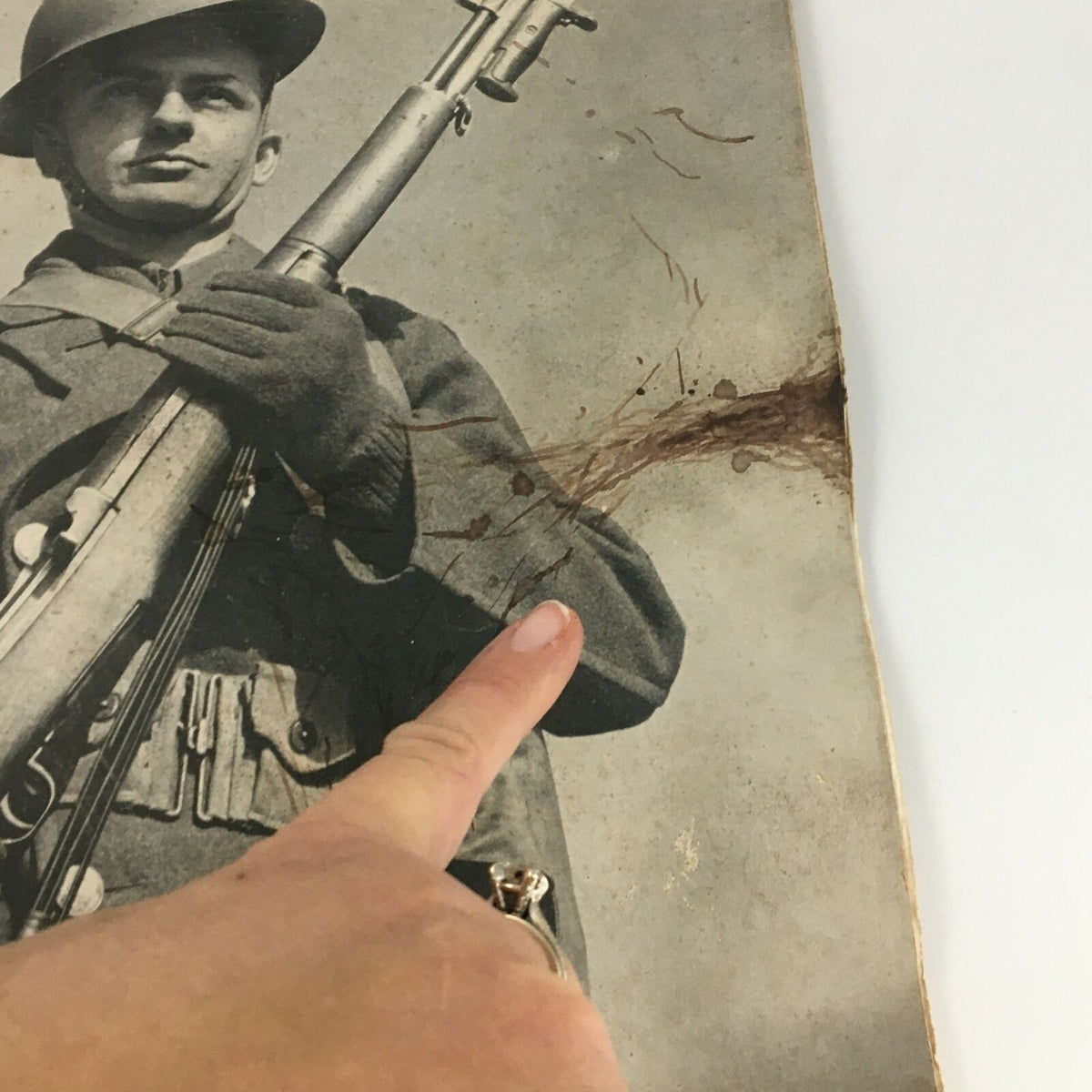
MacArthur's Pacific Retreat: News magazines including Time, Life, and Newsweek featuring front-page photography and illustrated maps of the Pacific theater, often showing MacArthur's escape route from Corregidor alongside urgent dispatches from Java and Burma.
-
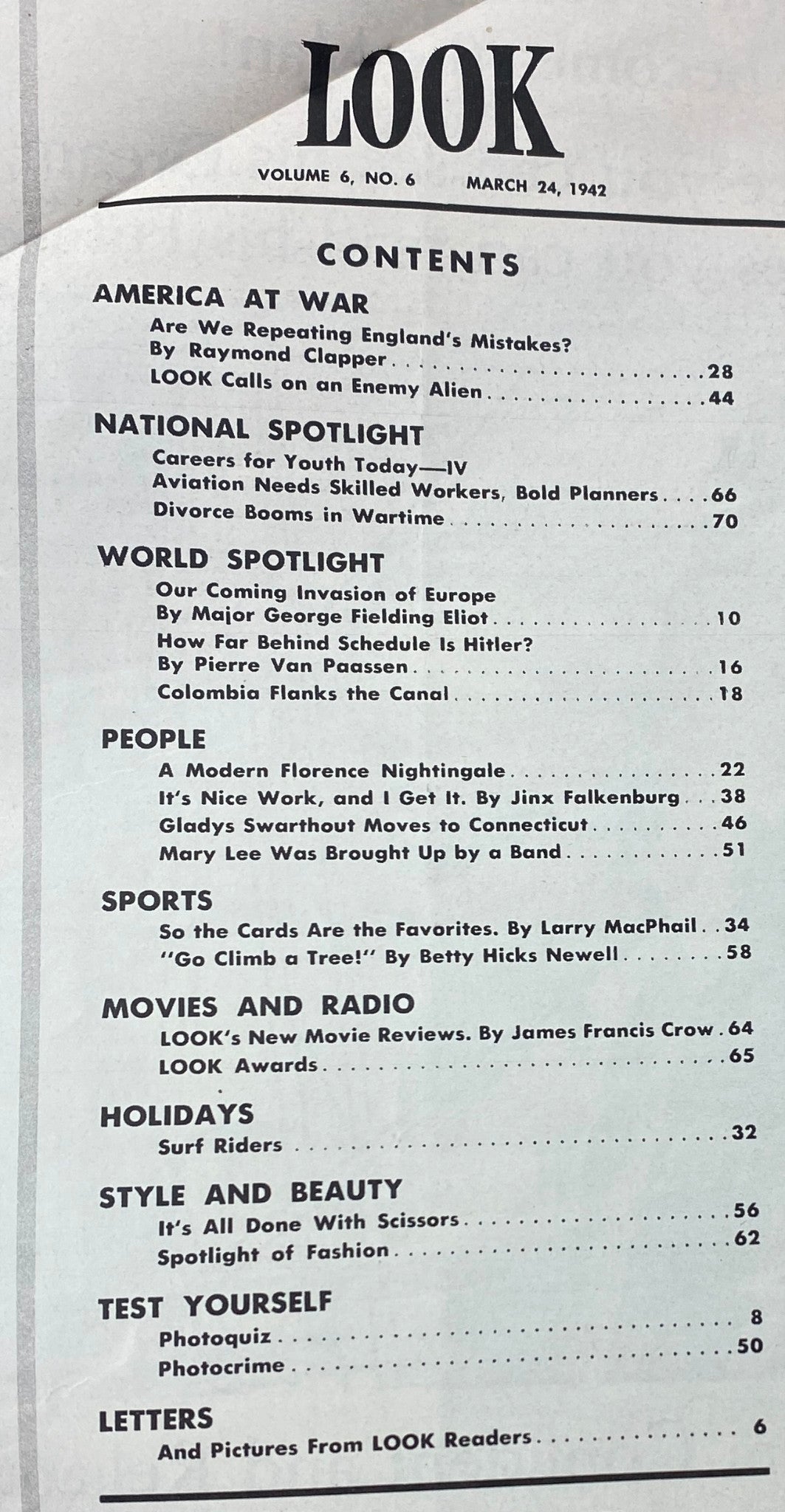
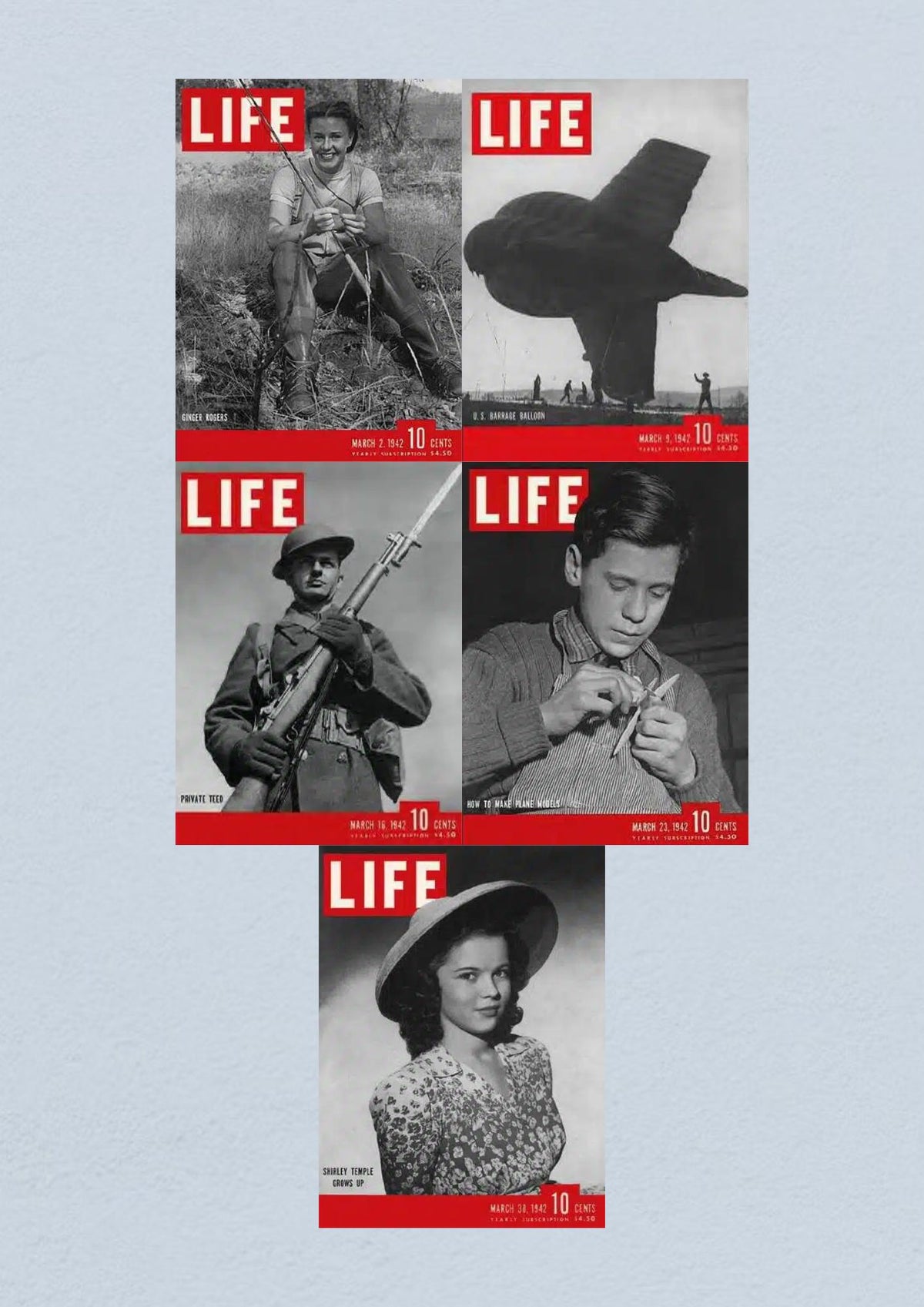
14th Academy Awards Coverage: Life, Look, and entertainment titles showcasing Gary Cooper, Joan Fontaine, and the How Green Was My Valley triumph, illustrated with studio portraits and glamour photography—a striking contrast to the war dispatches on adjacent pages.
-
Japanese American Internment Orders: Rare magazines from this month may carry news coverage and reader response to FDR's Executive Orders 9066 and 9102, documenting one of the most contested civil liberties decisions in American history as it unfolded in real time.
-
RAF Bombing of Lübeck: Vintage magazines including Newsweek and Time documenting Bomber Command's first major success over a German city, with aerial photography and analysis of Allied air strategy that readers would have consumed with intense relief.
-
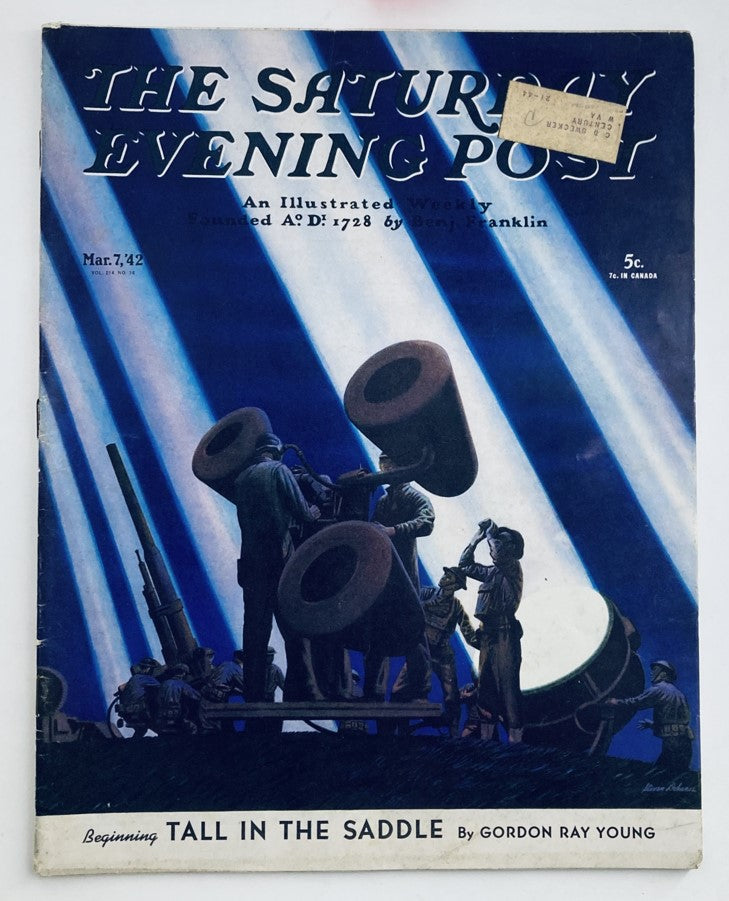
Joe Louis vs. Abe Simon: Sports coverage in Life, Look, and the Saturday Evening Post chronicling the heavyweight title bout, often featuring ringside photography and the broader context of Louis as a wartime symbol of American strength.
The Perfect Gift
For someone born in March 1942, an original magazine from this ferocious month isn't just a piece of paper—it's a time capsule of the exact world they arrived in, preserved in period advertisements, urgent headlines, and the photographs that told a generation what was at stake.