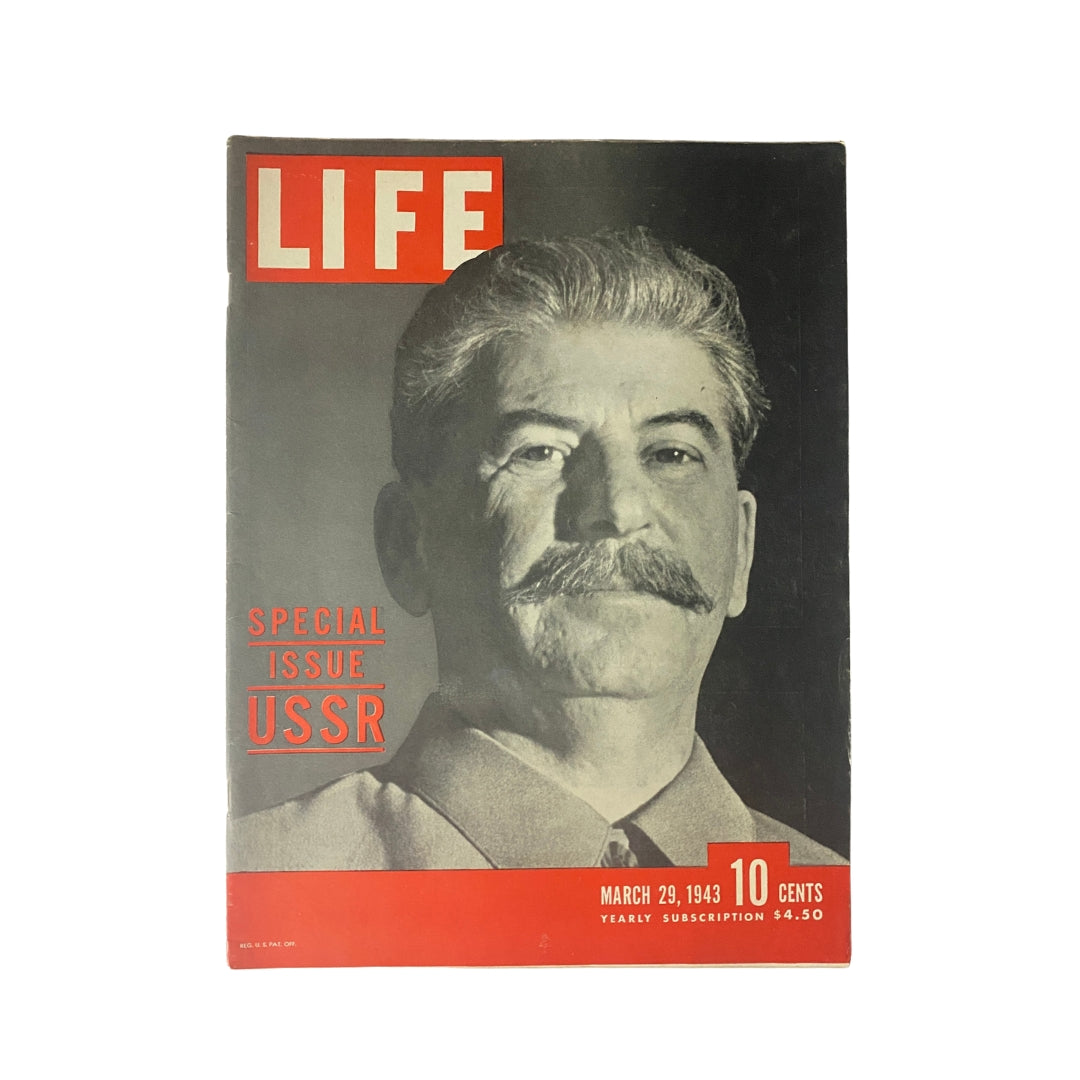
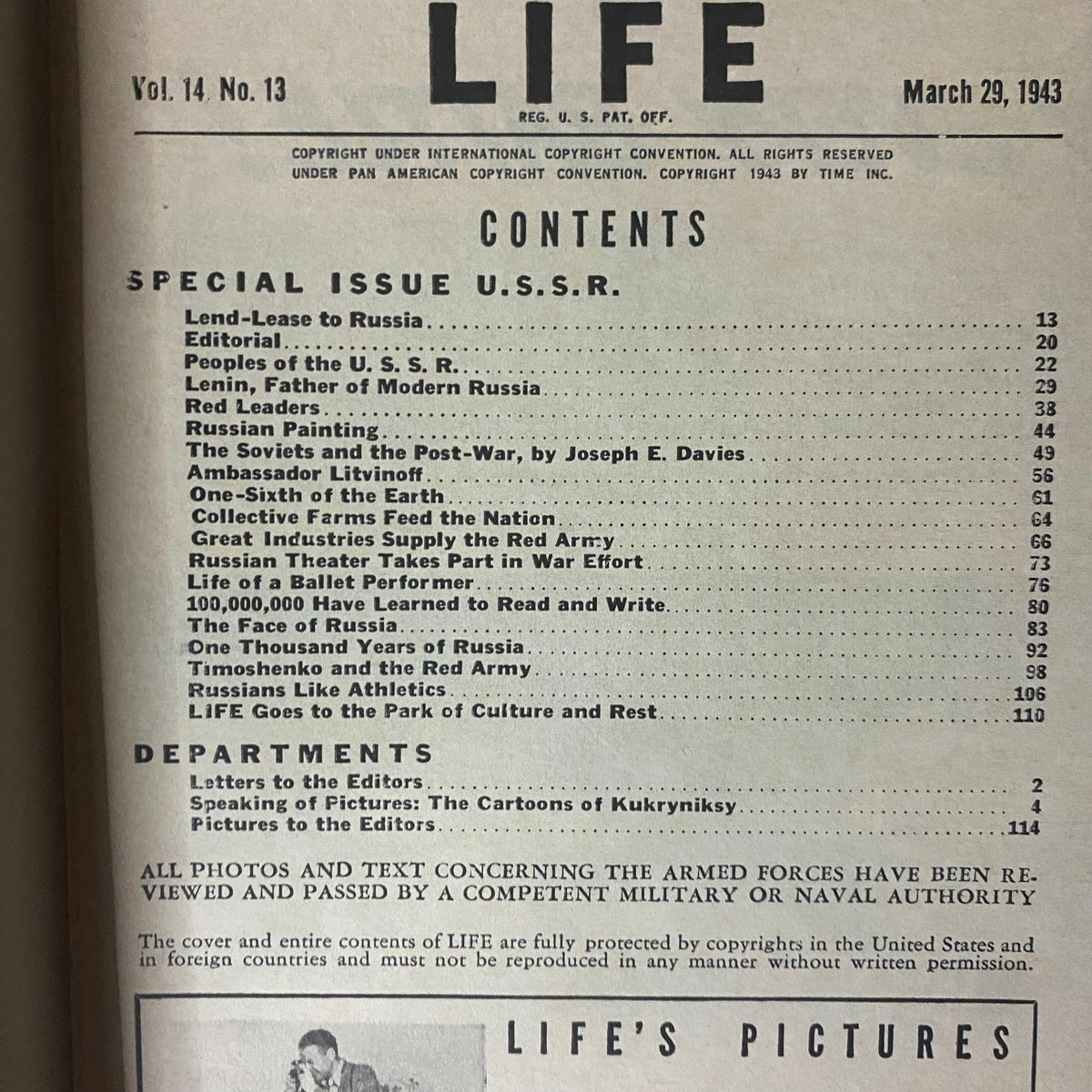
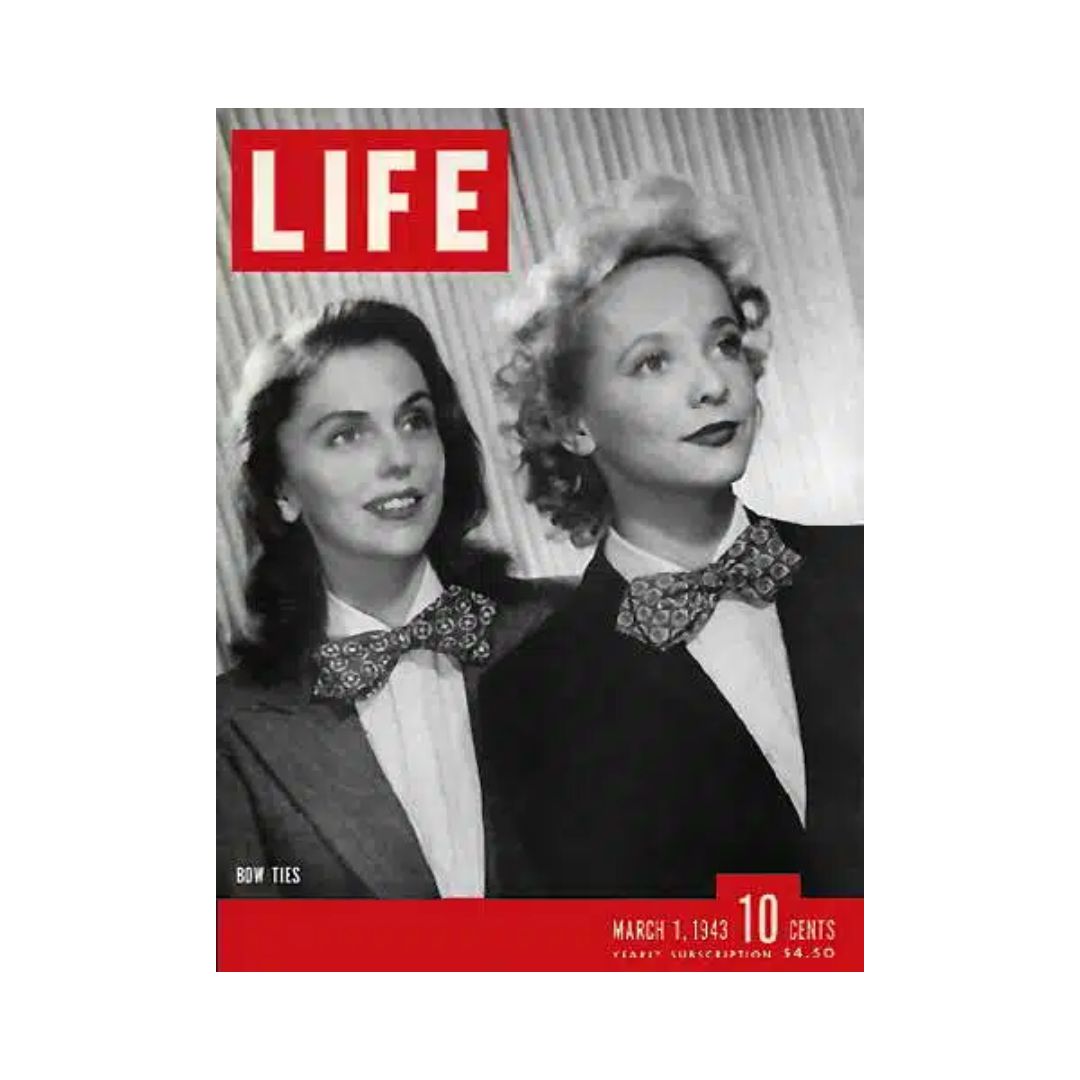
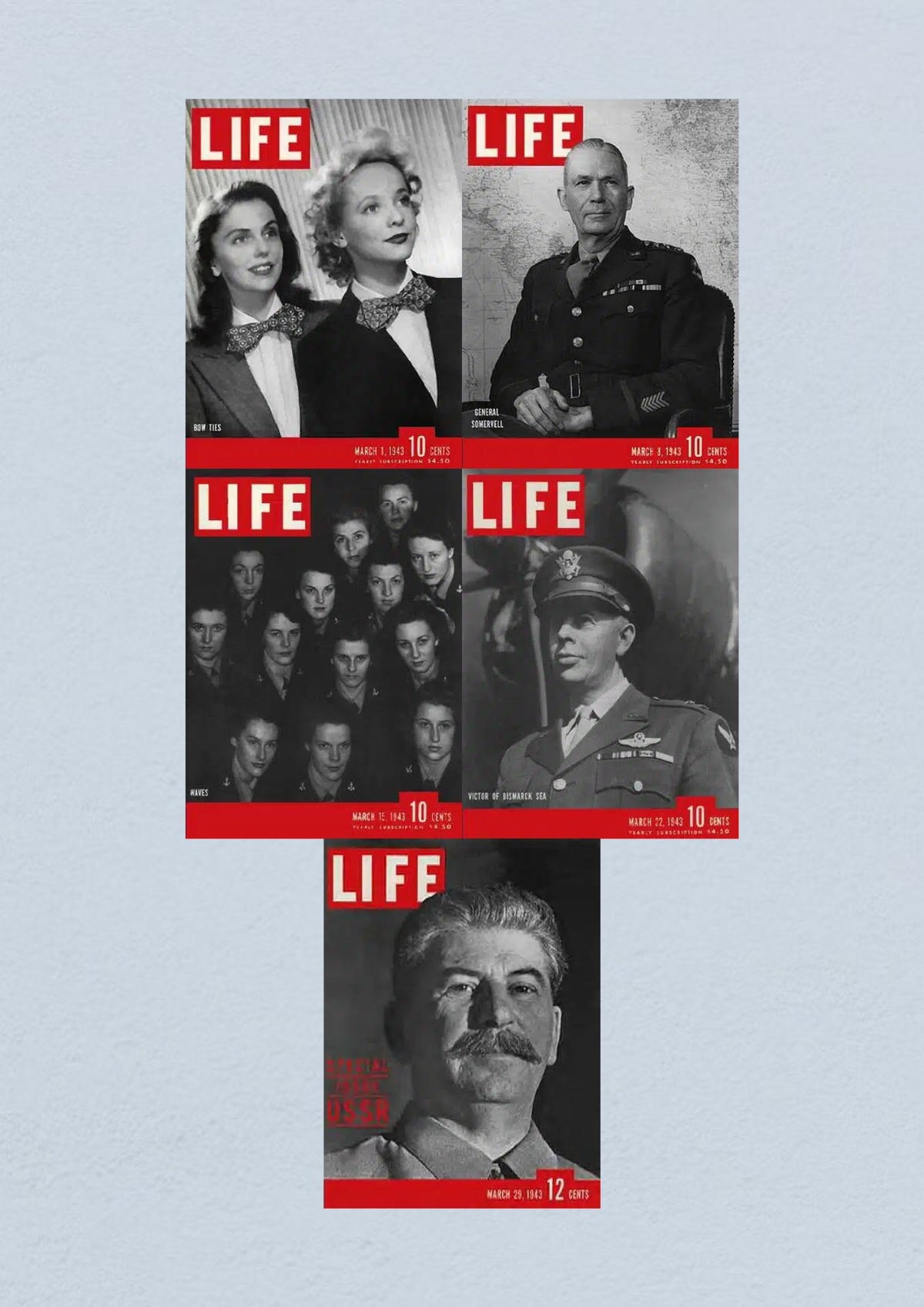
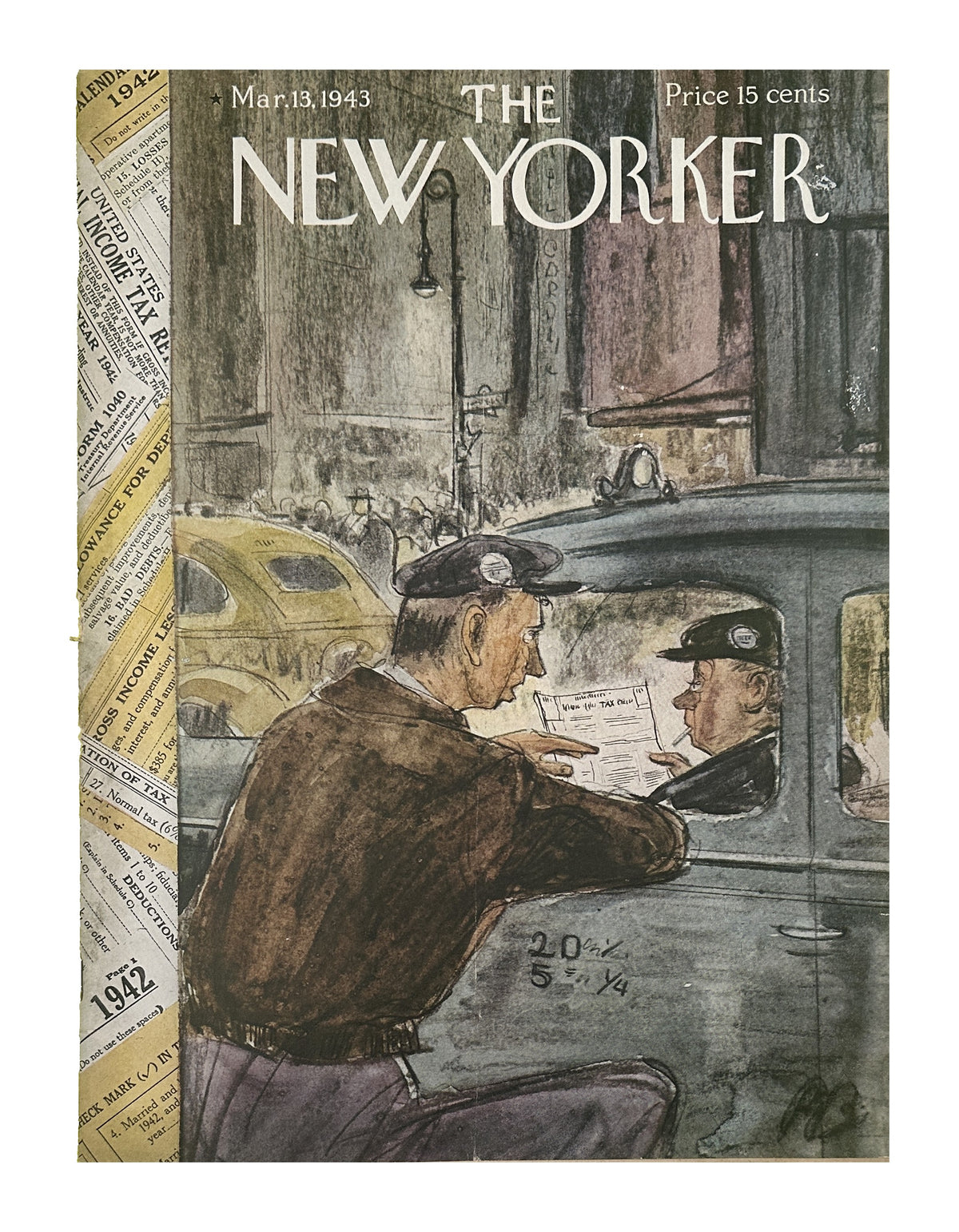
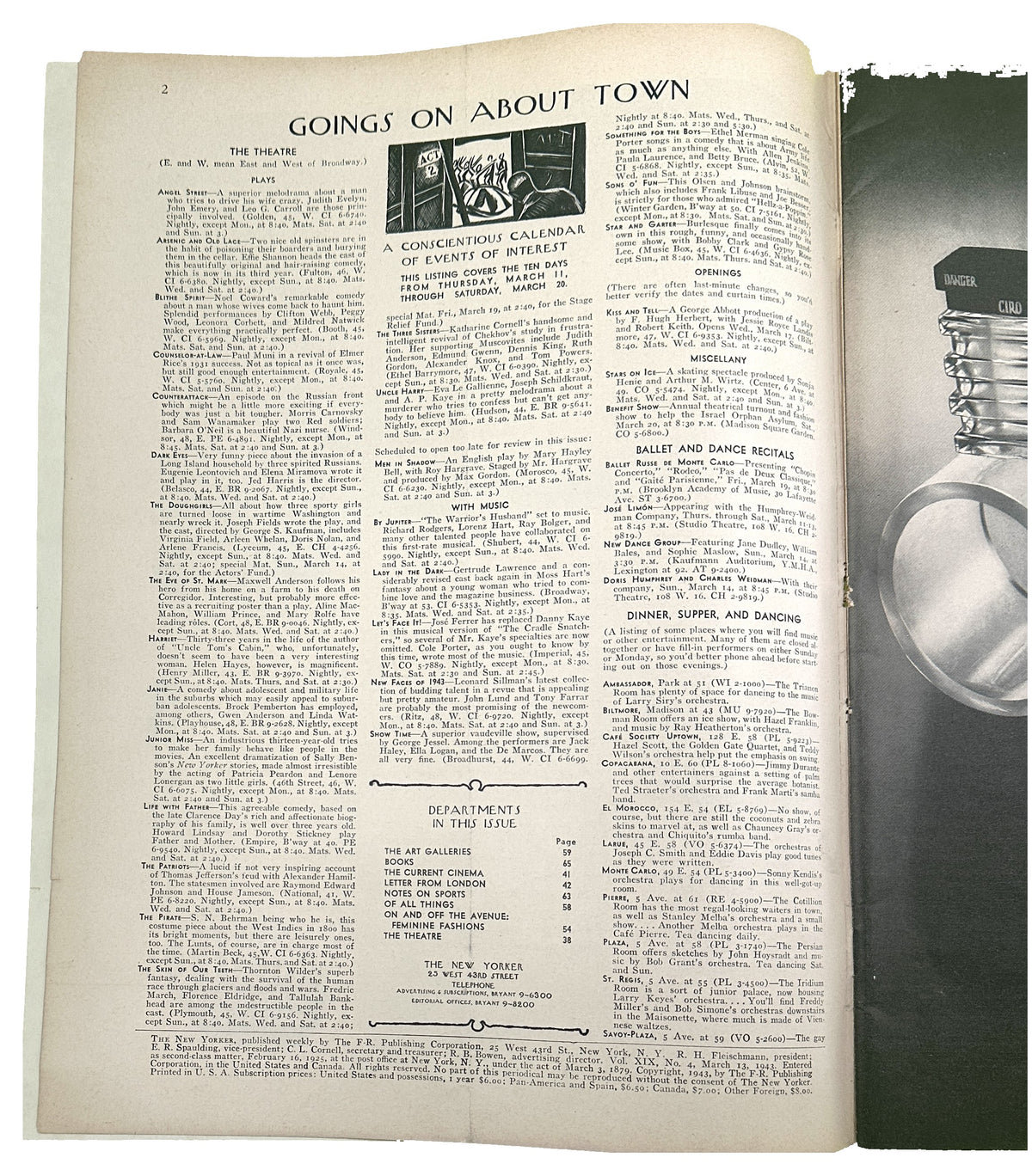
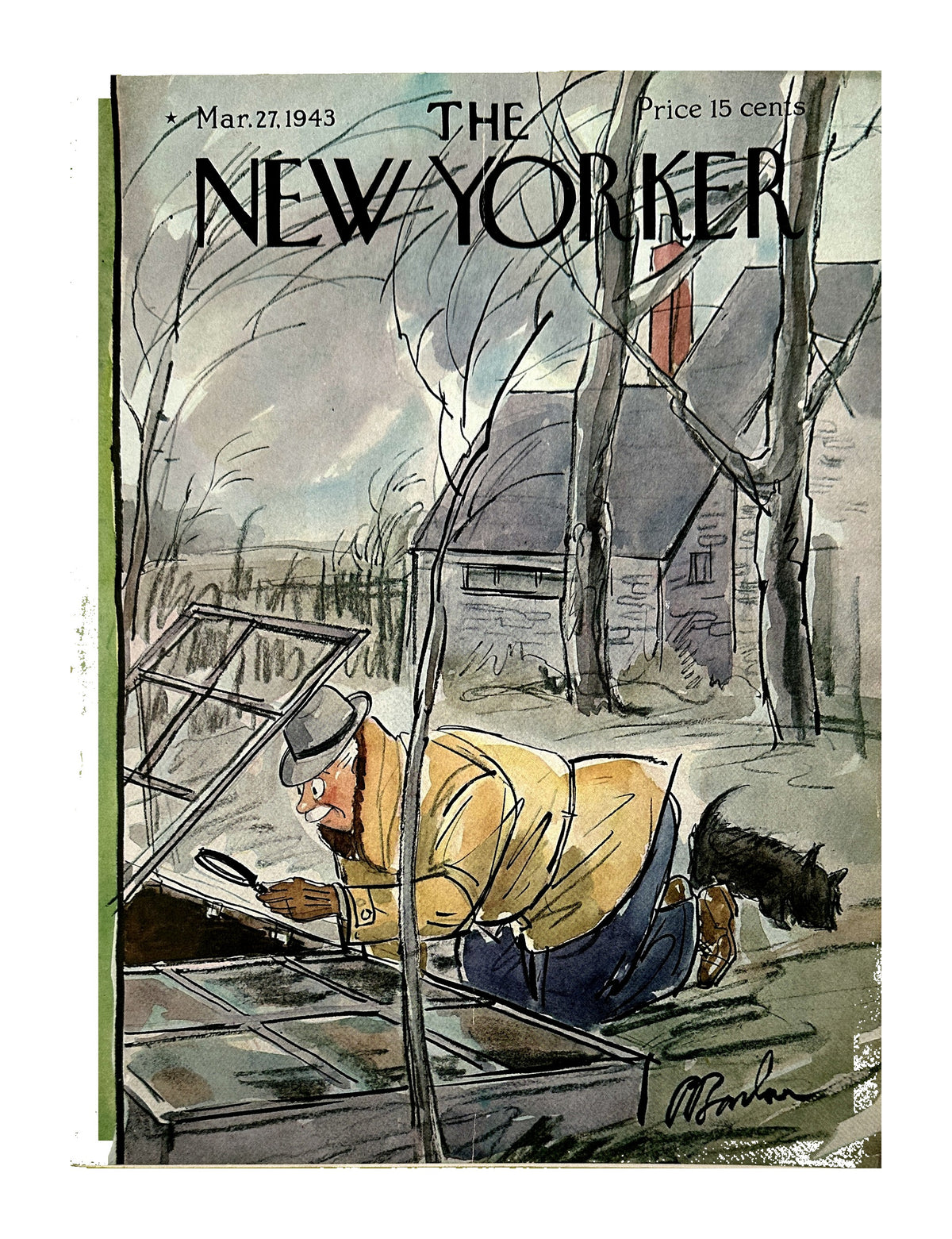
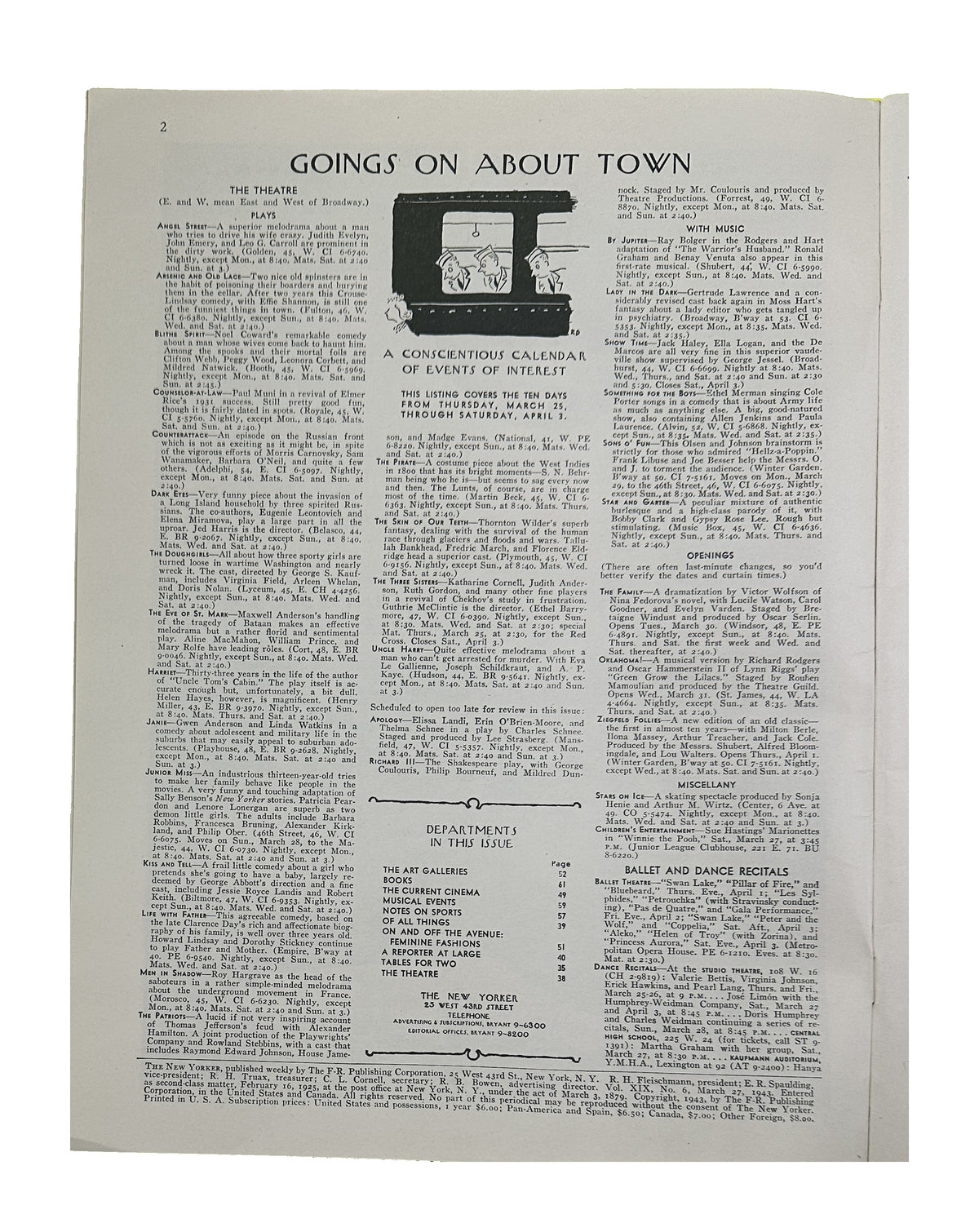
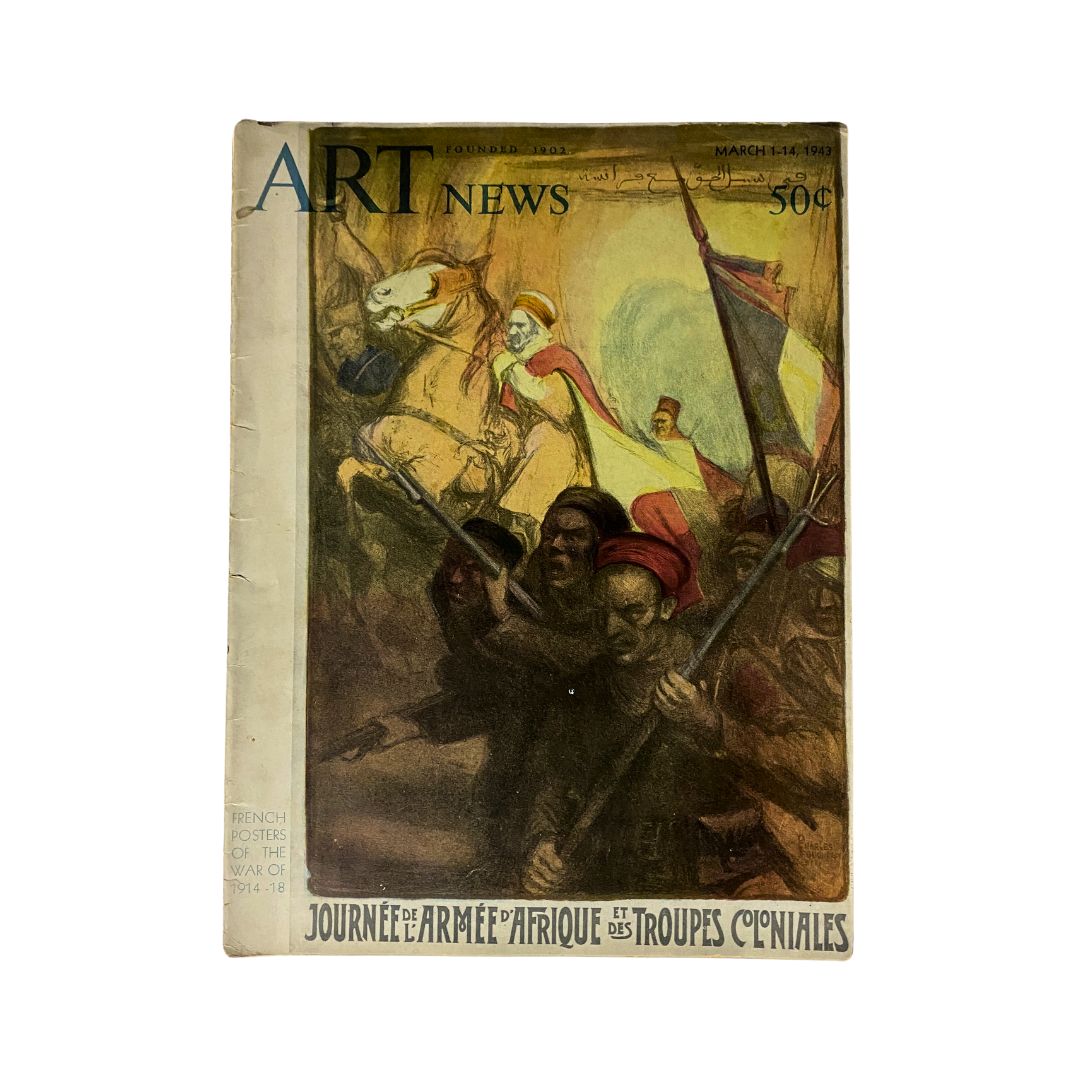
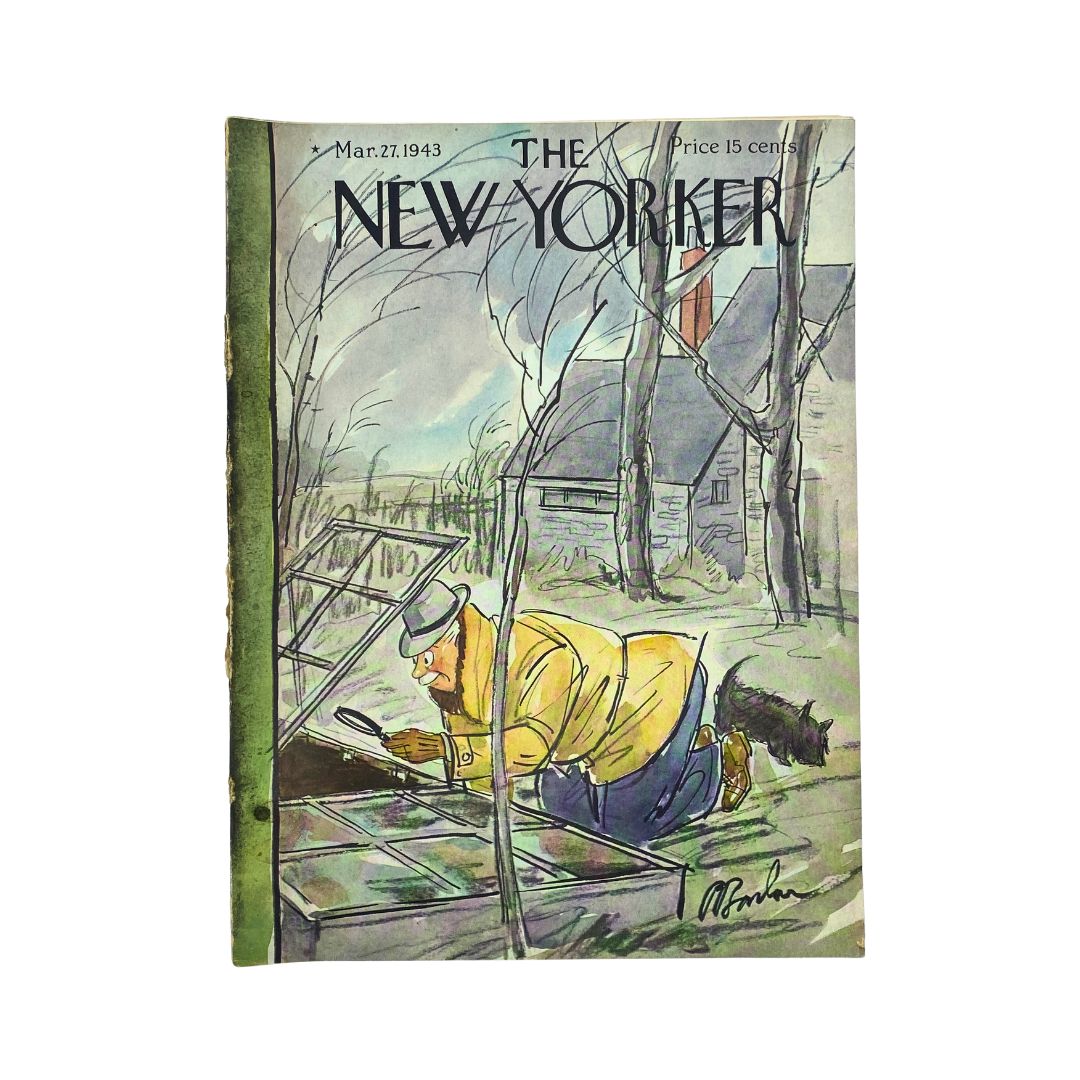
📖 About this Collection
March 1943: The World at War's Turning Tide
The Historical Context
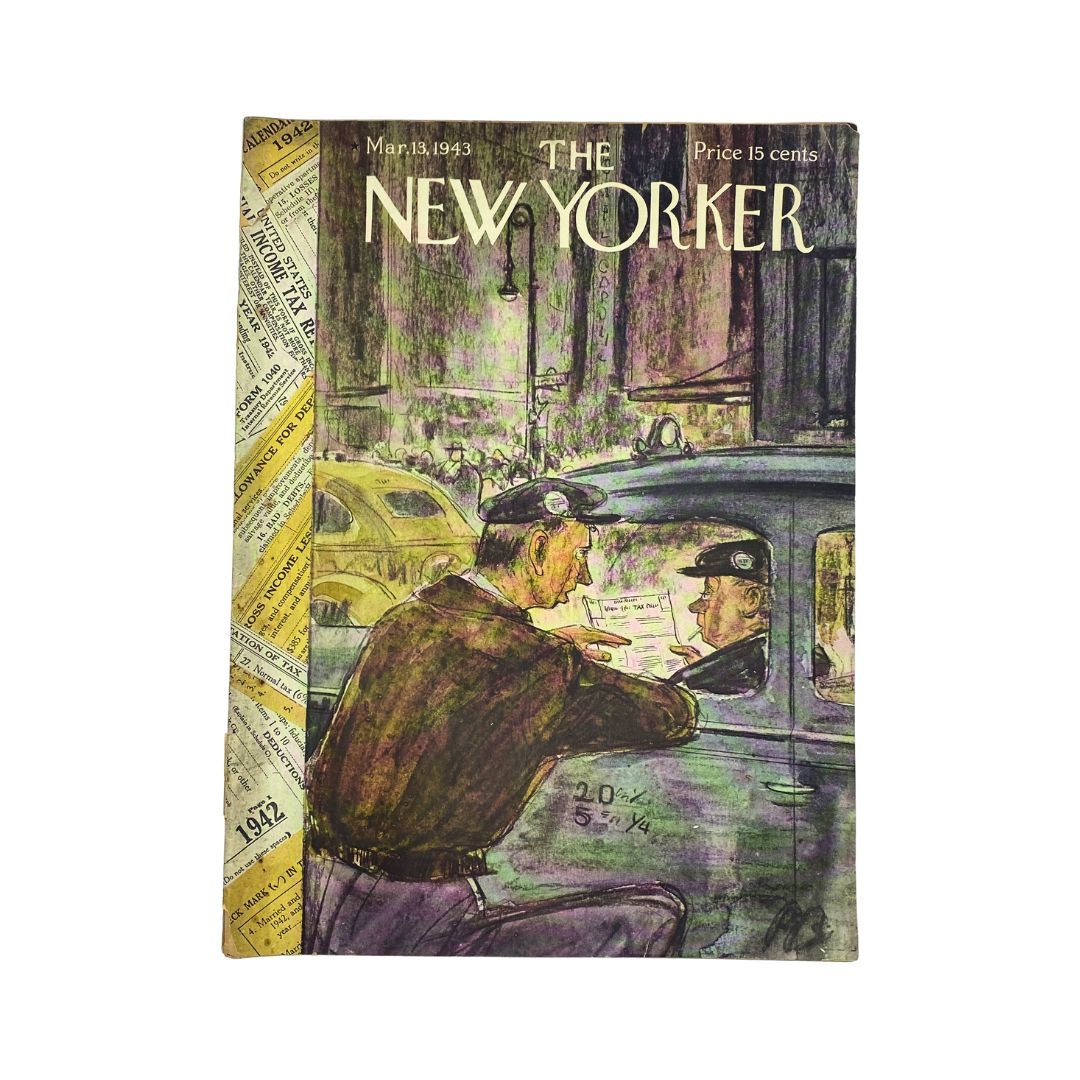
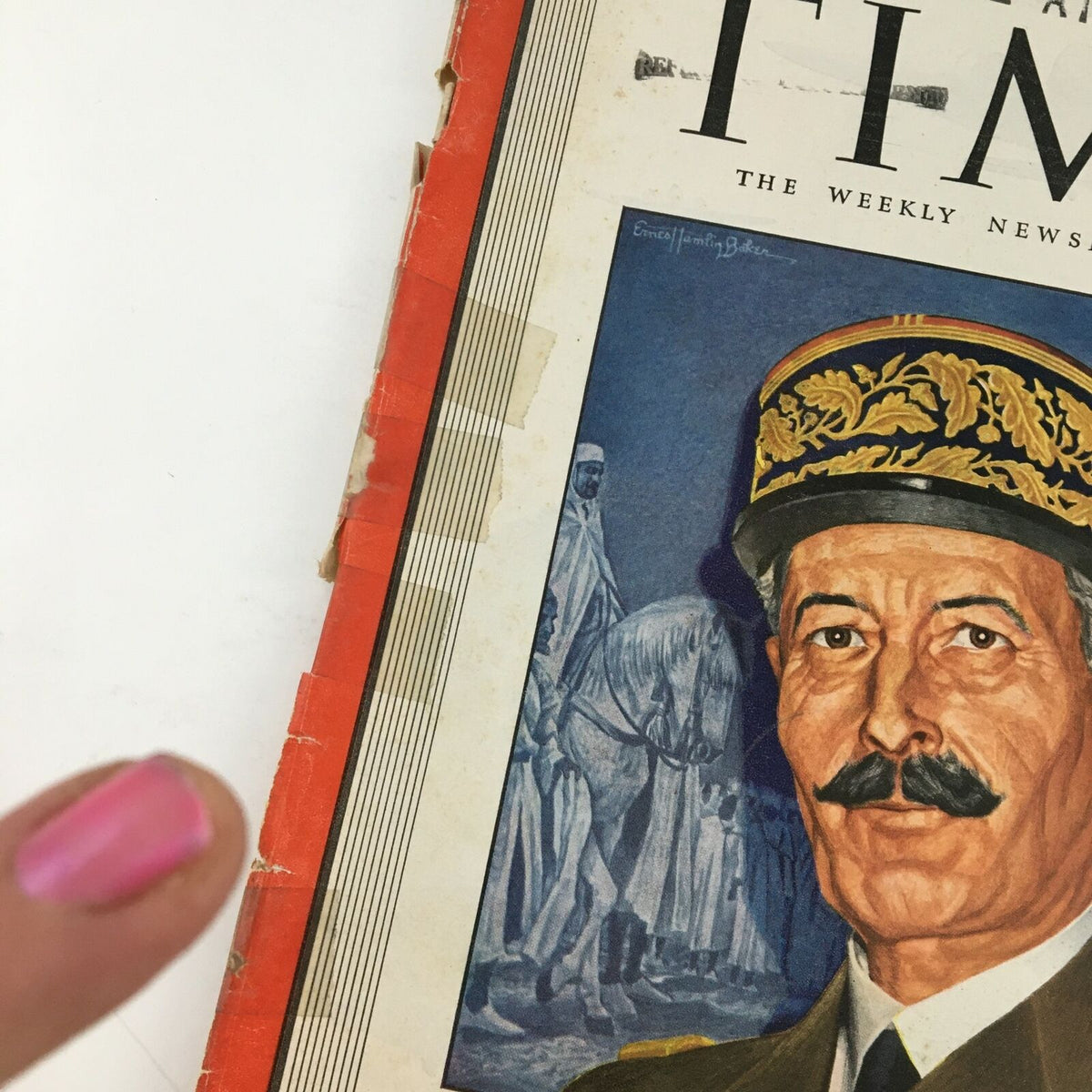
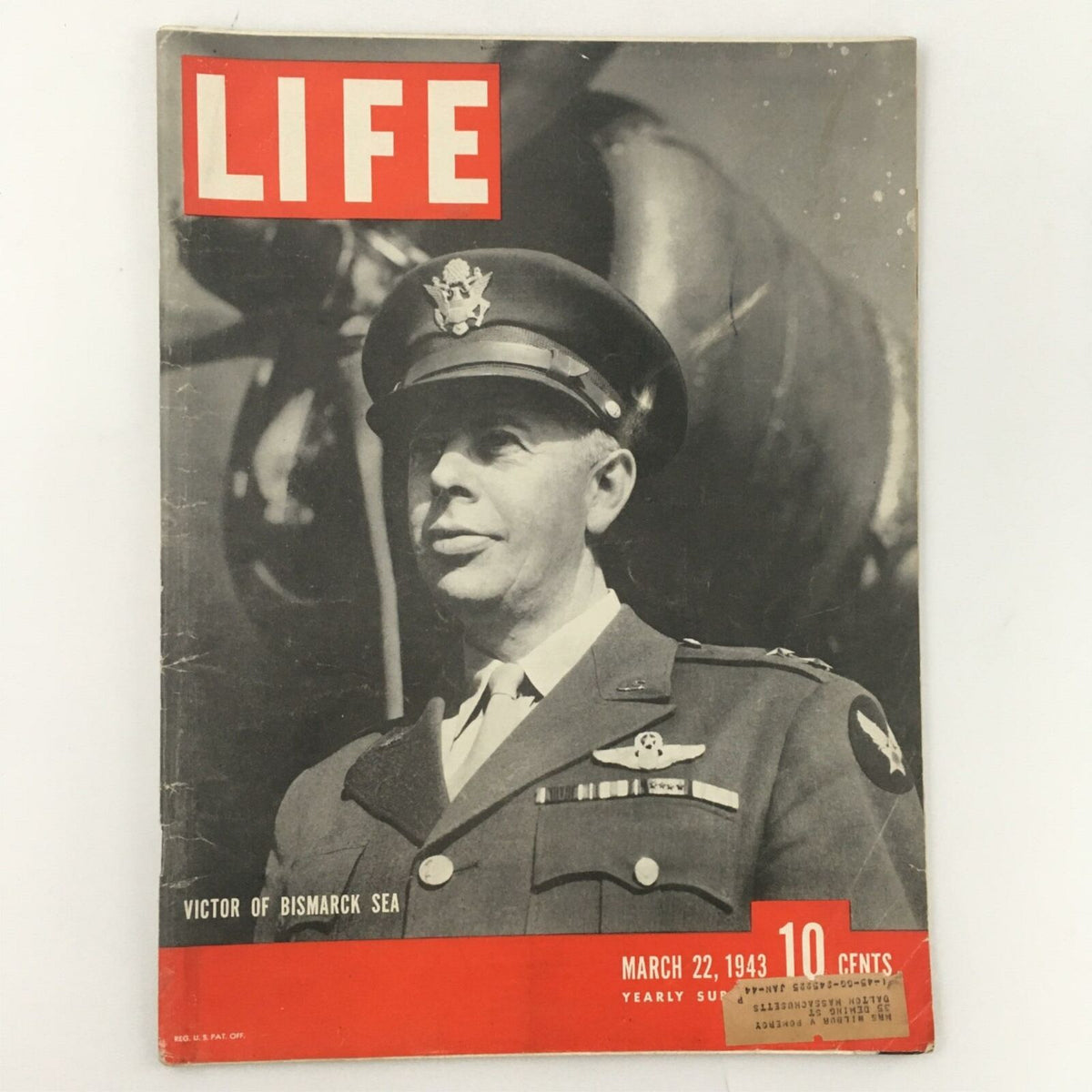
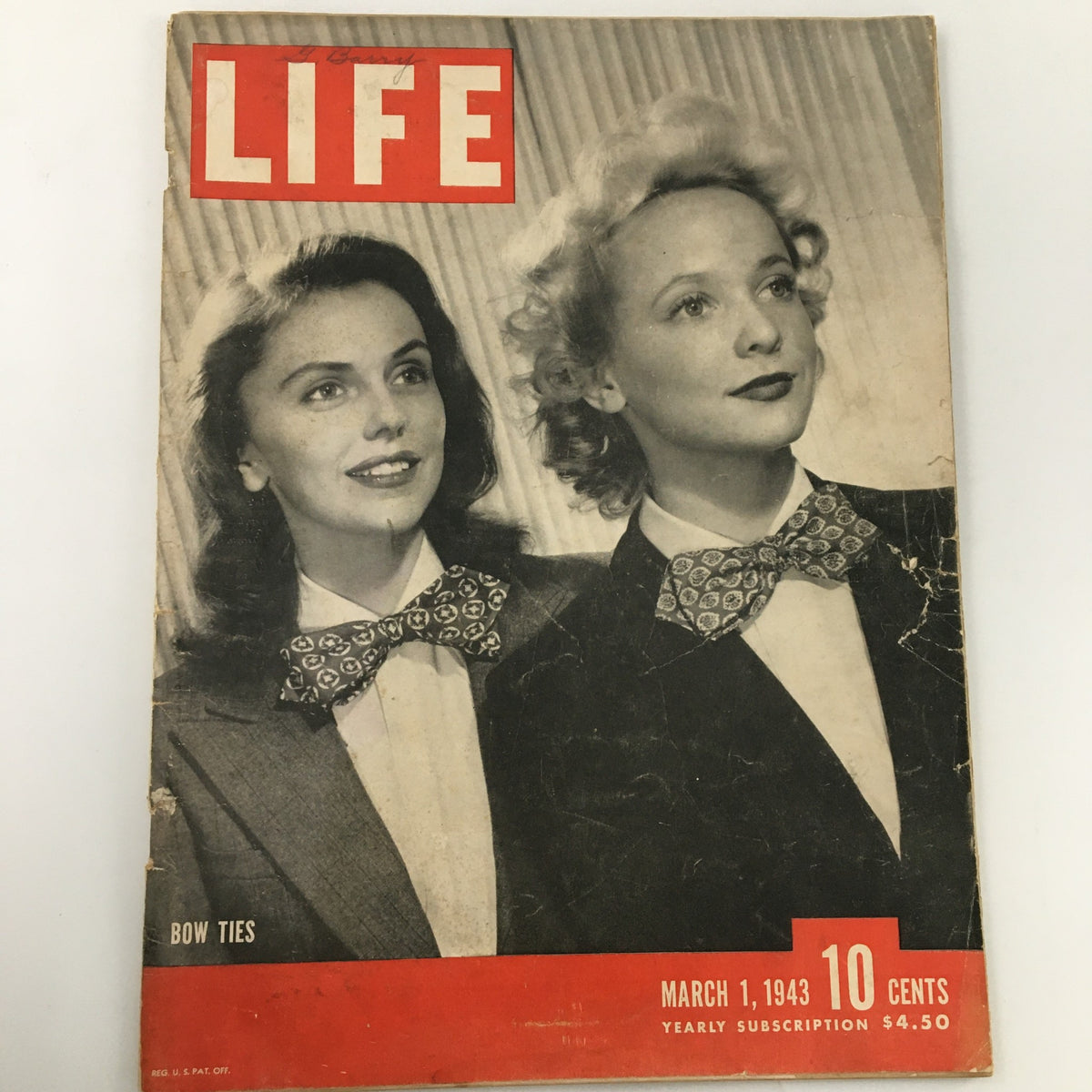
The air over March 1943 crackled with desperate energy—the brutal mathematics of a world war grinding toward its pivot point. The month opened with a decisive blow in the Pacific, as Australian and American air forces obliterated a Japanese naval convoy in the Battle of the Bismarck Sea, signaling that Allied air power had fundamentally shifted the balance in that theater. Washington felt it. Newsweek and Time both scrambled to make sense of a conflict that seemed, for the first time, to be bending toward the Allies.
In North Africa, the chess match reached a climax. General George S. Patton arrived in Tunisia, and the Mareth Line became the name on every strategist's lips as British forces launched their assault. Behind the lines, the war against humanity's darkest impulses continued with sickening momentum—the Kraków Ghetto was liquidated, Greek Jews transported from Salonika, and transports from Westerbork rolled east toward Sobibor. Oskar Schindler, with advance warning, kept his workers alive through one terrible night. This was the world's drumbeat in March 1943—the world into which your loved one arrived, or which shaped their earliest, deepest memories.
Newsstands, Nightclubs, and the Sound of a Nation at War
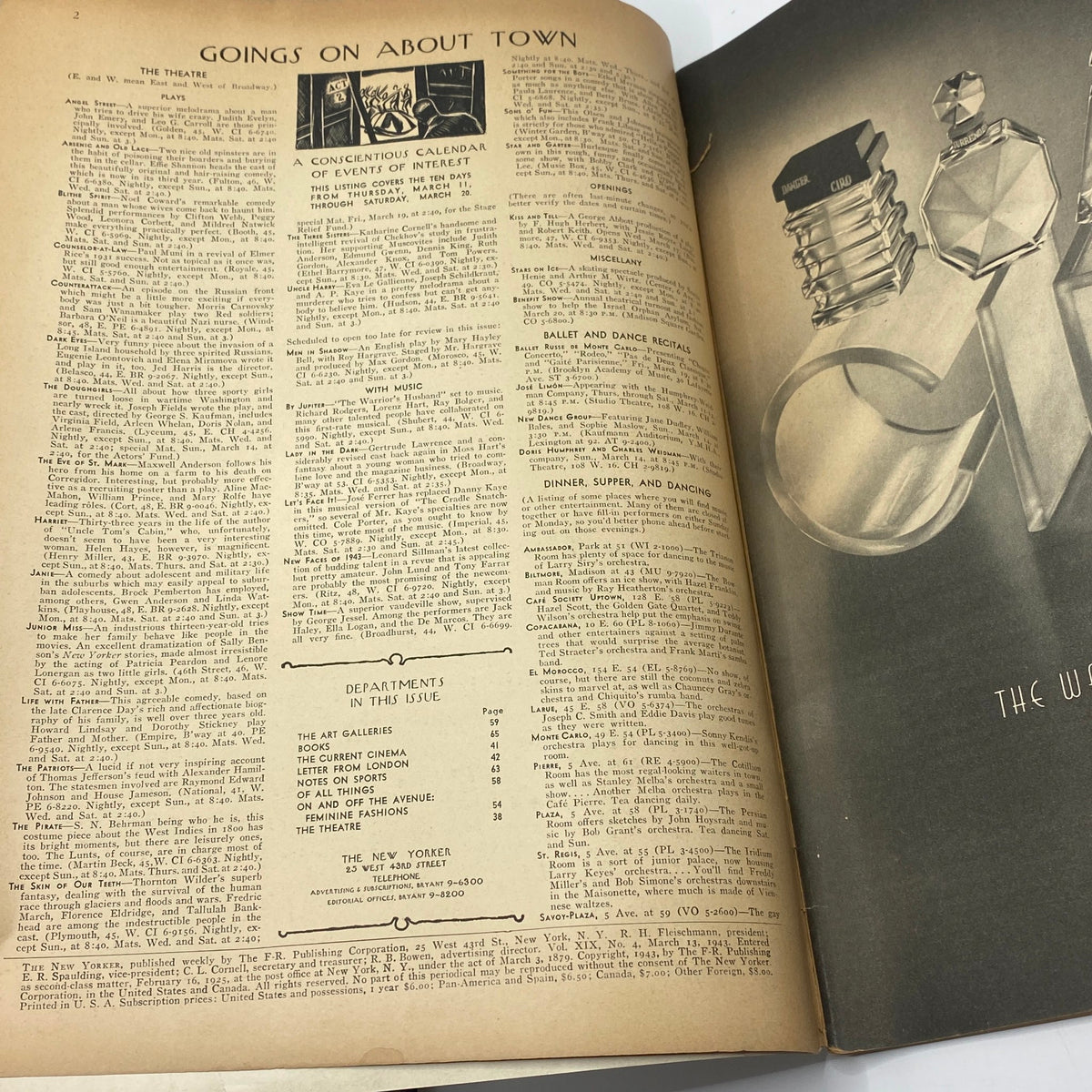
Even in wartime, life found its texture. On March 31st, the curtain rose at the St. James Theatre in New York City on a musical that would become immortal: Rodgers & Hammerstein's Oklahoma! ran for 2,212 performances and earned a Special Pulitzer Citation, and the opening-night electricity was the talk of every entertainment column in the country. Original magazines from March 1943 capture this cultural watershed alongside the hard news—Life and Look photographing soldiers and starlets in the same ink-stained pages.
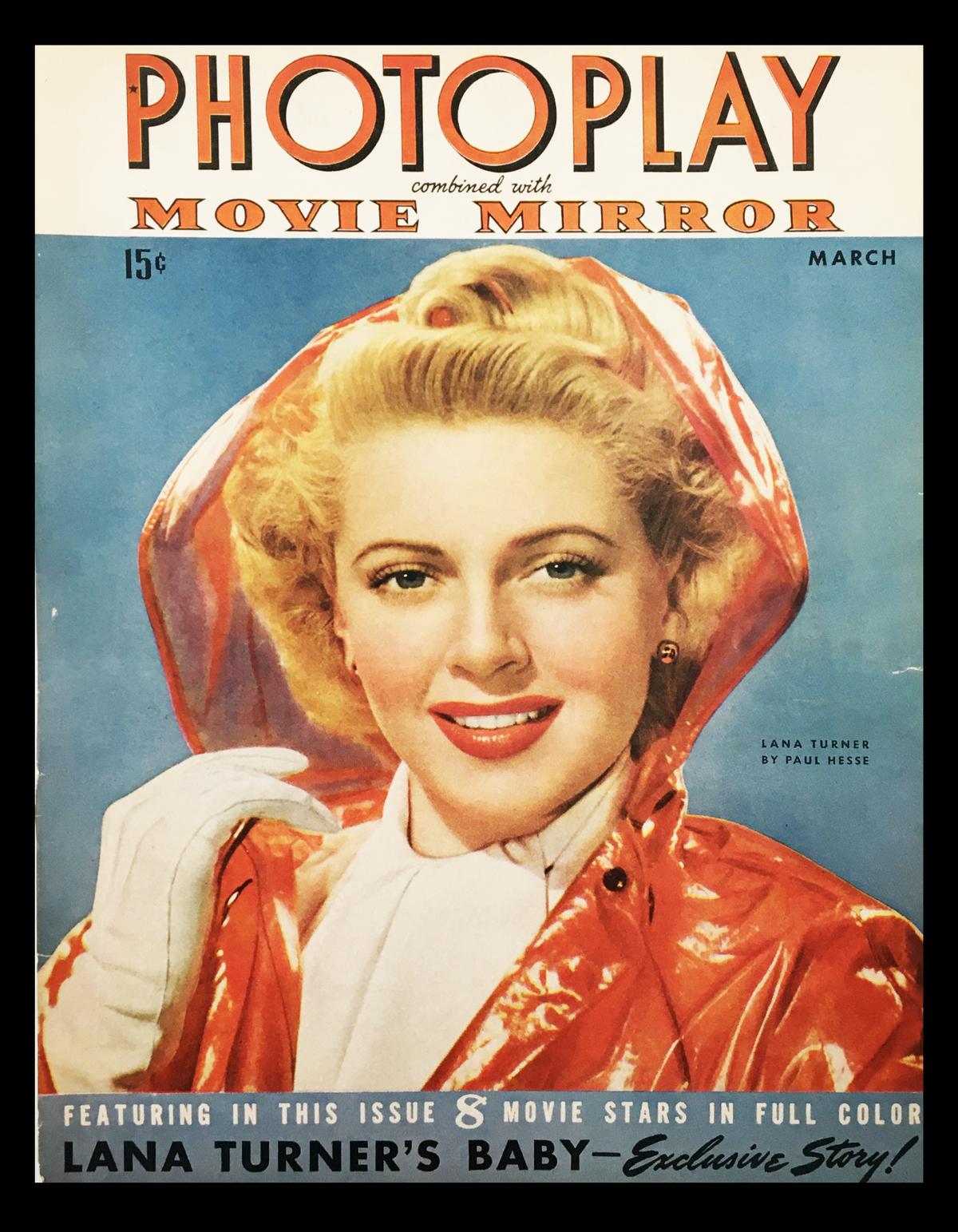
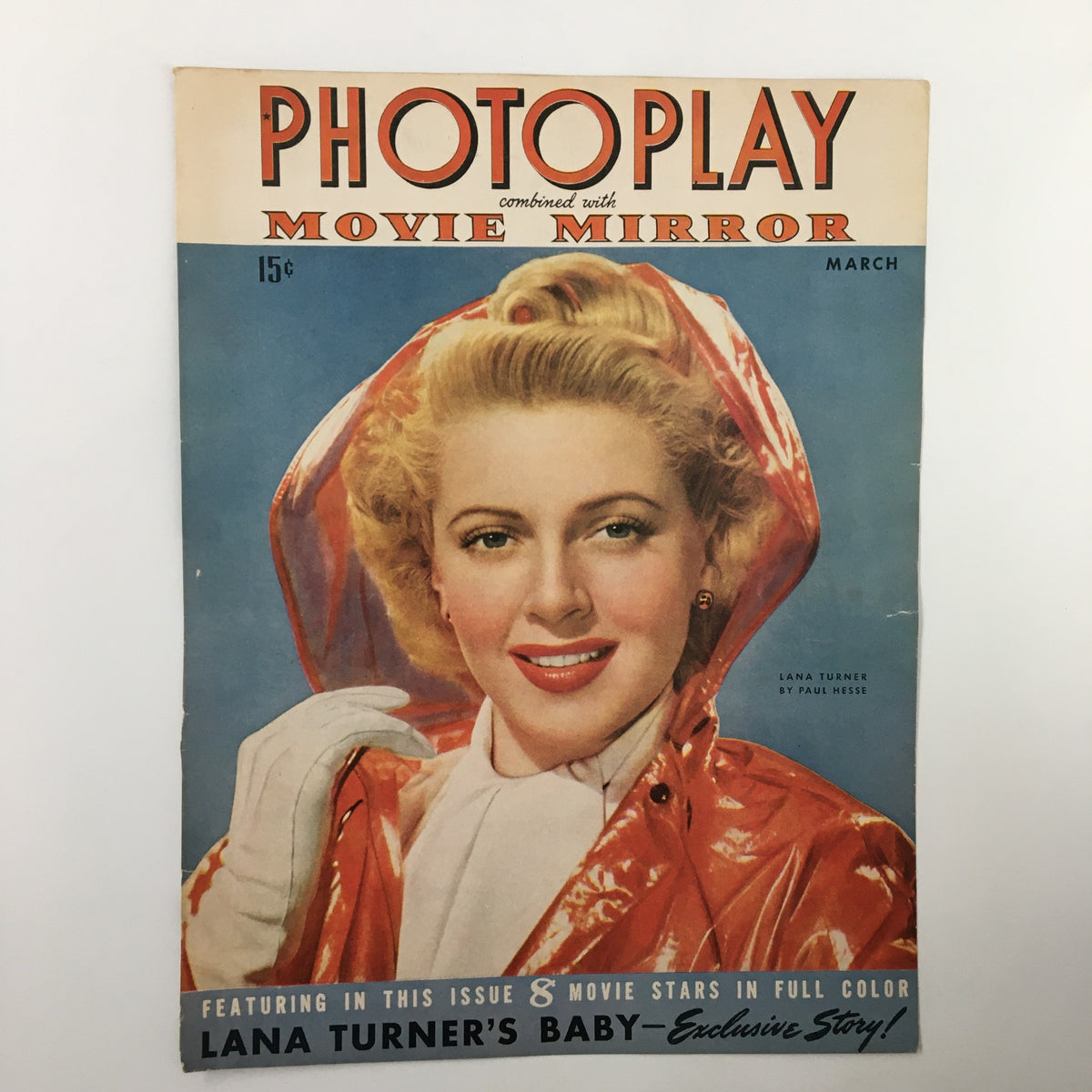
The 15th Academy Awards delivered James Cagney and Greer Garson to Oscar glory, their photographs appearing in Variety and every fan magazine on the newsstand. On radio, Jimmy Durante and Garry Moore launched their new show, and Groucho Marx's Blue Ribbon Town debuted on CBS—the airwaves a lifeline of laughter for a nation rationing meat, butter, and cheese. Those ration notices, so ordinary at the time, read like rare dispatches from another civilization today. Sports Illustrated wouldn't yet exist to cover Jake LaMotta's brutal knockout of Jimmy Reeves, but boxing coverage filled the back pages of dozens of rare magazines from this era, vivid and immediate.
Curator's Checklist: What to Look for in March 1943 Magazines
-
The Academy Awards: News and entertainment publications featuring James Cagney and Greer Garson's Oscar wins, illustrated with studio portrait photography and full-page studio advertisements—a golden-era aesthetic that defined Hollywood glamour at its wartime peak.
-
North African Campaign & Patton: Issues of Time, Life, and Newsweek showcasing maps, combat photography, and editorial analysis of the Tunisian theater, often featuring Patton's distinctive image and the strategic significance of the Mareth Line assault.
-
Battle of the Bismarck Sea: Pacific War coverage in vintage magazines offering some of the most dramatic aerial combat photography of WWII, frequently accompanied by infographic maps showing convoy routes and Allied air power projections.
-
Oklahoma! Opens on Broadway: Entertainment weeklies and Variety chronicling the birth of the Rodgers & Hammerstein era, with original cast announcements and theater advertisements that document a defining moment in American musical history.
-
Home Front Rationing & Wartime Ads: Authentic and genuine advertising pages in authentic general-interest magazines—ration-book notices, war bond appeals, and manufacturers pivoting their copy to patriotic themes—a time capsule of civilian wartime life that no museum exhibit can replicate.
The Perfect Gift
For someone born in March 1943, an original magazine from this extraordinary month isn't just a piece of old paper—it's a genuine portal to the exact world they entered, preserved in the urgent headlines, rationing notices, Hollywood portraits, and battlefield dispatches of that precise moment in history.