📖 About this Collection
March 1948: When the Old World Shattered and the New One Began
The Historical Context
March 1948 crackled with a particular kind of electricity — the charged, unstable energy of a planet still sorting itself out after years of war, and already fracturing along new fault lines. The month opened with a rocket screaming skyward from the California desert, an American vessel breaching 126 kilometers of altitude at 4,800 kilometers per hour. The space age wasn't yet named, but its shadow was falling.
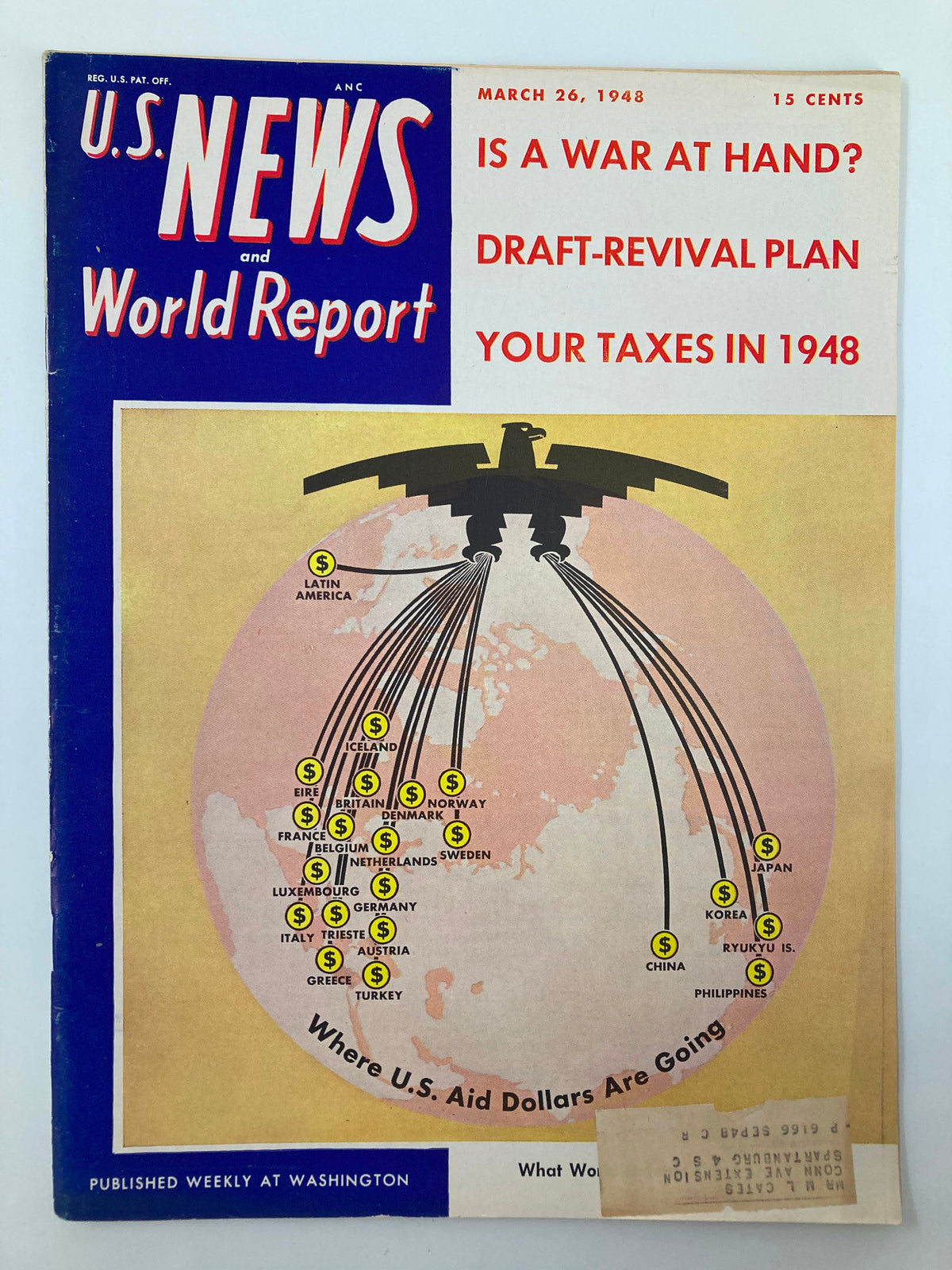
The most seismic tremor came quietly, in the form of Soviet consultants packing their bags and leaving Yugoslavia. That quiet departure — the first visible crack in the Tito-Stalin split — signaled that the great monolithic communist bloc was not, in fact, monolithic. Meanwhile, France, Great Britain, and the Benelux nations signed the Treaty of Brussels, binding Western Europe together in mutual defense as if bracing for what everyone sensed was coming. Congress passed the Marshall Aid Act on the final day of the month, committing American dollars to rebuilding a continent. This was the world your loved one entered — one where the old order was dissolving and the shape of the next half-century was being hammered out in real time.
Culture, Commerce, and the American Living Room
The entertainment world was equally charged that March. The 20th Academy Awards — honoring Gentleman's Agreement, with wins for Loretta Young and Ronald Colman — arrived alongside the 5th Golden Globes, which recognized the same film, making it the defining cinematic conversation of the season. On Broadway, the 2nd Tony Awards crowned Mister Roberts best play, with Henry Fonda taking the acting prize, cementing a year of serious, morally weighted drama as the cultural mode of the moment.
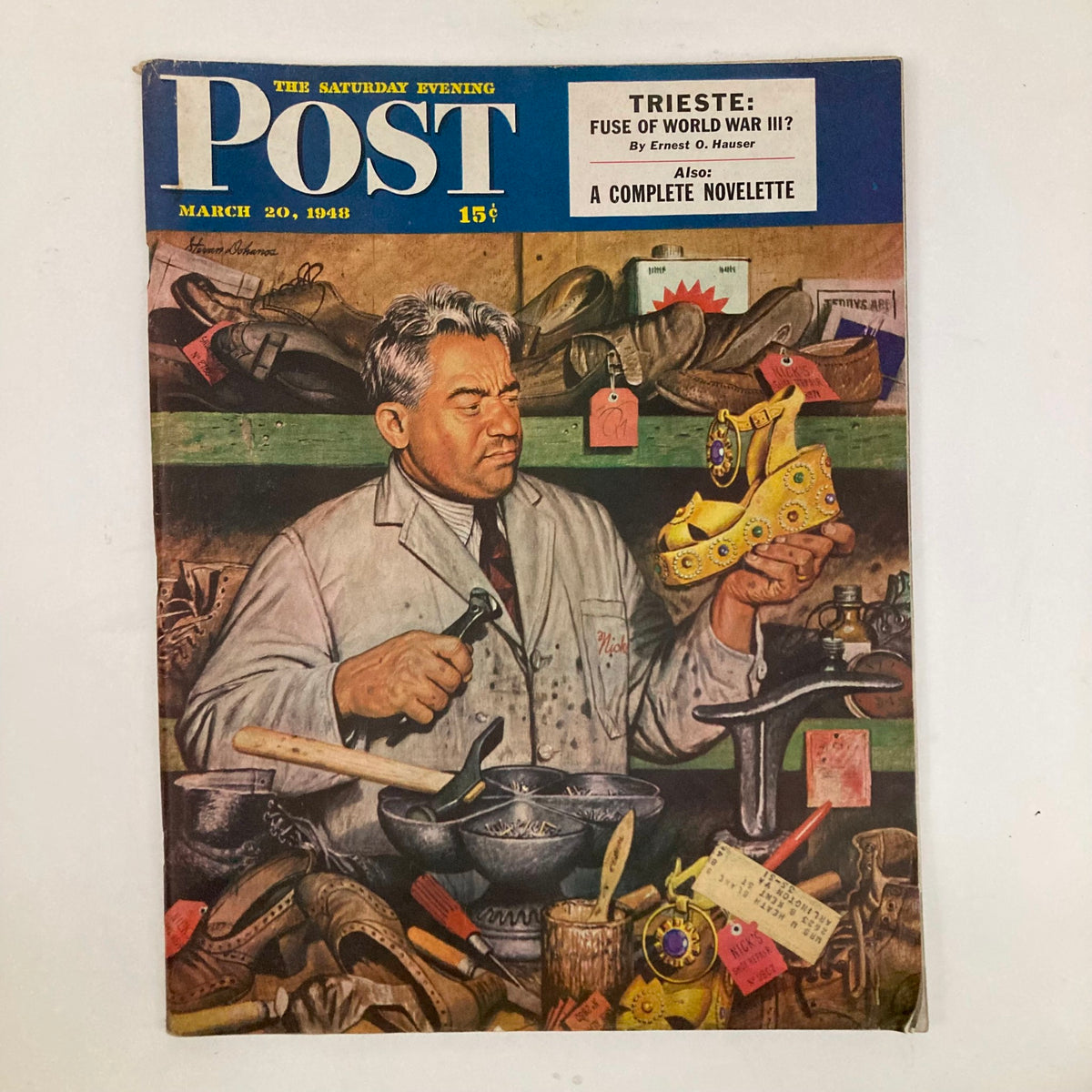
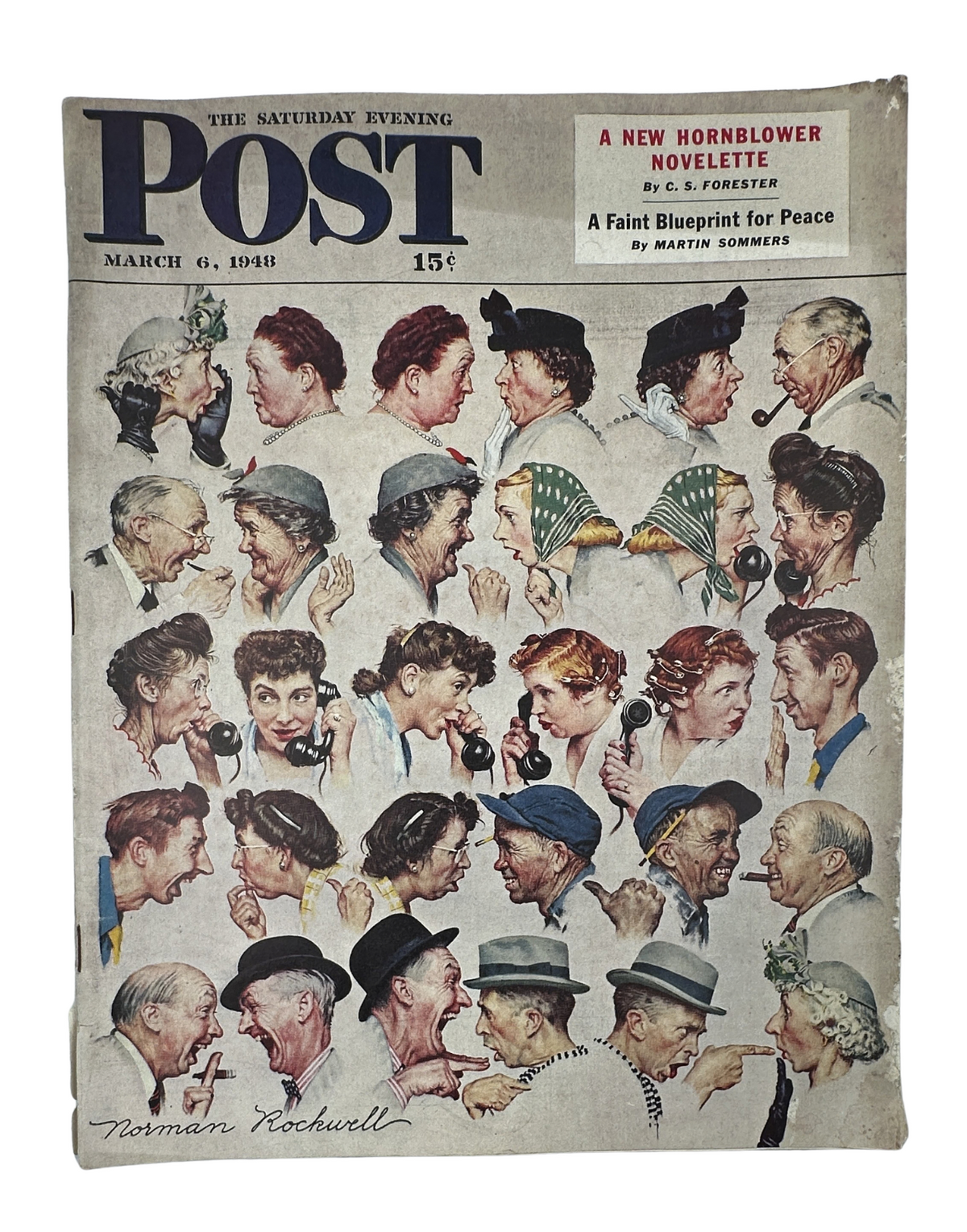
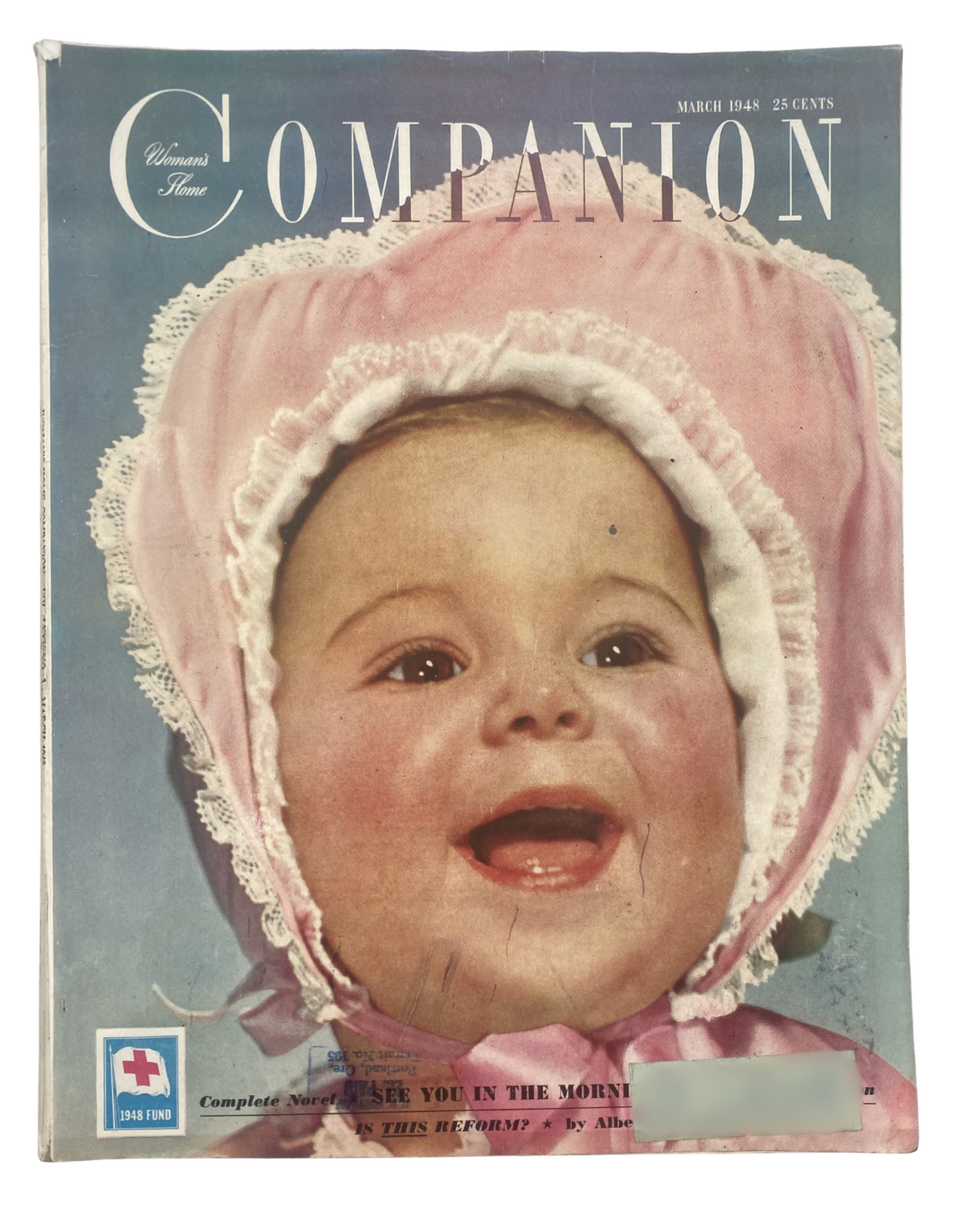
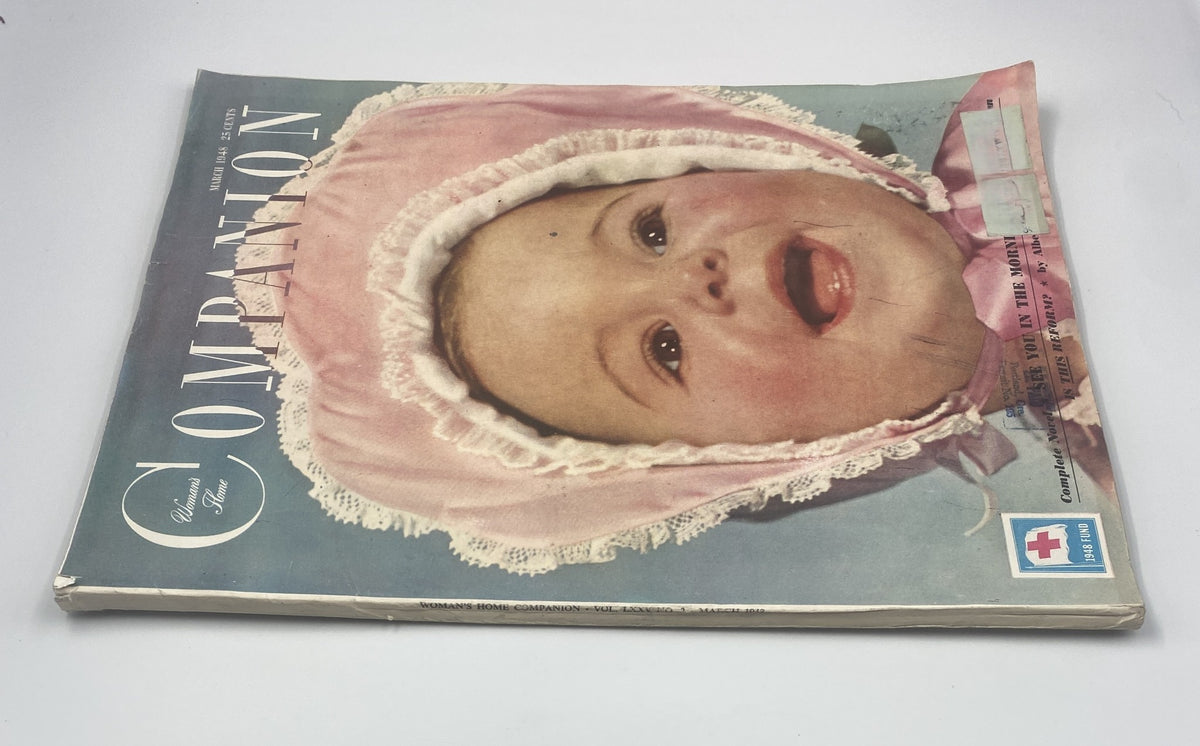
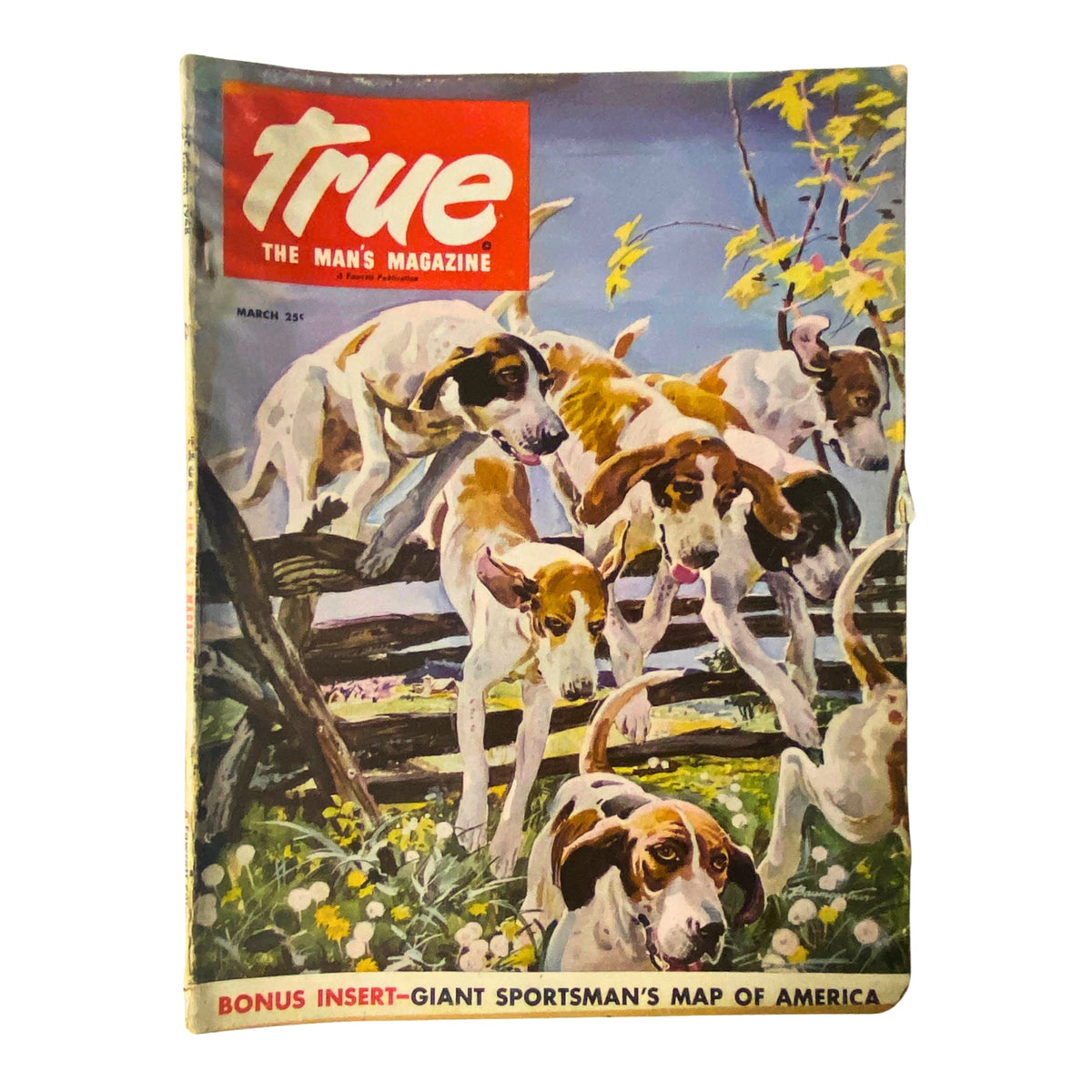
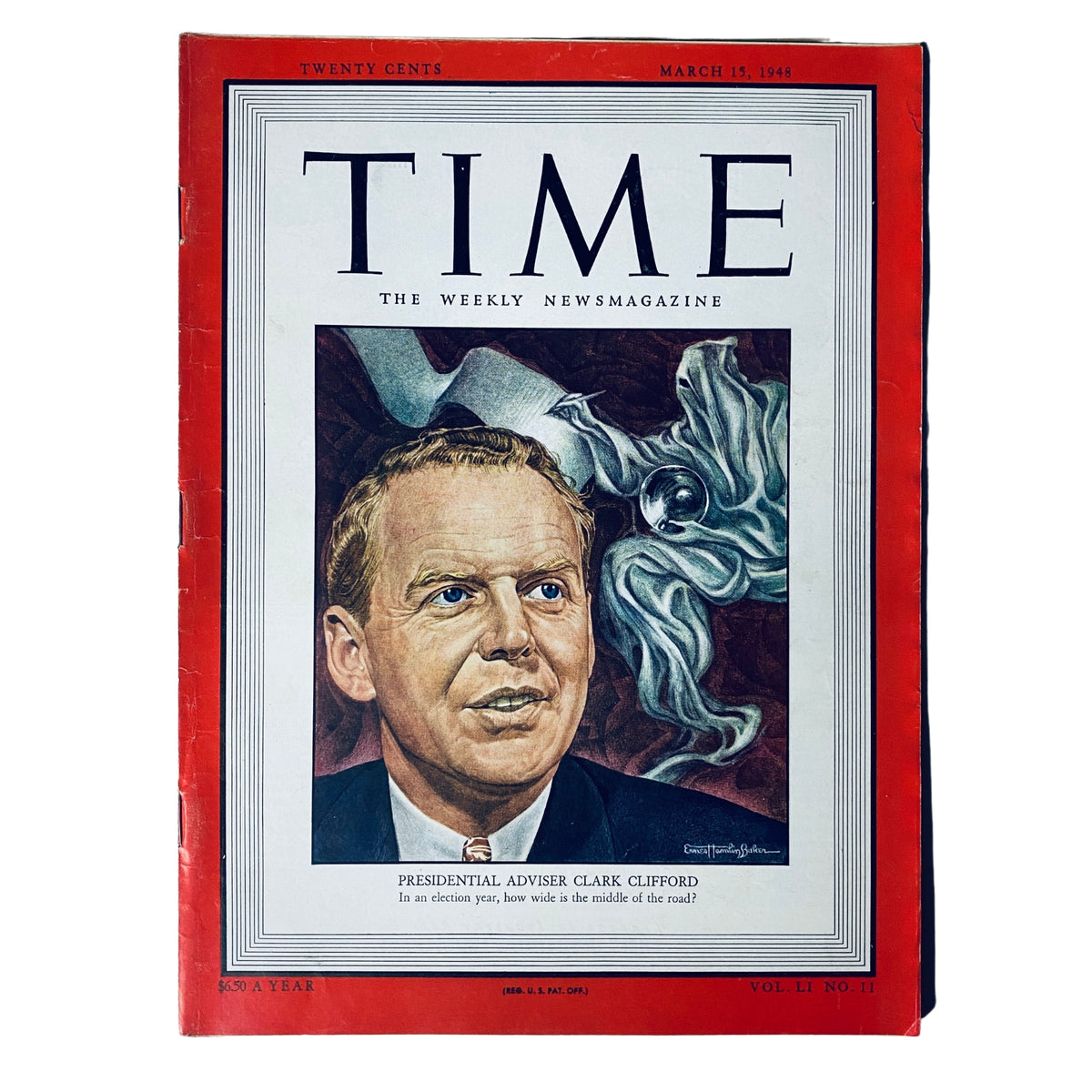
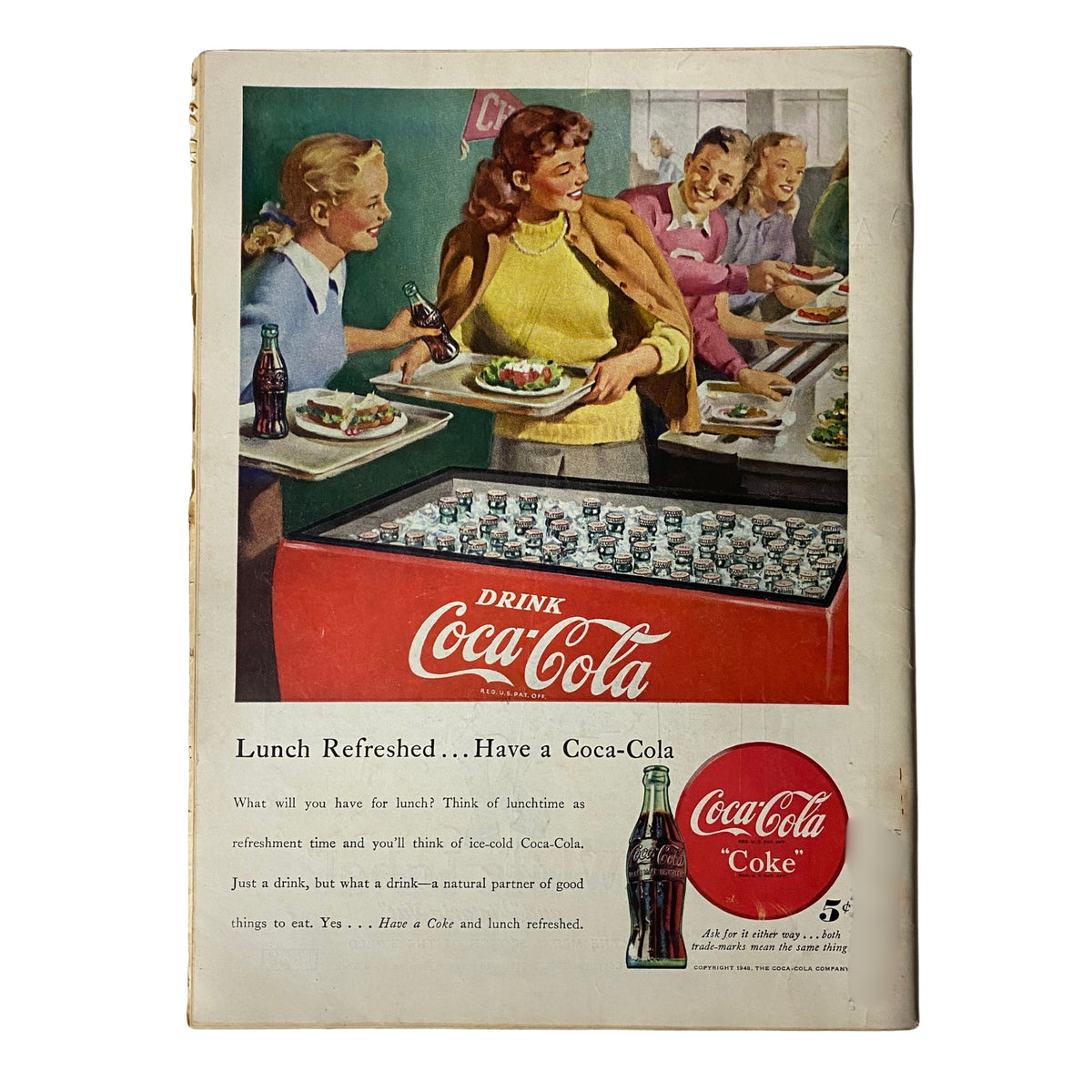
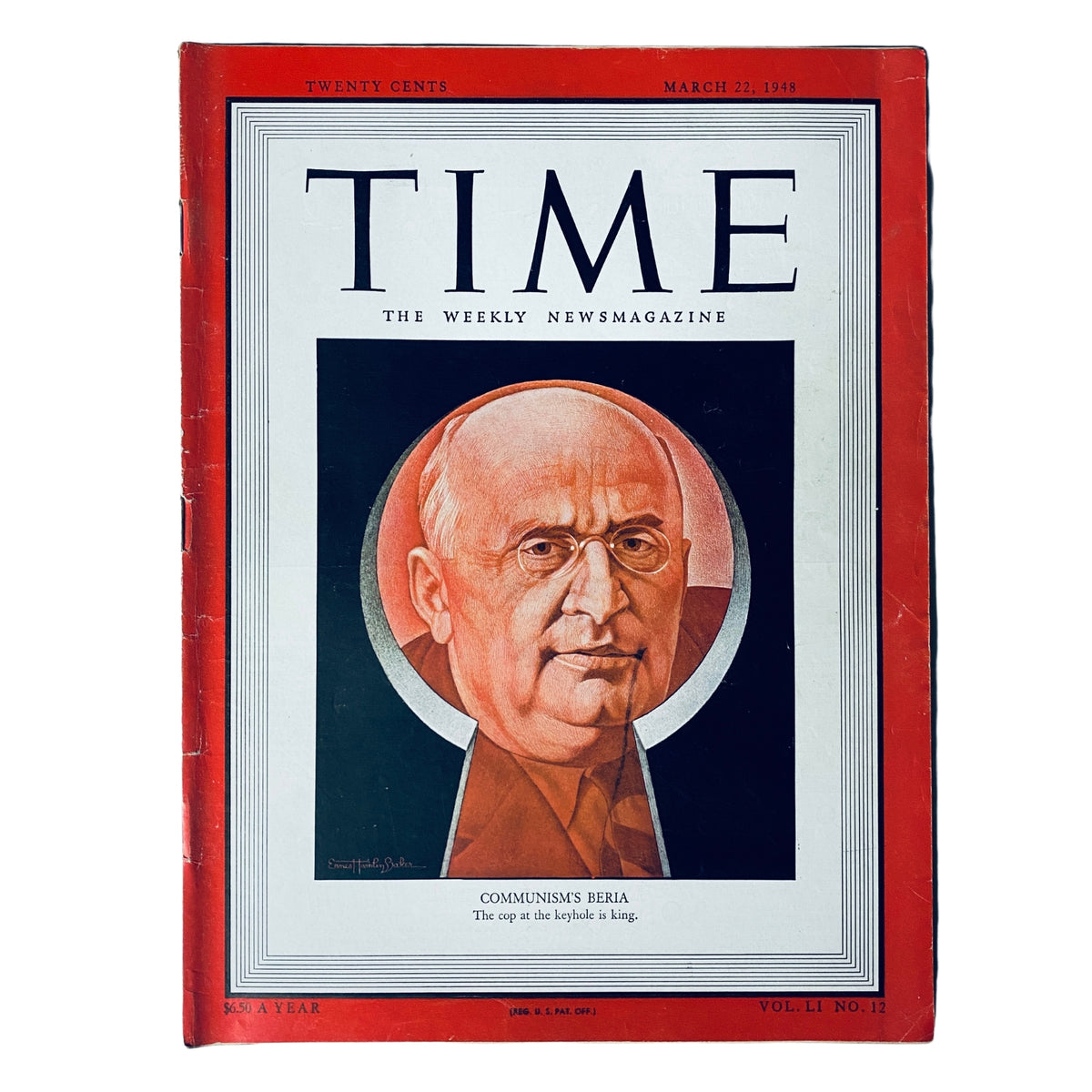
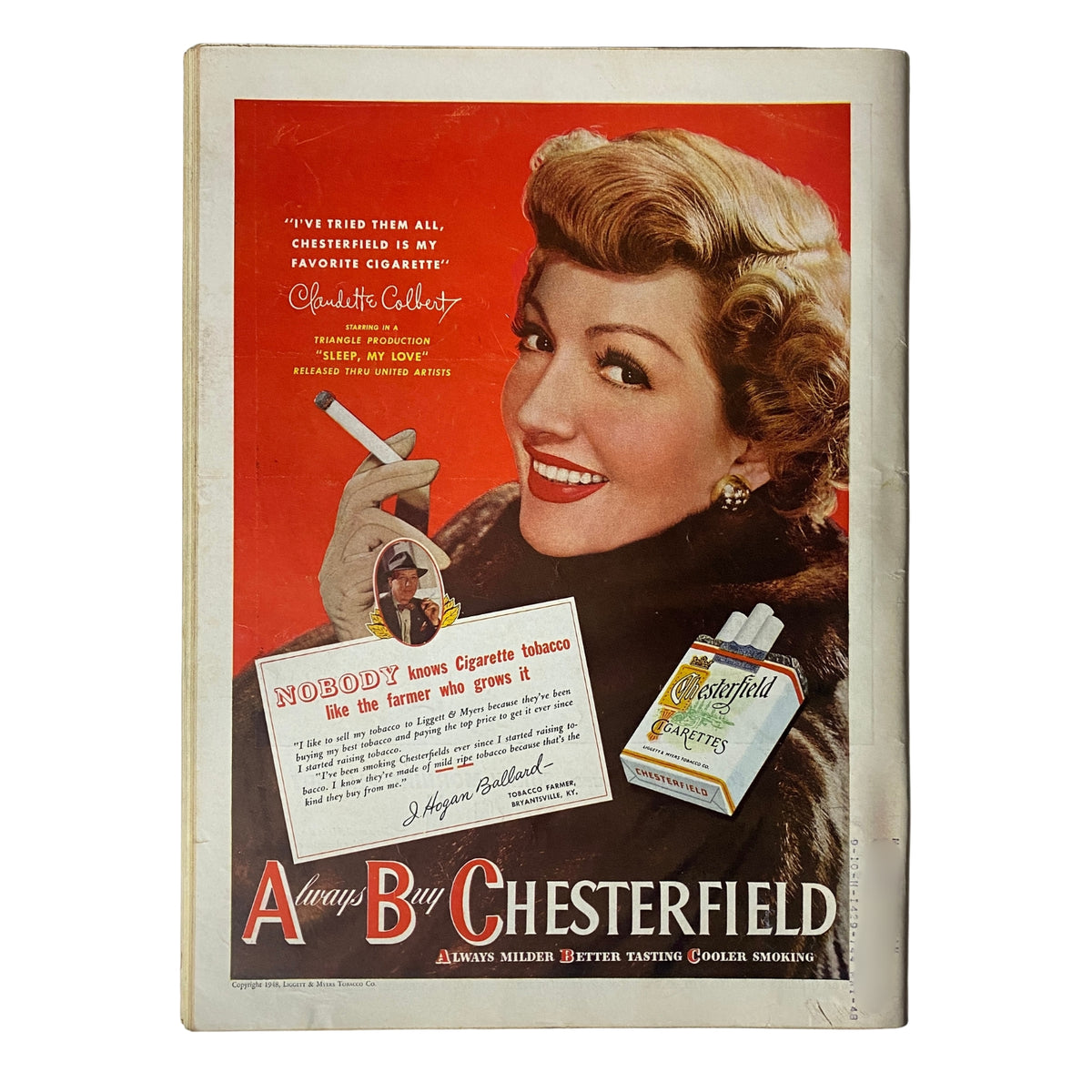
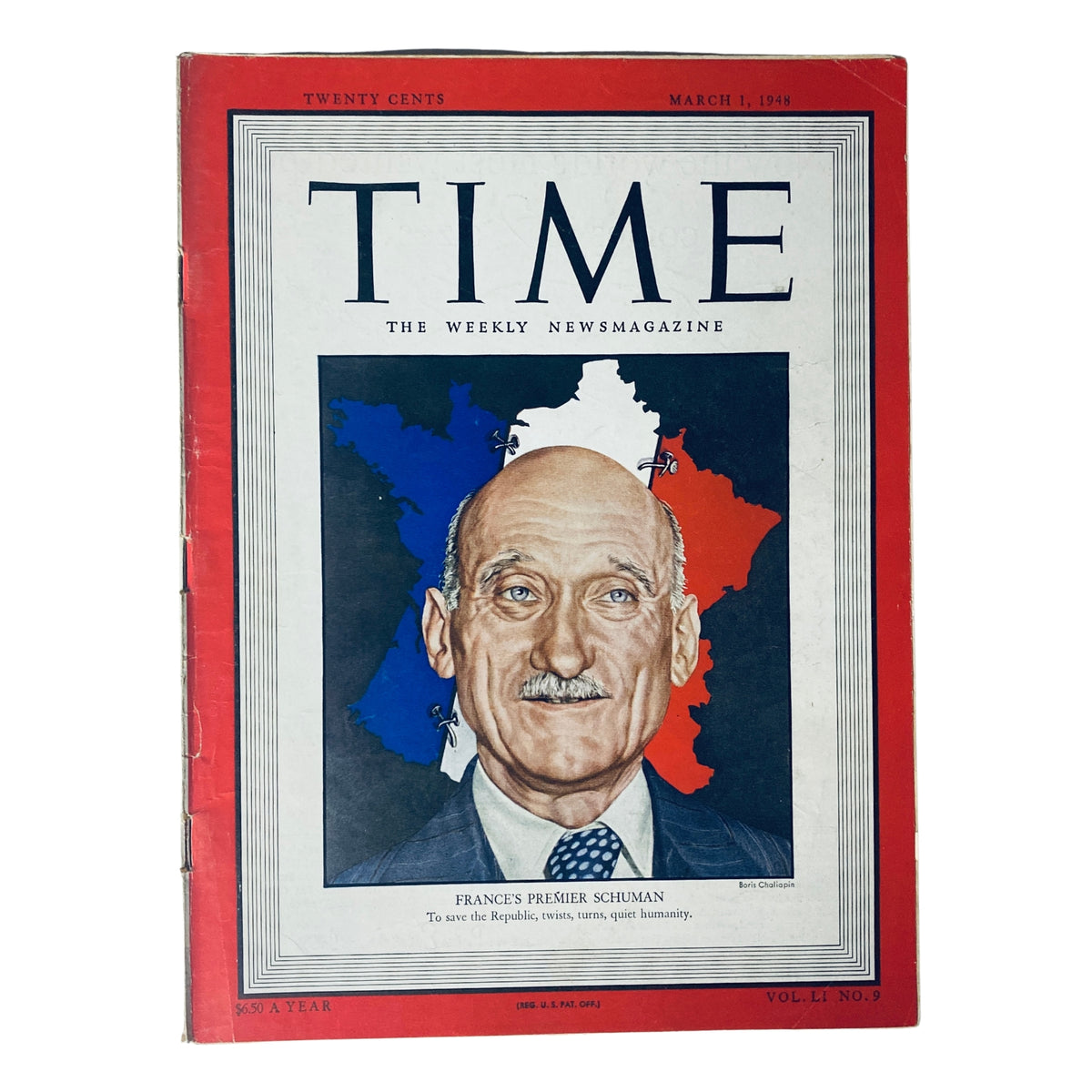
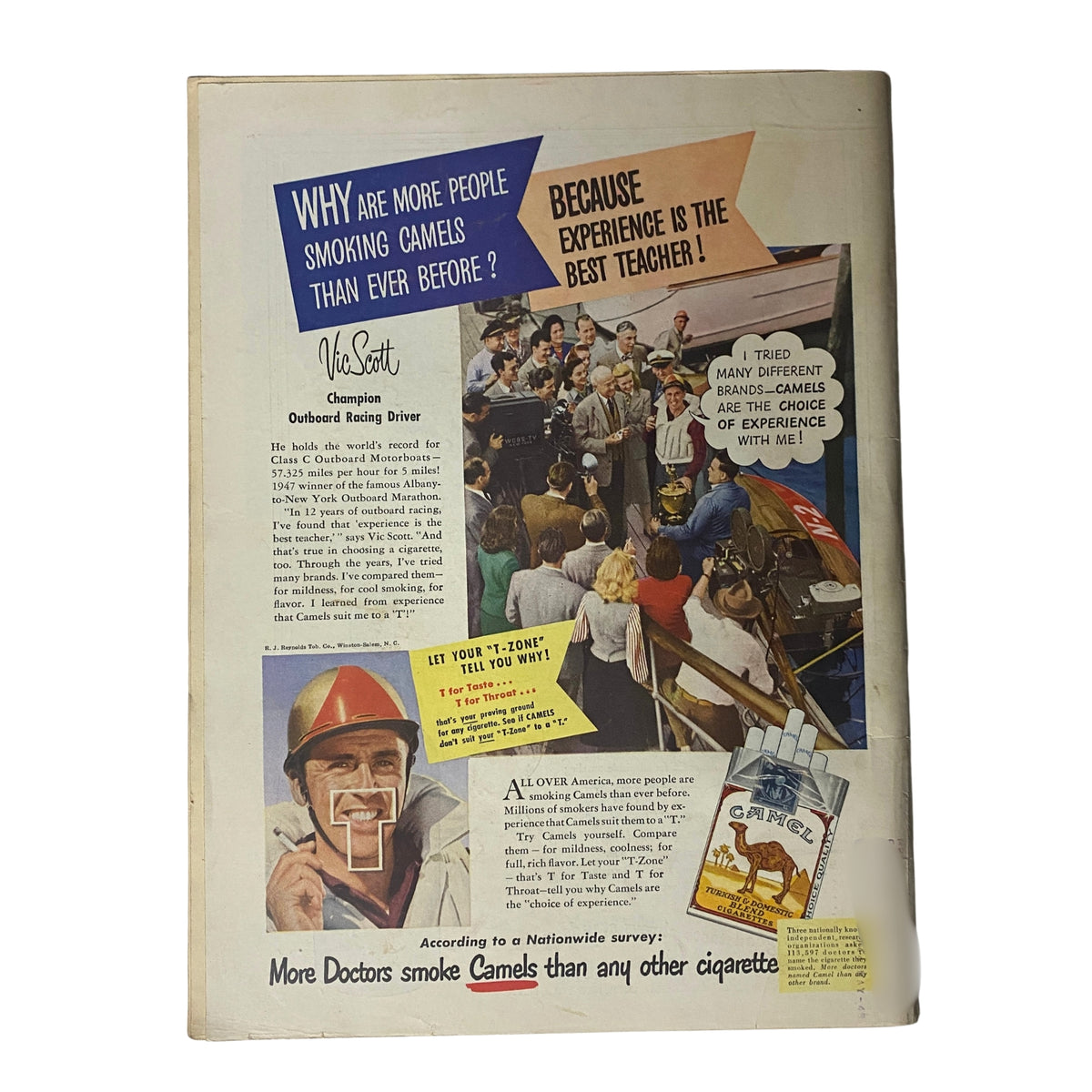
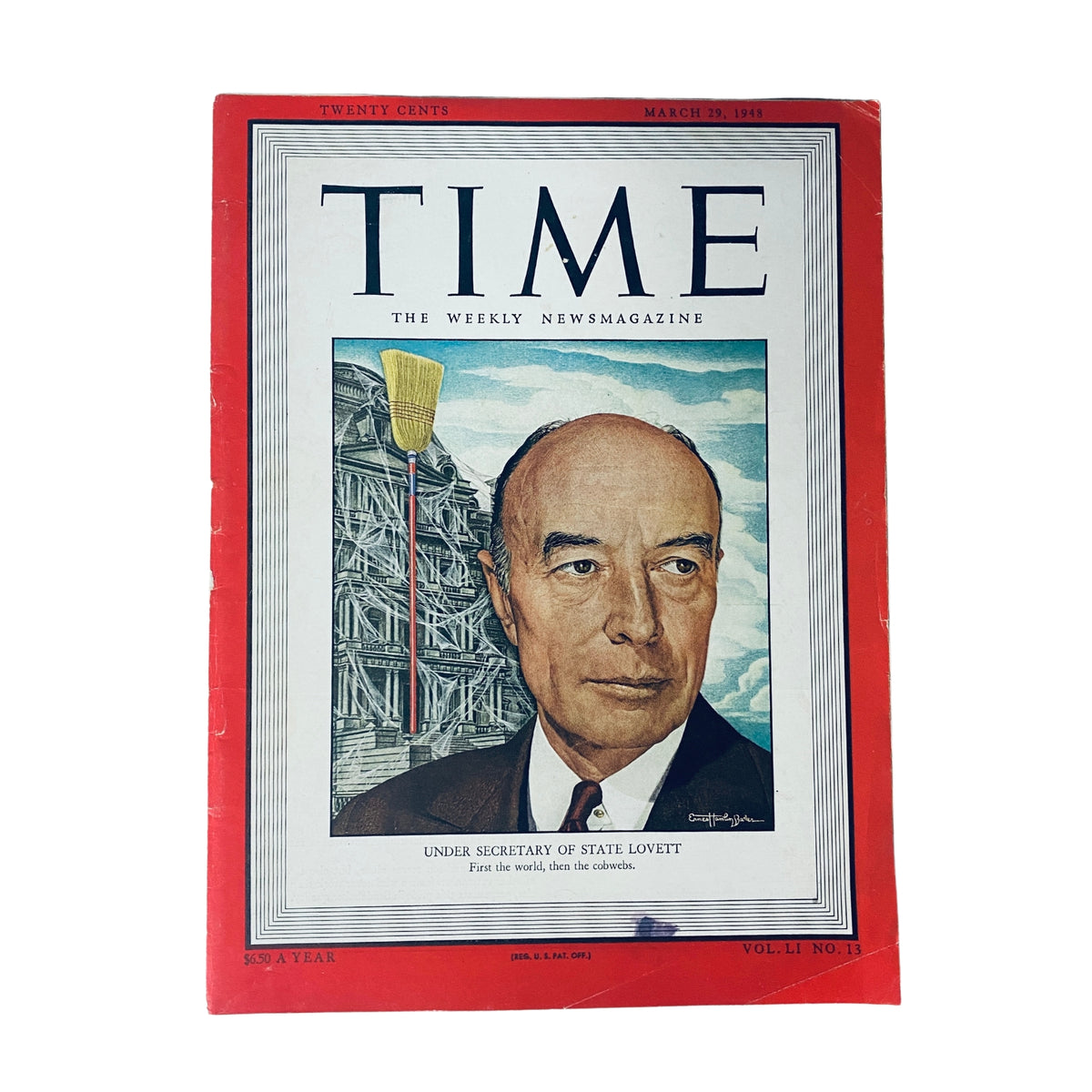
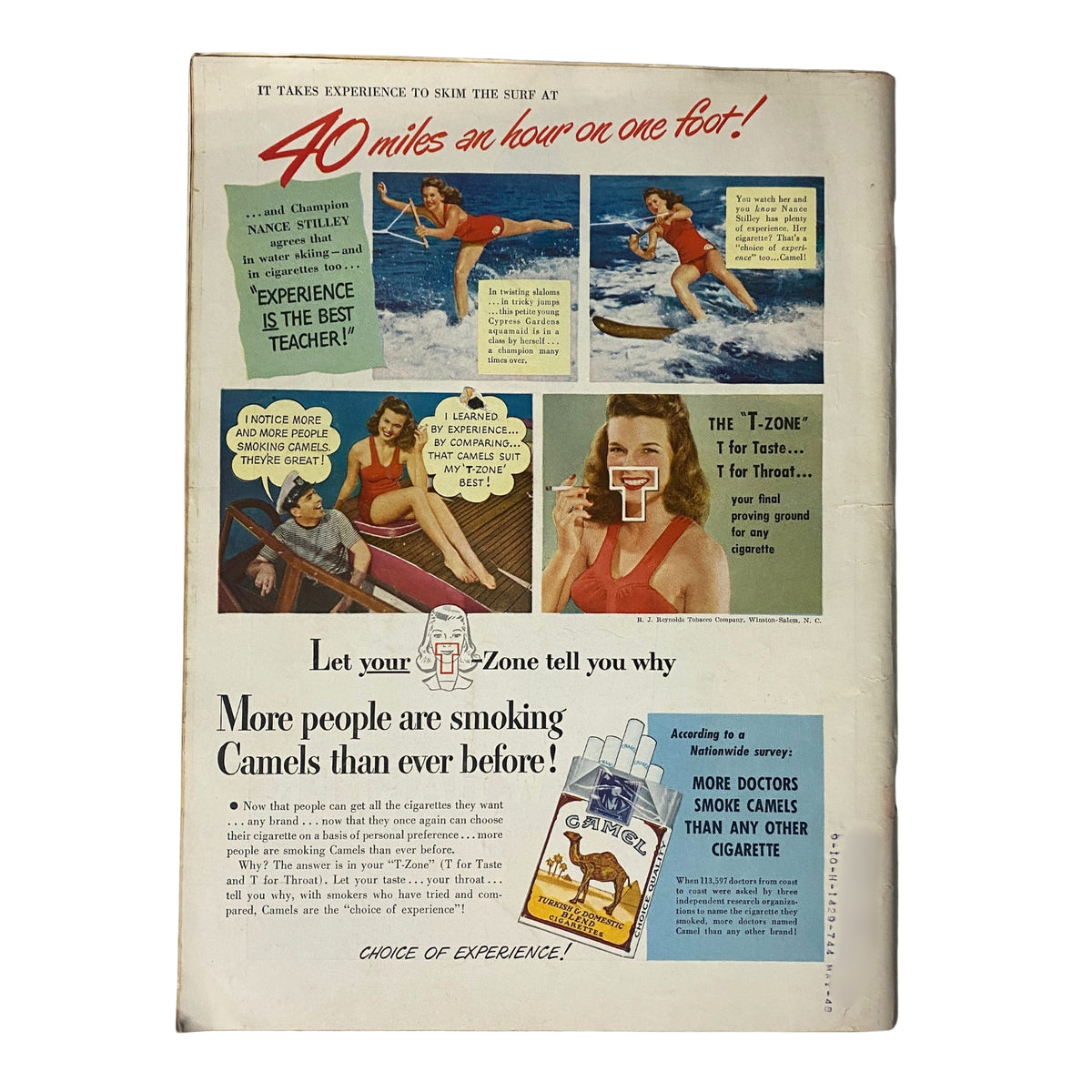
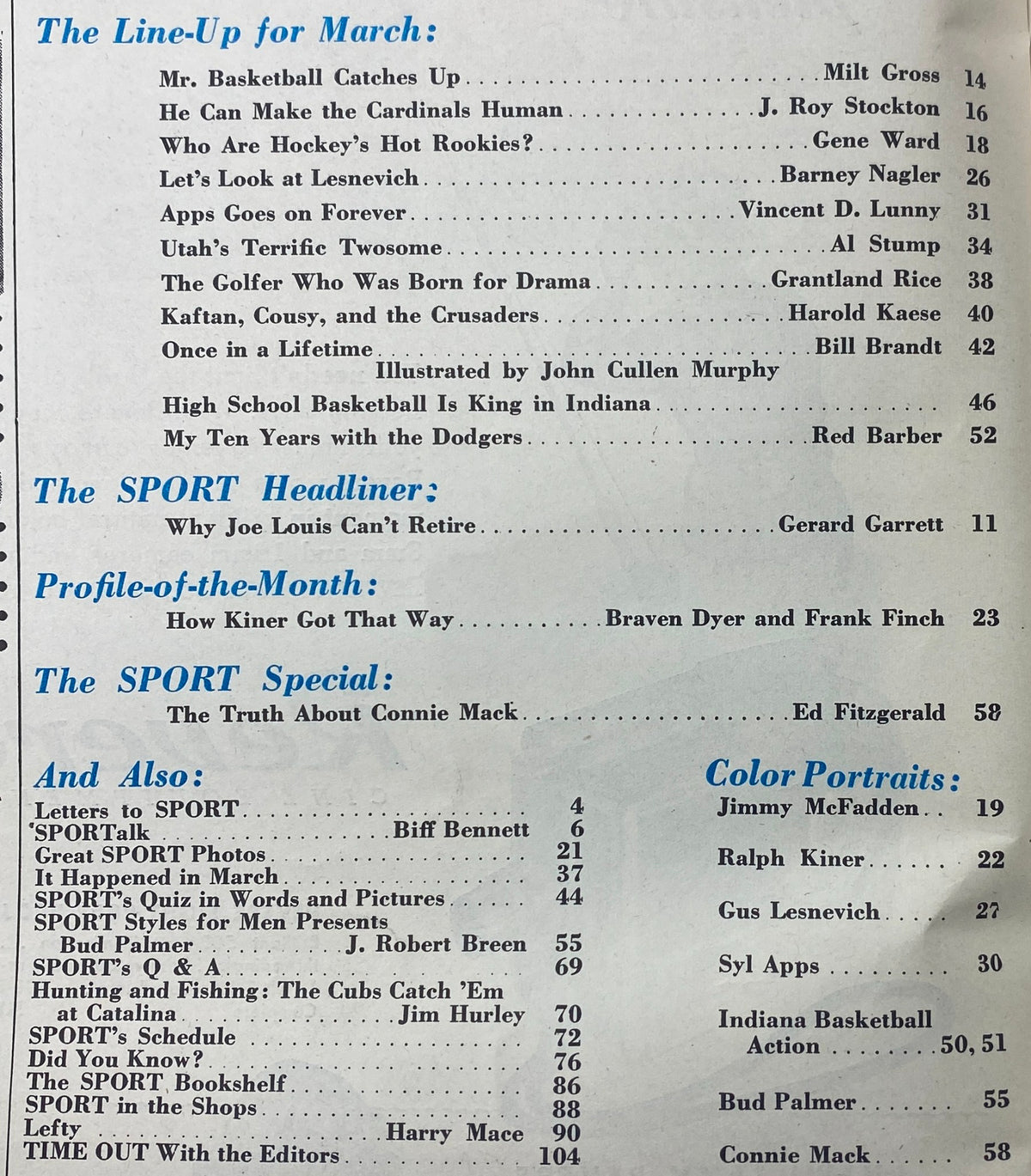
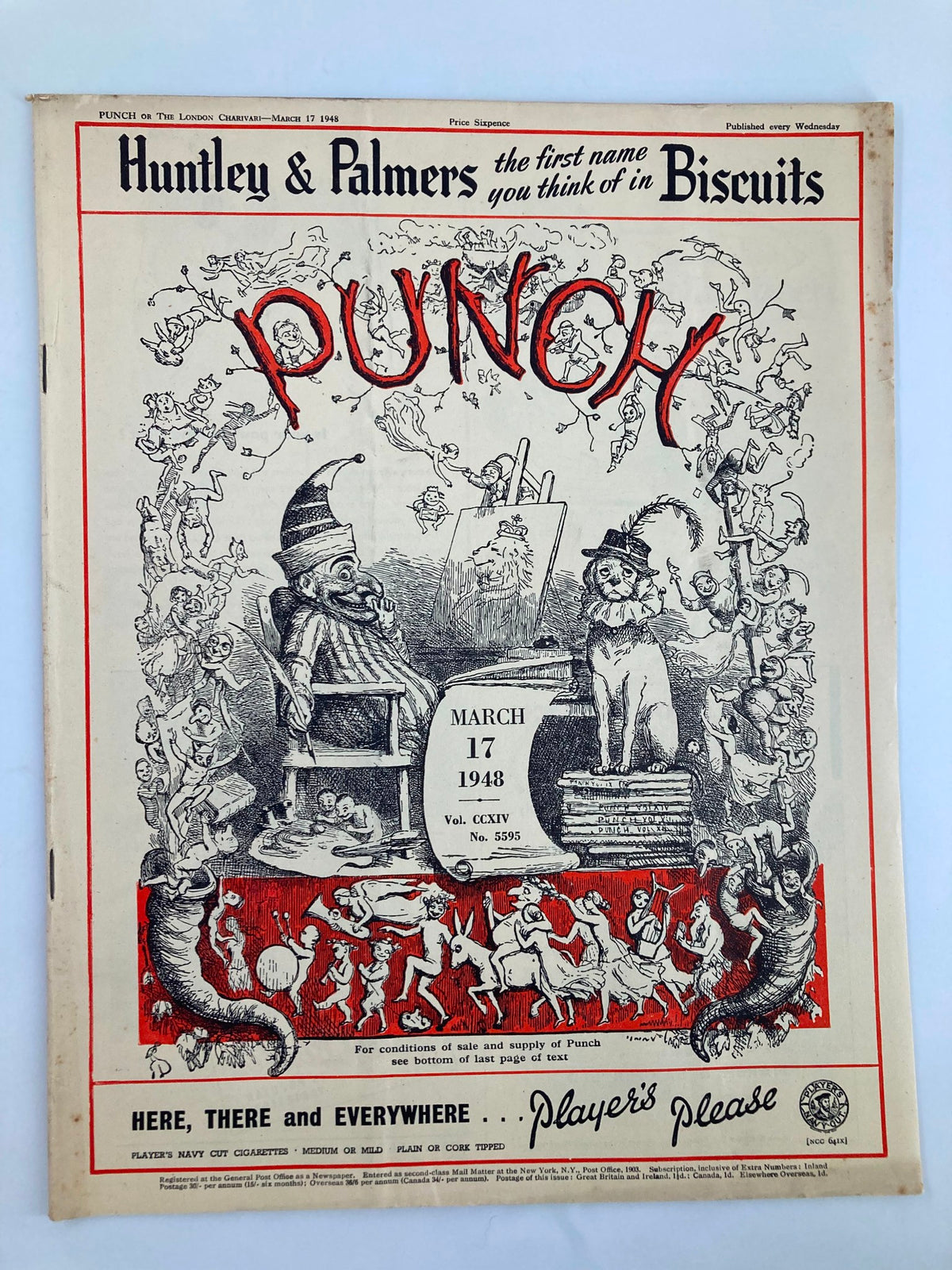
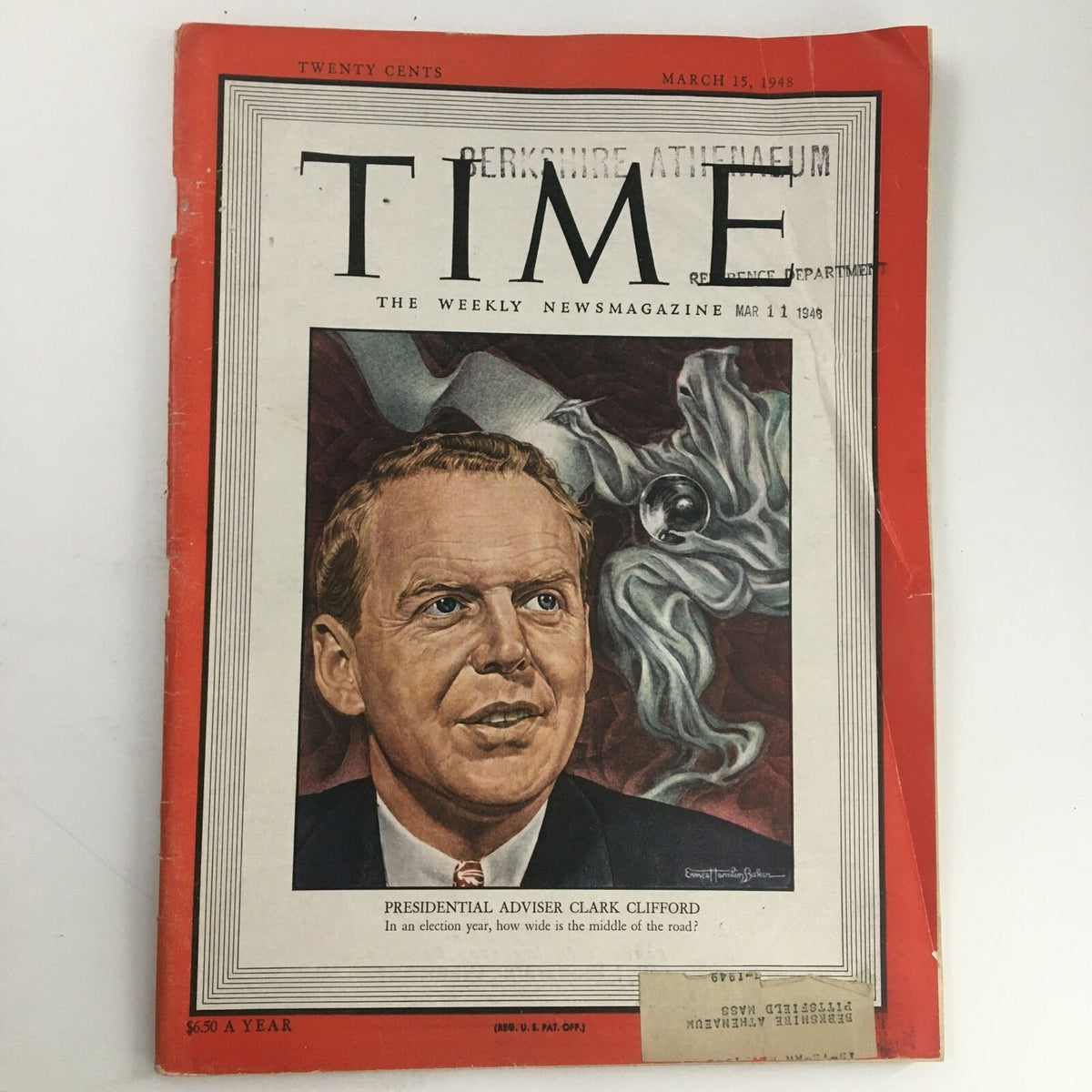
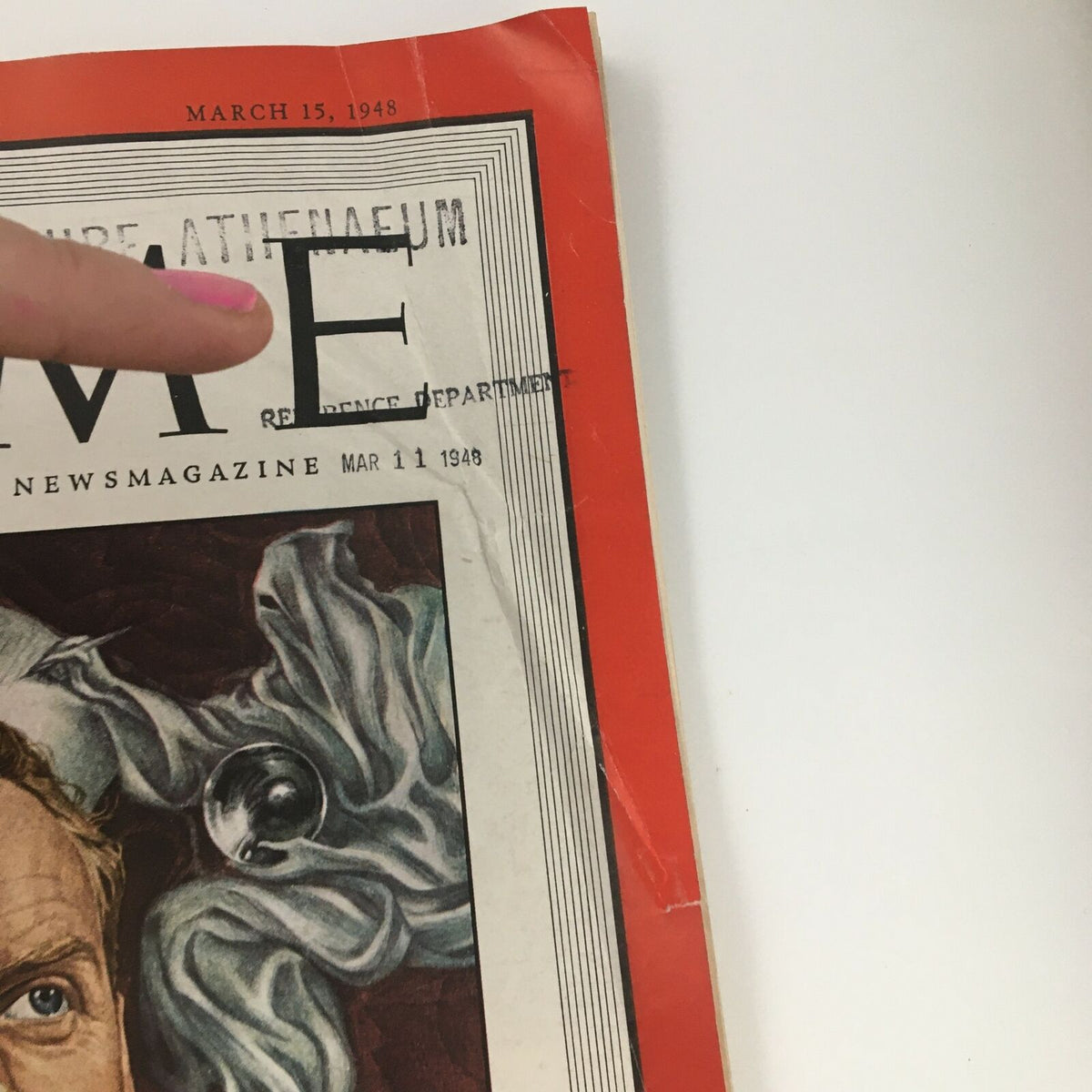
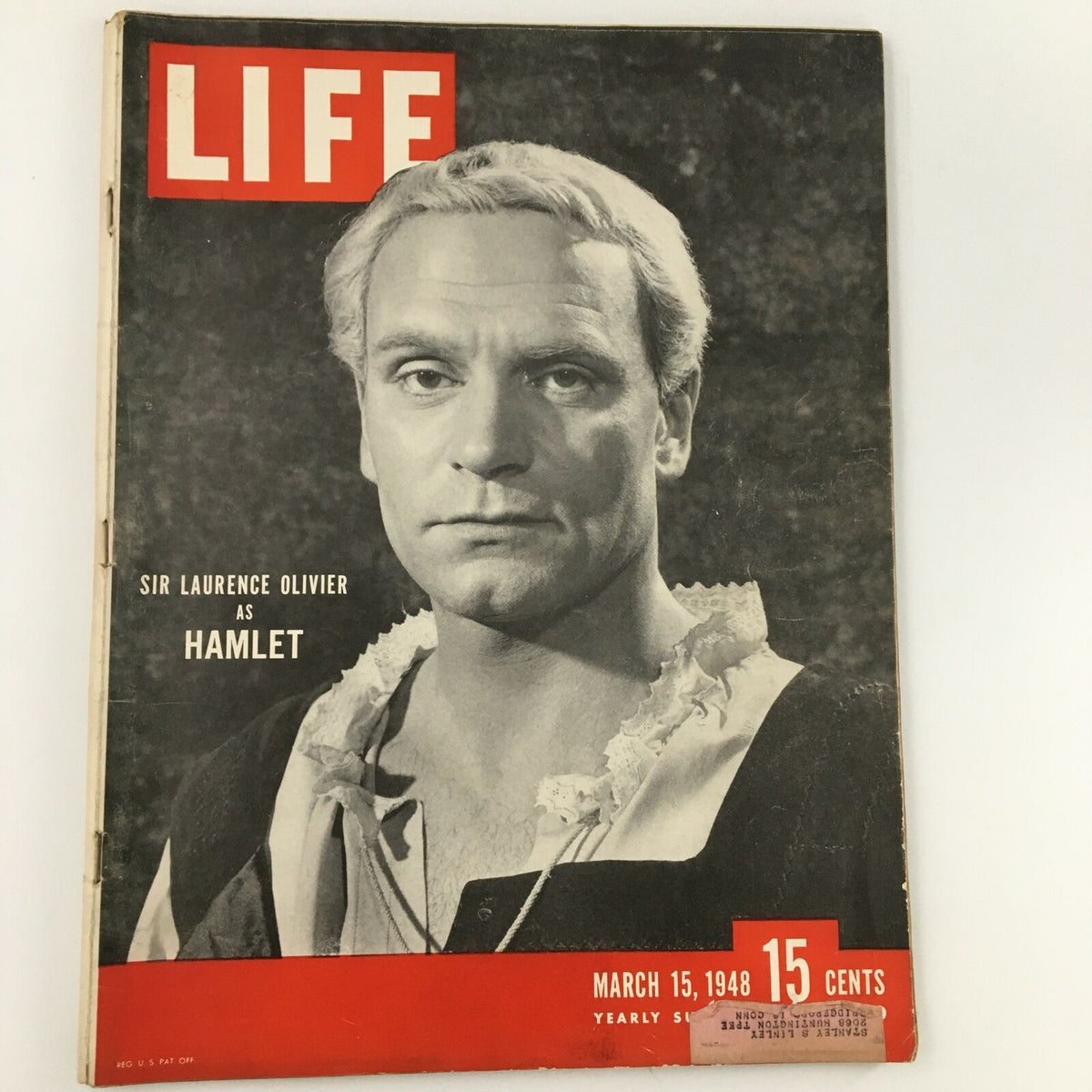
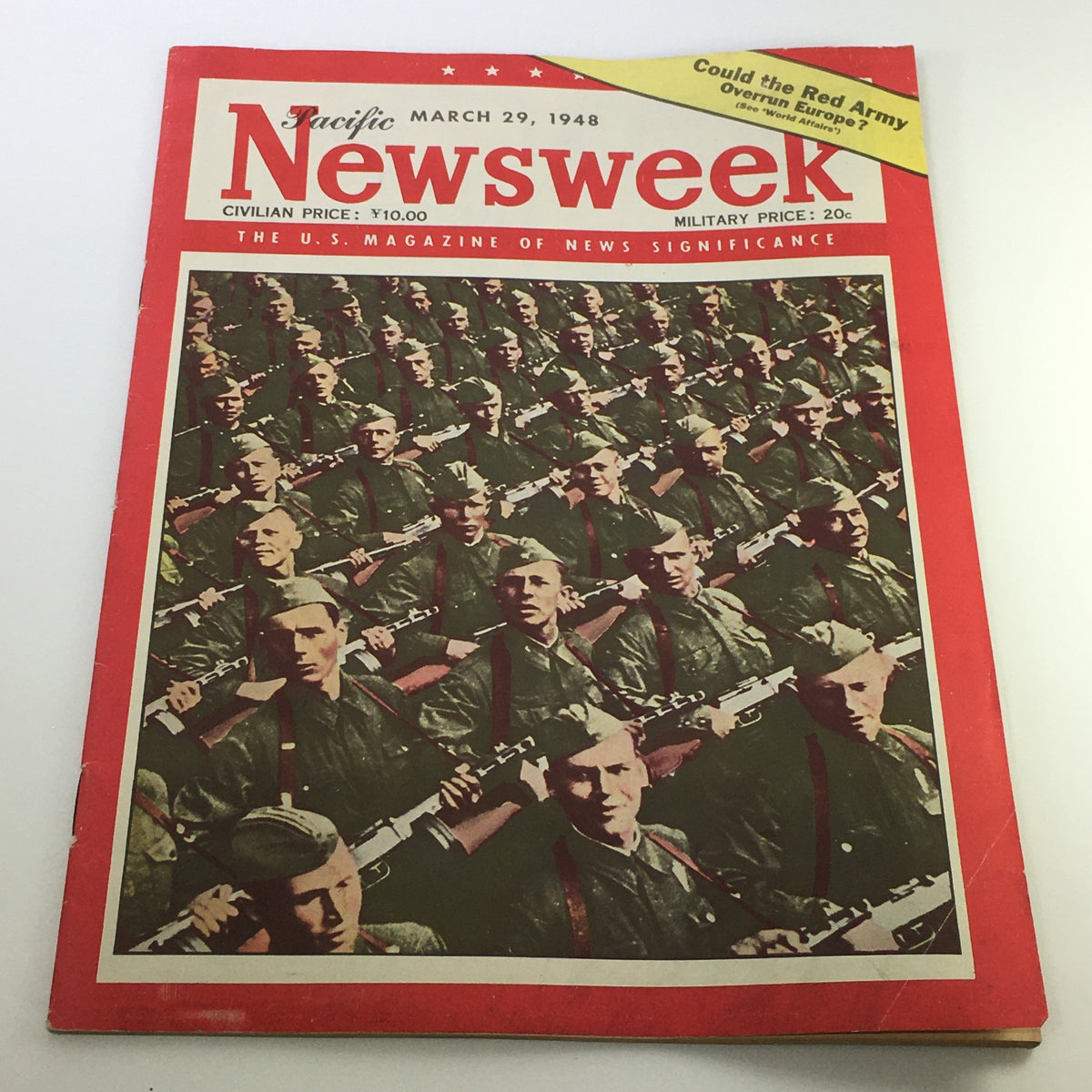
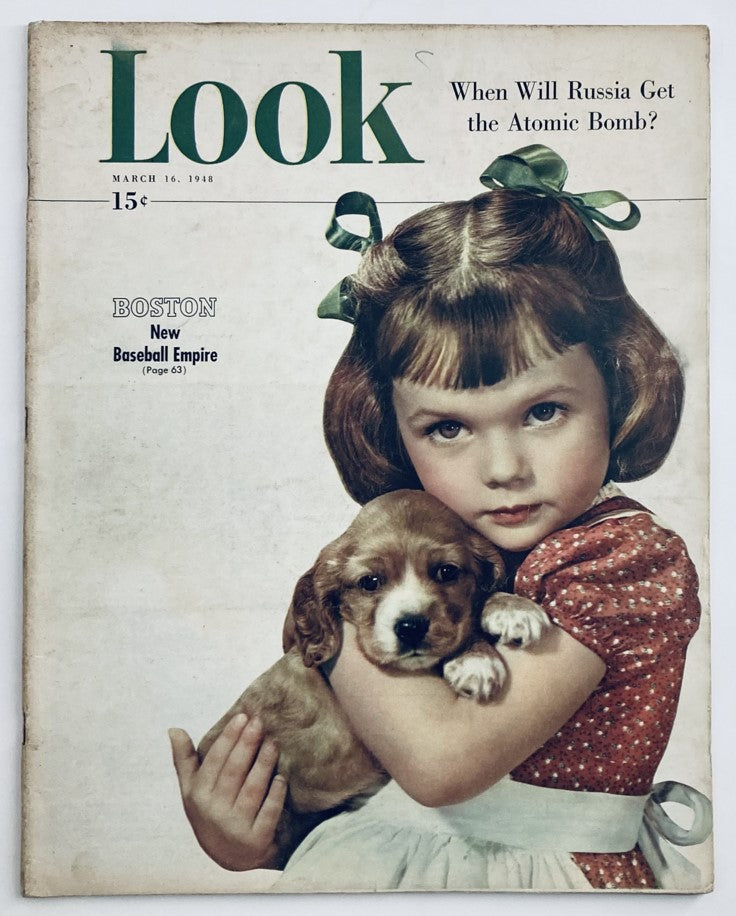
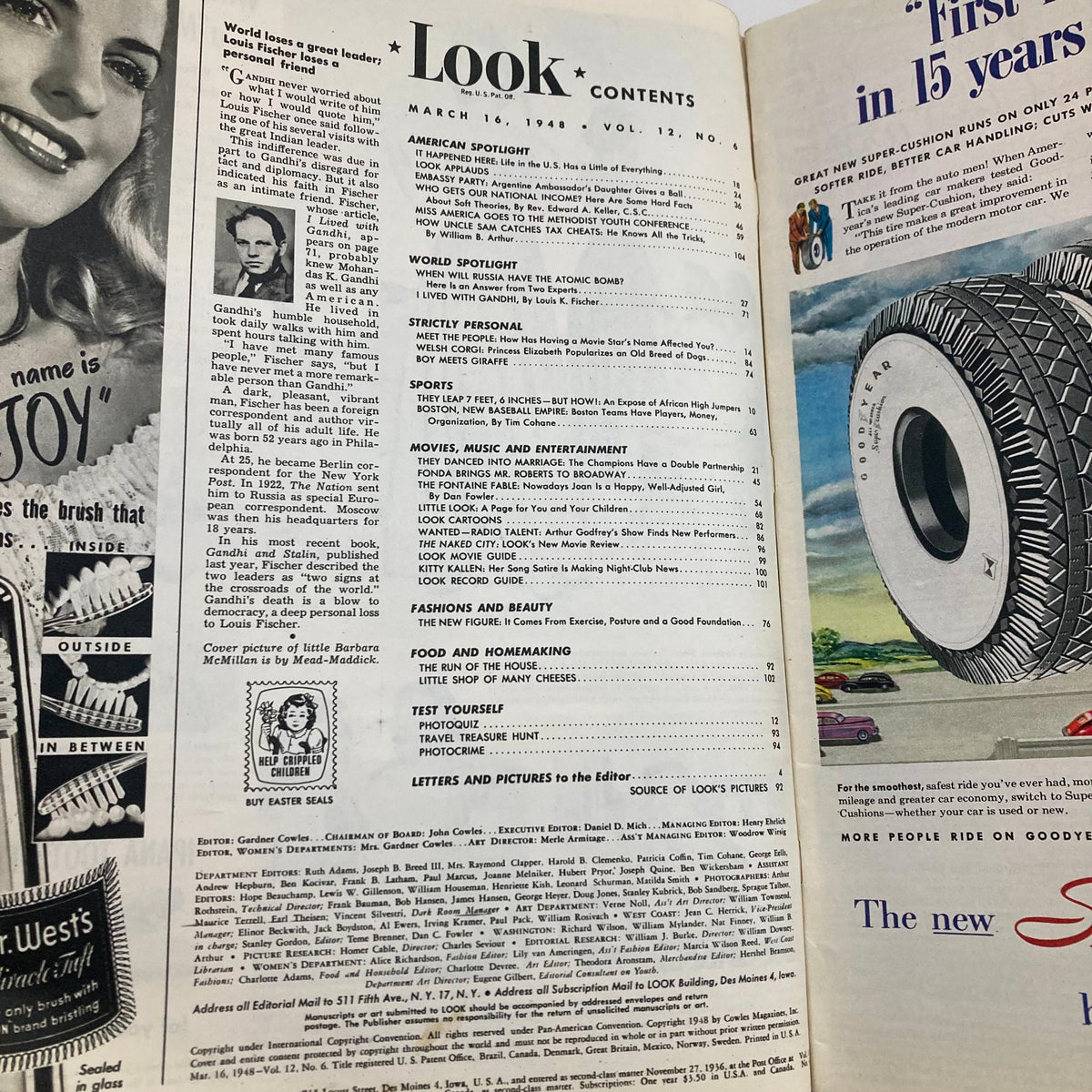
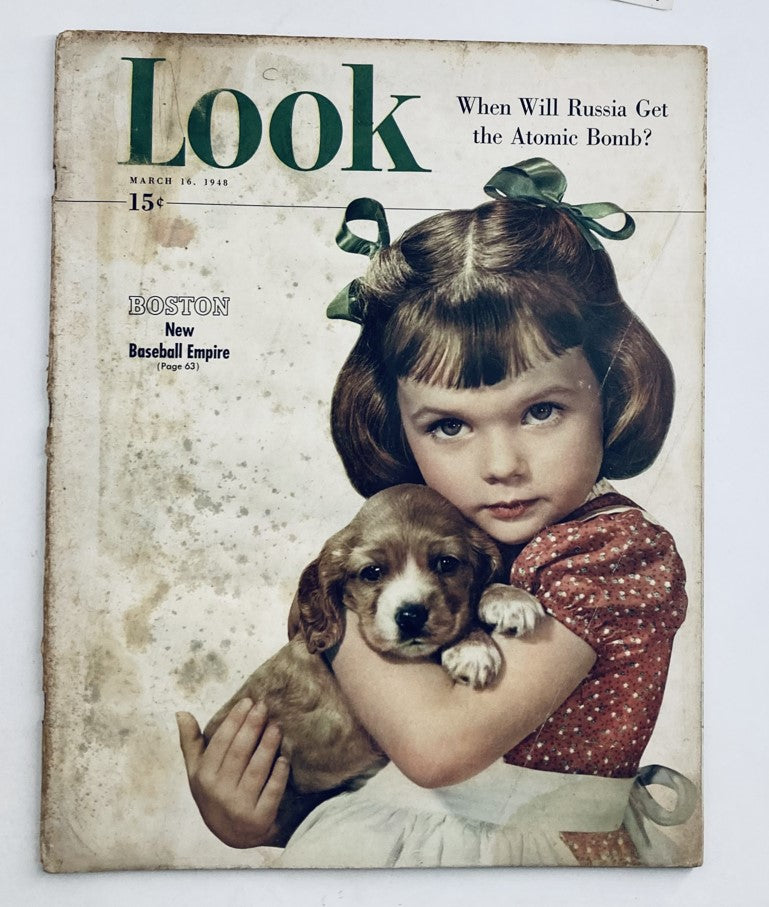
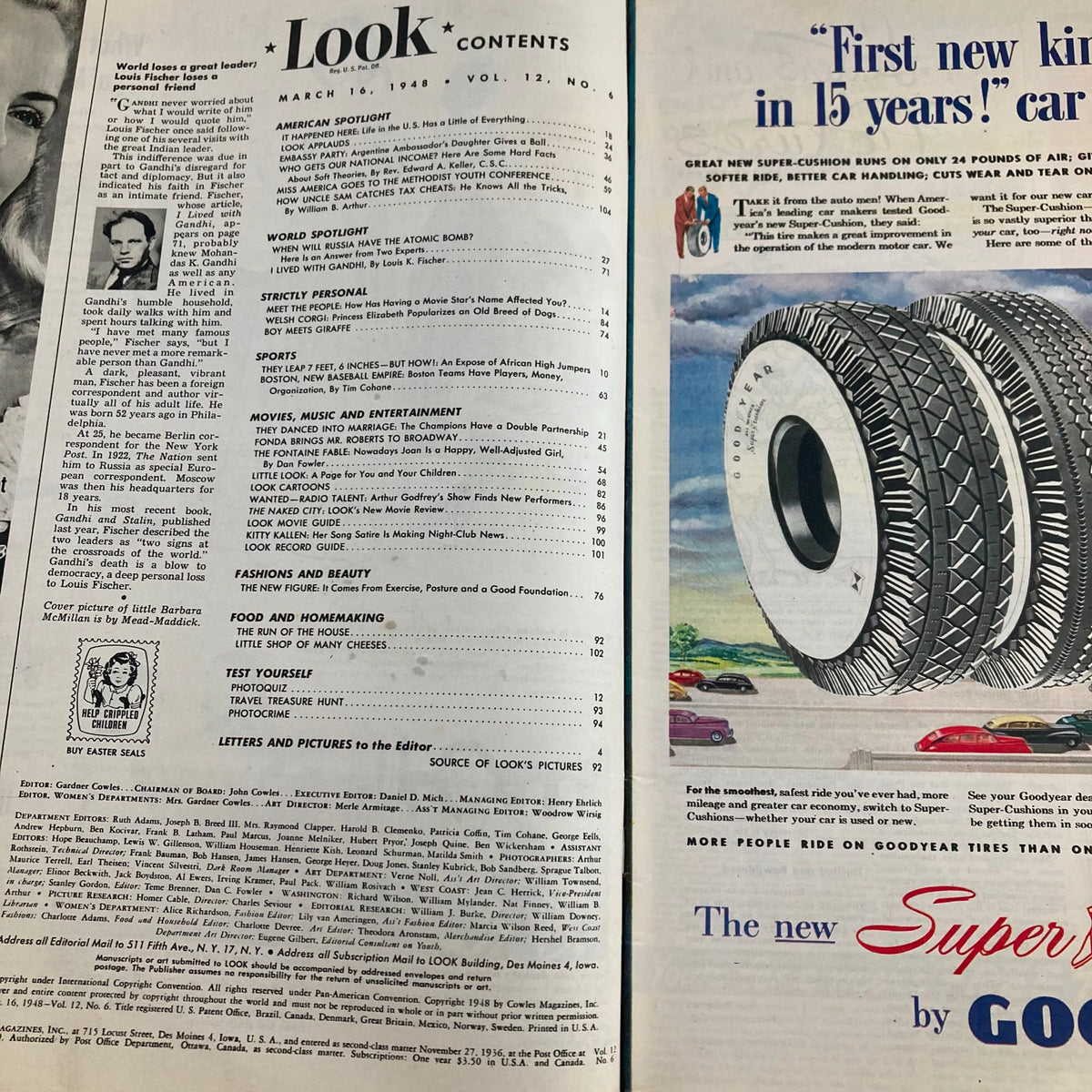
Television was, almost visibly, becoming something. Two new CBS affiliates launched within days of each other — WBAL in Baltimore and WCAU in Philadelphia — and on March 20th, CBS and NBC staged history's first live televised symphony performances, Eugene Ormandy and Arturo Toscanini conducting America's great orchestras into American living rooms simultaneously. Original magazines from March 1948 capture this precise hinge point: advertisements for the first wave of television sets sit beside full-page radio program listings, the old world and the new sharing the same newsstand. Life magazine — which featured Laurence Olivier on its cover that very month — and Time and Newsweek all chronicled this breathless cultural acceleration, their pages now rare magazines of irreplaceable documentary value.
Curator's Checklist: What to Look For
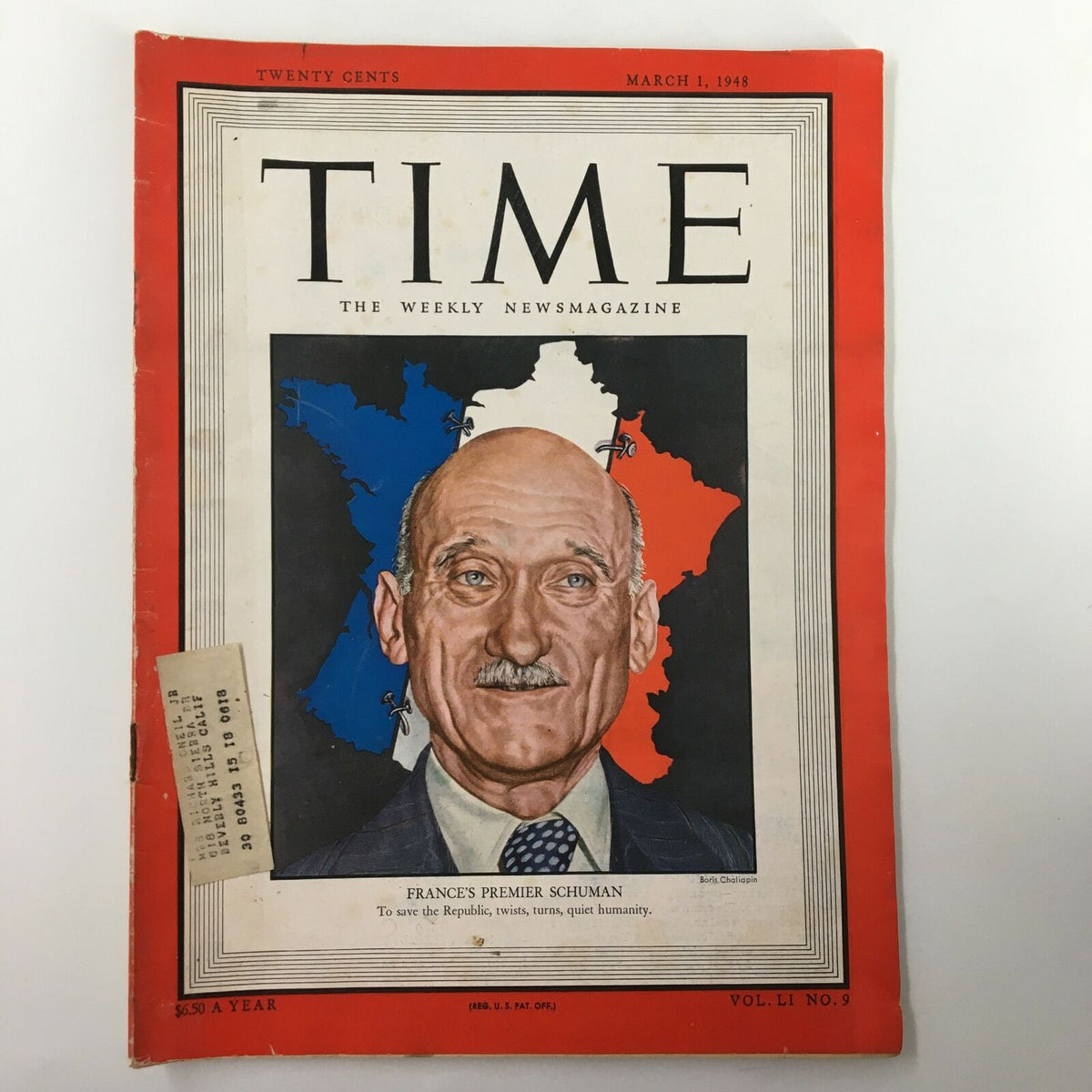
- The Tito-Stalin Split: News magazines including Time, Newsweek, and Look featuring early Cold War diplomatic coverage, often illustrated with stark wire photography of Soviet and Yugoslav officials — an event whose full significance wouldn't be understood for years, captured fresh.
- The Academy & Tony Awards: Entertainment coverage in Life, Variety, and general interest weeklies showcasing glamorous black-and-white photography from the 20th Academy Awards ceremony, with Loretta Young and Ronald Colman featured prominently alongside Gentleman's Agreement film imagery.
- The Television Moment: Vintage magazines from this month frequently carry early television set advertisements alongside articles about the CBS and NBC live symphony broadcasts — a genuine time capsule of the medium arriving in American homes for the very first time.
- Billie Holiday at Carnegie Hall: Jazz and entertainment publications, as well as mainstream weeklies, chronicling Holiday's March 27th sold-out Carnegie Hall concert — just eleven days after her prison release — one of the most dramatic comeback stories in American music history.
- The Marshall Plan Passage: Authentic issues of Life, Time, and Newsweek featuring full coverage of the Marshall Aid Act, with period advertising from American manufacturers that speaks directly to the postwar prosperity the plan was designed to create and protect.
The Perfect Gift
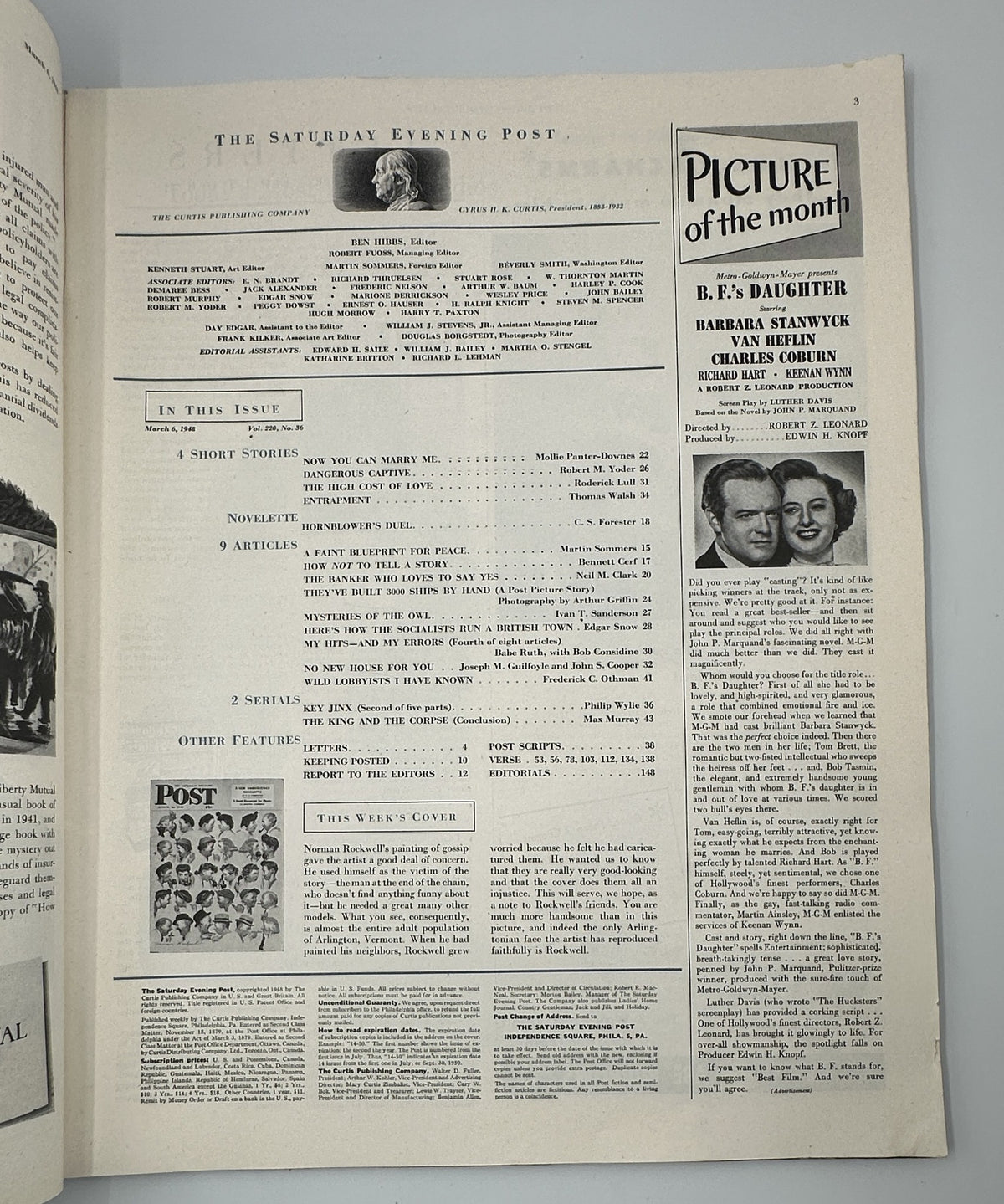
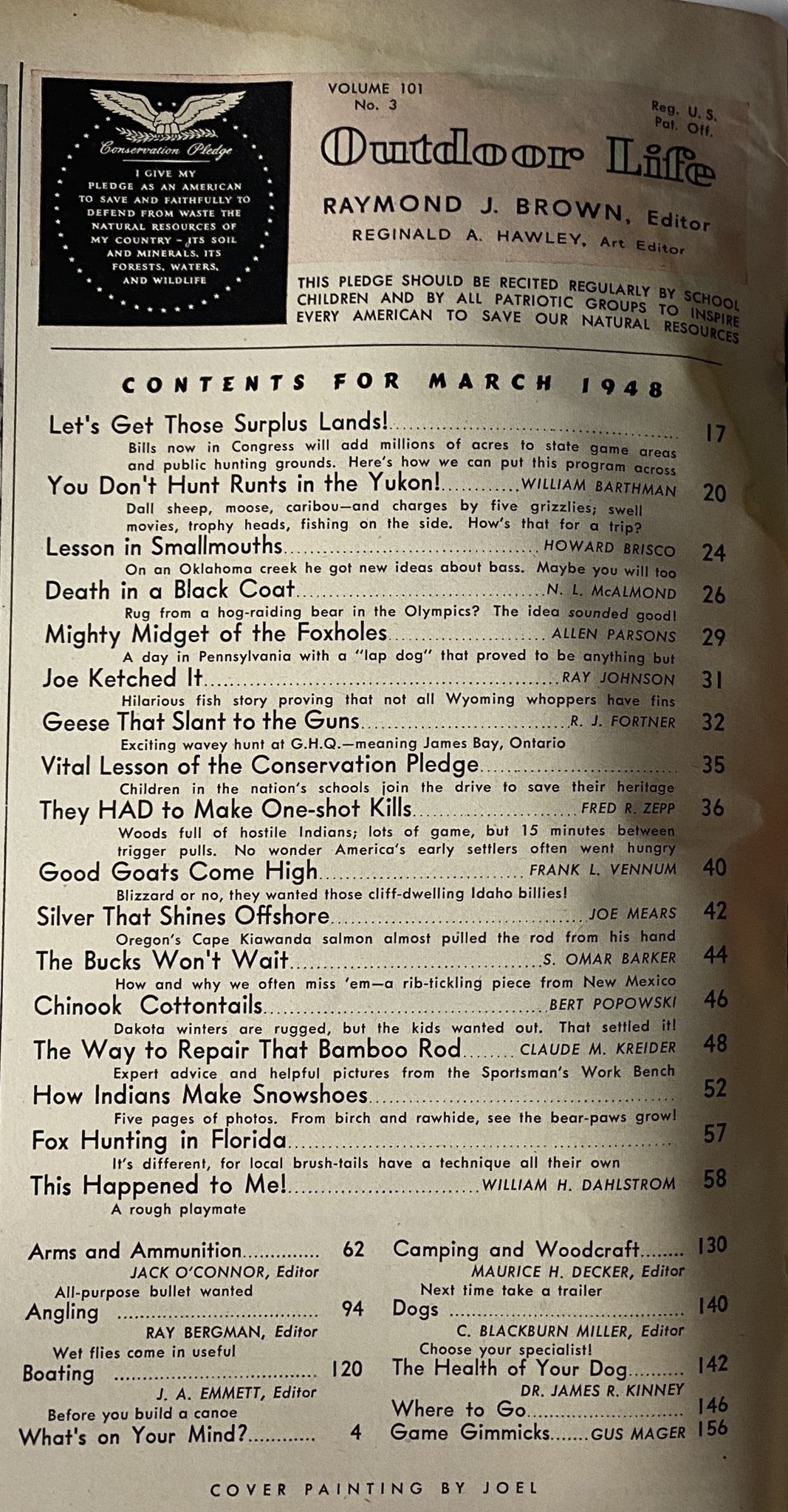
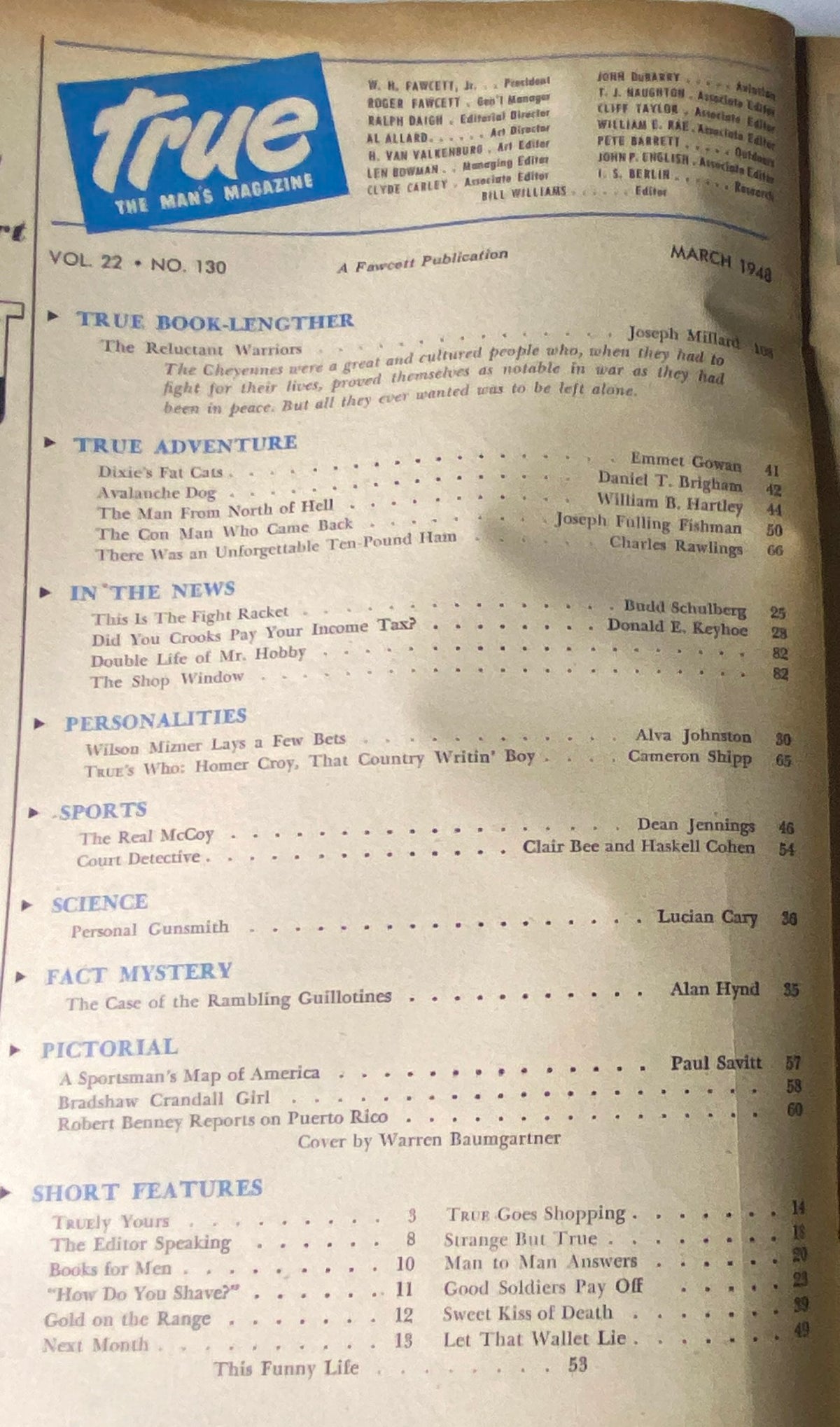
For someone born in March 1948, an original magazine from this pivotal month isn't just a piece of paper — it's an authenticated time capsule of the exact world they arrived in, preserved in genuine period headlines, original advertisements, and photography that no reproduction can replicate.