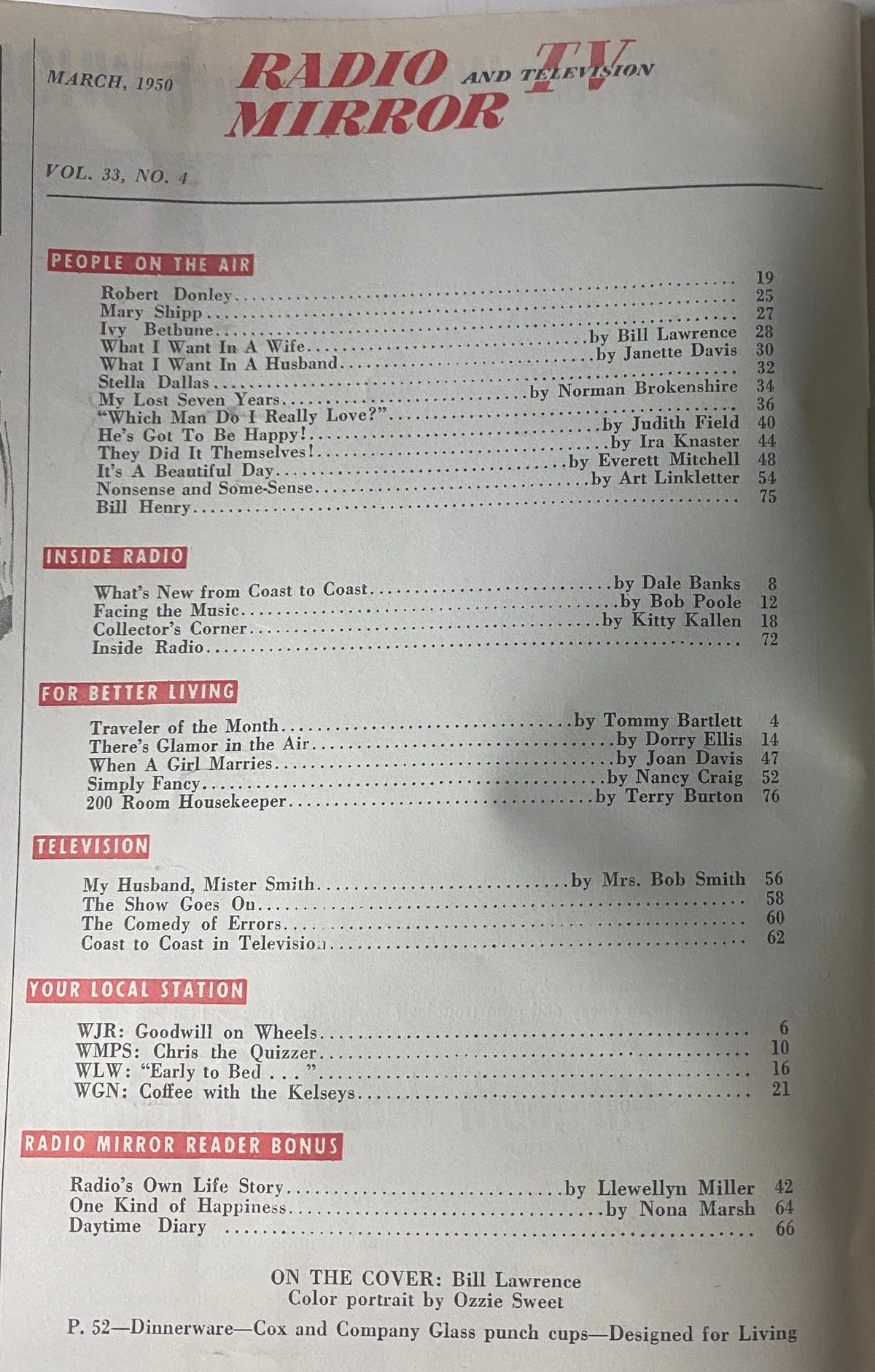
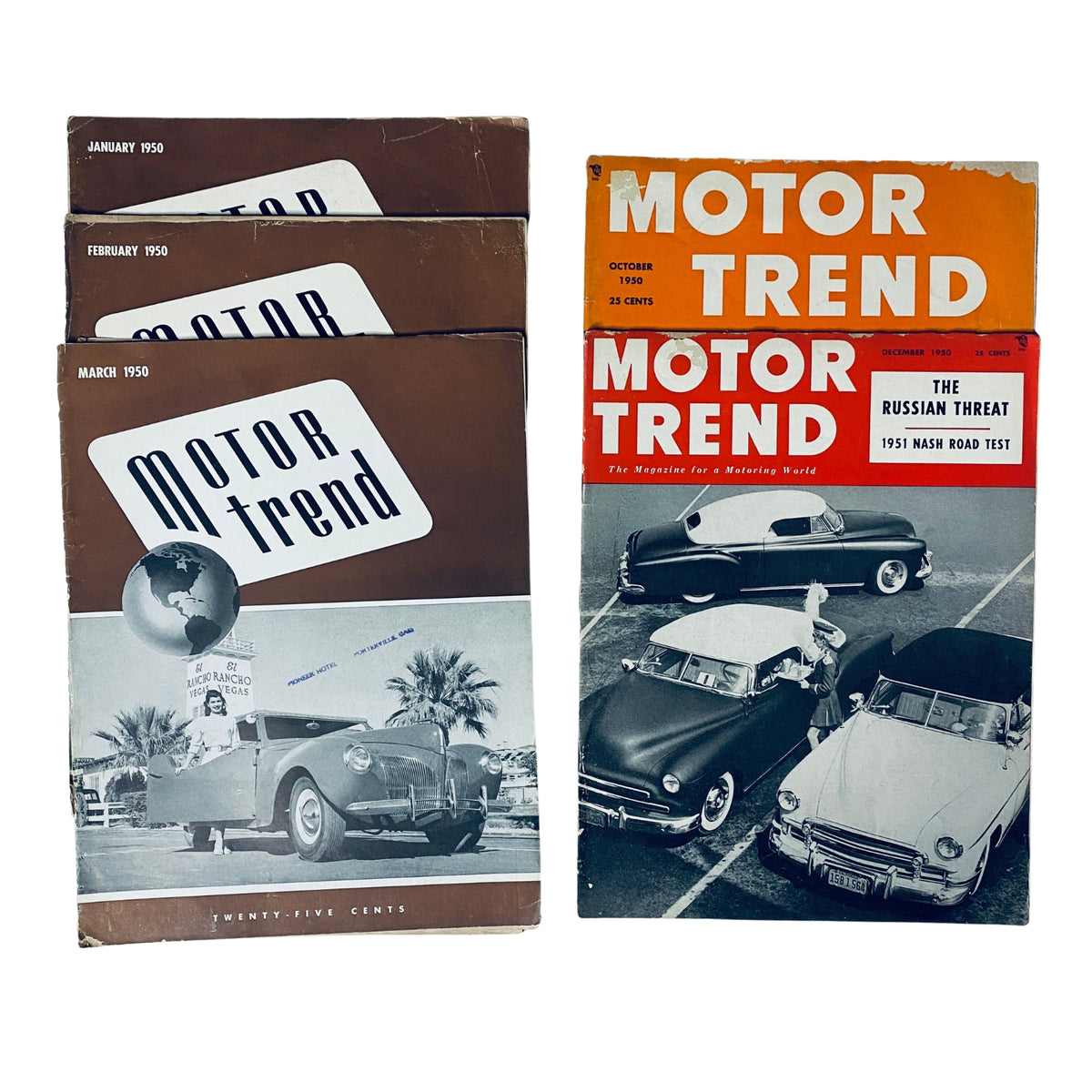
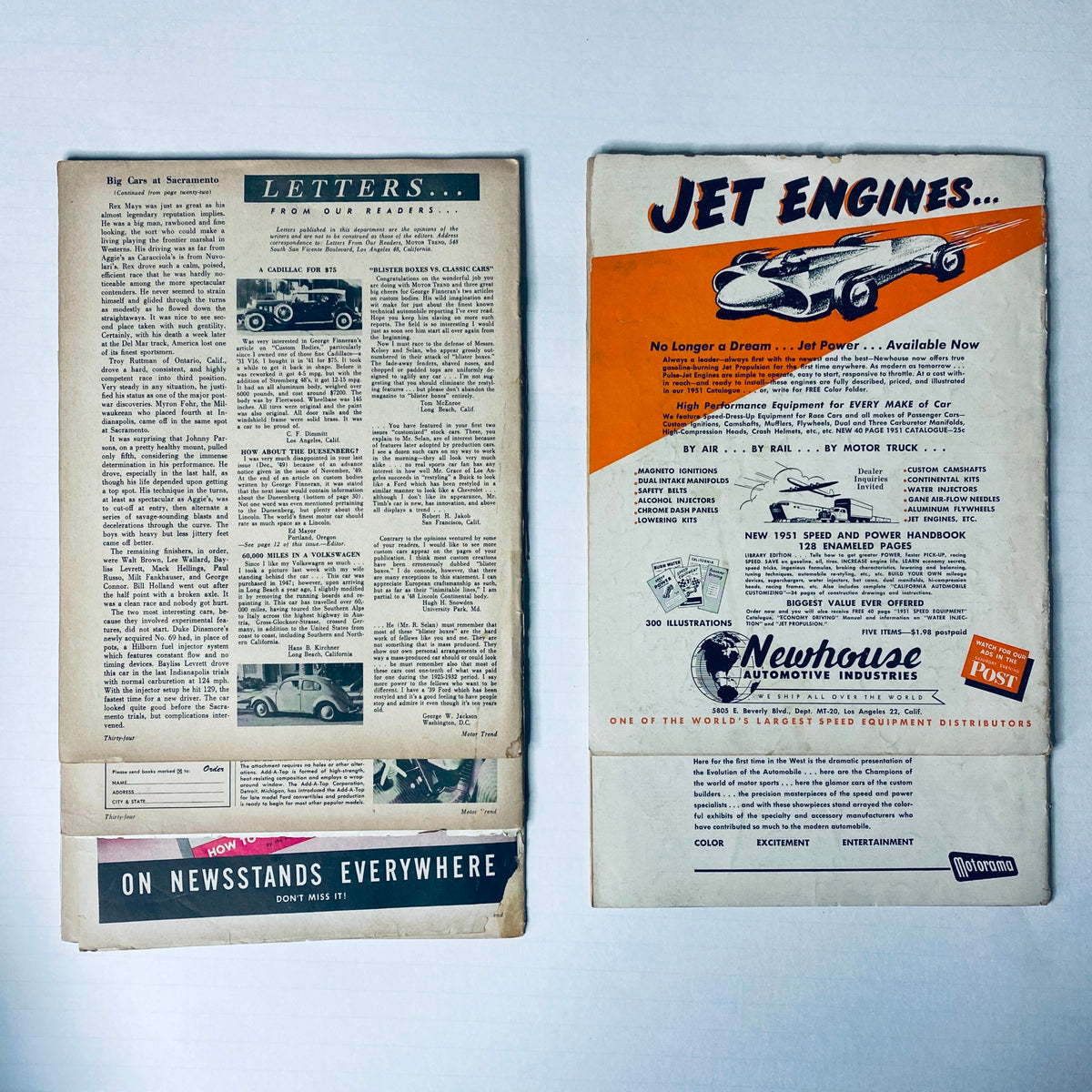
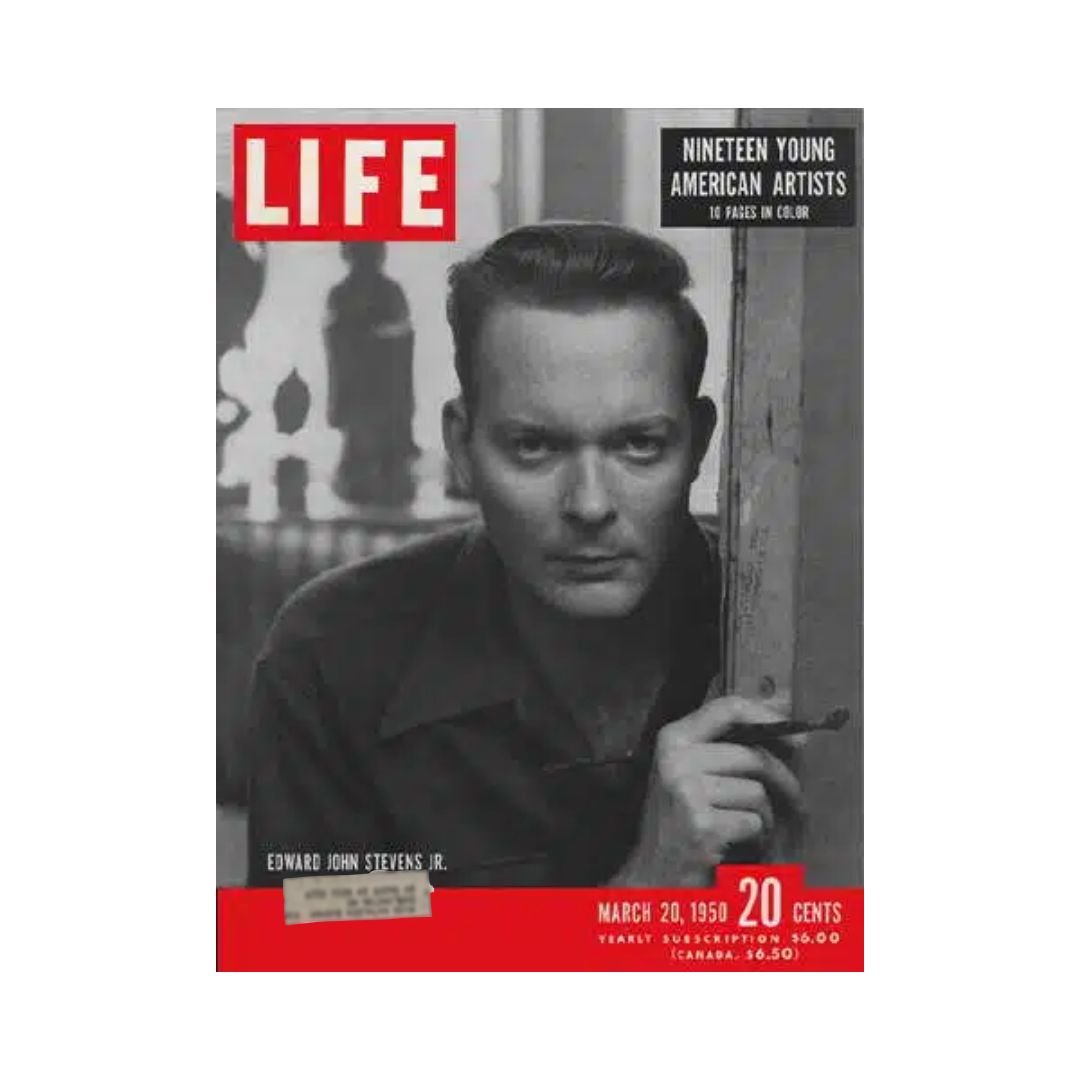
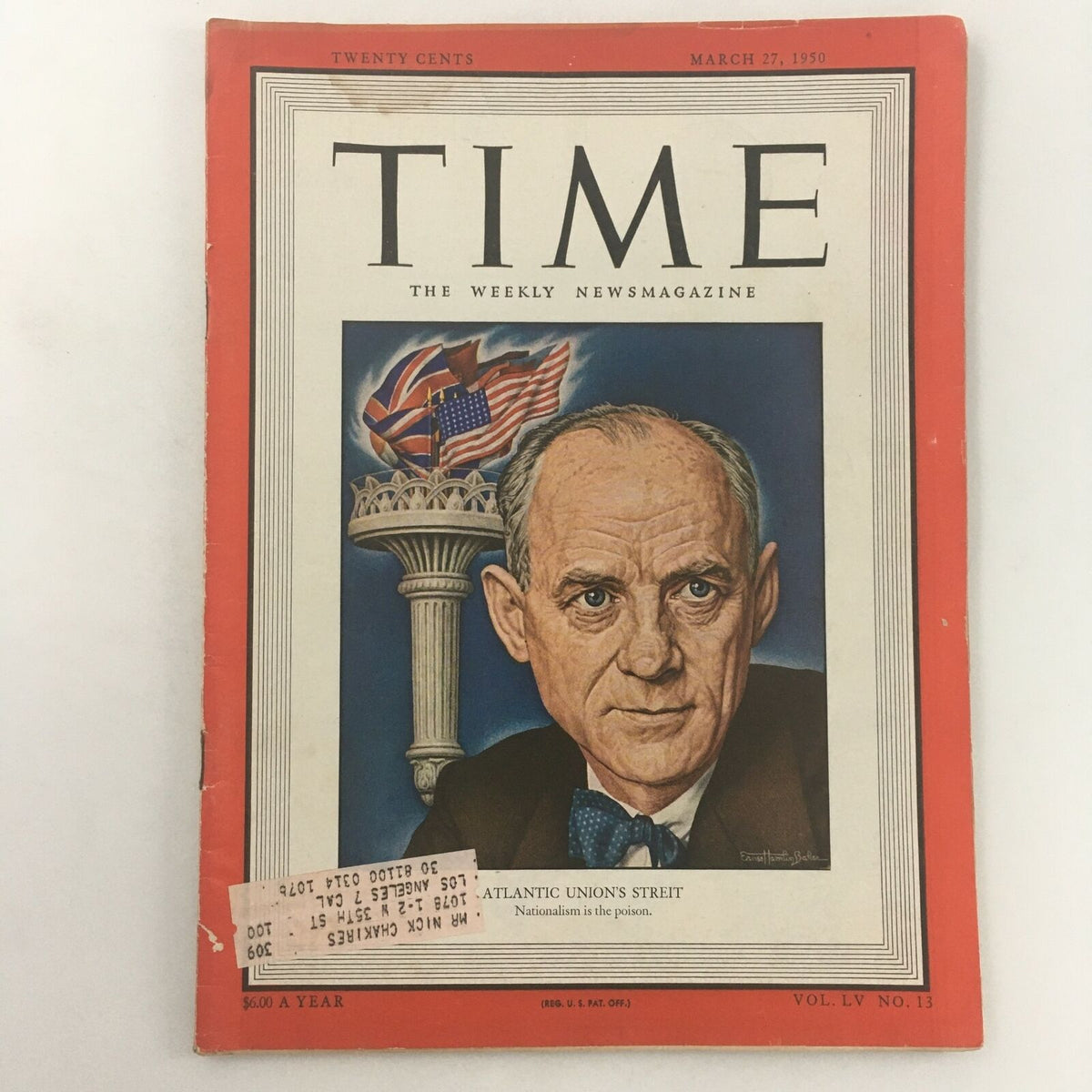
📖 About this Collection
March 1950: The Cold War Comes Home
The Historical Context
The world was watching when Klaus Fuchs—a British atomic scientist who had worked on the Manhattan Project—was sentenced to 14 years in a London courtroom for passing nuclear secrets to the Soviets. His conviction on March 1st crystallized America's deepest fears: the enemy had infiltrated the most guarded laboratories of the West, and the atomic monopoly was shattered. As Chiang Kai-shek resumed the presidency of Taiwan that same day, the battle lines of the Cold War hardened across both hemispheres. The FBI responded by launching its first "Ten Most Wanted Fugitives" list on March 14th, while bank robber Willie Sutton made headlines by stealing $64,000 from a New York manufacturer—old-fashioned crime suddenly seemed quaint against the backdrop of international espionage. In Belgium, political chaos erupted over King Leopold III's potential return, forcing the government to resign mid-month. This was the world your loved one entered in March 1950: a civilization grappling with invisible threats and wondering who could be trusted.
At movie theaters, audiences witnessed Broderick Crawford and Olivia de Havilland claim Oscar gold at the 22nd Academy Awards on March 23rd for their work in the previous year's films, while Gian Carlo Menotti's opera The Consul opened at the Barrymore Theater to critical acclaim, earning a Pulitzer Prize for its meditation on political persecution. Sports fans watched CCNY accomplish the impossible: winning both the NIT and NCAA basketball championships in a single season, a feat never repeated. On the golf course, Babe Didrikson-Zaharias dominated the US Women's Open by nine strokes, while figure skater Dick Button defended his world championship title in London. General Motors reported record earnings exceeding $656 million, signaling postwar prosperity even as New Yorkers suffered through water shortages severe enough to hire an official "rainmaker." Original magazines from March 1950 captured these jarring contradictions—glossy advertisements for new appliances alongside grim news photography, society pages featuring Silly Putty's debut while editorial pages debated atomic espionage.
What to Look For in March 1950 Vintage Magazines:
- The Fuchs Trial Coverage: News magazines like Time, Life, and Newsweek featured extensive photographic spreads of the courtroom drama, often with diagrams explaining how atomic secrets were transmitted, giving readers a glimpse into the mechanics of espionage that dominated headlines.
- Basketball Championship Fever: Sports publications and general-interest magazines showcasing CCNY's unprecedented double championship victory, illustrated with game action photographs and profiles of the scrappy New York team that conquered both major tournaments.
- Academy Awards Glamour: Entertainment magazines and general weeklies featuring Oscar night coverage with photographs of Crawford and de Havilland accepting their statuettes, alongside fashion commentary on the gowns and formal wear that defined Hollywood elegance.
- Cold War Anxiety in Advertising: Rare magazines from this month often juxtapose consumer optimism—automobile ads, kitchen appliance promotions, suburban lifestyle imagery—with the creeping dread visible in editorials about communist infiltration and nuclear vulnerability.
- Californium's Discovery: Scientific and educational periodicals chronicling the announcement of element 98 on March 17th, frequently illustrated with laboratory photography and diagrams explaining the new frontier of atomic research even as espionage scandals tainted the field.
The Perfect Gift
For someone born in March 1950, an original magazine from this conflicted month isn't just a birthday card—it's an authenticated witness to the moment when Cold War paranoia crashed into postwar optimism, preserved in genuine advertisements, wire-service photographs, and editorials that capture a nation simultaneously celebrating achievement and confronting betrayal.