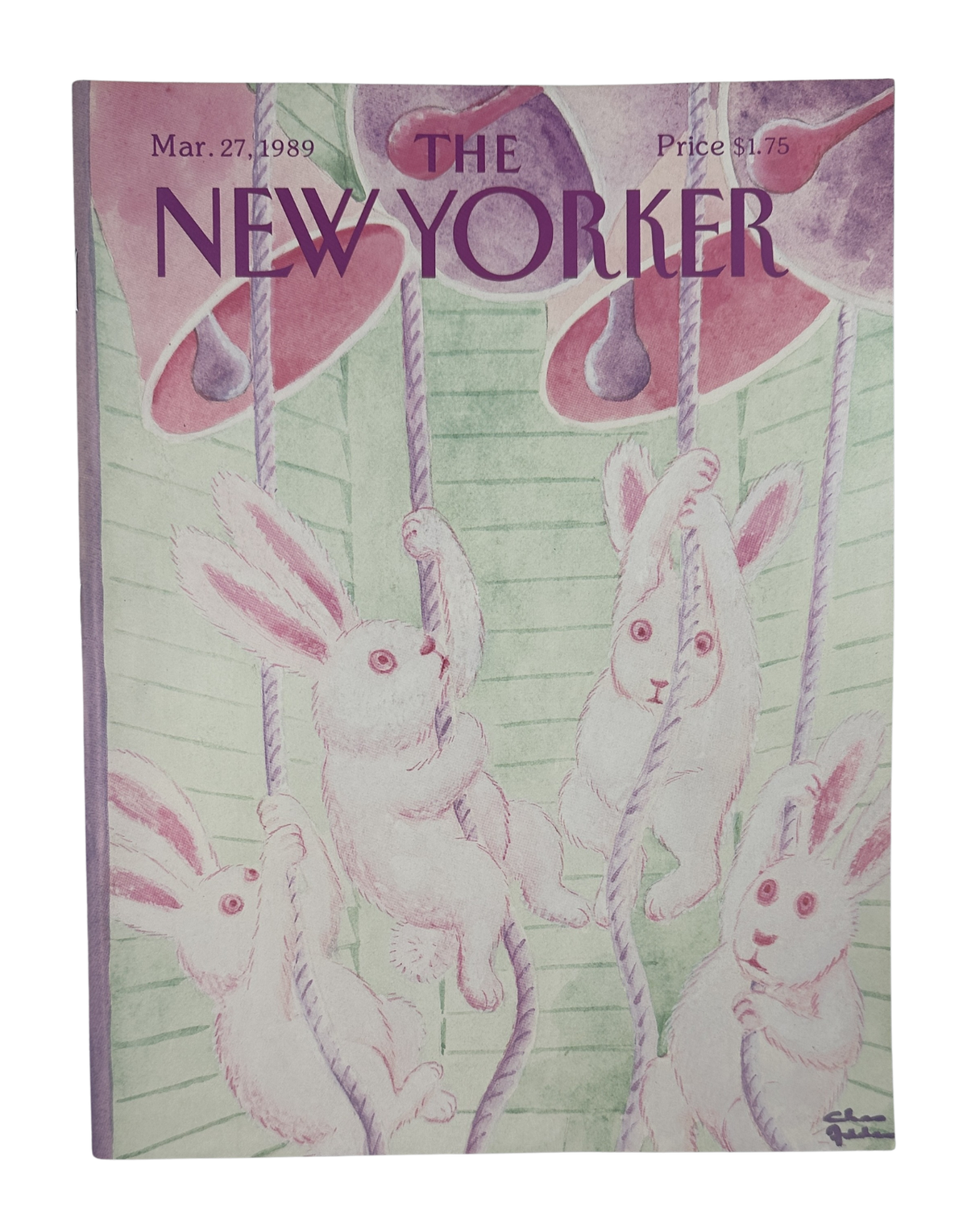
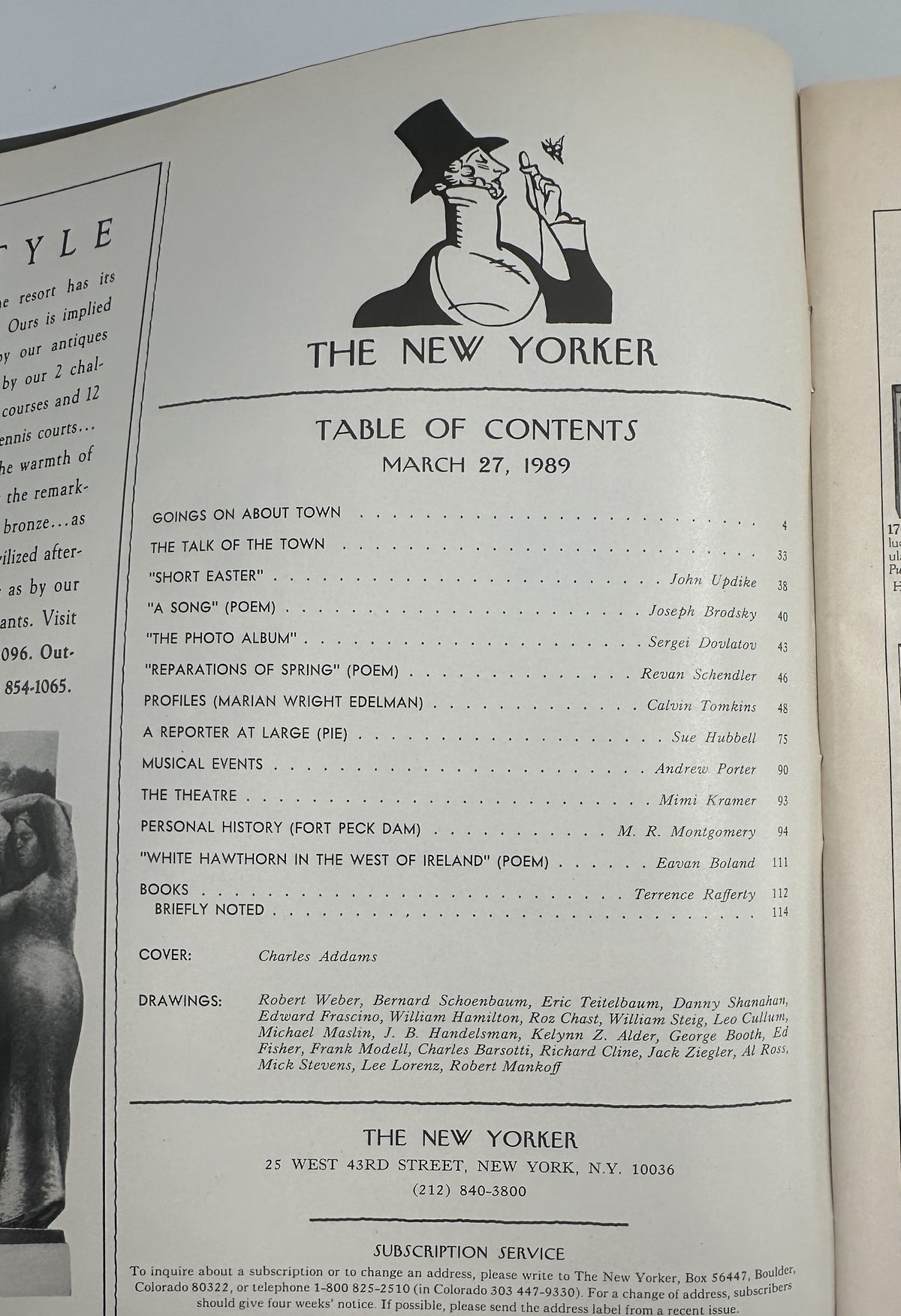
📖 About this Collection
March 1989: The Month the World Went Digital
The Historical Context
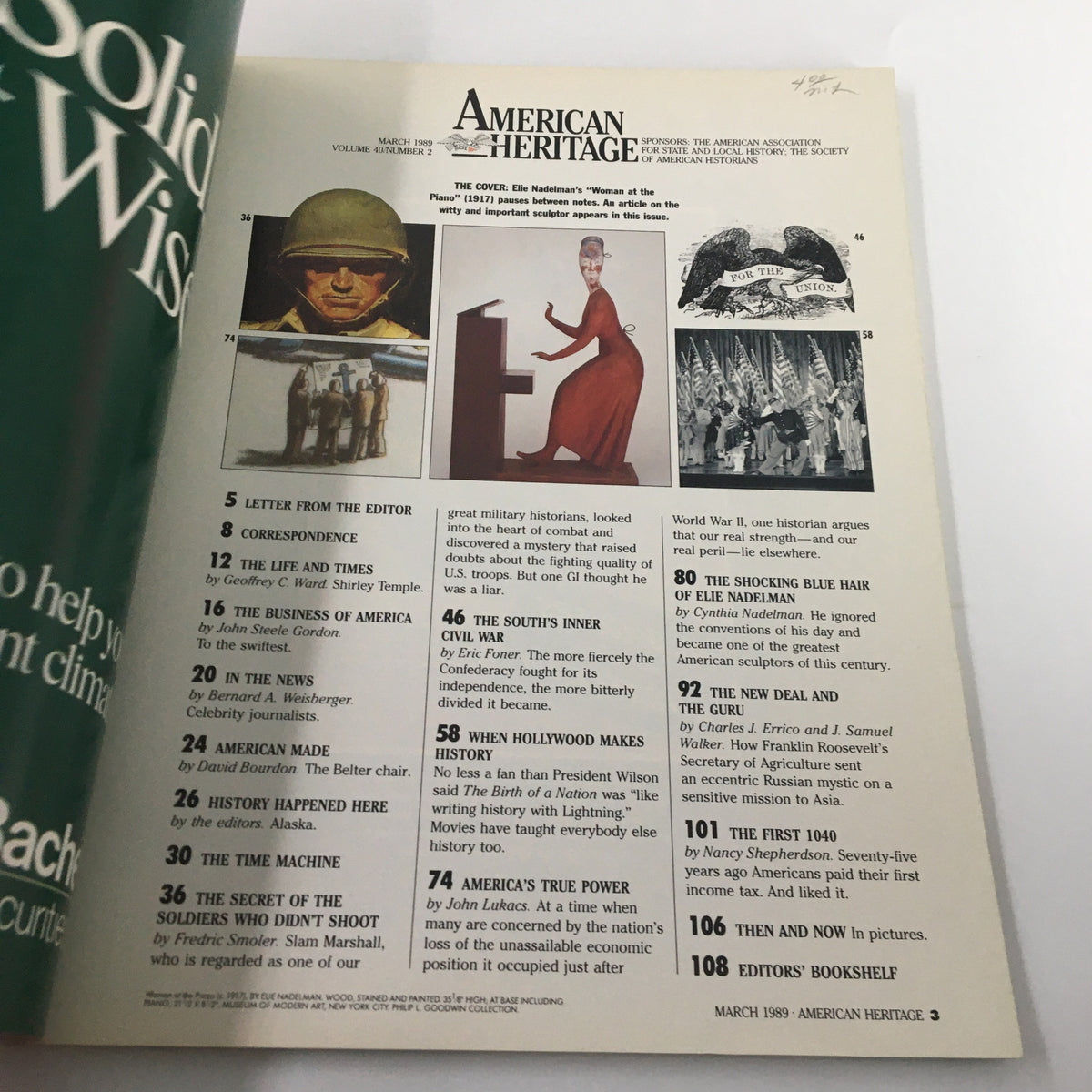
The world stood at a threshold in March 1989, crackling with a peculiar energy born of endings and beginnings. In a basement office at CERN, computer scientist Tim Berners-Lee submitted what his supervisor called a "vague, but exciting" proposal for an information management system—the first sketch of what would become the World Wide Web. While that revolution gestated quietly in Switzerland, the month exploded with crisis: the Exxon Valdez hemorrhaged 10.8 million gallons of crude oil into Alaska's Prince William Sound, creating an environmental catastrophe that would dominate newsstands for months. Dustin Hoffman claimed his second Academy Award for "Rain Man" at ceremonies where Jodie Foster also triumphed, while sports scandals rocked both sides of the border—Canadian sprinter Ben Johnson's coach admitted the Olympic champion had used steroids since 1981, and baseball's Pete Rose faced investigation that would end his managerial career. In Paris, I. M. Pei's controversial glass pyramid opened at the Louvre, instantly becoming architecture's most debated addition. This was the world your loved one entered in March 1989—analog certainties giving way to digital possibilities.
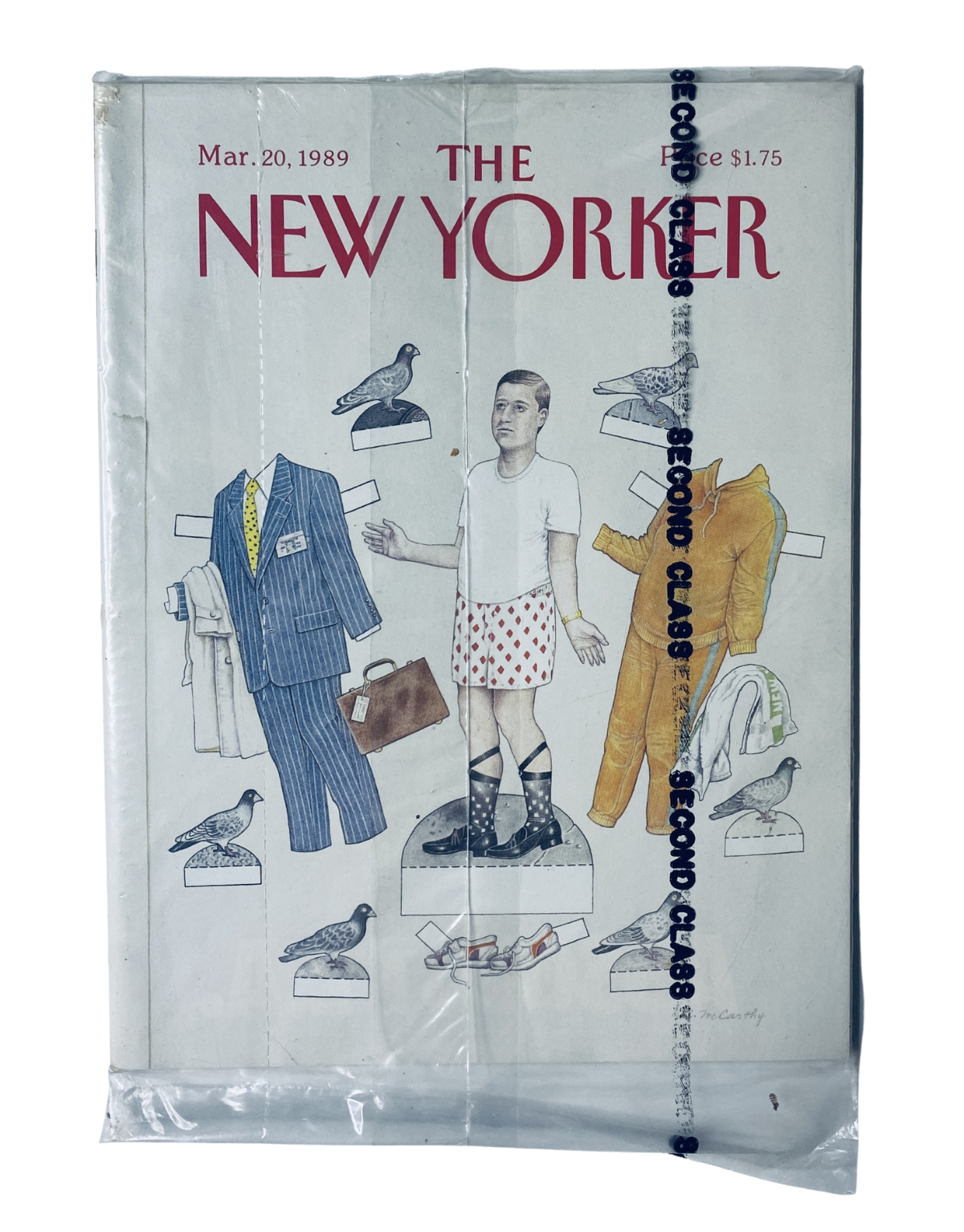
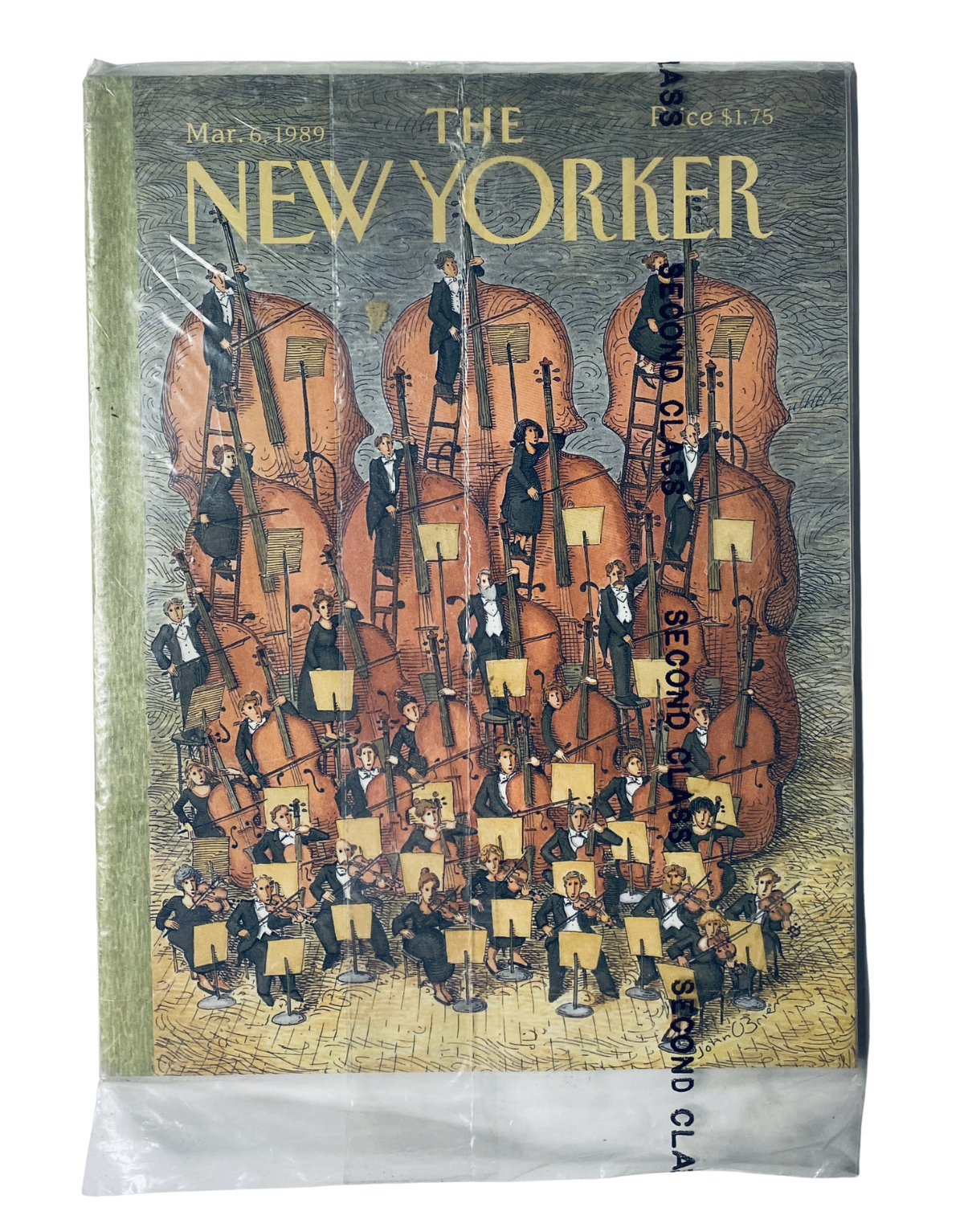
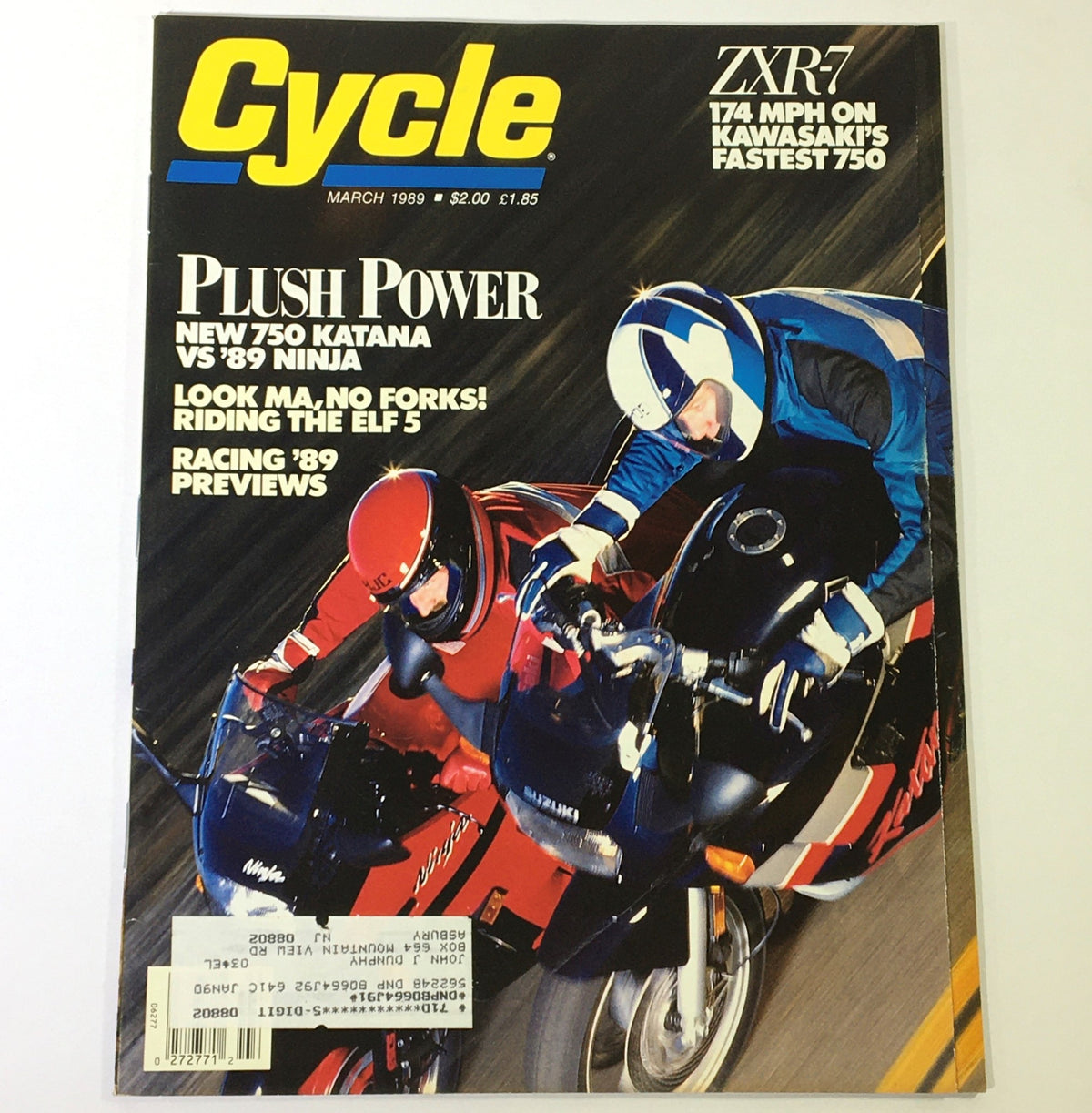
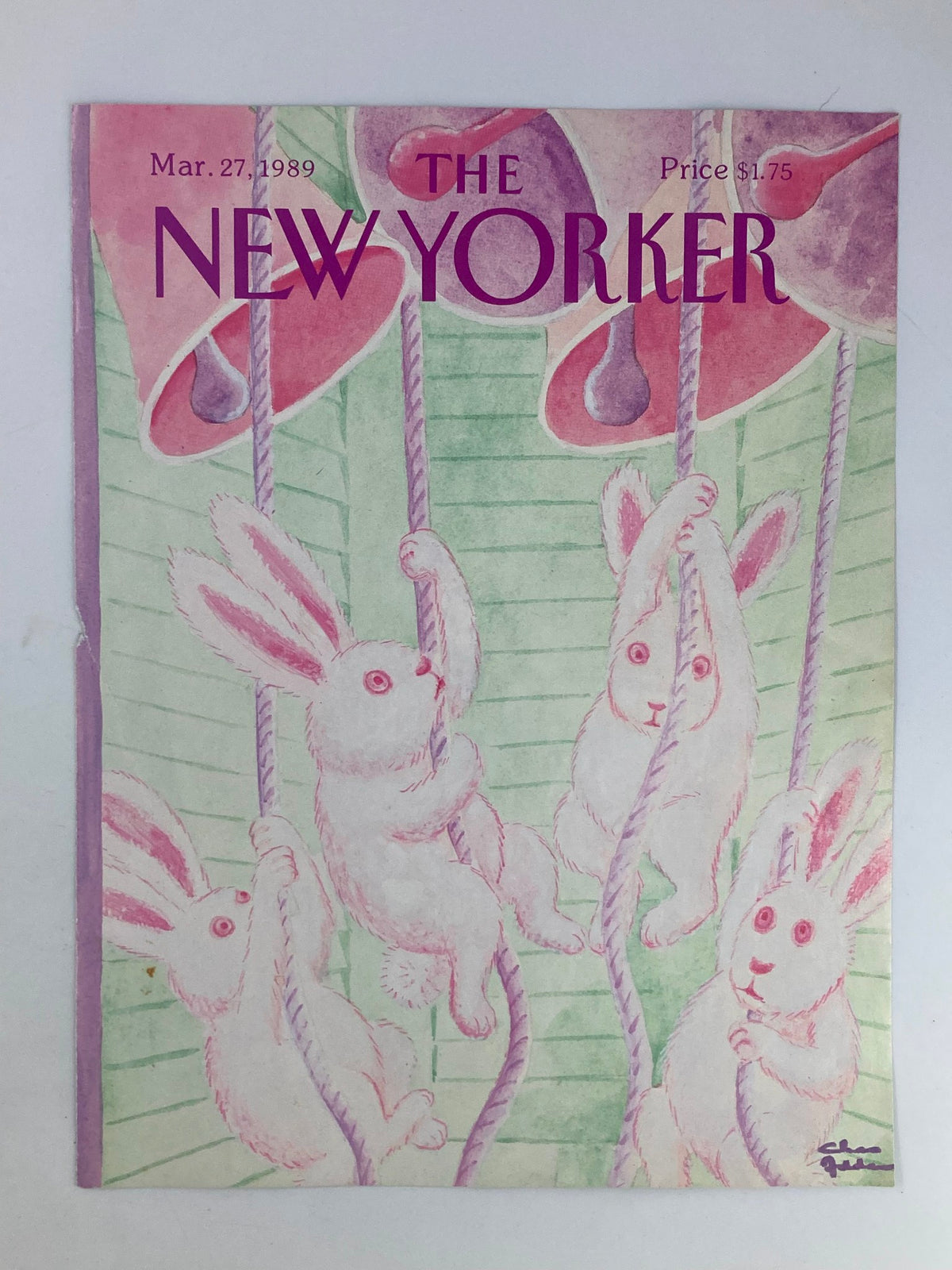
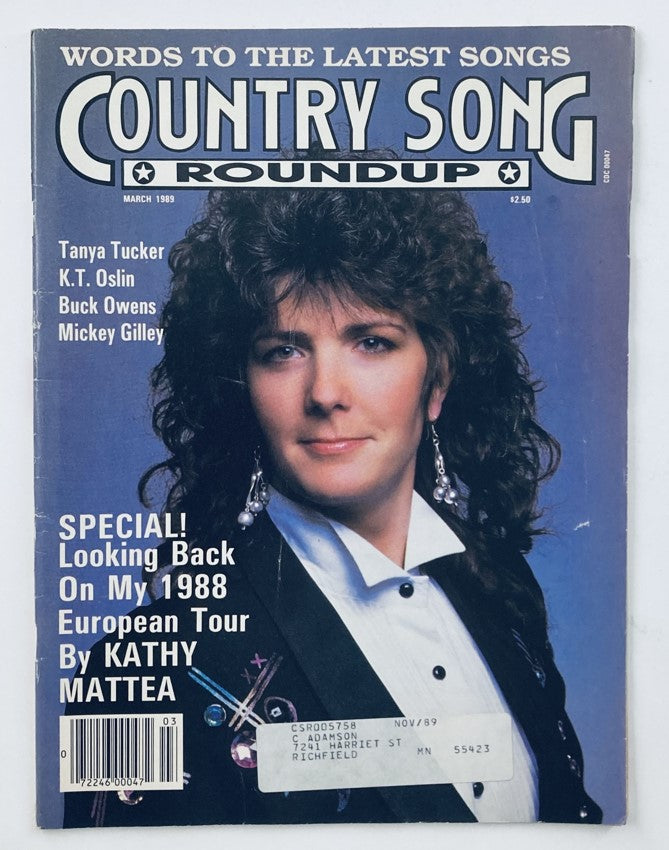
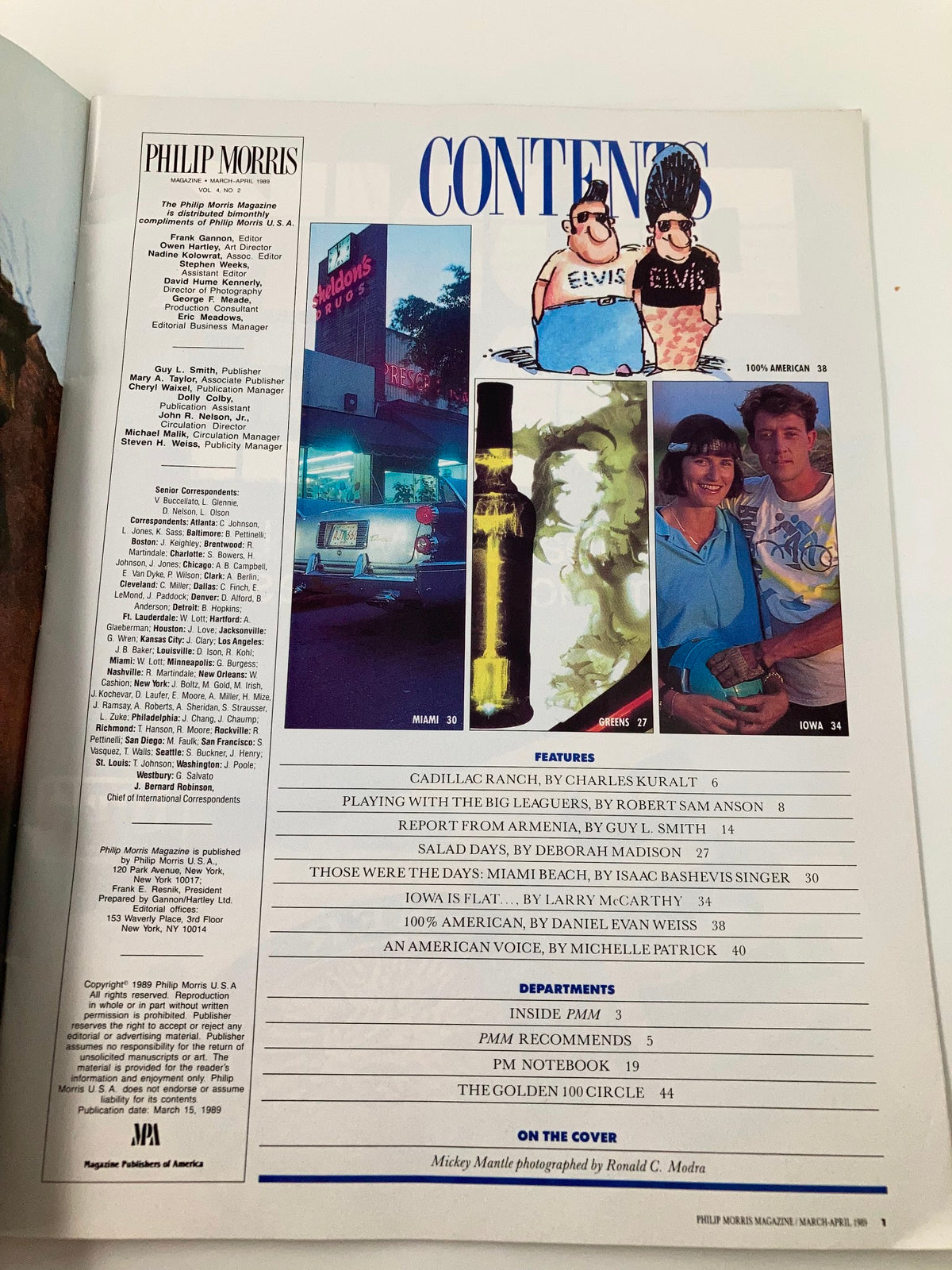
Television sets across America flickered with Madonna's "Like a Prayer" during its worldwide premiere as a Pepsi commercial, though the controversy that would follow belonged purely to March 1989. Eastern Airlines collapsed into bankruptcy as its machinists' strike paralyzed operations, while Donald Trump snapped up the carrier's Northeast Shuttle in a deal that epitomized the era's dealmaking excess. The Academy Awards celebrated "Rain Man" with four Oscars, and NBC rebroadcast Mary Martin's classic 1960 "Peter Pan" for the first time since 1973, introducing a new generation to Neverland. Sports Illustrated and newspapers chronicled the first African American soap opera, "Generations," premiering on NBC, alongside the drama of Mets stars Keith Hernandez and Darryl Strawberry nearly brawling at spring training. Fashion magazines captured the bold shoulder-padded silhouettes and power dressing that defined the late-Reagan era. Original magazines from March 1989 preserve these moments in authentic newsprint—the Valdez disaster's oily photographs, Berners-Lee's buried announcement, the champagne-soaked Academy Award spreads.
What to Look for in Vintage Magazines from March 1989
-
The Exxon Valdez Catastrophe: News weeklies like Time and Newsweek featuring haunting aerial photography of the oil slick spreading across Prince William Sound, often paired with investigative features on corporate accountability and environmental regulation that dominated late March coverage.
-
Cold Fusion Controversy: Science and technology publications chronicling the March 23rd announcement by two Utah scientists claiming room-temperature fusion, a story that ignited scientific debate and appeared in everything from Popular Mechanics to mainstream news magazines before being debunked.
-
Tim Berners-Lee's Digital Dawn: While the World Wide Web proposal received little immediate coverage, rare magazines from this computing-obsessed moment captured the broader technological zeitgeist—the promise of information networks that made his March 12 submission so "vague, but exciting" to his CERN supervisor.
-
Sports Scandal Double Feature: Sports Illustrated and Canadian publications documenting Ben Johnson's steroid admission (March 1) and Pete Rose's investigation announcement (March 20), two fallen heroes whose stories intersected in this single month's news cycle.
-
Academy Awards Glory: Entertainment weeklies like Variety and general interest magazines showcasing the March 29 Oscar ceremony where Dustin Hoffman and Jodie Foster triumphed, often illustrated with behind-the-scenes photography and fashion coverage of Hollywood's biggest night.
The Perfect Gift
For someone born in March 1989, an original magazine from this transformative month isn't just a reproduction—it's a genuine artifact from the cusp of the digital revolution, preserved in authentic advertisements, unretouched photography, and headlines that couldn't yet imagine the web-connected world to come.