📖 About this Collection
Mariah Carey: A Voice That Rewrote the Rules of Pop Royalty
The Legend & The Legacy
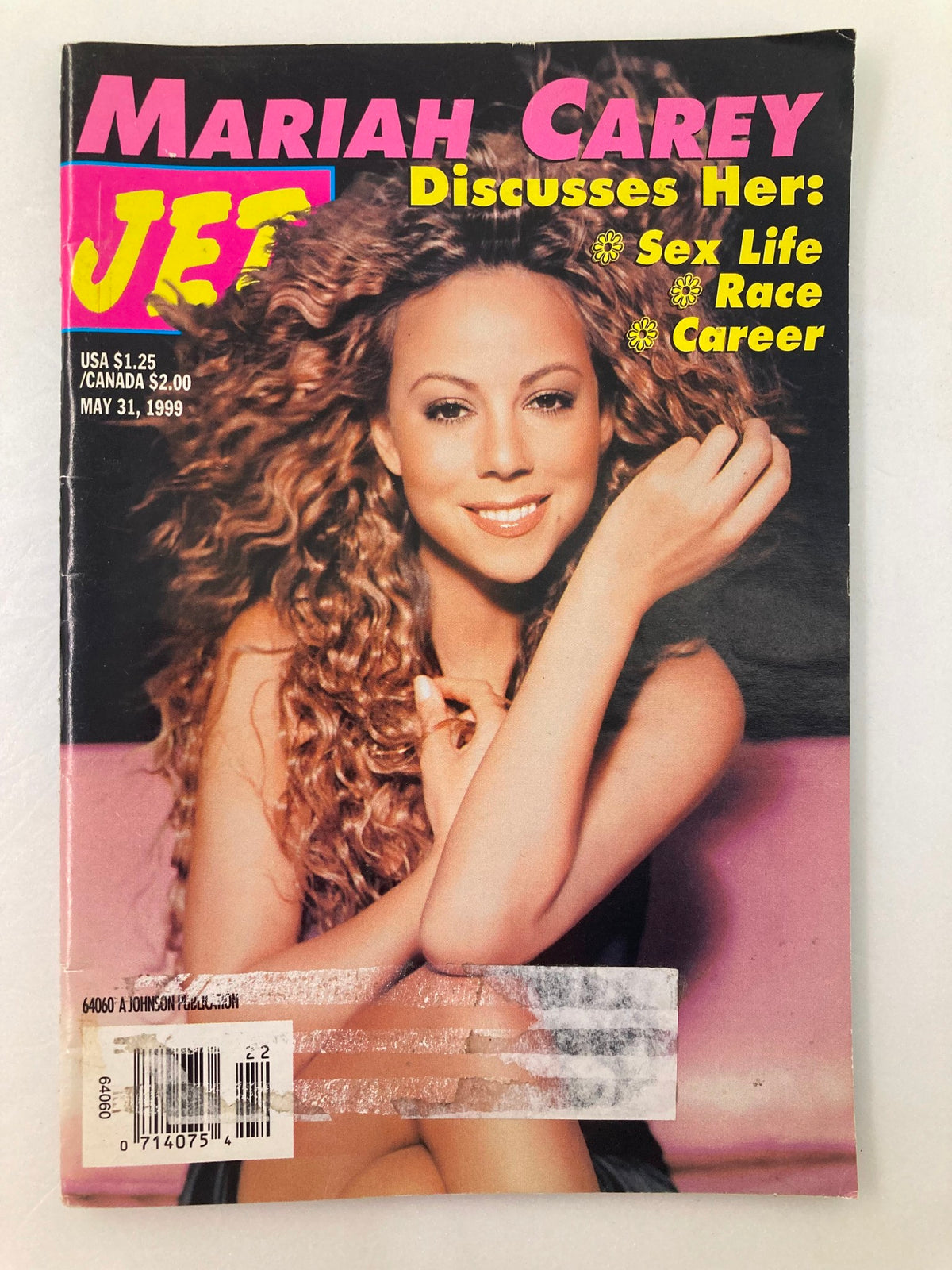
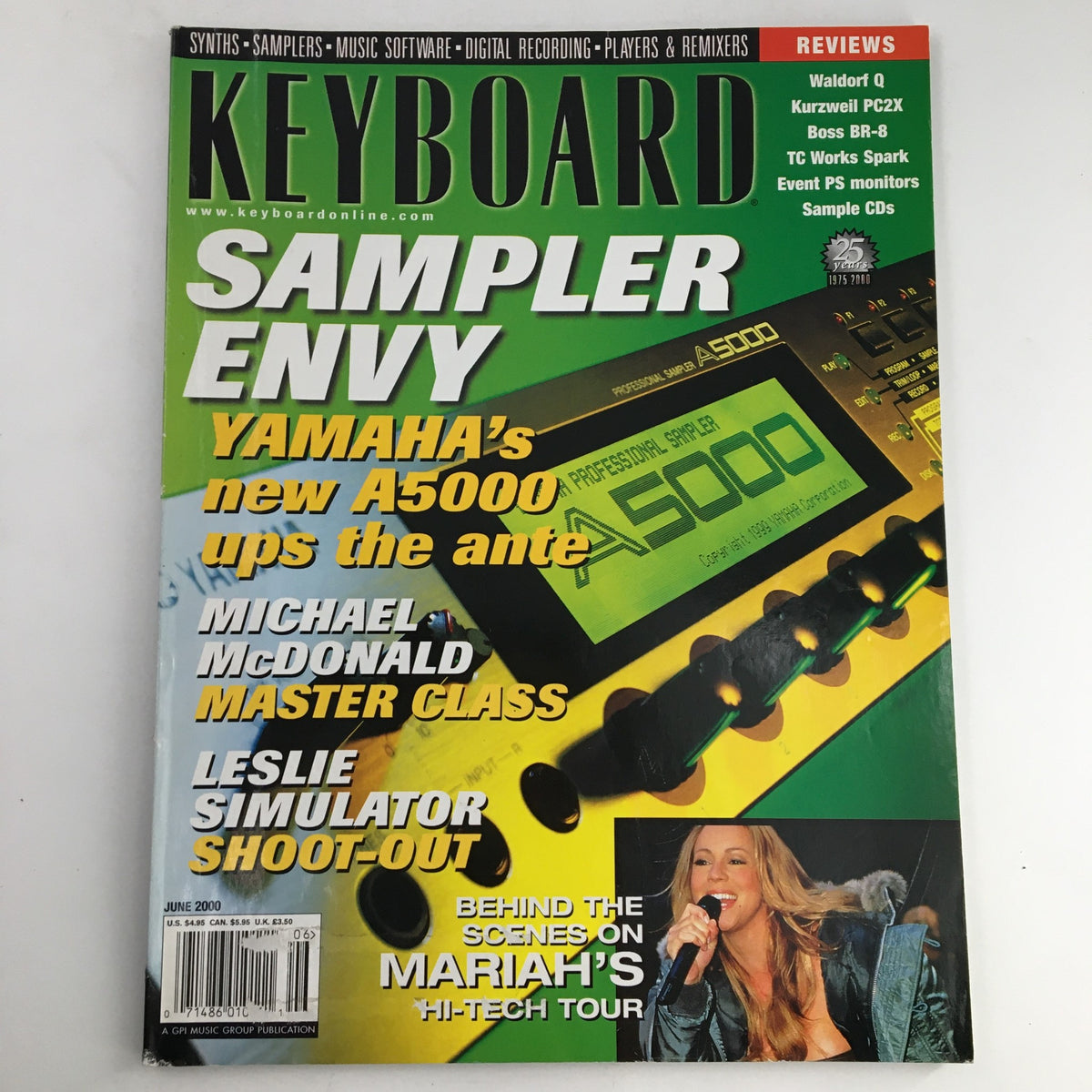
When Mariah Carey arrived in 1990, she did not simply enter the music industry — she detonated it. Signed to Columbia Records as a teenager and launched by a self-titled debut that spawned four consecutive number-one singles, she became the defining vocal phenomenon of her generation almost overnight. Before streaming algorithms or social media could manufacture stars, her ascent was charted entirely through the printed page: breathless profiles in glossy monthlies, cover stories interrogating the mystery behind the five-octave range, and week-by-week chart updates dissected in music trade papers that teenagers clipped and pinned to bedroom walls. Through the early-to-mid 1990s, the Songbird Supreme occupied a singular cultural position — at once the wholesome Columbia Records ingénue and, as the decade wore on, an increasingly bold architect of her own identity. Her marriage to Sony Music executive Tommy Mottola, her very public personal reinvention, her crossover into hip-hop with Daydream and Butterfly, and her enshrinement as the best-selling female artist of the decade were all stories told first — and most viscerally — in print. Magazine readers watched the evolution unfold in real time, one glossy spread at a time.
Inside the Archive
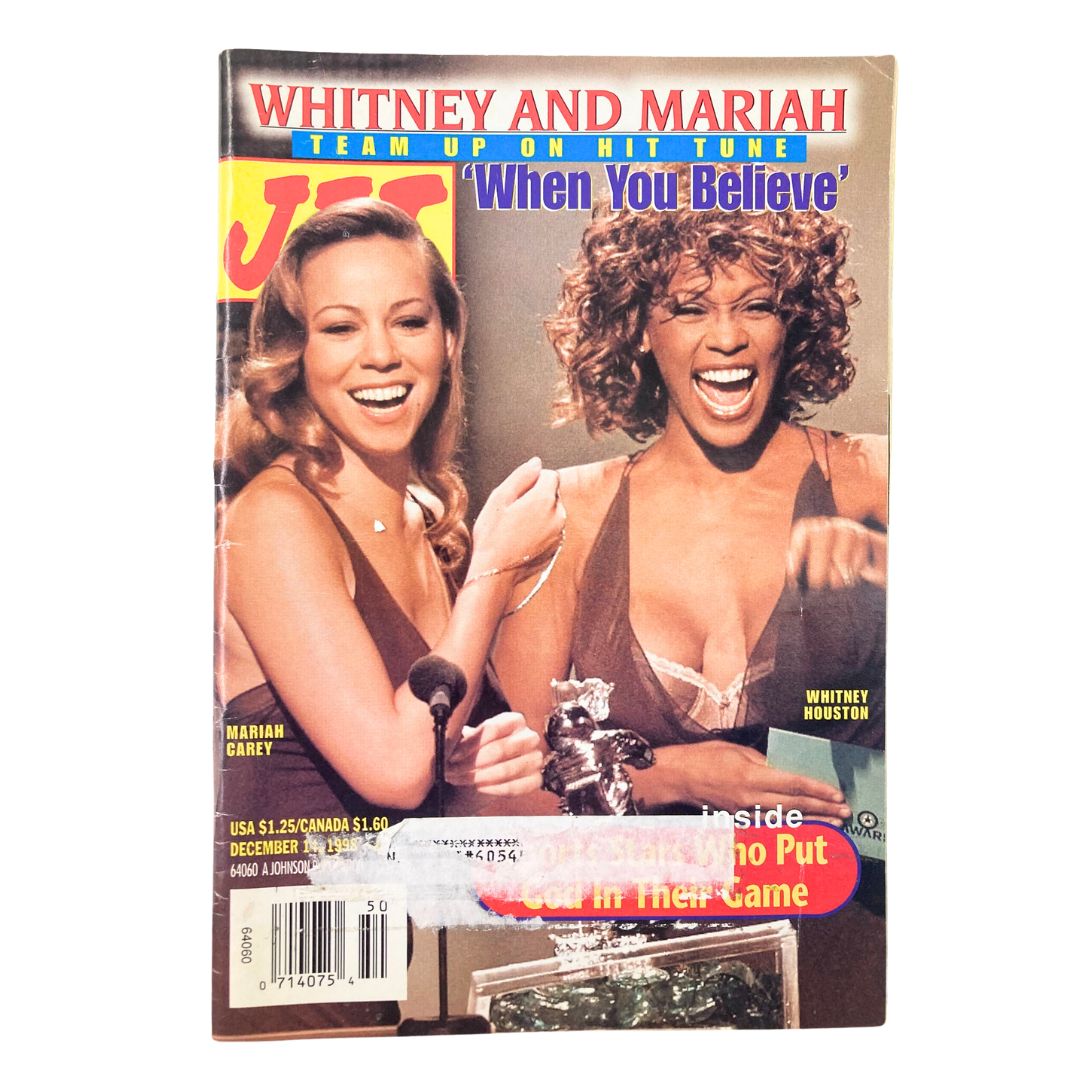
The visual language used to document her rise was as ambitious as her vocal acrobatics. Early editorial photography leaned into an ethereal softness — flowing fabrics, luminous backlighting, an almost painterly quality that reflected the industry's desire to position her as an untouchable pop goddess. As her personal and artistic independence grew through the mid-to-late 1990s, the imagery shifted: sharper, more confident, more sensual, reflecting a woman authoring her own narrative. Rolling Stone gave her its cover as she cemented her status among rock's commercial elite, treating her commercial dominance with the critical seriousness it demanded. Vogue captured the glamour and fashion evolution of an icon navigating beauty, race, and celebrity in the American mainstream, while Ebony honored the deeper cultural significance of a biracial artist who spoke — with extraordinary directness — to the Black American experience. International editions of Billboard and the UK's Smash Hits documented the global reach of her catalog, recording how a voice born in New York became the soundtrack of an entire international decade.
Curator's Checklist: Highlights Often Include
- Debut-era breakthrough coverage from 1990–1991, when entertainment weeklies and music monthlies scrambled to profile the unknown teenager who had just delivered four chart-topping singles from a single album — a record-tying achievement that dominated industry reporting
- Mid-decade reinvention features surrounding the Daydream (1995) and Butterfly (1997) cycles, in which major music and lifestyle titles documented her artistic pivot toward R&B and hip-hop production and her gradual, very public separation from the constraints of her early career
- Year-end and decade retrospectives from 1999–2000, when critics and editors across the music press reckoned with a body of work that had produced more number-one singles than any solo artist since the Beatles
- International and fan magazine coverage — particularly from European and Japanese titles — reflecting the global scale of her fanbase and offering a fascinating window into how her image was translated and consumed across cultures
- Holiday and All I Want for Christmas Is You cultural reckonings, a recurring editorial subject as the song's annual return to the charts became a media phenomenon unto itself, generating fresh coverage well into the following decade
The Collector's Value
To hold a vintage magazine featuring the Songbird Supreme is to hold something the internet cannot replicate: a physical document of cultural history as it was actually experienced. The slight give of a glossy cover beneath your fingertips, the faint mineral scent of decades-old ink pressed into paper stock that was itself an artifact of its era, the surrounding advertisements for perfumes and automobiles and long-defunct music retailers — all of it restores the precise atmosphere in which these stories were first read and felt. These are not scanned facsimiles or archival PDFs; they are primary sources, unmediated and irreplaceable. For collectors of 1990s pop and R&B memorabilia, African-American cultural history, or women's music and feminist pop iconography, these publications offer a depth of context and authenticity that no digital platform can approach. Explore the current available inventory below and find your piece of this extraordinary era.