📖 About this Collection
Marie Osmond: America's Sweetheart, Carved in Print
The Legend & The Legacy
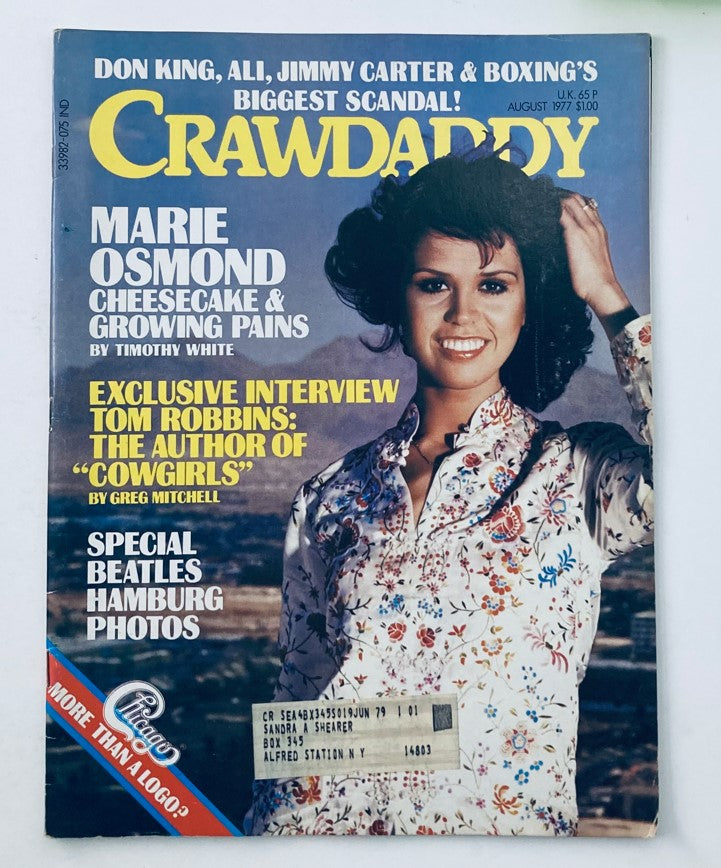
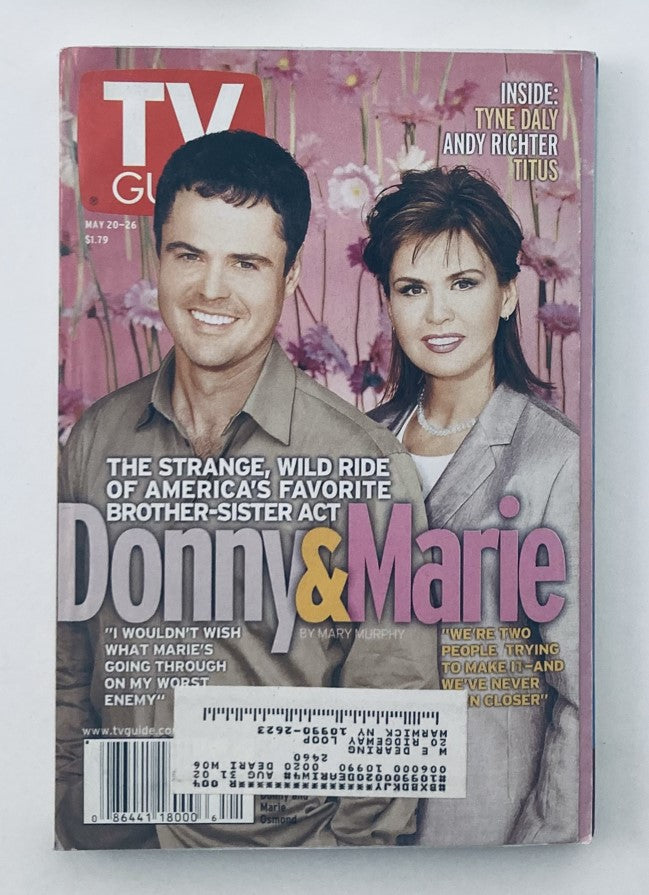
Long before the algorithmic scroll and the celebrity Instagram, America fell in love with Marie Osmond one glossy page at a time. Rising to national prominence in the early 1970s alongside her brothers in the Osmond family phenomenon, she became something rarer than a pop star — she became a fixture of the American living room, her face appearing on coffee tables from Bangor to Burbank. As one half of the beloved Donny & Marie variety show (1976–1979), she embodied a particular strain of wholesome, telegenic charm that the print media of the era hungered to document. But the story the magazines told was never static. Readers watched her grow up in real time — from a freckled teenager with a country hit to a businesswoman, a talk-show personality, a bestselling author, and a mother navigating grief with remarkable public grace. In an era when print was the primary medium through which public figures were mythologized, her image was reproduced millions of times over, each issue a small monument to a specific moment in an extraordinarily long and evolving career.
Inside the Archive
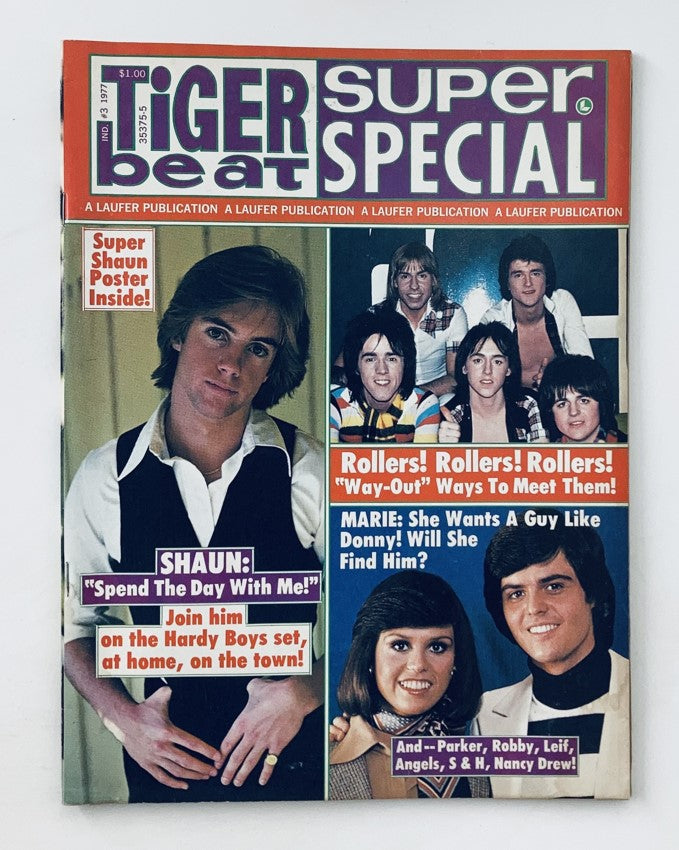
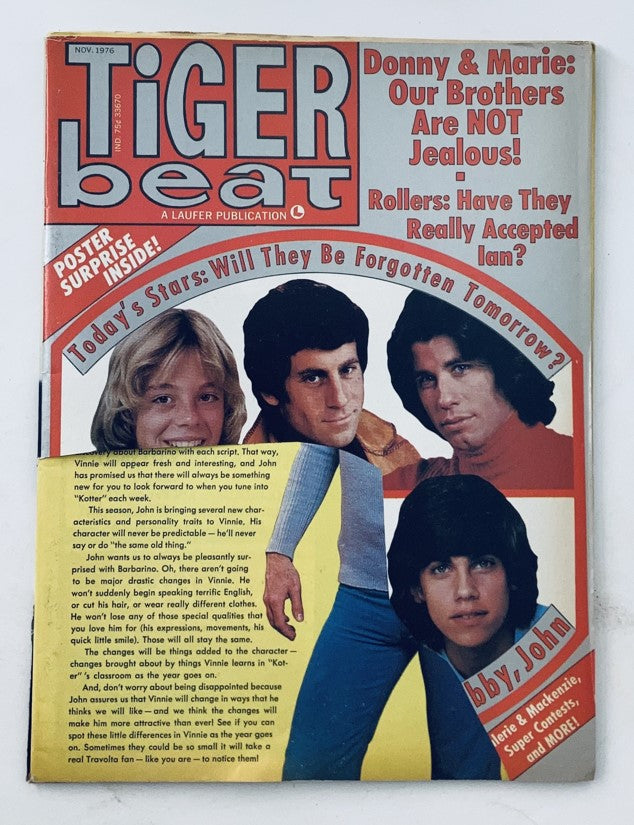
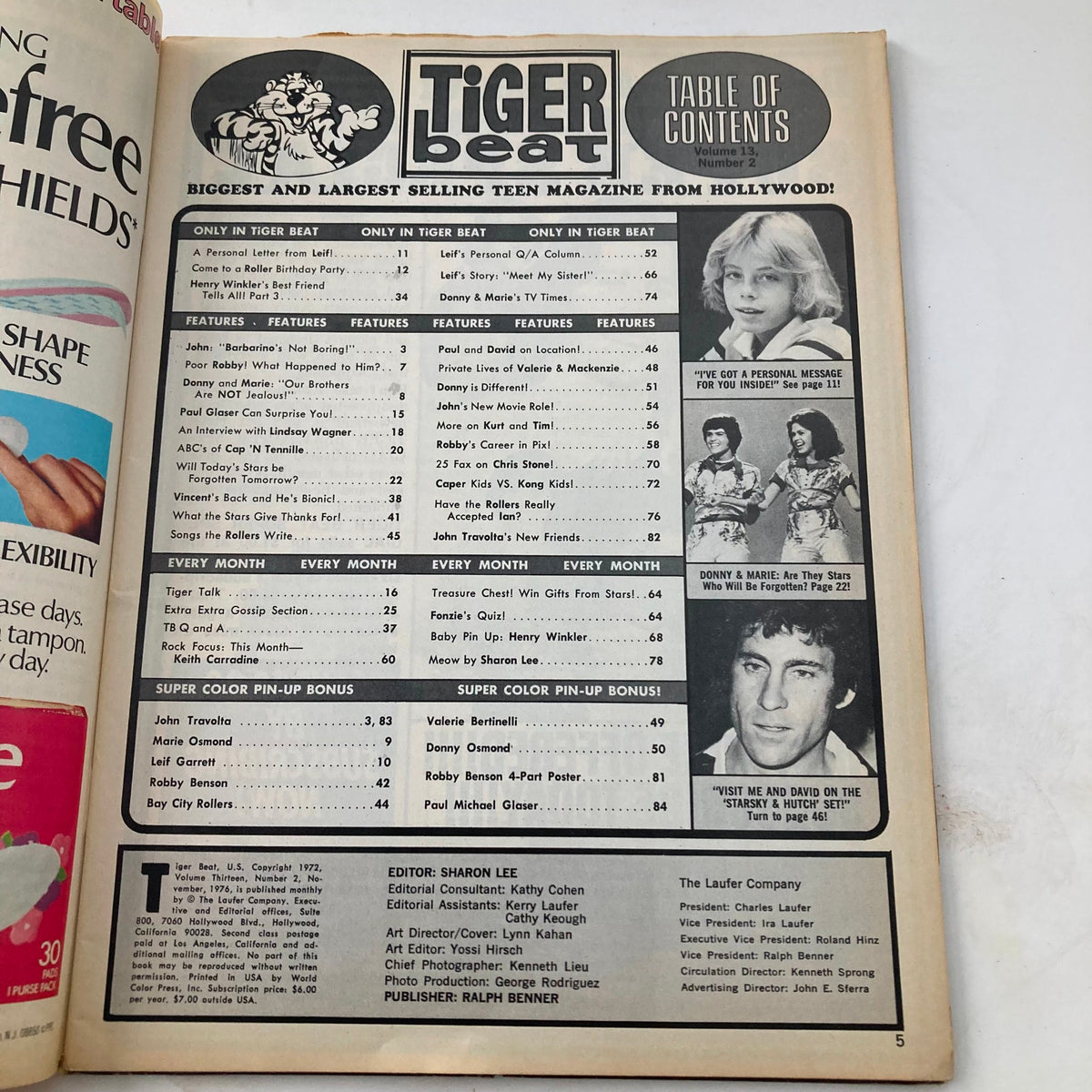
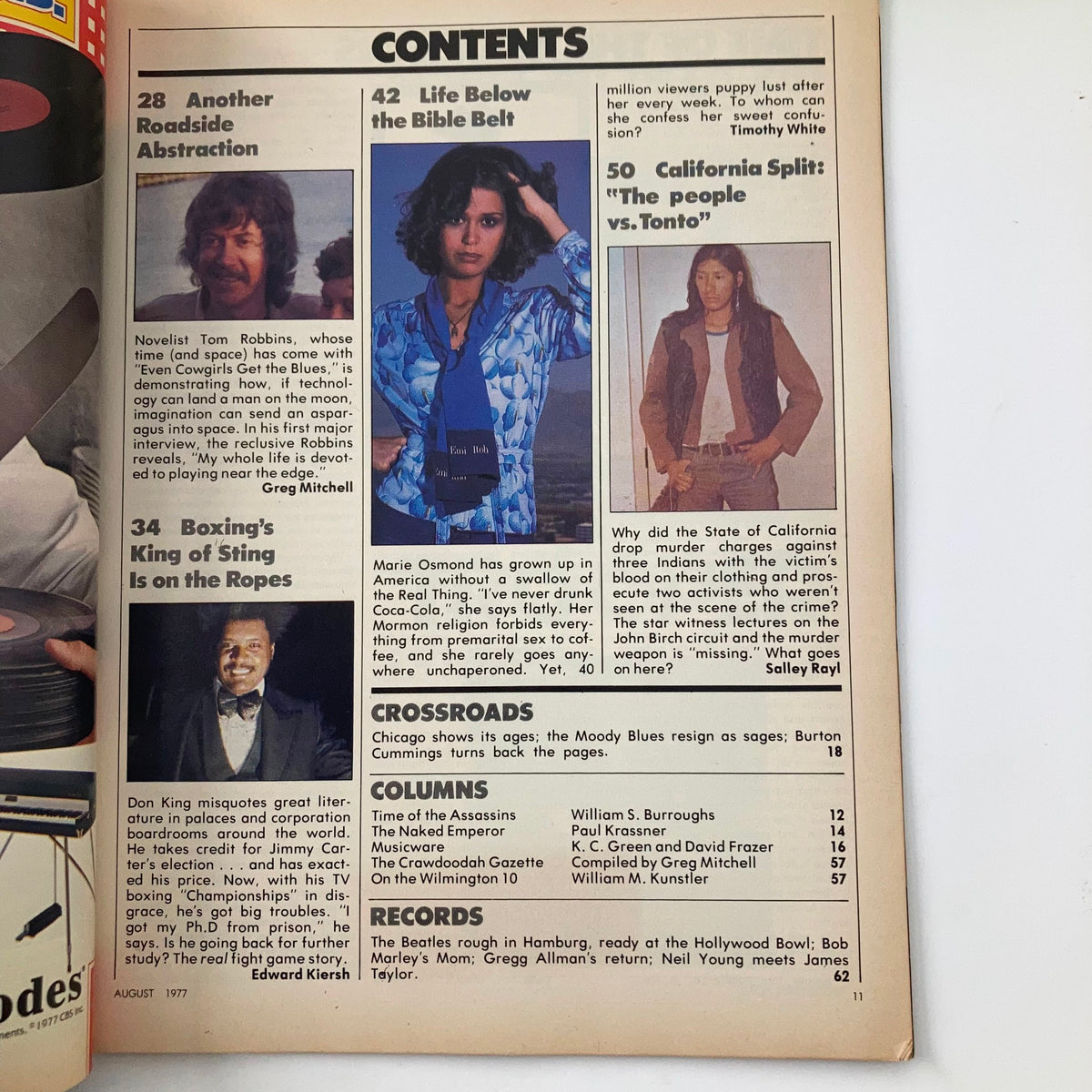
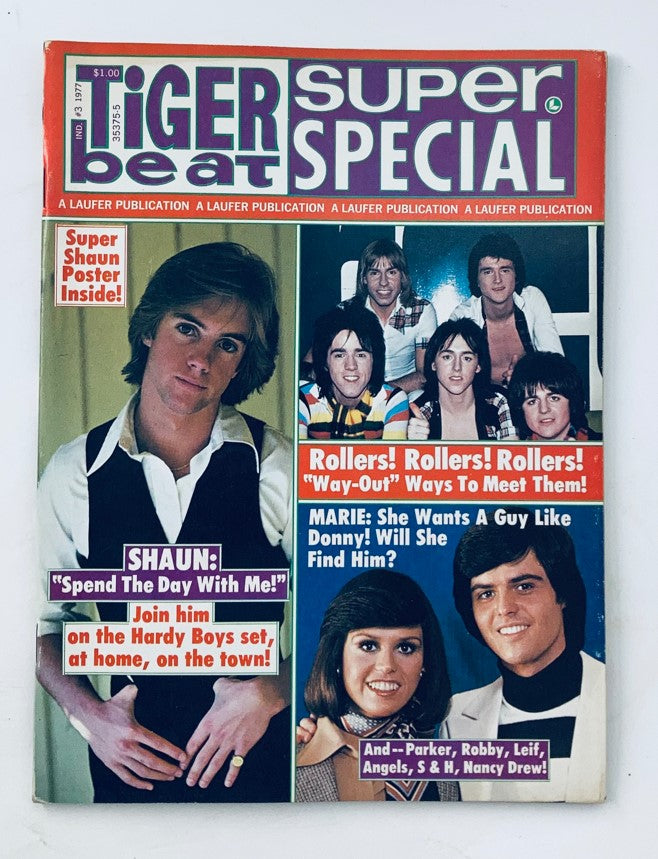
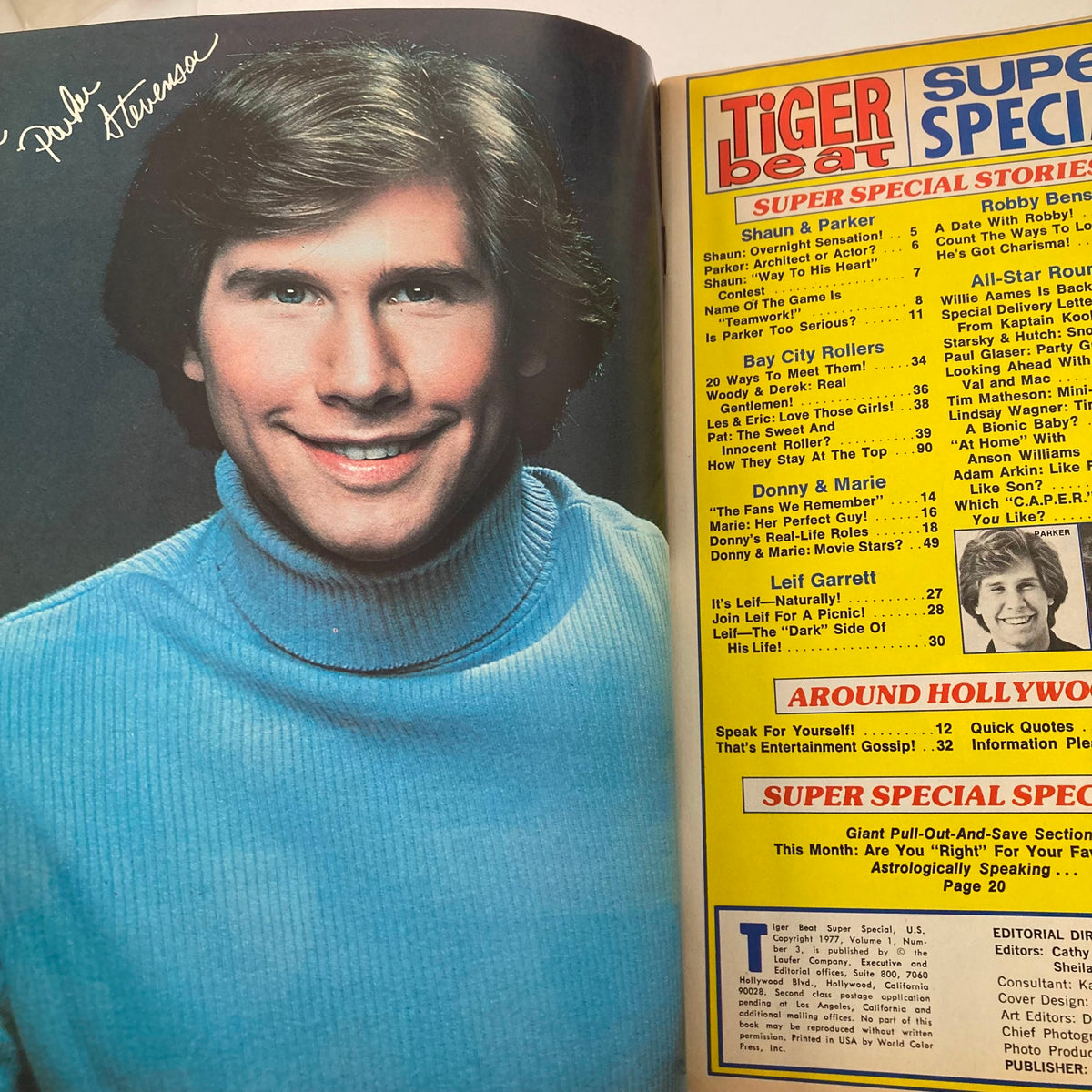
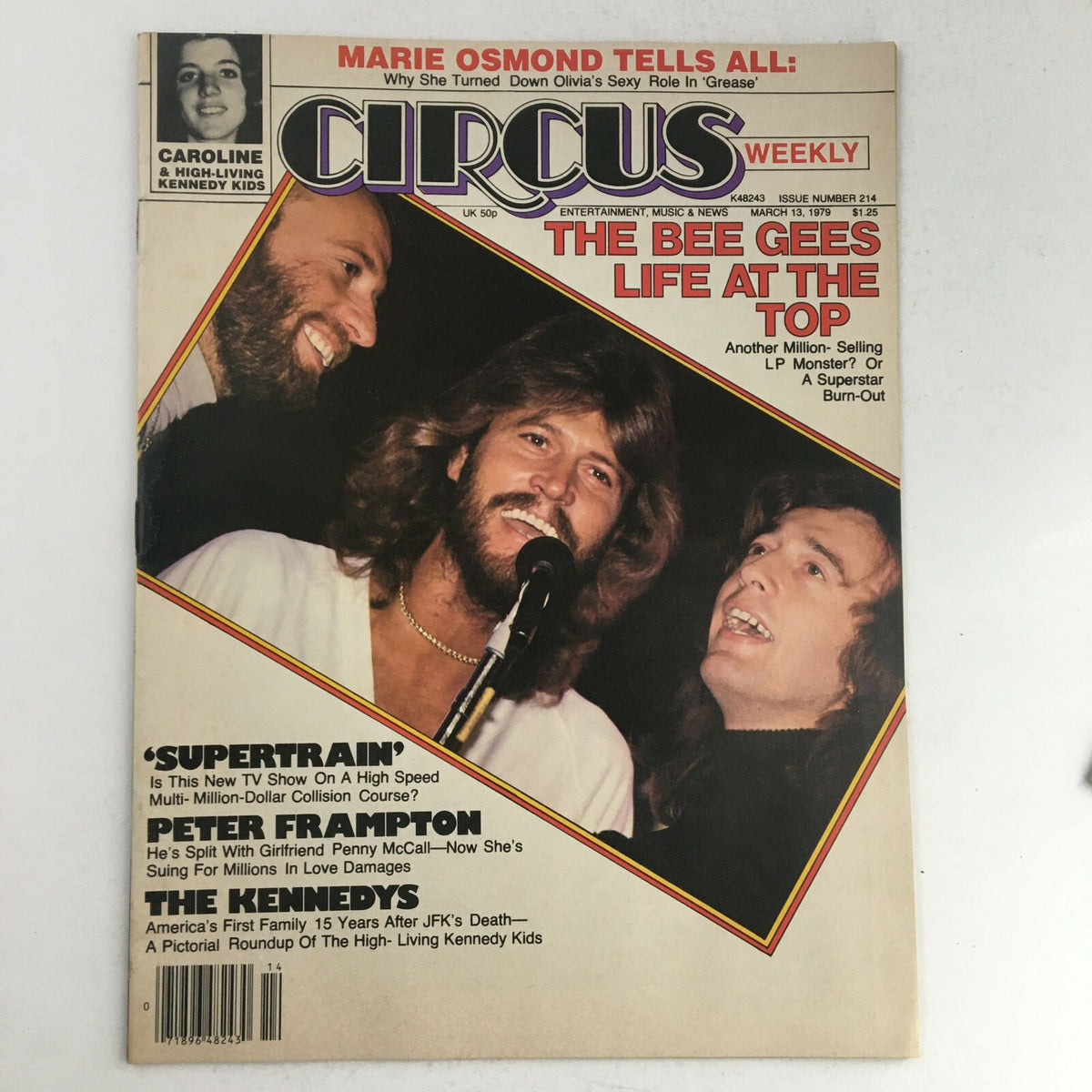
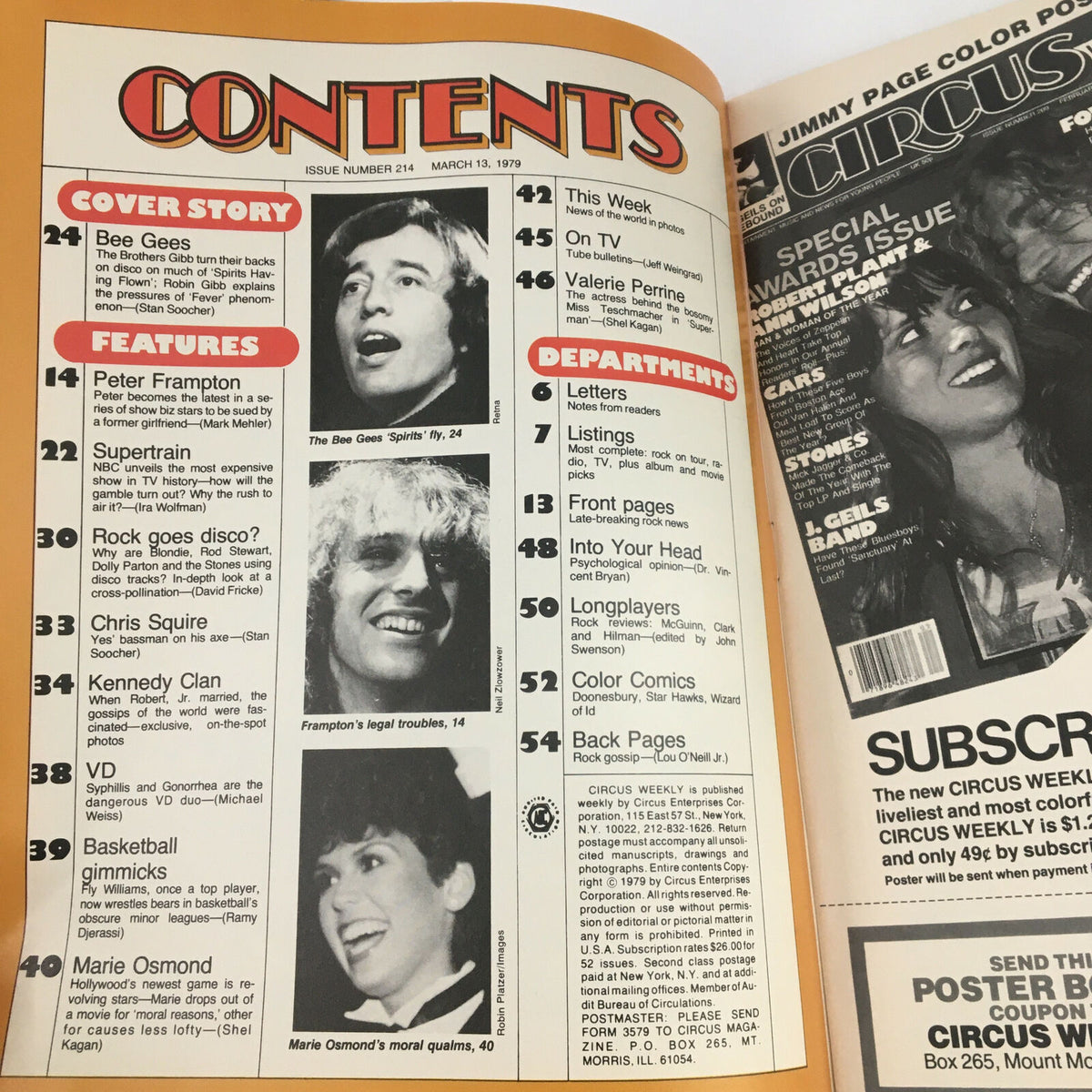
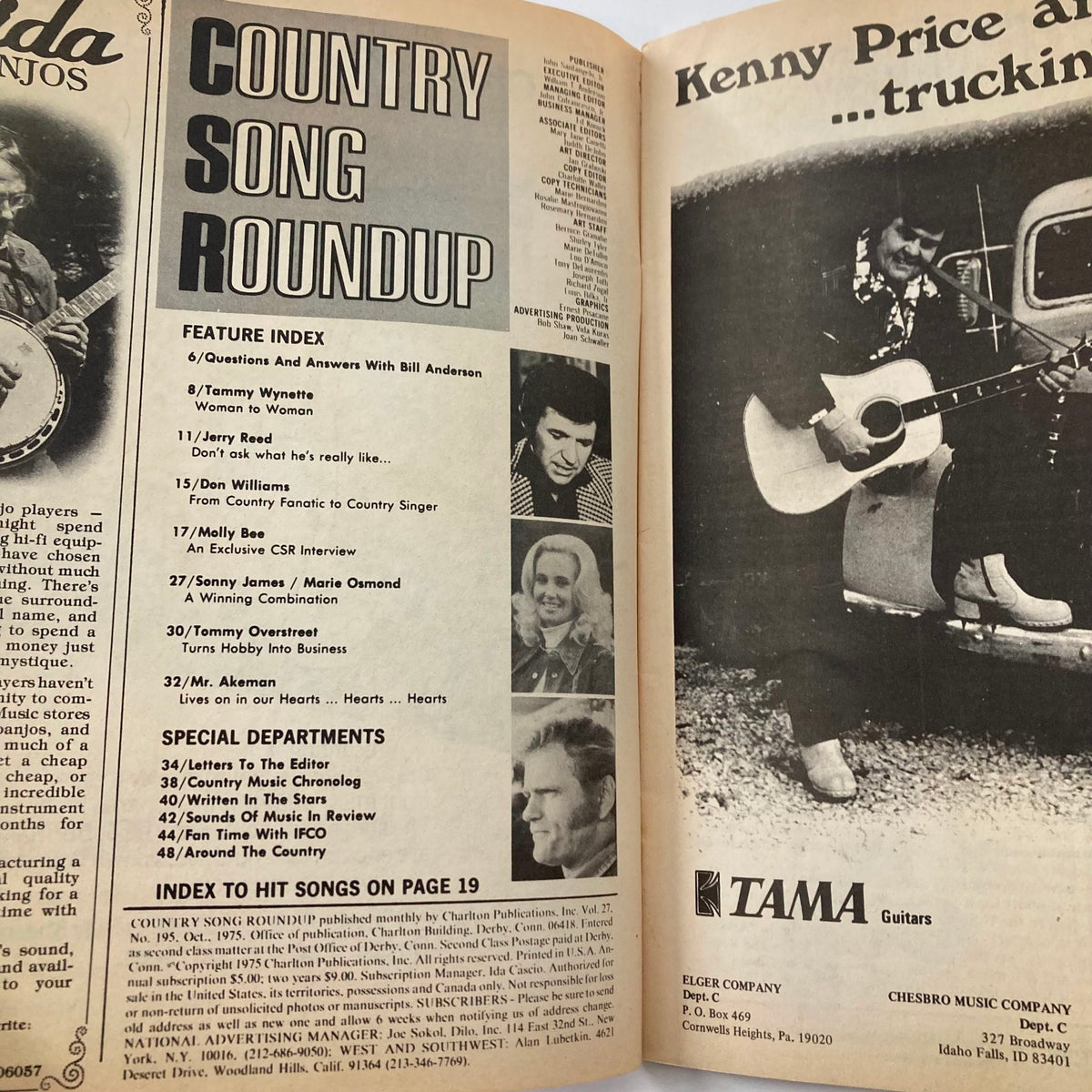
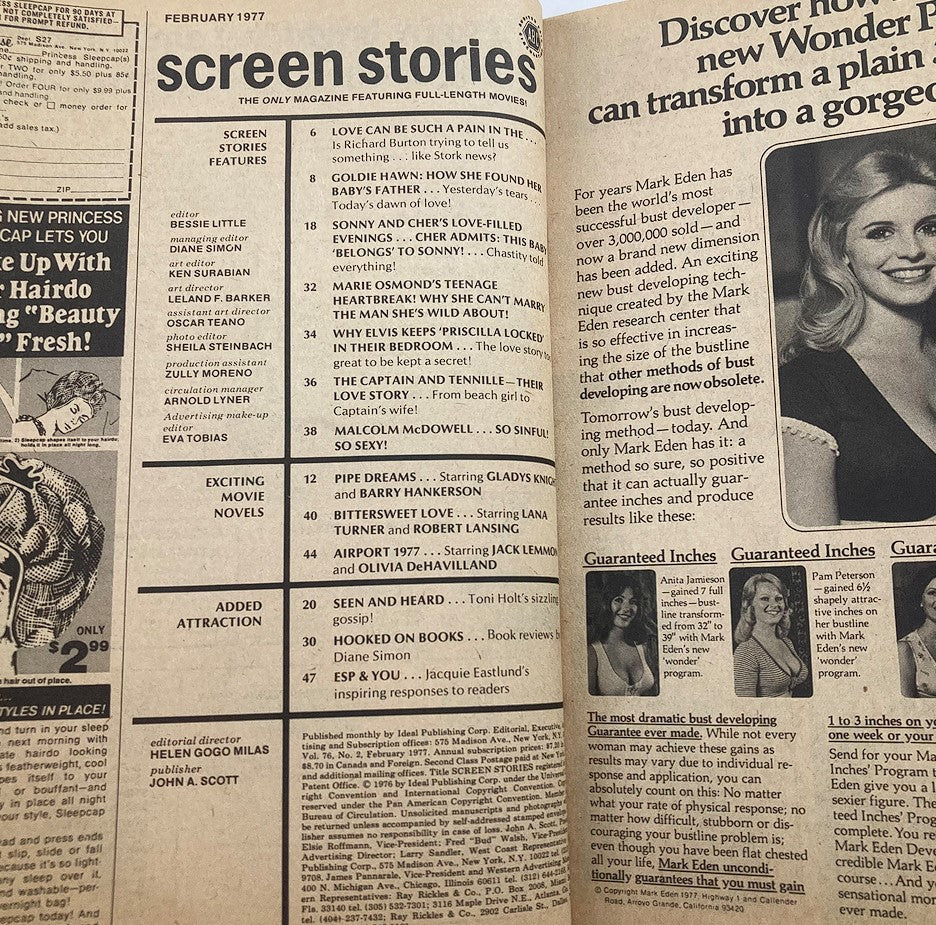
The vintage magazines that chronicled her journey represent some of the most vibrant editorial photography of the 1970s and 1980s — warm, saturated color spreads shot under the unabashedly glamorous studio lighting of the variety-show era, paired with the kind of intimate, conversational interview style that editors used to make stars feel accessible to Middle America. TV Guide featured her with extraordinary regularity, its compact format and massive circulation making it the single most important vehicle for her image during the Donny & Marie years. Teen Beat and Tiger Beat devoted cover after cover to her in her adolescent heyday, their pages a kaleidoscope of fan-facing enthusiasm and carefully cultivated relatability. People magazine, launched in 1974, found in her a perennial subject — covering her television triumphs, her personal milestones, and the harder chapters of her life with the empathetic long-form tone that defined the publication's early identity. International editions of celebrity weeklies, particularly from the United Kingdom and Australia where the Osmonds maintained a devoted following, add a compelling cross-cultural dimension to any serious collection.
Curator's Checklist: Highlights Often Include
- Variety-era television coverage (1976–1979): Issues from the height of the Donny & Marie show, featuring behind-the-scenes photography, costume spreads, and profiles of the siblings' remarkable family enterprise and their Utah roots
- Early solo career features (1973–1976): Coverage of her breakthrough country single and her emergence as a distinct artistic identity separate from the broader Osmond machine, often framed around questions of independence and ambition
- Personal milestone coverage: Features tied to her marriages, her large family, and — with particular sensitivity in the late 1990s and 2000s — her candid discussions of postpartum depression, which made her a significant public voice on mental health long before such conversations were mainstream
- Holiday and seasonal specials: The Osmonds were closely associated with Christmas programming and family entertainment; seasonal issues from major publications frequently featured her prominently, making these among the most visually festive examples of mid-century celebrity print culture
- Fashion and lifestyle editorials: Spreads from the 1970s and 1980s capturing the full arc of the era's aesthetic — from the sequined fringe of the variety stage to the polished, structured looks of her later television hosting years on The Talk and beyond
The Collector's Value
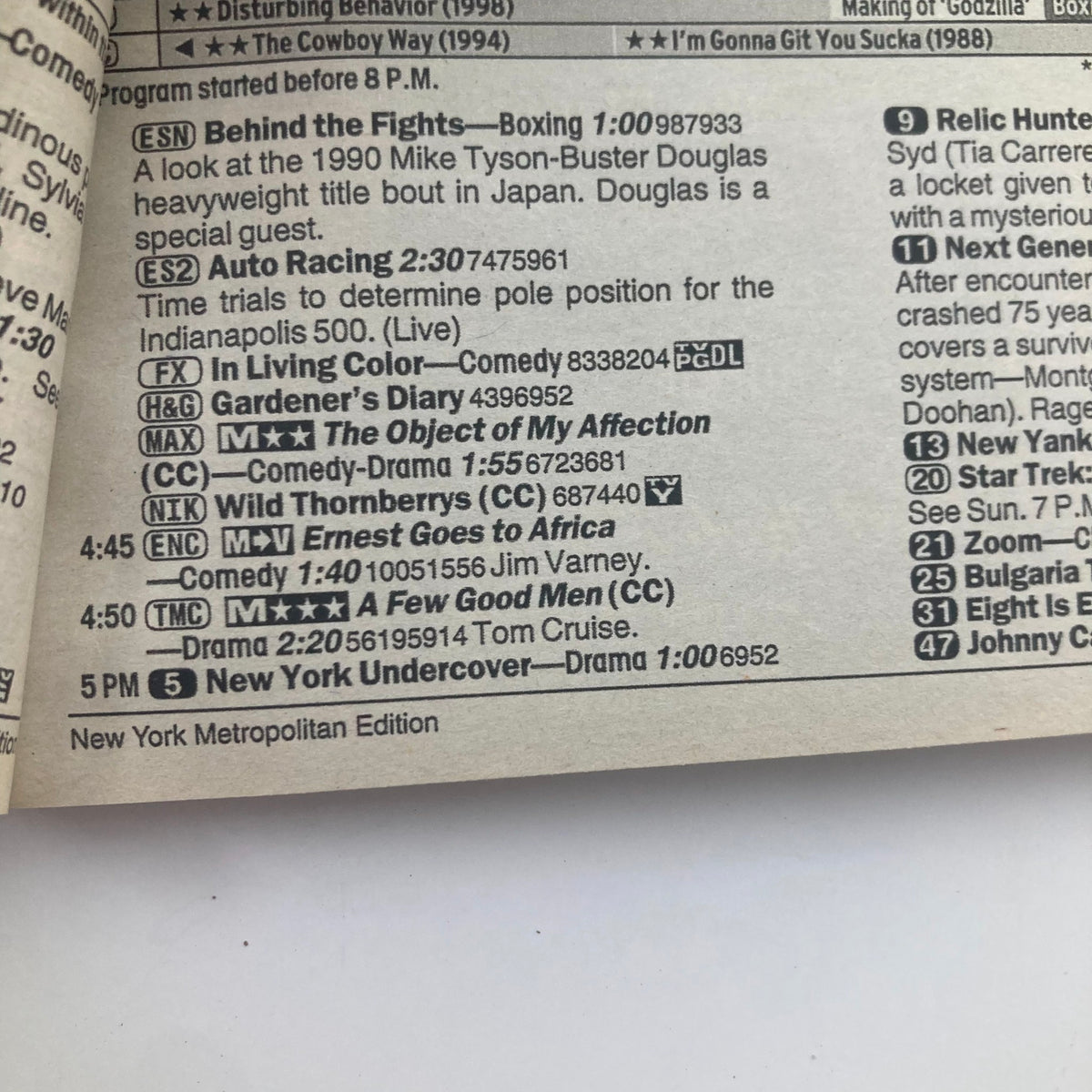
To hold one of these magazines is to hold the texture of a vanished media world — the slightly rough tooth of newsprint against glossy coated stock, the faint organic perfume of decades-old ink, the serendipitous archaeology of surrounding advertisements for Tab cola, Faberge Organics shampoo, or a family station wagon that conjure the precise cultural moment the editors were addressing. These are not reprints or digital facsimiles; they are primary documents, eyewitness accounts of a celebrity culture that moved at the deliberate pace of the printing press rather than the frantic speed of the feed. The physical object carries weight that no archive scan can replicate — a cover crease tells of a teenager who carried it to school; a clipped coupon on the back page tells of a household that used this magazine rather than merely read it. For collectors of 1970s television memorabilia, mid-century American pop culture, or the Osmond family legacy specifically, these publications offer not just nostalgia but genuine historical artifacts — evidence of how a nation processed fame, family, and femininity through the medium it trusted most. Browse the current available inventory below and find the issue that belongs in your collection.