📖 About this Collection
Marisa Berenson: Where High Fashion Met the Soul of an Era
The Legend & The Legacy
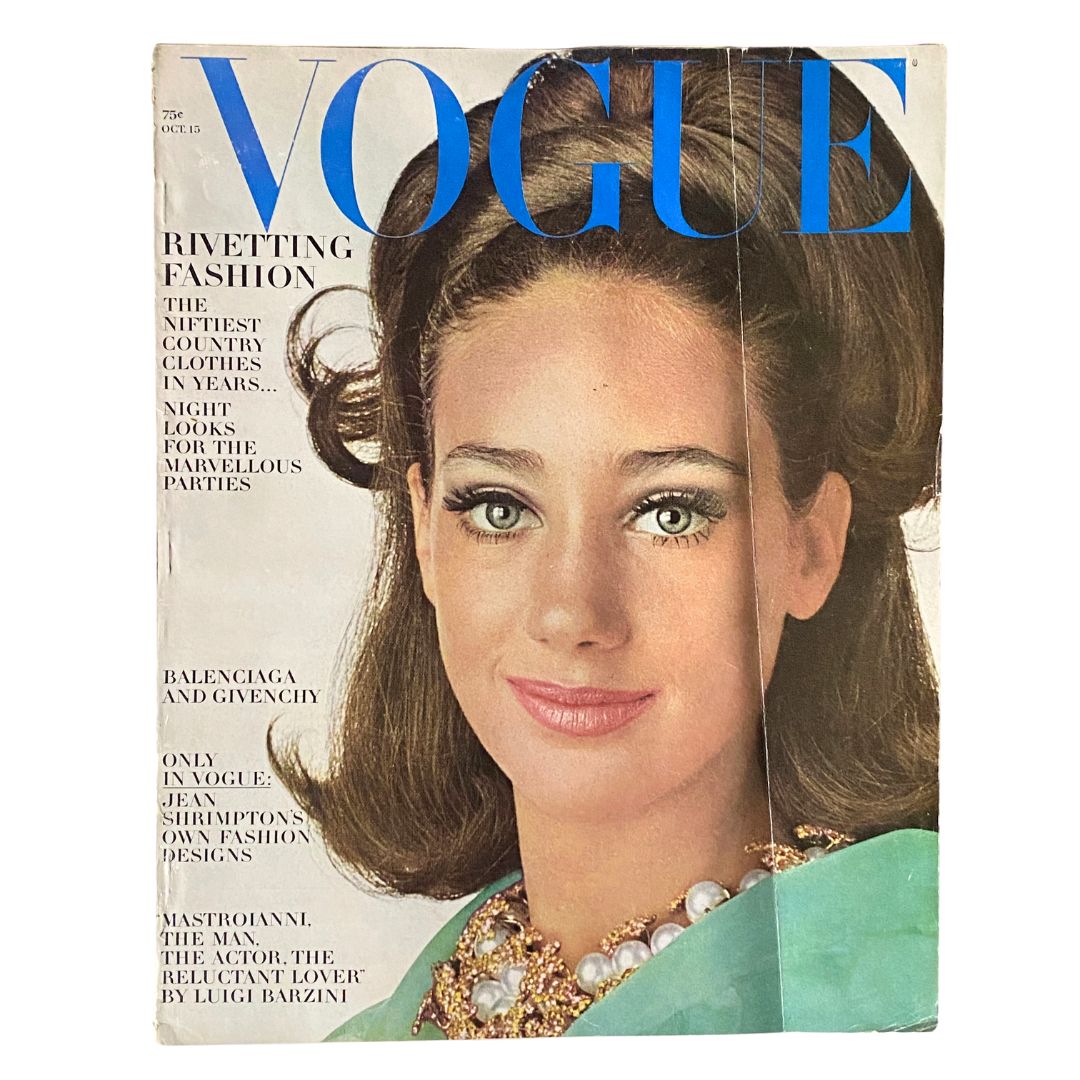
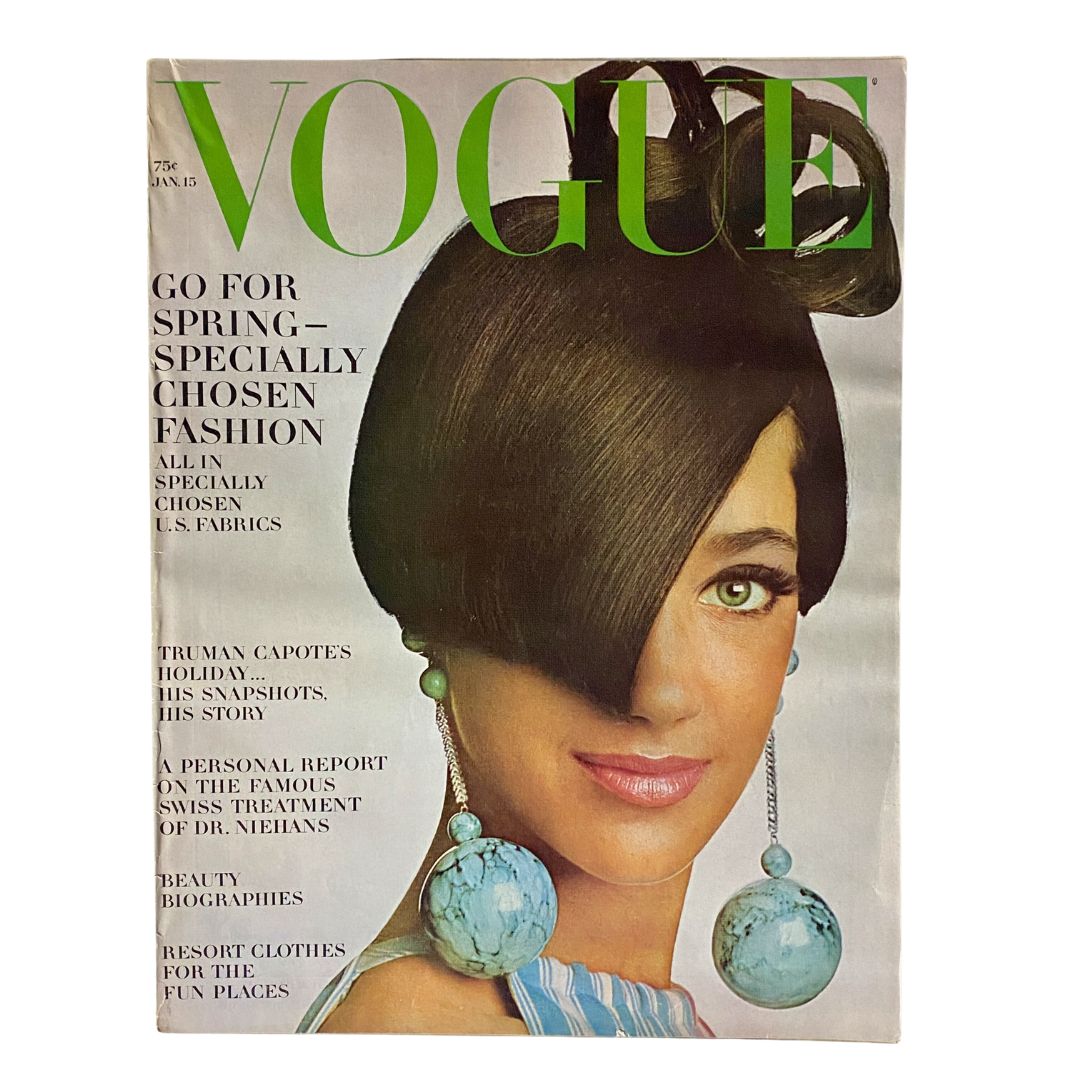
Long before the age of algorithmic feeds and instant celebrity, Marisa Berenson was a figure who existed entirely within the gilded pages of print — a woman whose face, bloodline, and bearing seemed almost cosmically designed for the magazine era. The granddaughter of the legendary couturier Elsa Schiaparelli and the fashion editor Gogo Schiaparelli, she did not merely arrive in the world of high culture; she was born into its very fabric. Through the late 1960s and into the 1970s, she ascended to become one of the most photographed women on earth — a Vogue cover girl turned actress, a disco-era aristocrat who glided between the studios of Hollywood, the salons of Paris, and the legendary dance floor of Studio 54 as though gravity applied to others and not to her. Her roles in Luchino Visconti's Death in Venice and Stanley Kubrick's Barry Lyndon elevated her from mannequin to muse, lending her image a cinematic gravity that magazines were only too eager to immortalize. In an age when a single cover could define a season, she defined an entire decade.
Inside the Archive
The visual language surrounding her in vintage print is one of extraordinary refinement and deliberate mythology-making. Photographers like Richard Avedon, Helmut Newton, and David Bailey approached her not merely as a subject but as a collaborator in the construction of an ideal — draped in Halston, painted by Schiaparelli's legacy, or stripped to something rawer and more expressionist for the European art press. Vogue — both its American and British editions — returned to her image repeatedly throughout the early 1970s, treating her as a kind of living symbol of the transatlantic jet-set aristocracy. Harper's Bazaar captured her with a cooler, more architectural eye, while Paris Match chronicled her private world with the breathless intimacy it reserved only for figures of genuine international fascination. Italian publications such as Vogue Italia gave her perhaps her most avant-garde treatment, framing her within the visual experimentalism that defined that magazine's revolutionary editorial decade. Across all of them, the tone was one of reverence — here was a woman the press treated not as a celebrity, but as a cultural artifact in motion.
Curator's Checklist: Highlights Often Include
- Fashion editorial spreads from the early-to-mid 1970s, featuring haute couture photography by the era's most celebrated lensmen, often shot on location across Europe or within the stark geometry of modernist studio sets
- Film promotion features and critical profiles tied to her breakthrough performances in Barry Lyndon (1975) and Death in Venice (1971), blending cinematic still photography with deeply considered arts journalism
- Society and lifestyle coverage documenting her presence within the Studio 54 milieu, the international art world, and the overlap between Old World European aristocracy and New York's glittering cultural underground
- Beauty and couture advertising adjacencies, where her image frequently appeared alongside — or directly within — campaigns for the great fashion houses of the era, making the surrounding advertisements as historically rich as the editorial content itself
- International magazine covers and features from French, Italian, and British publications offering a distinctly European perspective on her mystique, often more artistically daring than their American counterparts
The Collector's Value
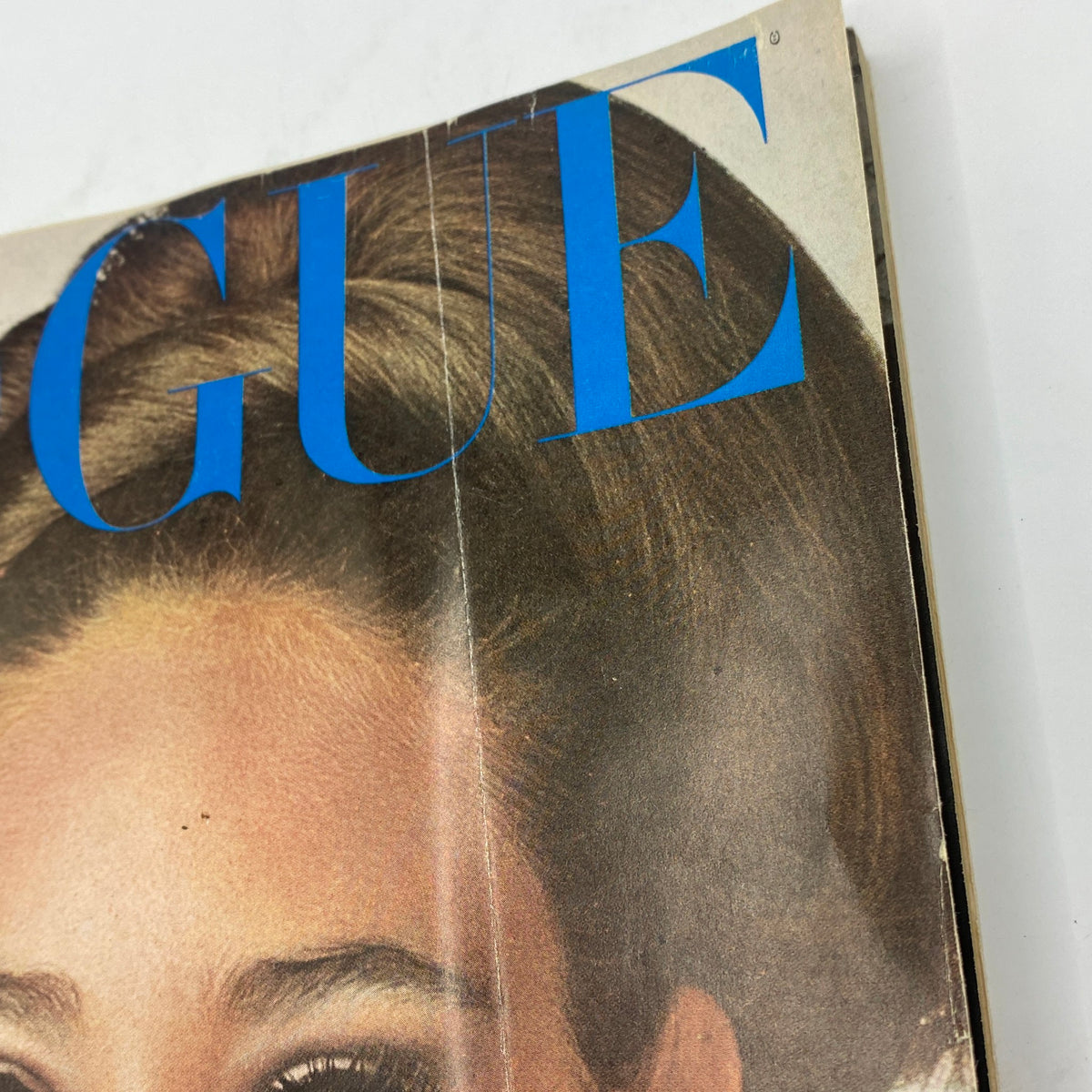
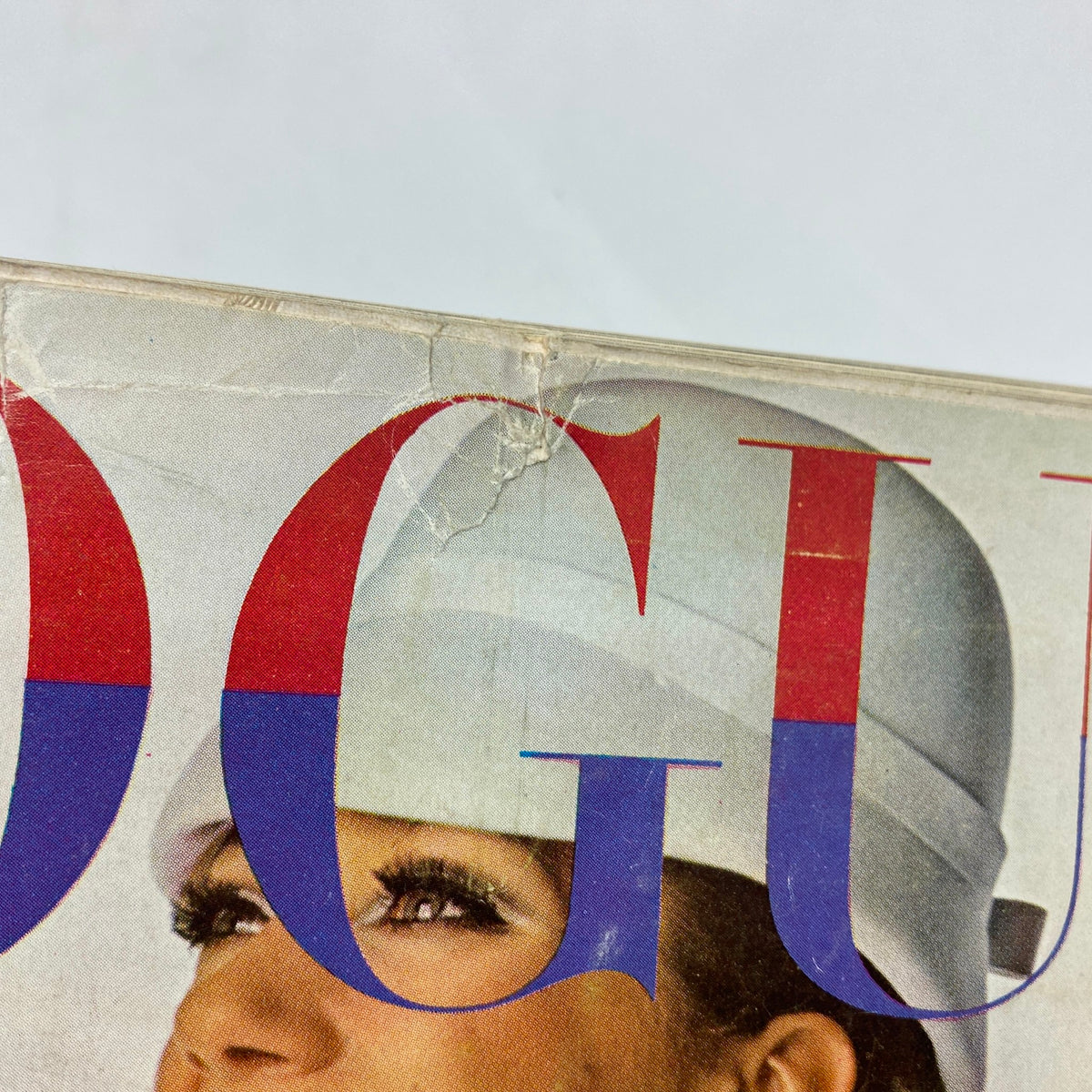
To hold one of these original issues is to hold something no digital archive can replicate — the soft, slightly yielding weight of period paper stock, the faint botanical perfume of decades-old ink, the warm amber tint that time lends to pages that once gleamed white on a Parisian newsstand. These are primary sources: unfiltered documents of a cultural moment that existed before image saturation, when a single photograph in a single magazine could travel the world and define what beauty, glamour, and artistic ambition looked like for an entire generation. The advertisements that bracket her editorials — for perfumes long discontinued, airlines no longer flying, and couture houses in their most inspired decades — are themselves windows into a vanished commercial world, deepening the archive's value immeasurably. For collectors of vintage fashion and couture history, 1970s cinema and European art film, or Studio 54-era cultural ephemera, these publications offer an irreplaceable tactile connection to a world that existed only in print, and was all the more luminous for it. Explore the current available inventory below and discover which pieces of this extraordinary story are waiting to find their next custodian.