📖 About this Collection
Mark Spitz: Seven Gold Medals, One Immortal Summer
The Legend & The Legacy
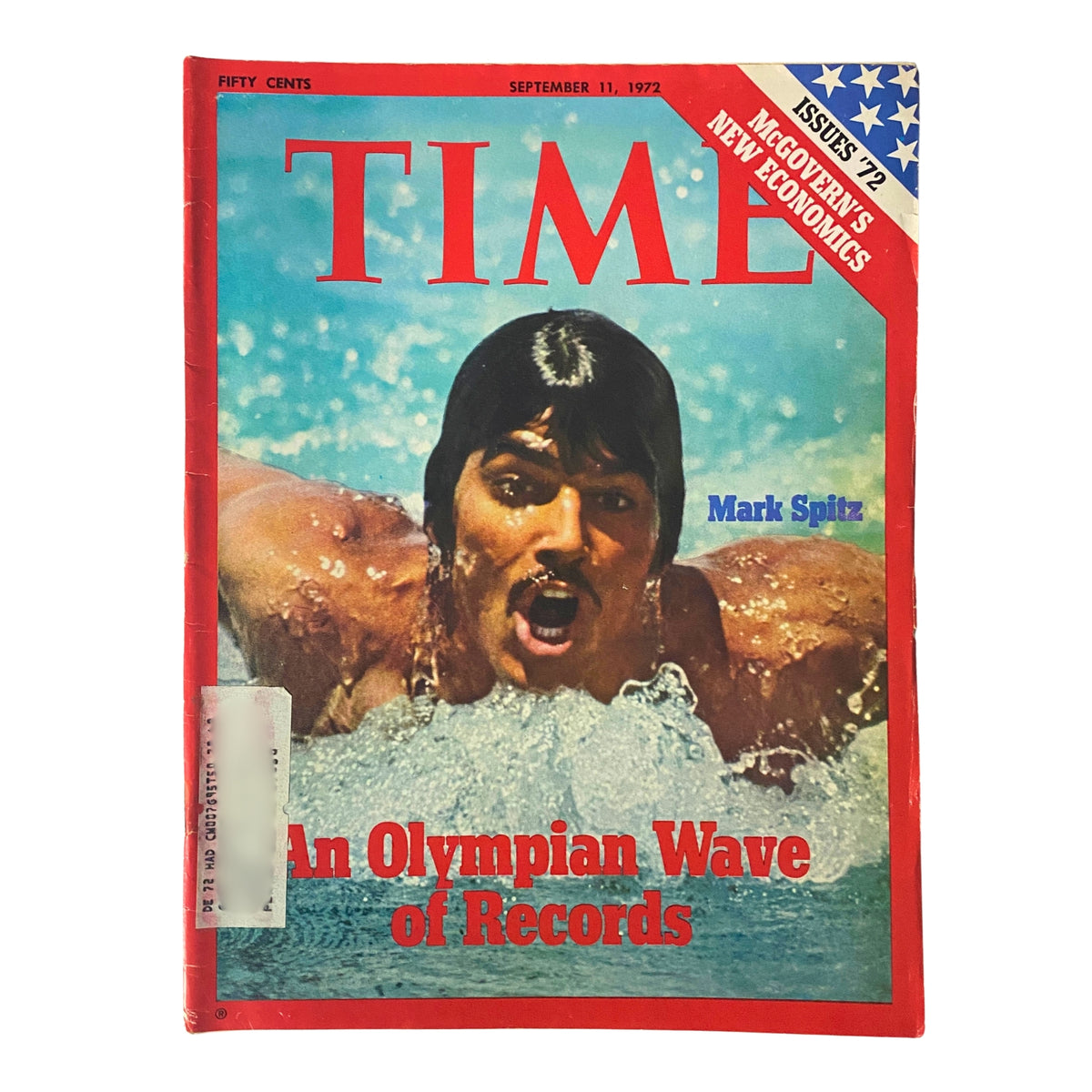
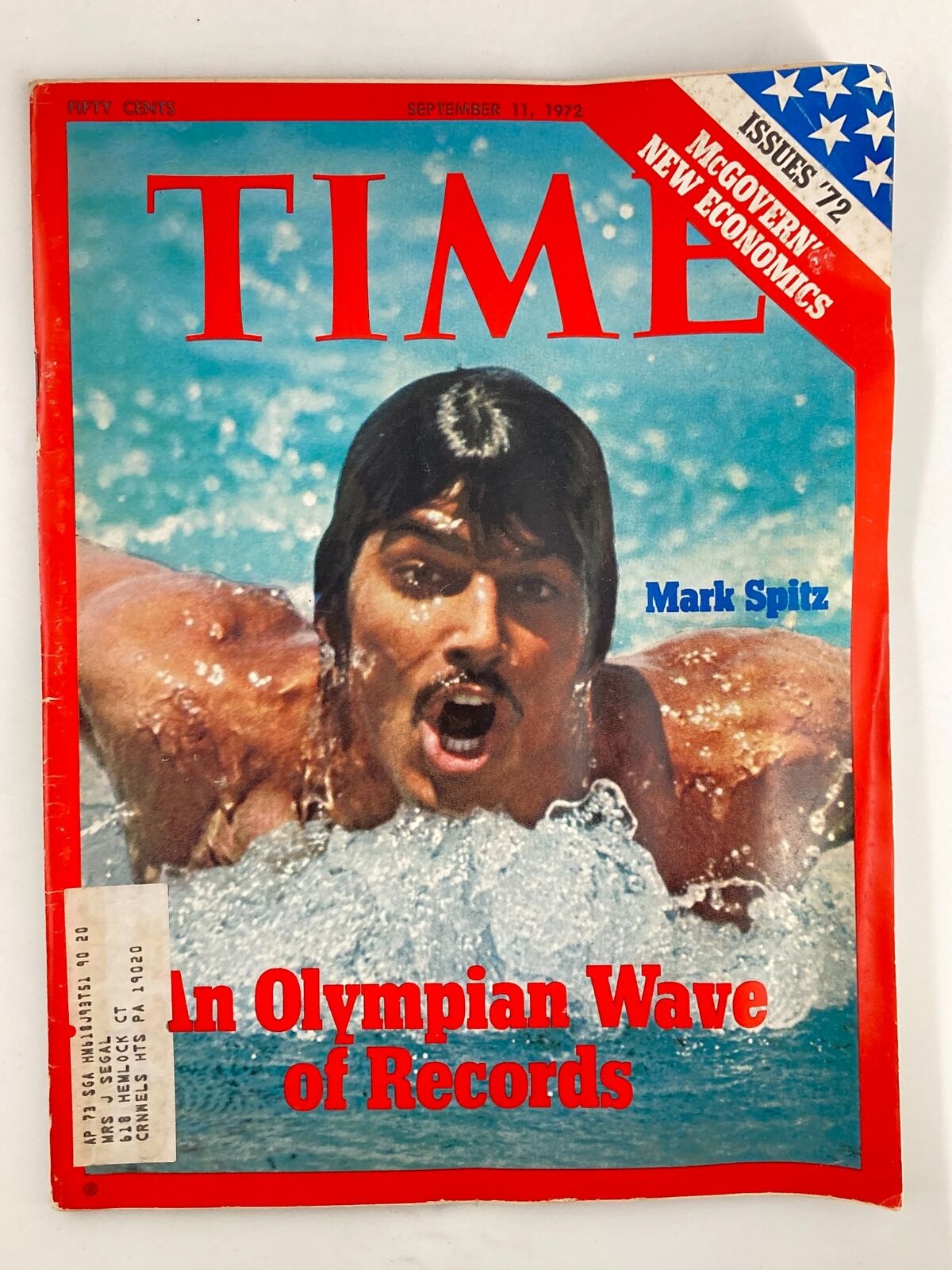
In the long, shimmering history of the Olympic Games, few moments have seized the world's imagination with the force and finality of Munich, 1972. Mark Spitz did not merely win — he rewrote what was thought possible, claiming seven gold medals across seven events, setting a world record in every single one. In an era before satellite streaming and social media feeds, the world received this story through print: through the ink-heavy back pages of evening newspapers, and most powerfully, through the glossy, full-color grandeur of the weekly and monthly magazine. For millions of readers in America and abroad, their first encounter with that now-iconic image — the tanned, mustachioed swimmer draped in medals, arms raised in a V against the natatorium light — arrived folded inside a magazine landing on a doorstep or waiting on a barbershop table. The triumph was inseparable from the tragedy that followed it at those same Games, and the press navigated both with a gravity that only physical print could sustain. He was, in that compressed and electric moment, the most decorated athlete in Olympic history, and the magazines of the world treated him accordingly.
Inside the Archive
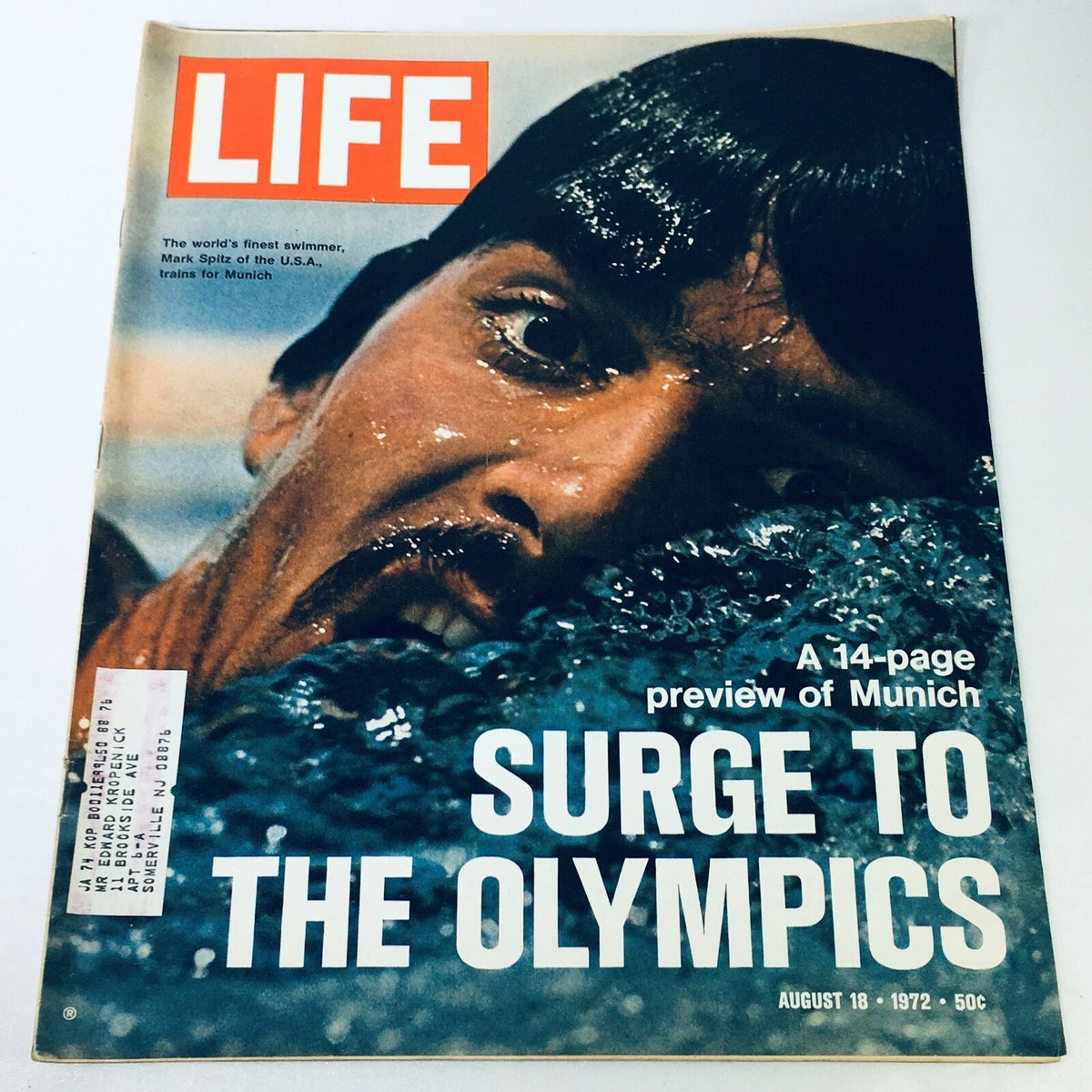
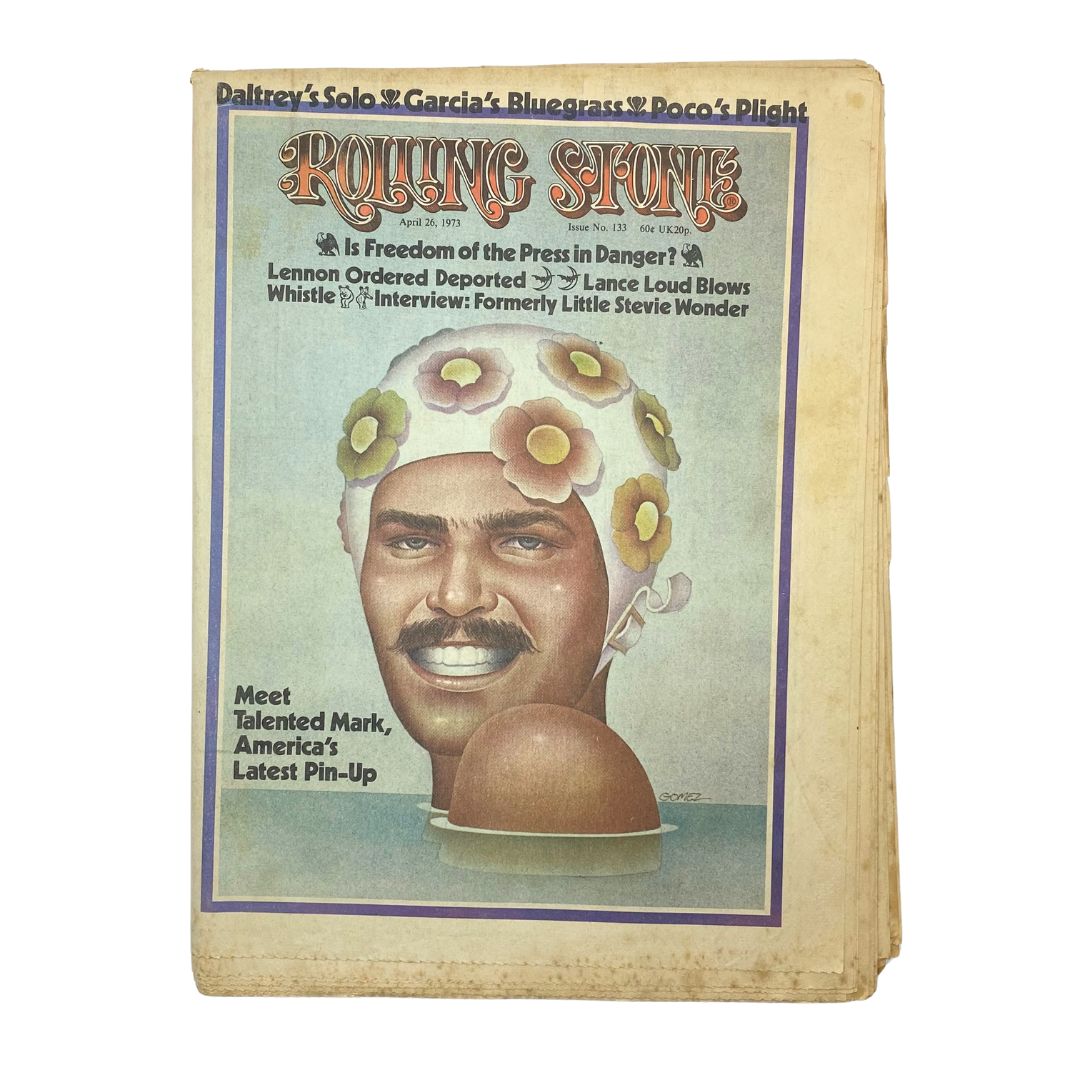
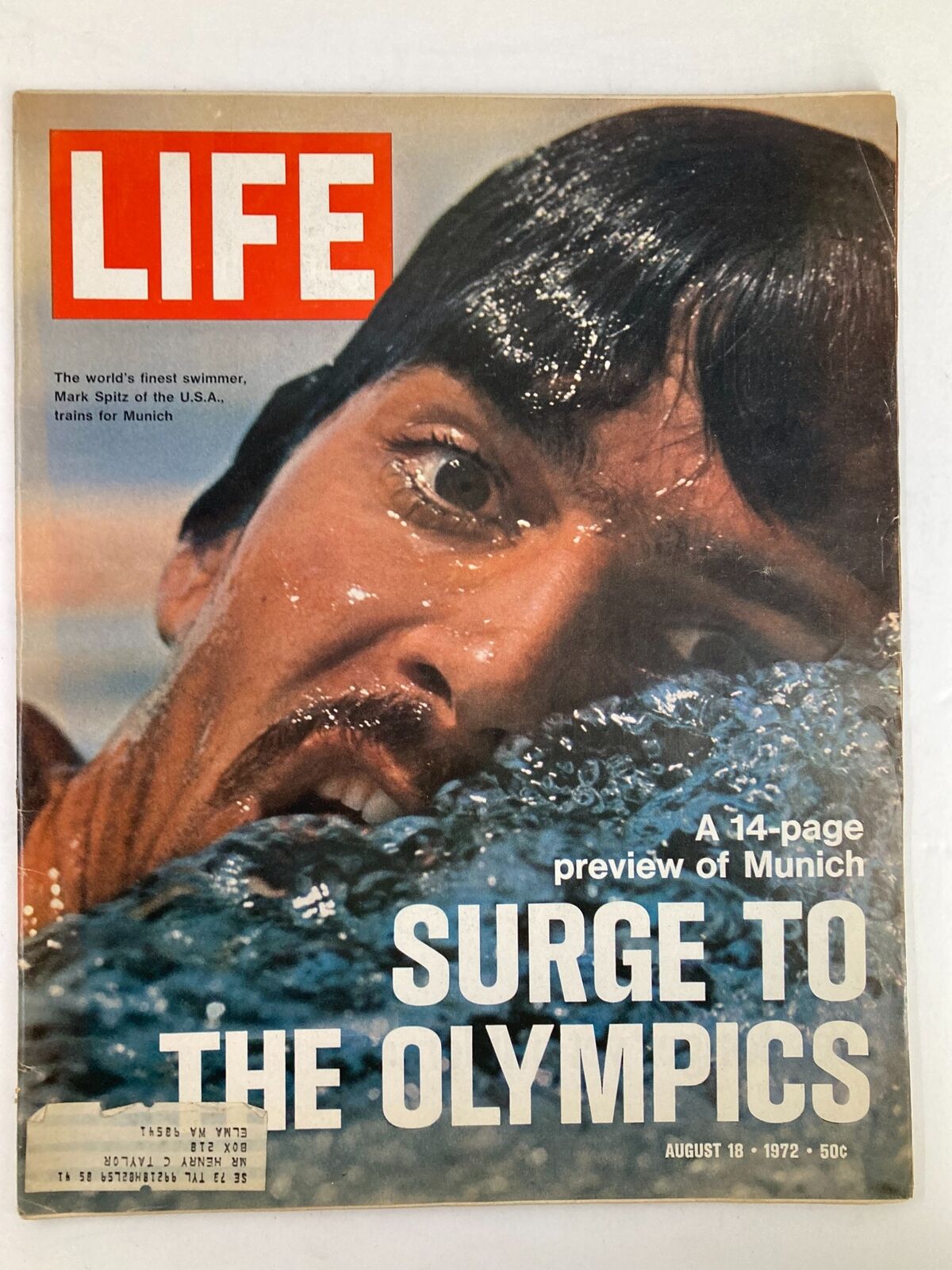
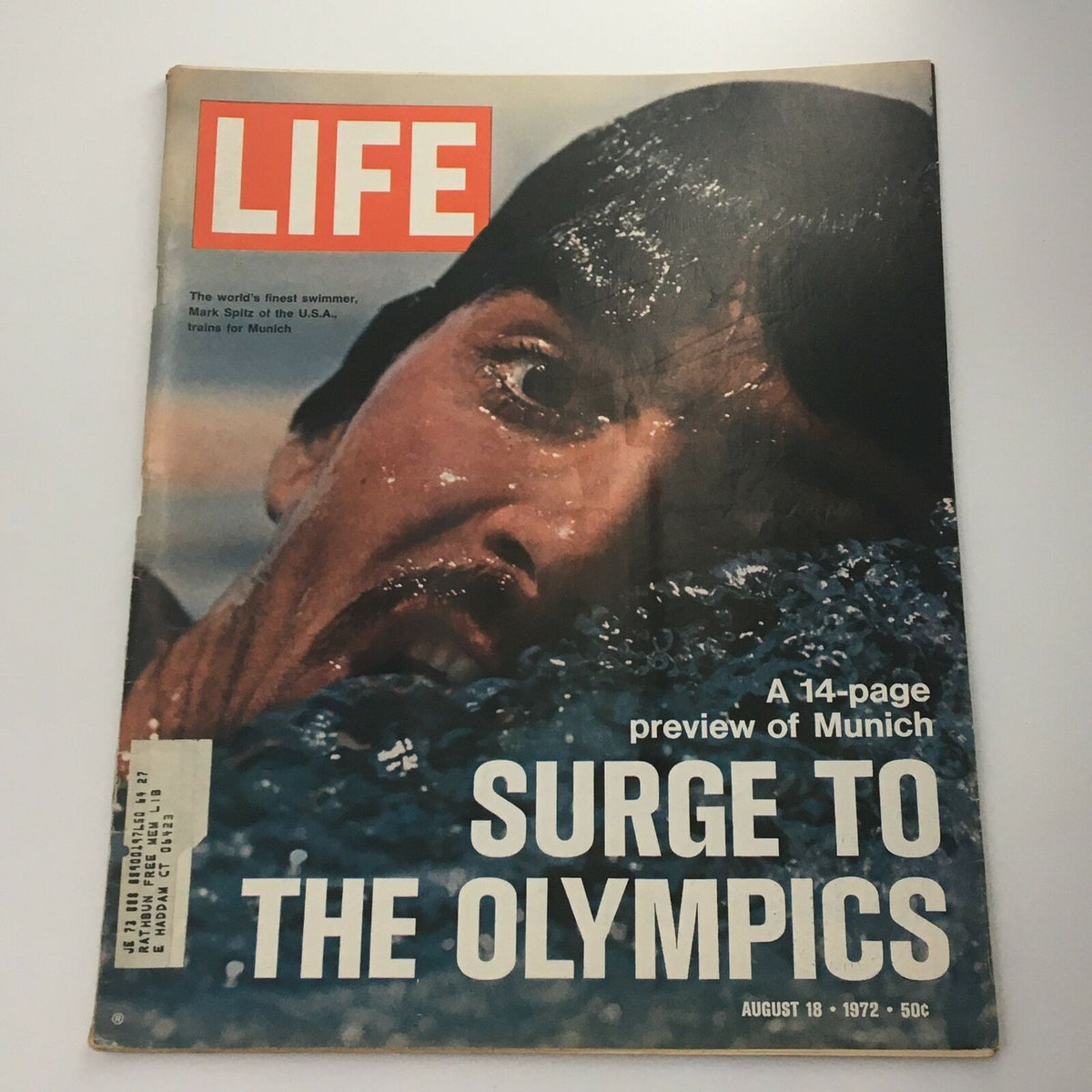
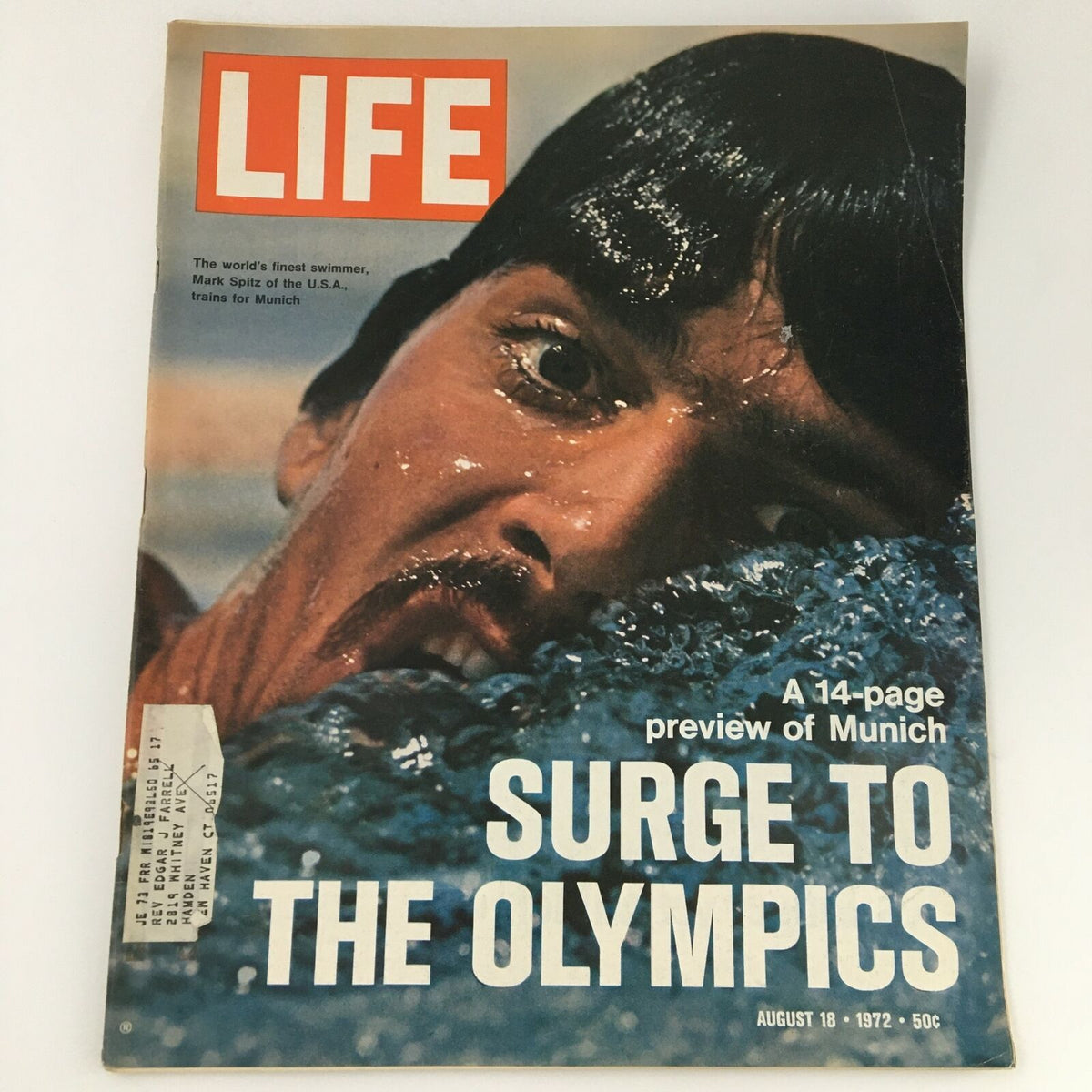
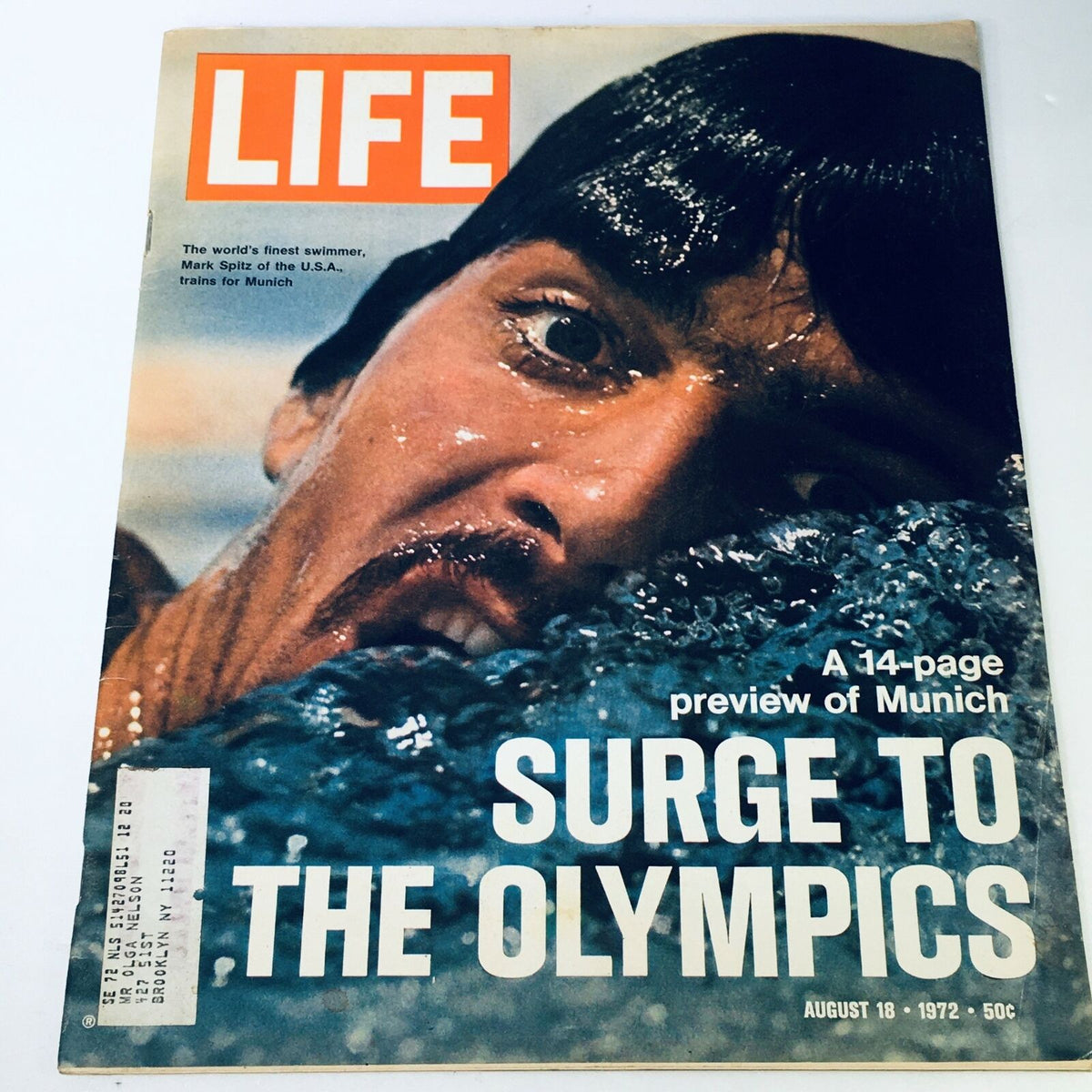
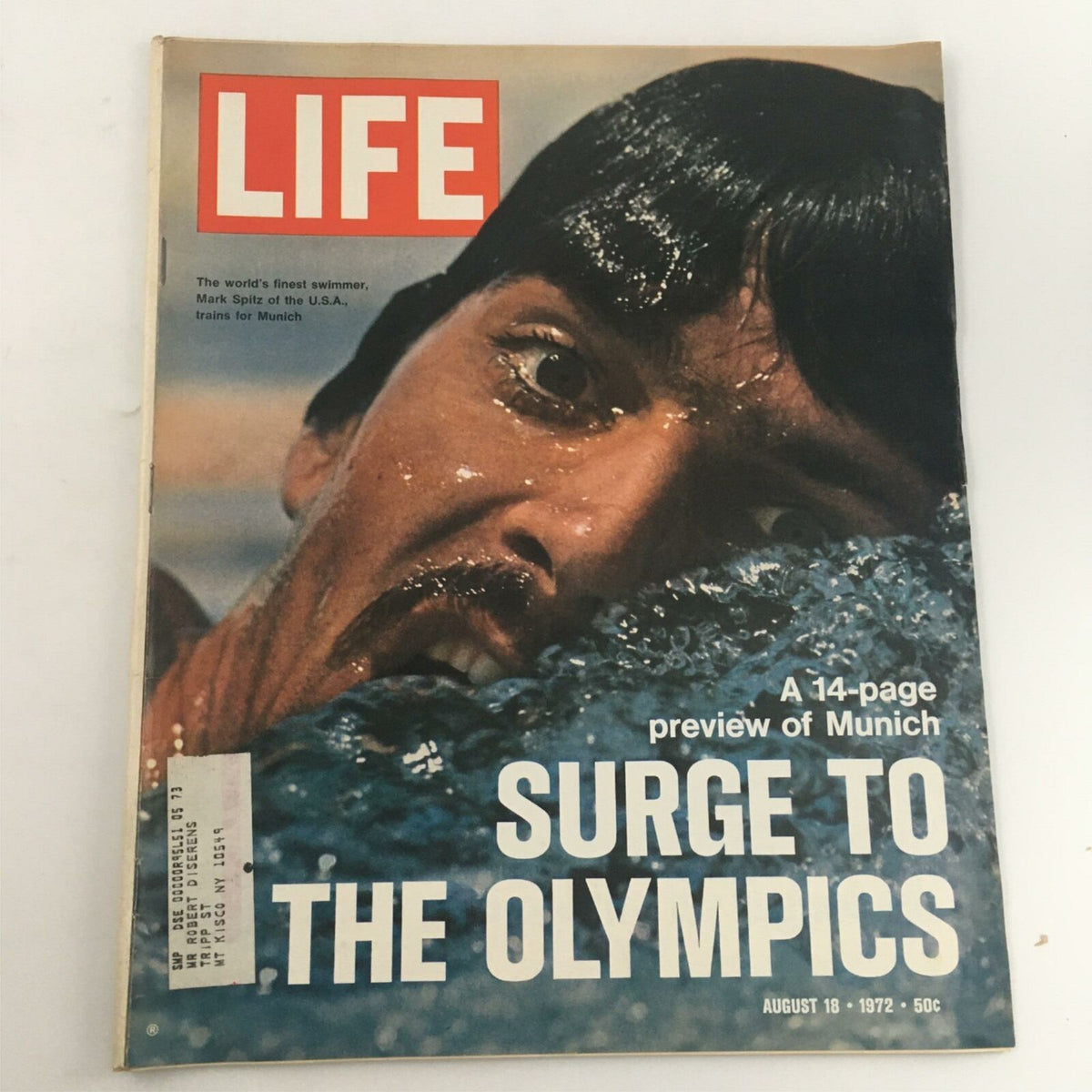
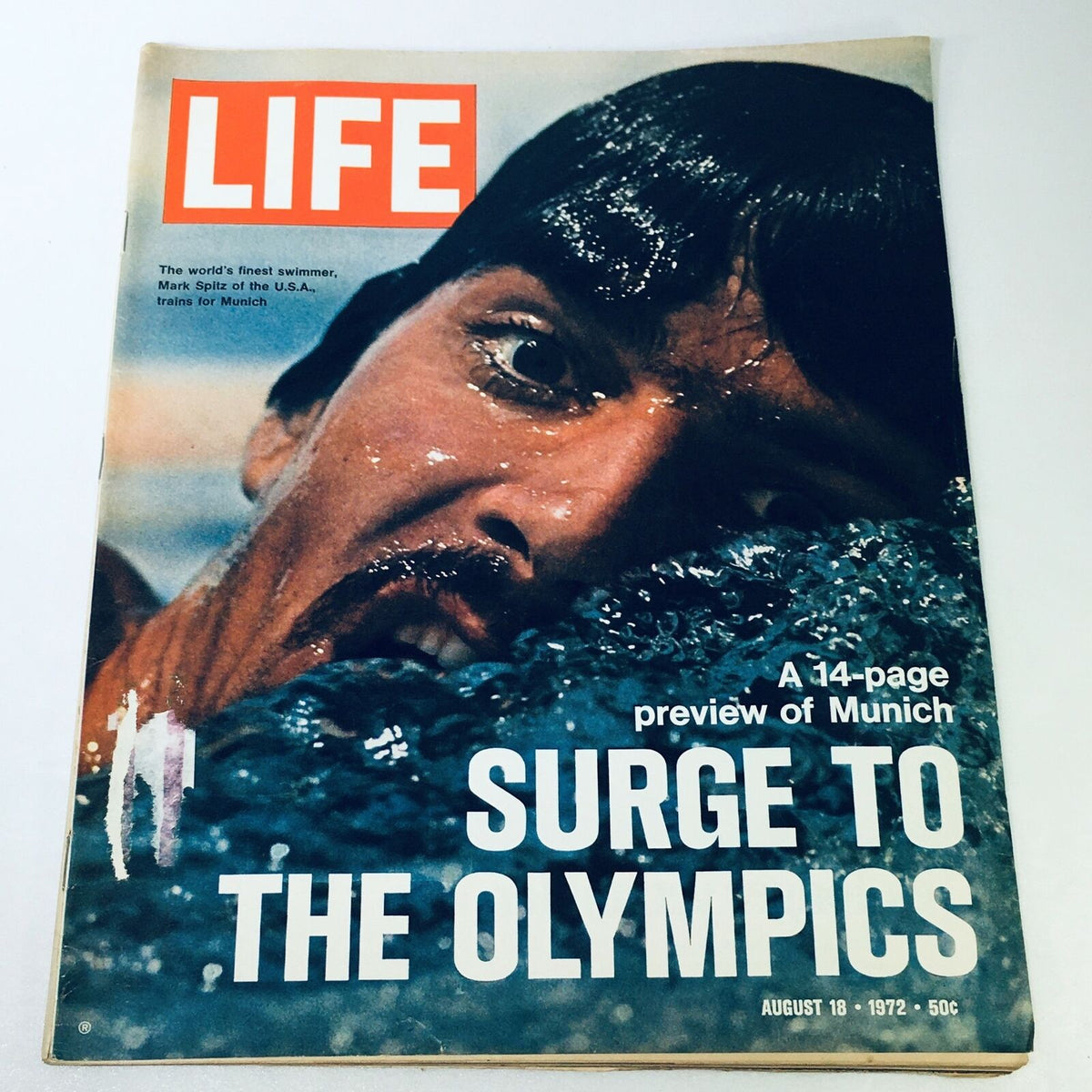
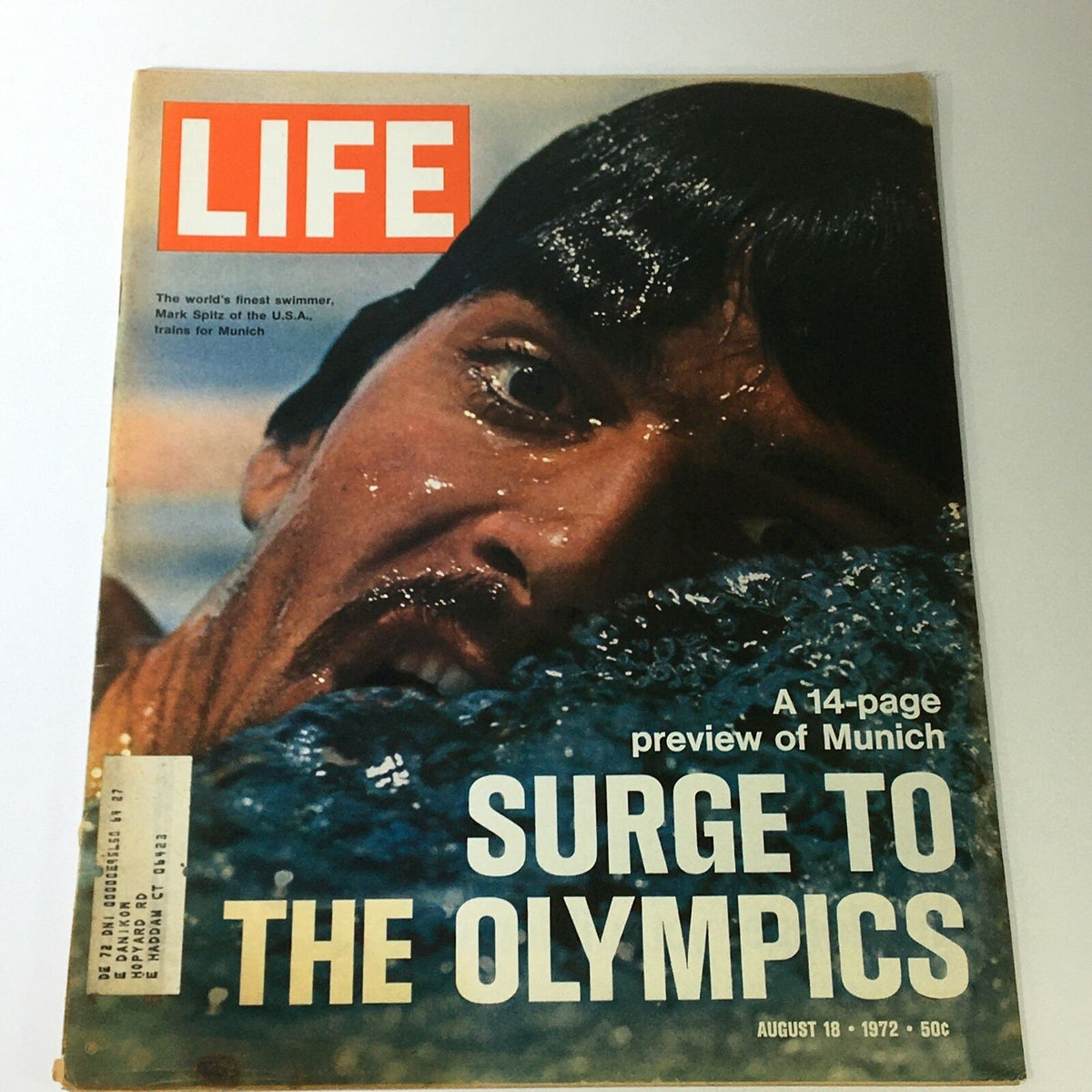
The coverage of Spitz across vintage periodicals reflects both the euphoria of his achievement and the complex cultural moment surrounding it. Sports Illustrated was perhaps his most natural home, dedicating covers and long-form features to his dominance in the pool — the photography crisp, athletic, and reverential, his physique rendered in the kind of heroic compositional framing that defined American sports journalism of the era. Life magazine, still in its storied weekly format in 1972, brought his story to a broader, more general audience, contextualizing the seven golds within the sweep of American optimism and the shadow of the Munich massacre. Internationally, publications like Paris Match and various European sports weeklies offered a fascinating outsider perspective on the swimmer who became the face of those haunted Games — their editorial tone often more somber, more politically inflected than their American counterparts. In the months and years that followed, broader-interest publications revisited his legacy during anniversary retrospectives and Olympic preview issues, ensuring that the visual record of his achievement spans not just a single triumphant summer, but an entire decade of athletic memory.
Curator's Checklist: Highlights Often Include
- Olympic triumph coverage — Issues from late summer and autumn 1972 frequently feature the seven-gold milestone, often with dramatic poolside photography and statistical breakdowns of his record-setting performances across individual and relay events.
- Munich memorial context — Given the tragedy that unfolded at those same Games, collectors often encounter issues in which Spitz's historic achievement is framed alongside the broader, somber narrative of Munich — a rare and historically significant editorial pairing.
- Profile and personality features — Beyond the medals, magazines of the era explored the man behind the mustache: his pre-Games commercial ambitions, his complex relationship with coaches and teammates, and his status as one of the first athletes to be managed as a marketable celebrity brand.
- Retrospective and anniversary issues — Olympic preview magazines from 1976 and beyond, as well as decade-in-review publications from the late 1970s, frequently revisit his legacy as a benchmark against which new swimming champions were measured.
- International and foreign-language editions — Coverage from European, Australian, and South American sports publications offers a compelling cross-cultural lens on how the wider world processed both his triumph and the geopolitical weight of Munich '72.
The Collector's Value
To hold one of these original issues is to hold the first draft of a legend. The paper stock of a 1972 Sports Illustrated or Life carries a particular weight — slightly warm to the touch, with the faint mineral tang of aged ink that no digital reproduction has ever managed to replicate. The advertisements surrounding the editorial content are themselves a time capsule: automobile spreads in harvest gold and avocado green, cigarette endorsements, early sportswear campaigns — all of it conspiring to return you, completely and viscerally, to the world as it existed in that extraordinary summer. These are not reprints or commemorations; they are the original witnesses, printed within days or weeks of the events they document, reflecting the unfiltered emotion and journalistic instinct of their moment. For collectors of Olympic history, Cold War–era Americana, or vintage sports photography and memorabilia, these publications offer something no poster or retrospective book can replicate — the authentic, primary-source experience of a world encountering greatness for the very first time. Browse the current available inventory below and discover which pieces of that irreplaceable summer are waiting to find a new home.