📖 About this Collection
Mark Zuckerberg: The Boy Who Wired the World
The Legend & The Legacy
Few figures in modern history have reshaped the fabric of human connection with the speed and consequence of Mark Zuckerberg. Rising from a Harvard dormitory in the early 2000s, the young programmer did not merely found a company — he architected an entirely new social architecture for civilization itself. By the time Facebook reached one billion users, the world was grappling with questions his invention had forced into the open: Who owns memory? Who controls attention? What does friendship mean in the digital age? Print media, still the dominant vehicle of cultural authority in those early years, bore witness to his meteoric ascent with a mixture of awe and unease. Long before podcasts and algorithmic feeds, it was the glossy page and the ink-stained feature that first introduced the quiet, hoodie-clad prodigy to a world that did not yet understand what he had built — or what it would cost them.
Inside the Archive
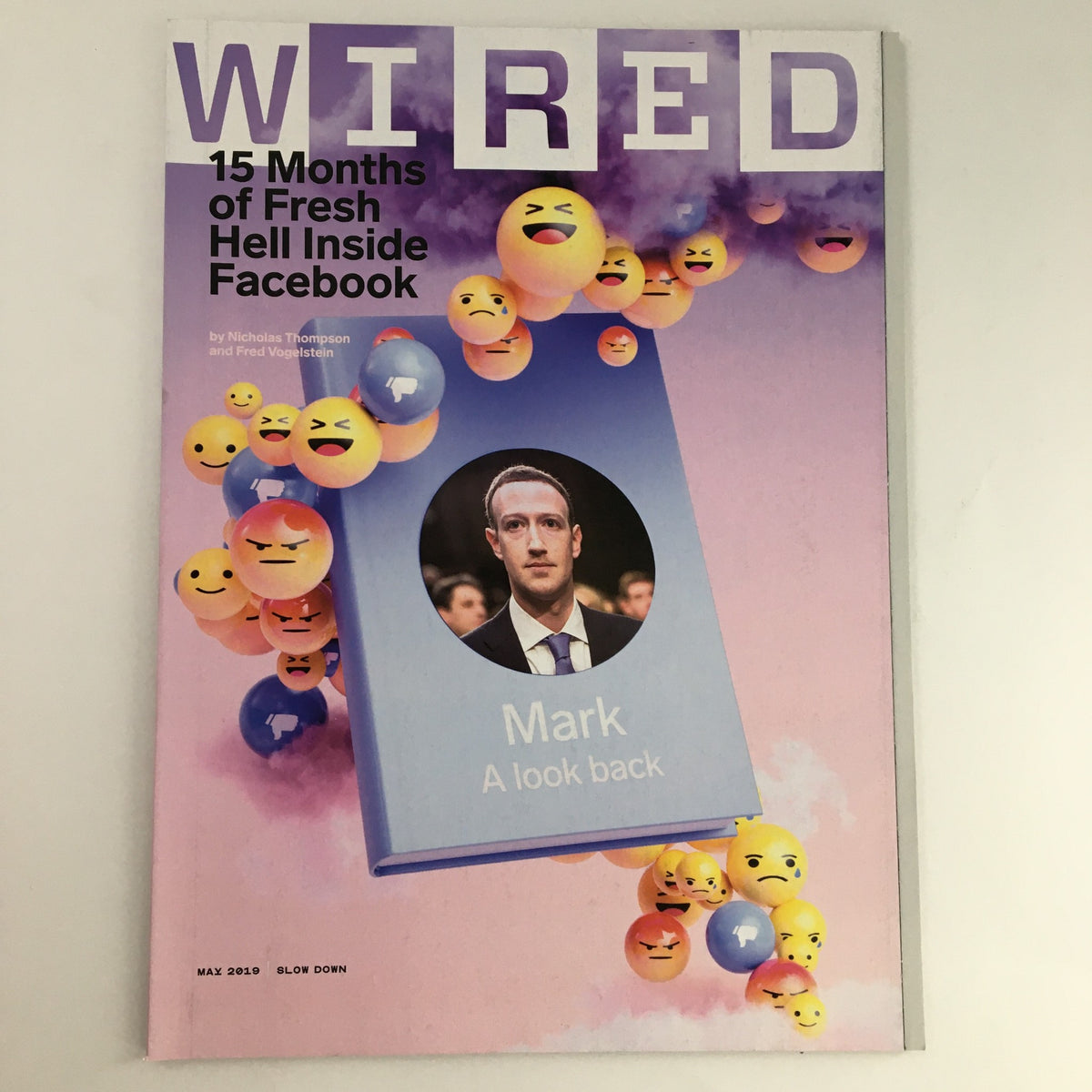
The visual language surrounding Zuckerberg's coverage was, from the beginning, deliberately paradoxical: a man of immense, almost incomprehensible power rendered in deliberately understated imagery. Editorial photographers frequently captured him in gray t-shirts against the kinetic backdrop of Silicon Valley open offices, his youth a startling counterpoint to the corporate gravity of the story. Time magazine led the charge, placing him on its cover multiple times — most famously as its Person of the Year in 2010 — with portrait photography that probed for the man behind the myth. Forbes chronicled his billionaire ascent in the forensic, reverent language it reserves for those who reorder economies. Wired, the bible of the tech-obsessed, offered the deepest editorial dives into the philosophy and architecture of his platform, treating him as both engineer and cultural philosopher. International titles such as Der Spiegel and The Economist framed him through a geopolitical lens, examining what an American-born social network meant for democracy, privacy, and sovereignty abroad.
Curator's Checklist: Highlights Often Include
- Person of the Year features — Landmark issues from the early 2010s in which major weekly publications crowned him the defining figure of a new technological era, accompanied by in-depth profiles exploring his vision, his contradictions, and his ambitions.
- IPO and Wall Street coverage — Business and financial magazines from around 2012 documenting Facebook's historic public offering, one of the most anticipated and turbulent market debuts of the decade.
- Congressional testimony issues — Publications from 2018 capturing the cultural and political earthquake of his appearance before the U.S. Senate, a moment that forced a global conversation about data, power, and accountability.
- Early Silicon Valley profiles — Collector-coveted technology and business issues from the mid-2000s featuring rare, early editorial coverage of a pre-empire Facebook, when the platform was still a curiosity rather than a cornerstone of modern life.
- International press editions — Foreign-language issues from European and Asian publications offering a striking outsider perspective on American tech dominance, and the complex global reaction to the platform's reach.
The Collector's Value
There is something quietly profound about holding a magazine from the peak of the Facebook era — the slight give of the coated paper stock, the bold chromatic confidence of early 2010s editorial design, the ghost of ink that has spent a decade settling into the page. Around the profile of the young architect of the social web, you will find the world as it was: advertisements for smartphones that feel ancient now, financial products from banks that no longer exist, film announcements for a cinema landscape utterly transformed. These surrounding artifacts are not distractions — they are context, and context is everything to the serious collector. They place his story inside the lived texture of a specific, unrepeatable moment in history, one that no digital archive can replicate with the same sensory authority. For collectors of Silicon Valley history, media and journalism, or 21st-century cultural and political biography, these publications offer a primary source of rare intimacy — a record of how the world processed, celebrated, and questioned one of its most consequential figures in real time, through the only medium that truly endured. Explore the current selections available below, and find the issue that speaks to your collection.