📖 About this Collection
Martin Luther King Jr.: The Moral Architecture of a Movement
The Legend & The Legacy
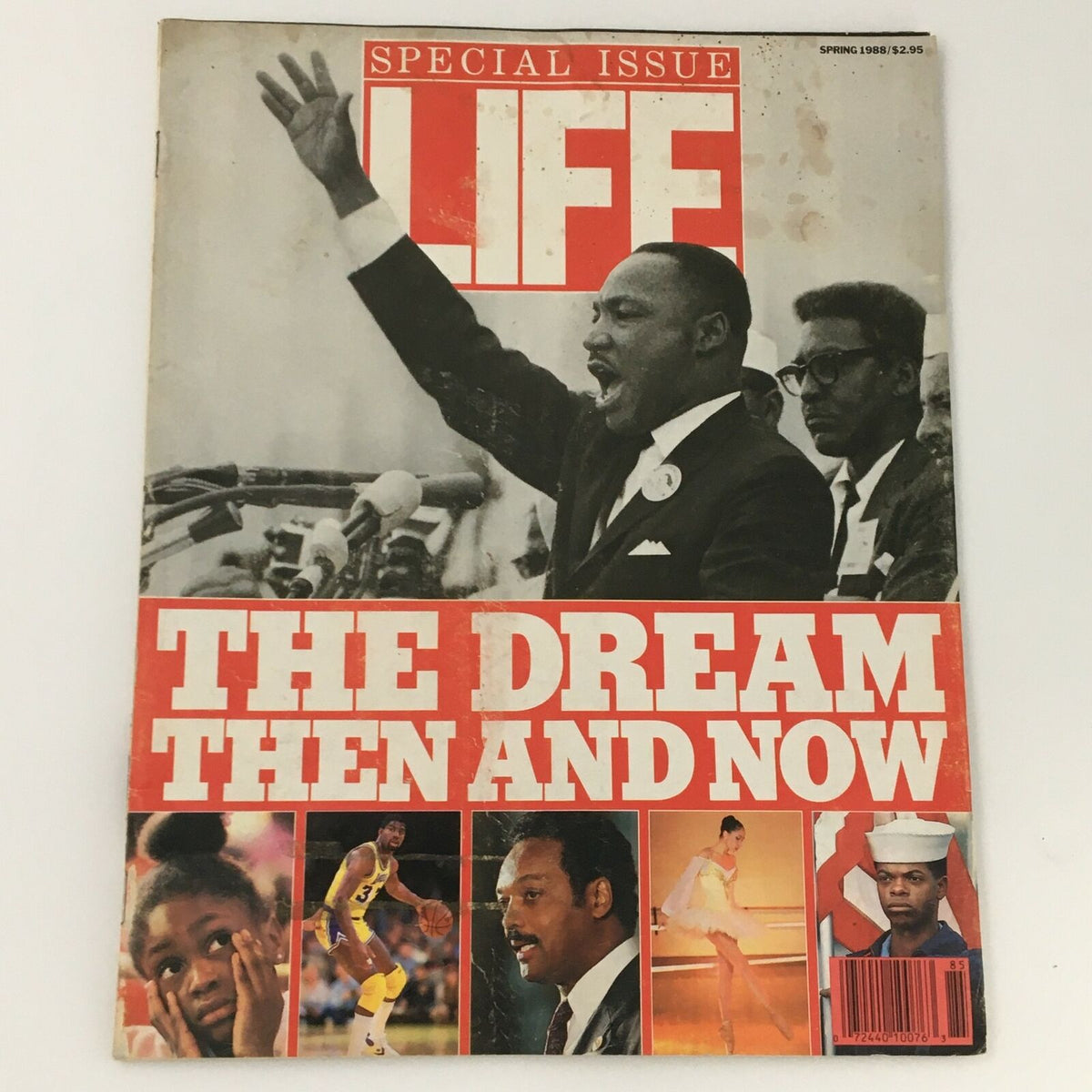
Before the marble monument rose on the National Mall, there was the man in the pulpit, the prisoner in the Birmingham jail, the dreamer on the Washington steps. Dr. King's voice didn't just echo through the 1950s and '60s—it rewired the nation's conscience, transforming Sunday sermons into Supreme Court decisions and bus boycotts into federal law. His philosophy of nonviolent resistance turned fire hoses and police dogs into instruments of his opponents' defeat, proving that moral clarity could dismantle centuries of injustice. The magazines that documented his journey captured more than a movement; they preserved the exact moment America began to reckon with its founding promise.
Inside the Archive
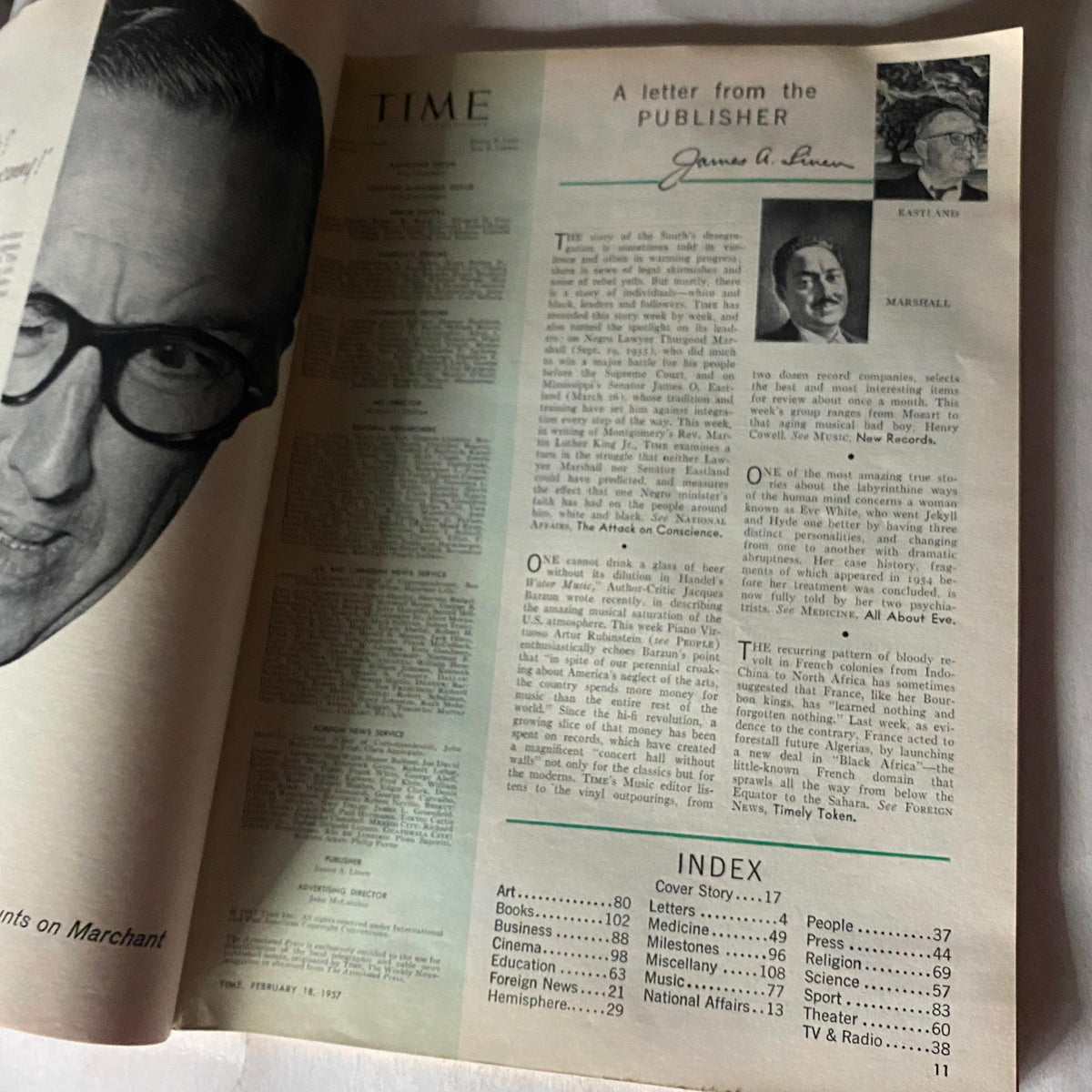
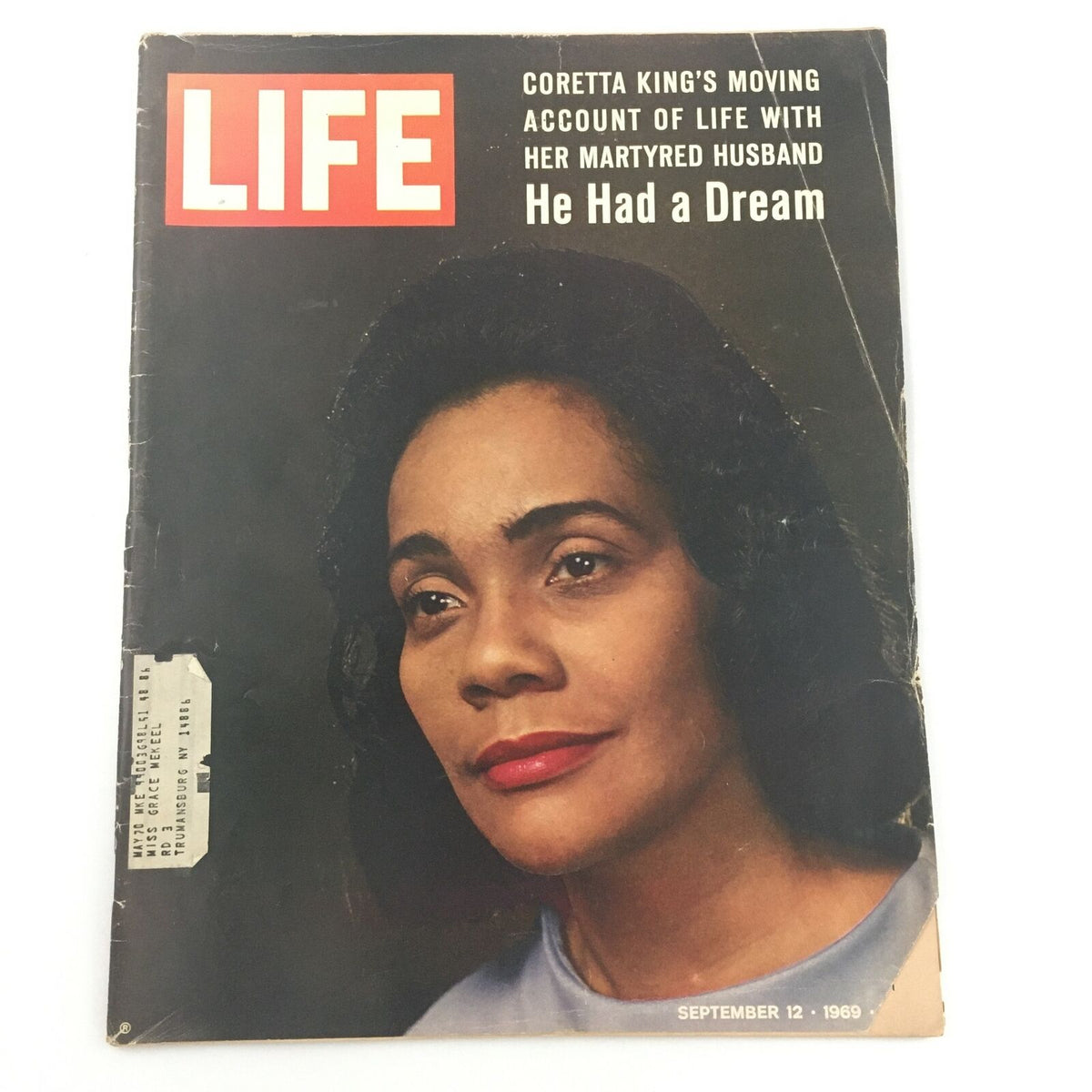
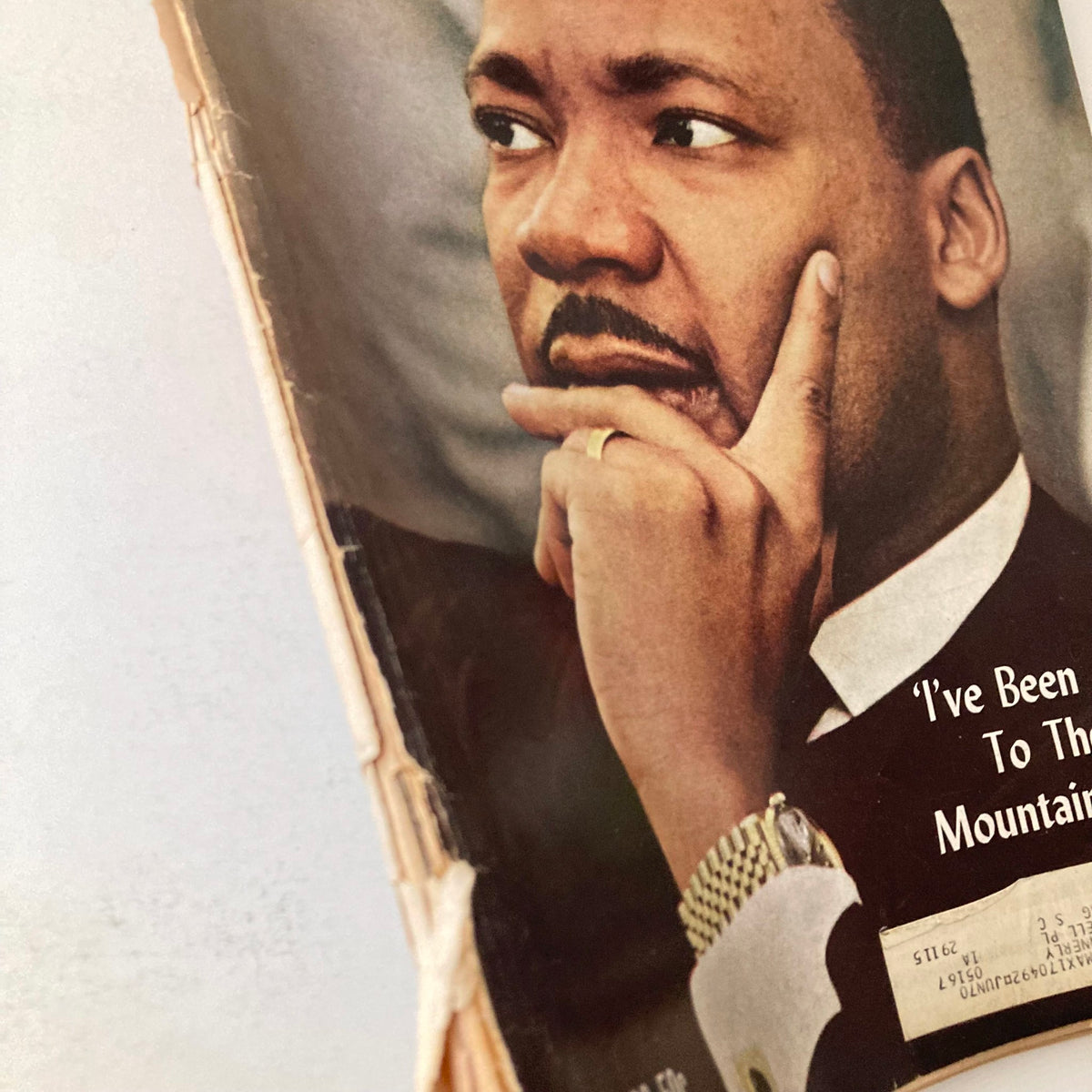
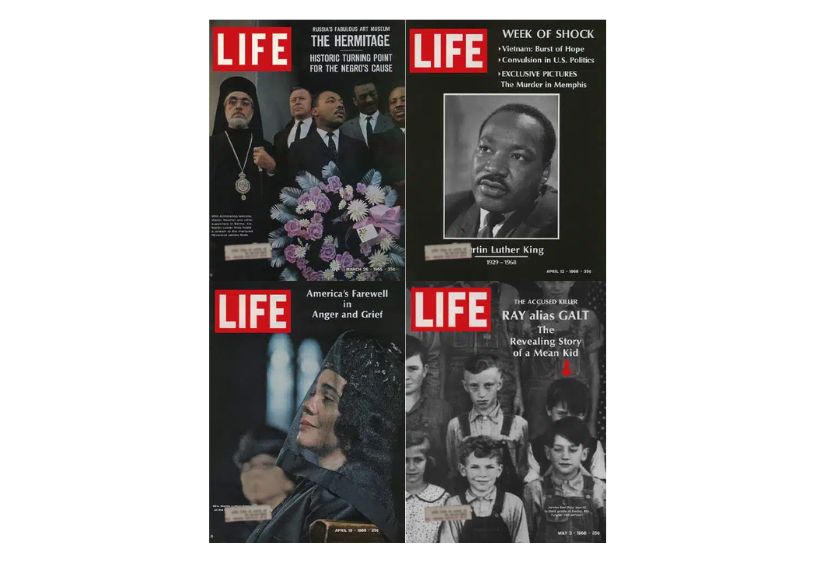
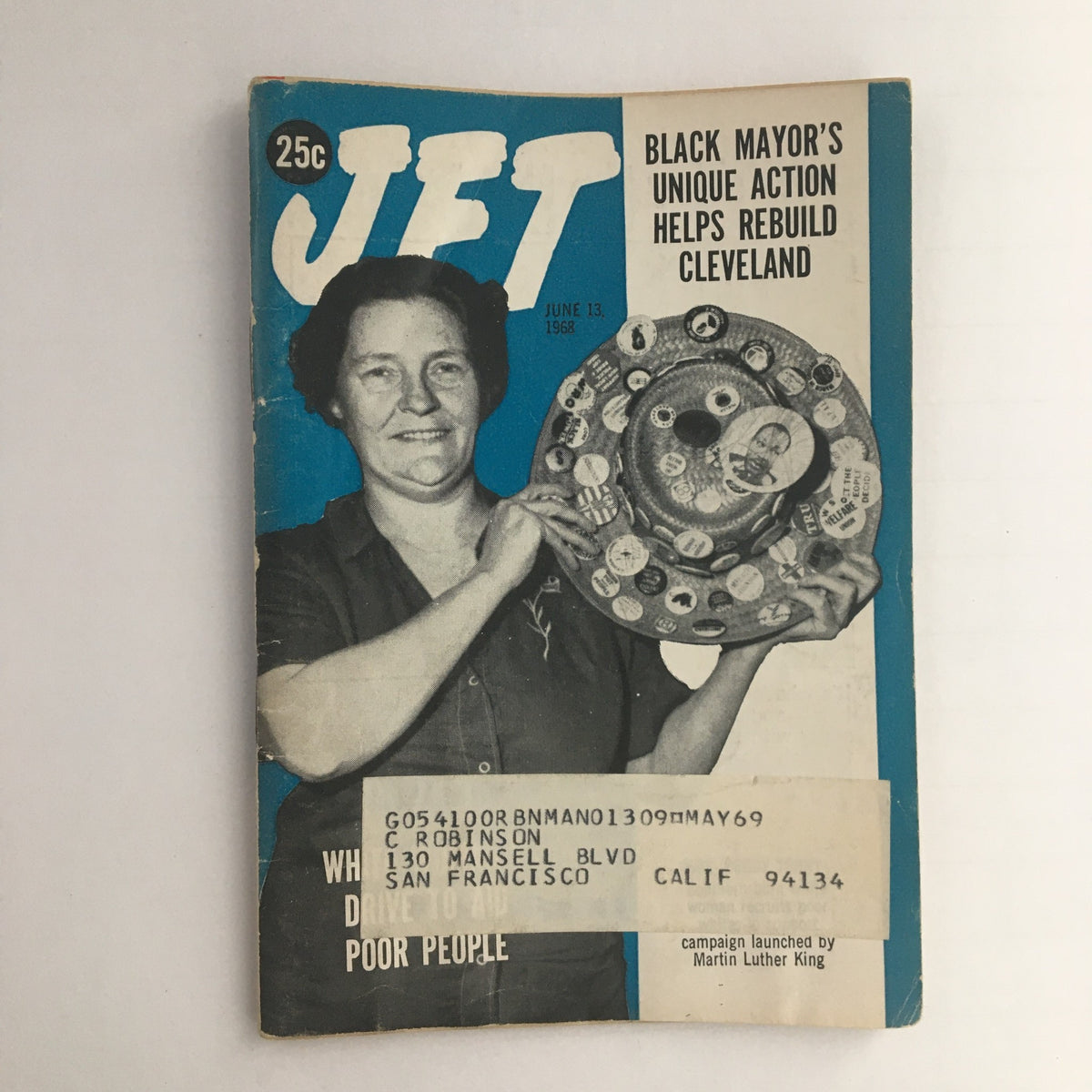
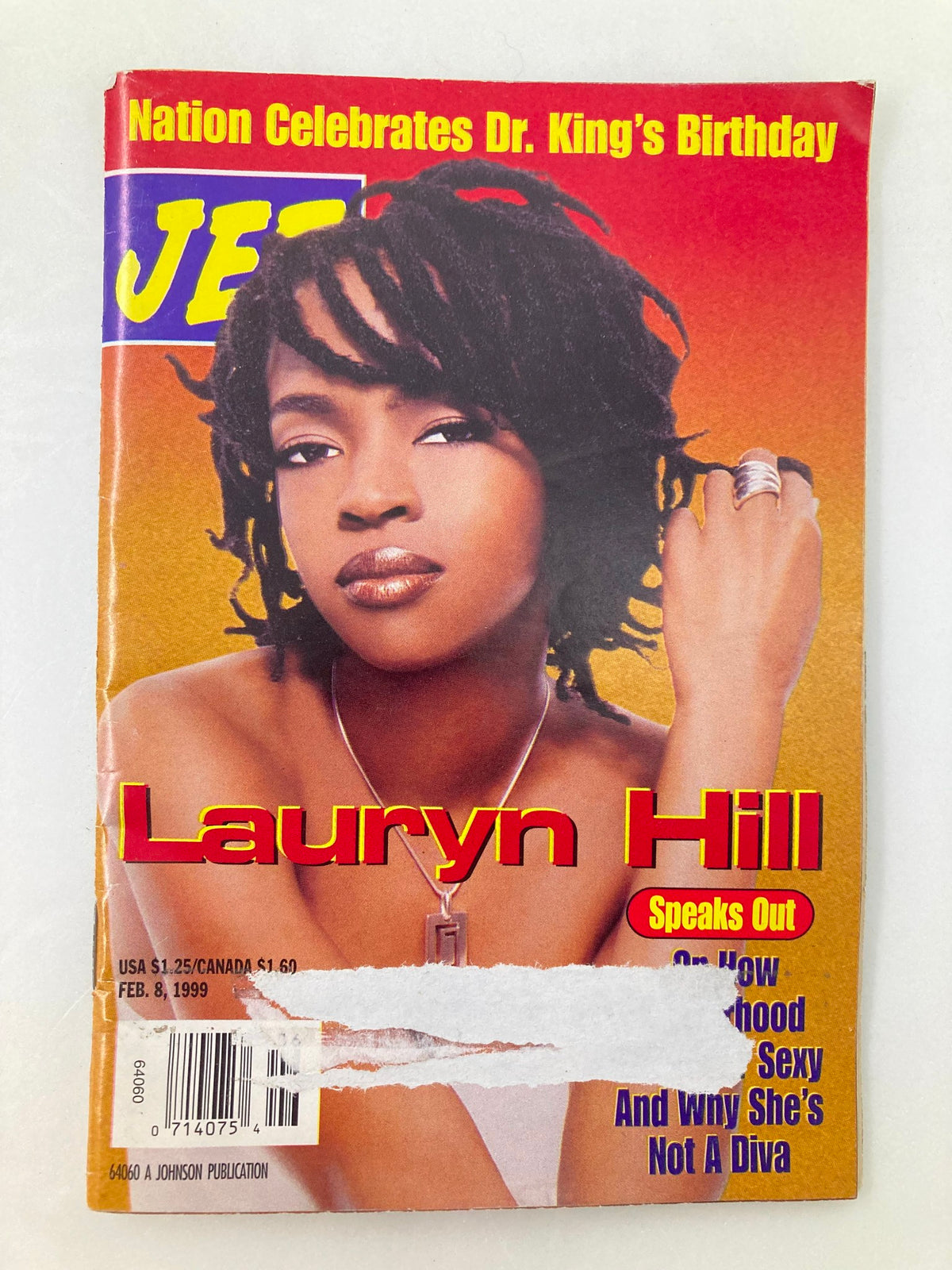
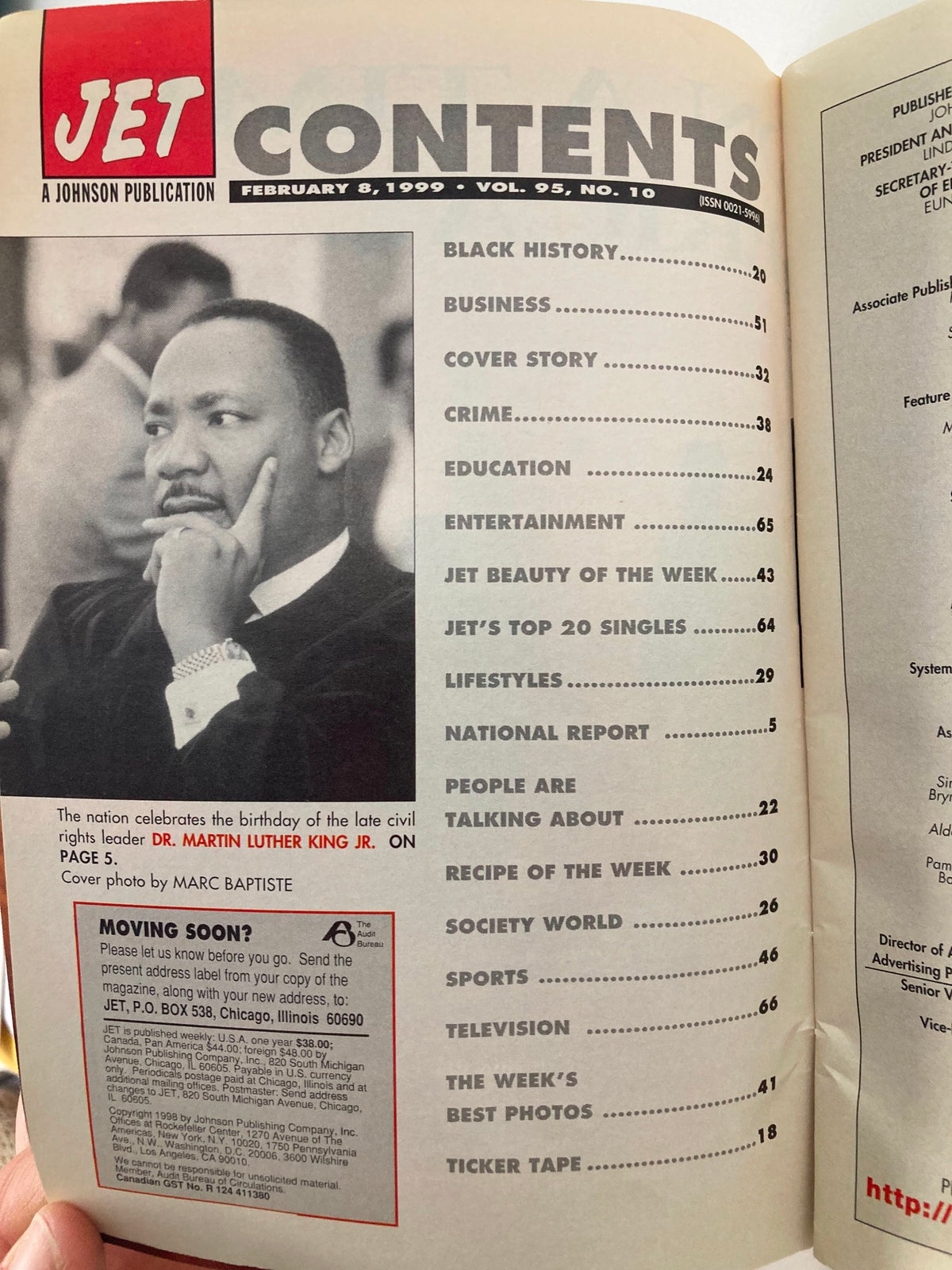
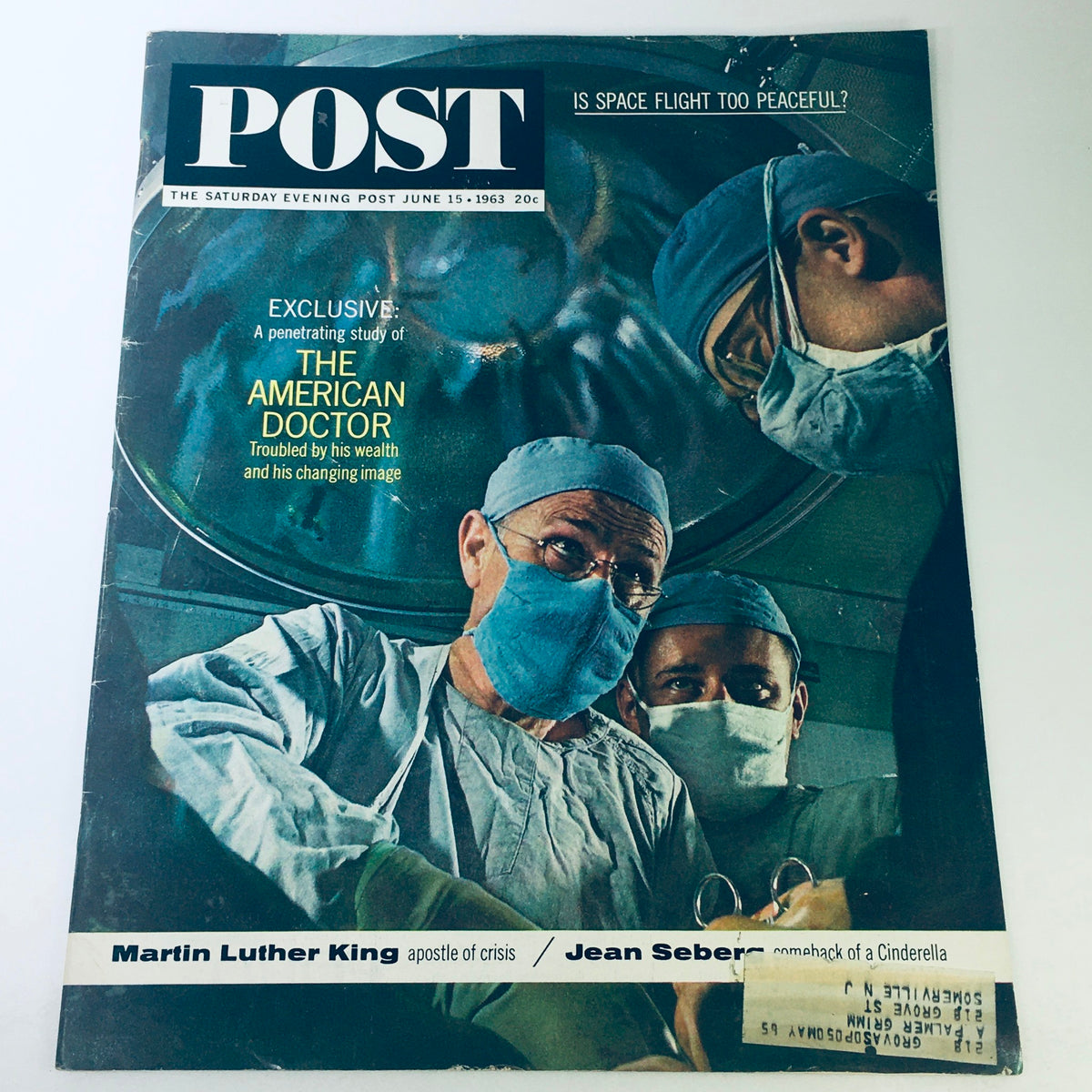
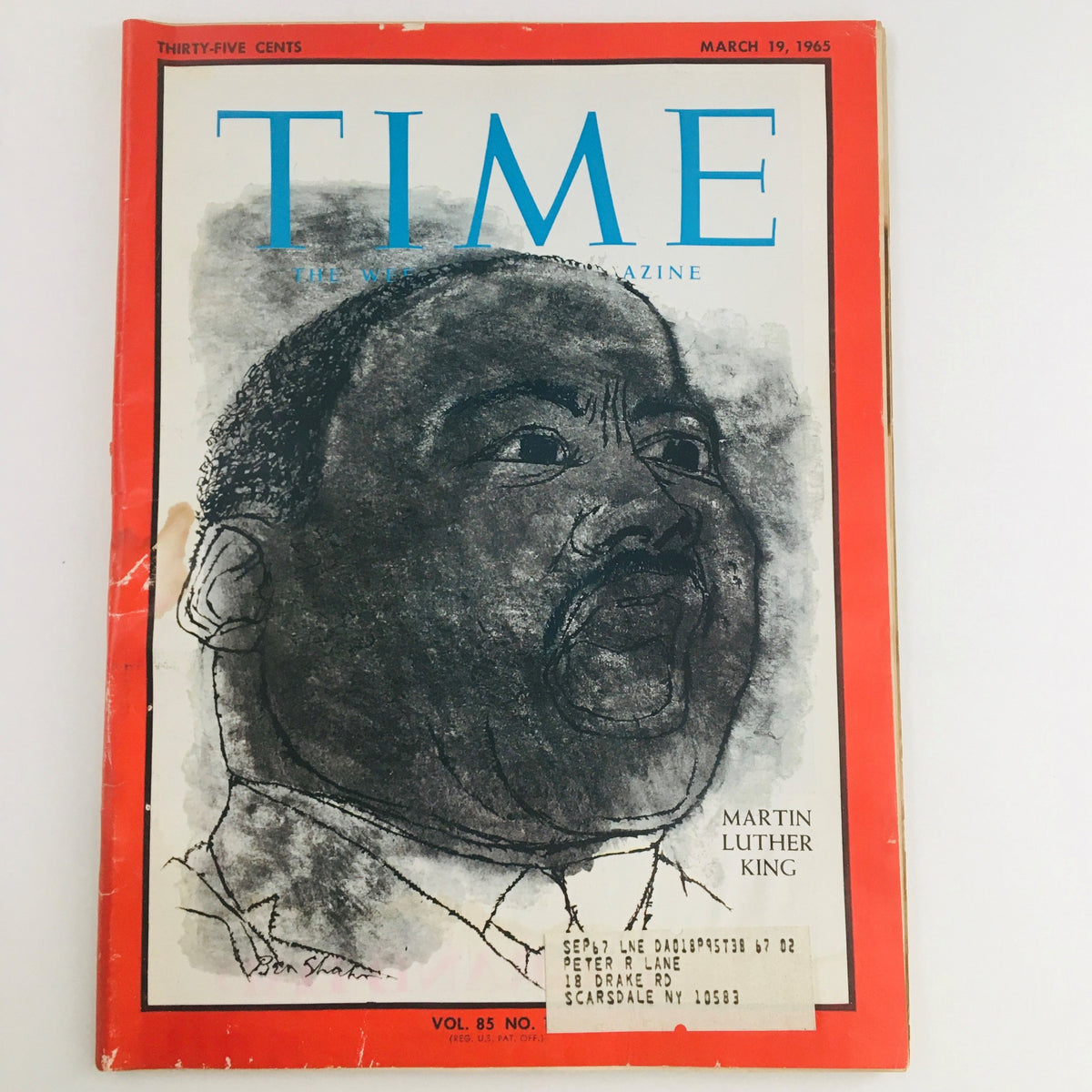
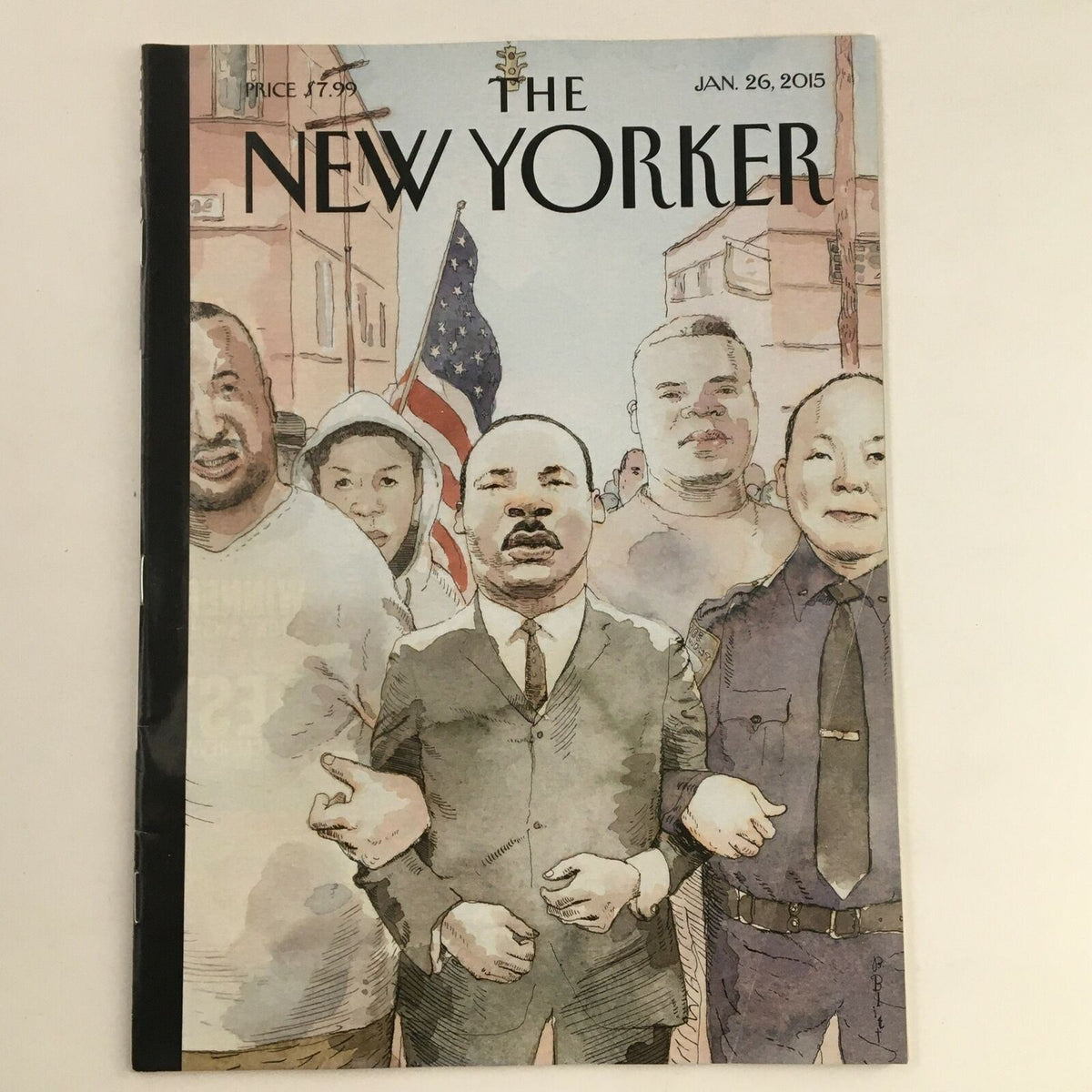
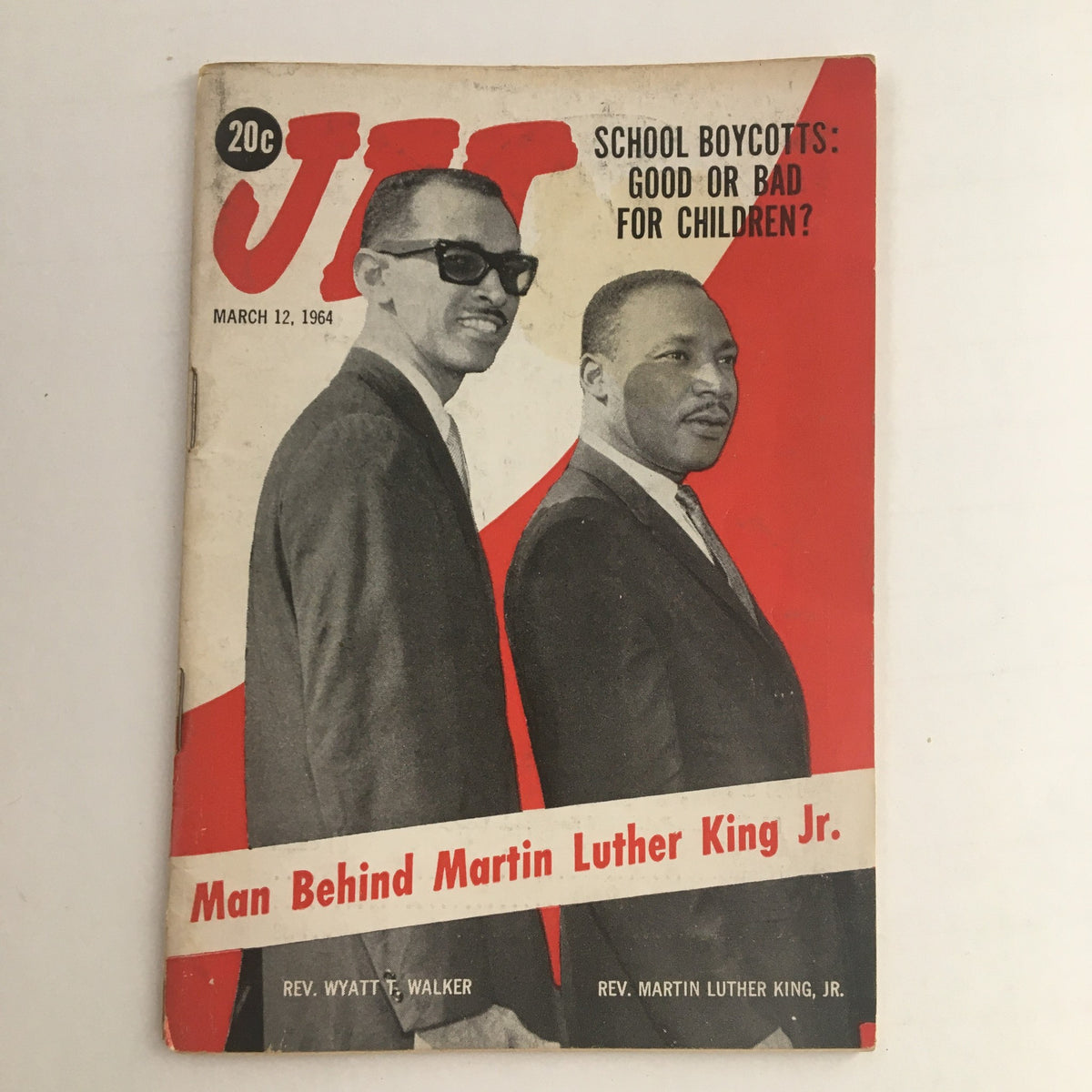
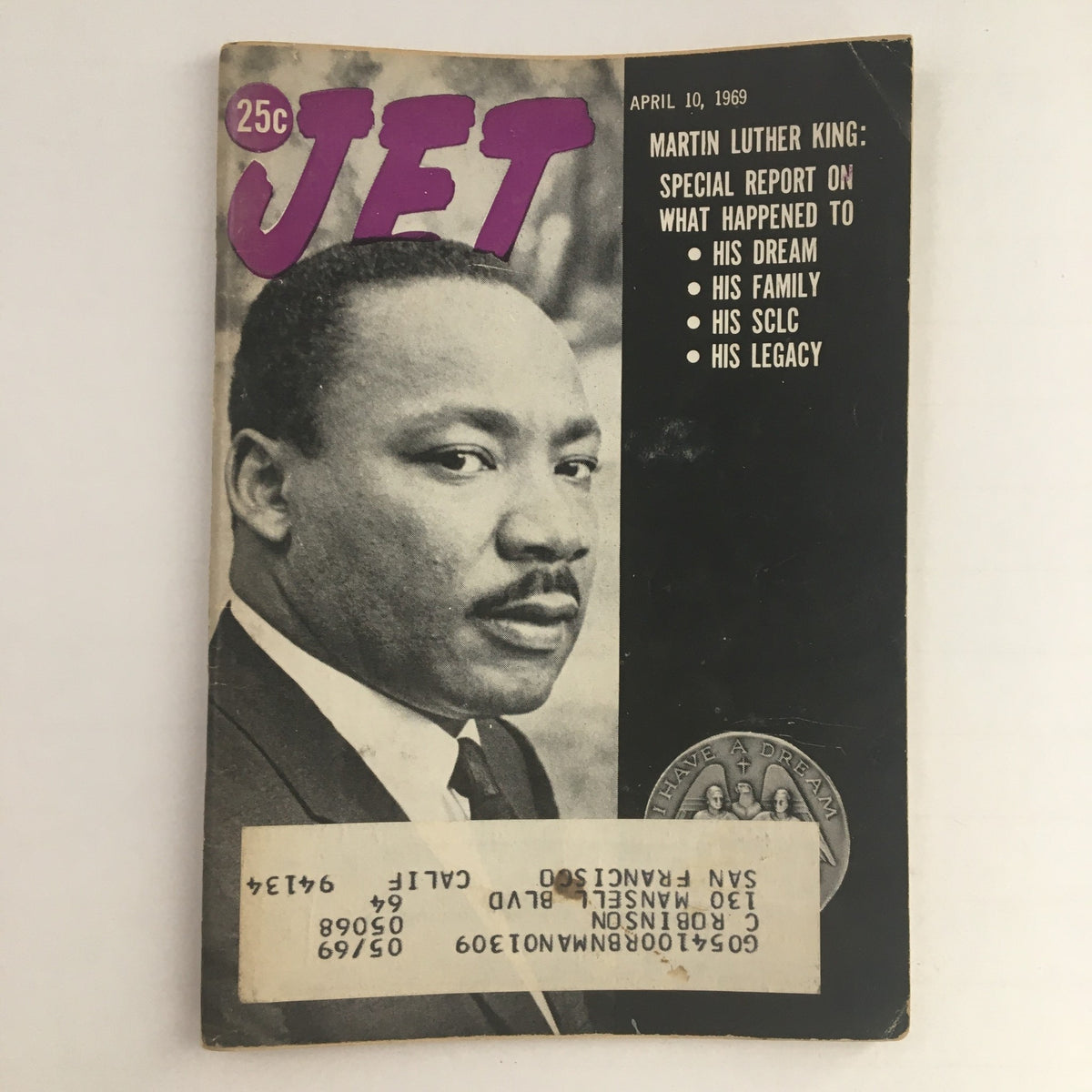
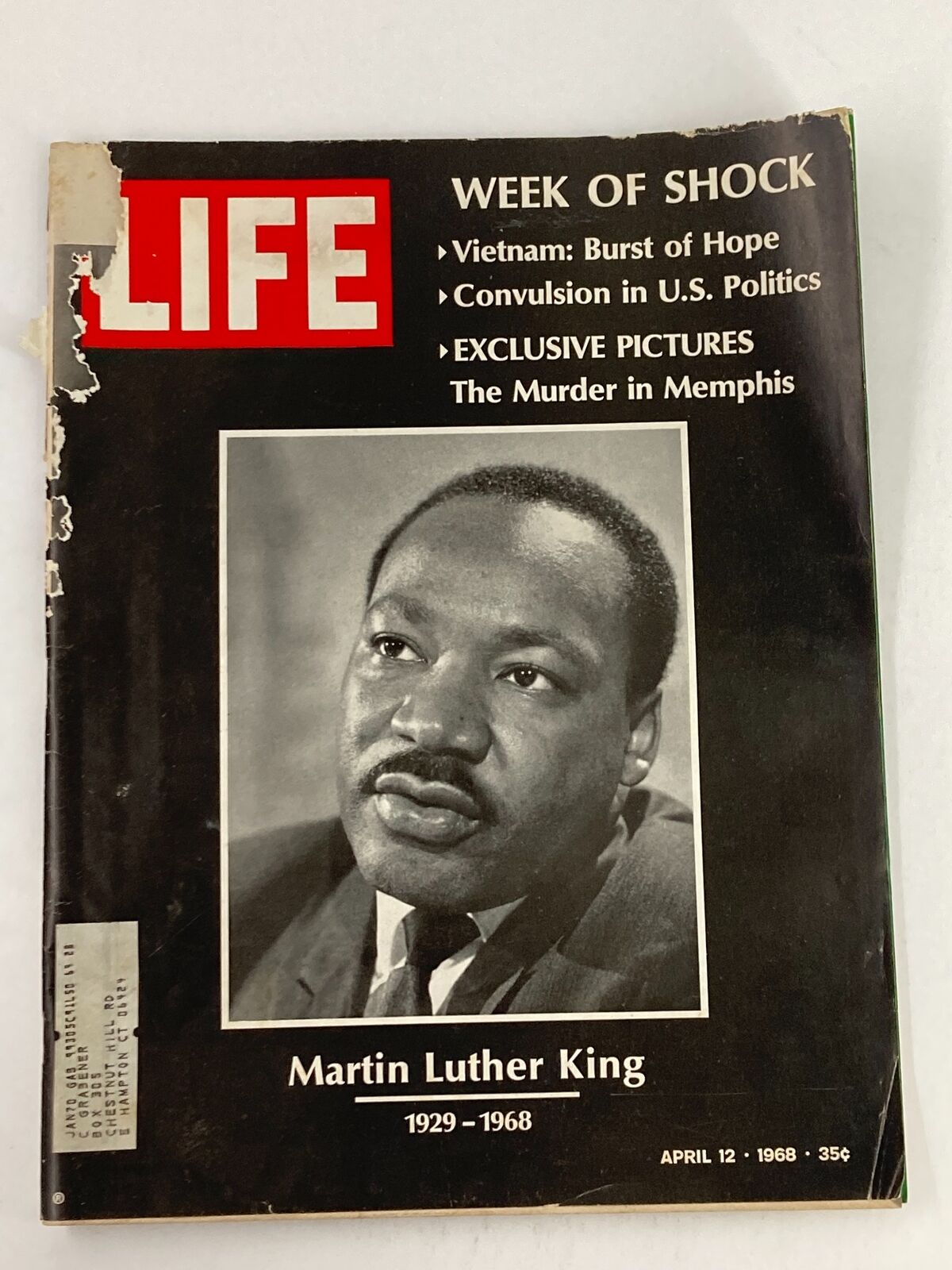
The era's most powerful publications deployed their finest photojournalists to chronicle every march, every arrest, every victory. Life and Look delivered sweeping visual narratives—King linking arms on the Selma bridge, kneeling in prayer before a wall of uniformed officers, his face illuminated by the flashbulbs of history. Ebony and Jet provided intimate access that mainstream outlets couldn't, capturing family moments with Coretta and the children, strategic sessions in church basements, the exhaustion behind the inspiration. Time and Newsweek framed the theological and political dimensions, printing his essays alongside analysis that tried—and often failed—to predict where his message would lead. These weren't just news stories; they were the first draft of a revolution being written in real time.
Curator's Checklist: Highlights Often Include
- The Man of the Year Coronation: Time's groundbreaking 1963 cover story that legitimized the movement for skeptical white America, complete with full-text speeches and commentary from allies and adversaries alike.
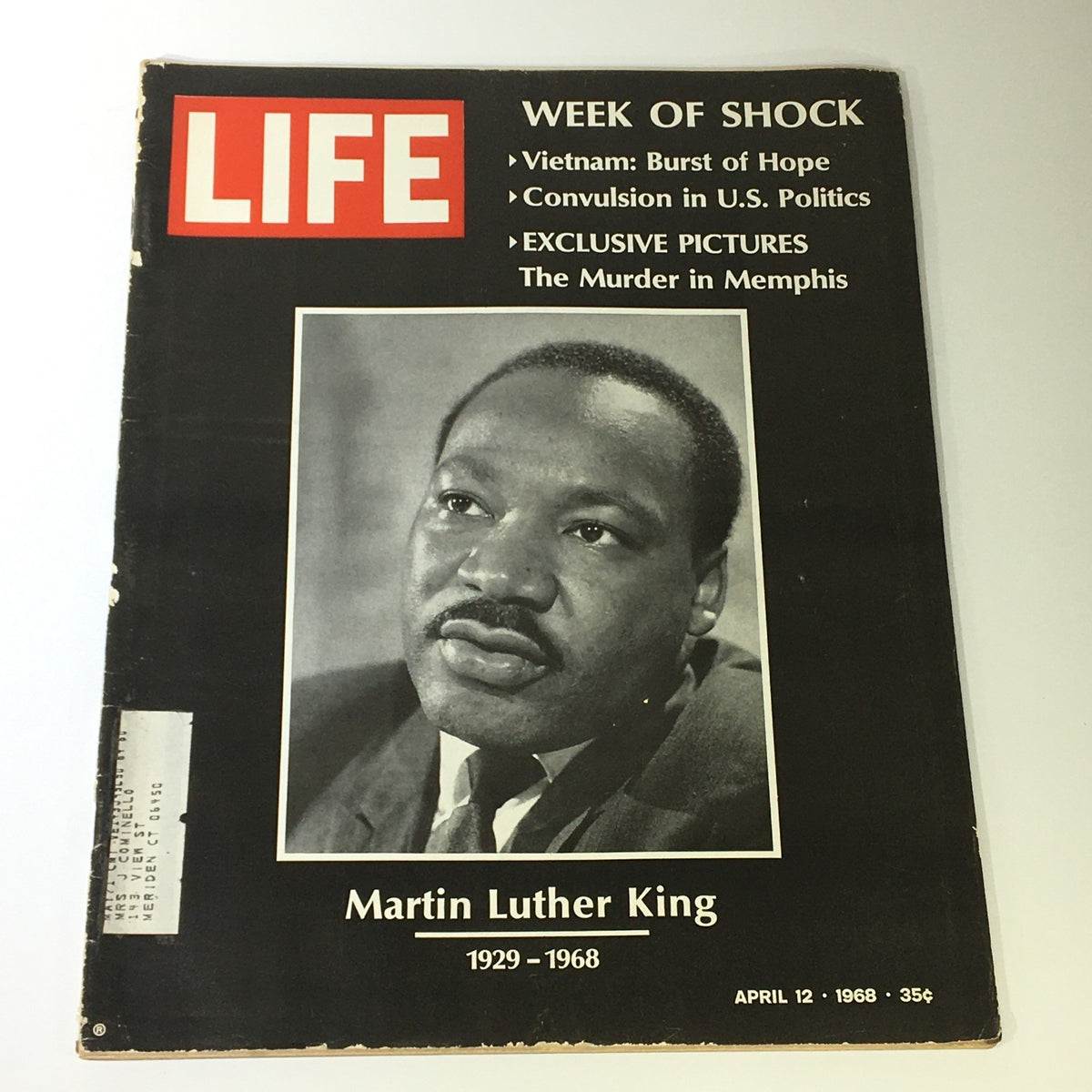
- Assassination Tributes: The immediate aftermath editions from April 1968—raw, grief-stricken issues rushed to press while the nation still burned, featuring eulogies, photo retrospectives, and the haunting images from the Lorraine Motel.
- Nobel Recognition: Coverage surrounding the 1964 Peace Prize ceremony in Oslo, where a 35-year-old Baptist minister from Georgia stood alongside world statesmen, validating nonviolence on the global stage.
- Primary Source Documents: Issues containing King's own words—excerpts from "Letter from Birmingham Jail," serialized portions of his books, op-eds on Vietnam and poverty that reveal the radical economic vision often airbrushed from his legacy.
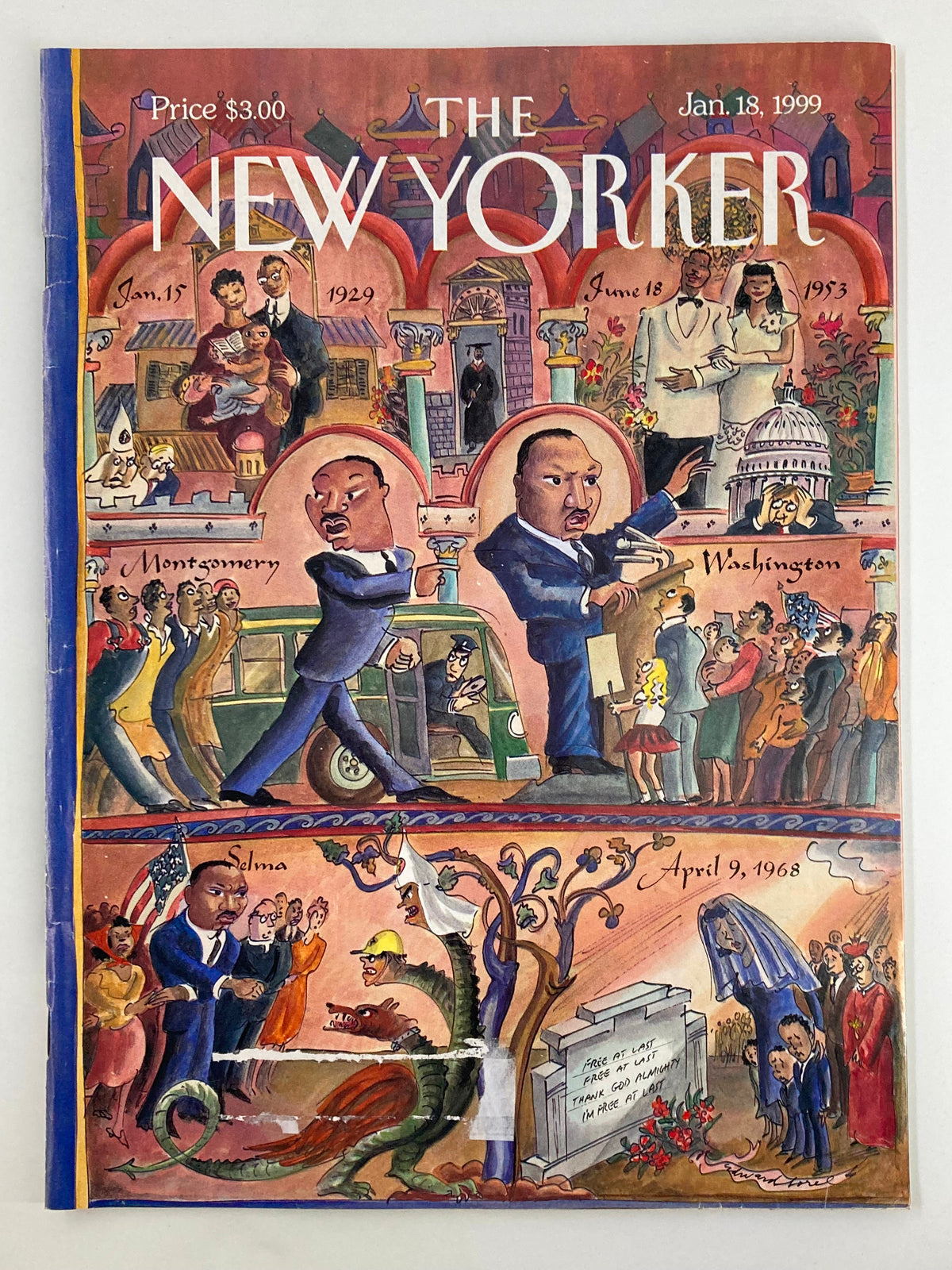
- Movement Milestones: Deep dives into Montgomery, Birmingham, and Selma—the strategic planning, the terror tactics of opposition, the ordinary people (Rosa Parks, John Lewis, children facing down dogs) who became extraordinary under his leadership.
The Collector's Value
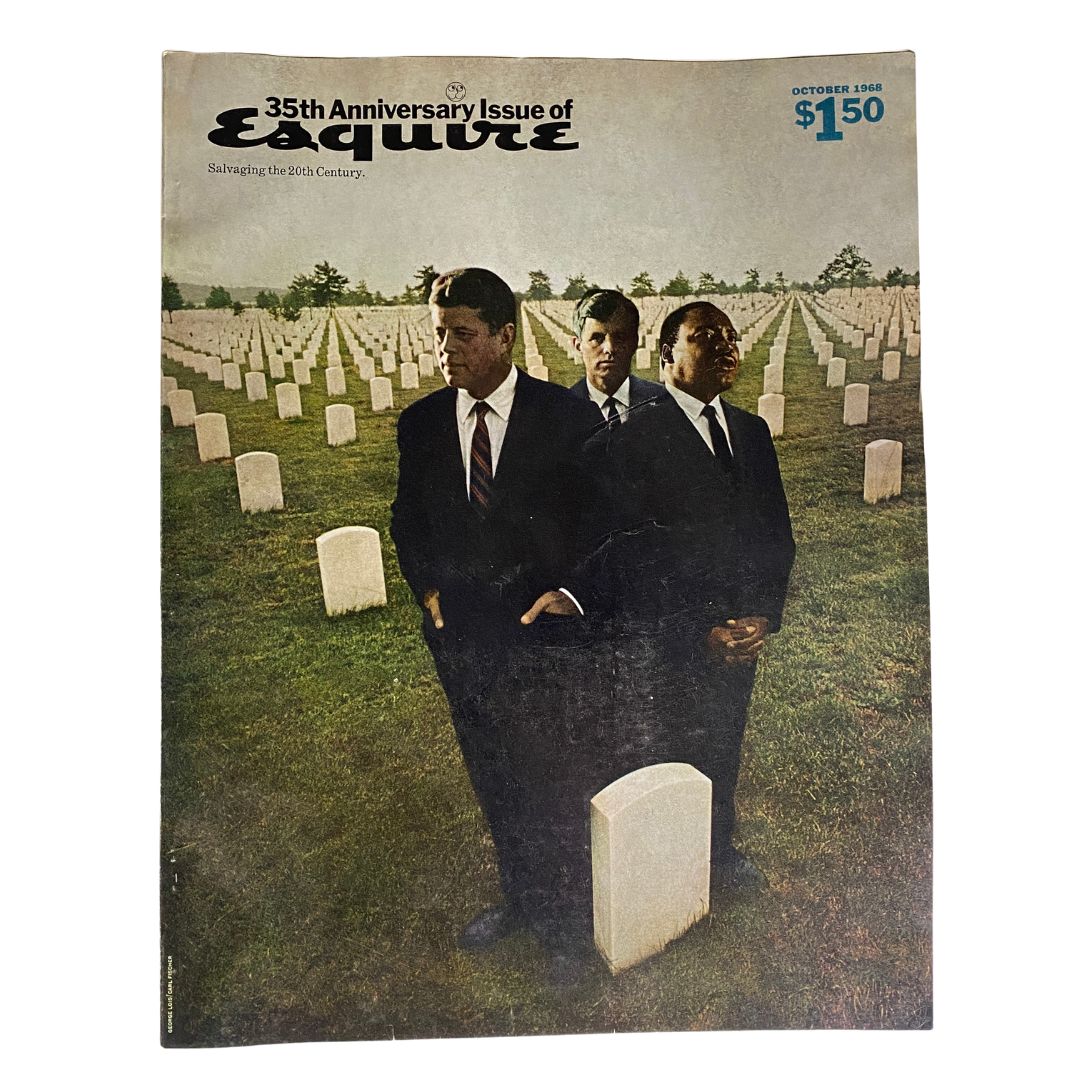
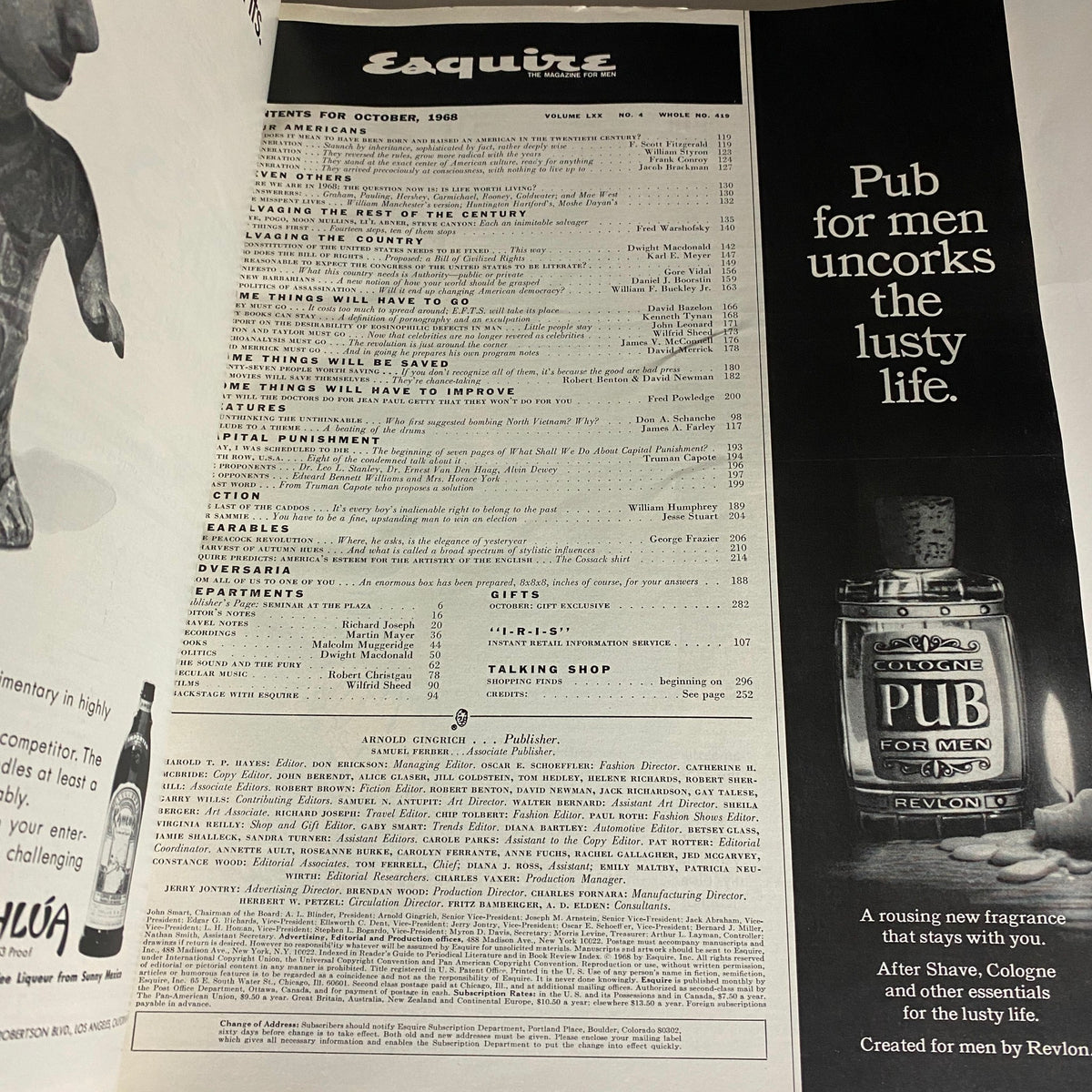
These original publications do what modern reprints and digital archives cannot: they place you in the exact temporal context when Americans opened their mailboxes and breakfast tables to confront the most urgent moral question of the century. The advertisements, the adjacent articles, even the paper stock itself—all testify to a moment when the nation's comfortable routines were interrupted by a prophet demanding something better. Owning an original issue means possessing not just history, but the specific vehicle through which that history was delivered, debated, and eventually embraced. Explore our current inventory below to discover which chapter of this transformative legacy is available today.