📖 About this Collection
Mary Lou Retton: America's Golden Girl Frozen in Print
The Legend & The Legacy
In the summer of 1984, a sixteen-year-old girl from Fairmont, West Virginia vaulted herself into the permanent mythology of American sport — and into the living rooms of a nation watching on television sets with bated breath. Mary Lou Retton's perfect 10 on the vault at the Los Angeles Olympics was more than an athletic achievement; it was a cultural crystallization, arriving at a moment when Ronald Reagan's "Morning in America" was searching for exactly this kind of radiant, uncomplicated hero. In an era before social media, before highlight reels and instant replays lived in your pocket, the public processed her triumph through the slow, deliberate ritual of print — the magazine arriving in the mailbox, the cover studied over breakfast, the pages passed between neighbors and coworkers. She became the first American woman to win the Olympic all-around gymnastics title, and the press responded with a volume and reverence typically reserved for heads of state and movie stars. Her gap-toothed smile and coiled, explosive energy became one of the defining visual icons of the decade.
Inside the Archive
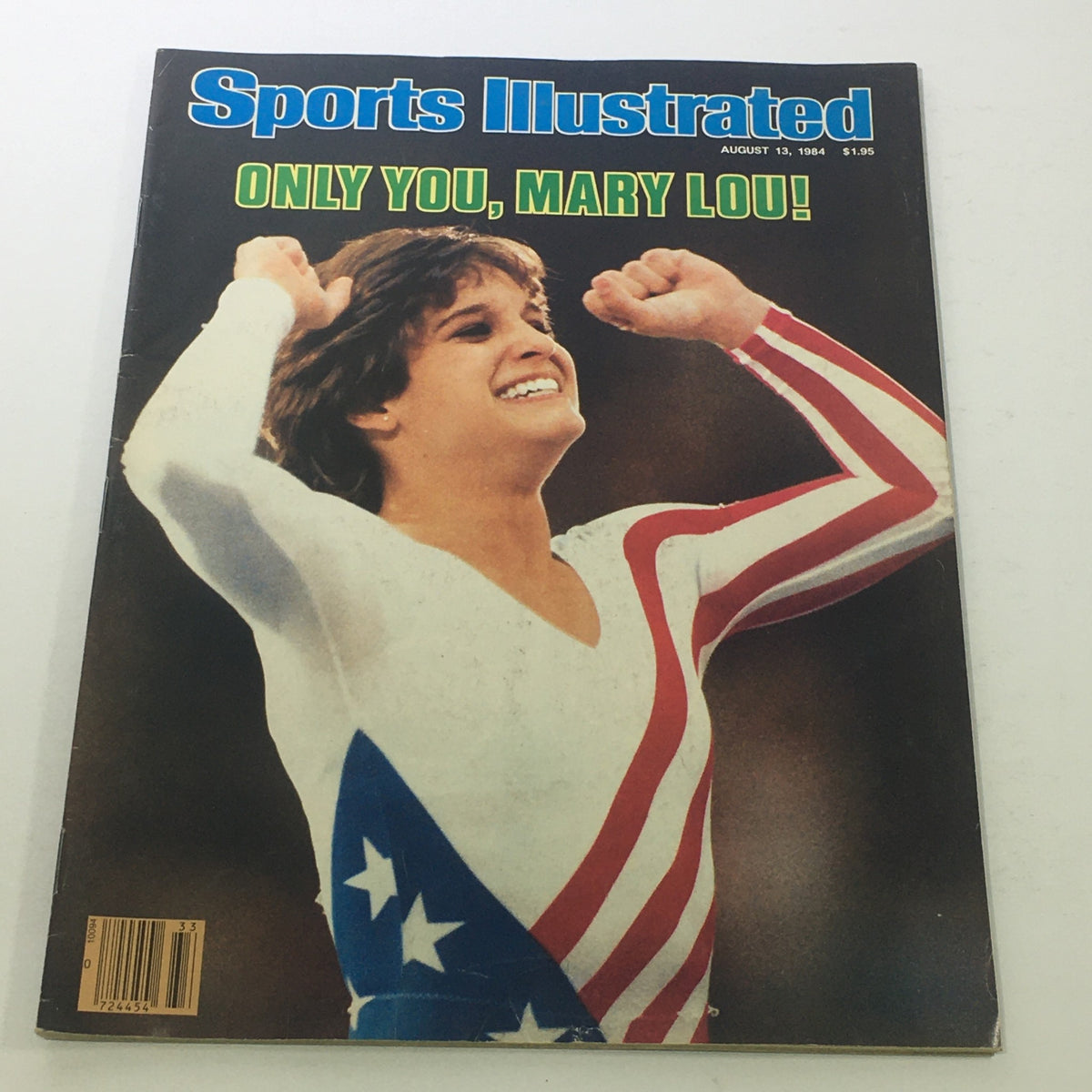
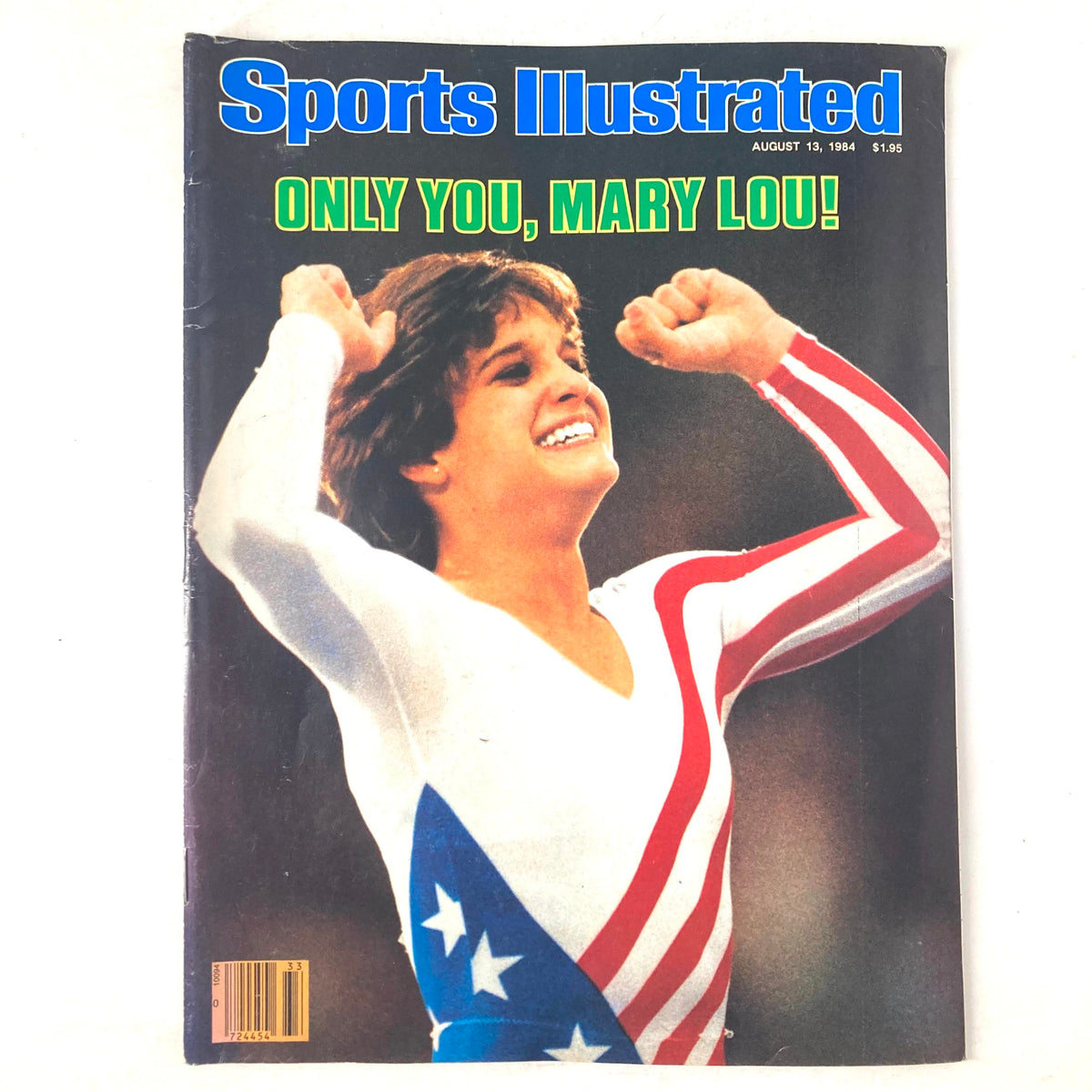
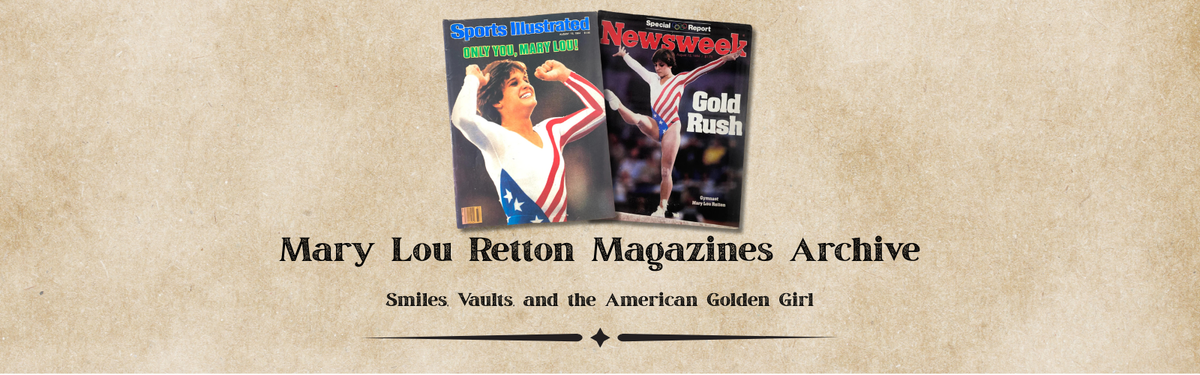
The photographic treatment of this young champion across the press was as dynamic as her routines — editors and photographers scrambled to capture both the athlete and the symbol she had become almost overnight. Sports Illustrated ran some of the era's most technically arresting action photography, freezing her mid-flight in images that communicated the sheer physical improbability of what she was doing, while their profile pieces wrestled seriously with her place in the broader narrative of American athletics. Life magazine, in its storied tradition of turning contemporary figures into historical monuments, approached her with the gravitas of portraiture — the kind of full-page imagery meant to be torn out and preserved, not merely read. TIME placed her among the cultural vanguard of the 1980s, treating her gold medal performance as emblematic of national renewal, a story as much about the country as about the girl. International sports publications and European gymnastics-centric titles brought a more technically analytical eye to her legacy, particularly in the context of Eastern Bloc dominance that her victory so dramatically interrupted. The editorial tone across these outlets was uniformly reverential — here, the press seemed to agree unanimously, was something worth remembering.
Curator's Checklist: Highlights Often Include
- Olympic triumph coverage from August 1984 — issues published in the weeks immediately following the Los Angeles Games, featuring action photography from the vault and medal ceremony, with editorial copy still electric with the shock of a perfect score
- Cereal box and commercial crossover features — profiles exploring her unprecedented transition into mainstream celebrity endorsement, marking one of the first times a gymnast became a truly mass-market American icon
- Year-end retrospectives and "Athlete of the Year" issues from 1984–1985, in which editors placed her performance within the wider sweep of Olympic history and Cold War sporting rivalry
- Human interest and hometown narratives — long-form pieces from regional and national publications tracing her origins in Fairmont, her training under Béla Károlyi, and the family story that anchored her all-American persona
- Women in sport milestone features — anniversary and commemorative issues revisiting the 1984 Games, in which she is frequently cited as a turning point in the visibility and commercial viability of women's gymnastics in America
The Collector's Value
To hold one of these original issues is to hold the actual moment — not a digital reproduction, not a scanned archive, but the precise artifact that a family in 1984 pulled from their mailbox the week the world fell in love with a teenager from West Virginia. The paper stock of the era carries its own testimony: the slight yellowing at the margins, the particular weight of a glossy Sports Illustrated cover, the rich ink saturation of a Life photograph printed when print was still the undisputed king of visual culture. The surrounding advertisements are themselves a portal — the cars, the perfumes, the television sets — that place the athlete's story inside the full texture of the era in a way no digital archive can replicate. These are primary sources in the truest sense, produced without the mediating filter of retrospect, capturing the raw, immediate response of a culture witnessing greatness in real time. For collectors of Olympic memorabilia, 1980s Americana, or women's sporting history, these publications offer an irreplaceable and deeply personal connection to one of the twentieth century's most beloved athletic moments. Explore our currently available inventory below and discover which pieces of this remarkable story are waiting to find their next custodian.