📖 About this Collection
Mary Tyler Moore: She Turned the World On
The Legend & The Legacy
Few figures in the second half of the twentieth century so quietly and completely rewrote the rules of American womanhood as the luminous actress and cultural pioneer who made a single Minneapolis newsroom feel like the center of the universe. Rising to prominence first as the razor-sharp Laura Petrie on The Dick Van Dyke Show in the early 1960s, she embodied a new kind of woman — witty, self-possessed, and unmistakably modern — at a moment when television was still figuring out what women were allowed to be. By the time The Mary Tyler Moore Show premiered in 1970, she had become something far larger than a star: she was a mirror held up to an entire generation of women entering the workforce, living independently, and daring to build a life on their own terms. In an era before social media or instantaneous commentary, it was the glossy, ink-and-paper world of magazines that carried her image into living rooms across the country, week after week, month after month, building a mythology that felt both aspirational and deeply intimate.
Inside the Archive
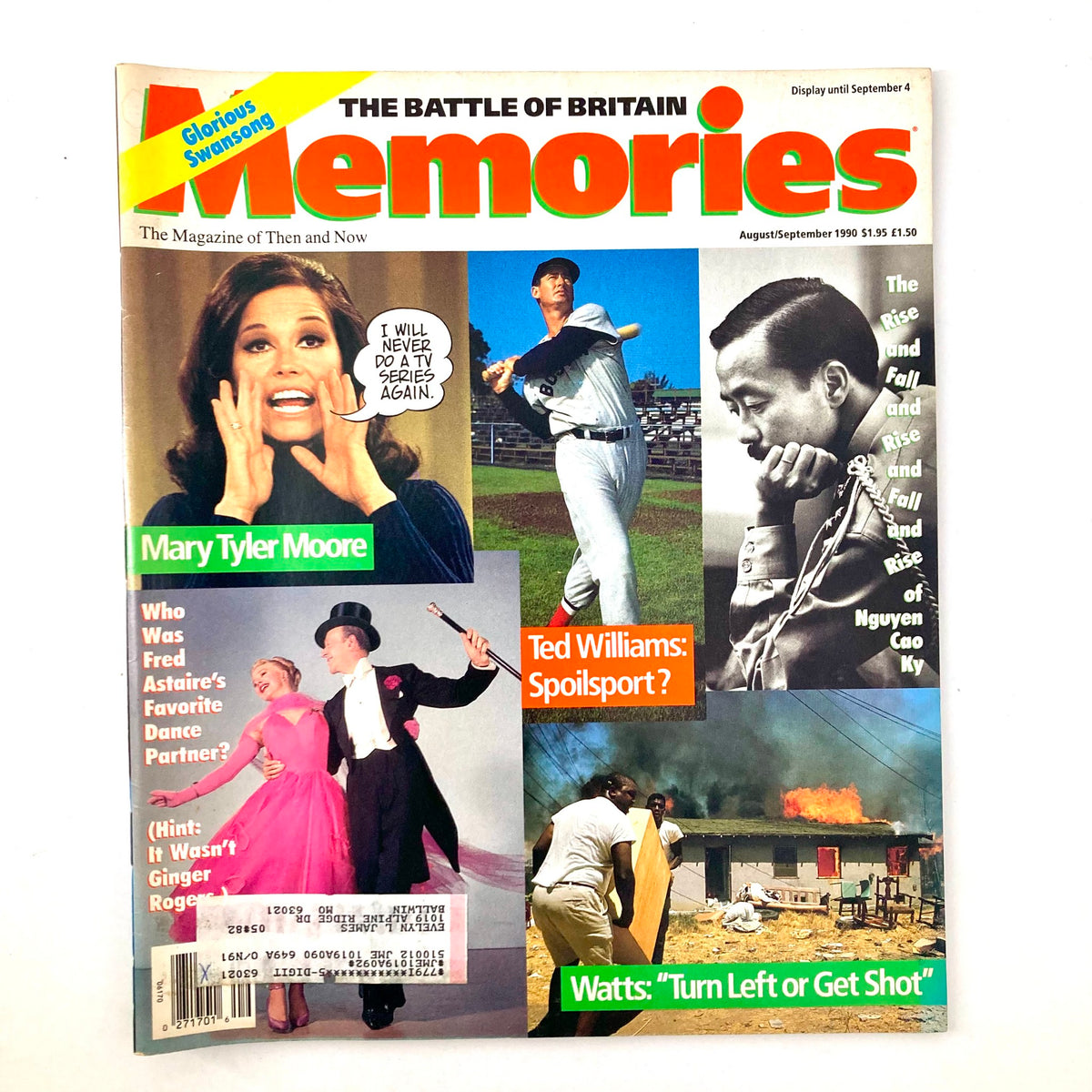
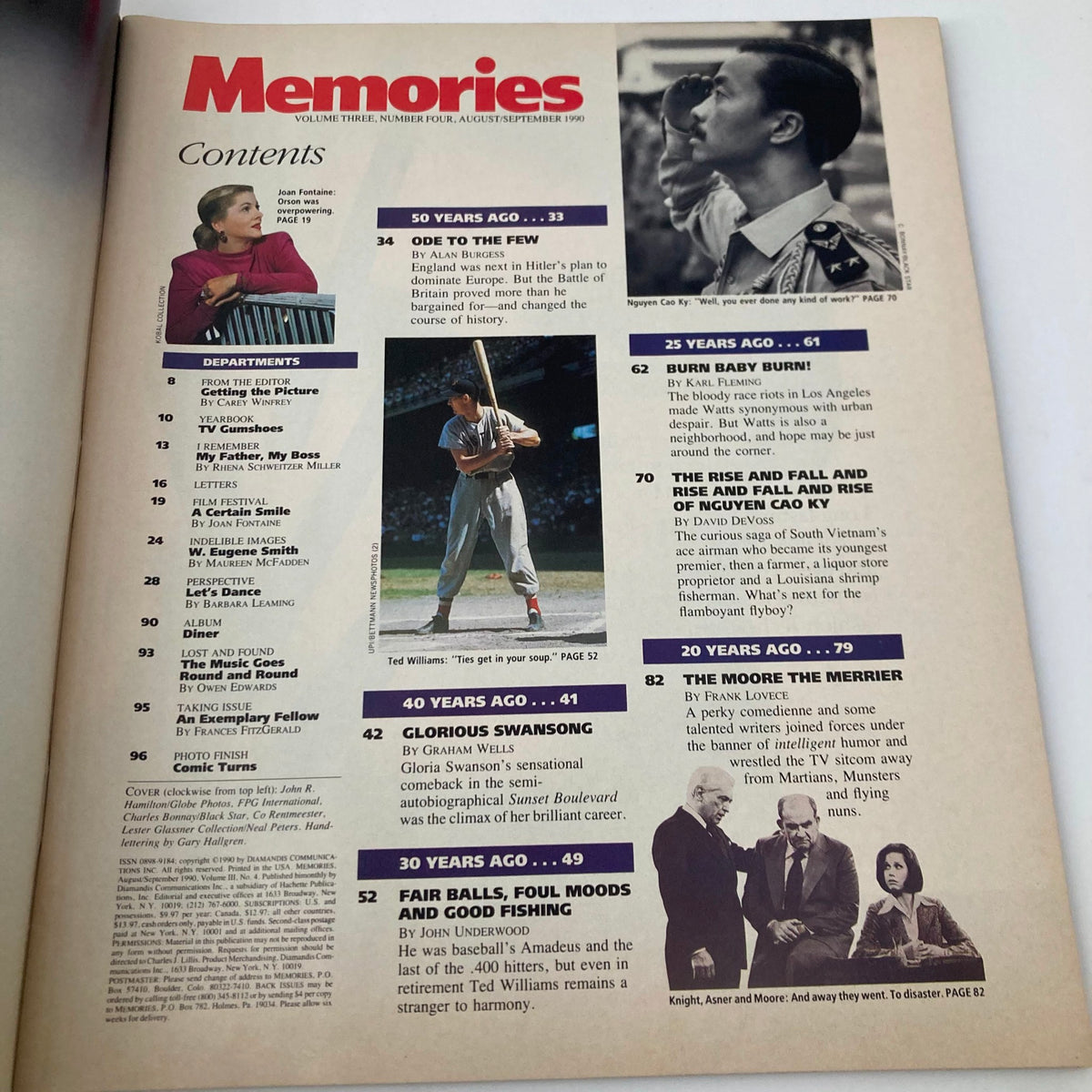
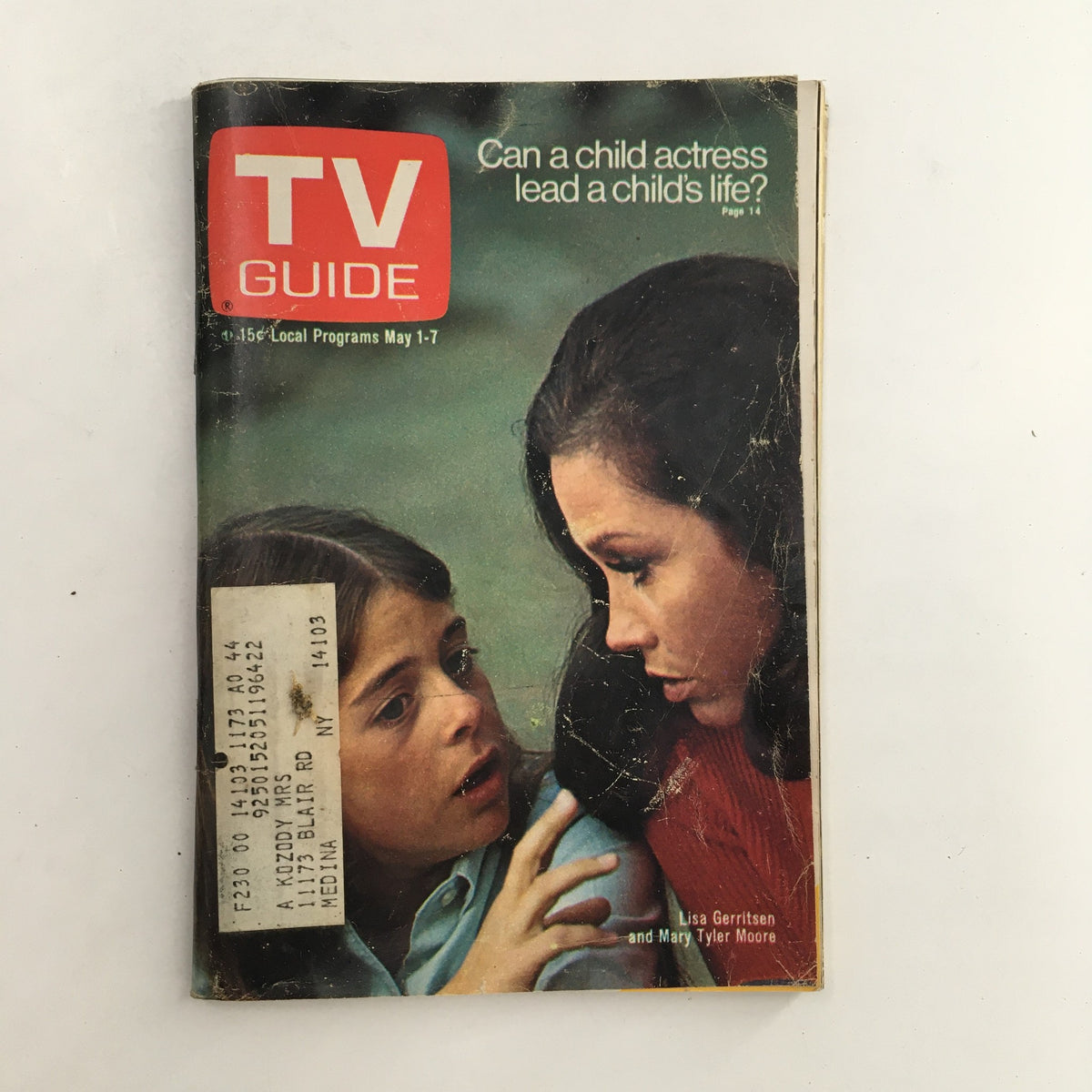
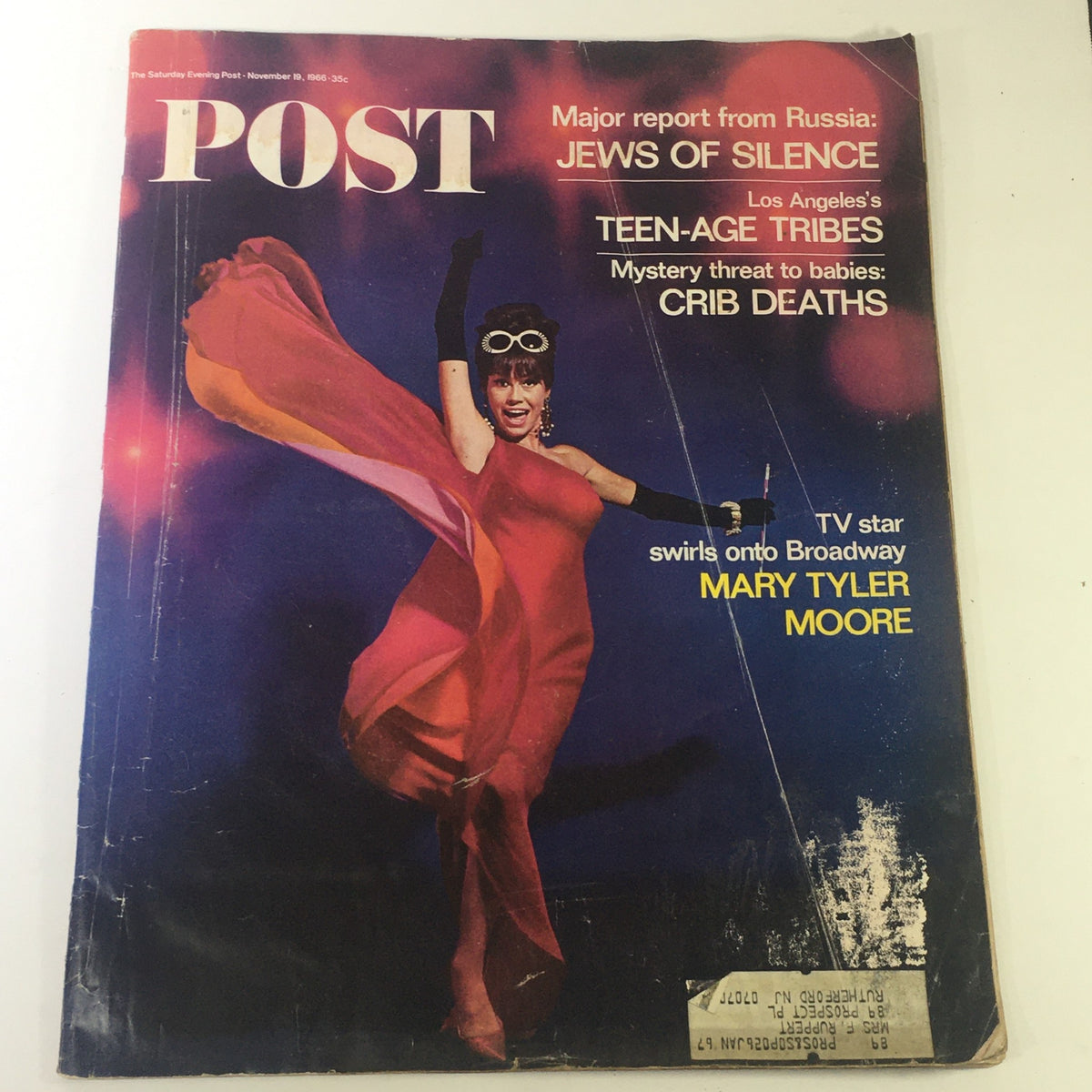
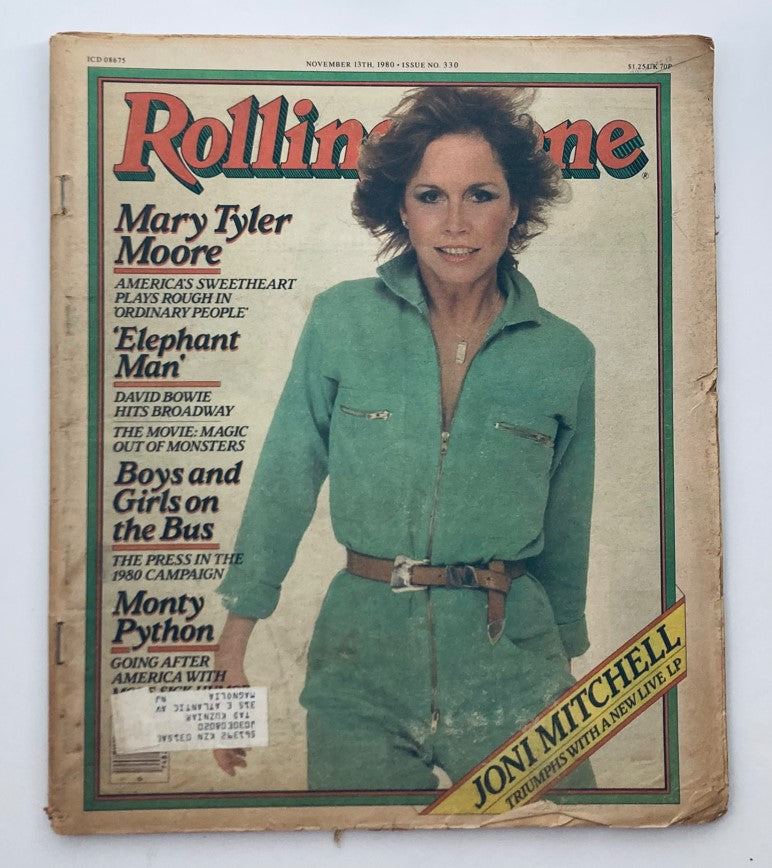
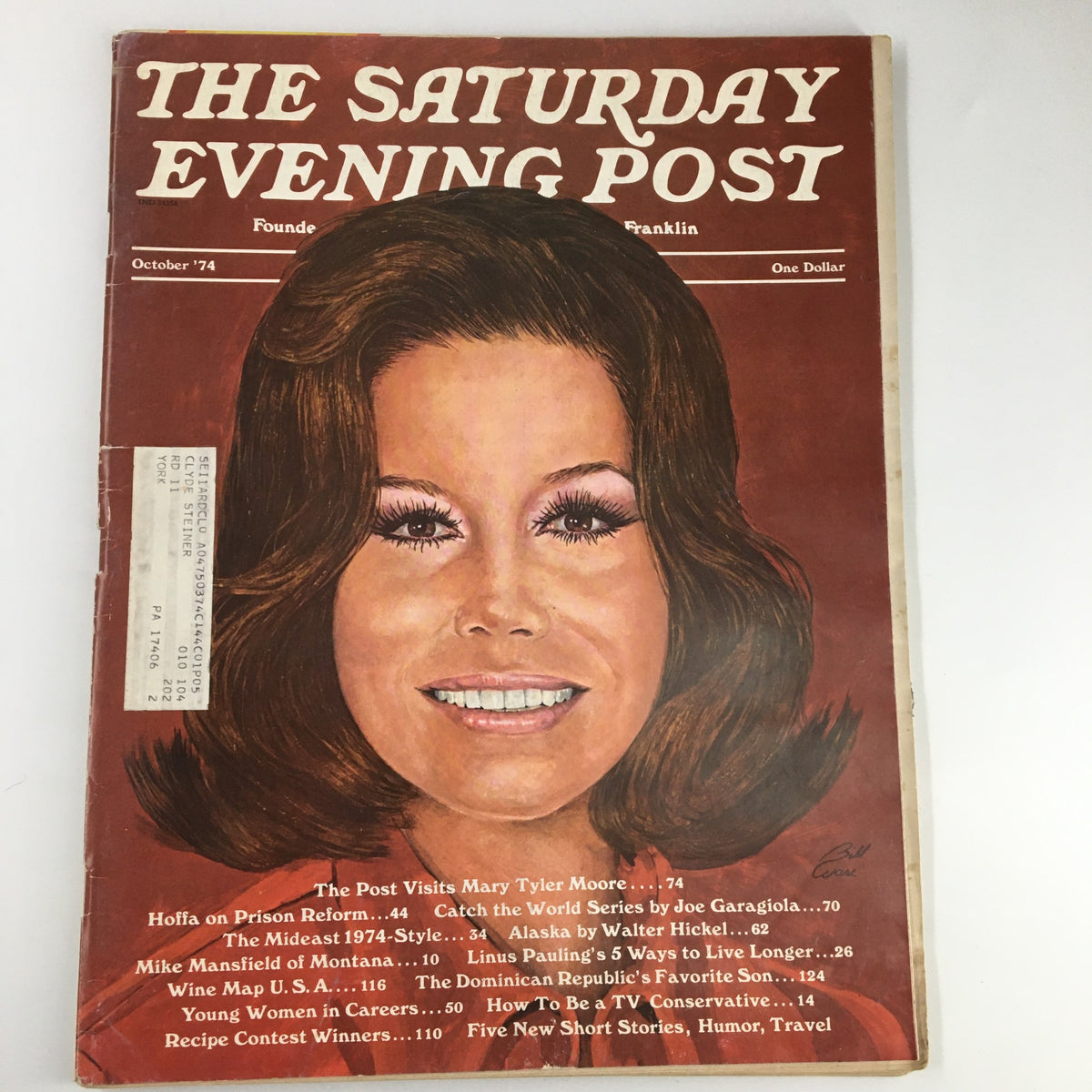
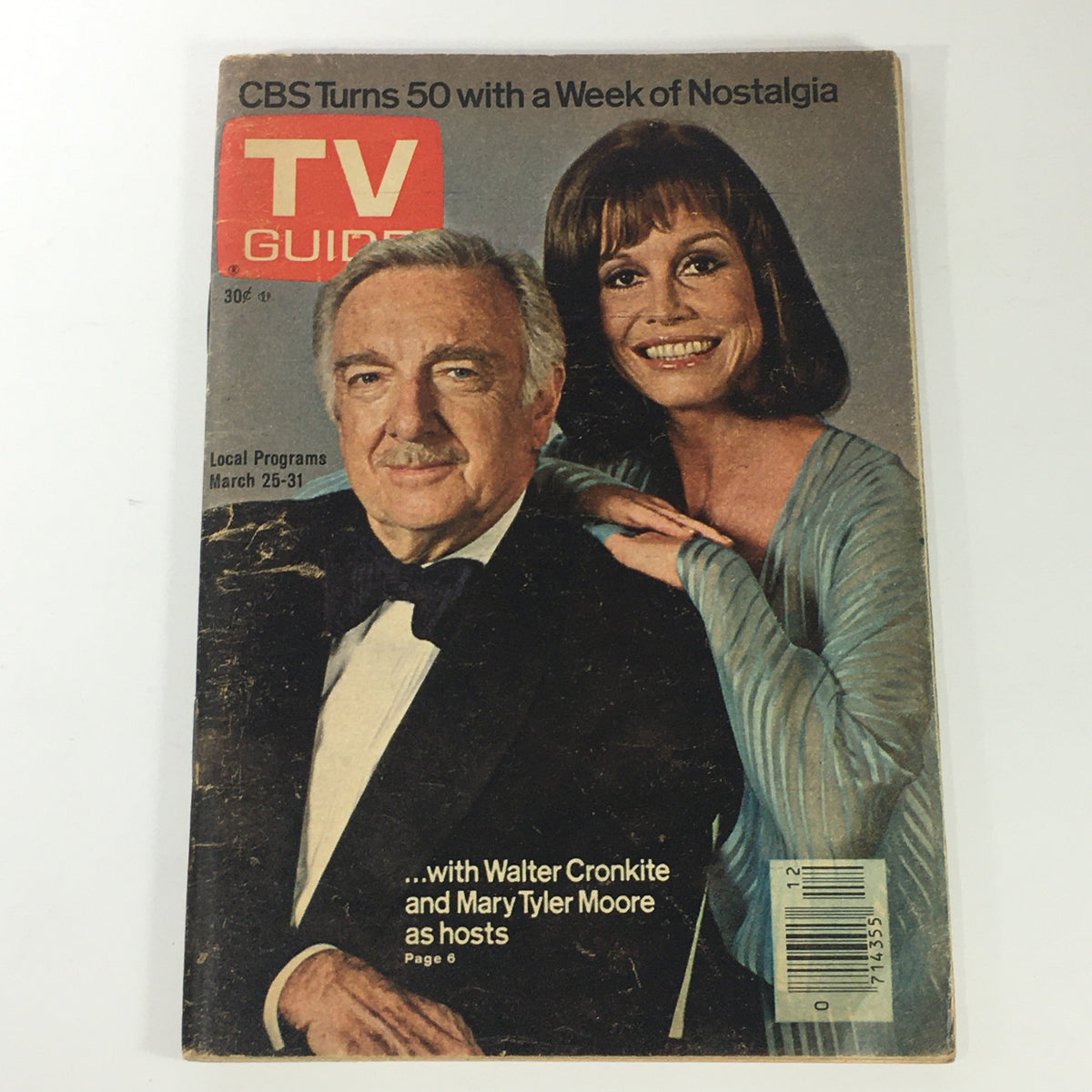
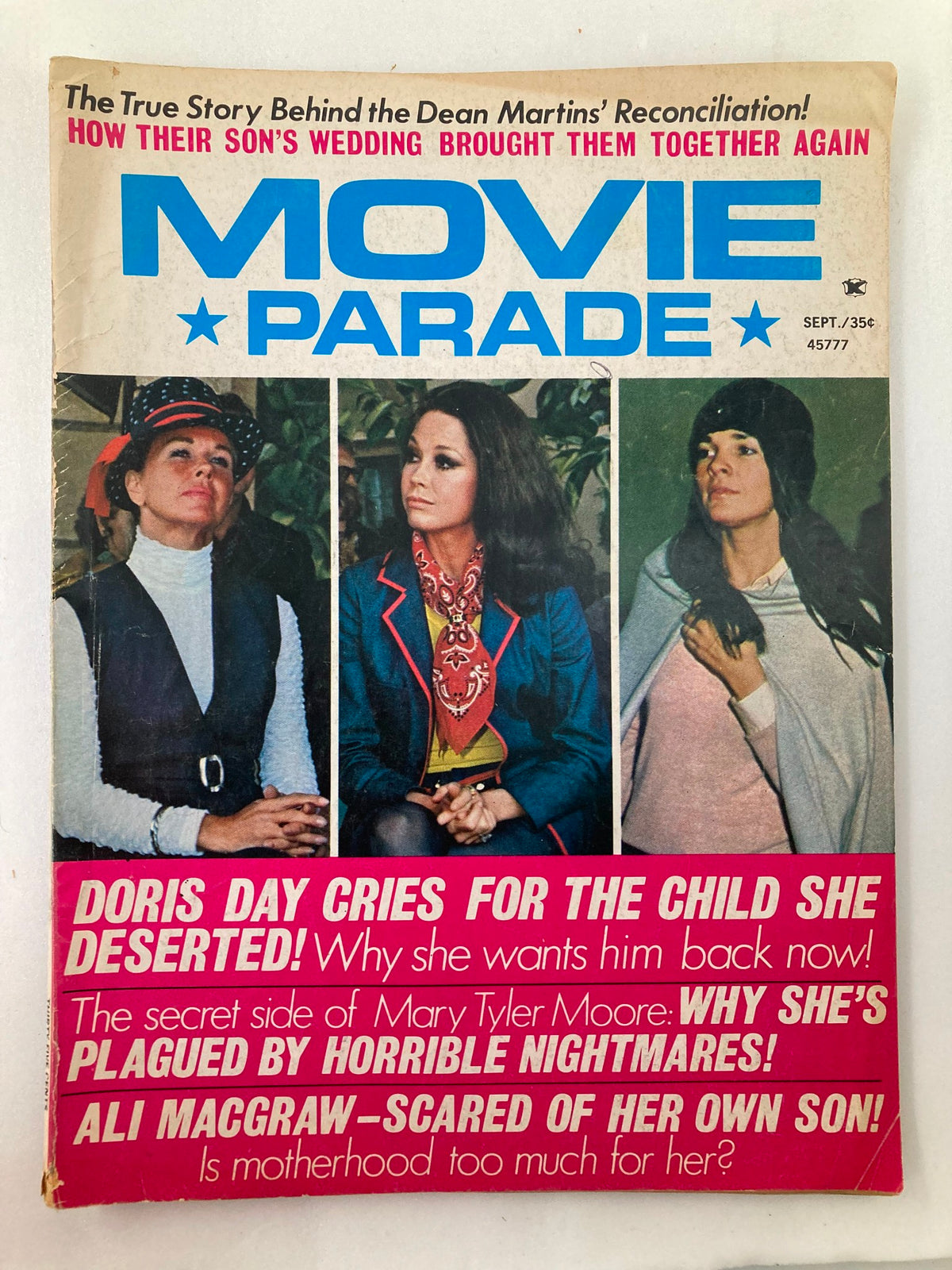
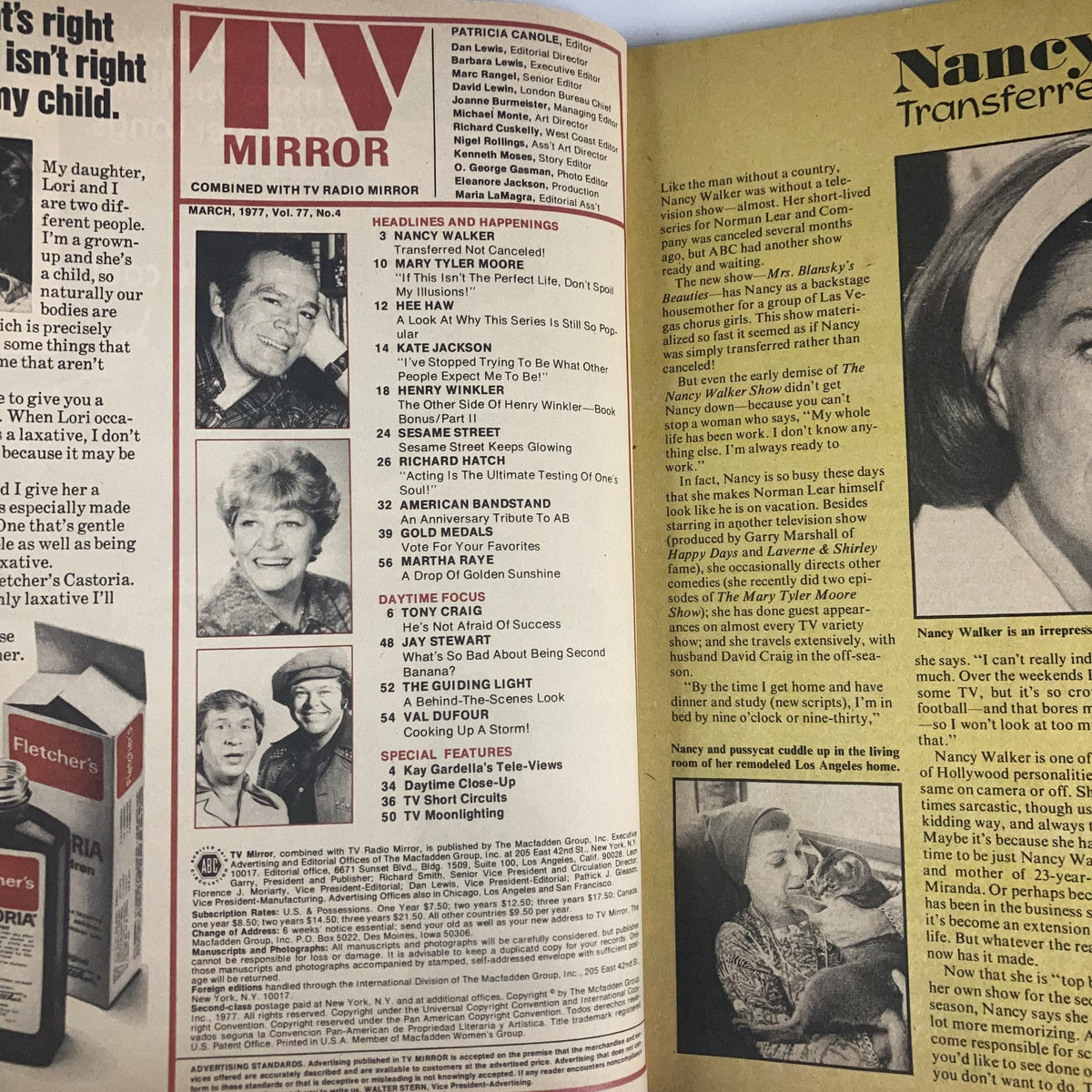
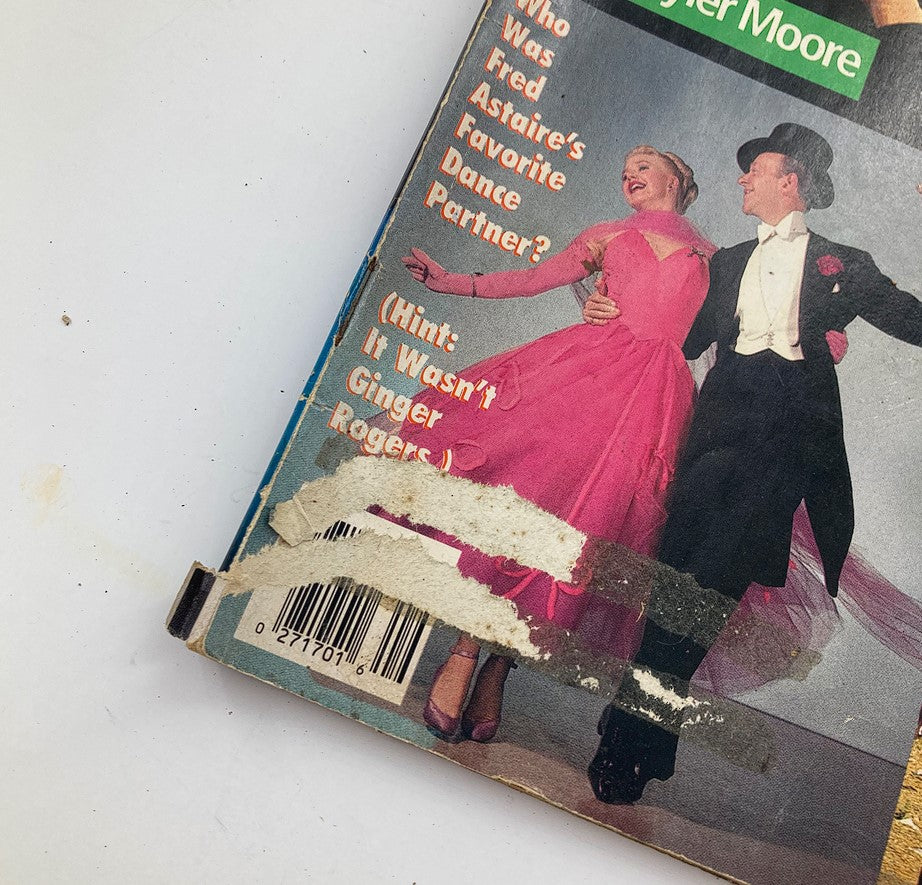
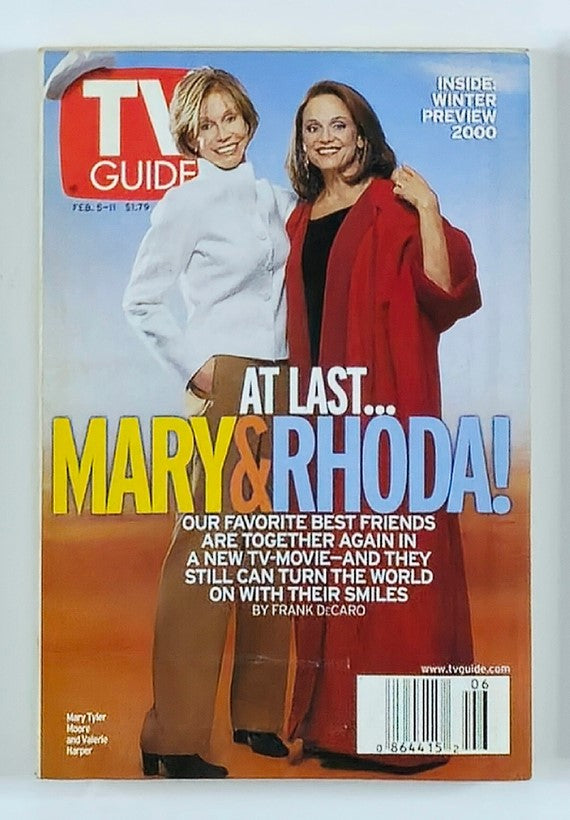
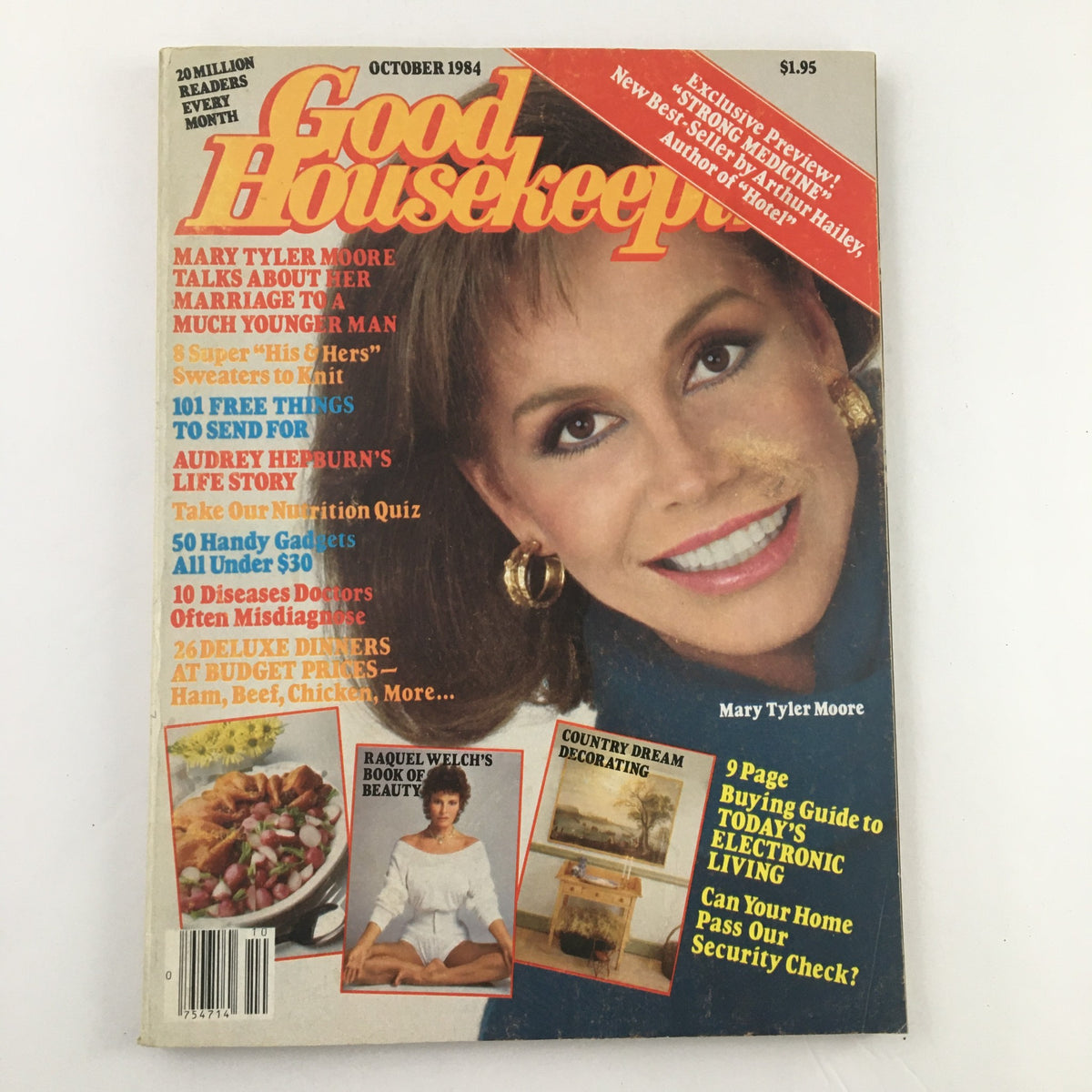
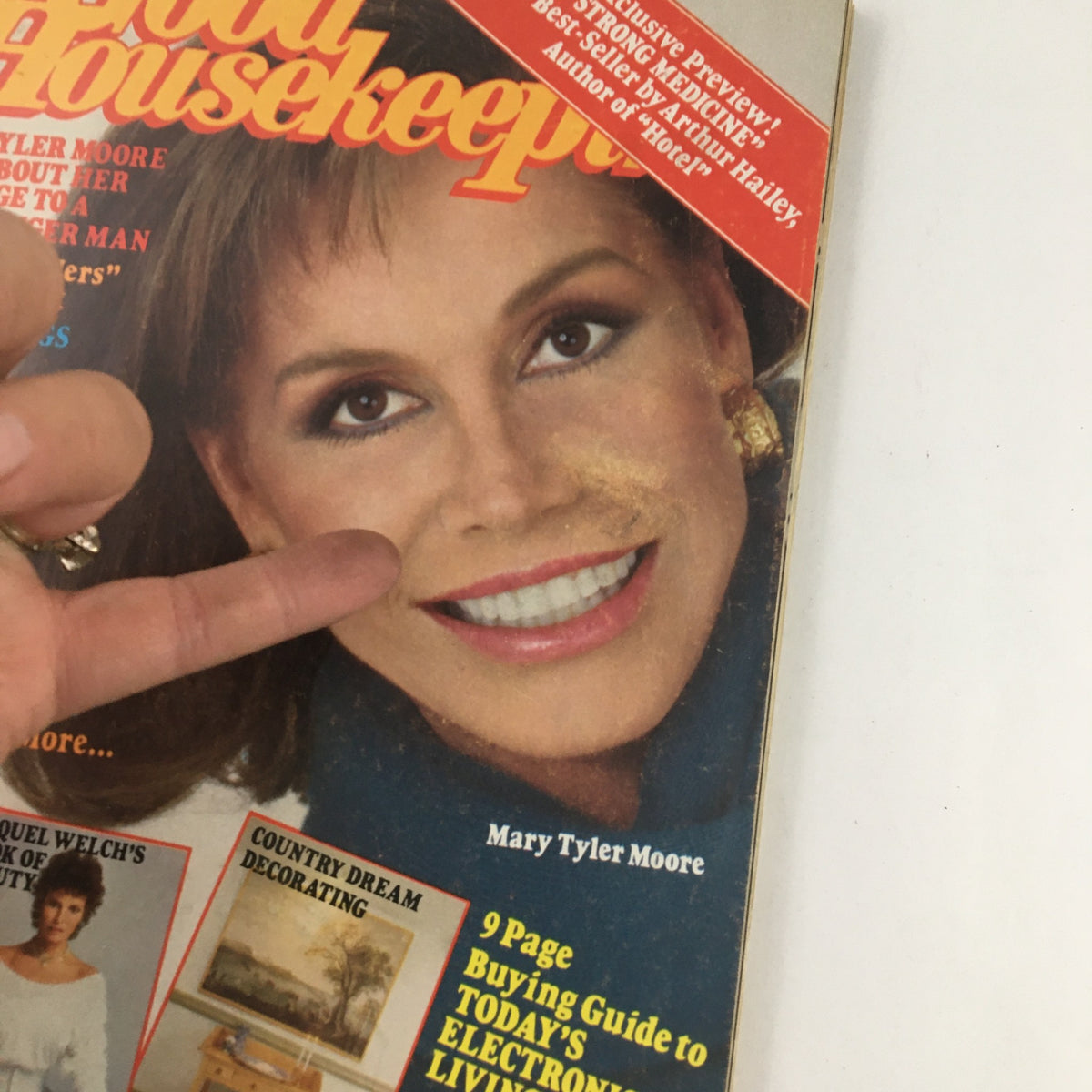
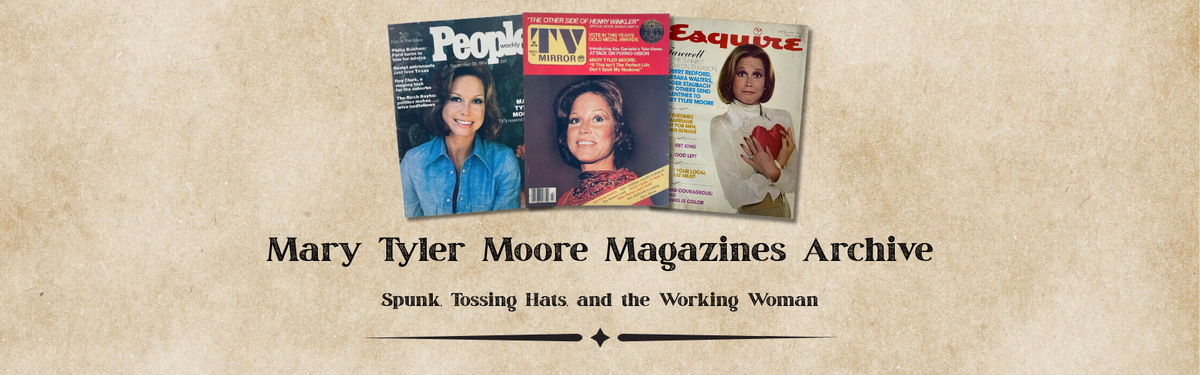
The magazines of the 1960s and 1970s loved her for the same reasons audiences did — she was photogenic in a way that felt effortless rather than manufactured, and her story gave editors a rare gift: a genuine cultural conversation to anchor their covers. TV Guide chronicled her ascent with the devoted frequency of a house publication, capturing her in both candid behind-the-scenes portraits and the kind of warm, polished studio photography that defined the era's celebrity aesthetic. Life magazine, in its expansive, large-format glory, treated her with the gravity typically reserved for stateswomen and cultural icons, running features that examined not just her career but what she meant — to working women, to comedy, to a country in the midst of profound social change. Meanwhile, McCall's and Ladies' Home Journal brought her into the domestic sphere with a different kind of intimacy, profiling her personal life, her philanthropy, and her battles with diabetes and personal loss with a candor that made readers feel they truly knew her. The photography across these publications is a study in contradictions beautifully resolved: she could be glamorous and goofy, composed and vulnerable, all on the same page.
Curator's Checklist: Highlights Often Include
- Landmark cover appearances from the early 1970s coinciding with the cultural peak of The Mary Tyler Moore Show, when the series was generating national conversation about single working women and feminist identity
- In-depth profile features examining her transition from the domestic comedy sweetheart of The Dick Van Dyke Show to the groundbreaking independent woman she portrayed — and embodied — in her own series
- Awards season coverage from the era of her multiple Emmy wins, with editorial spreads reflecting the industry's growing recognition of her as a dramatic and comedic force of the first order
- Features tied to her 1980 dramatic turn in Ordinary People, for which she received an Academy Award nomination, marking a pivotal and widely covered reinvention that fascinated the press
- Human interest and advocacy coverage related to her decades-long work with the Juvenile Diabetes Research Foundation, offering a more personal and poignant dimension to her public life
The Collector's Value
To hold one of these original issues is to hold a small, perfectly preserved window into a world before everything became instant. The paper stock of a 1972 TV Guide has a particular lightness to it, the pages slightly brittle at the edges, the ink carrying that faintly sweet, almost dusty fragrance that no digital archive can replicate. The advertisements surrounding her image — for pantyhose, for dishwashers, for cigarettes and station wagons — are themselves a time capsule, framing her story within the full texture of the era in which she lived it. These were not produced for posterity; they were produced for Tuesday morning, for the coffee table and the dentist's waiting room, which makes their survival all the more remarkable and their authenticity all the more profound. For collectors of vintage television memorabilia, second-wave feminist history, or mid-century American popular culture, these publications offer primary source material of the rarest kind — unmediated, unrestored, and alive with the energy of the moment they were made. Explore the current available inventory below and find the piece of history that belongs in your collection.