📖 About this Collection
Maury Povich: The Voice That Brought America to the Table
The Legend & The Legacy
Long before the algorithm decided what stories mattered, Maury Povich was the man who looked America in the eye and told it the truth — or at least, the truth it was most hungry to hear. Rising through the ranks of local television journalism in Washington, D.C., he became a fixture of the American living room across multiple decades, first as a credible newsman and later as the undisputed king of a particular kind of daytime television that was equal parts spectacle and sincerity. His program became a cultural institution in the 1990s and 2000s, a time when daytime talk shows weren't merely entertainment but a genuine national conversation — broadcast into homes, diners, and waiting rooms across the country. In an era when print media was still the primary record of pop culture, the tabloid press, entertainment weeklies, and television guides tracked his rise with the same breathless attention they gave to presidents and pop stars. He was, in every sense, a man of his media moment.
Inside the Archive
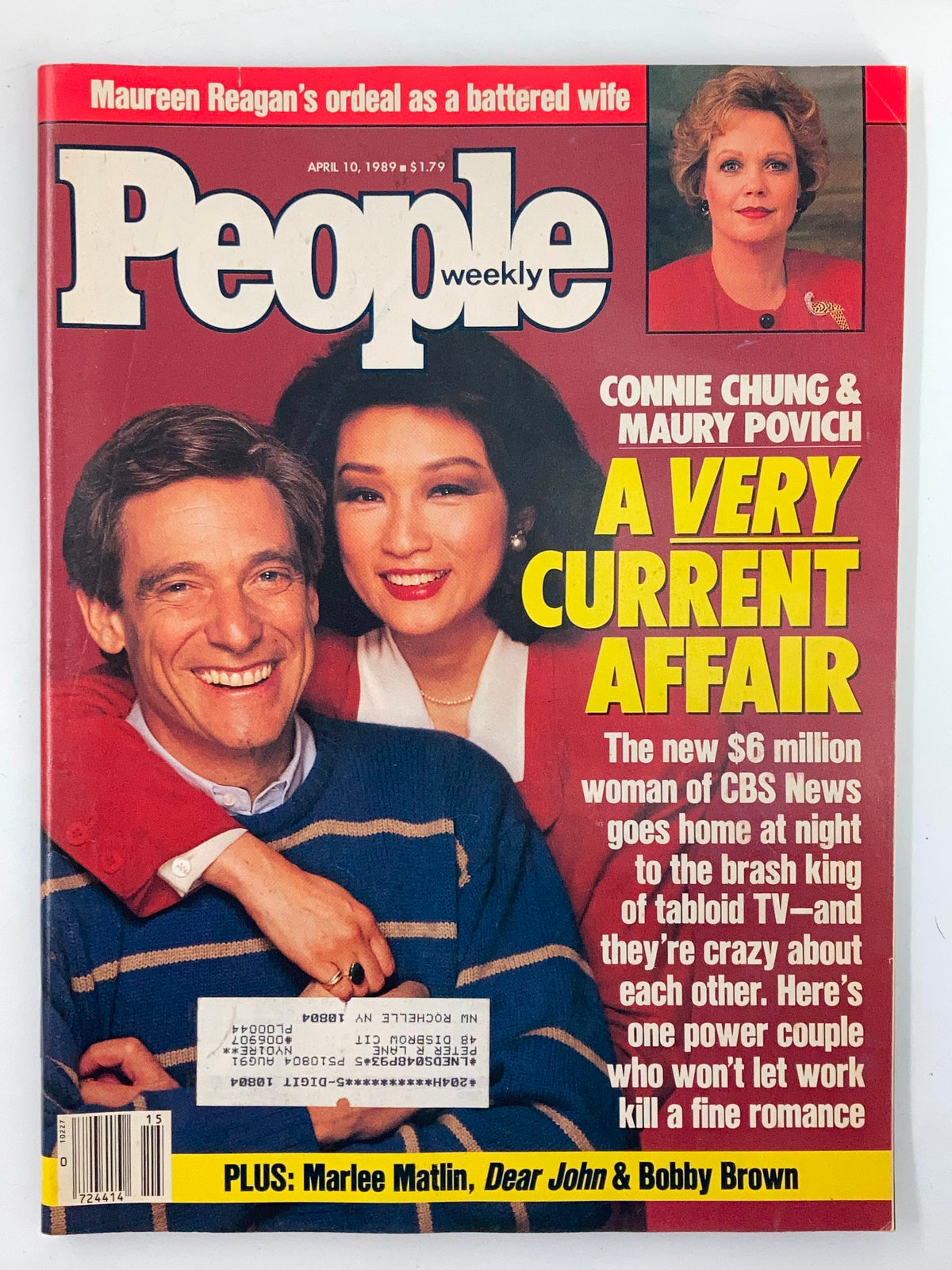
Vintage magazines captured the host's journey with a fascinating editorial duality — treating him first as a serious broadcast journalist deserving of measured, respectful profiles, and later as a pop culture phenomenon worthy of splashy, irreverent cover treatment. In his earlier career, publications like TV Guide — the most widely circulated magazine in America at its peak — profiled him as part of a new generation of telegenic newsmen reshaping local and national broadcasting. As daytime television exploded into a cultural battleground in the late 1980s and 1990s, People magazine brought him into its orbit of celebrity profiles, examining both his professional ascent and his high-profile personal life, including his celebrated marriage to journalist Connie Chung. Meanwhile, entertainment-focused publications such as Entertainment Weekly dissected the daytime talk wars with sharp, knowing prose, placing him alongside rivals and contemporaries in features that now read as extraordinary time capsules of a vanished media landscape. The photography of the era favored the polished, studio-lit portrait — an anchor's composure translated onto the glossy page.
Curator's Checklist: Highlights Often Include
- Early broadcast journalism profiles from Washington, D.C.-area publications and national television trade press, documenting his pre-talk-show career as a respected news anchor and reporter
- Daytime talk show era features from the late 1980s through the 2000s, covering the cultural phenomenon of his program and its place in the fierce ratings landscape alongside contemporaries like Jerry Springer and Geraldo Rivera
- Celebrity couple coverage alongside Connie Chung — one of television's most prominent power couples — appearing in lifestyle and entertainment weeklies that chronicled their marriage, careers, and public life with considerable fanfare
- Pop culture retrospectives and "TV royalty" roundups in which he appears as a defining figure of an era, often published in anniversary issues or year-in-review editions that collectors particularly prize
- Tabloid and supermarket press coverage reflecting the more sensational dimensions of his daytime legacy, offering a raw, unfiltered snapshot of how mass-market print media processed the spectacle of 1990s talk television
The Collector's Value
There is something irreplaceable about holding a thirty-year-old copy of People or TV Guide in your hands — feeling the slight brittleness of the paper stock, catching the faint, sweet mustiness of decades-old ink, and finding yourself suddenly surrounded by the advertisements of another America: the cars, the cigarettes, the department store fashions that frame every editorial page like a social history diorama. A vintage magazine featuring this television institution is not merely a collectible; it is a primary source document of how a culture entertained itself, what it worried about, and who it chose to make famous. The surrounding context — the other stories, the letters to the editor, the now-quaint product placements — makes each issue a richer artifact than any digital archive could replicate. For collectors of television memorabilia, 1990s pop culture ephemera, or broadcast journalism history, these publications offer a tactile, intimate connection to an era of American media that is already slipping from living memory into legend. Browse the current available inventory below and find the issue that takes you back.