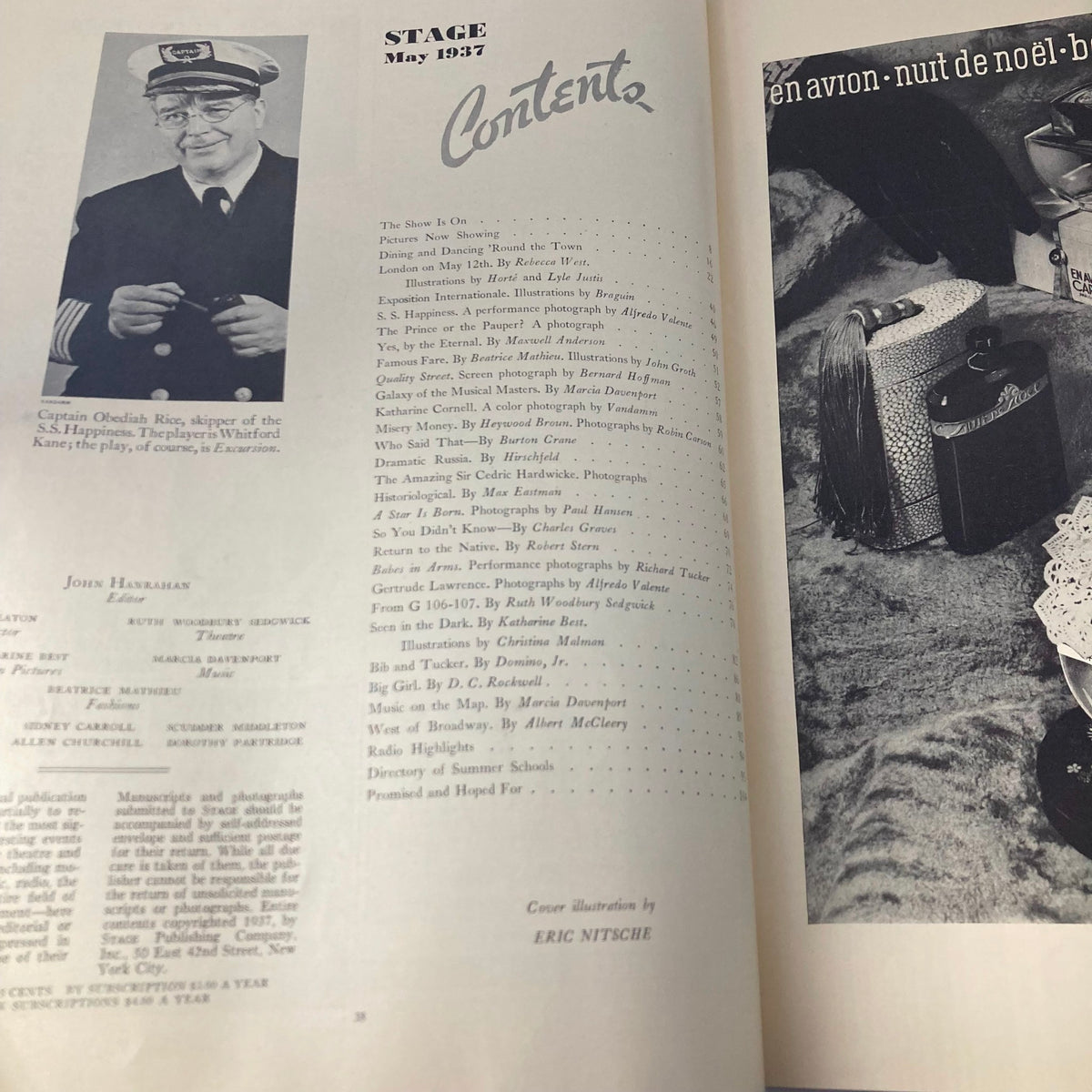
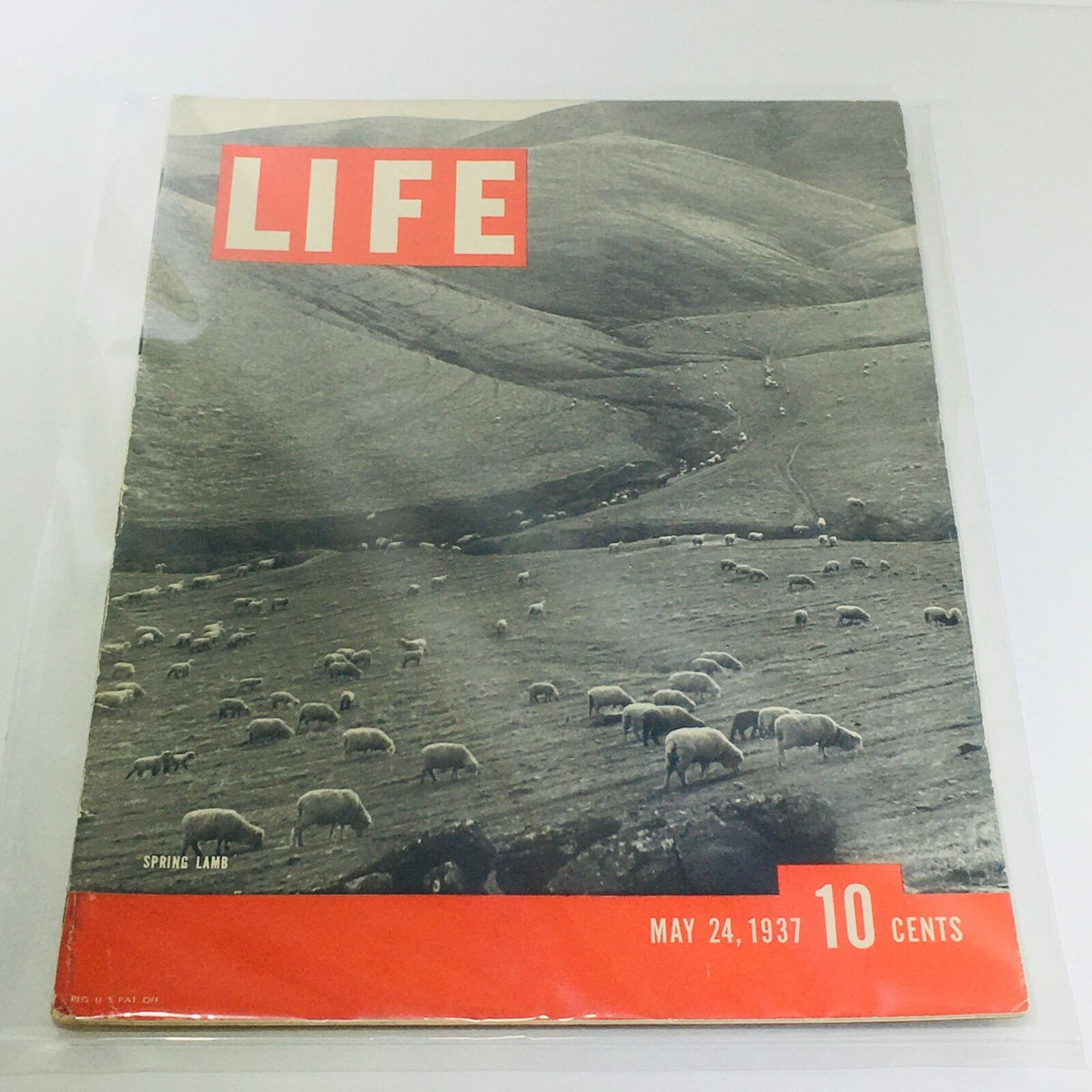
📖 About this Collection
May 1937: Fire, Crowns, and the World on Edge
The Historical Context
The spring of 1937 crackled with a tension that felt almost electric—because, on May 6th, it literally was. The world watched in horror as the German airship Hindenburg burst into flames above Lakehurst, New Jersey, killing 36 people and ending the age of the great zeppelins in a single catastrophic minute. Radio broadcaster Herb Morrison's anguished cry—"Oh, the humanity!"—captured the disbelief of a civilization that had trusted the skies. Within the same fortnight, Britain gathered itself for ceremony: the coronation of King George VI at Westminster Abbey on May 12th brought pageantry and continuity to a nation still absorbing the shock of Edward VIII's abdication. Meanwhile, President Franklin D. Roosevelt signed the Neutrality Act on May 1st, drawing America's legal boundaries around a world already sliding toward war—Spain's civil war raged on, and German warships shelled the port city of Almería before the month was out. This was the world your loved one entered on their first breath.
Culture, Sport, and the American Mood
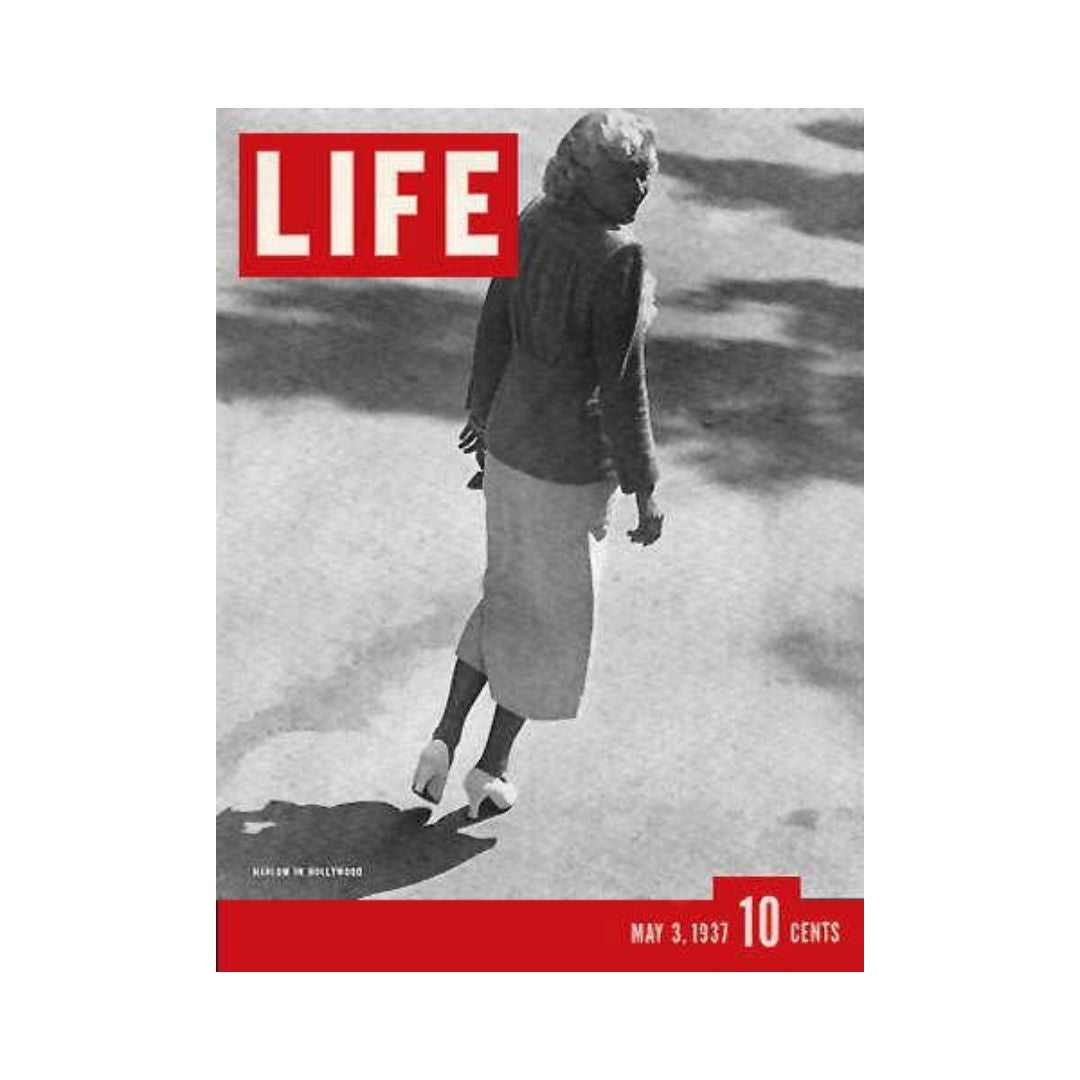
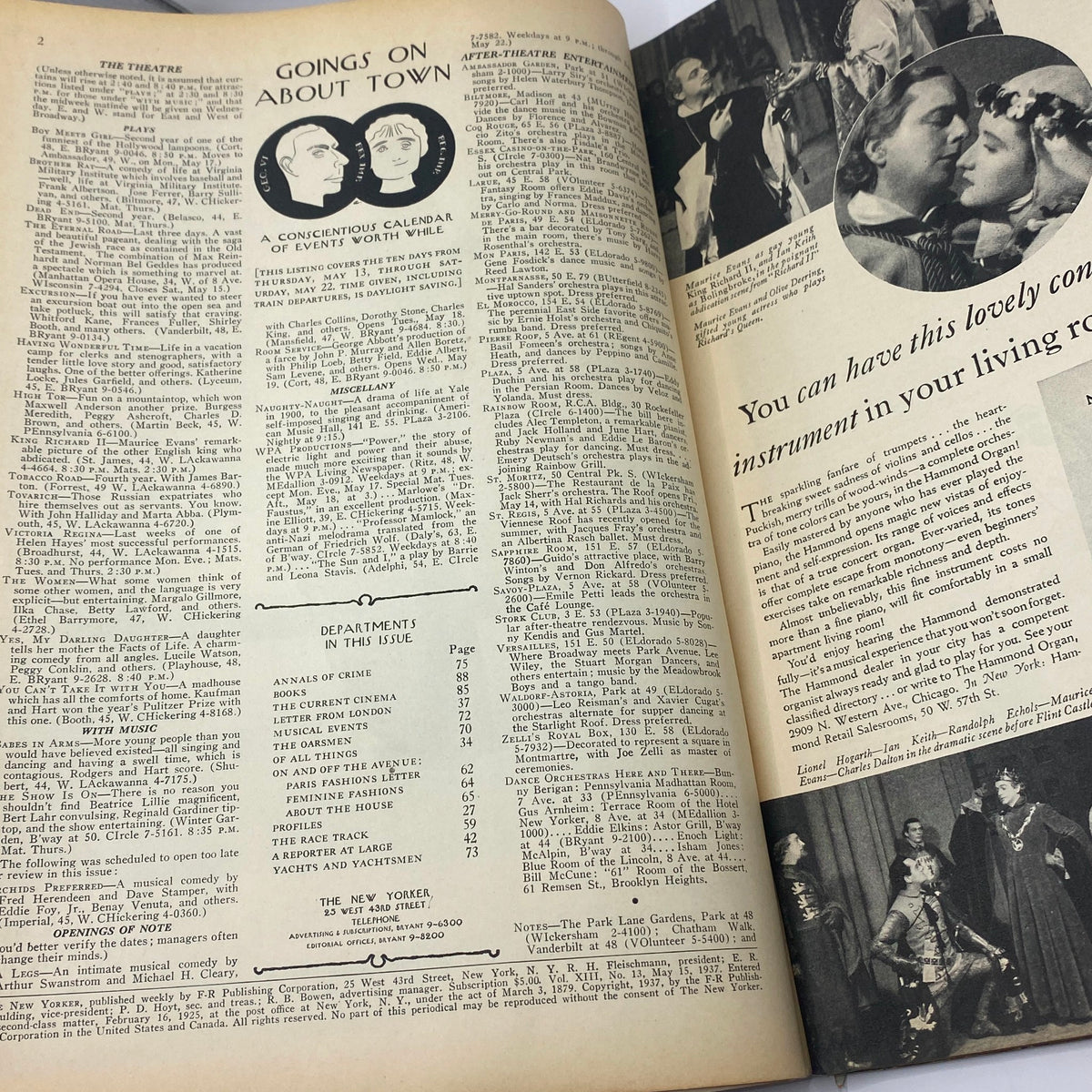
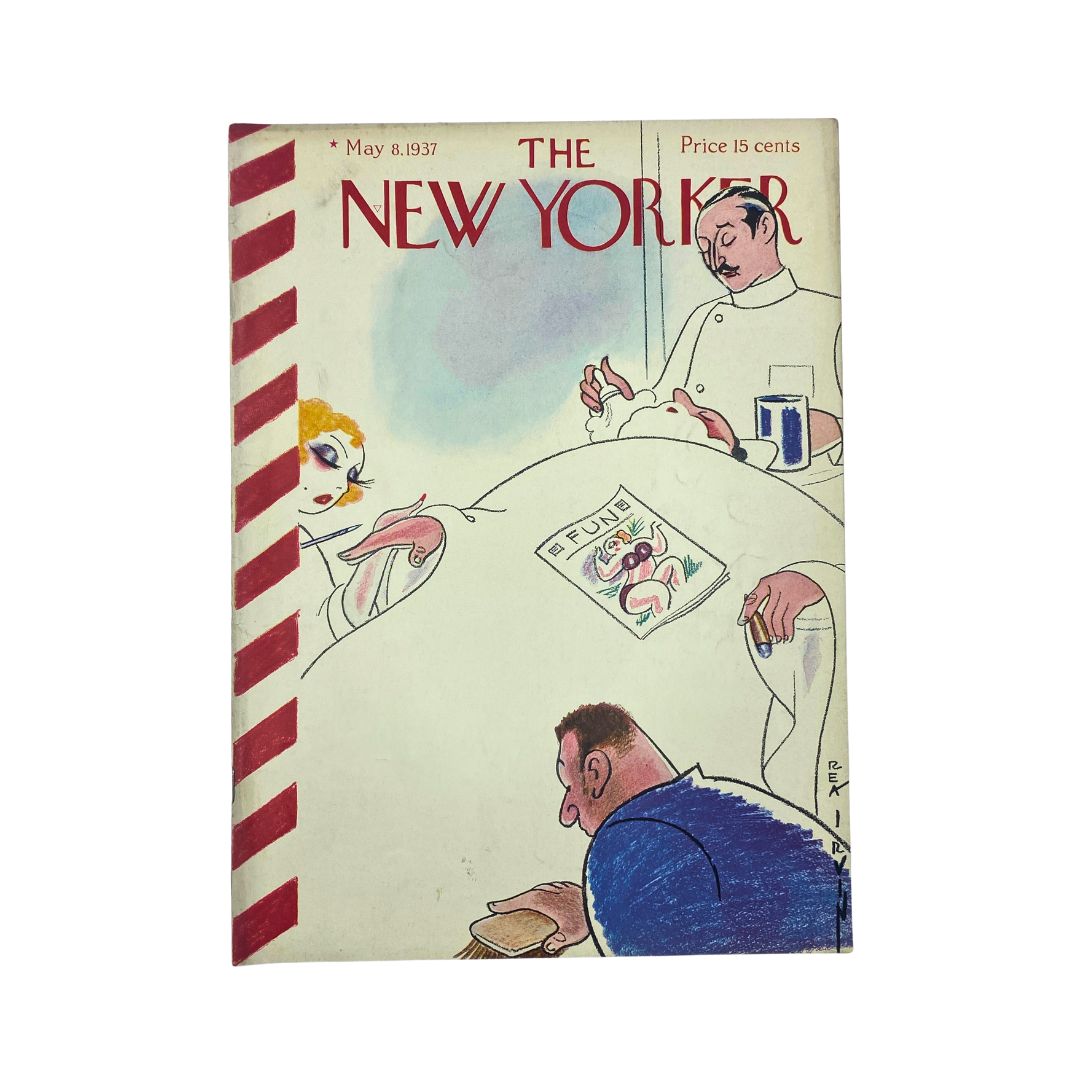
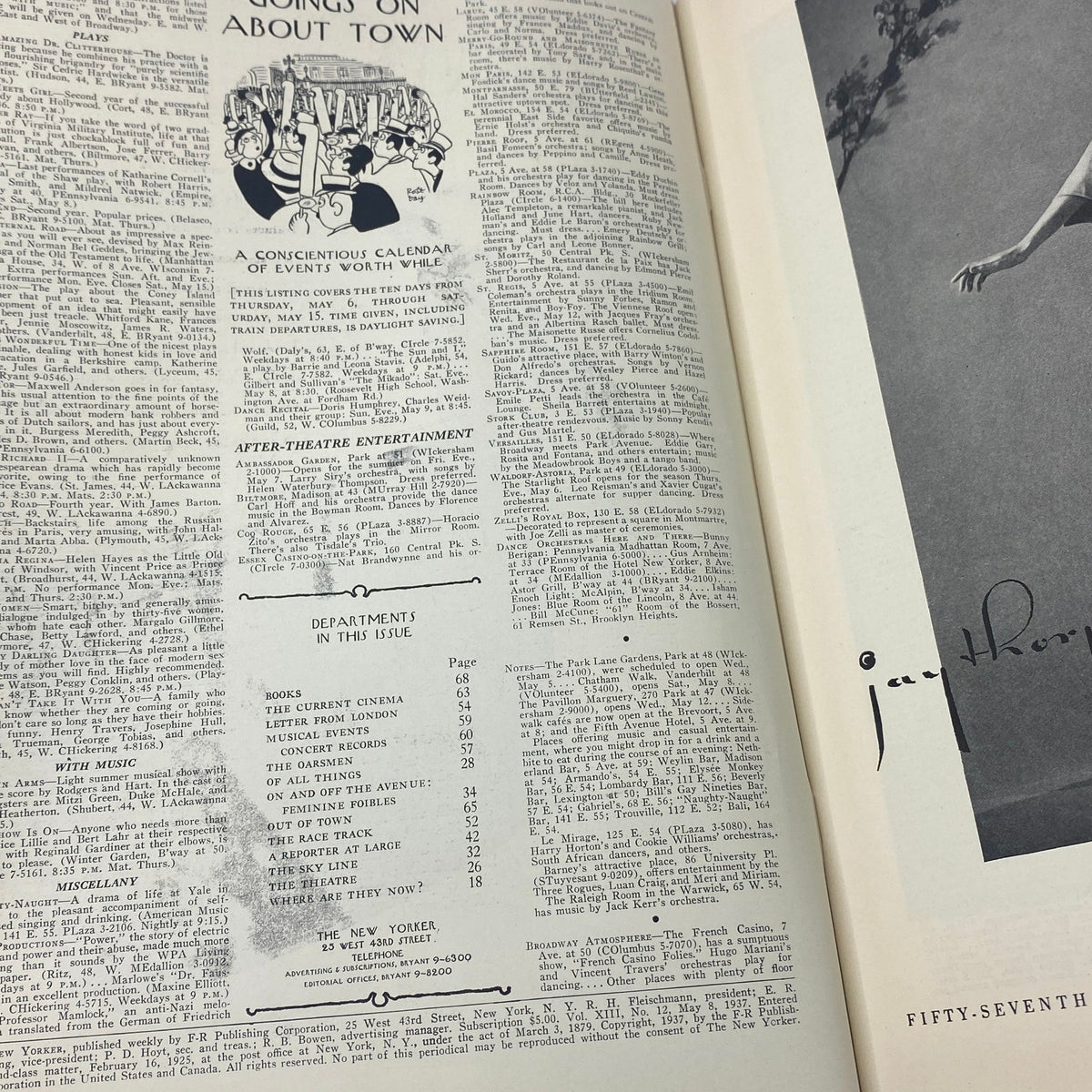
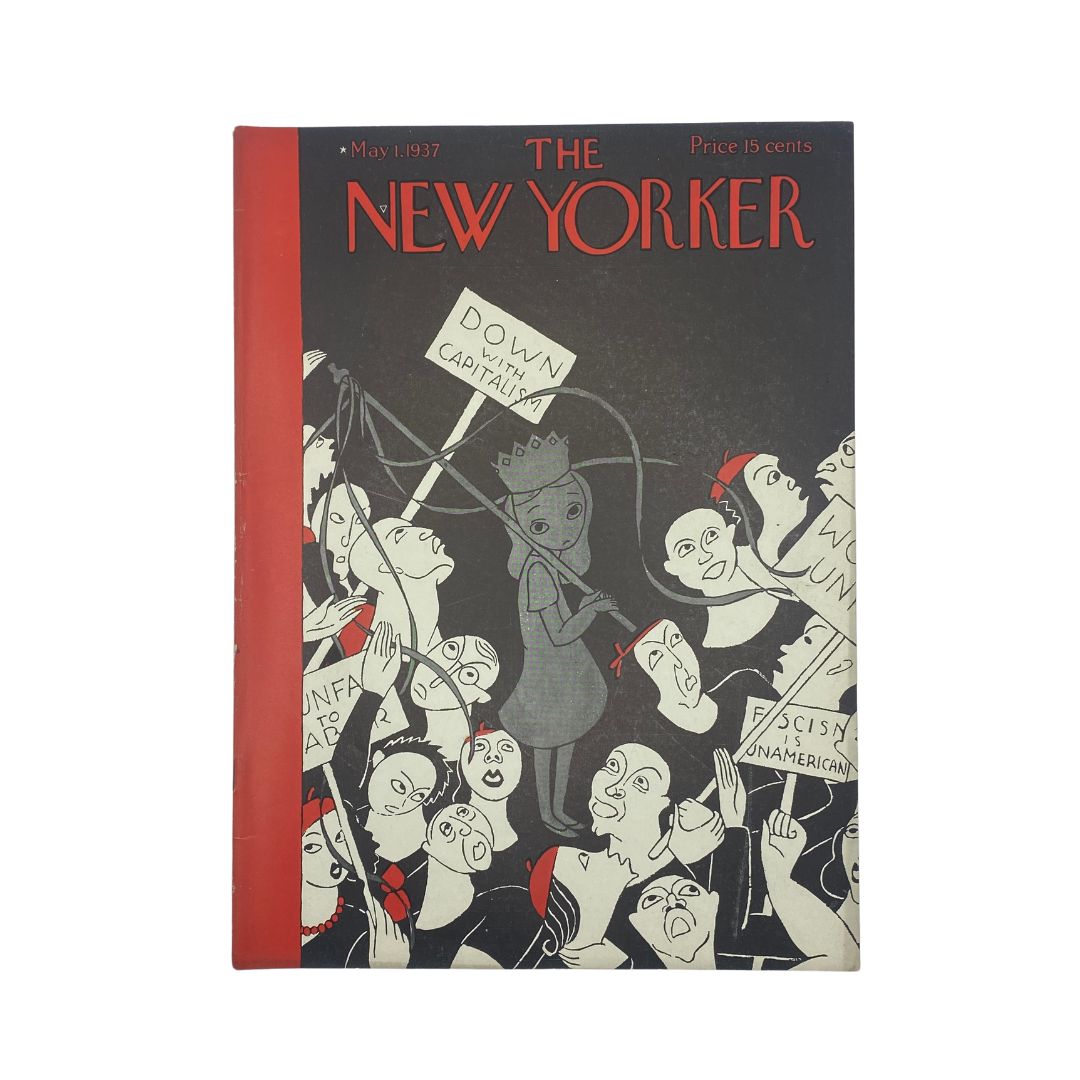
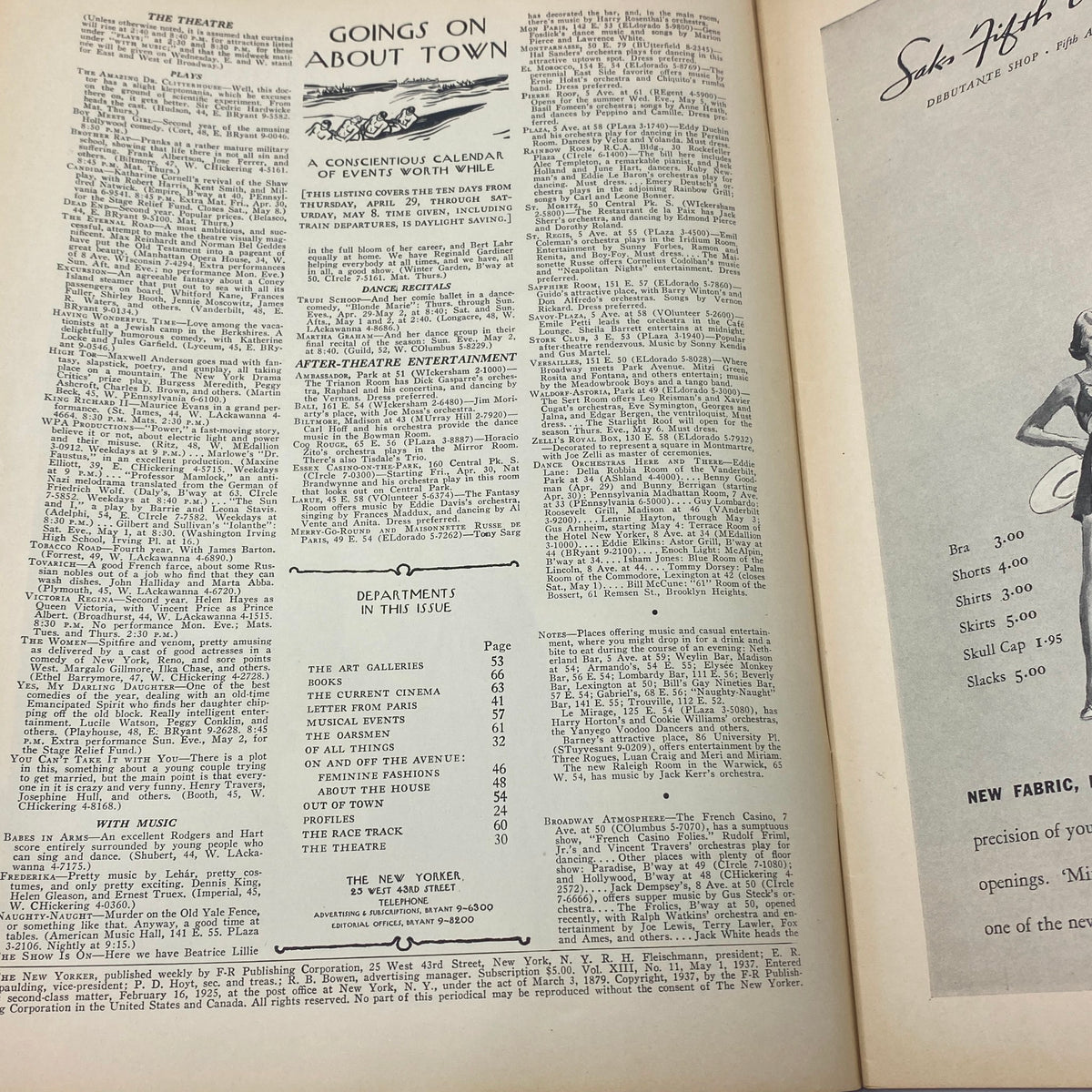
Against this charged backdrop, American culture hummed with life. On May 3rd, Margaret Mitchell took the Pulitzer Prize for Gone with the Wind, a novel already reshaping how a nation understood its own past. On Broadway, the comedy Room Service—starring a young Eddie Albert—opened at the Cort Theatre to begin a run of 500 performances, offering audiences laughter as a refuge from the headlines. Sports fans had a mythic season to follow: War Admiral swept both the Kentucky Derby and the Preakness in May, charging toward Triple Crown glory, while New York Giants pitcher Carl Hubbell extended—and then, on May 31st, finally ended—his astonishing 24-game consecutive winning streak before a record crowd at the Polo Grounds. On May 27th and 28th, San Francisco threw open the Golden Gate Bridge, first to pedestrians and then to traffic, an engineering triumph that felt like a defiant gesture of optimism. Original magazines from May 1937 captured all of it—Life's photographic spreads, Time's measured alarm, the advertisements still cheerfully selling refrigerators and cigarettes while the world tilted.
Curator's Checklist: What to Look for in May 1937 Issues
-
The Hindenburg Disaster: News weeklies including Life and Newsweek featuring full-spread photographic coverage of the Lakehurst explosion, often illustrated with the now-iconic sequence images of the airship's final moments—among the most reproduced photographs of the 1930s.
-
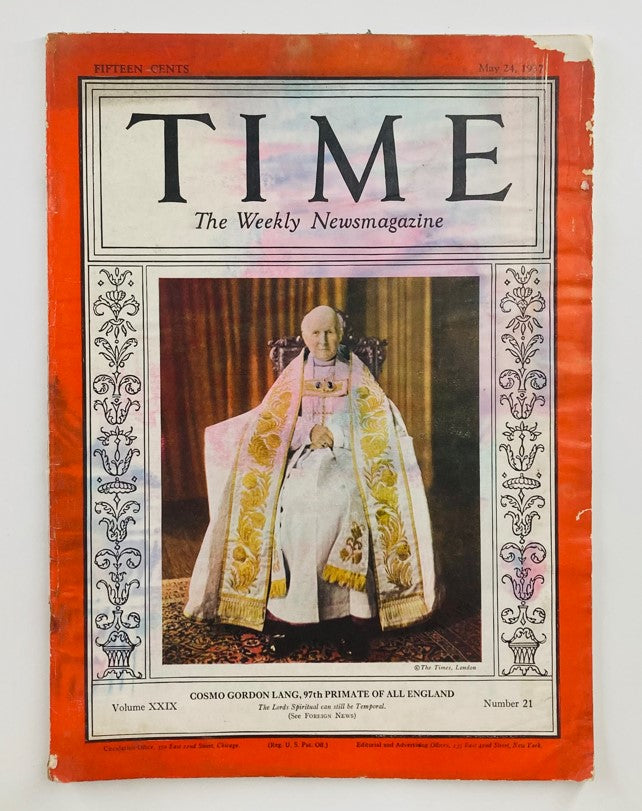
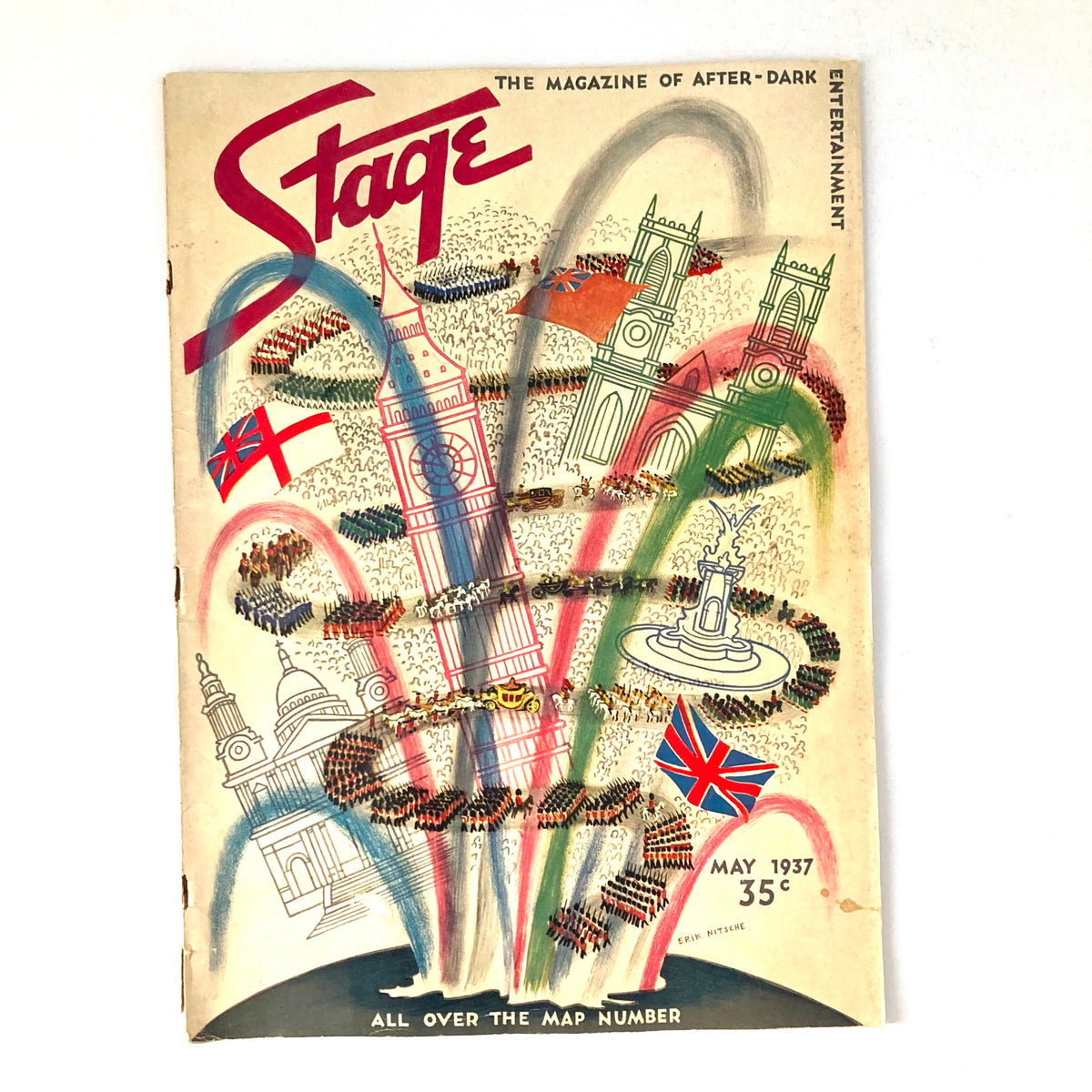
The Coronation of George VI: Time, Life, and Look showcasing elaborate photographic and illustrated coverage of the Westminster Abbey ceremony, with portrait layouts of the new king and queen that became genuine collector pieces for Anglophile readers.
-
War Admiral and the Triple Crown Chase: Sports Illustrated would not exist for another seventeen years, but sports coverage in Life, the Saturday Evening Post, and general news weeklies featured War Admiral prominently, with race-day photography and odds analysis that today's collectors find irresistible.
-
Roosevelt's Neutrality Act: Political weeklies such as Time and Newsweek carrying commentary and editorial cartoons on American isolationism—vintage magazines from this tense spring document the debate over whether America could or should stay out of a gathering European conflict.
-
Carl Hubbell's Record Streak: Baseball coverage in May 1937 publications, particularly metropolitan New York papers and sports sections, chronicled Hubbell's extraordinary consecutive-win record with the kind of breathless prose and rare magazines photography that no digital archive can replicate.
The Perfect Gift
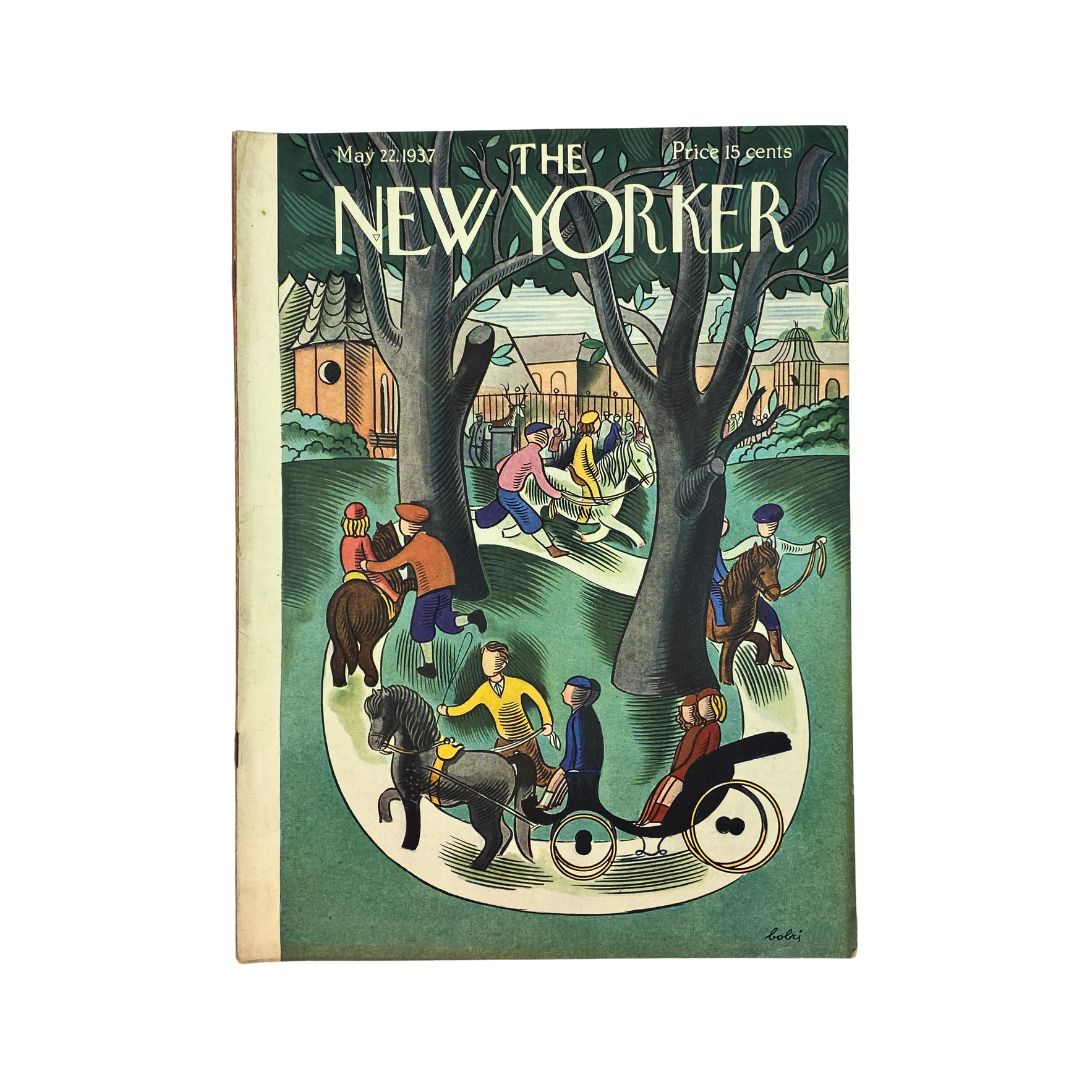
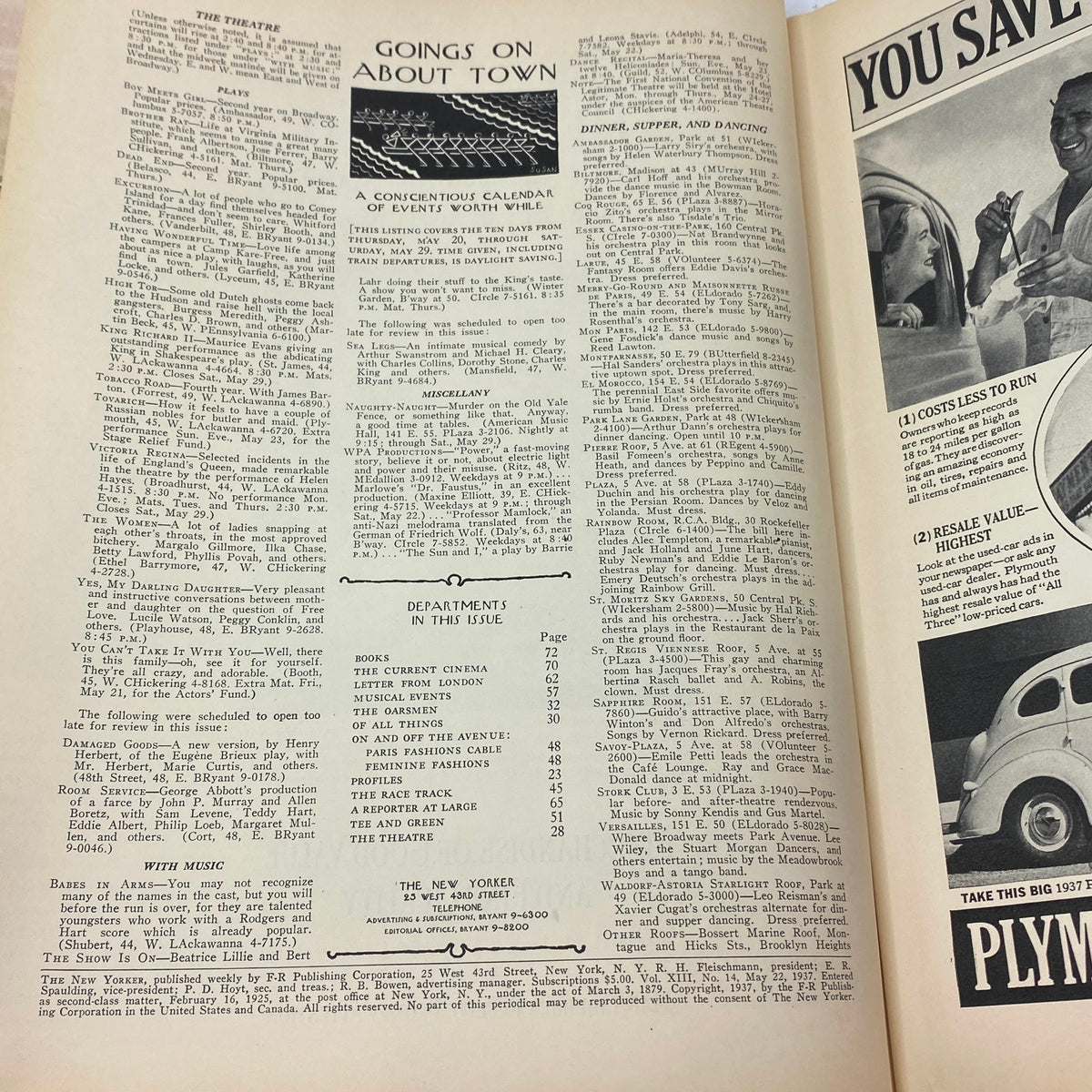
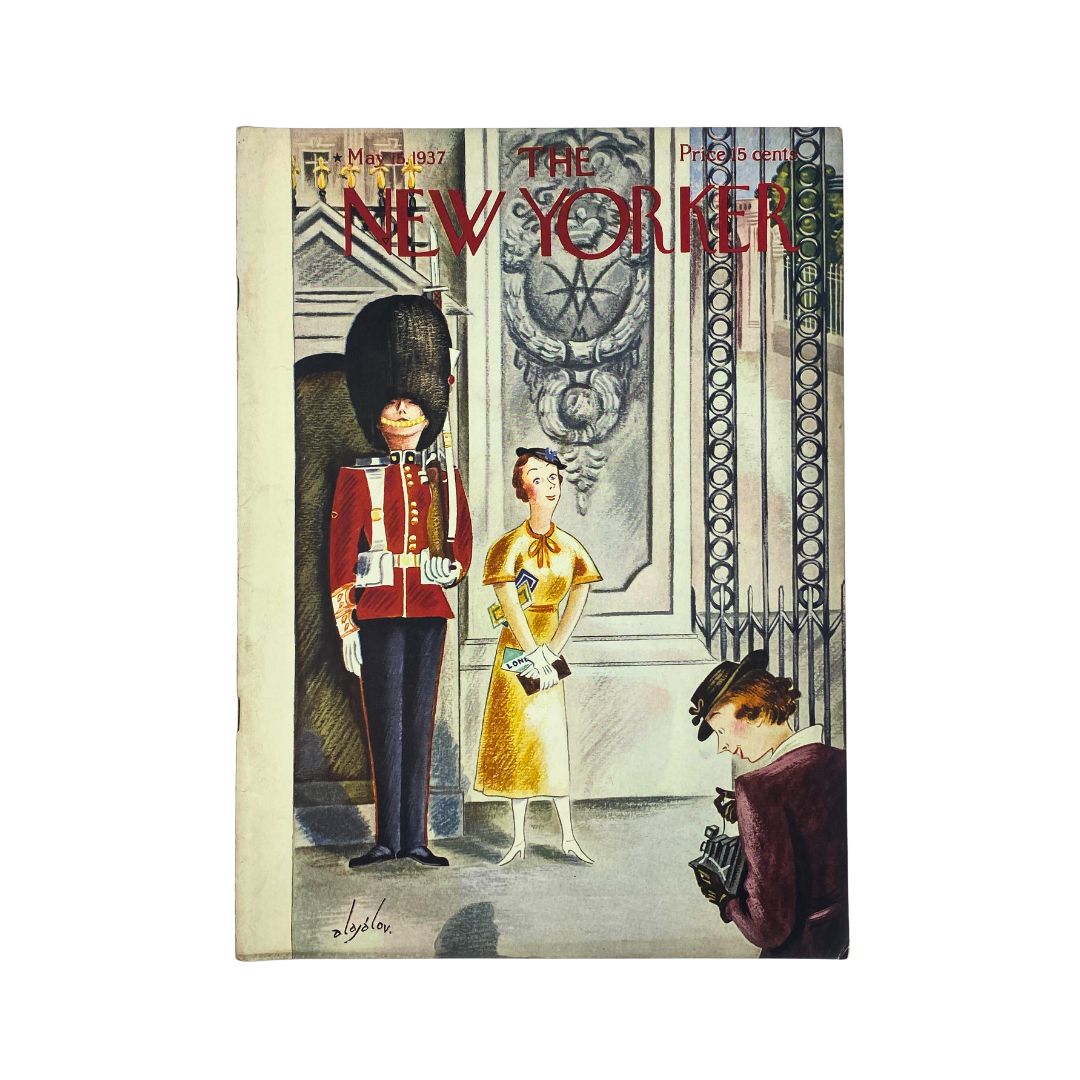
For someone born in May 1937, an original magazine from this seismic month isn't just a piece of old paper—it's an authentic time capsule of the exact world they arrived in, preserved in genuine headlines, period advertisements, and photography that no reproduction can match.