📖 About this Collection
May 1941: When Legends Were Born and Empires Trembled
The Historical Context
The spring of 1941 crackled with a tension that had no precedent. Europe was ablaze, and even the distant United States felt the heat. In the Atlantic, German U-boats prowled with devastating confidence—until May 27, when the Royal Navy finally cornered and sank the mighty battleship Bismarck, ending a week-long chase that had consumed the world's attention. Days earlier, the SS Robin Moor had become the first American merchant vessel sunk by Germany, prompting President Roosevelt to declare a national state of emergency. In the skies over London, the Luftwaffe unleashed what would prove to be its last great air raid on Britain, while Adolf Hitler's deputy Rudolf Hess made his extraordinary, rogue parachute landing in Scotland. Across the Atlantic, in Soviet Moscow, Joseph Stalin quietly assumed the title of Premier, consolidating a power that would shape the next half-century. This was the world—trembling, pivoting, uncertain—that greeted those born in May 1941.
What the Newsstands Were Saying
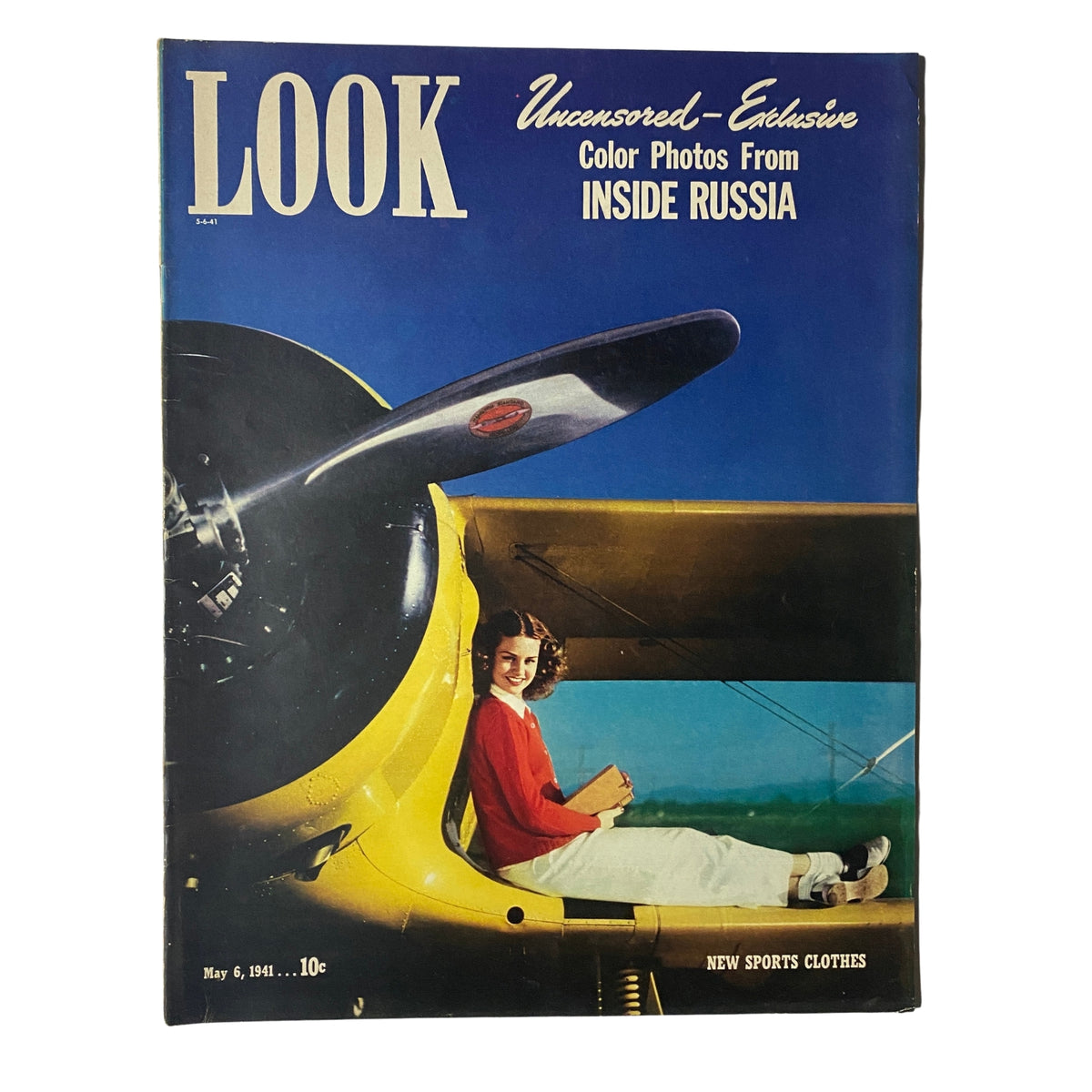
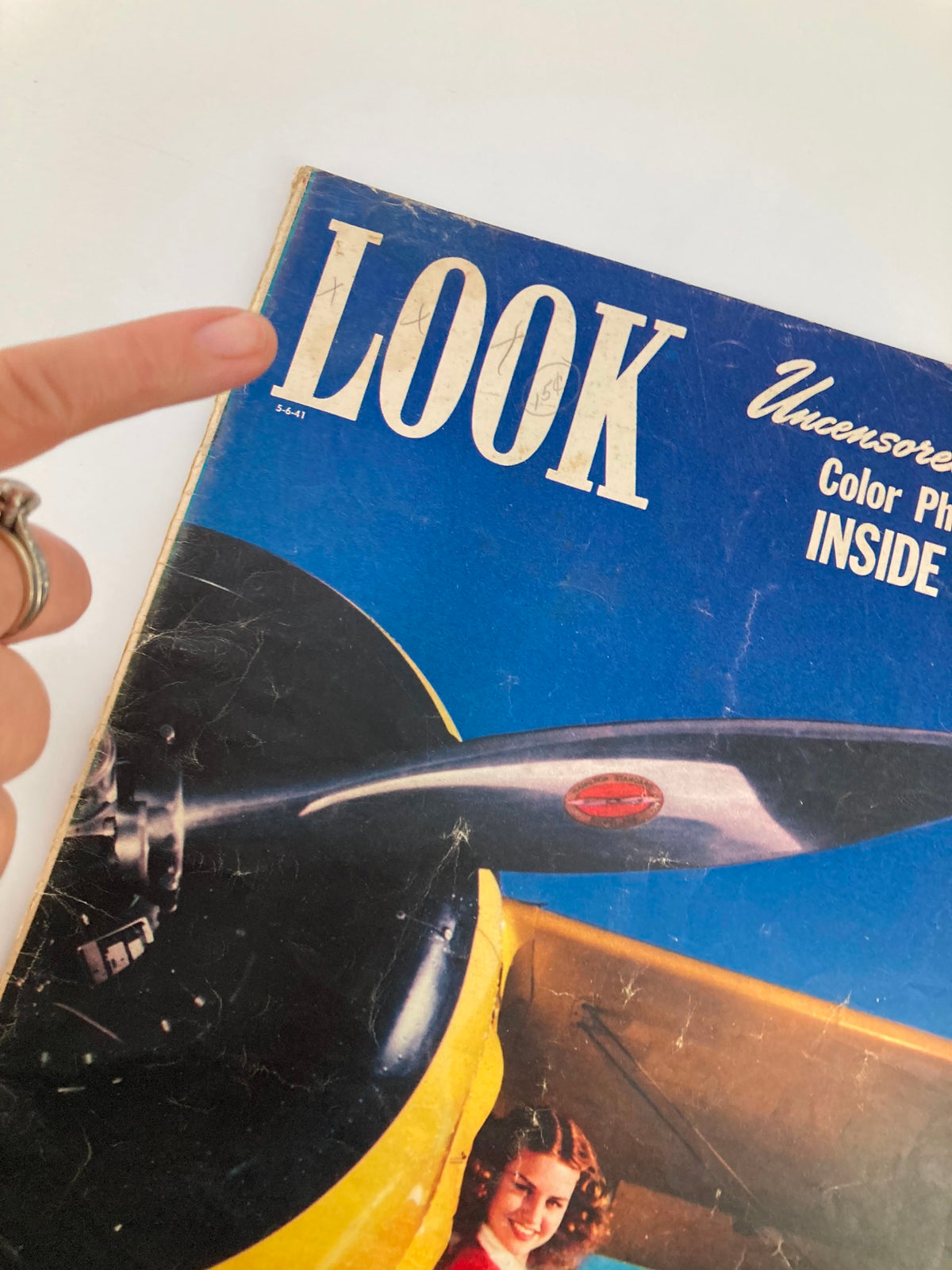
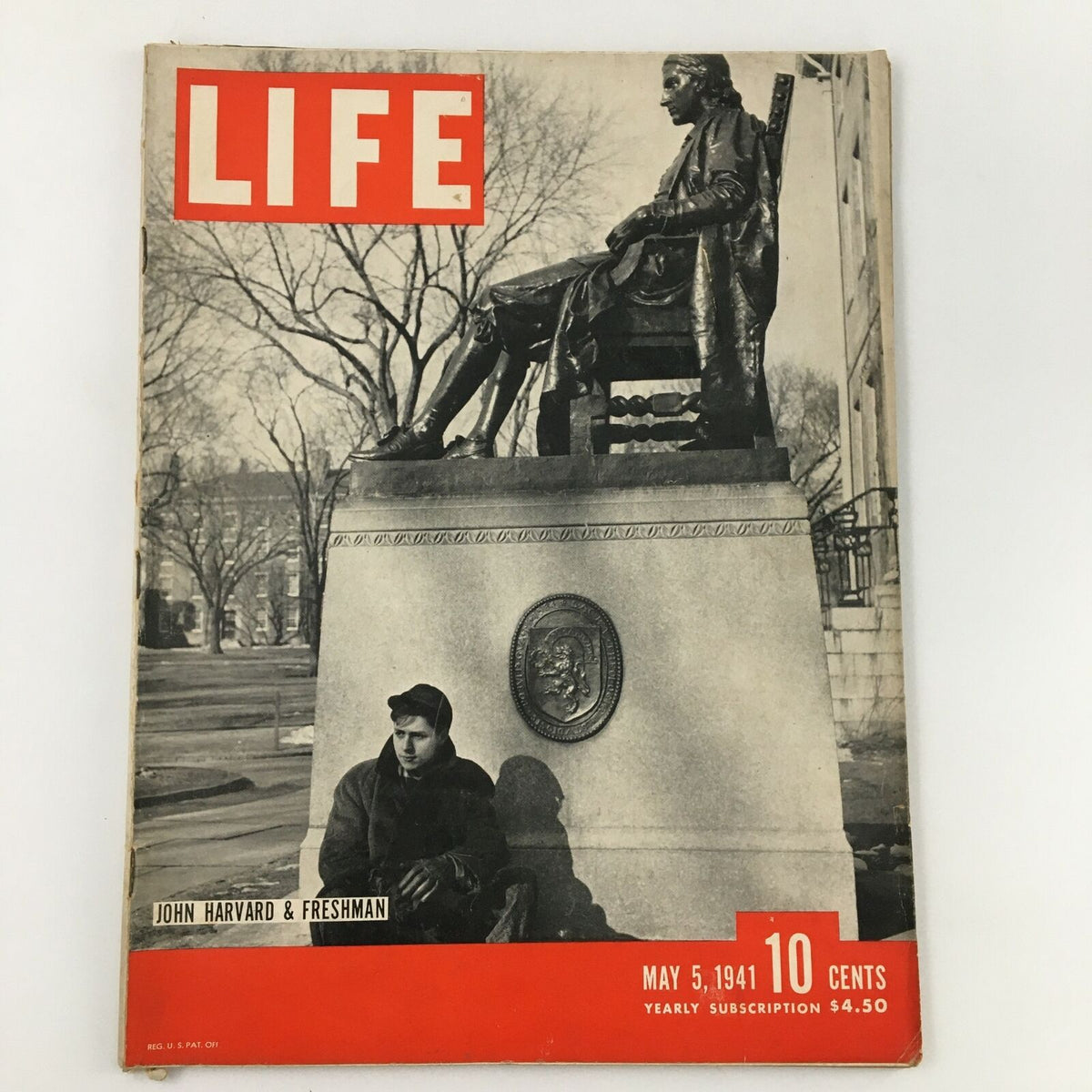
Hollywood offered its own kind of earthquake that May. On the 1st, Citizen Kane premiered at the Palace Theater in New York—Orson Welles' audacious debut that would rewrite the grammar of cinema, though its full significance would only crystallize with time. Meanwhile, at the ballpark, the nation was quietly witnessing two legends ascending: on May 15, Joe DiMaggio began the 56-game hitting streak that would become the most celebrated record in baseball history, while Ted Williams was nudging his batting average toward the unthinkable .400 mark. At Churchill Downs, jockey Eddie Arcaro guided the brilliant Whirlaway to Kentucky Derby victory, then did it again at the Preakness—two legs of an improbable Triple Crown. Glenn Miller stepped into a studio on May 7 and recorded "Chattanooga Choo Choo" for RCA, destined to become the first record officially certified gold. Original magazines from May 1941 capture all of it—Life, Time, and Look brimming with war dispatches, while Sports Illustrated predecessors and general-interest weeklies devoted ink and photographs to DiMaggio's early games and the Whirlaway phenomenon sweeping racing fans.
The Curator's Checklist: What to Look For
-
The Bismarck Crisis: Time and Life featuring breathless naval dispatches and dramatic photographs chronicling the hunt and sinking of Germany's prized battleship, often illustrated with maps of the Atlantic chase and images of HMS Hood survivors.
-
DiMaggio's Streak Begins: Vintage magazines and sports weeklies from mid-May 1941 showcasing early game-by-game box scores and action photography, marking the quiet opening of what became baseball's most unbreakable record.
-
Citizen Kane Premiere Coverage: Entertainment and culture publications including Variety and general-circulation weeklies featuring reviews and promotional materials for Orson Welles' landmark film, a rare document of history being made in real time.
-
Stalin Assumes Power: Newsweek and Time carrying rare magazines-era analysis of Stalin's formal ascent to Soviet Premier, with portrait photography and geopolitical commentary that reads as a document of a world reorganizing itself.
-
Bob Hope's First USO Show: Human-interest spreads in Life and similar publications chronicling Hope's inaugural performance at March Field, California—the beginning of a decades-long tradition captured in its first, unassuming chapter.
The Perfect Gift
For someone born in May 1941, an original magazine from this extraordinary month isn't just a birthday gift—it's a genuine time capsule, preserved in authentic headlines, period advertisements, and original photography from the precise weeks their life began.