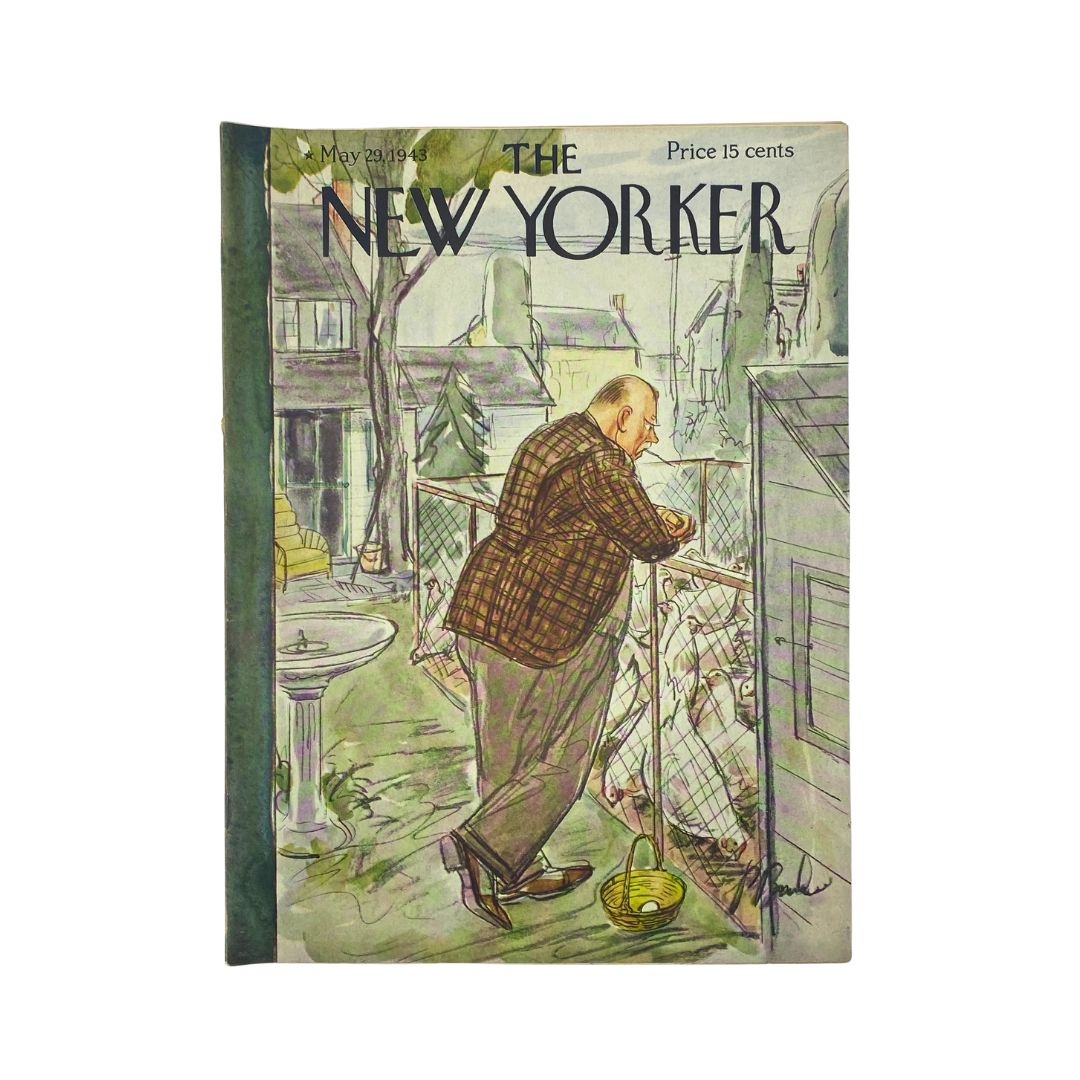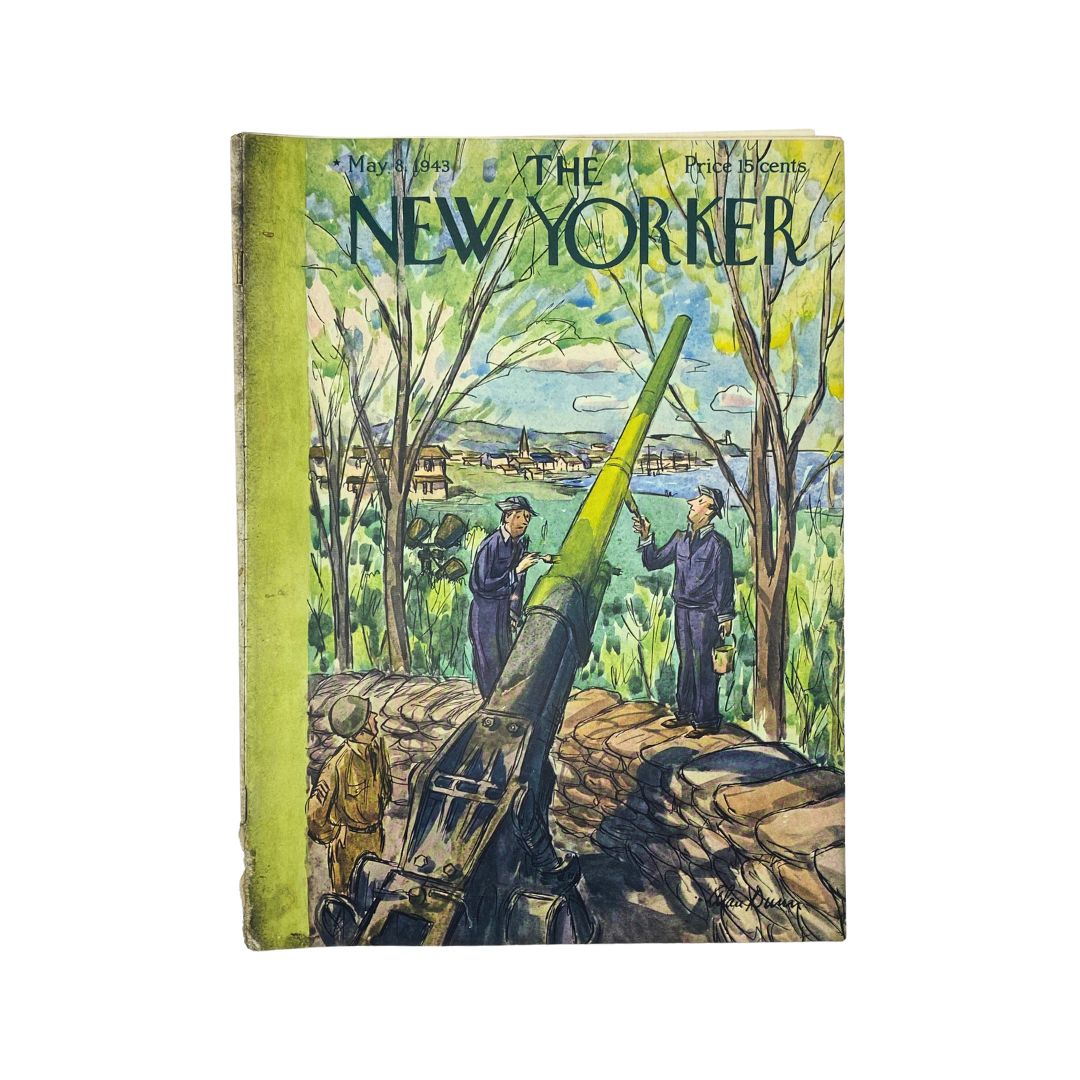
📖 About this Collection
May 1943: The Month the Tide Turned
The Historical Context
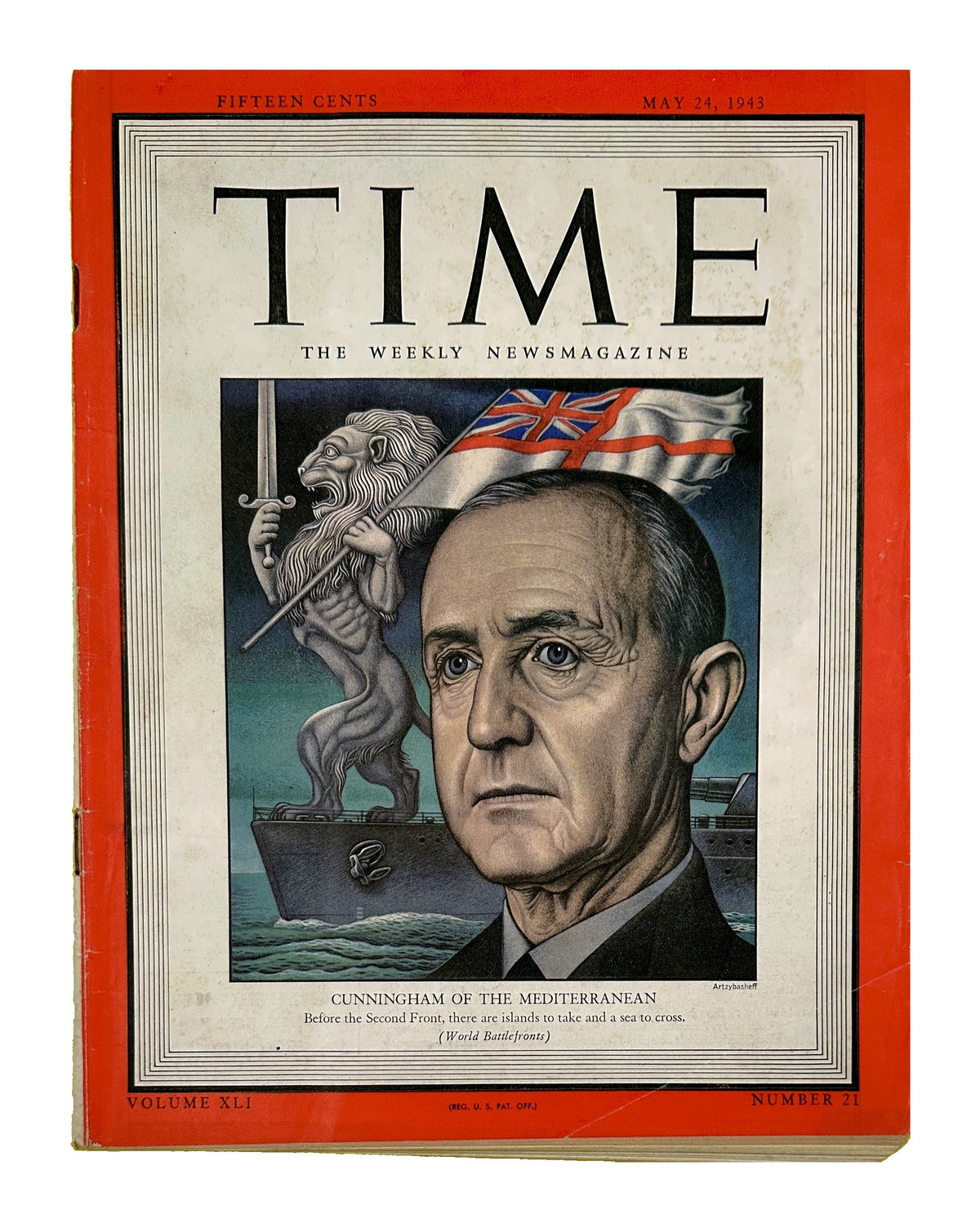
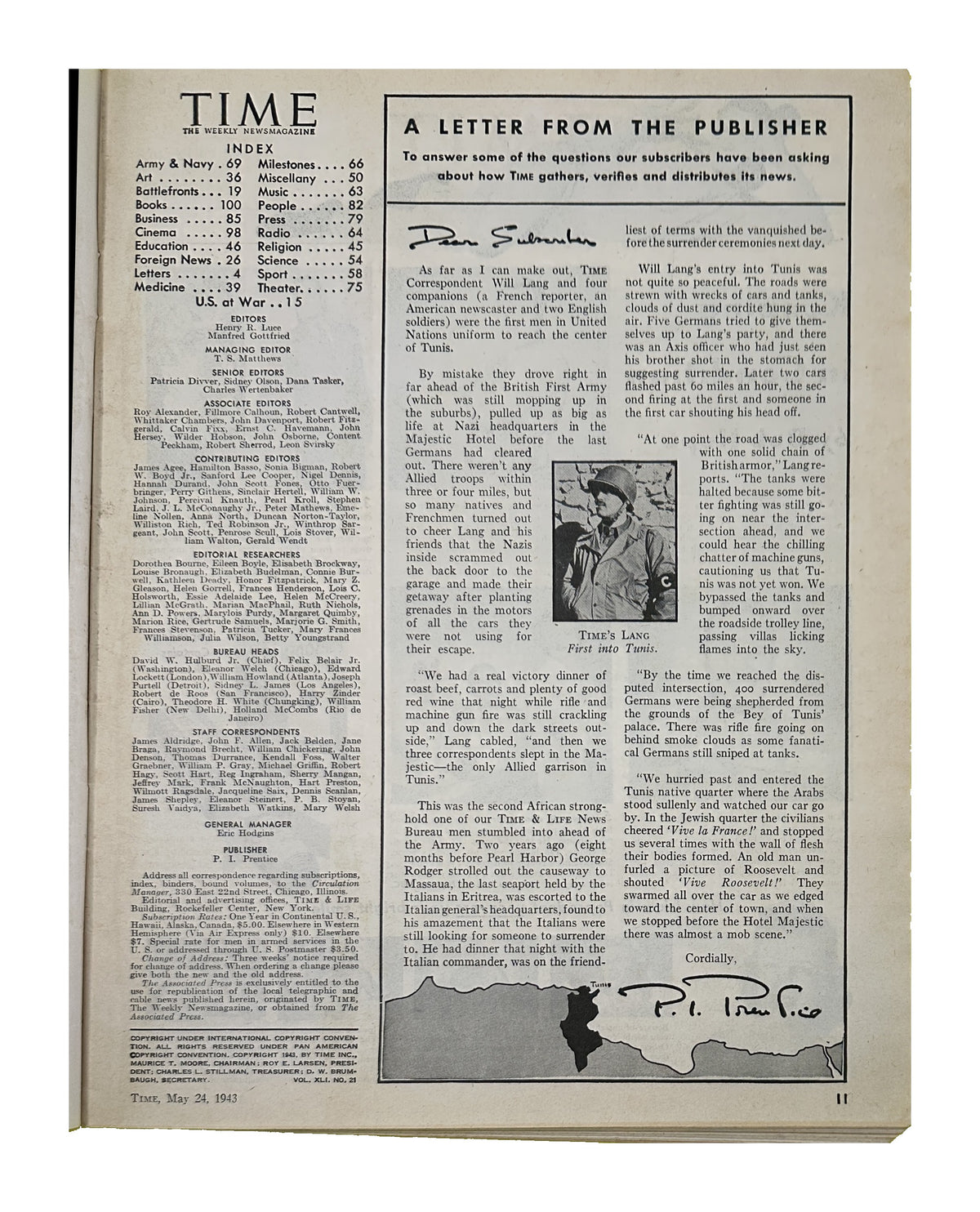
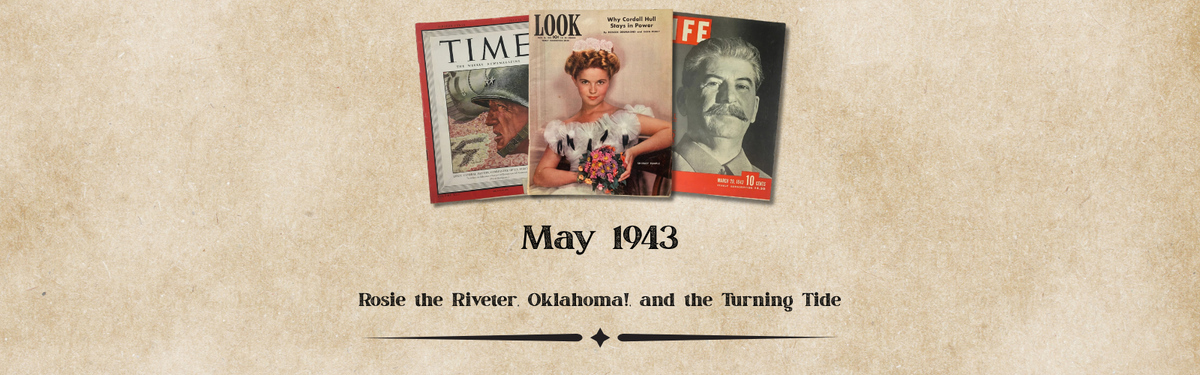
The spring of 1943 crackled with the tension of a war reaching its hinge point. In North Africa, the final act was playing out with breathtaking speed: on May 7, British forces rolled into Tunis, and within days the Axis powers—once seemingly unstoppable—had collapsed entirely across the continent. On May 13, German and Italian forces surrendered in Africa, a quarter-million troops laying down their arms in what many considered the first decisive Allied victory of the war. Winston Churchill arrived in Washington on May 12 to coordinate the next blow, a moment Life and Time magazines captured as a symbol of Allied resolve hardening into something unbreakable.
Yet even amid these sweeping victories, darker headlines competed for the front page. On May 16, SS General Jürgen Stroop ordered the burning of the Warsaw Ghetto, extinguishing the last embers of a month-long Jewish uprising. And in the Pacific, American forces fought a brutal two-week campaign to reclaim Attu in the Aleutians from Japanese occupation. This was the world as it stood—violent, pivotal, and lurching, however painfully, toward resolution.
The Culture That Month
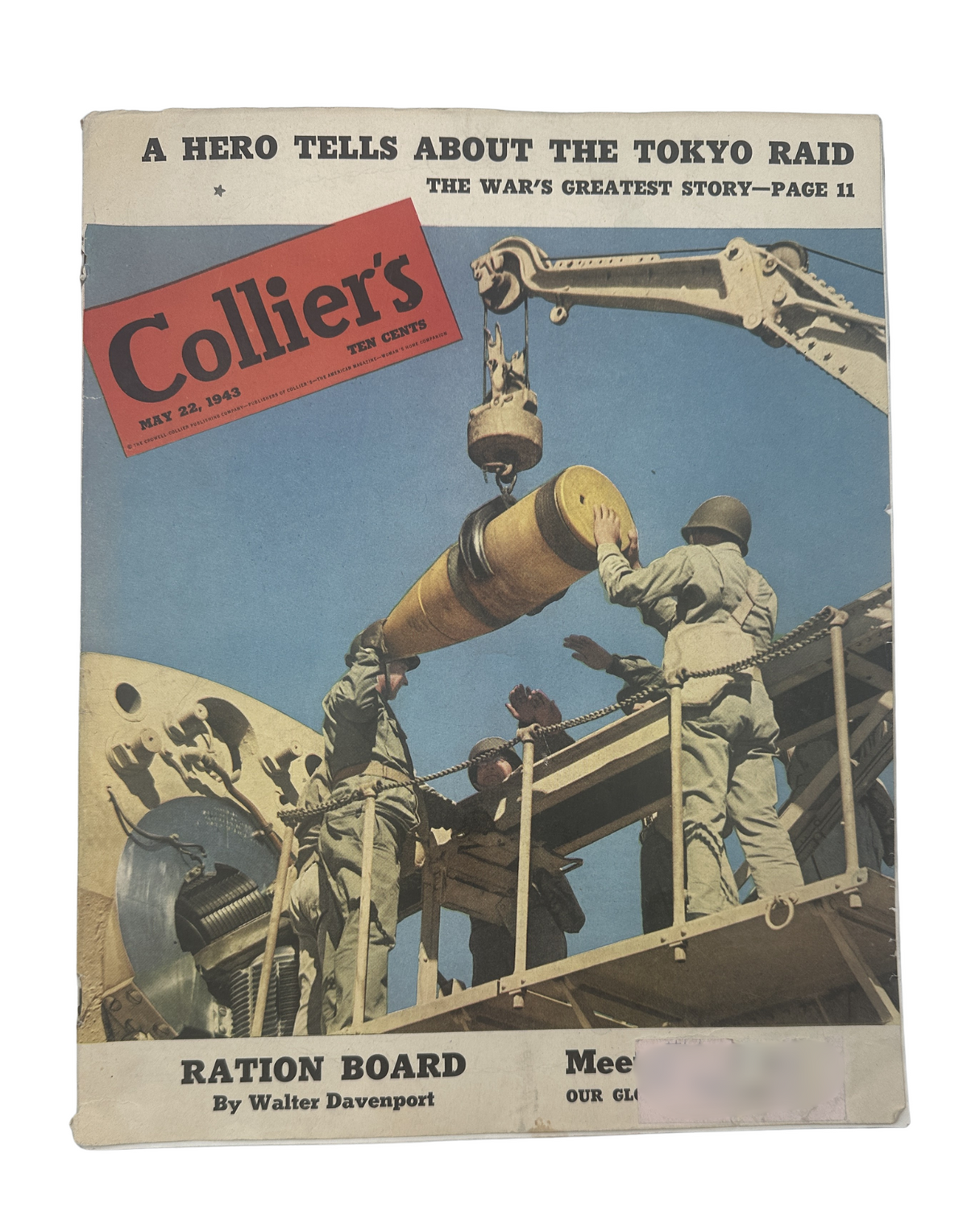
Away from the front pages, Americans were finding escape and meaning in the culture surrounding them. At the racetrack, the story was Count Fleet—the dominant three-year-old who had already swept the Kentucky Derby on May 1 and added the Preakness on May 8, ridden by Hall of Fame jockey Johnny Longden. Sports Illustrated wouldn't exist for another decade, but the horse racing press and general magazines devoted breathless coverage to Count Fleet's march toward the Triple Crown. On the radio, Agnes Moorehead was mesmerizing listeners in Sorry, Wrong Number on CBS's Suspense program—the kind of broadcast millions gathered around in living rooms, the same rooms where issues of Life, Look, and Collier's fanned out across coffee tables.
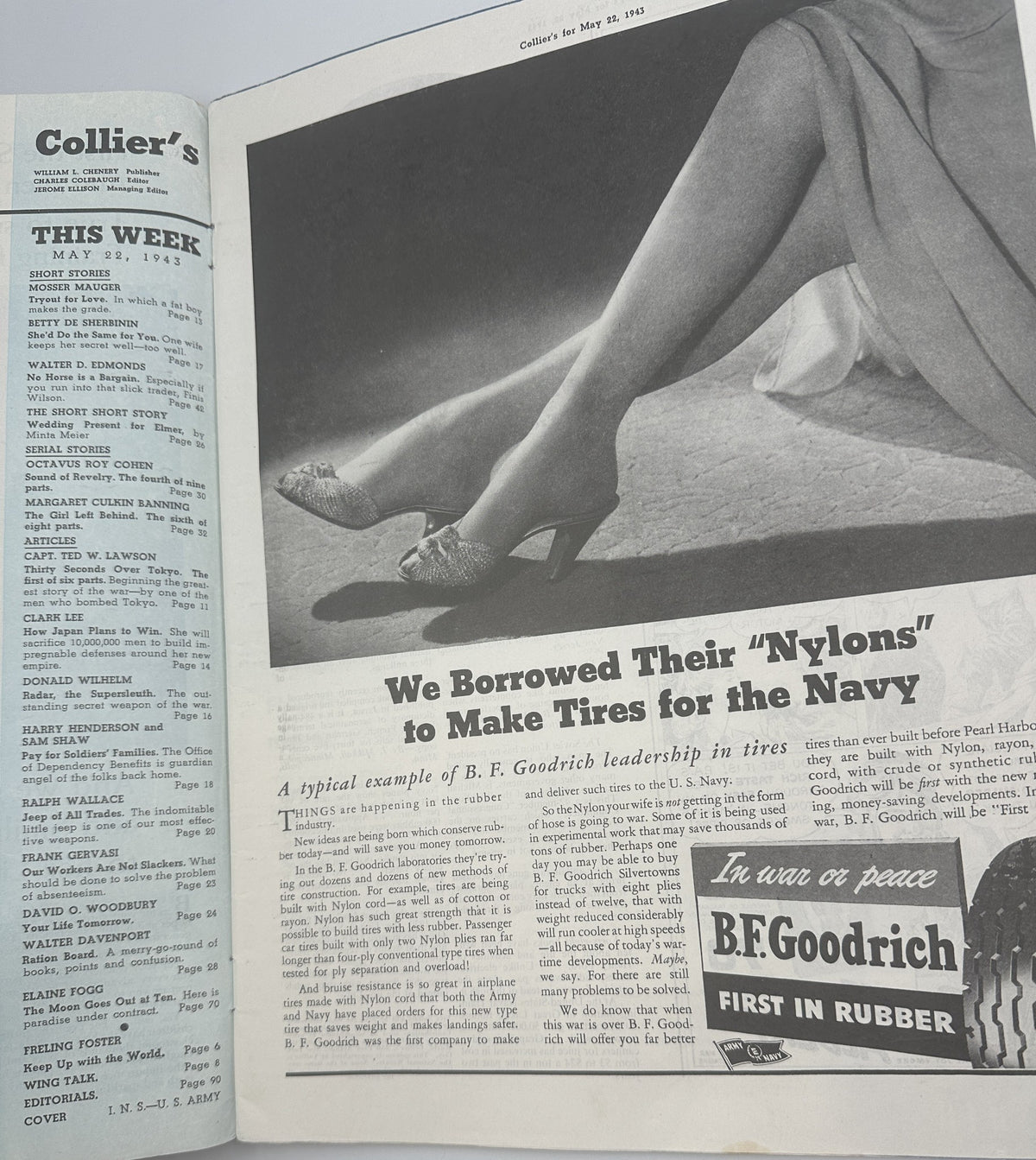
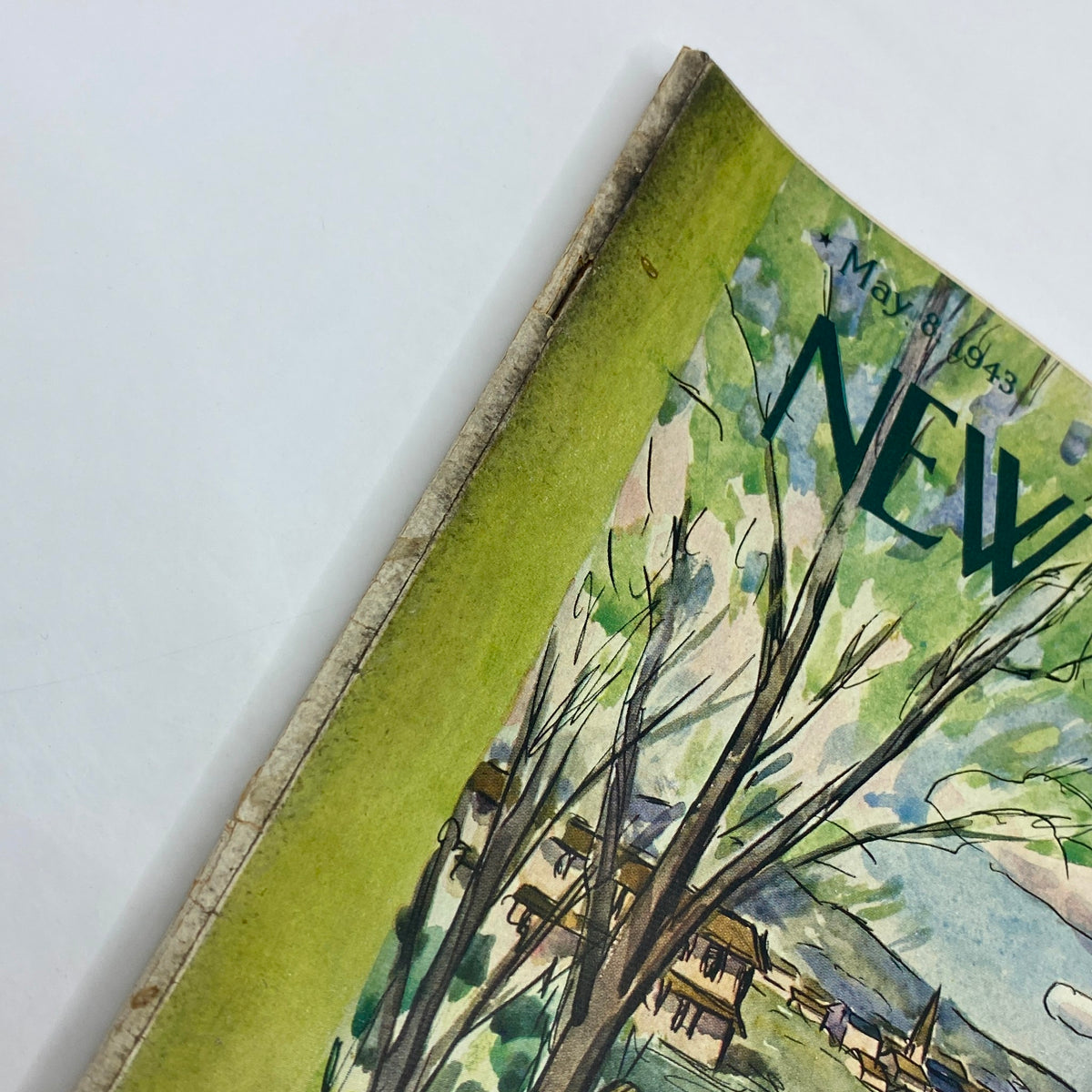
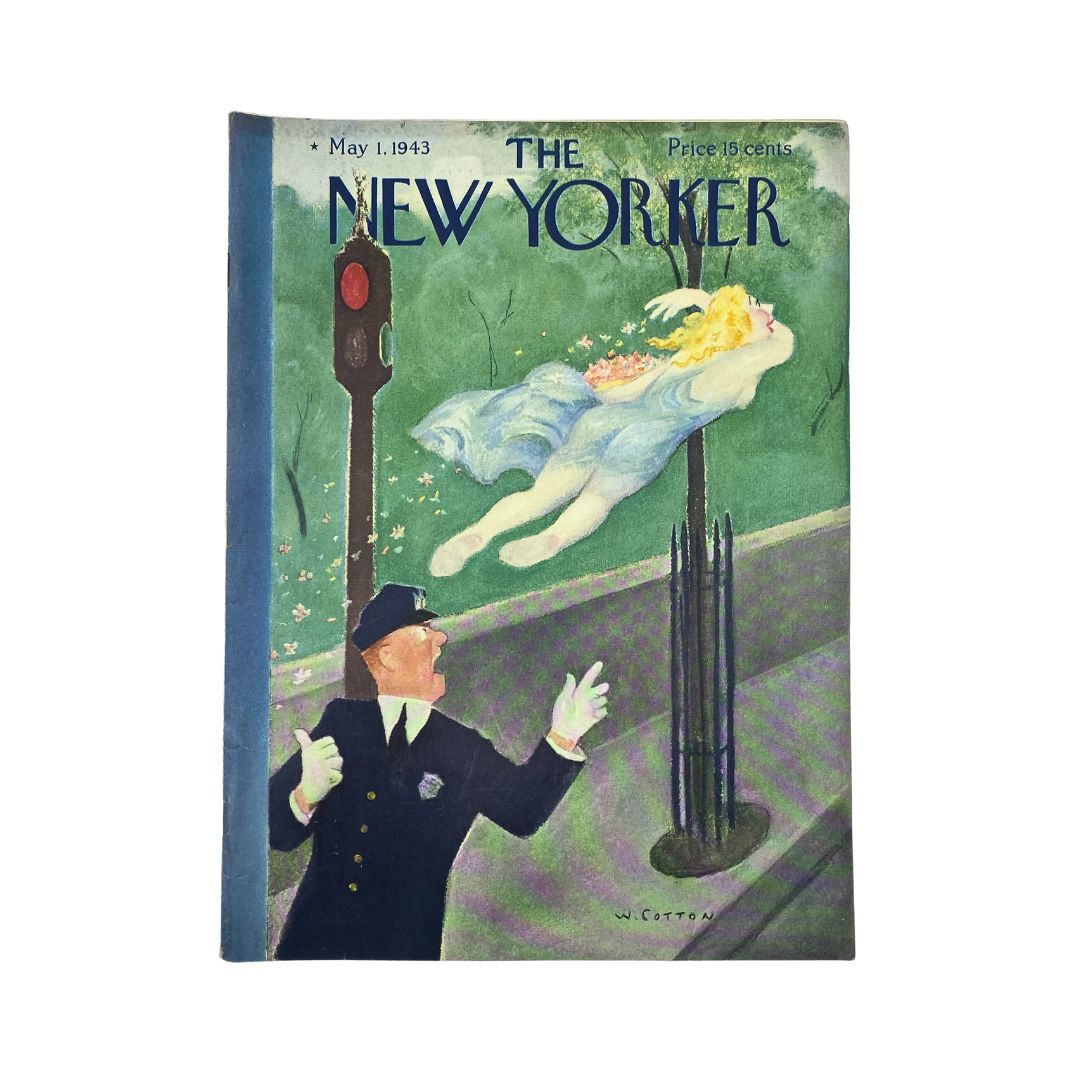
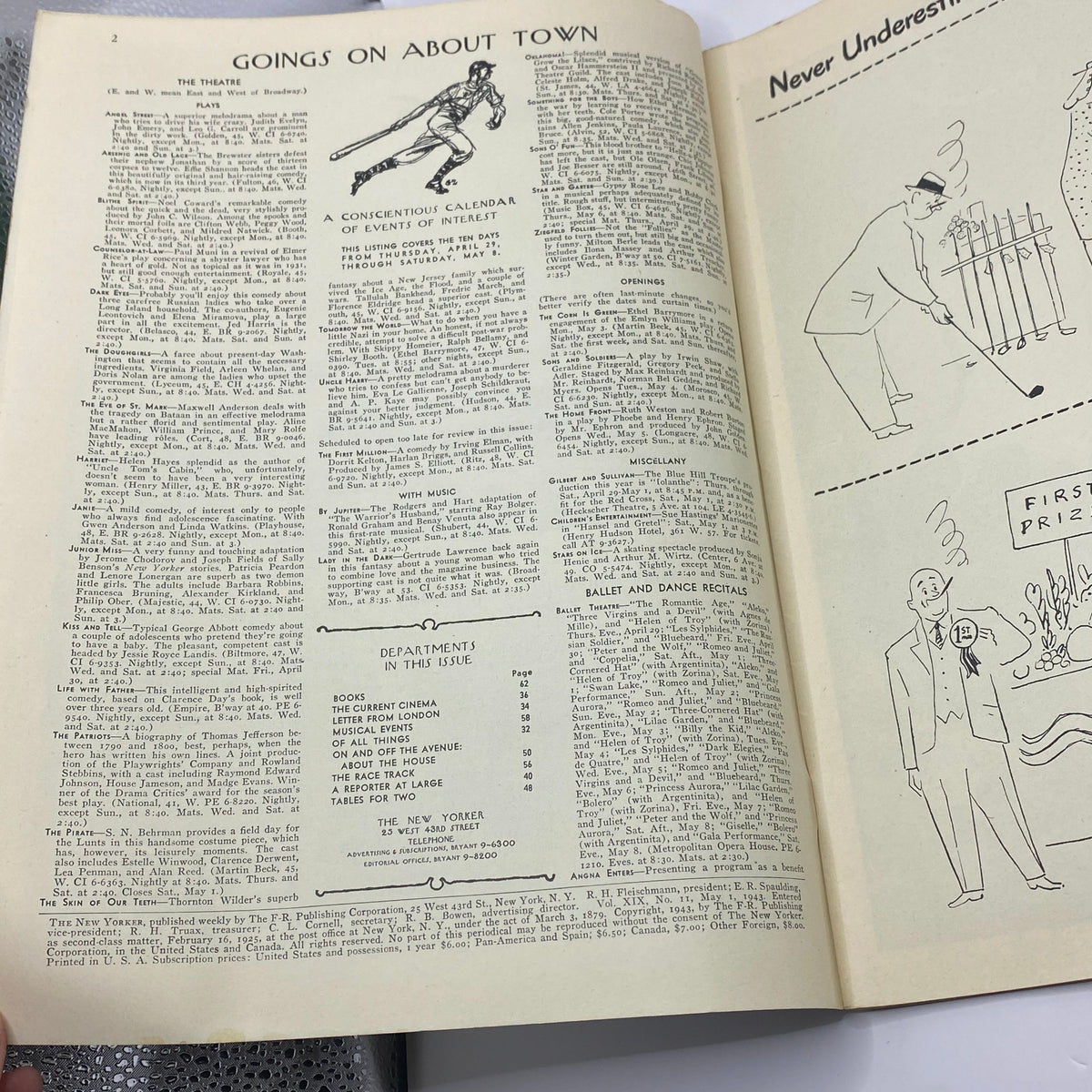
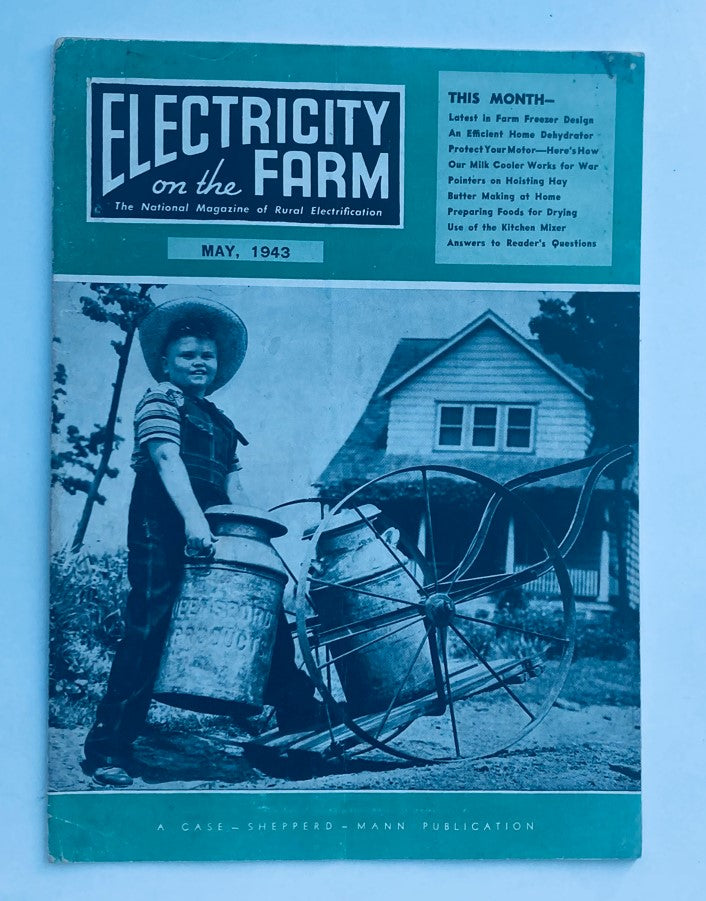
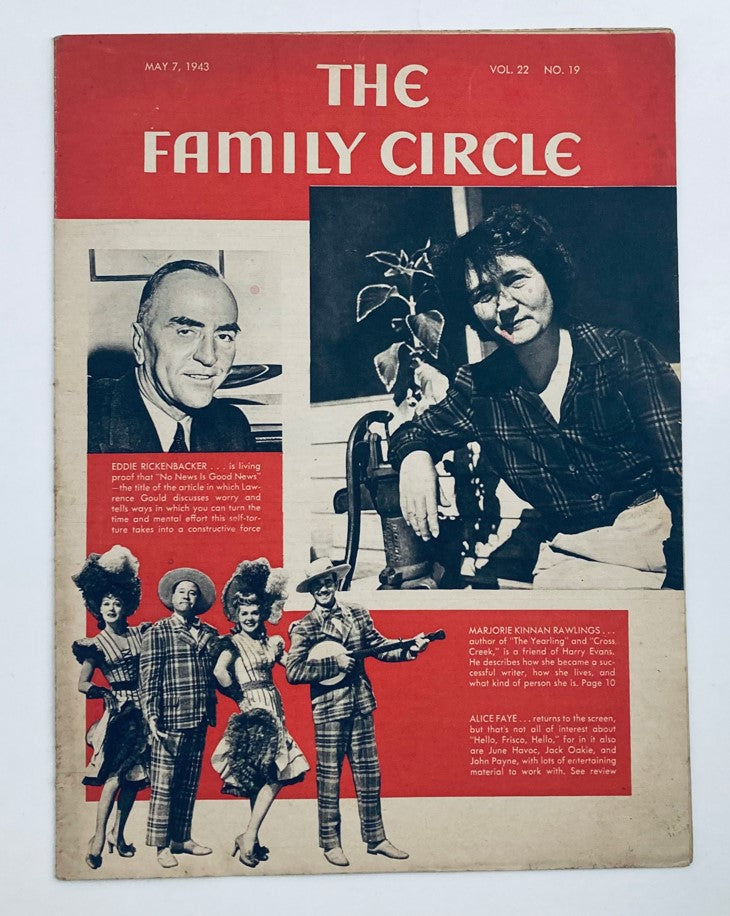
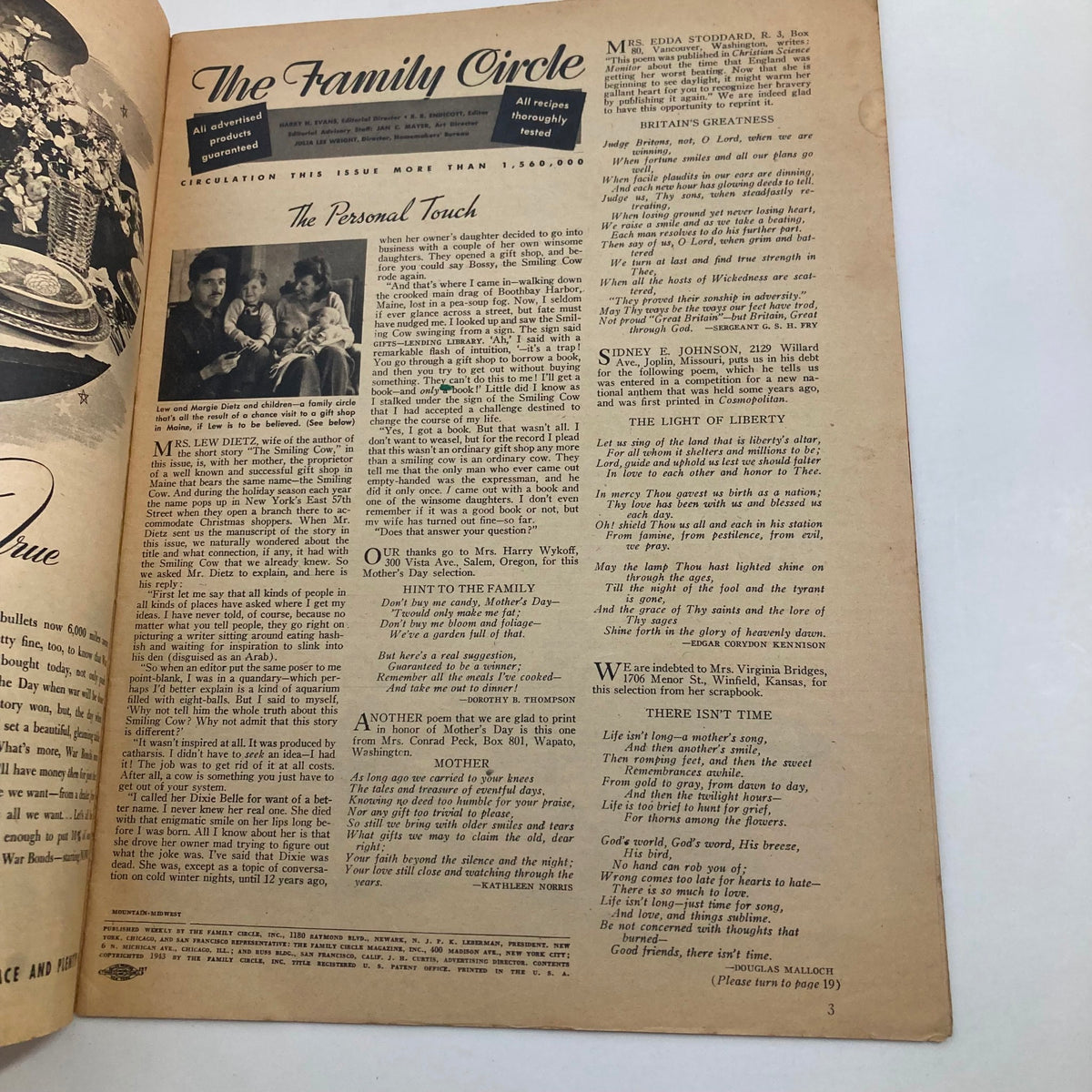
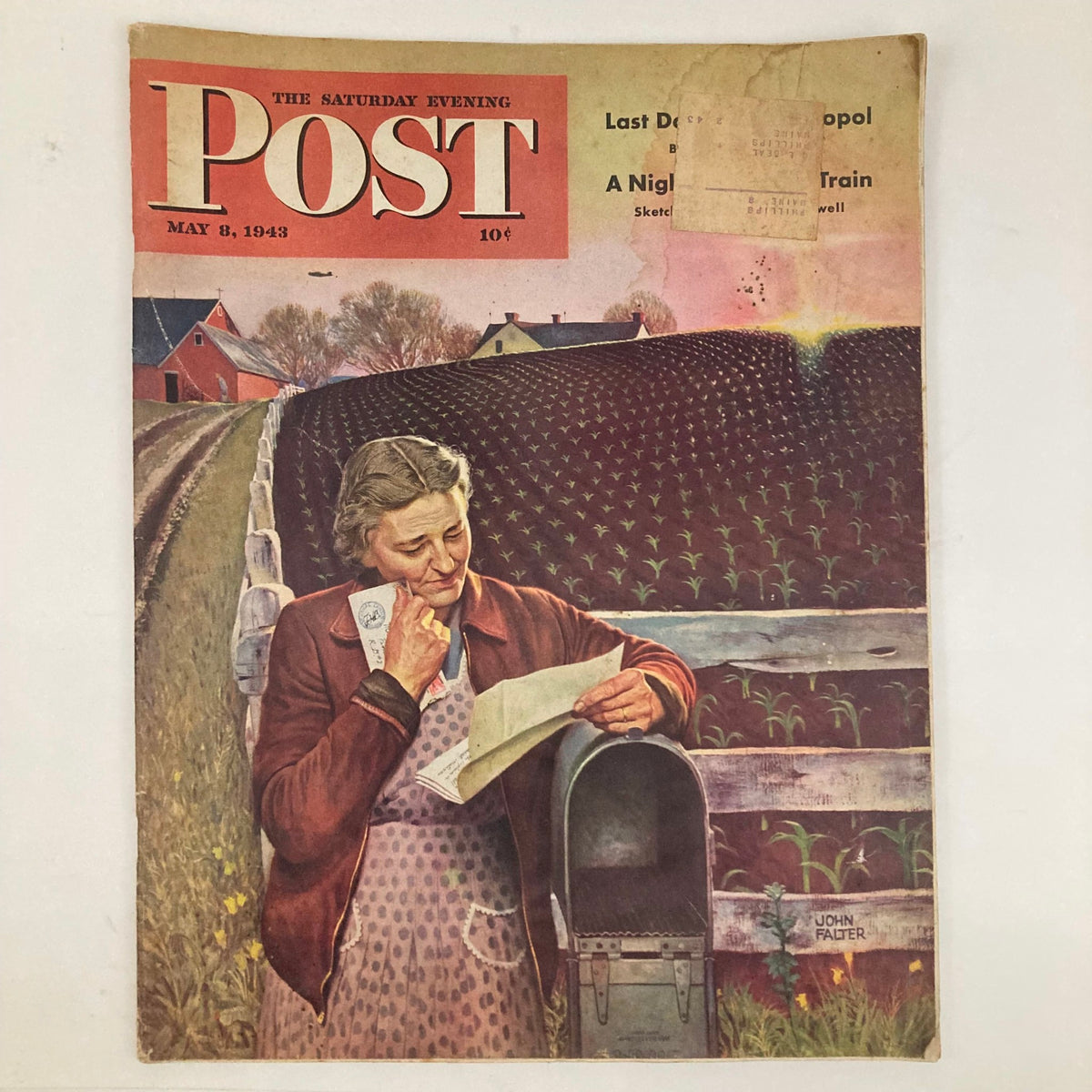
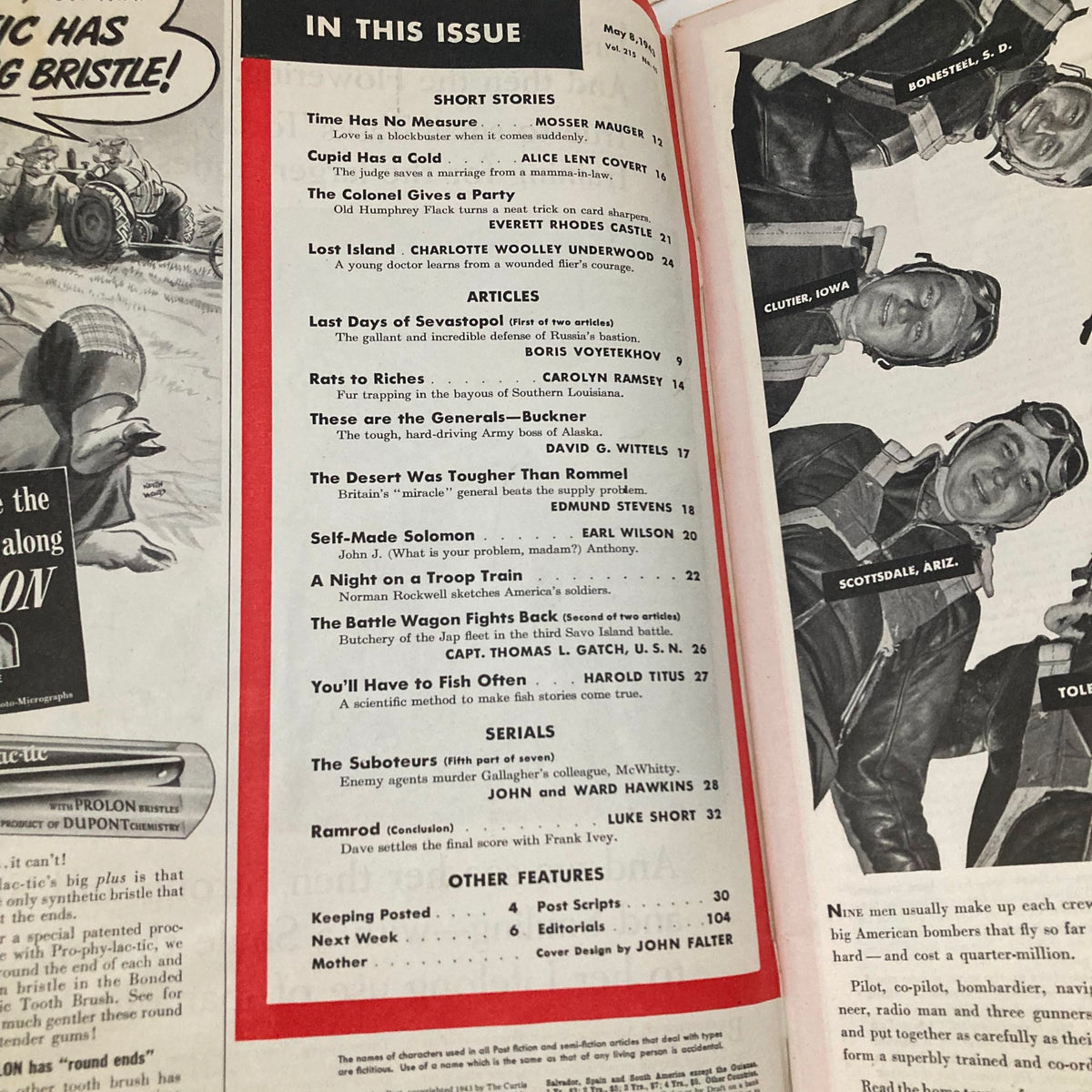
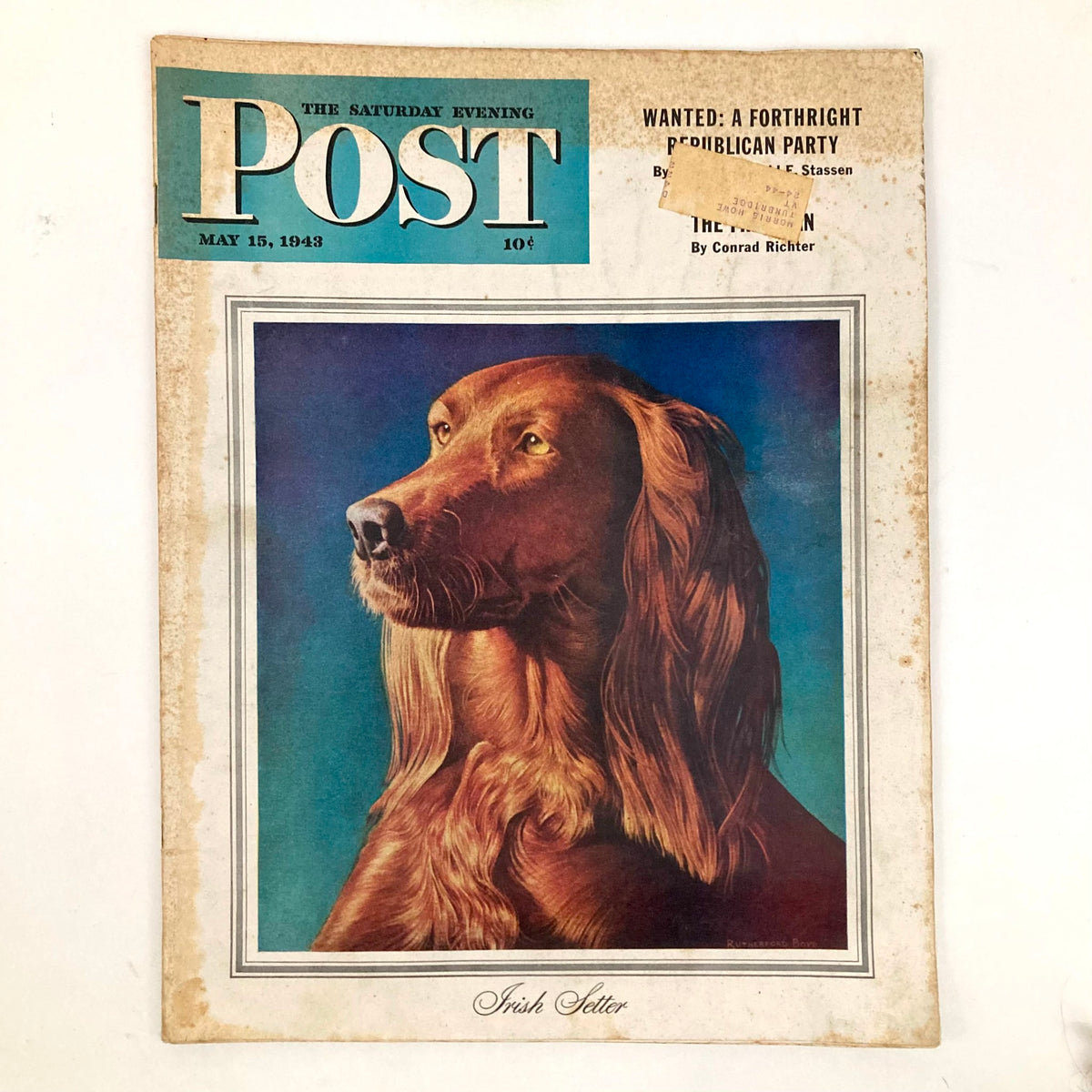
Original magazines from May 1943 reflect a home front culture simultaneously strained and resilient: meat and cheese rationing began on May 29, yet advertisements still promised comfort, style, and the good life just around the war's corner. Vogue and Harper's Bazaar from this month balance wartime pragmatism with aspirational fashion, while general-interest titles like The Saturday Evening Post and Newsweek document both battlefield triumph and hard domestic reality. These are genuine artifacts of a society at its most tested.
Curator's Checklist
- Axis Surrender in North Africa: News and photographic magazines including Life and Time featuring sweeping coverage of the May 13 German and Italian capitulation, often illustrated with dramatic photographs of prisoners, Allied commanders, and the Tunisian landscape after the fighting.
- Churchill's Washington Visit: Issues of Look, Life, and Newsweek showcasing the British Prime Minister's arrival on May 12, frequently featuring portrait photography and analysis of Allied war strategy at this turning-point moment in the conflict.
- The Warsaw Ghetto's End: Rare magazines carrying international reporting on the SS destruction of the Warsaw Ghetto on May 16, documenting one of the war's darkest chapters through the eyes of correspondents and wire dispatches reaching American editors.
- Count Fleet's Triple Crown Bid: Vintage magazines from sporting and general-interest publications chronicling Johnny Longden's rides on Count Fleet in the Kentucky Derby and Preakness—look for race coverage, horse photography, and the early excitement of a potential Triple Crown sweep.
- The Dambusters Raid: Time, Newsweek, and aviation-focused titles covering the RAF's audacious Operation Chastise on May 16-17, in which No. 617 Squadron's bouncing bombs breached the Möhne and Eder dams in Germany's industrial heartland.
The Perfect Gift
For someone born in May 1943, an original magazine from this pivotal month isn't just a piece of old paper—it's an authenticated window into the exact world they entered, preserved in genuine wartime headlines, period advertisements, and the photographs that a generation held in their hands.