📖 About this Collection
May 1946: The World Exhales and Rebuilds
The Historical Context
The air in May 1946 carried something unfamiliar—the slow, cautious exhalation of a world still learning what peacetime meant. In Tokyo, an international military tribunal opened to reckon with the architects of war. In San Francisco Bay, a violent prison siege at Alcatraz left five dead and a nation unsettled, proof that chaos didn't simply dissolve when the guns fell silent. Meanwhile, a US patent was quietly filed for a hydrogen bomb, a reminder that the age of atomic anxiety was not receding but deepening. This was the world your loved one entered—a May of reckoning and renewal, where old orders collapsed and new ones strained to take shape. King Victor Emmanuel III of Italy abdicated his throne, his son Umberto II inheriting a monarchy that would survive only 34 days before Italy voted it into history. Jordan gained its independence from Britain, and the Philippines stood on the threshold of a new national identity as Manuel Roxas was inaugurated as the last President of the Commonwealth.
What People Were Reading, Watching, and Celebrating
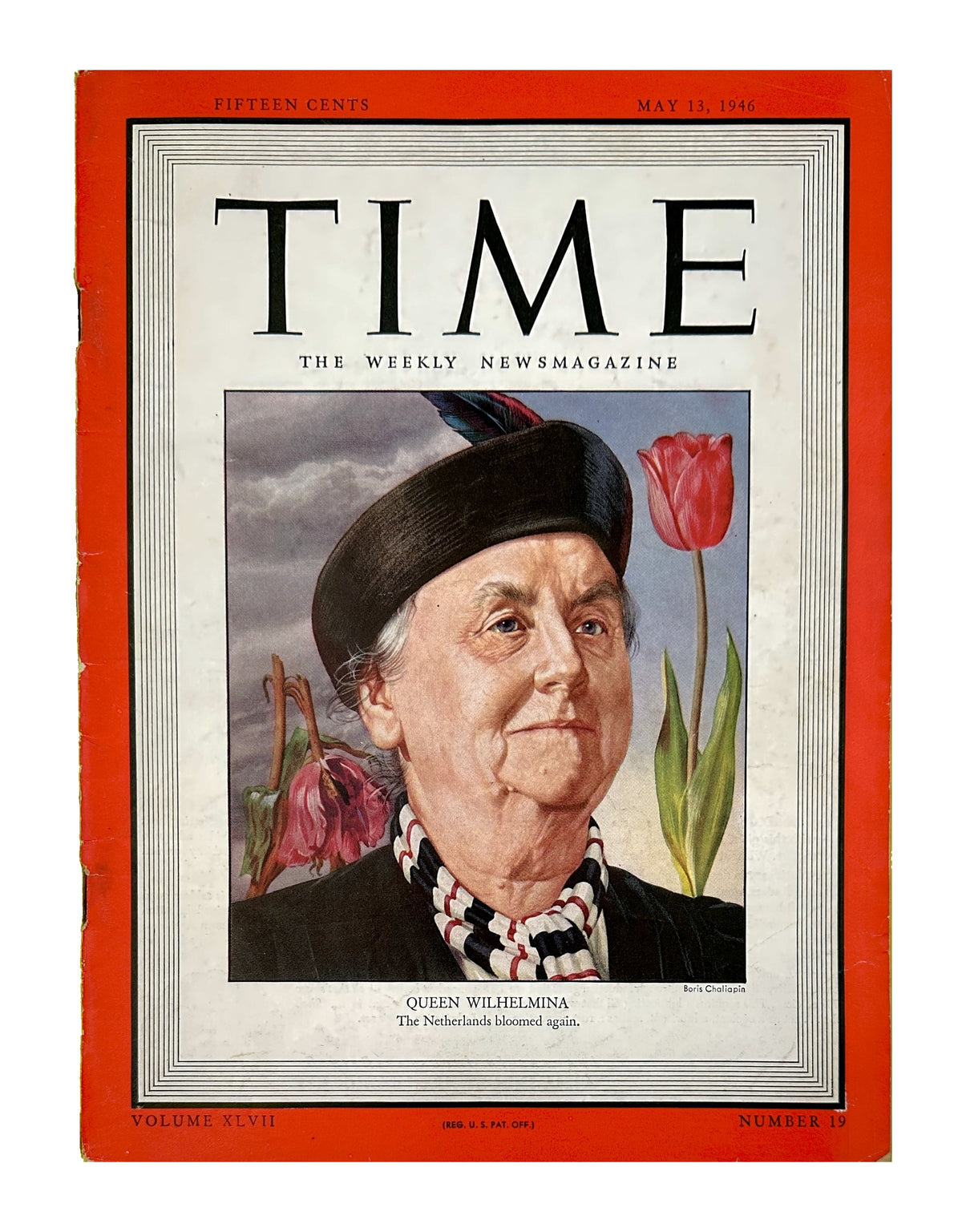
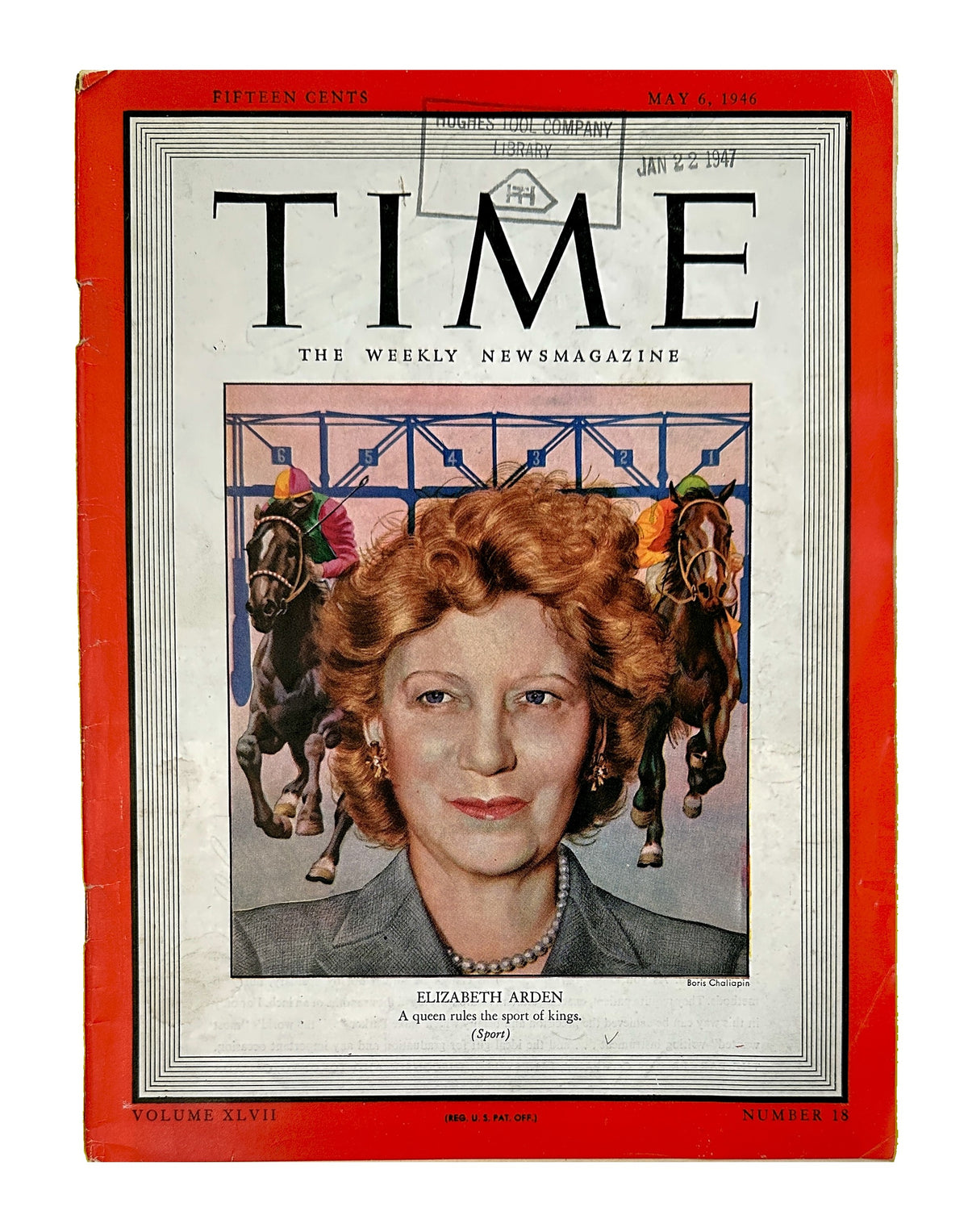
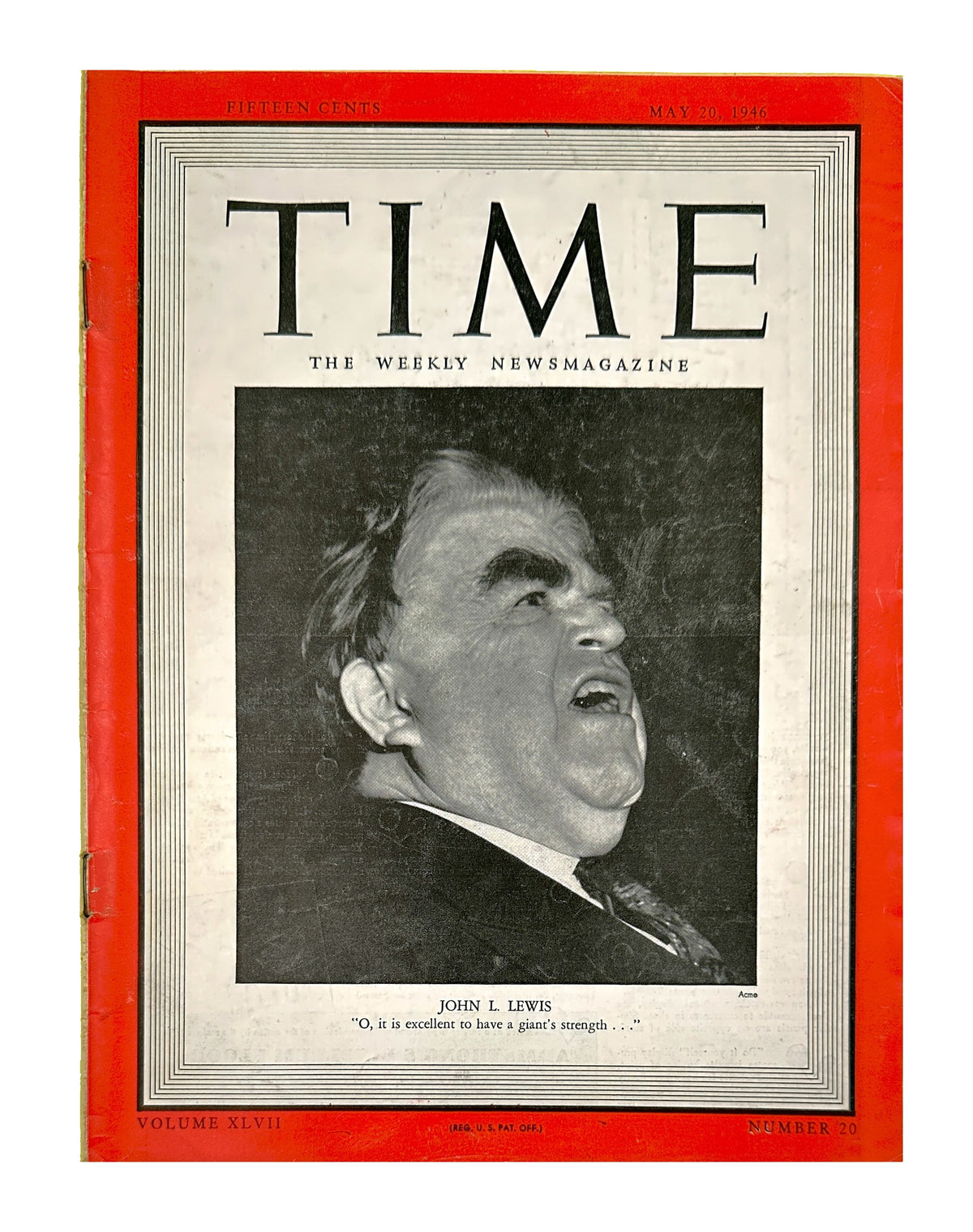
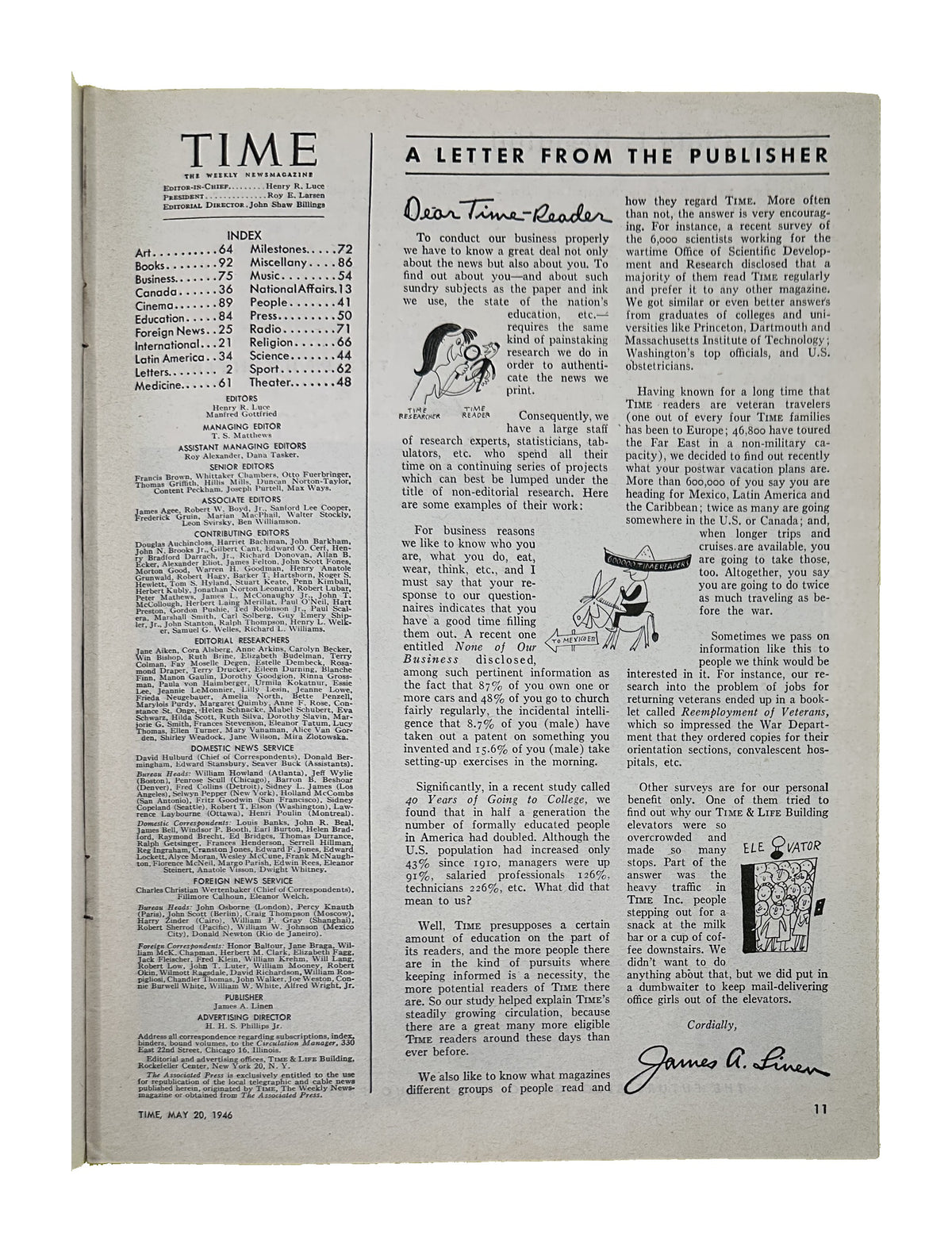
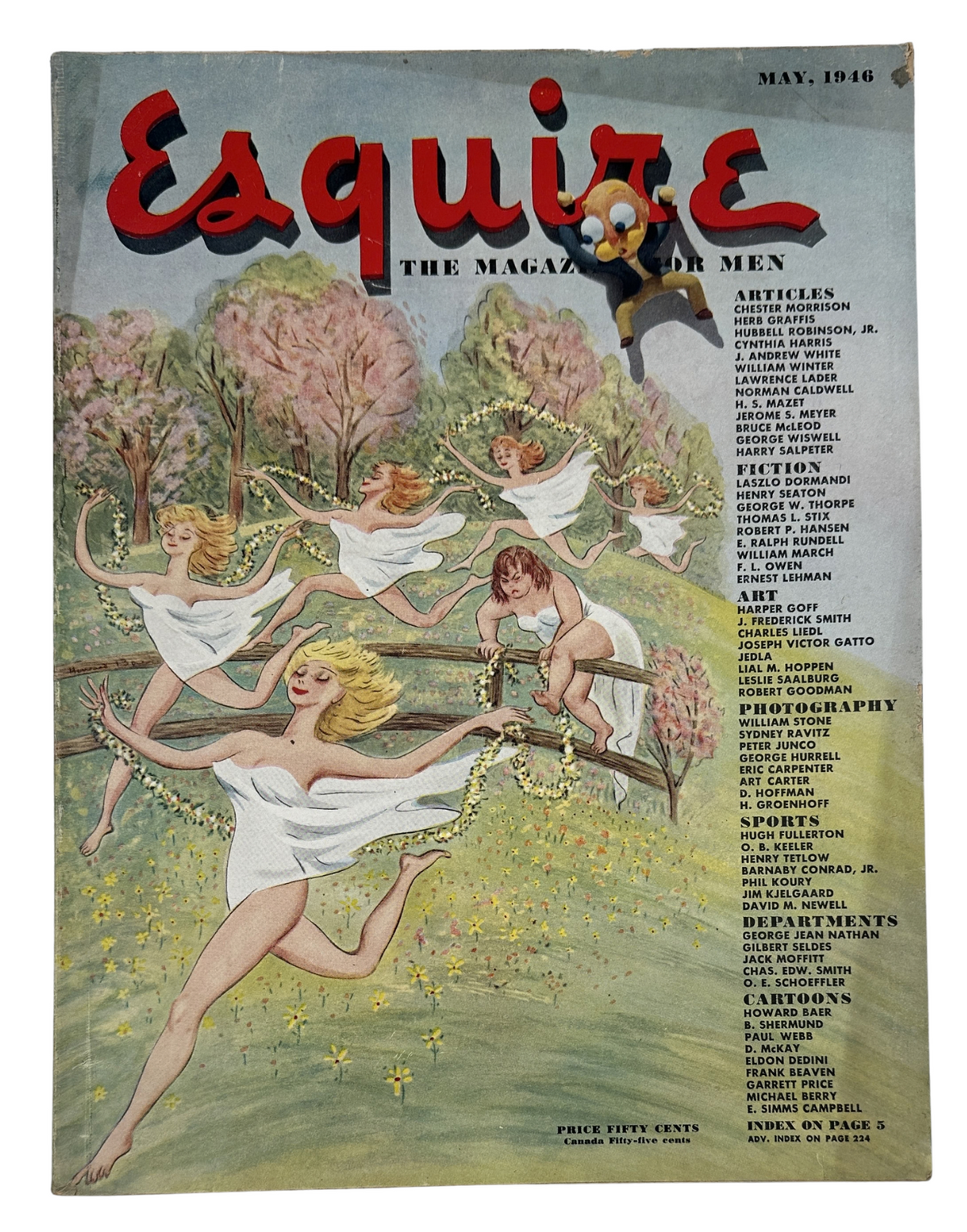
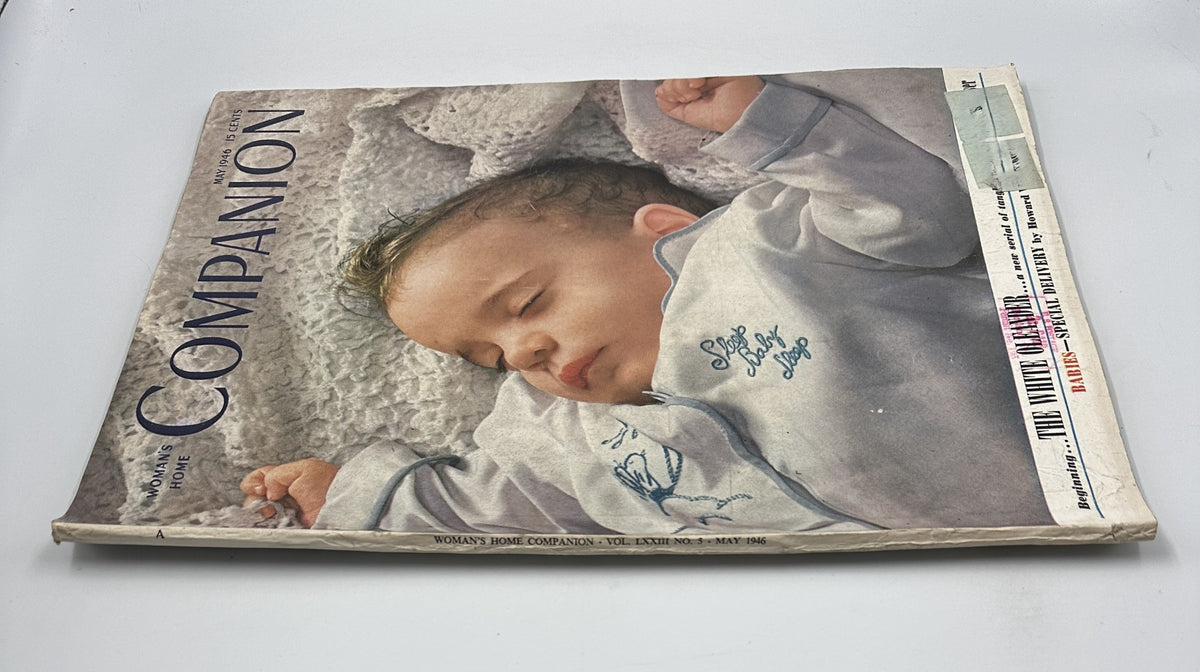
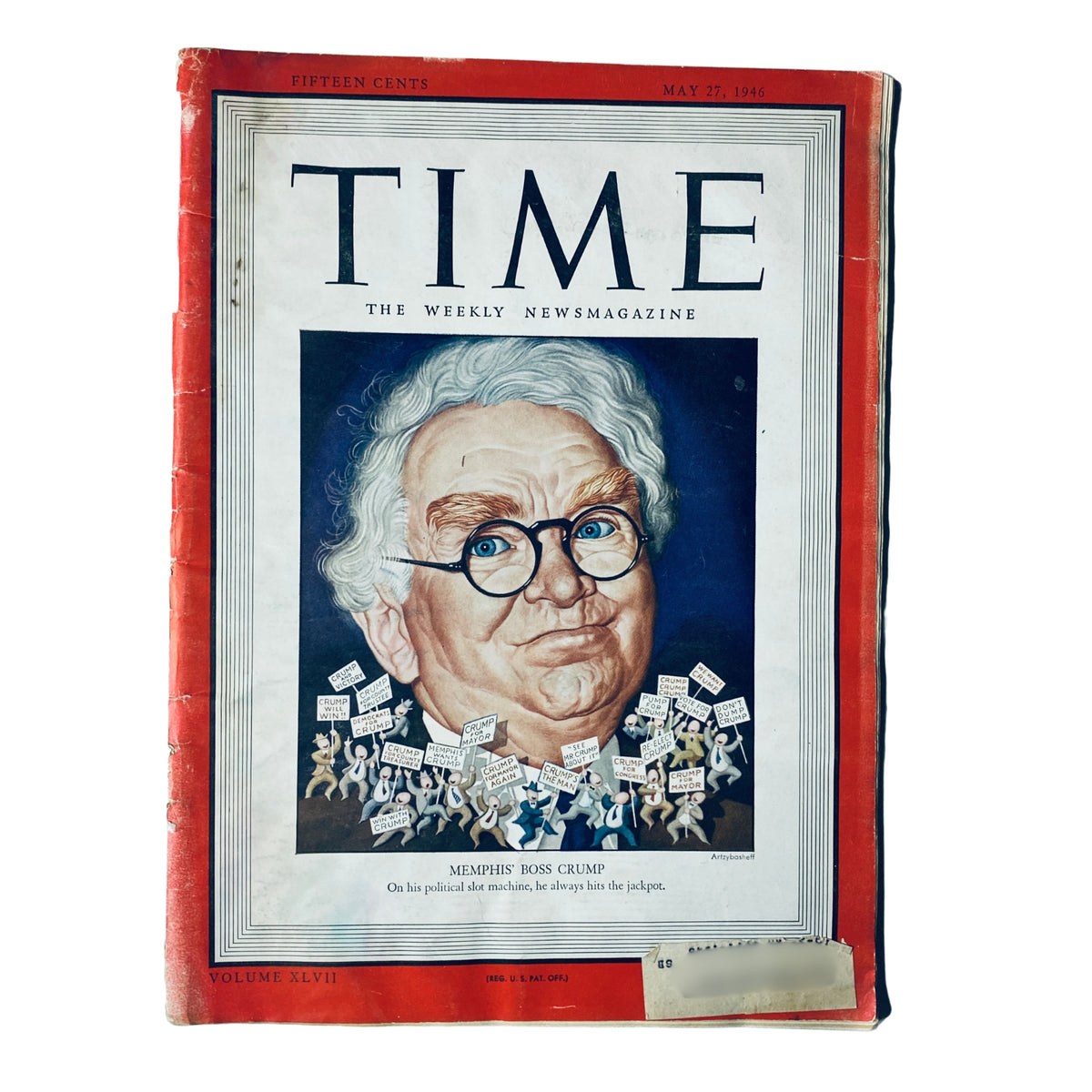
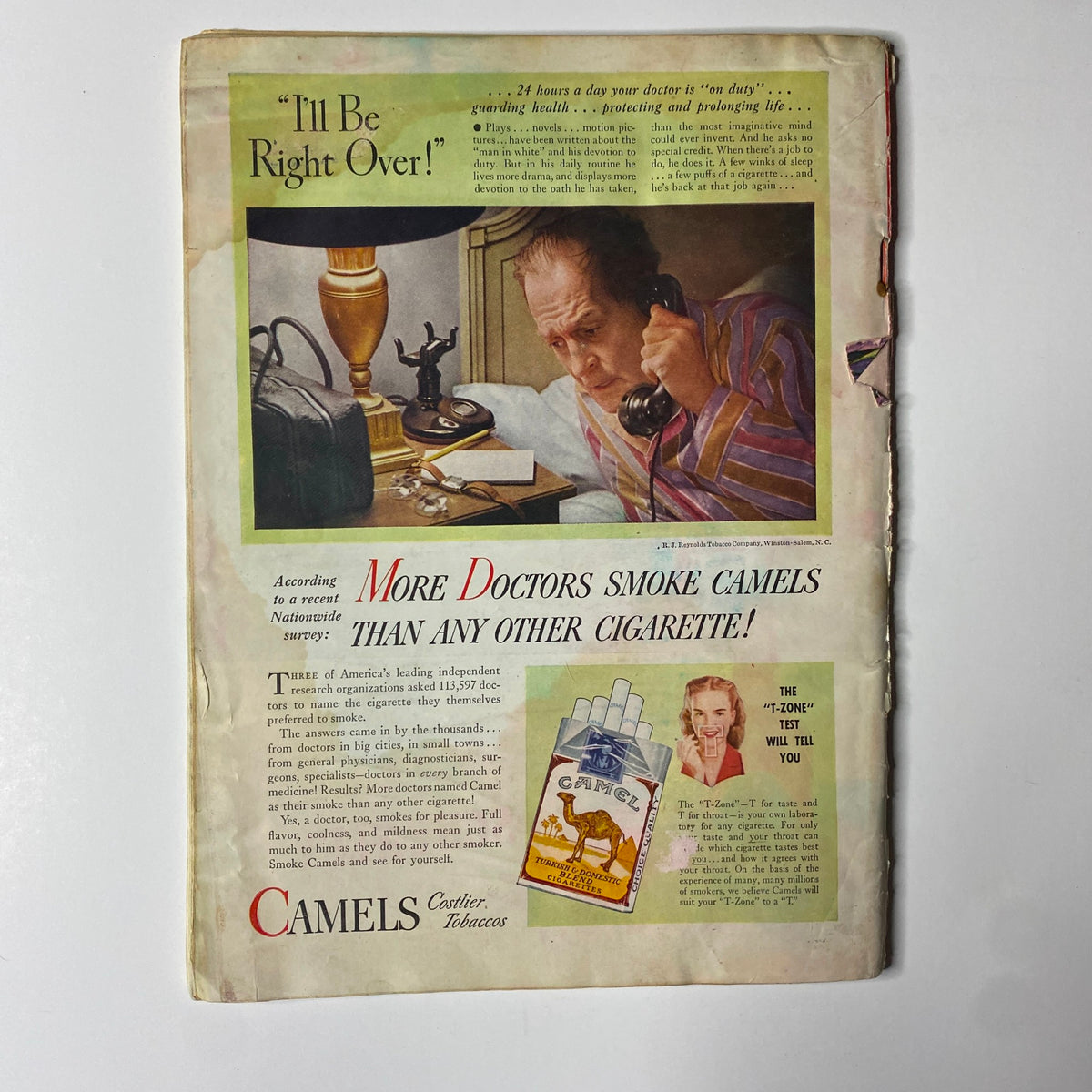
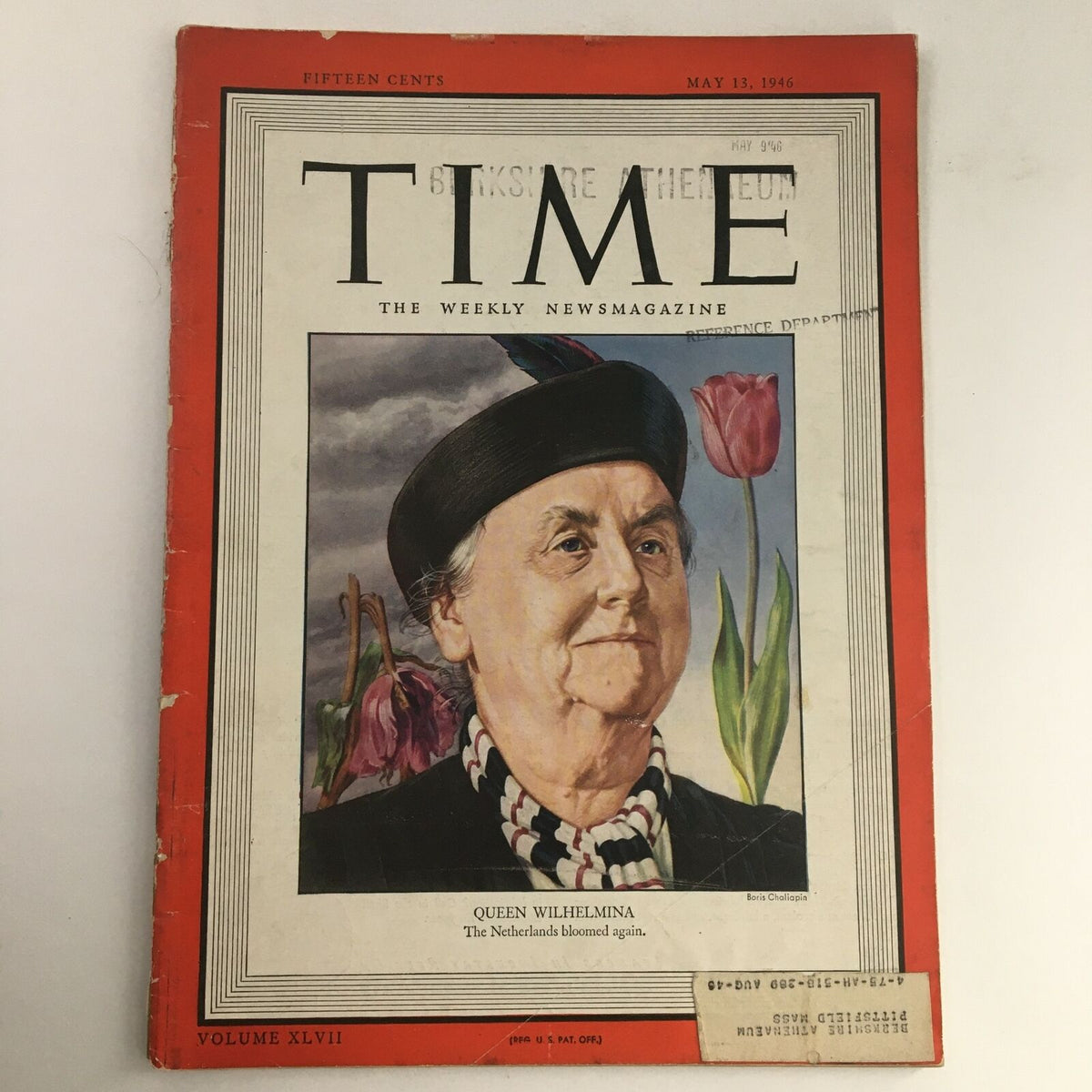
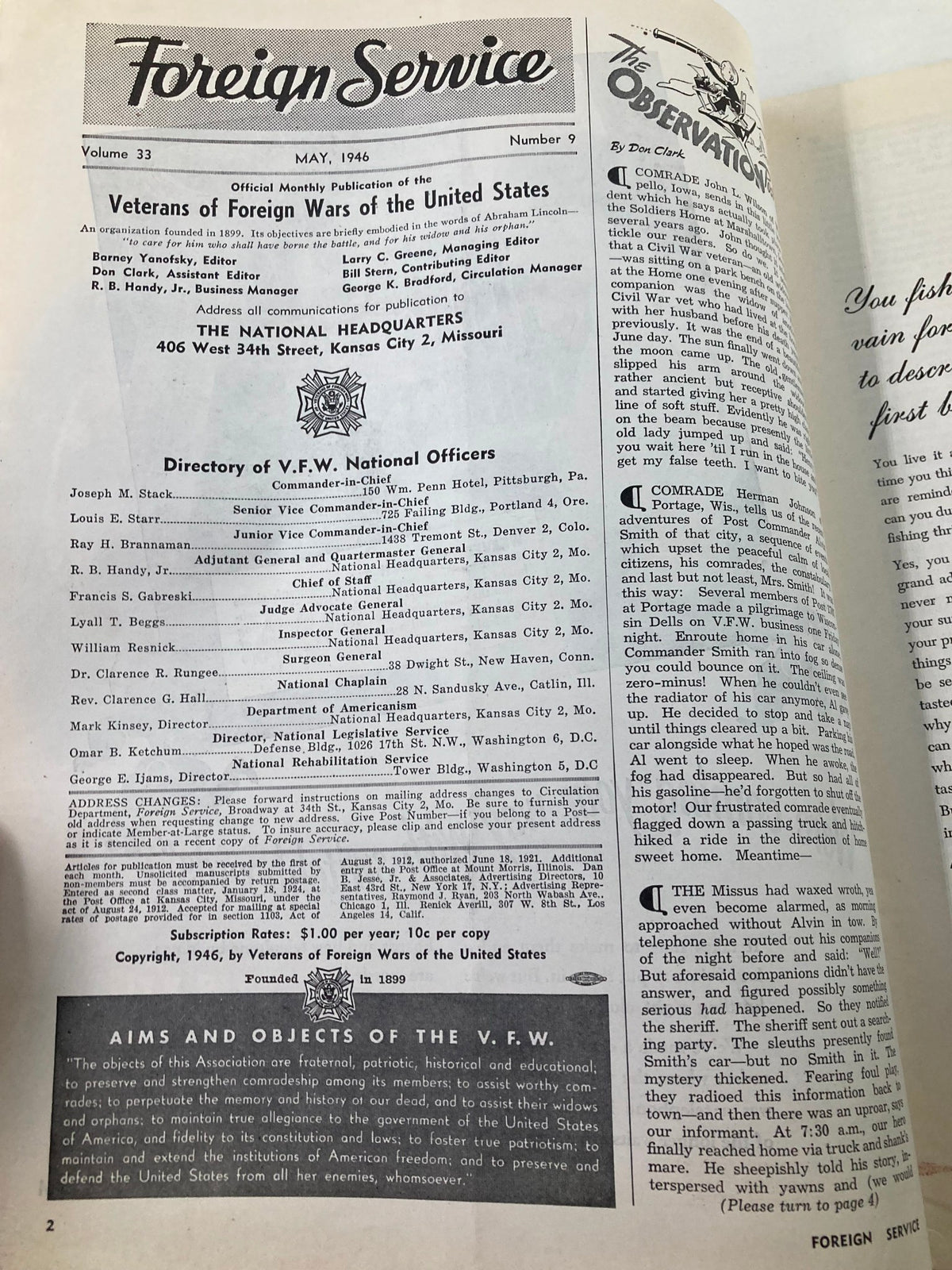
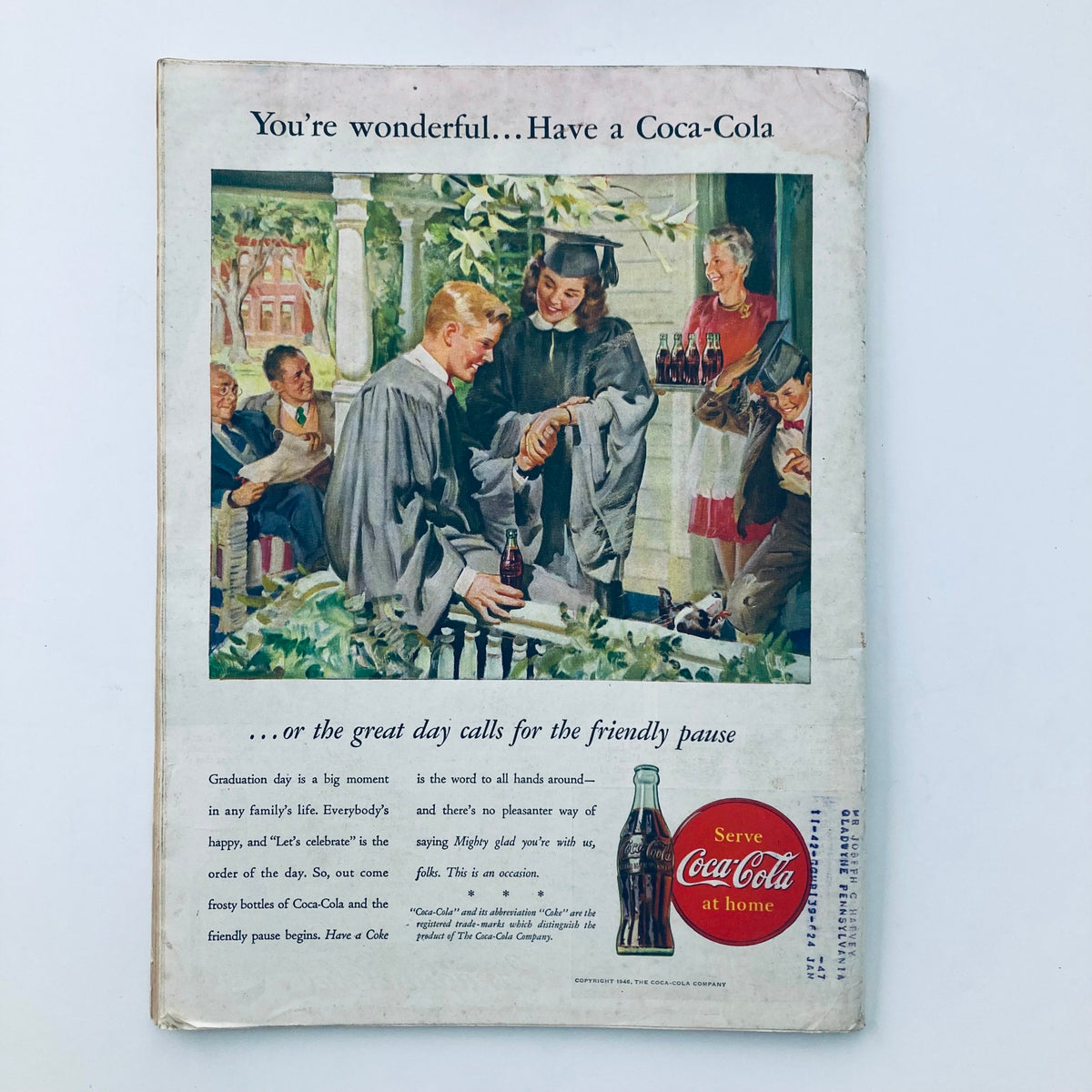
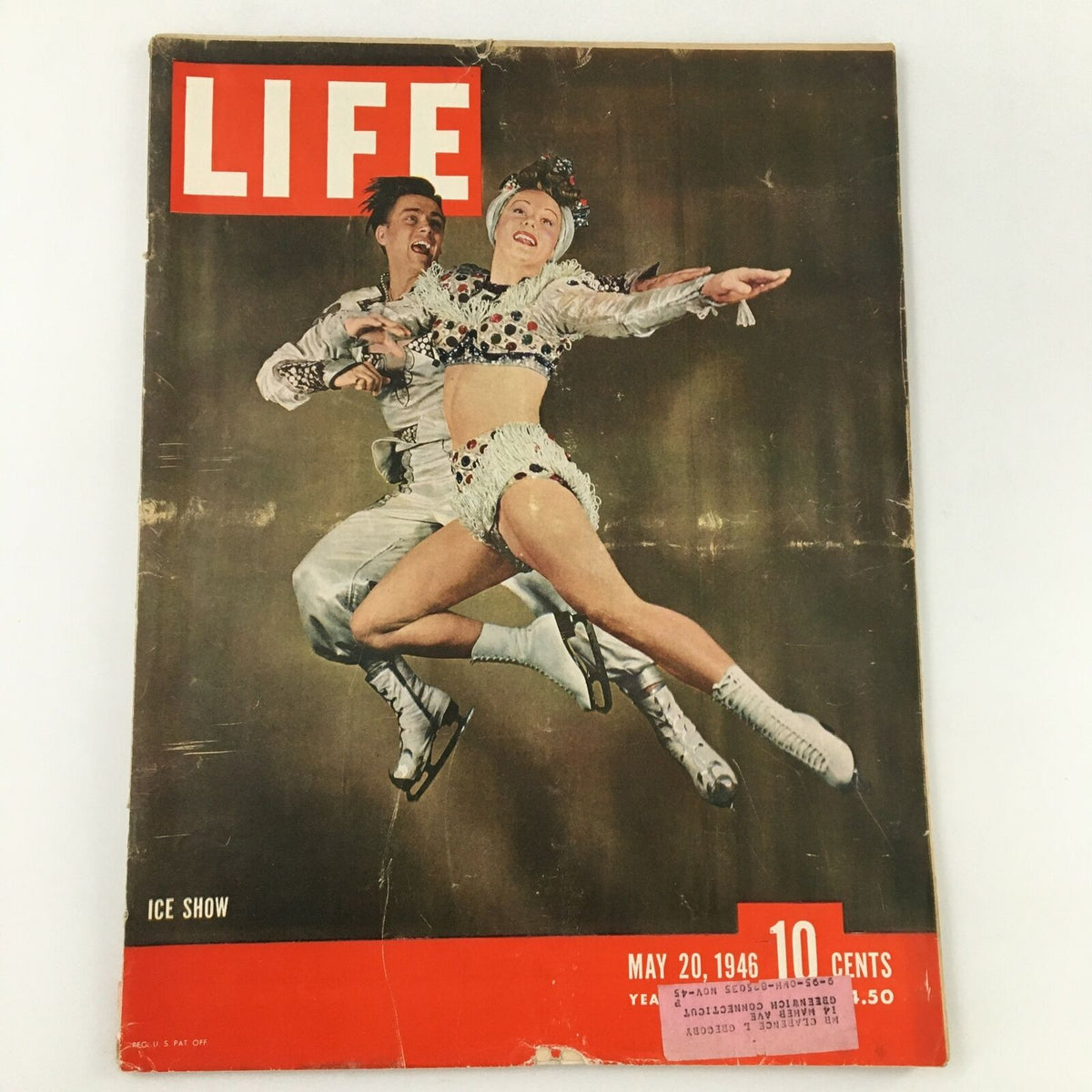
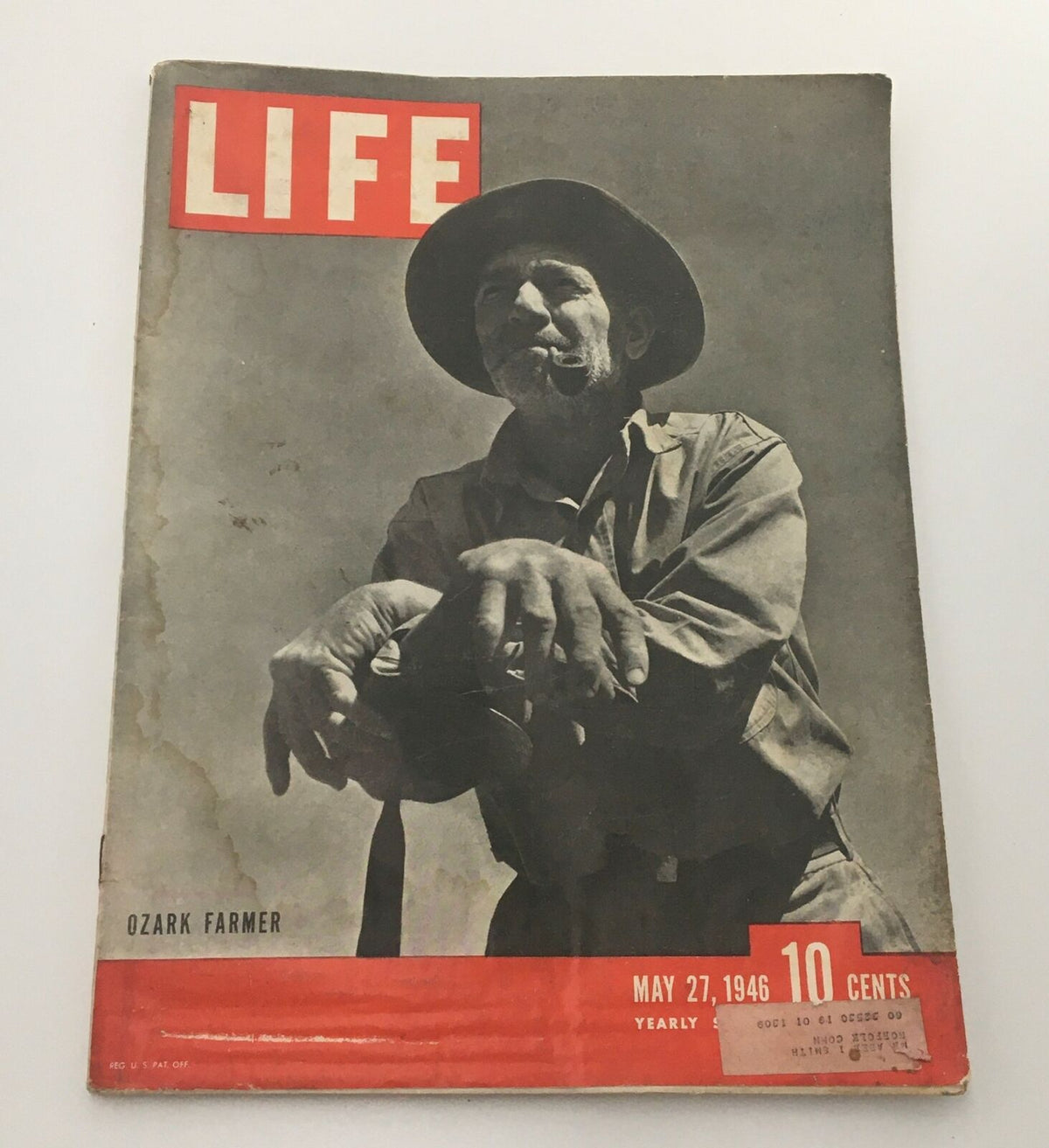
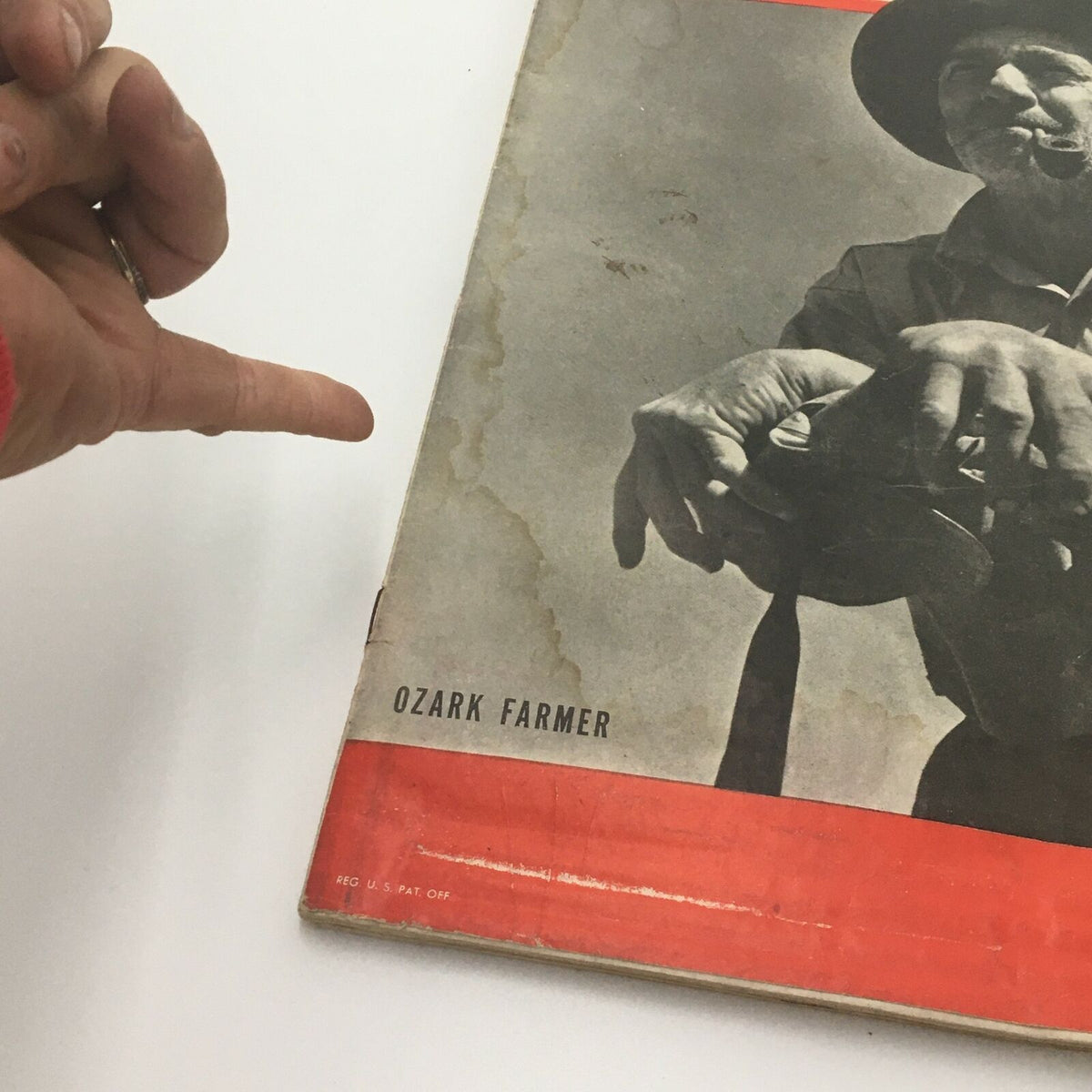
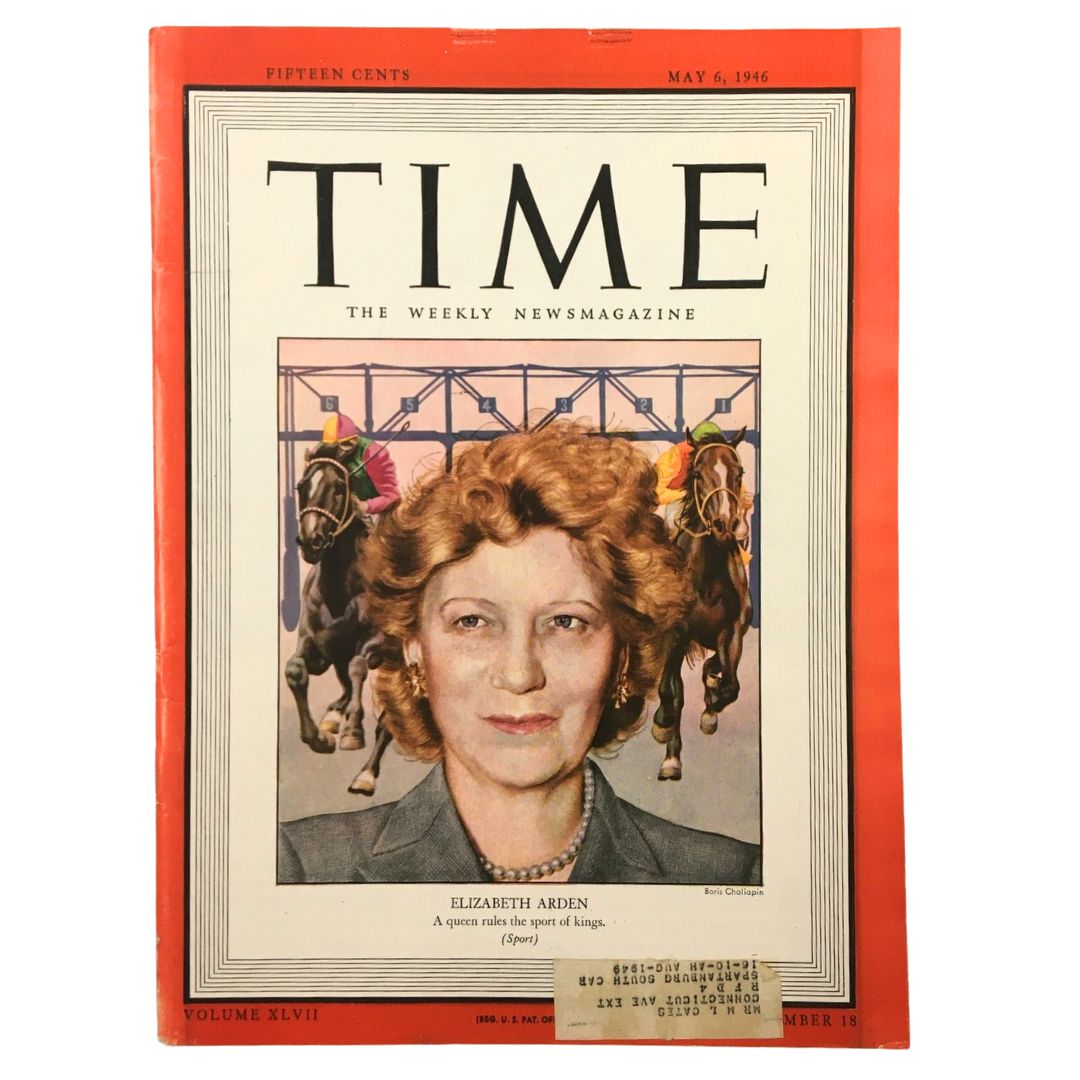
Broadway lit up on May 16th when Irving Berlin's Annie Get Your Gun opened at the Imperial Theatre, with Ethel Merman commanding the stage and "There's No Business Like Show Business" entering the American songbook instantly. Lana Turner, already a magnetic presence in Hollywood, drew audiences to The Postman Always Rings Twice, a noir thriller that crackled with tension and controversy in equal measure. On the diamond, baseball roared back with postwar energy—the Indianapolis 500 resumed after its wartime hiatus, George Robson winning to the delight of crowds hungry for the familiar rhythms of competition. The Yankees and Red Sox played out dramas of their own, with Joe DiMaggio's grand slam and a Yankees triple play filling sports pages. Original magazines from May 1946 captured all of it: the theater reviews, the film stills, the box scores, and the advertisements for consumer goods Americans were finally free to want again. Life, Time, and Look gave visual form to these months of transition. Variety tracked Broadway's comeback. Sports Illustrated would not yet exist, but rare magazines like early sports weeklies and illustrated newspapers preserved the athletic resurgence in fine detail.
Curator's Checklist: What to Look for in May 1946 Magazines
-
The Tokyo War Crimes Tribunal: News and photo magazines including Life, Time, and Newsweek featuring front-page coverage of the International Military Tribunal's opening in Tokyo, often illustrated with photographs of the defendants and the courtroom proceedings that would unfold over the following years.
-
Broadway's Big Opening — Annie Get Your Gun: Entertainment publications and general interest magazines showcasing Irving Berlin's landmark musical premiere, with vintage magazines of this era frequently featuring production photographs, cast portraits of Ethel Merman, and theatre advertisements that collectors find irresistible.
-
The Battle of Alcatraz: Crime and news weeklies, true crime periodicals, and national news magazines chronicling the May 2–4 prison siege that killed two guards and three inmates, presenting authentic period photography and the breathless reportage style of the era.
-
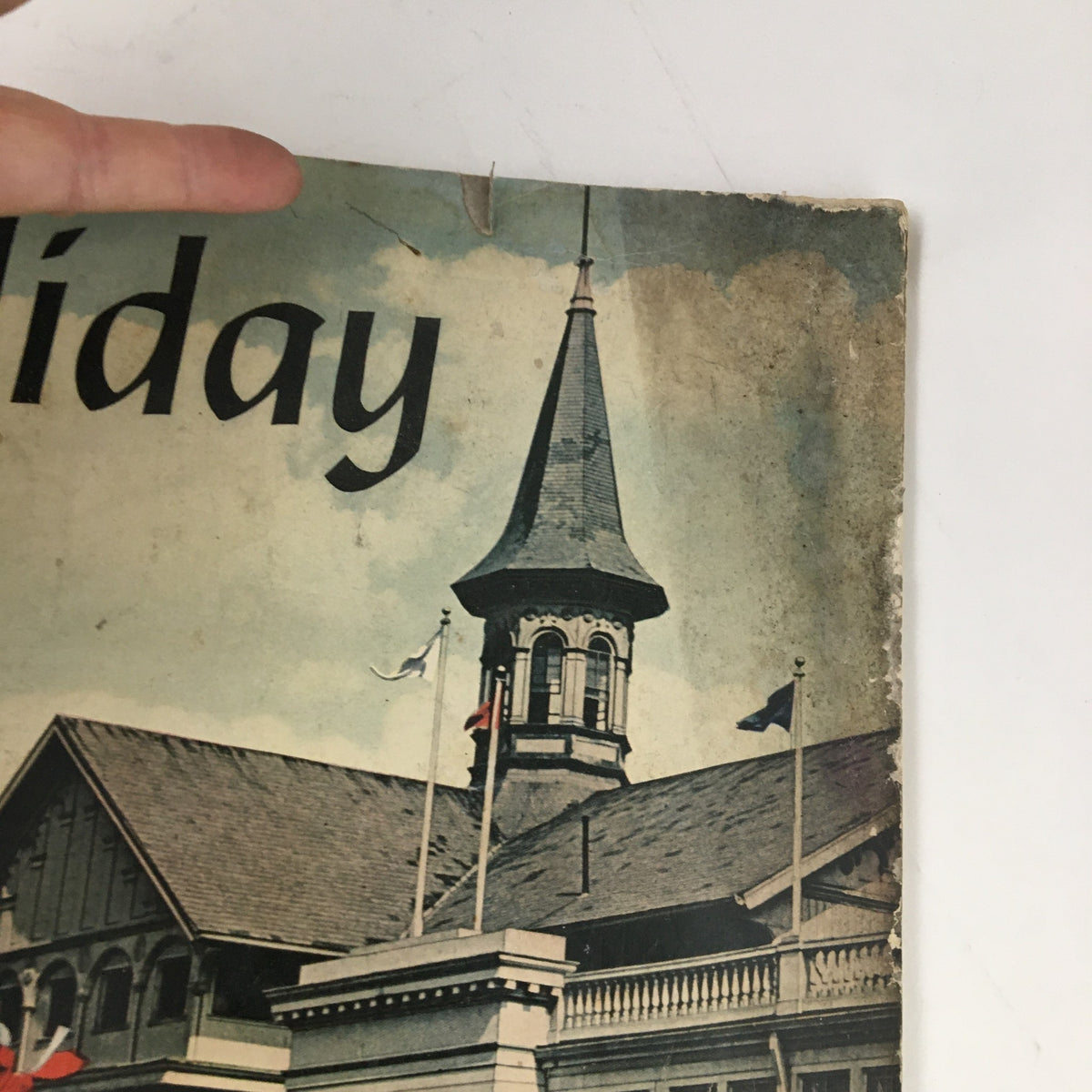
The Indianapolis 500 Returns: Sports publications and illustrated news magazines celebrating the first Indy 500 since the war's interruption, with genuine period advertisements for automobile manufacturers and fuel brands that speak directly to the optimism of 1946 America.
-
Hollywood Noir and Postwar Cinema: Film fan magazines, Variety, and general interest titles showcasing Lana Turner's new film The Postman Always Rings Twice, with authentic studio advertising layouts and film criticism that captures the postwar appetite for darker storytelling.
The Perfect Gift
For someone born in May 1946, an original magazine from this remarkable month of reckoning and renewal isn't just a piece of paper—it's an authenticated time capsule of the exact world they arrived in, preserved in genuine headlines, original photography, and the very advertisements their parents may have clipped and saved.