📖 About this Collection
May 1947: The World Remade in Springtime
The Historical Context
The spring of 1947 crackled with a particular electricity—the electricity of a world still reassembling itself from the wreckage of war. On May 3rd, Japan's extraordinary new constitution went into effect, a document unlike any in that ancient nation's history: universal suffrage enshrined, Emperor Hirohito reduced to a symbol, and war itself renounced as an instrument of state policy. General MacArthur, who had approved the document days earlier, had presided over nothing less than the reinvention of a civilization. Meanwhile, on May 22nd, the Truman Doctrine formally took effect, committing American power to the defense of Greece and Turkey against communist pressure—a declaration that the United States would not retreat from the world as it had after the last great war. The same day saw the first American ballistic missile fired, a quiet technological announcement that would echo for decades. In Hungary, communists seized power on May 31st, and in Illinois, 111 miners died in a catastrophic coal explosion at Centralia. This was the world your loved one entered—unsettled, consequential, and alive with history being made.
The Culture That Filled the Newsstands
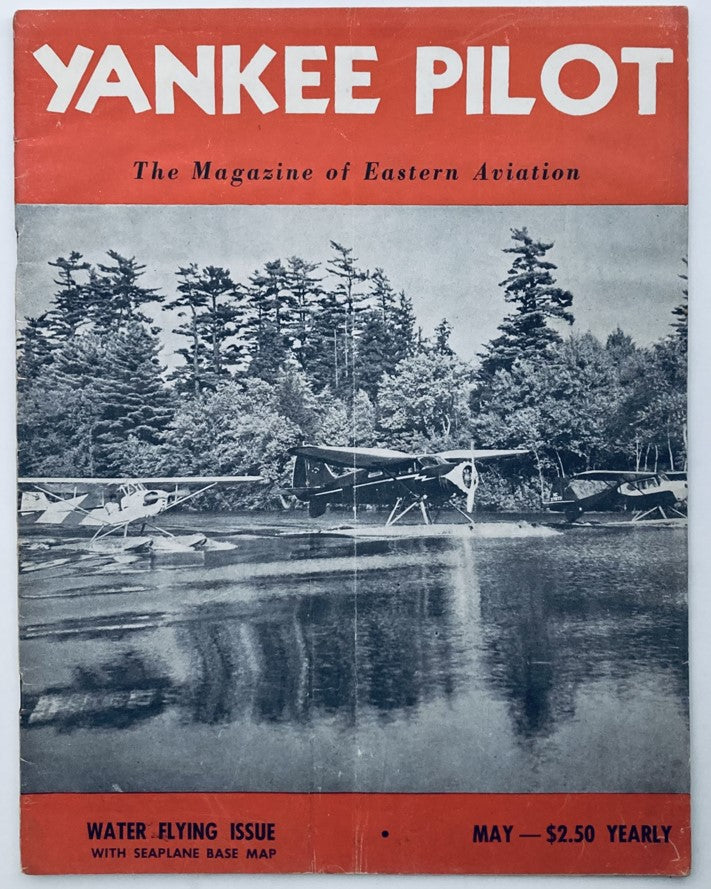
Off the front pages, May 1947 was a month of genuine cultural richness. Richard Rodgers and Oscar Hammerstein's Carousel—one of the great American musicals—closed its landmark Broadway run on May 24th after 890 celebrated performances, and the talk of theater circles carried into every sophisticated parlor. On May 7th, NBC premiered Kraft Television Theater, one of the earliest serious dramatic programs to grace the young medium of television, signaling that this flickering box in the corner might someday change how Americans spent their evenings. At the racetrack, Jet Pilot won the 73rd Kentucky Derby, and Mauri Rose took a controversial victory at the 31st Indianapolis 500 after confused pit signals—sports stories that dominated barbershop conversation all month long. BF Goodrich's announcement of the tubeless tire (May 11th, Akron, Ohio) appeared in the technology and automotive press, while jazz lovers read with dismay that the incomparable Billie Holiday had been arrested in her New York apartment on May 16th. Original magazines from May 1947 capture all of this—the drama, the debuts, and the daily texture of American life at a hinge moment in history.
The Curator's Checklist: What to Look For in May 1947 Magazines
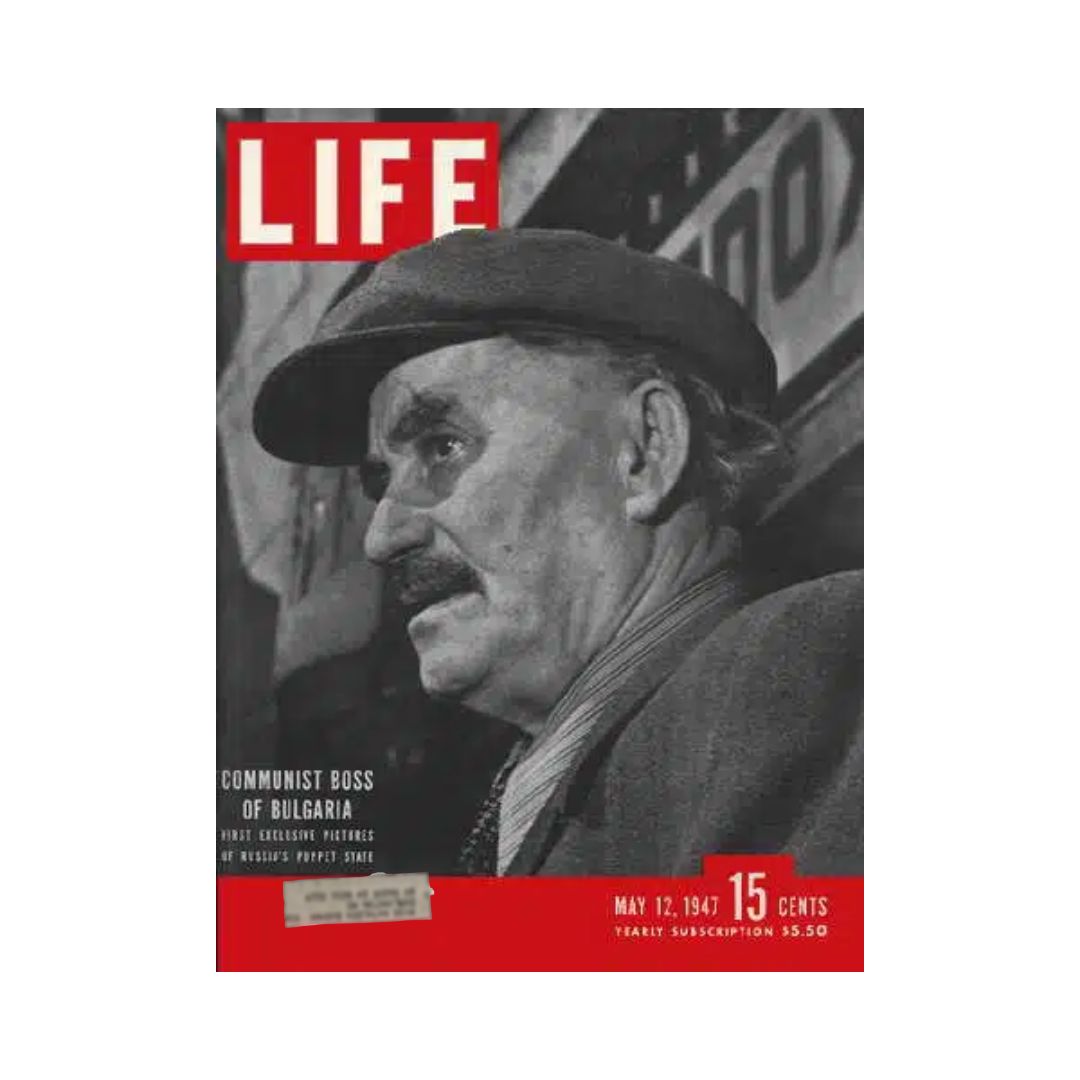
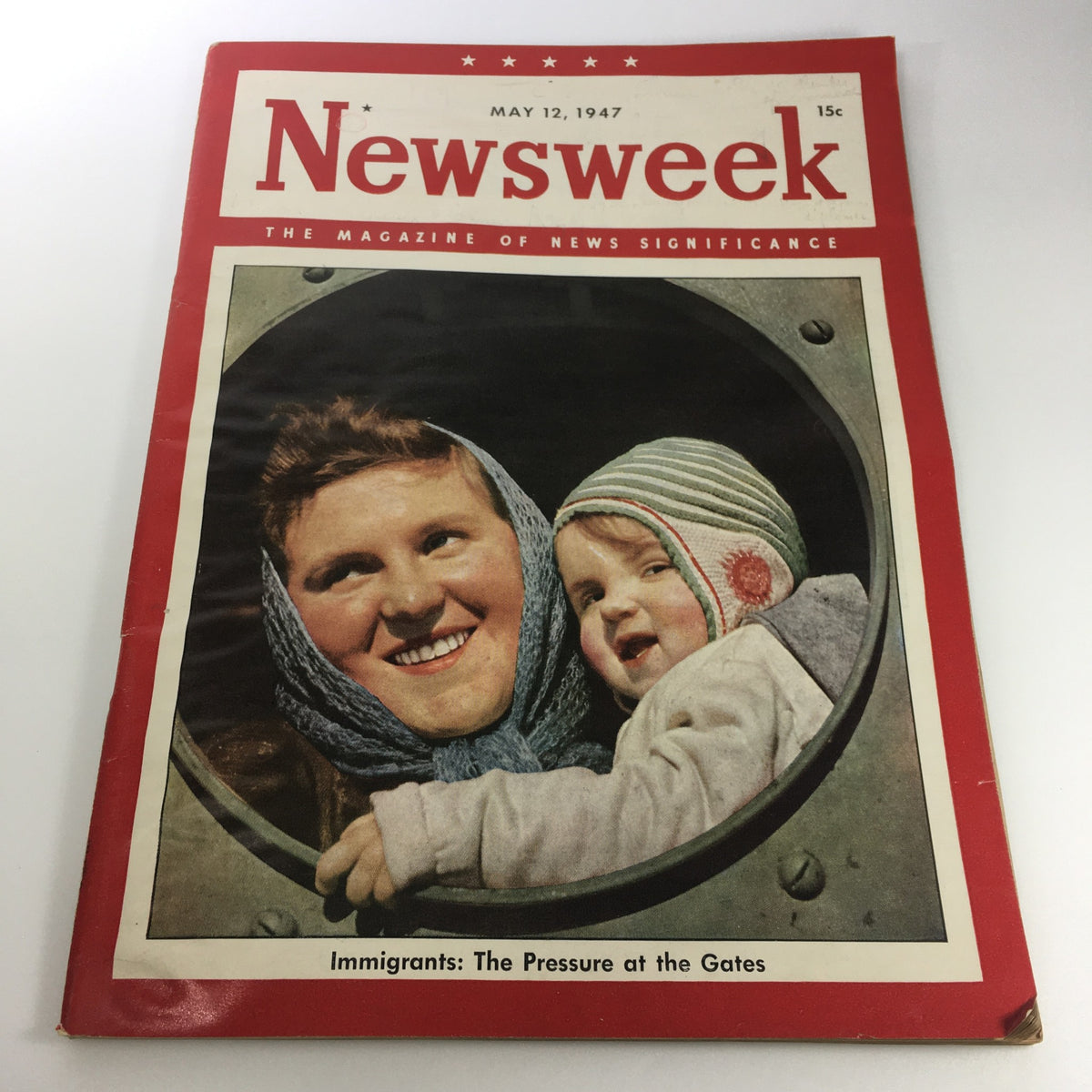
- Japan's New Constitution: Time, Life, and Newsweek covers and feature spreads illustrating the dramatic transformation of Japanese governance, often featuring photographs of MacArthur and the Imperial Palace alongside analysis of what this constitutional revolution meant for the postwar world order.
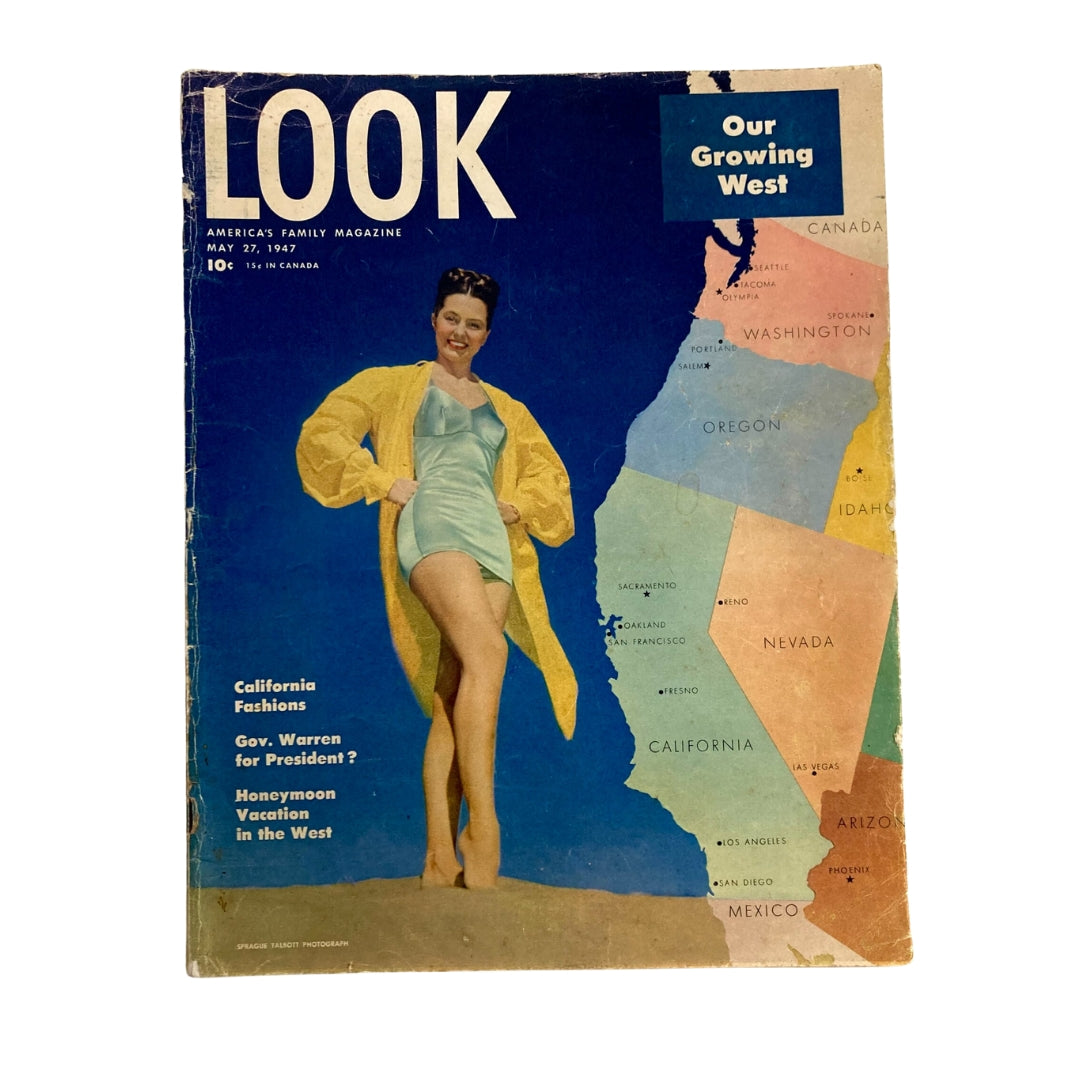
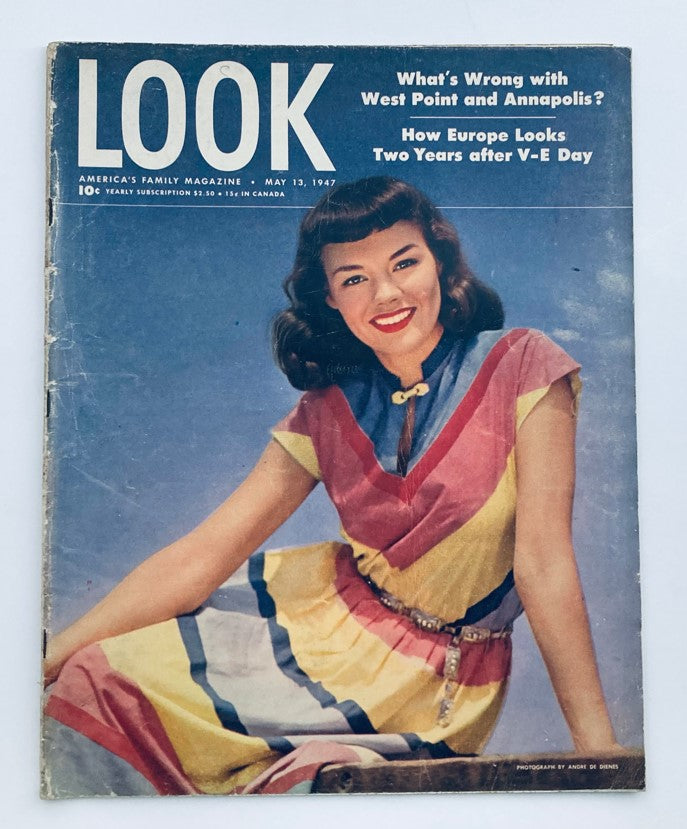
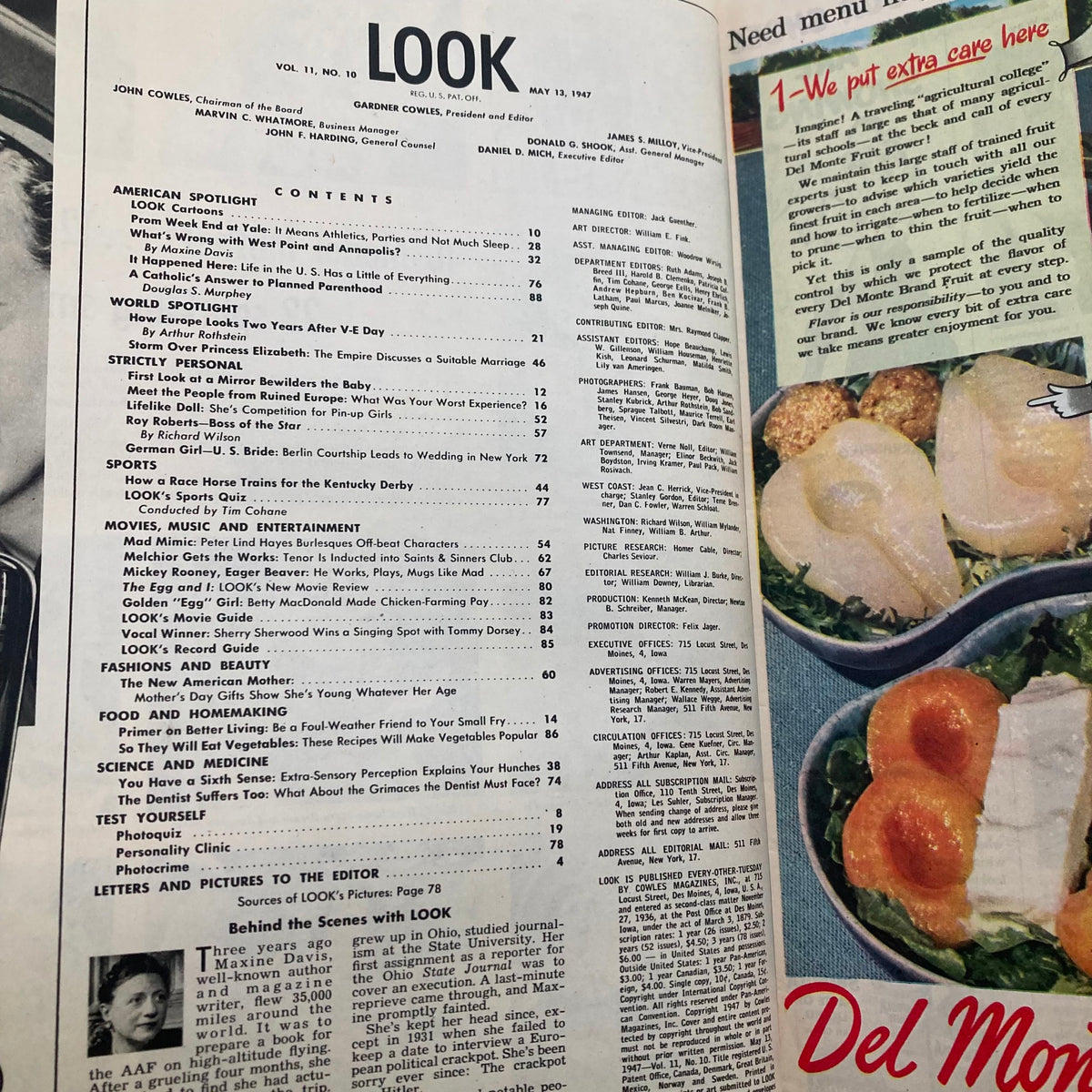
- The Truman Doctrine: Vintage magazines from Look and Life featuring detailed maps of Greece and Turkey, illustrated with photographs of Communist insurgents and State Department officials, showcasing the moment America formally committed to global containment—rare magazines capturing Cold War policy at its genesis.
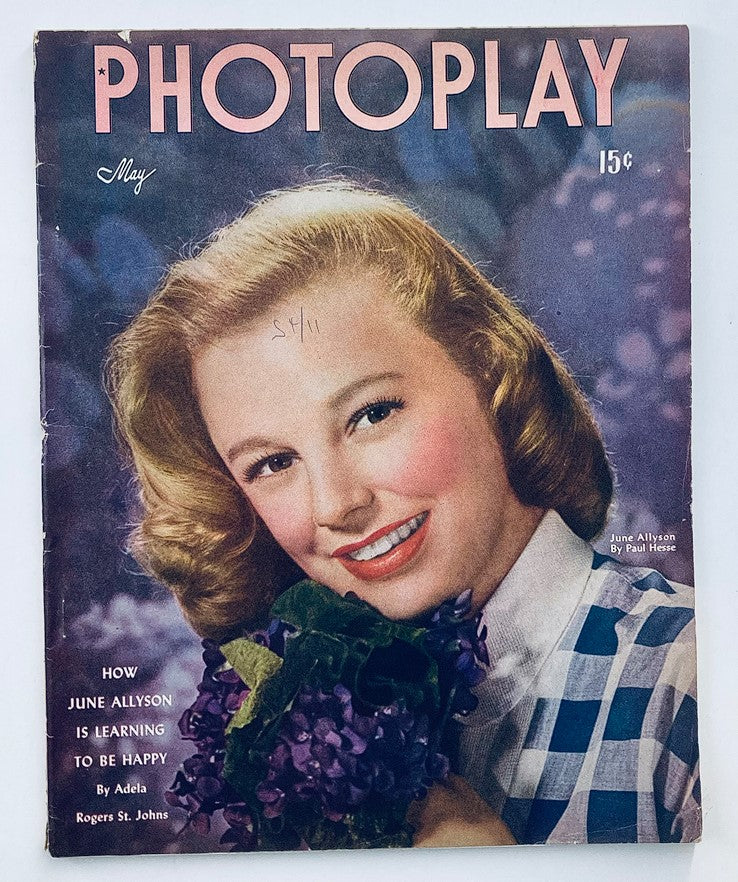
- Kraft Television Theater Debut: TV Guide predecessors and entertainment weeklies documenting the arrival of one of television's first prestige drama programs, a genuine artifact chronicling the early days of a medium that would transform American culture.
- Triple Crown Season: Sports Illustrated precursors and general-interest magazines showcasing the Kentucky Derby and Preakness Stakes coverage, featuring racing photography and the colorful personalities—jockeys, owners, horses—that made America's spring racing season a national obsession.
- Carousel's Broadway Farewell: Theater and entertainment publications chronicling the closing of Rodgers and Hammerstein's landmark musical, with authentic advertisements and reviews that capture the golden age of American musical theater as it was actually experienced.
The Perfect Gift
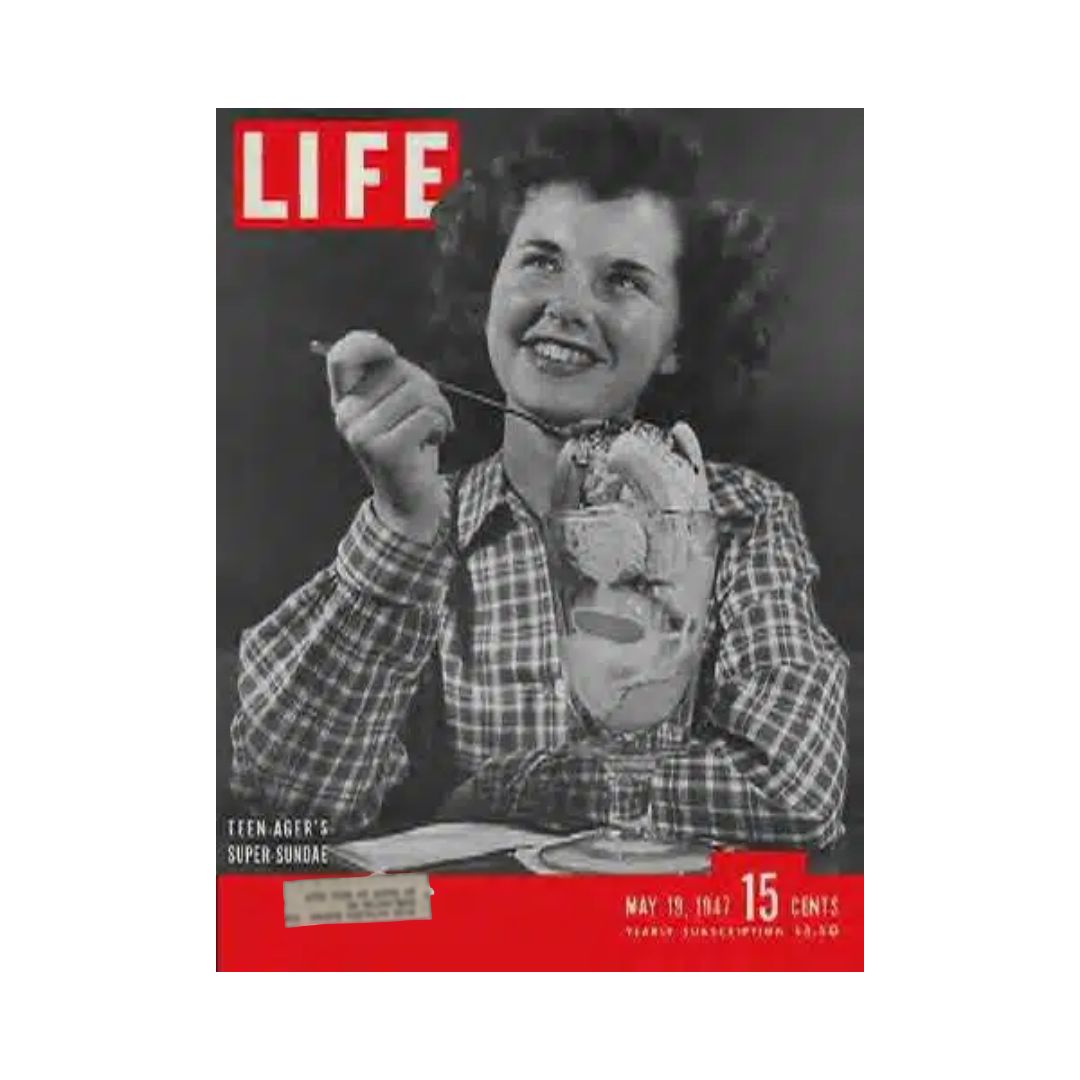
For someone born in May 1947, an original magazine from this pivotal month isn't just a birthday gift—it's a genuine time capsule of the world on the day they arrived: authentic headlines, real advertisements, and the preserved voices of a civilization finding its footing in a remade world.