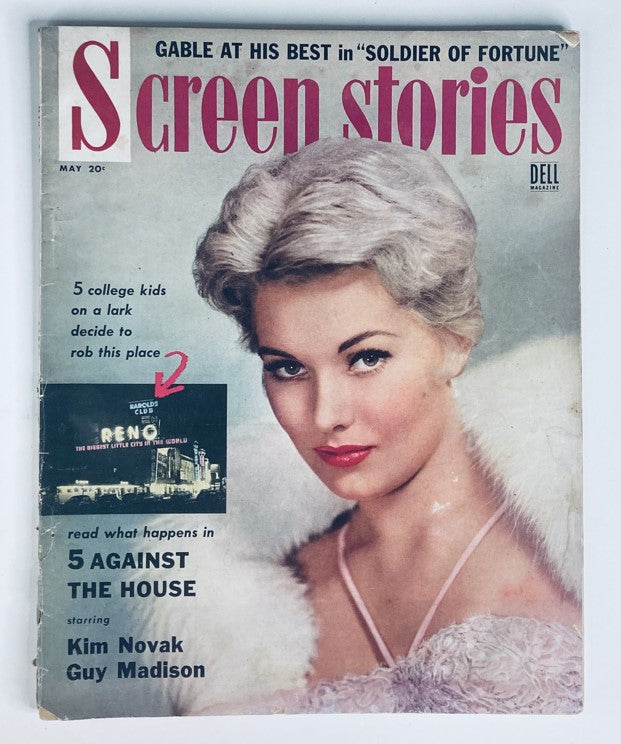
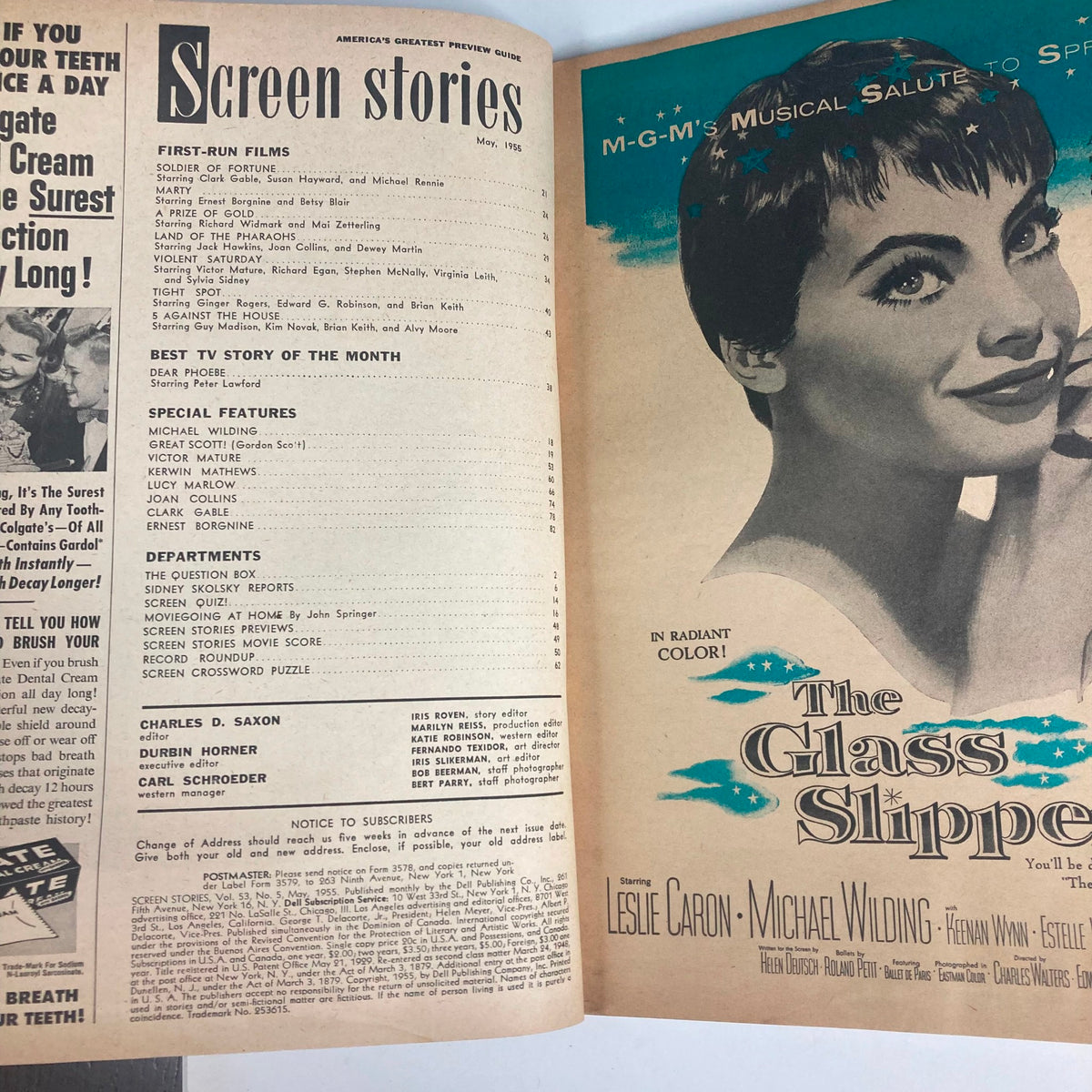
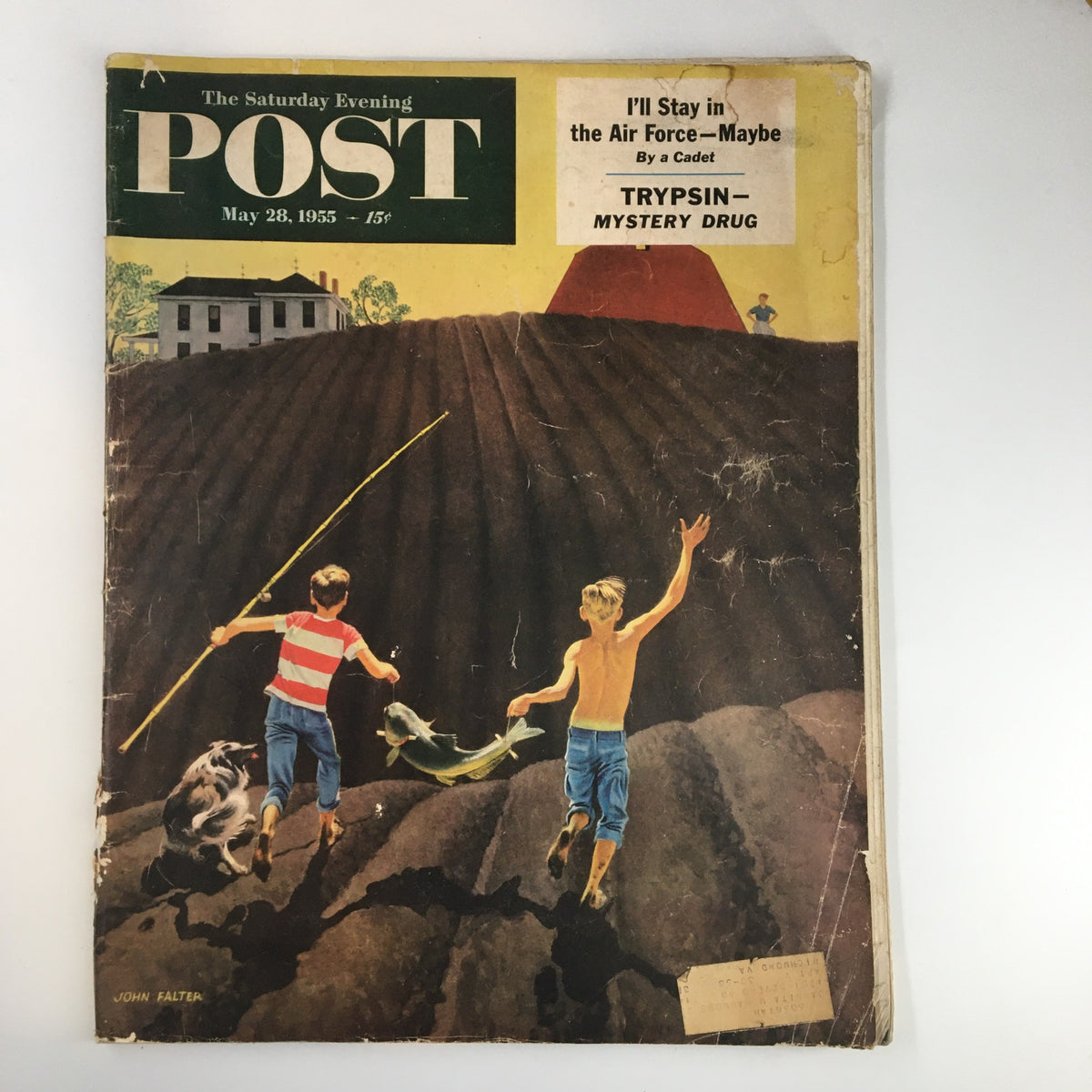
📖 About this Collection
May 1955: The Atomic Age in Full Bloom
The Historical Context
The spring of 1955 crackled with Cold War tension and the relentless march of atomic progress. West Germany's entry into NATO on May 6th fractured Europe into two armed camps, while the Soviet Union answered with the Warsaw Pact just eight days later—eight nations binding themselves in a military alliance that would define global politics for decades. Against this backdrop of nuclear brinkmanship, showgirl Linda Lawson was crowned "Miss Atomic" in Nevada's desert testing grounds, her mushroom cloud crown a surreal emblem of America's strange romance with the bomb. The Supreme Court ordered school integration to proceed "with all deliberate speed" on May 31st, a carefully worded mandate that promised change without guaranteeing swift justice. For those entering the world in May 1955, this was a month suspended between hope and peril, where the promise of atomic energy collided with the dread of atomic warfare, and where social transformation began its slow, contested journey.
Pop Culture & Lifestyle
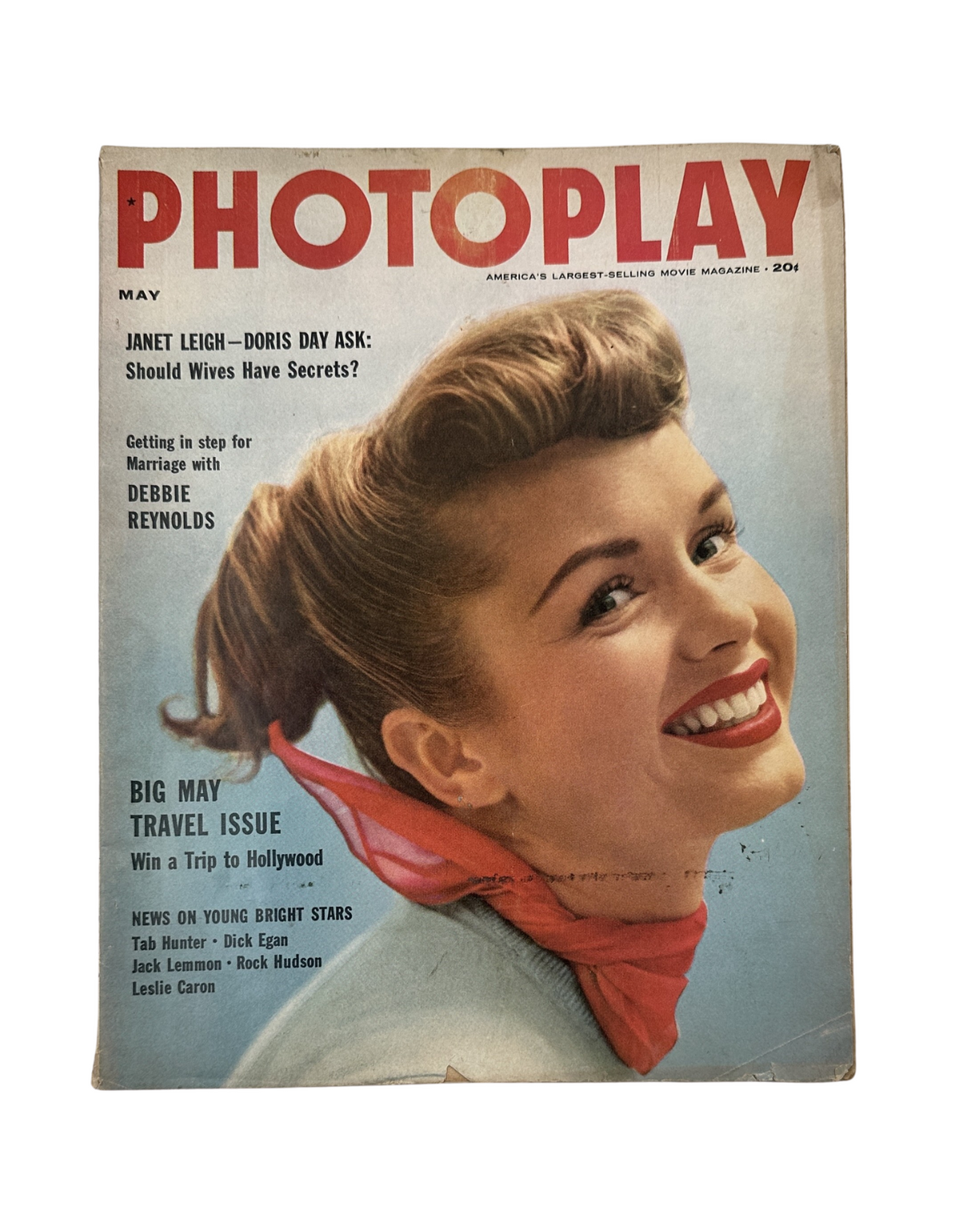
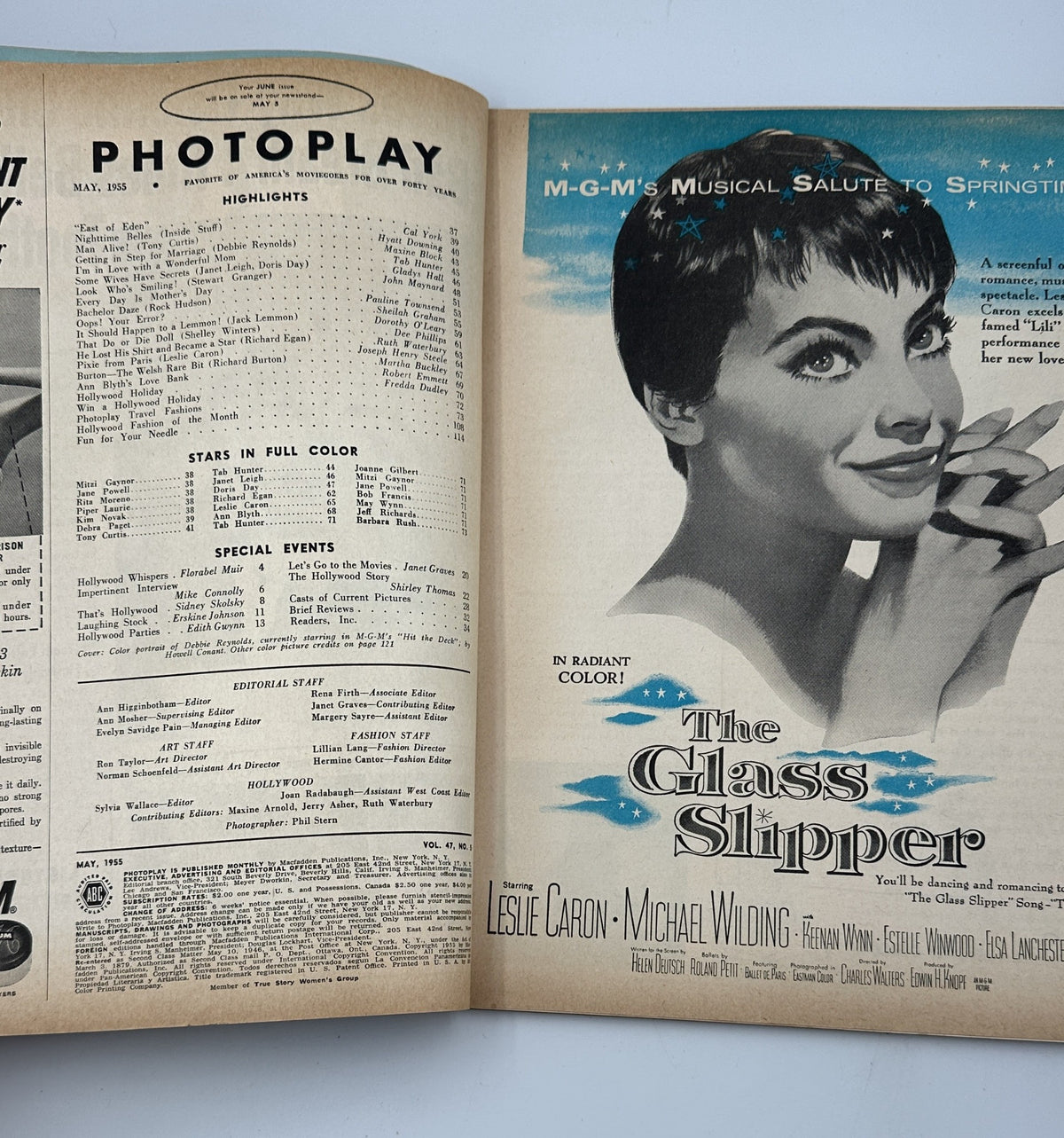
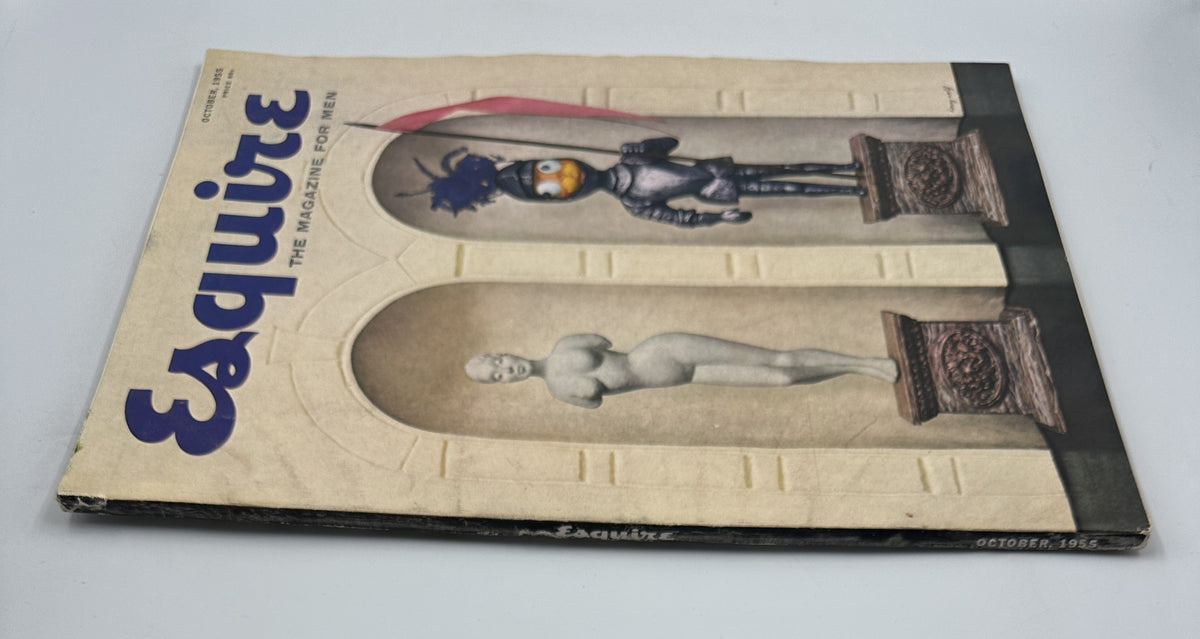
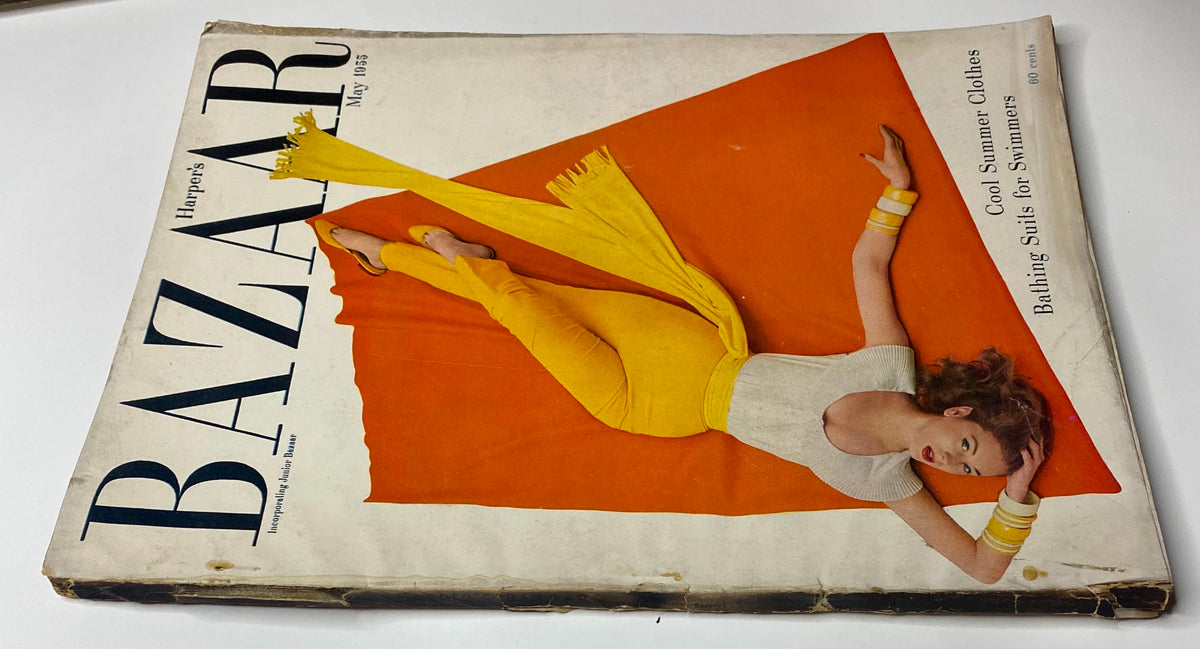
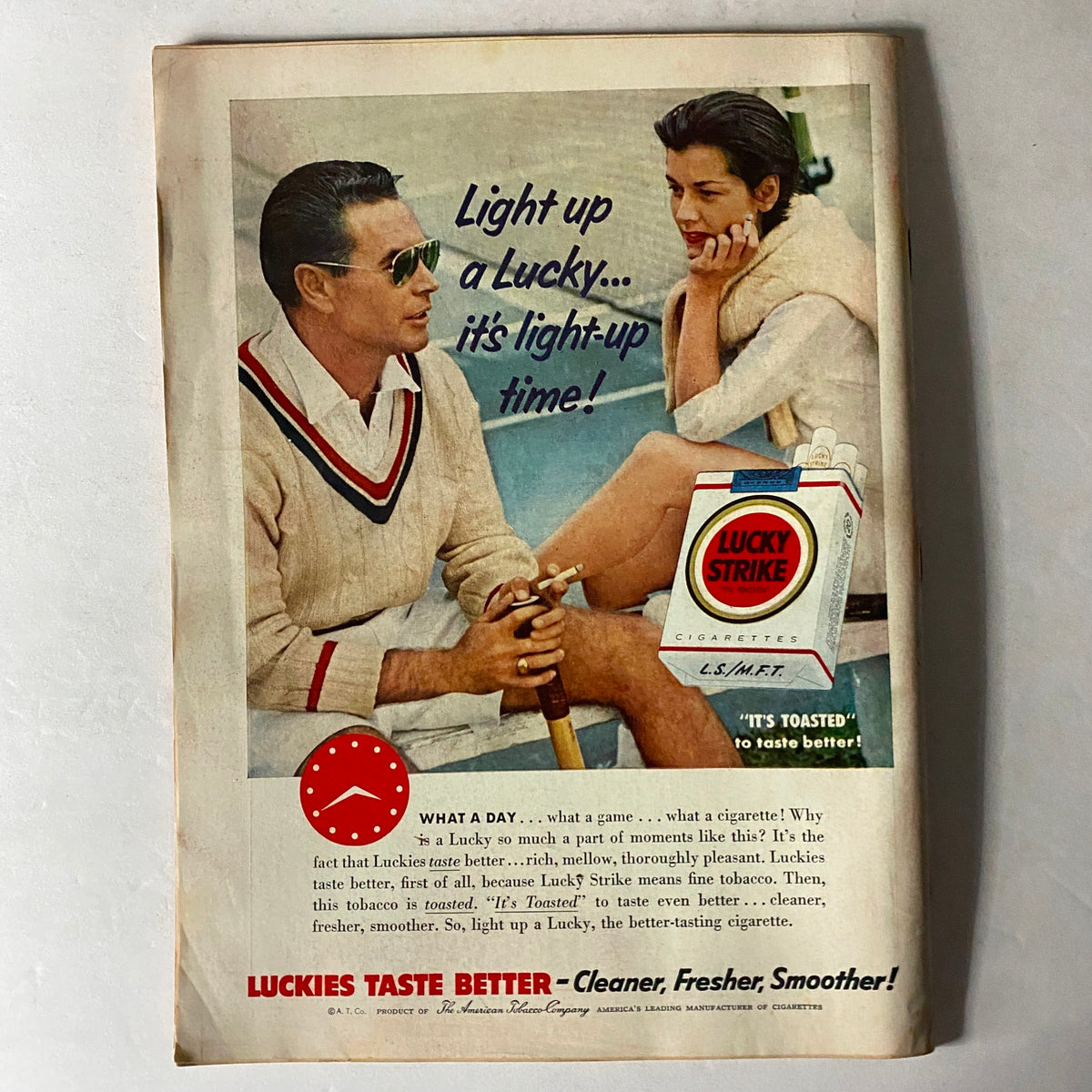
Broadway audiences flocked to "Damn Yankees," the Richard Adler and Jerry Ross musical that opened at the 46th Street Theater on May 5th, launching a spectacular run that would earn seven Tony Awards and showcase Gwen Verdon's electrifying performance. Tennessee Williams claimed the Pulitzer Prize for Drama with "Cat on a Hot Tin Roof" on May 2nd, his searing family drama dominating conversations about American theater. At Kezar Stadium in San Francisco, Rocky Marciano defended his heavyweight title with a ninth-round TKO of Don Cockell, cementing his reputation as the era's most dominant boxer. Mickey Mantle's May 13th performance—three consecutive home runs, each traveling at least 463 feet—became the stuff of baseball legend. The 81st Kentucky Derby saw Bill Shoemaker guide Swaps to victory, while original magazines from May 1955 captured these triumphs alongside advertisements for television sets, Detroit's gleaming new automobiles, and the suburban lifestyle that defined mid-century American aspiration. Fashion spreads in Vogue and Harper's Bazaar showcased the feminine silhouettes and pastel palettes of spring, preserved in authentic four-color printing.
Curator's Checklist: What to Look For in May 1955 Magazines
-
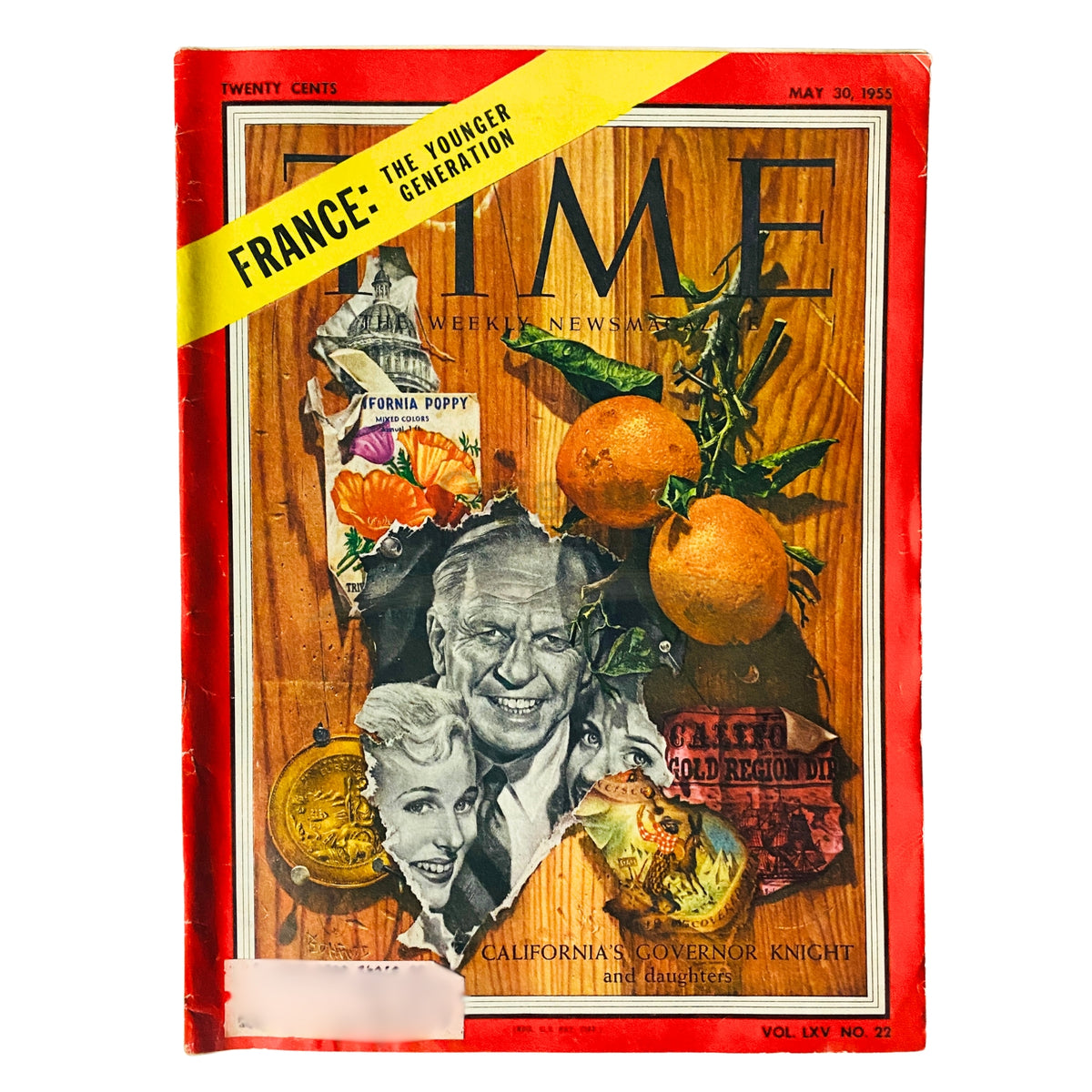
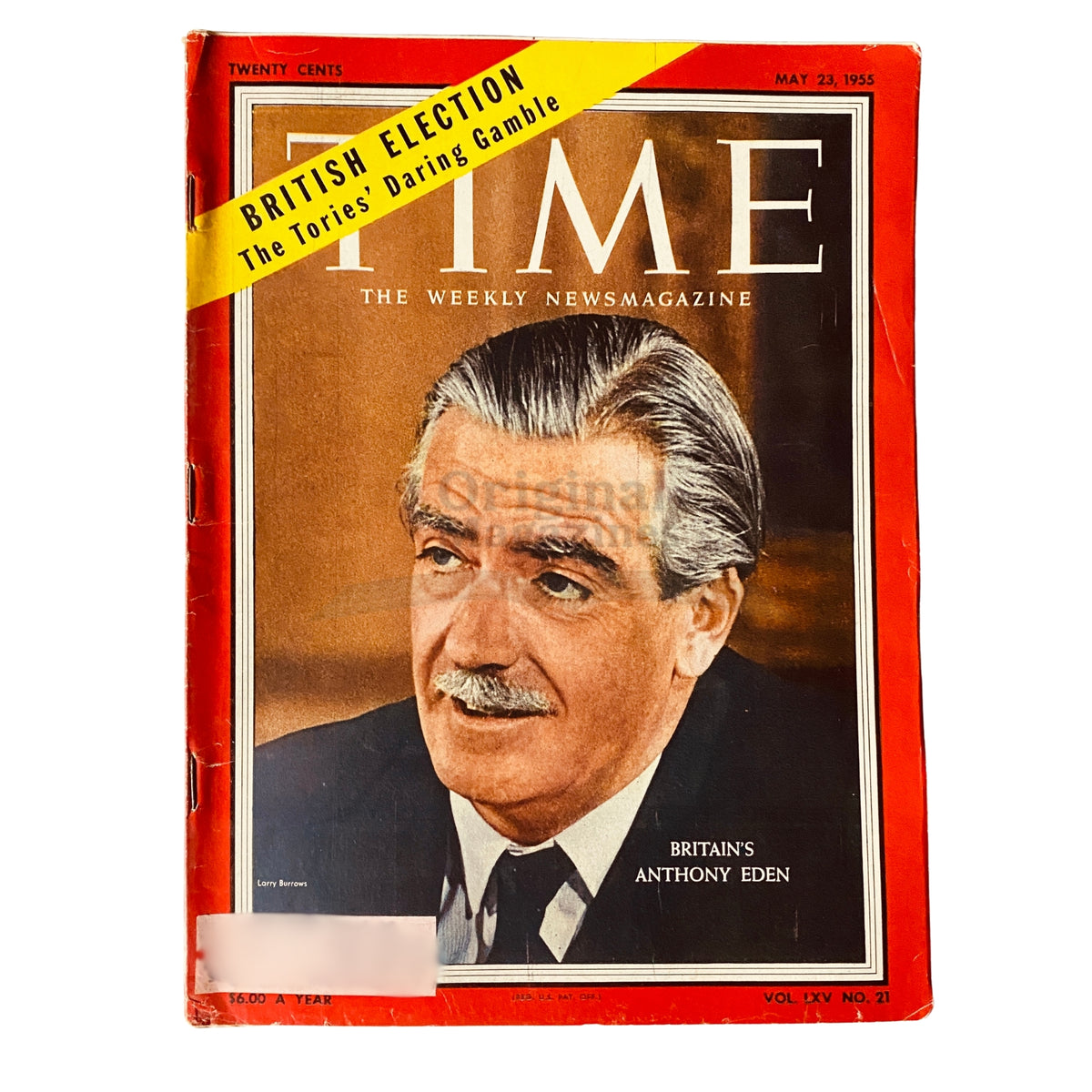
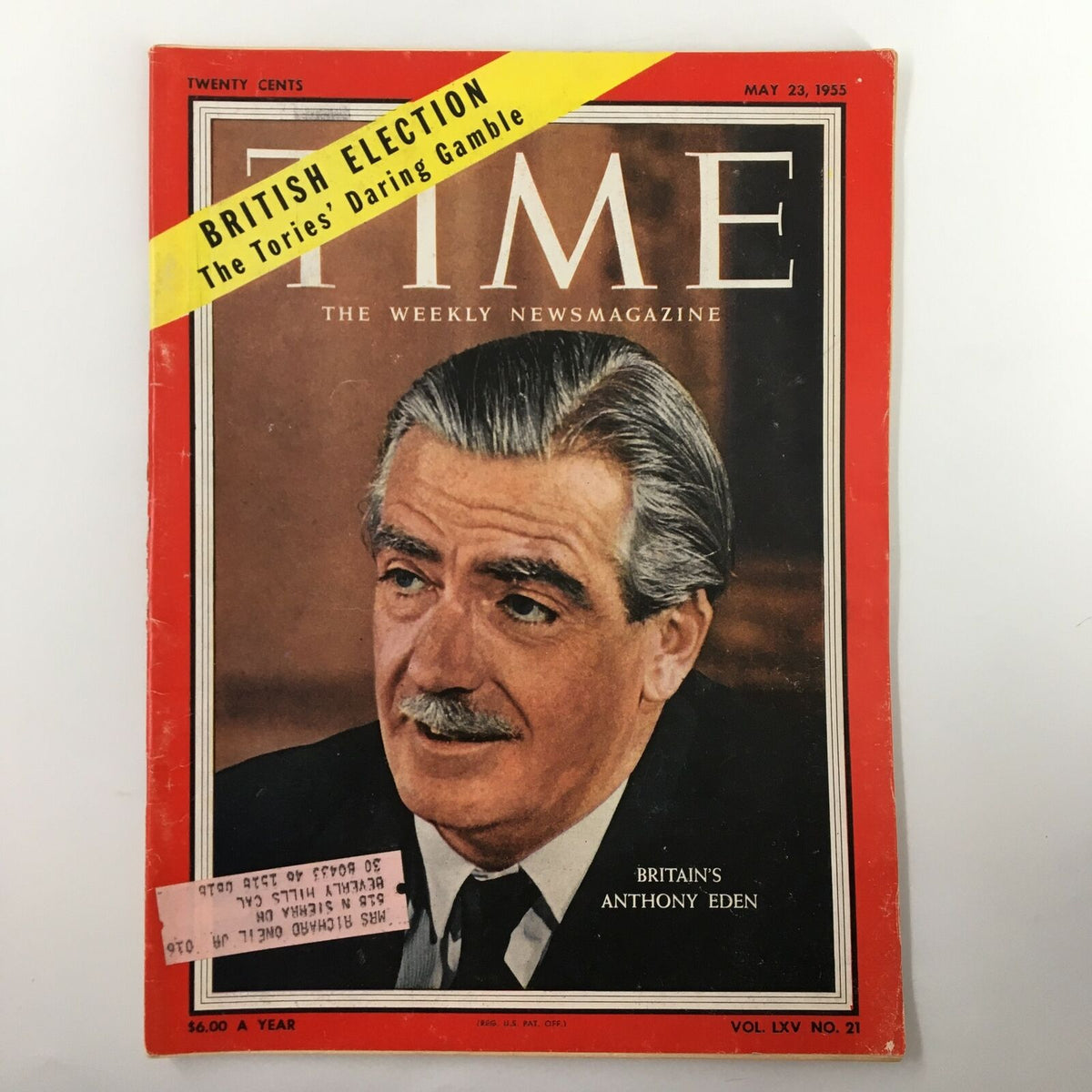
NATO Expansion Coverage: News magazines like Time and Life featuring extensive photojournalism of West Germany's NATO accession, often with maps illustrating the hardening division between Eastern and Western Europe, plus analysis of the Soviet response through the Warsaw Pact treaty.
-
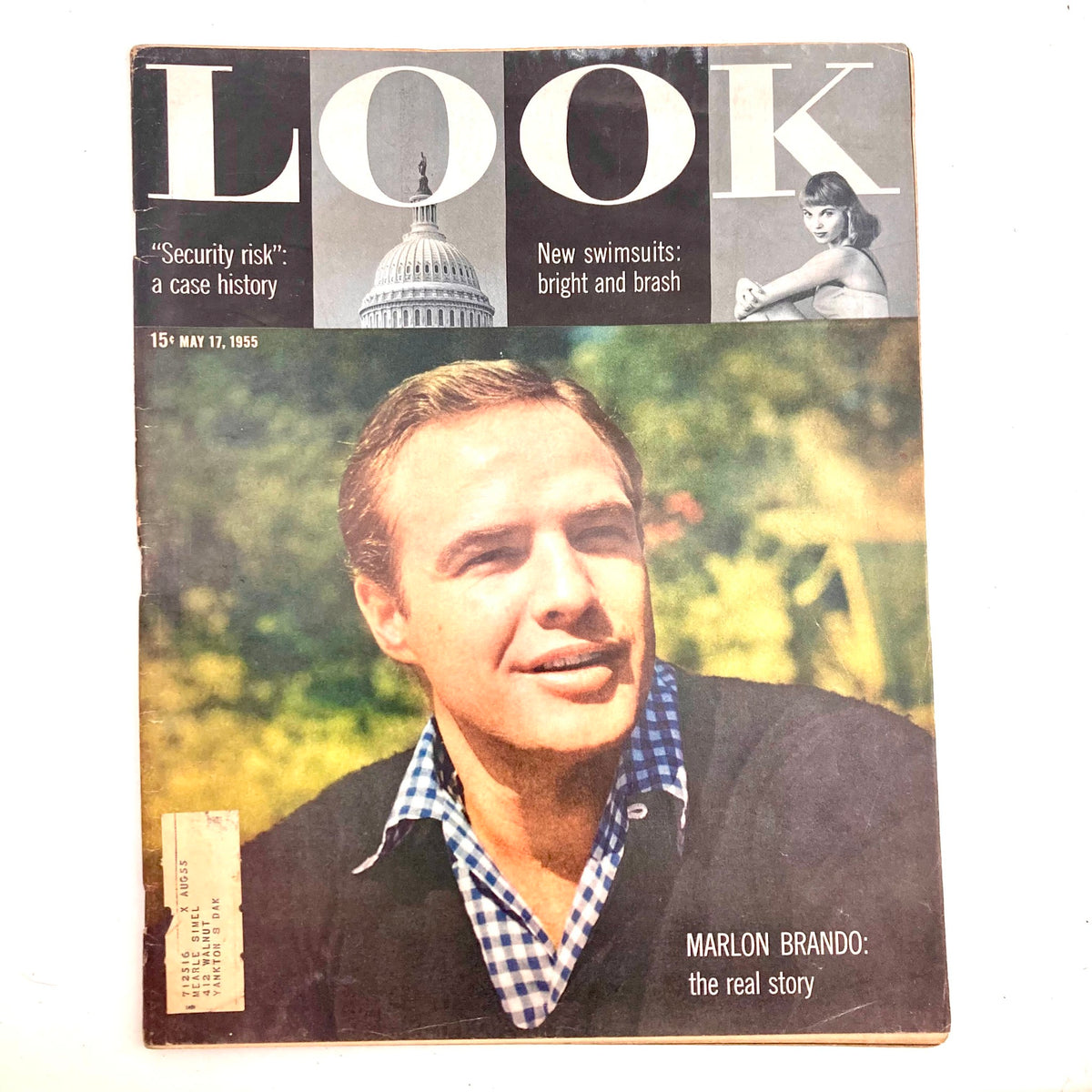
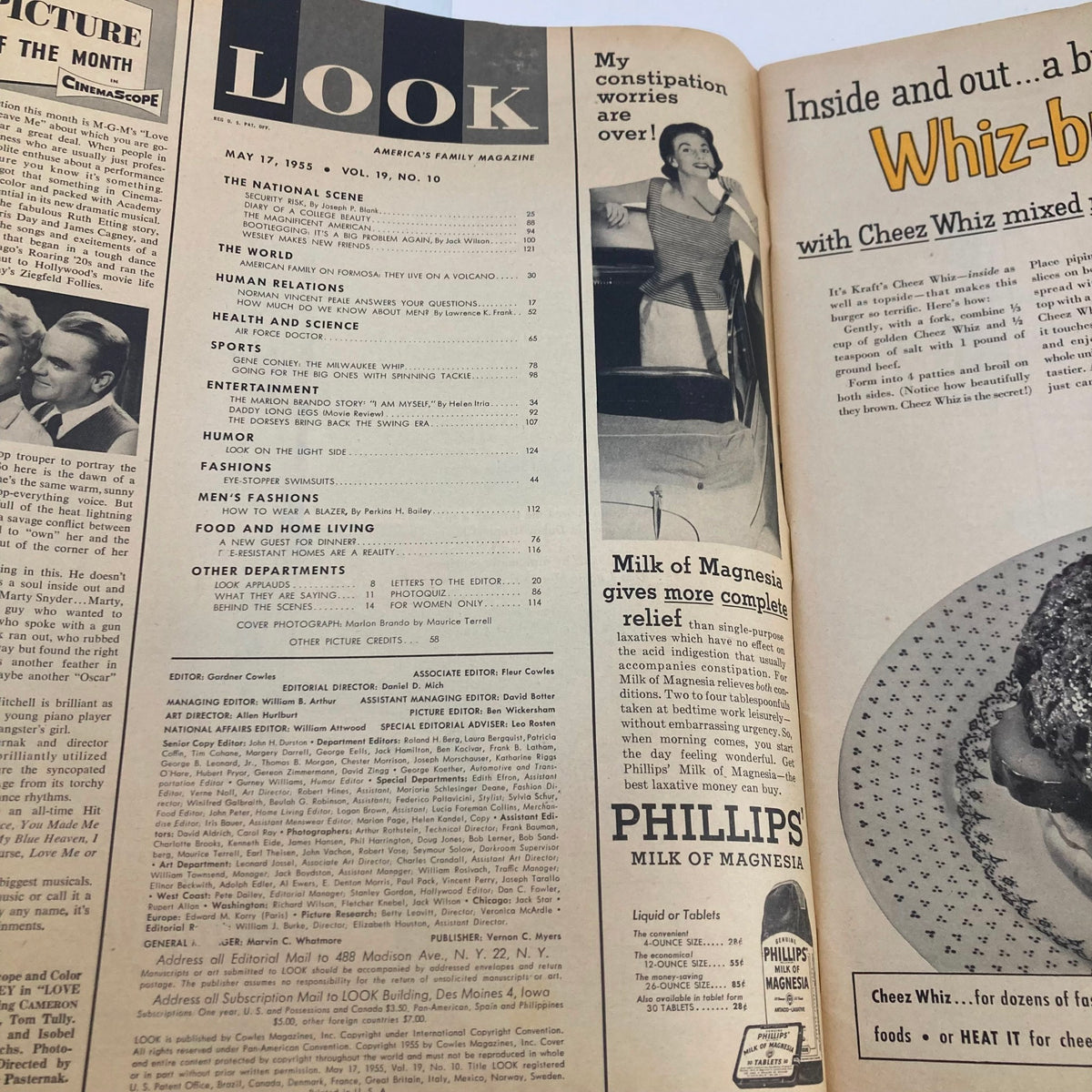
Atomic Culture Features: Look and general interest periodicals showcasing the bizarre intersection of Cold War anxiety and popular entertainment, including coverage of Nevada test sites, civil defense instructions, and the peculiar phenomenon of atomic-themed beauty pageants that captured America's conflicted relationship with nuclear power.
-
Supreme Court Integration Decision: May 31st coverage in Newsweek and major newspapers chronicling the follow-up ruling to Brown v. Board of Education, with photographs of affected communities and editorial commentary on the deliberately ambiguous "all deliberate speed" language that would shape civil rights progress.
-
Sports Illustrated Debuts: The one-year-old magazine (launched August 1954) featuring emerging stars like Mickey Mantle and Rocky Marciano, with early examples of the action photography and in-depth athlete profiles that would define vintage magazines in the sports category for decades to come.
-
Broadway Golden Age: Entertainment sections in Variety and theater magazines documenting the extraordinary spring season, with production photographs from "Damn Yankees" and Tennessee Williams' Pulitzer triumph, alongside advertisements for the rare magazines that covered New York's cultural dominance in American entertainment.
The Perfect Gift
For someone born in May 1955, an original magazine from this pivotal month isn't just a birthday card—it's authenticated proof of the atomic age's contradictions and Cold War's deepening trenches, preserved in genuine headlines, advertisement layouts, and photojournalism that museums simply cannot replicate.