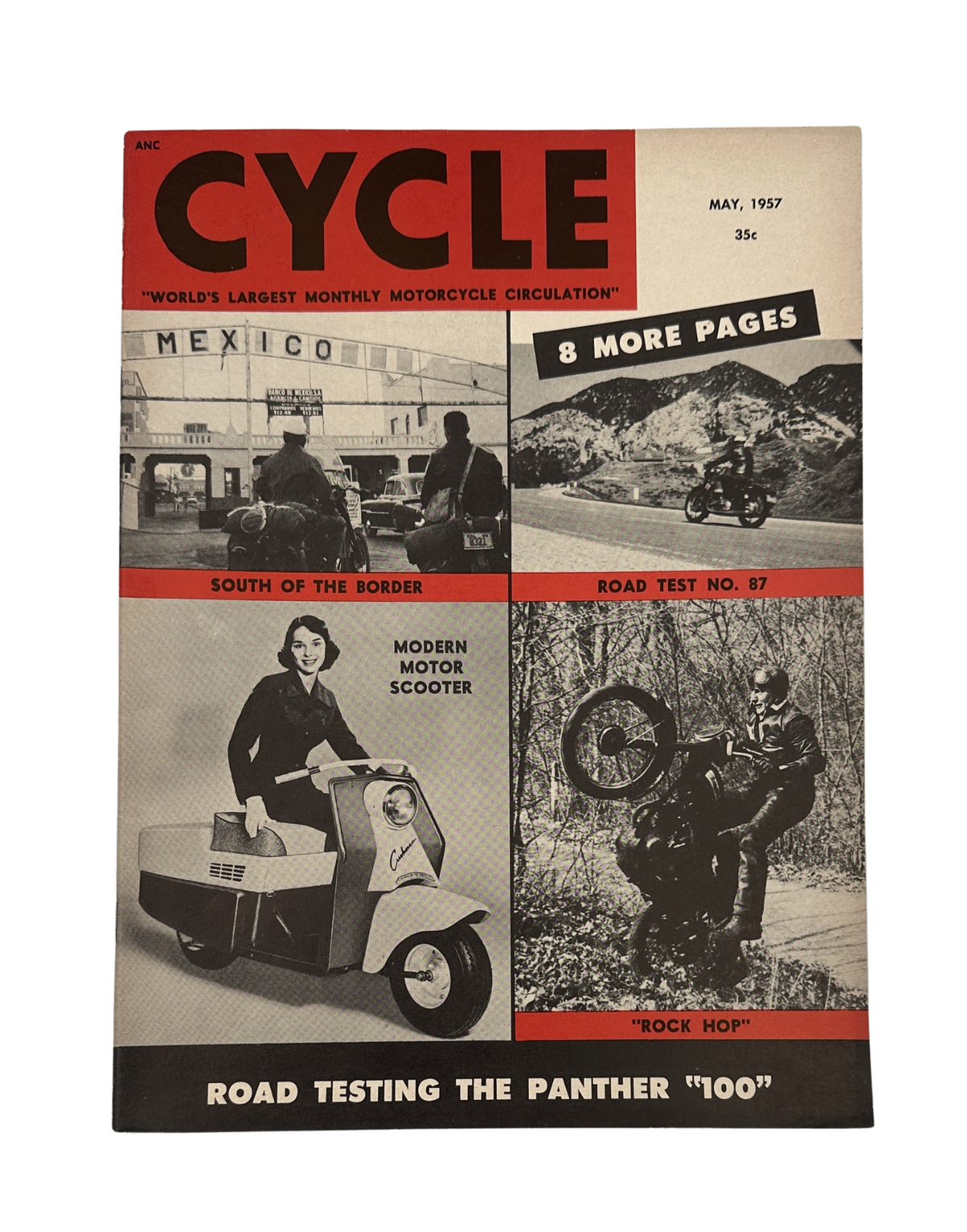
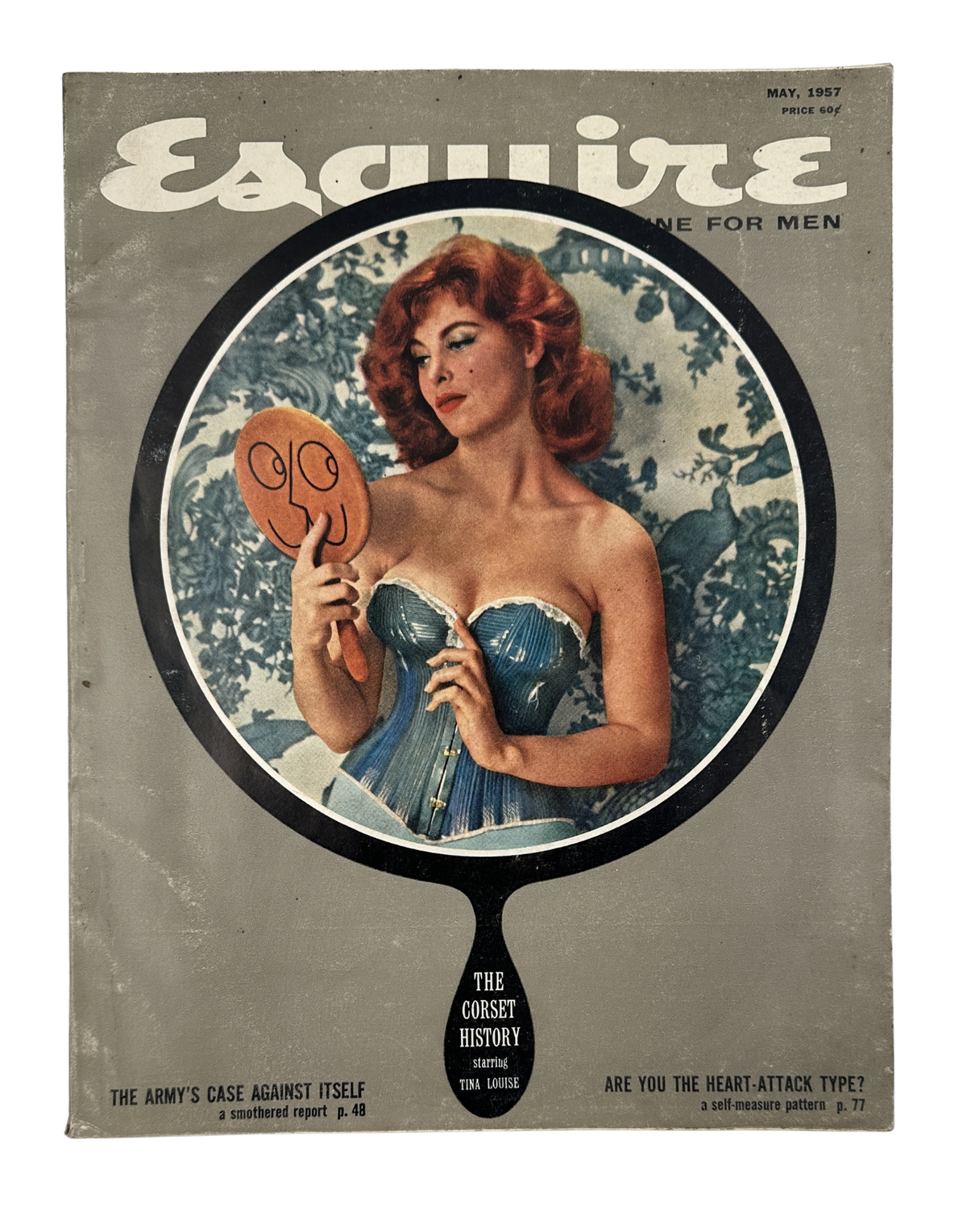
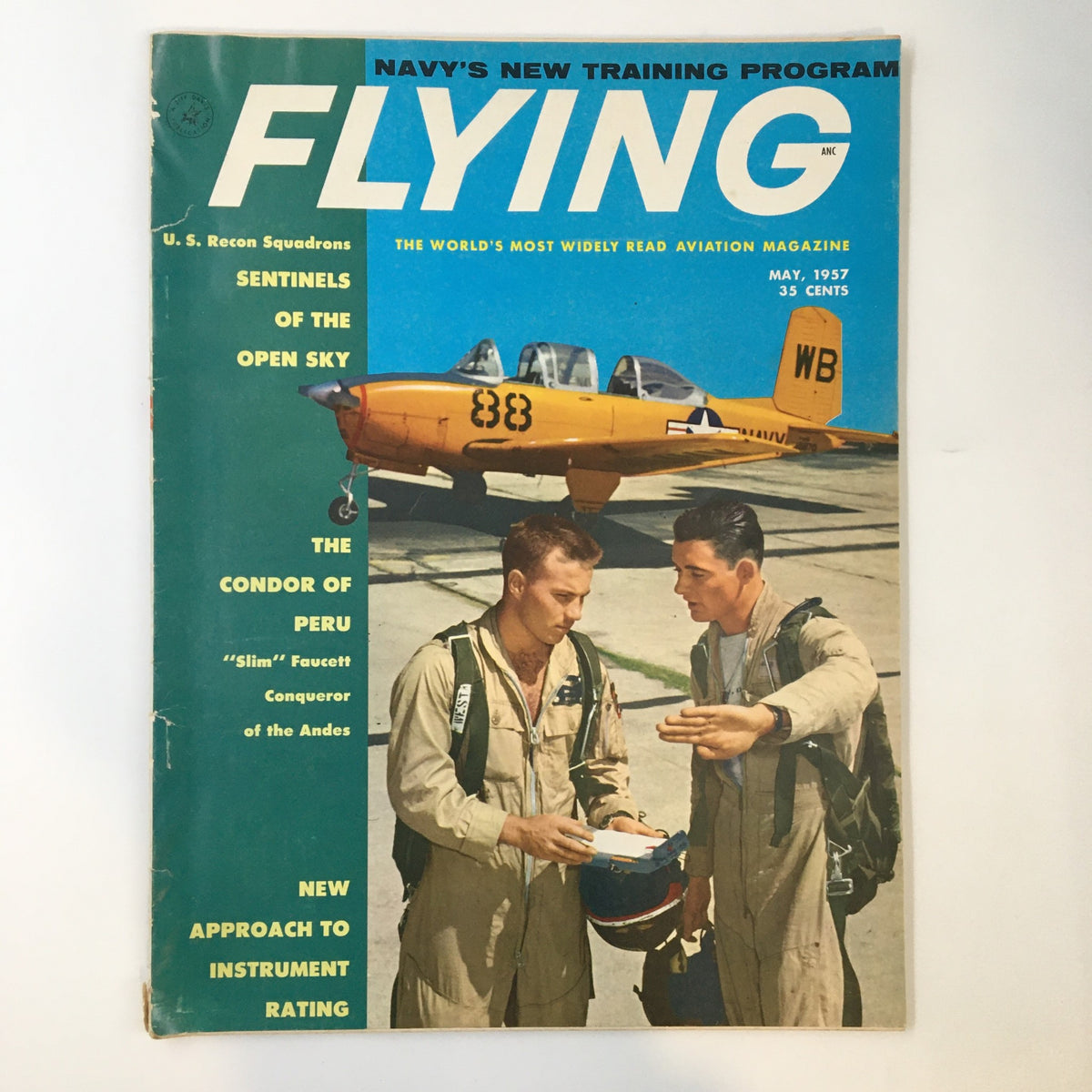
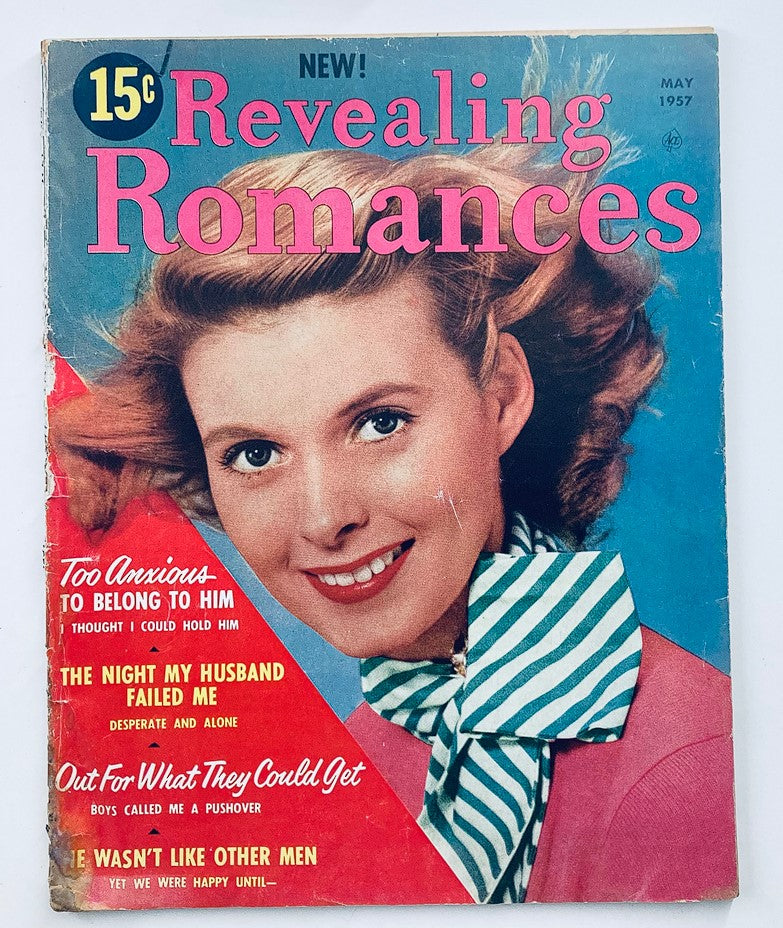
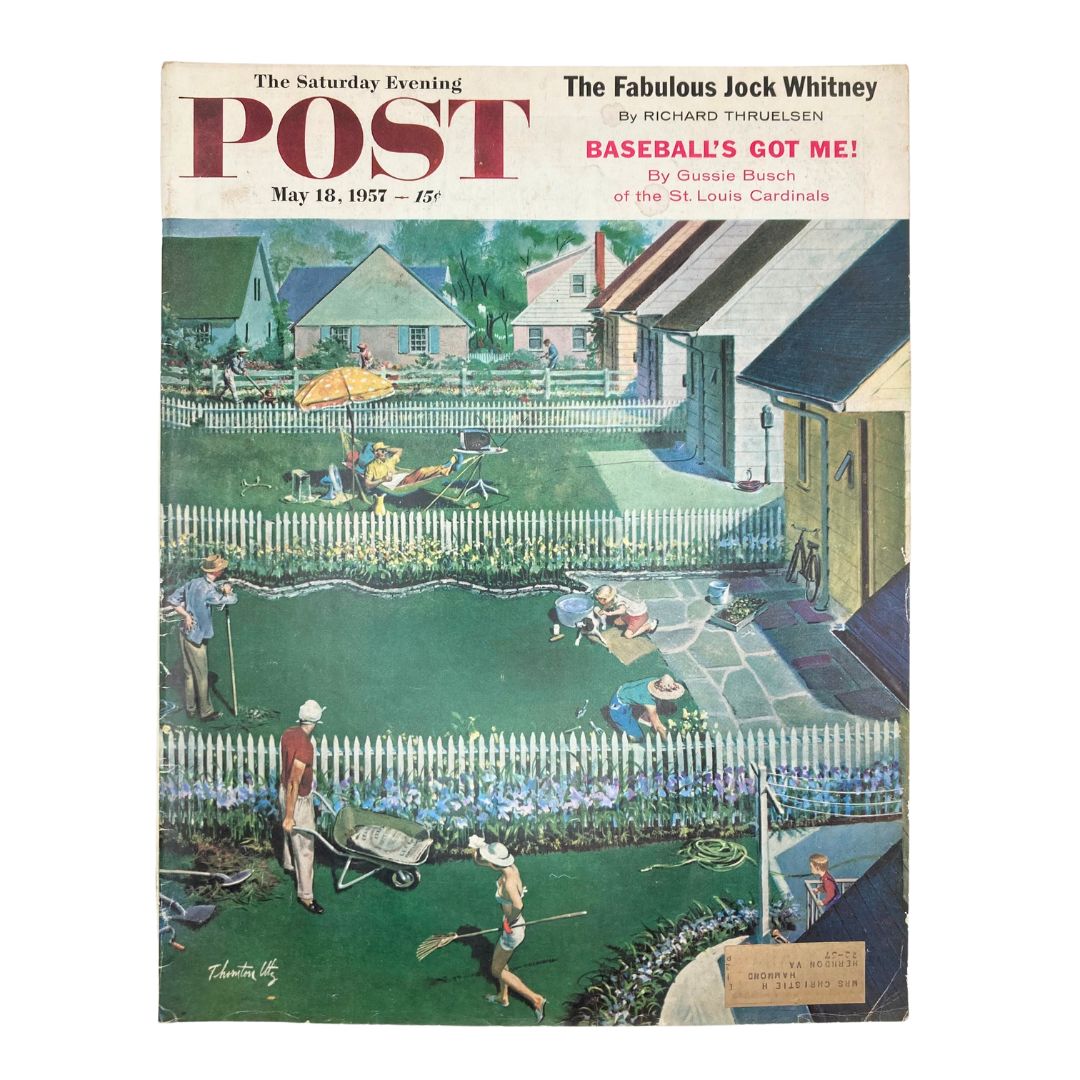
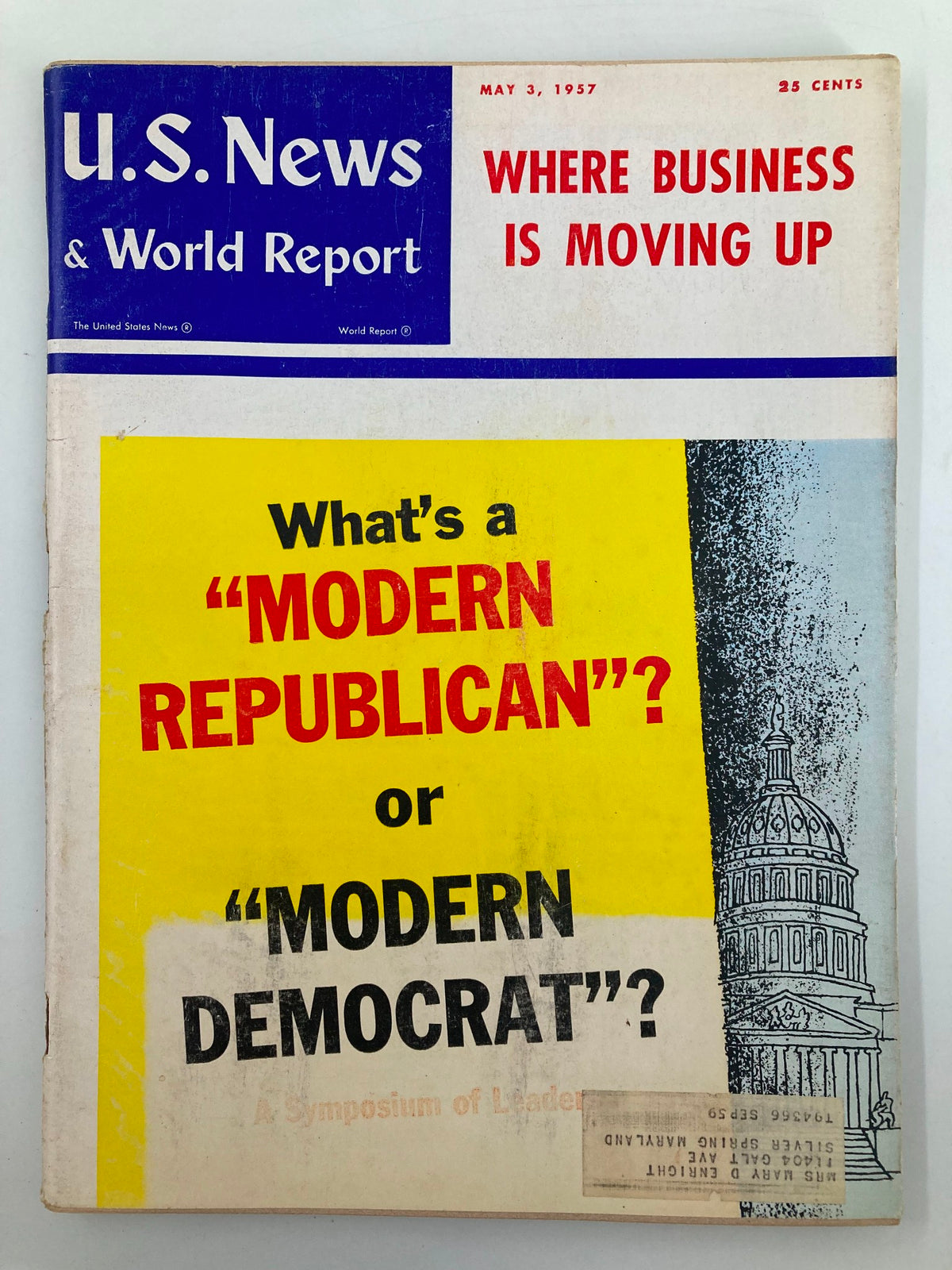
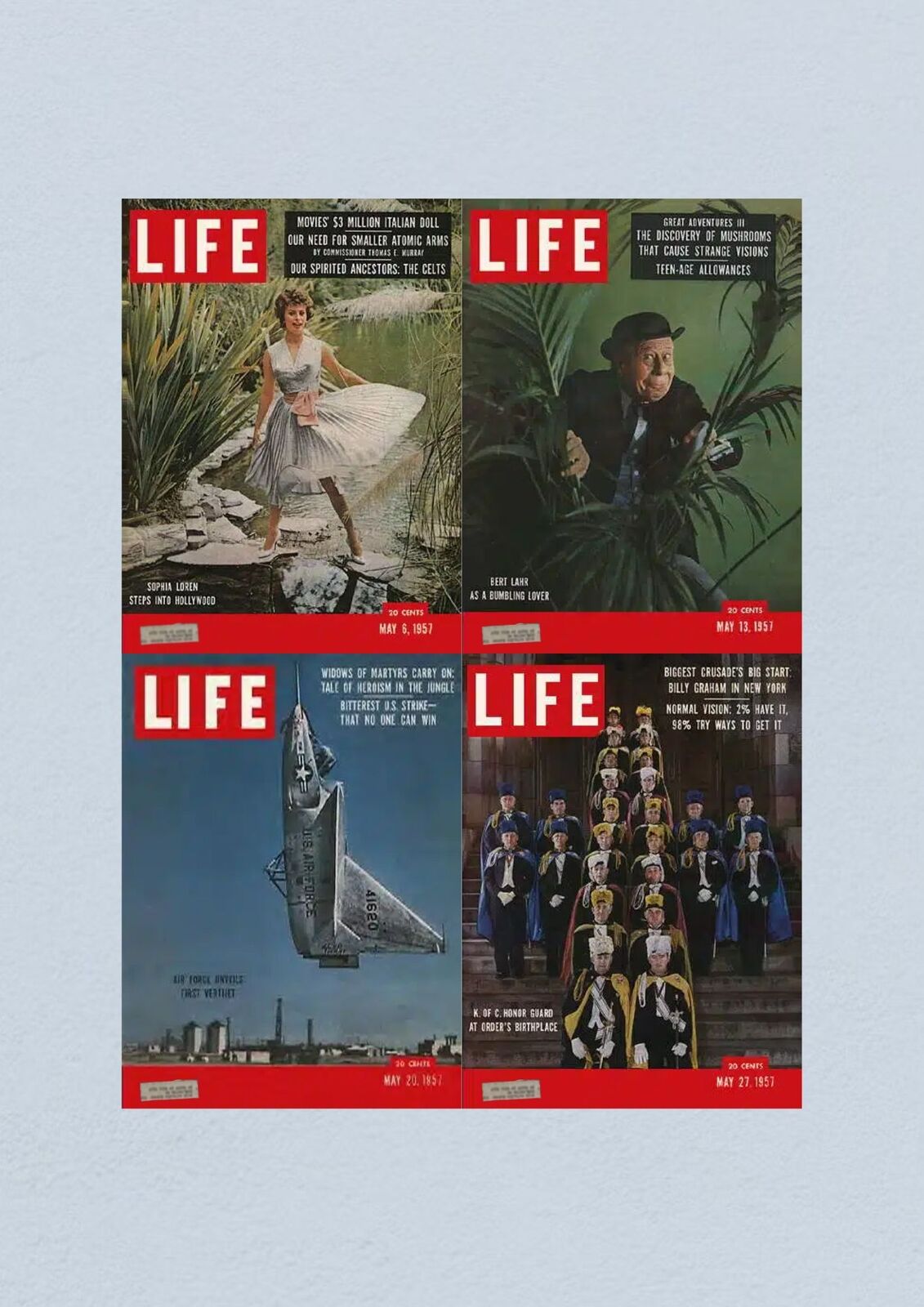
📖 About this Collection
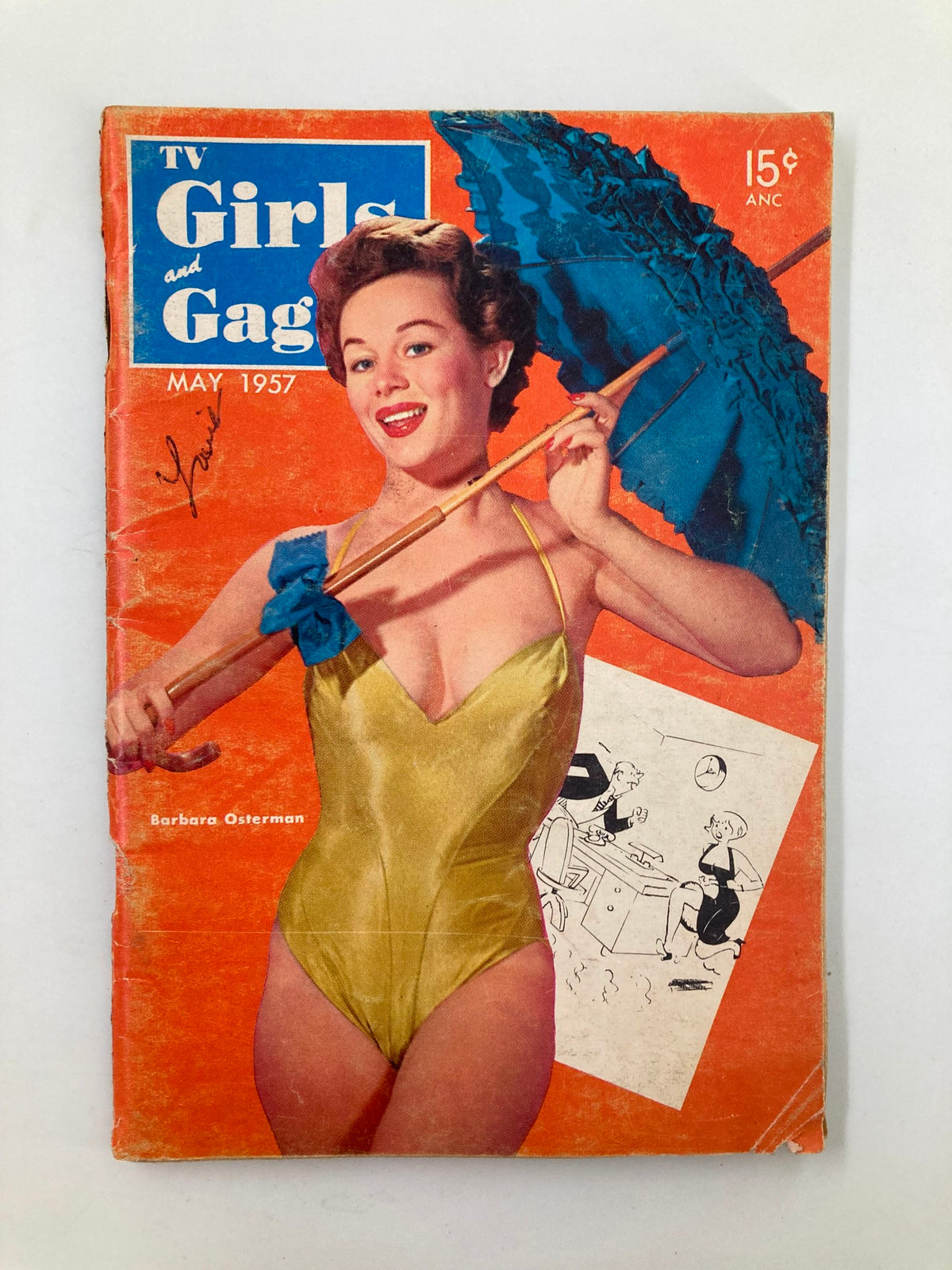
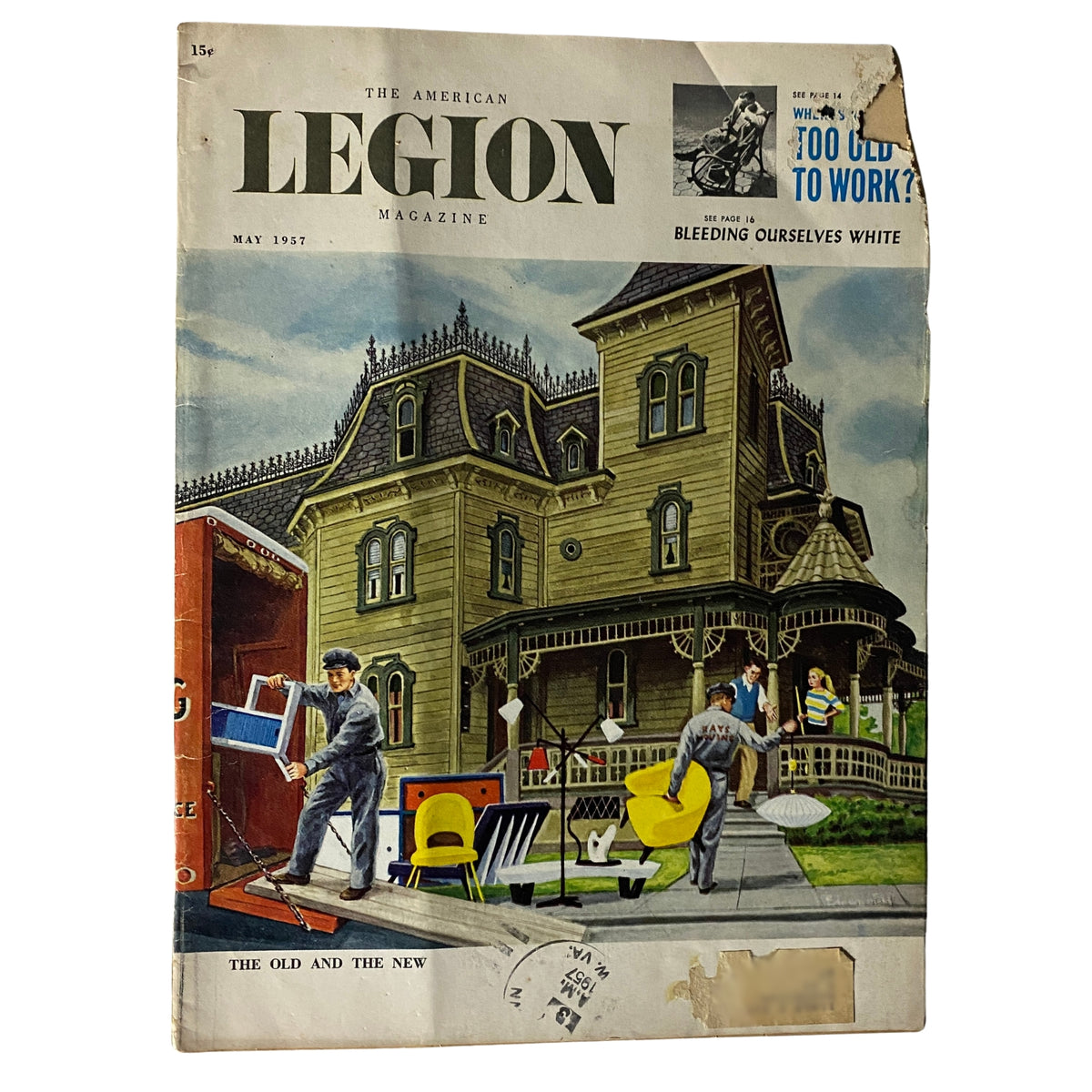
May 1957: The Month America's Pastime Went West
The Historical Context
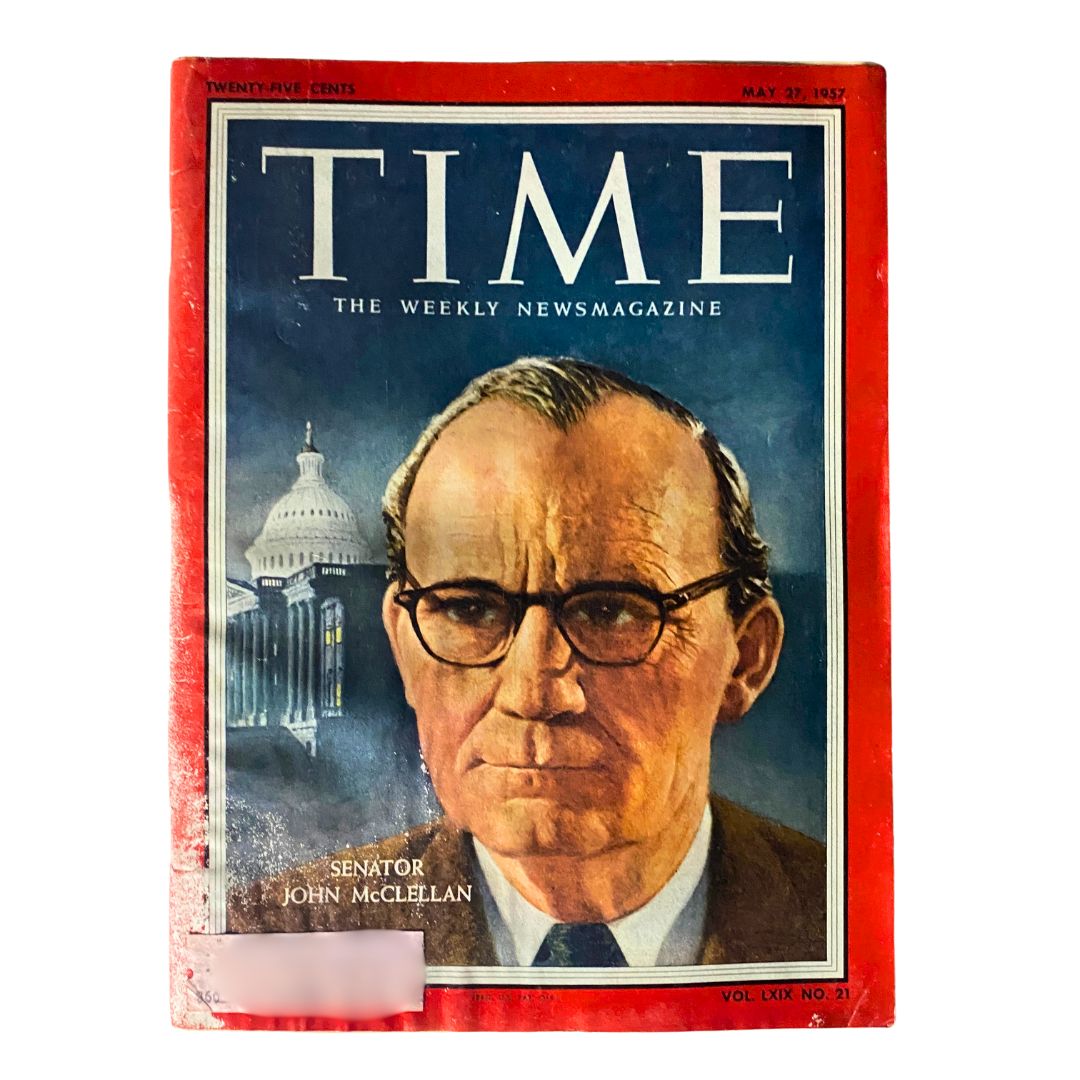
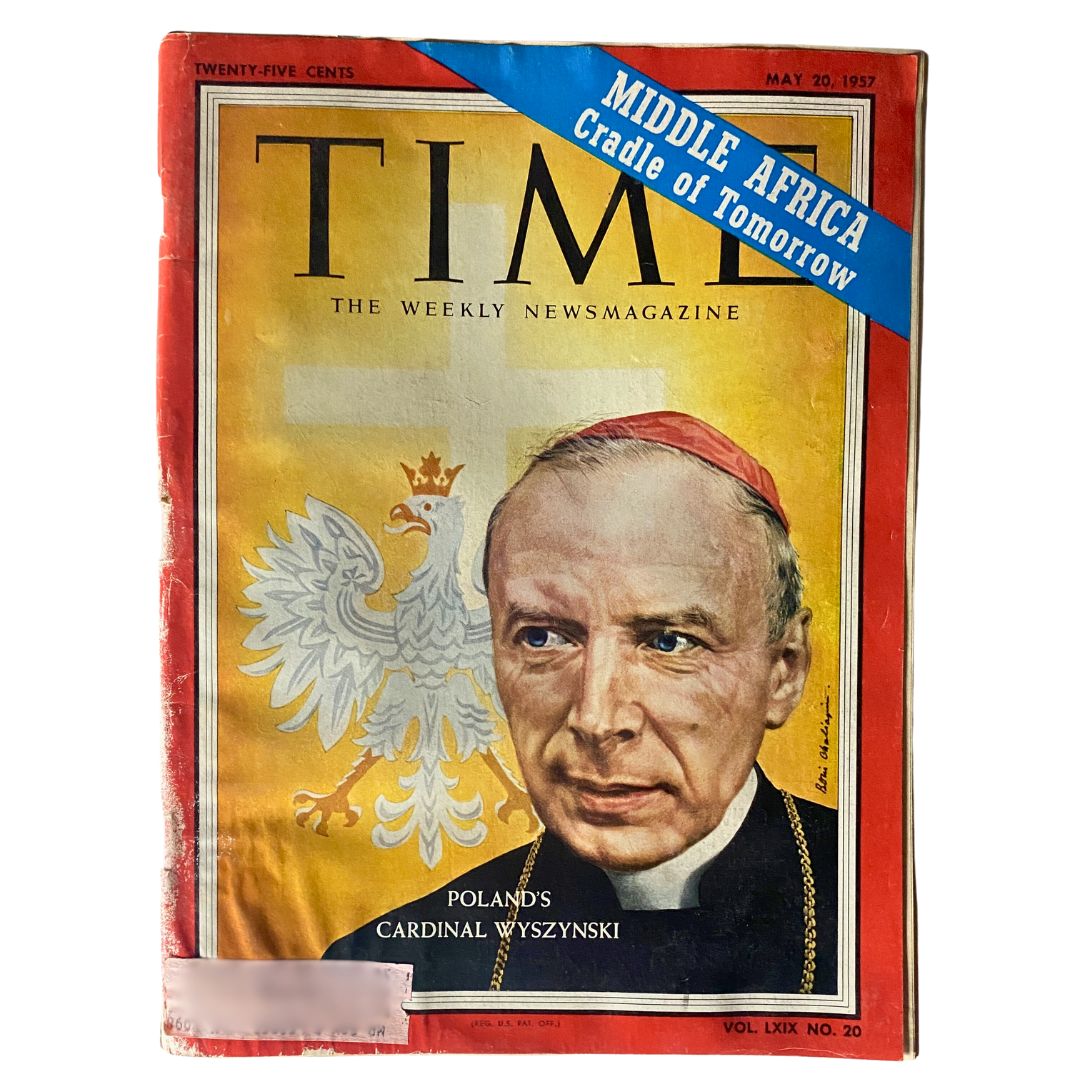
The spring of 1957 carried an electric tension across America—the kind where old certainties crumbled and new possibilities shimmered on the horizon. On May 28th, the unthinkable became official: the National League approved baseball's westward migration, allowing the Brooklyn Dodgers and New York Giants to abandon their historic boroughs for California. This wasn't merely a sports transaction; it was a seismic cultural shift that dominated headlines in Time, Life, and every newspaper from coast to coast. Meanwhile, Britain tested its first hydrogen bomb near Christmas Island on May 15th, adding nuclear tension to the Cold War arms race. Evangelist Billy Graham launched his historic Madison Square Garden crusade before 18,000 faithful, and Senator John F. Kennedy received the Pulitzer Prize for "Profiles in Courage"—early recognition for a man who would soon reshape the presidency. This was the world your loved one entered: one foot planted in traditional America, the other stepping boldly into an uncertain, modern future.
Pop Culture & What They Were Watching
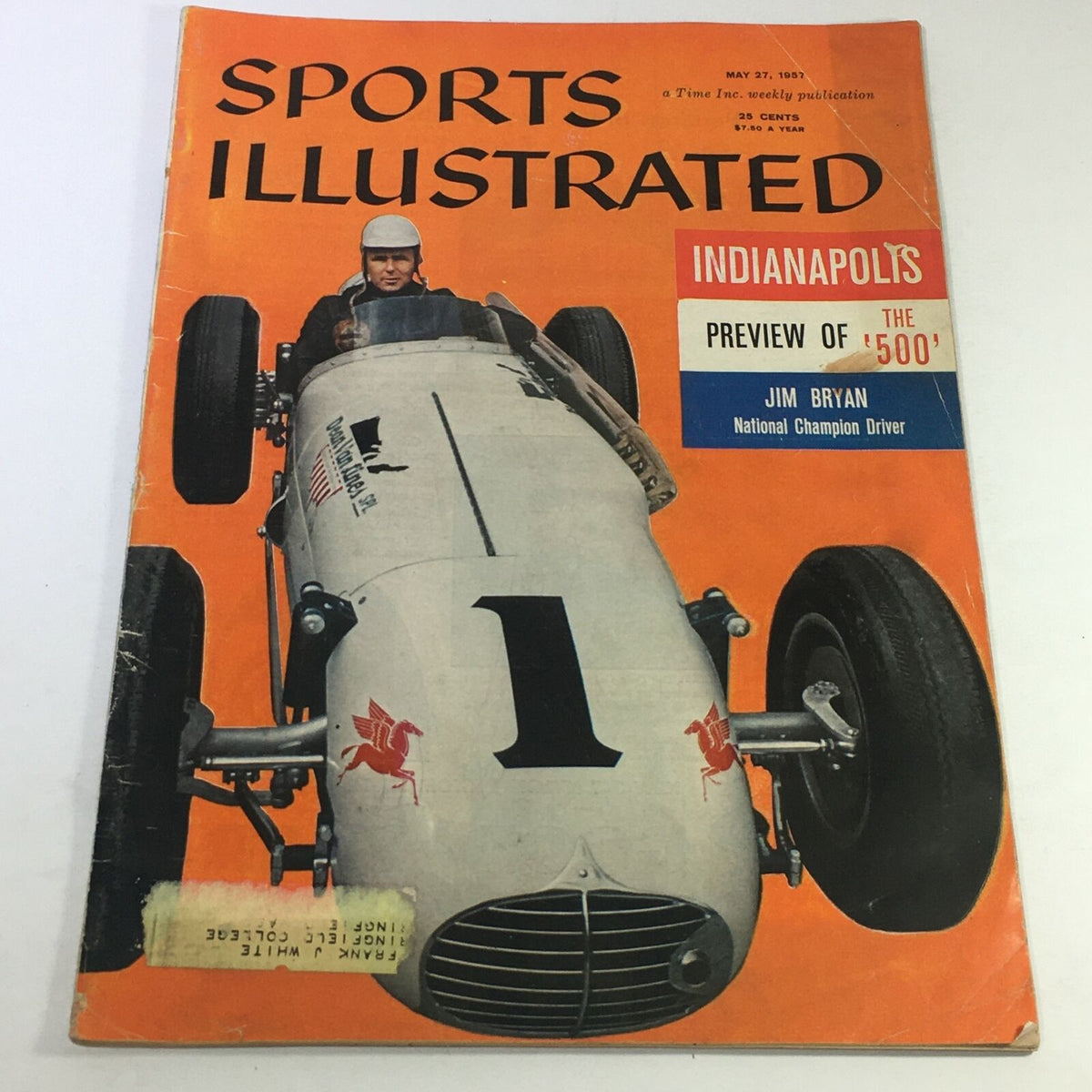
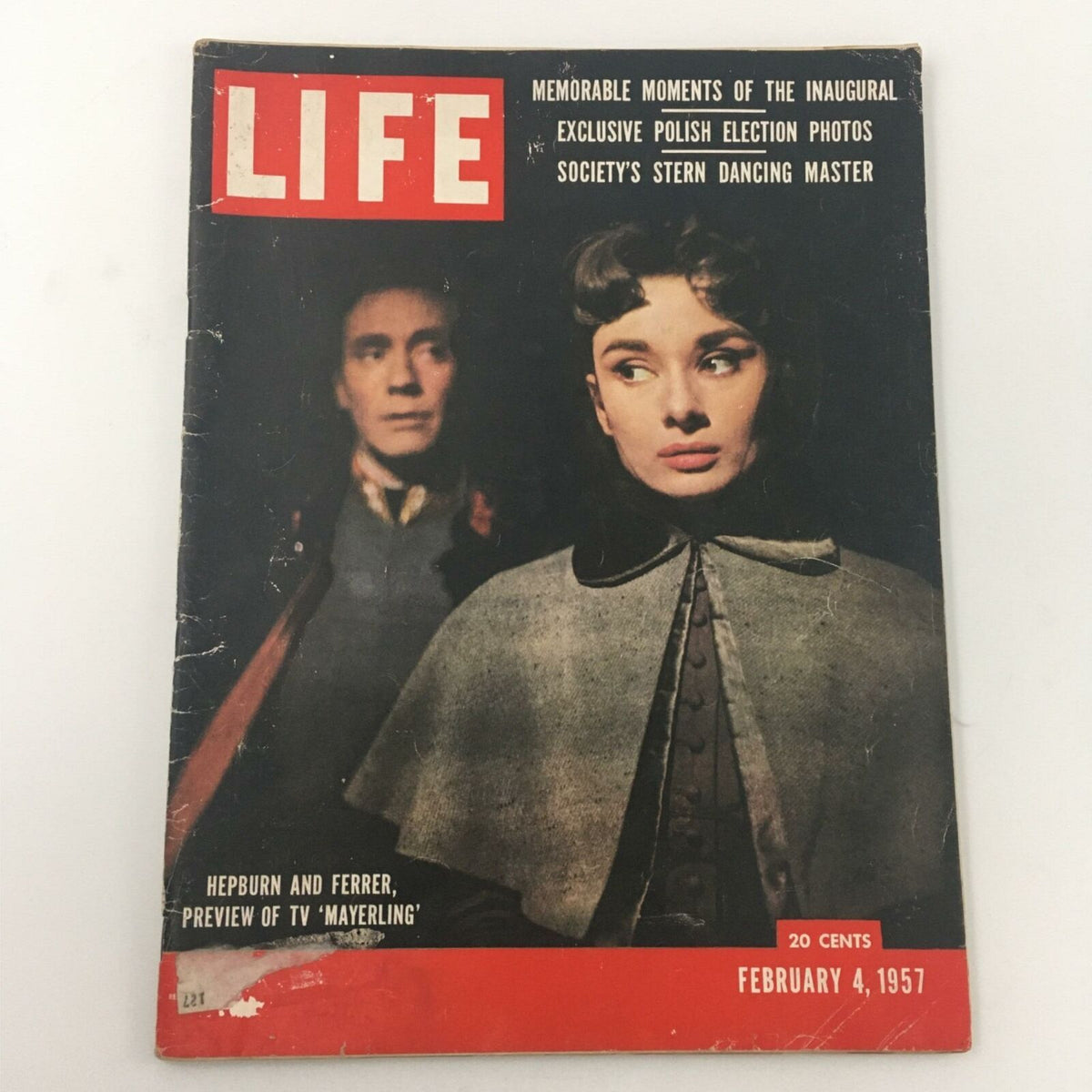
Entertainment pages in May 1957 crackled with British Gothic horror as Hammer Films released "The Curse of Frankenstein," introducing Christopher Lee and Peter Cushing in Technicolor terror that would define a genre. Television audiences bid farewell to "I Love Lucy" on CBS after its final broadcast on May 6th, while Alan Freed's "Rock n' Roll Show" attempted to bring Elvis-era rebellion to prime-time network television—only to be cancelled after four episodes, proving America wasn't quite ready. On Broadway, "New Girl in Town" starring Gwen Verdon opened to acclaim, running 432 performances, while Dmitri Shostakovich's Second Piano Concerto premiered in Moscow, performed by his own son. Sports Illustrated and original magazines from May 1957 captured Iron Liege's Kentucky Derby victory, Eddie Arcaro's Preakness triumph aboard Bold Ruler, and Sam Hanks' record-breaking $100,000 Indianapolis 500 payday. Fashion magazines showcased spring collections while newsweeklies documented the Copacabana nightclub brawl involving Mickey Mantle, Yogi Berra, and other Yankees—a scandal that would force Billy Martin's trade and captivate tabloid readers for weeks.
Curator's Checklist: What to Look For
-
Baseball's Westward Migration: Look and Life vintage magazines featuring the Dodgers-Giants relocation story, with photographs of grieving Brooklyn fans and speculative California renderings, plus Mayor Robert Wagner's desperate pleas to keep New York's teams.
-
Cold War Nuclear Testing: Newsweek and Time issues chronicling Britain's first hydrogen bomb test at Operation Grapple, often illustrated with mushroom cloud photography and diagrams comparing British, American, and Soviet nuclear capabilities.
-
Billy Graham's Madison Square Garden Crusade: Illustrated rare magazines capturing the evangelist's historic revival launch, showcasing crowd photographs, testimonial stories, and the religious fervor sweeping mid-century America.
-
The Copacabana Incident: Sports periodicals and tabloid coverage of the Yankees nightclub brawl during Sammy Davis Jr.'s performance, featuring police reports, player interviews, and speculation about Billy Martin's future—a defining moment in baseball folklore.
-
Gothic Horror's Color Revolution: Entertainment magazines reviewing Hammer's "The Curse of Frankenstein," often featuring lurid promotional stills of Peter Cushing and Christopher Lee that marked horror cinema's transition from Universal's black-and-white classics to Technicolor bloodshed.
The Perfect Gift
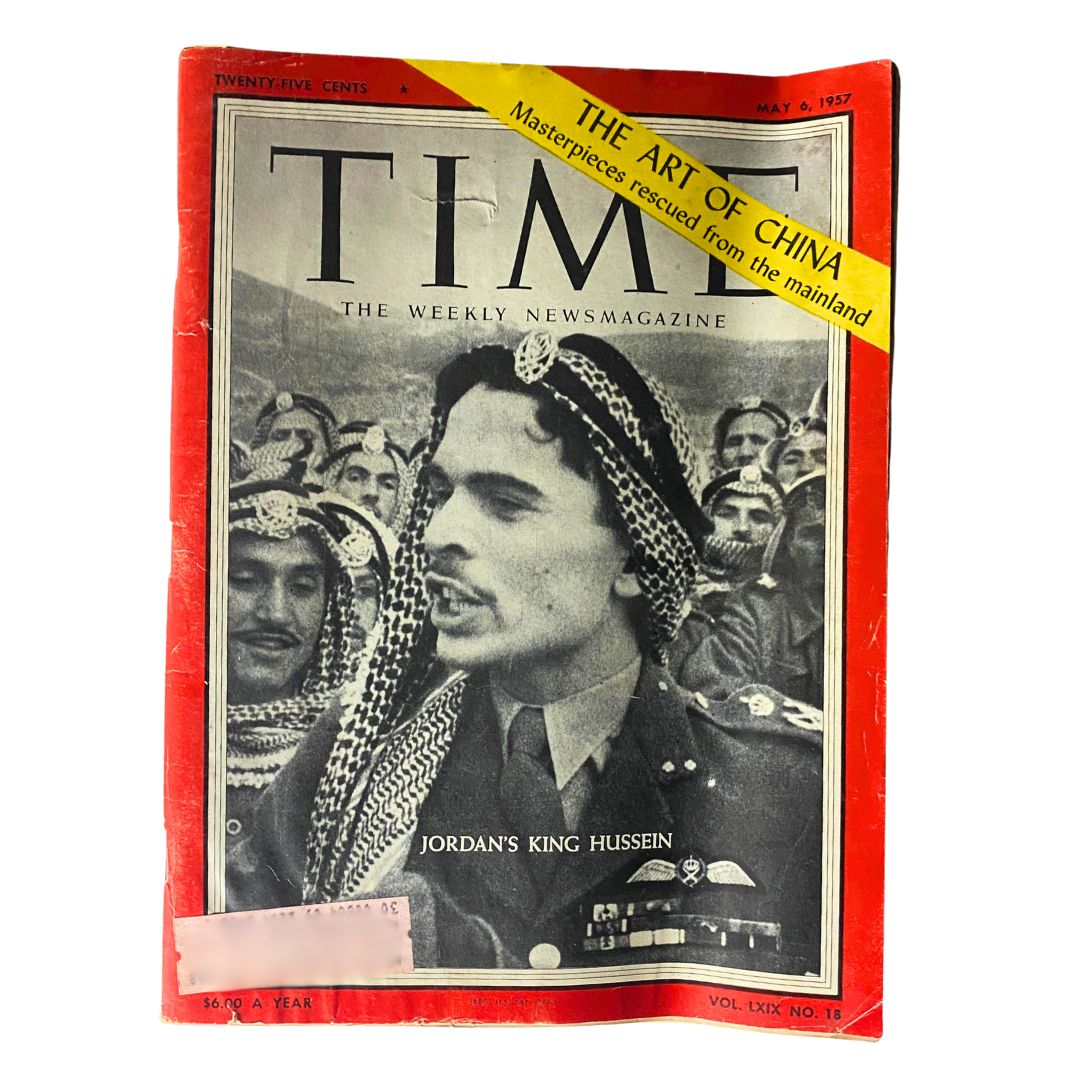
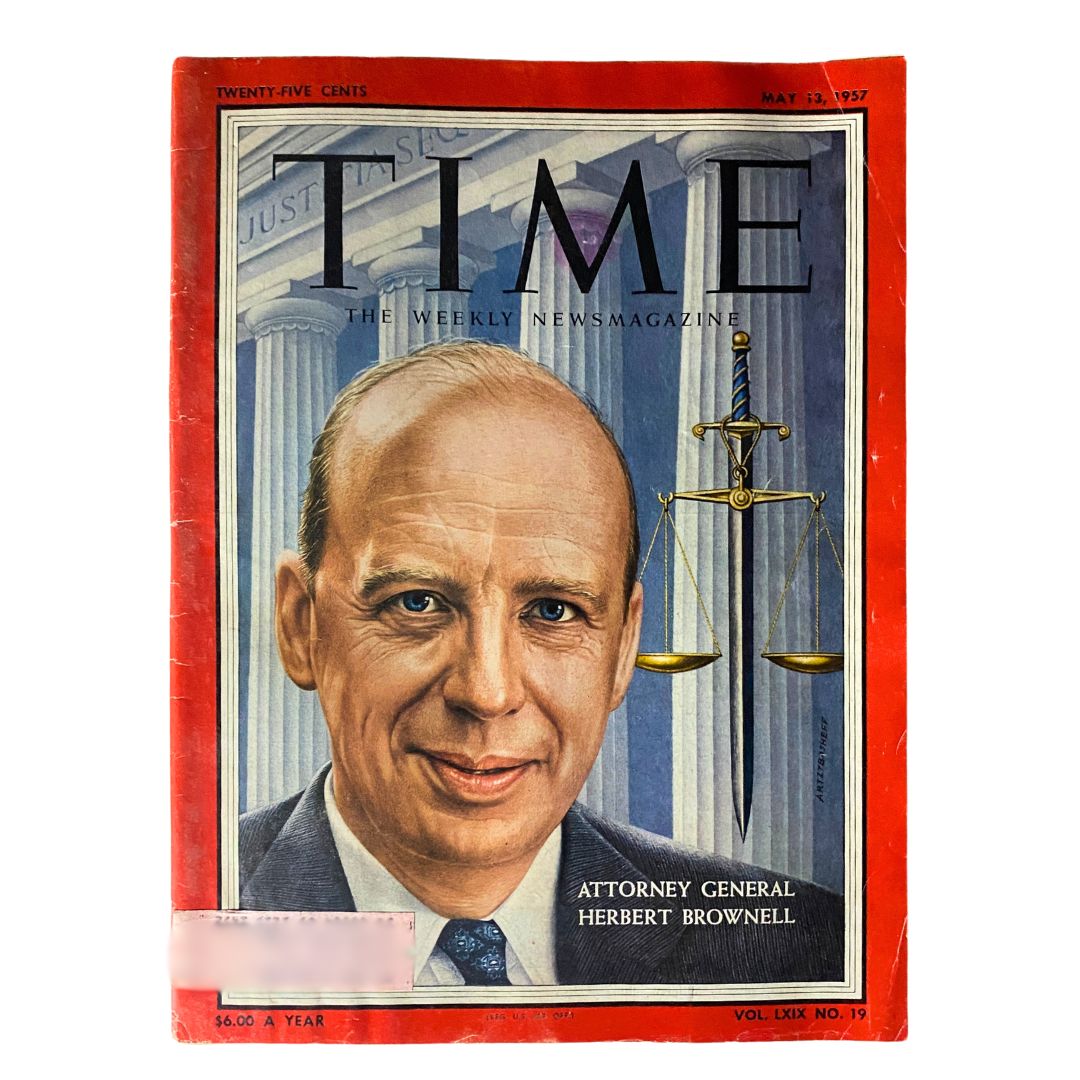
For someone born in May 1957, an original magazine from this transformative month isn't just nostalgia—it's an authenticated witness to the moment America's pastime abandoned its roots, nuclear clouds shadowed the Pacific, and Lucy said goodbye, preserved in genuine headlines, advertisements, and photography that no reproduction can replicate.