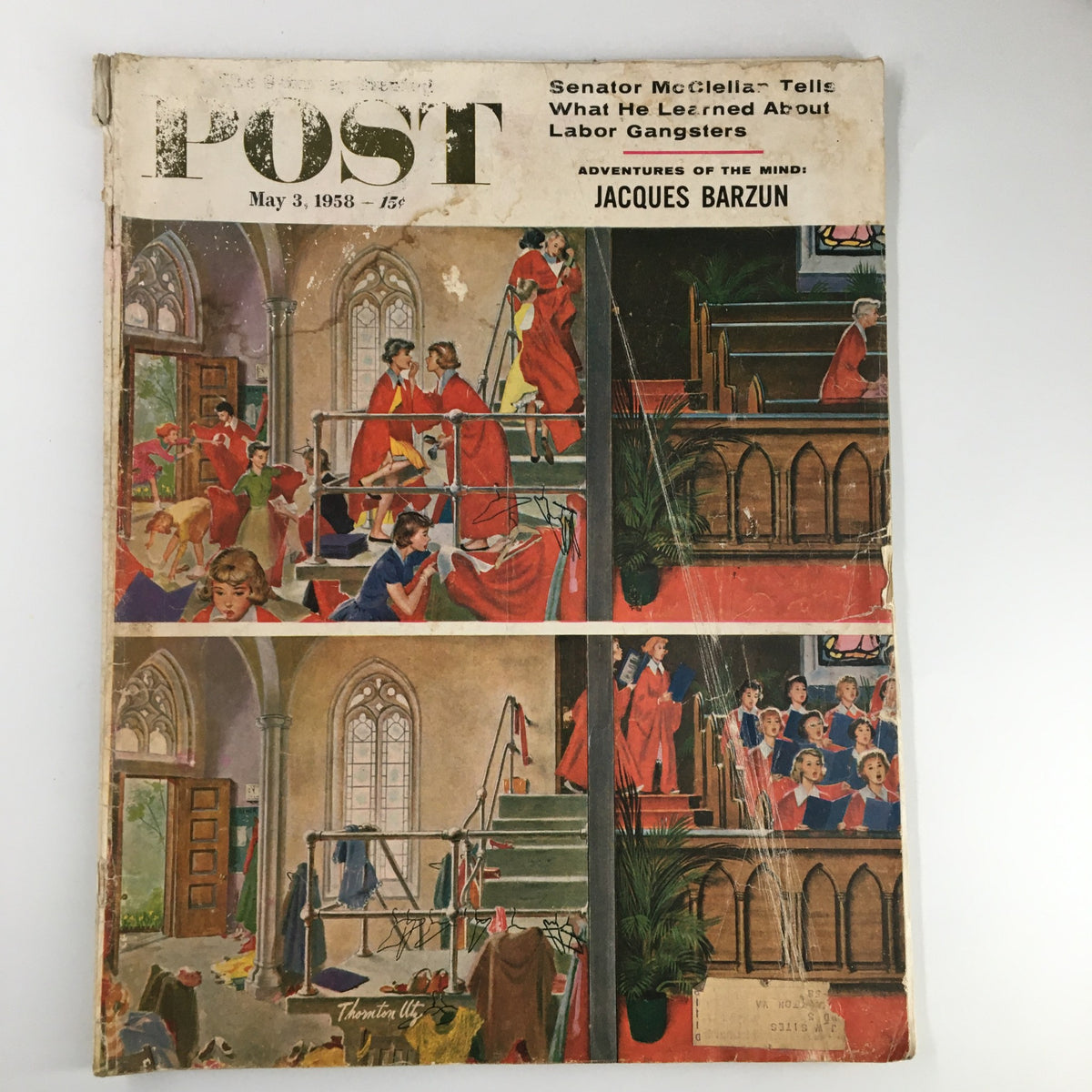
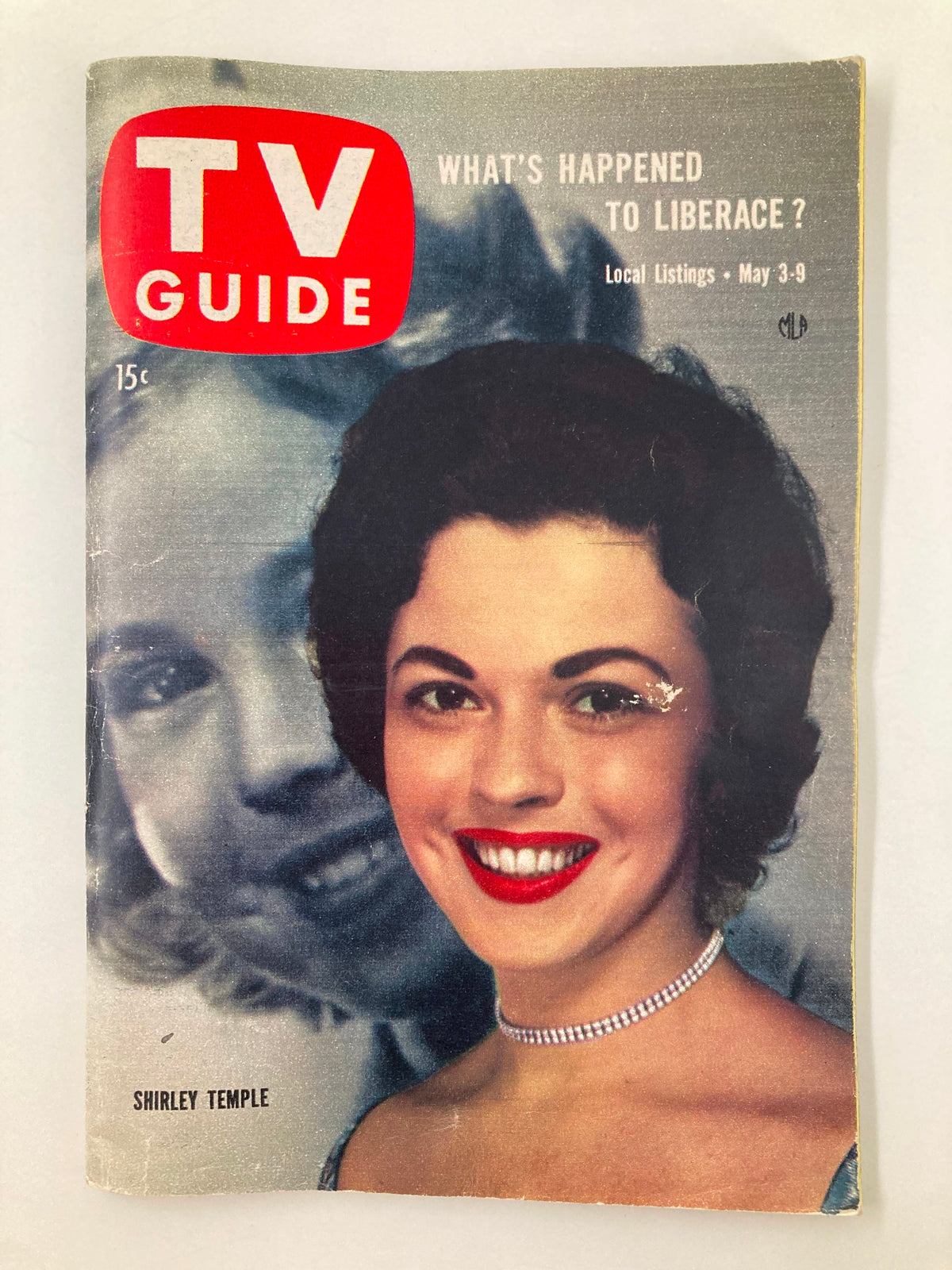
📖 About this Collection
May 1958: The Month the World Held Its Breath
The Historical Context
The spring of 1958 crackled with Cold War tension and cultural transformation. While the United States conducted a staggering series of atmospheric nuclear tests across Pacific atolls—eleven detonations in a single month—Vice President Richard Nixon's goodwill tour of South America erupted into violence. In Caracas, Venezuela, anti-American protesters attacked his motorcade on May 13th, shattering car windows as Nixon and his staff narrowly escaped serious injury. Days earlier in Peru, demonstrators had stoned and spat upon the Vice President, forcing Washington to confront rising anti-American sentiment across Latin America. Domestically, President Eisenhower ordered the National Guard's withdrawal from Little Rock's Central High School on May 8th, yet the fight for integration continued—by month's end, Ernest Green became the first African-American to graduate from the embattled school. Across the Pacific, Mao Zedong launched China's catastrophic "Great Leap Forward" on May 23rd, an economic campaign that would ultimately claim tens of millions of lives. This was the world your loved one entered in May 1958—a planet balanced between nuclear brinksmanship and the slow, painful march toward justice.
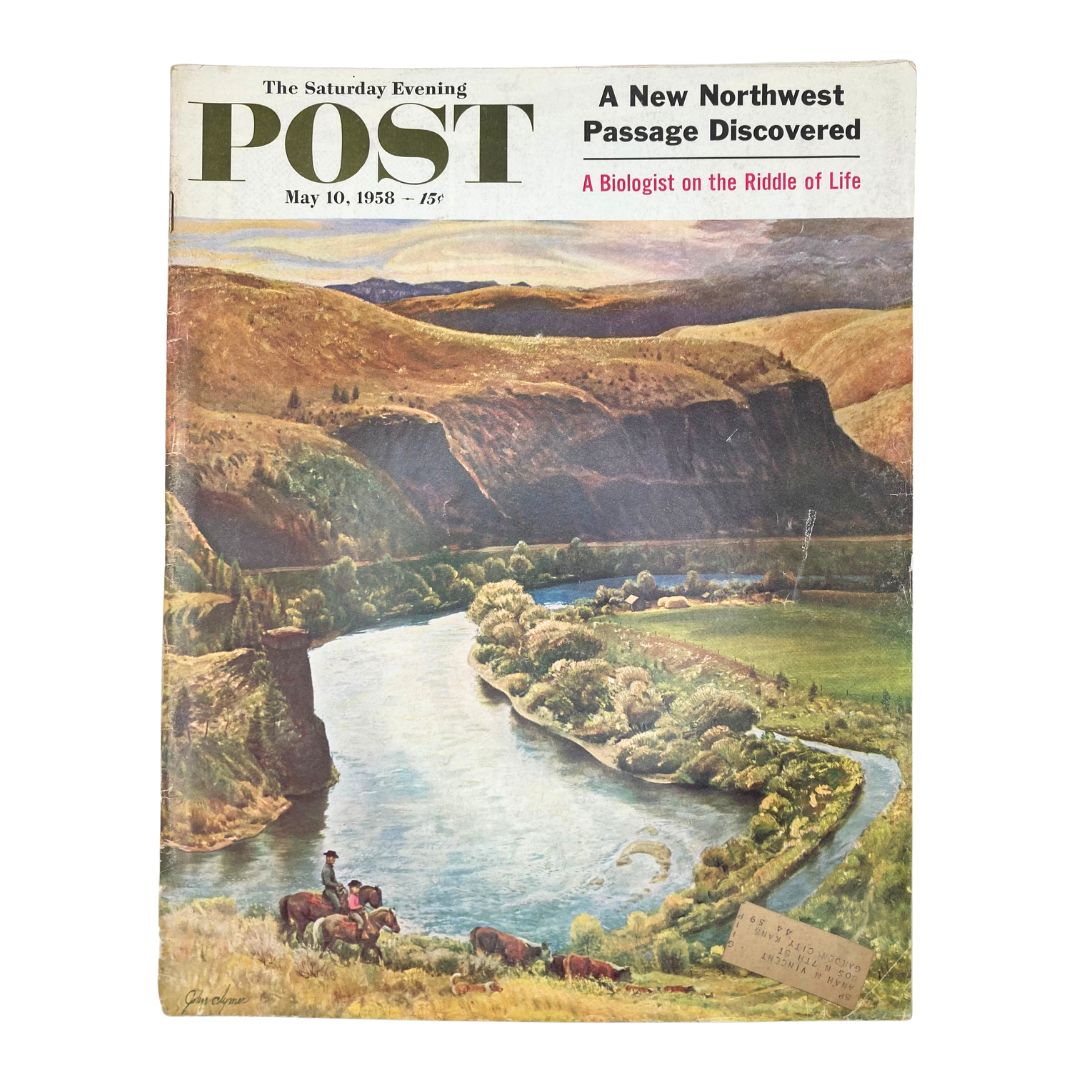
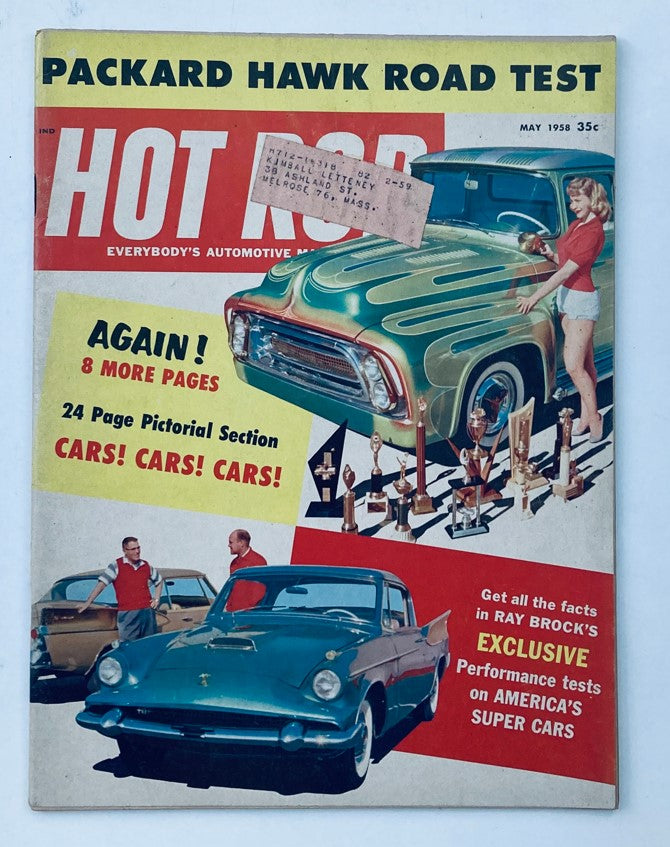
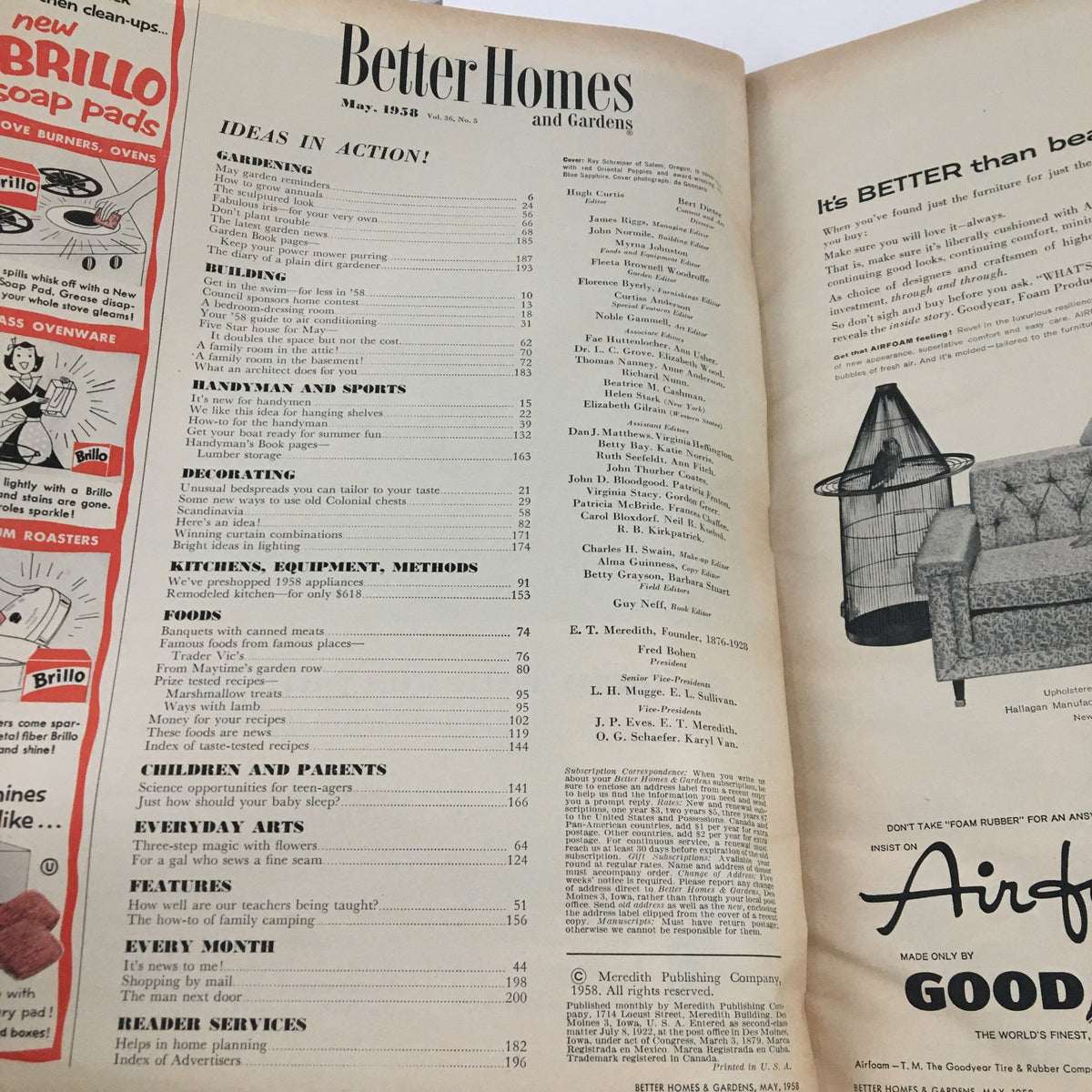
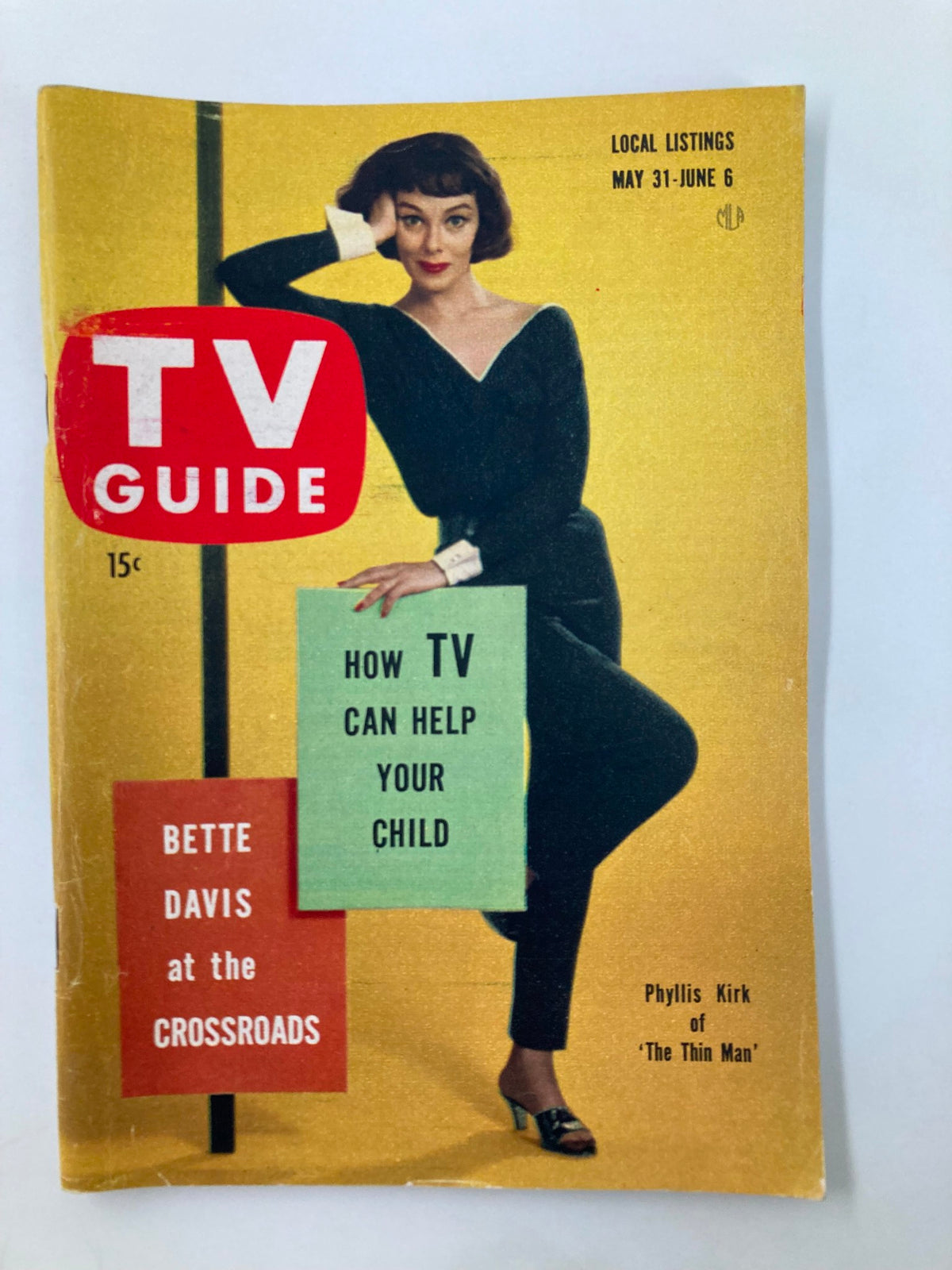
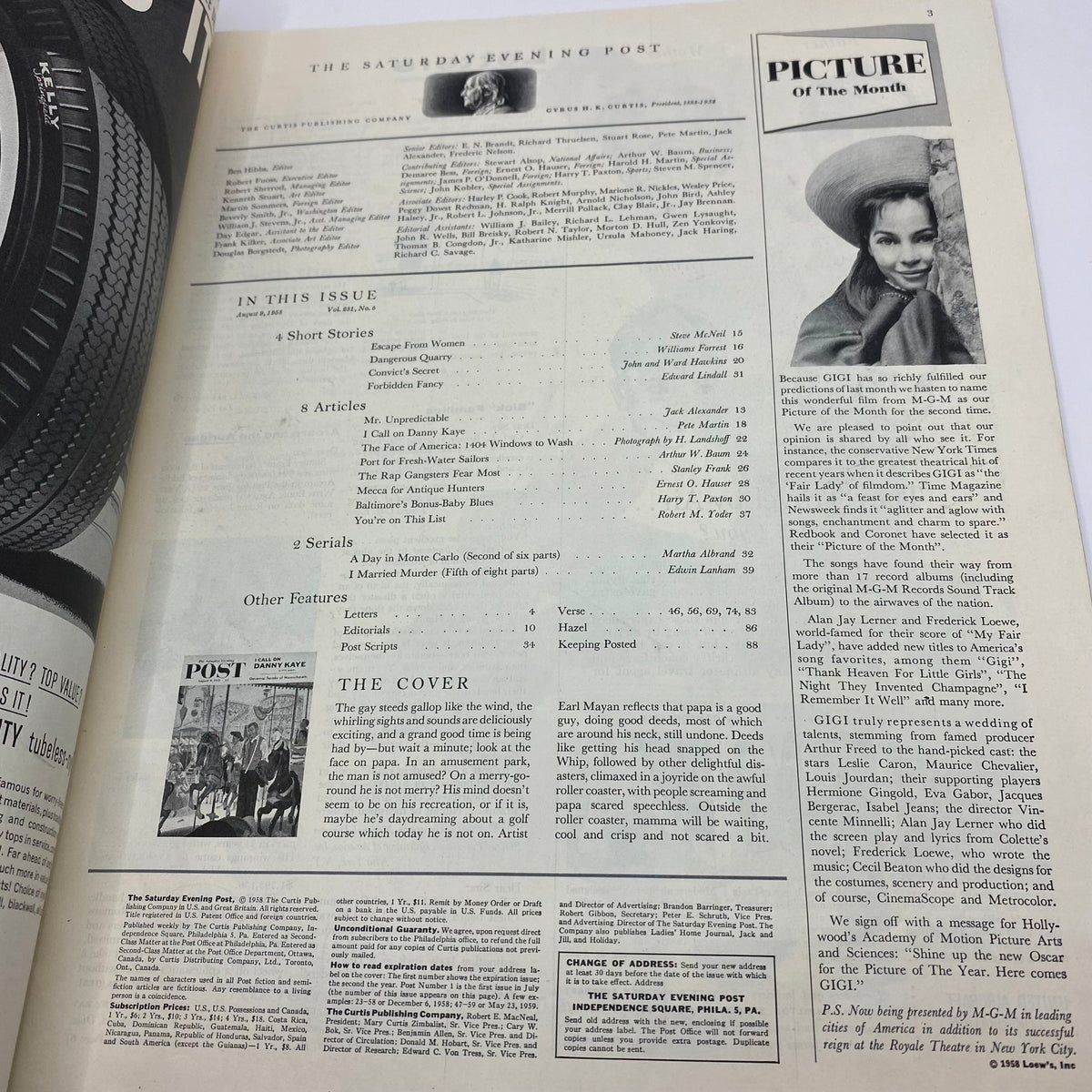
Cinema dominated the cultural conversation, with Alfred Hitchcock's psychological masterpiece "Vertigo" releasing on May 9th alongside Hammer Films' gothic "Dracula," starring Christopher Lee in his career-defining role. The elegance of "Gigi" premiered in New York on May 15th, destined for Best Picture glory, while the Rodgers and Hammerstein soundtrack for "South Pacific" climbed to #1 and remained there for an extraordinary 31 weeks. Baseball fans witnessed history when Stan Musial collected his 3,000th career hit on May 13th, joining an elite fraternity of just seven players before him. The Indianapolis 500 on May 30th became infamous for a devastating 15-car pileup that claimed beloved driver Pat O'Connor's life. In fashion and lifestyle, original magazines from May 1958 captured the sleek lines of Mies van der Rohe's revolutionary Seagram Building, which opened in Manhattan on May 22nd, while advertisements showcased the newly patented Velcro fastener and the first appearances of Cliff's Notes in American classrooms.
What to Look for in Vintage Magazines from May 1958
-
Nixon's South American Crisis: News weeklies like Time, Life, and Newsweek featuring dramatic photography of the Vice President's attacked motorcade in Caracas, often with first-person accounts of the chaos and analysis of deteriorating U.S.-Latin American relations illustrated through striking photojournalism.
-
The Nuclear Testing Surge: Look and Life showcasing atmospheric test coverage from Bikini and Enewetak atolls, featuring the distinctive mushroom clouds and military commentary that made these rare magazines essential Cold War documents, often with diagrams explaining NORAD's formation on May 12th.
-
Little Rock Integration: Magazines chronicling Ernest Green's groundbreaking graduation on May 27th, with photographs capturing the historic moment alongside earlier coverage of the National Guard's departure, preserving the visual narrative of America's civil rights struggle.
-
Hitchcock's "Vertigo" Premiere: Entertainment publications and general interest magazines featuring original movie advertisements, behind-the-scenes photography of Jimmy Stewart and Kim Novak, and reviews of what critics initially dismissed but audiences would later recognize as Hitchcock's masterpiece.
-
Baseball's 3,000-Hit Milestone: Sports Illustrated (celebrating its fourth year) and regional publications documenting Stan Musial's achievement on May 13th, with genuine action photography and statistical breakdowns that authenticated this Hall of Fame moment, often alongside Willie Mays' explosive performance against the Dodgers.
The Perfect Gift
For someone born in May 1958, an original magazine from this pivotal month isn't just a reproduction—it's an authenticated time capsule from when mushroom clouds shared headlines with Hitchcock, preserved in genuine advertisements, Cold War photojournalism, and the precise cultural anxieties of that unforgettable spring.