📖 About this Collection
Mel Brooks: The Last Ringmaster of the Great American Absurd
The Legend & The Legacy
Long before the algorithm decided what was funny, Mel Brooks made America laugh by refusing to follow any rule that couldn't be broken for a better joke. Rising from the Borscht Belt comedy circuit through the writers' rooms of early television — where he sparred and collaborated with Sid Caesar on Your Show of Shows — the Brooklyn-born comedian, director, and composer became one of the most audacious comic minds of the twentieth century. In an era when audiences learned about their cultural heroes through ink and paper, Brooks's ascent was chronicled issue by issue: from the trade publications tracking his television work in the 1950s, to the entertainment weeklies breathlessly covering the scandalous brilliance of The Producers in 1967, to the mainstream glossies that simply could not ignore the man who made Blazing Saddles and Young Frankenstein in the same extraordinary year of 1974. His story unfolded in real time across the newsstands of America — a serialized comedy in newsprint.
Inside the Archive
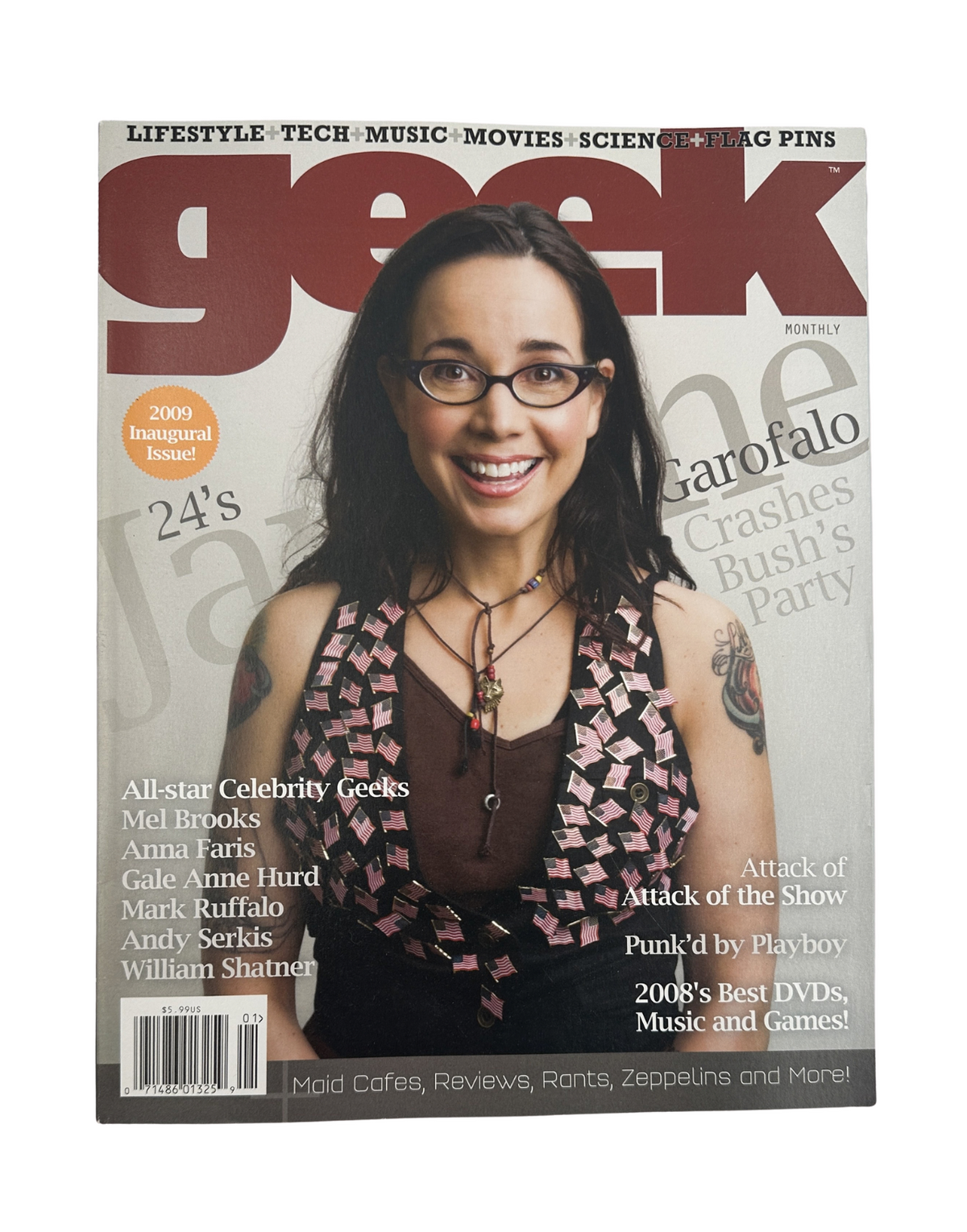
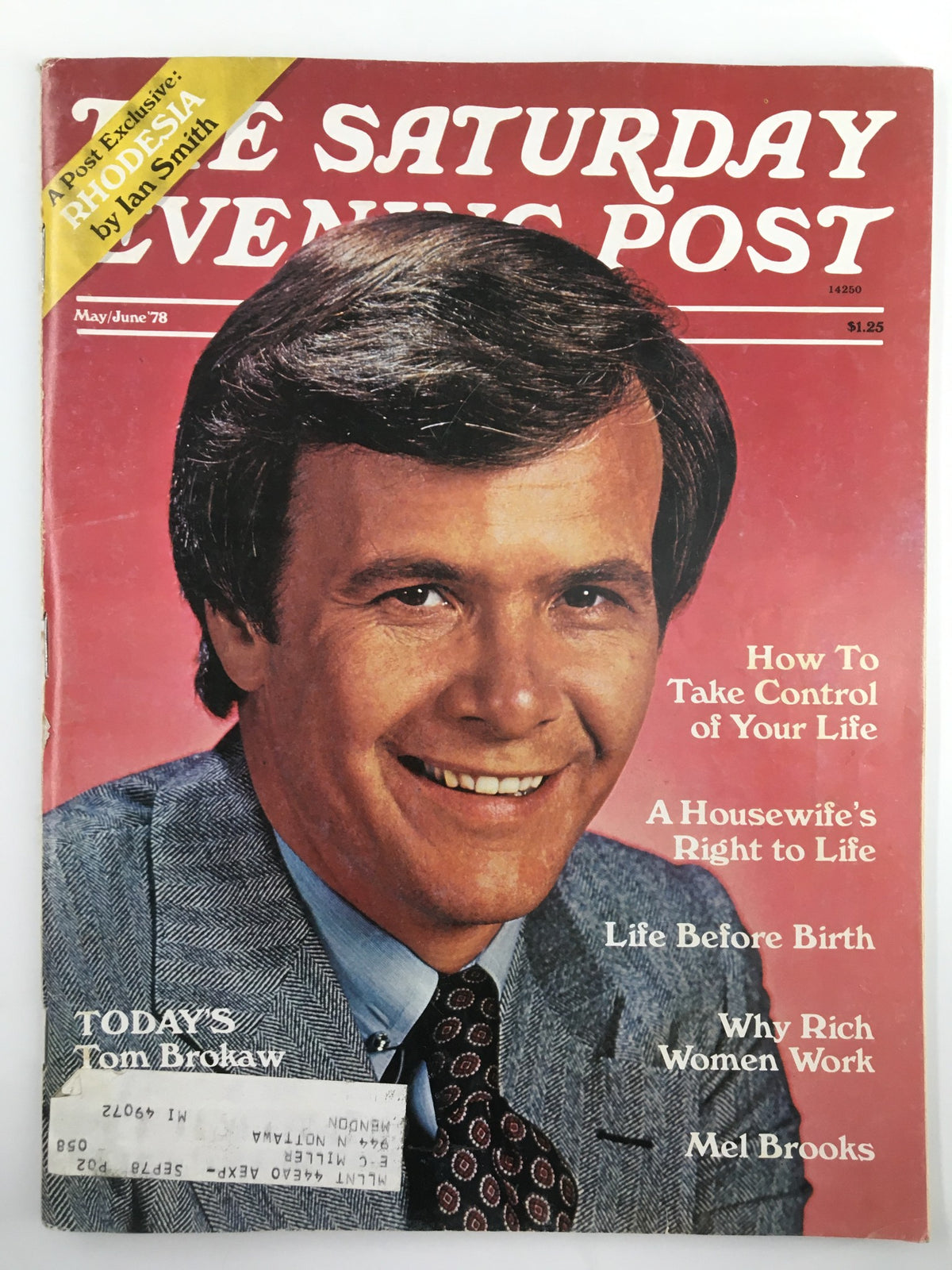
Vintage magazines of the 1960s through the 1980s captured the auteur with a particular editorial delight — here, finally, was a subject who gave good copy. Time and Newsweek approached him as a cultural phenomenon, running profile pieces that grappled with the serious question of whether parody could constitute high art, often accompanying their analyses with candid, energetic photography that matched his kinetic personality. Rolling Stone, in its golden years as the arbiter of American counterculture, found in him a natural subject — a comedian whose irreverence mapped neatly onto the magazine's own anti-establishment spirit. Meanwhile, the industry bible Variety and the glossy Photoplay tracked his every project from pitch to premiere, documenting the Hollywood establishment's complicated relationship with a filmmaker who mocked the very genres that built the studio system. International publications, too, took note: French and German entertainment magazines covered him with a particular intellectual seriousness, recognizing in his genre deconstructions a filmmaker worthy of auteur theory.
Curator's Checklist: Highlights Often Include
- Golden Age television features from the early-to-mid 1950s, when trade publications and TV guides profiled the writers powering Sid Caesar's Your Show of Shows, offering some of the earliest print documentation of Brooks as a creative force
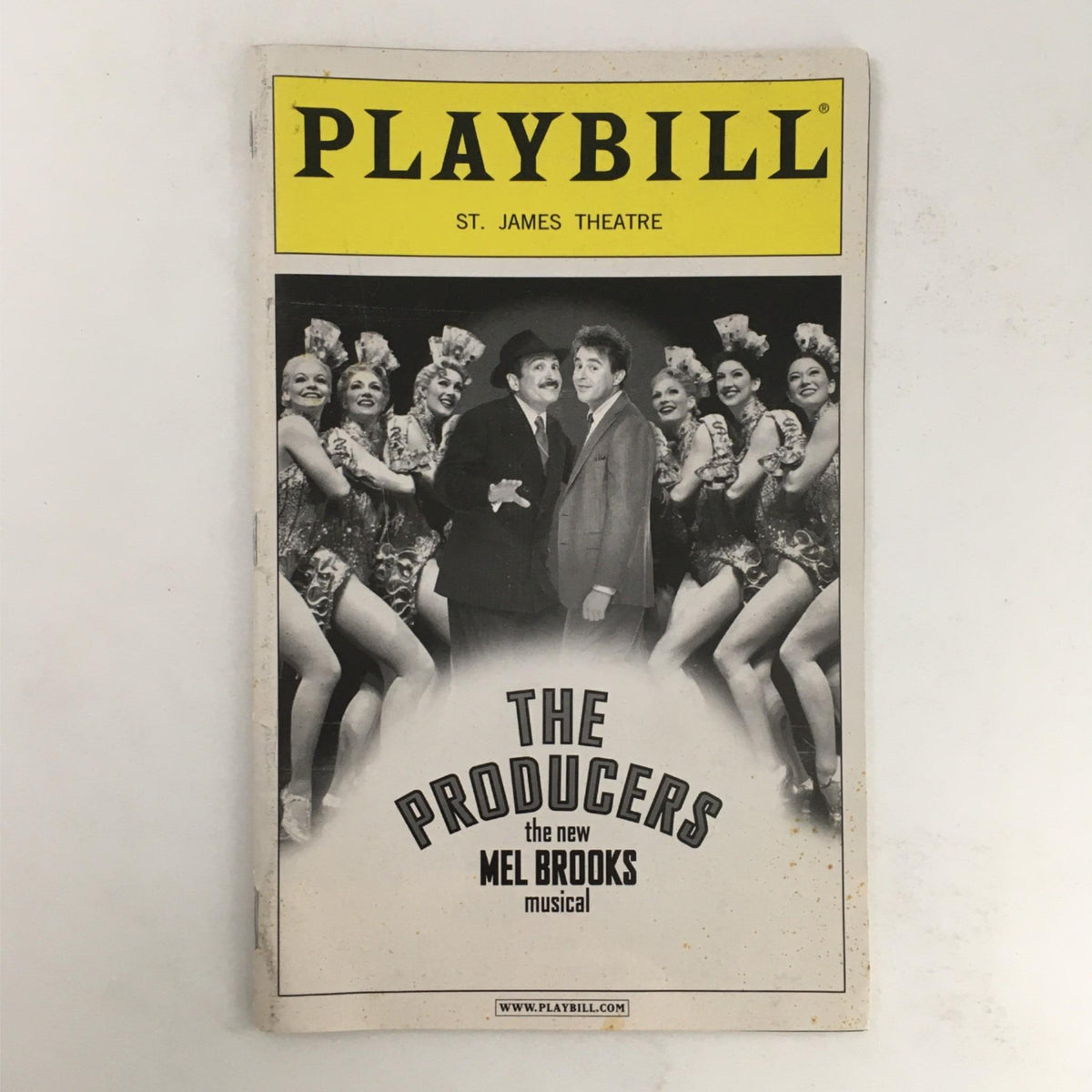
- Breakthrough film coverage from 1967–1968 surrounding The Producers, including critical reviews, think-pieces on the controversial use of Nazi imagery for comic effect, and Arts & Entertainment features wrestling with whether the film was genius or heresy
- The landmark 1974 double feature moment, when entertainment and mainstream magazines scrambled to profile the director who released both Blazing Saddles and Young Frankenstein within months of each other — a feat that cemented his name above the marquee permanently
- Profile interviews from the late 1970s and 1980s in publications like People and American Film, which captured his transition from cult provocateur to beloved Hollywood institution, often featuring behind-the-scenes photography from productions like Silent Movie, High Anxiety, and Spaceballs
- Comedy industry roundups and retrospectives in entertainment-focused publications that placed him alongside contemporaries like Woody Allen and Lenny Bruce, contextualizing his legacy within the broader arc of American Jewish comedy and postwar humor
The Collector's Value
There is something profoundly irreplaceable about holding a decades-old magazine that reviewed The Producers in its opening week — the slightly brittle paper stock, the particular weight of mid-century coated print, the sharp petrochemical ghost of old ink, and the full-page advertisements for cigarettes and Cadillacs that frame the editorial content like a time capsule sealed in plain sight. These are not reprints or digital facsimiles; they are primary sources, artifacts of the precise cultural moment in which one of comedy's great architects was being understood, debated, and celebrated in real time. The surrounding context — the other headlines sharing the page, the cultural preoccupations of the issue at large — transforms each magazine from a simple collector's item into a window onto the exact world that produced and consumed his work. For collectors of classic Hollywood cinema, American comedy history, or mid-century print and graphic design, these publications offer an intimacy with the past that no streaming service or retrospective documentary can replicate. Explore the current available inventory below and find the piece of history that belongs in your archive.