📖 About this Collection
Mel Gibson: The Last True Movie Star of Print's Golden Age
The Legend & The Legacy
In the years before the internet collapsed the distance between celebrity and audience, Mel Gibson existed as something rare and intoxicating — a genuine global superstar whose image was rationed, curated, and delivered exclusively through the printed page. From his breakout eruption onto the international scene with Mad Max in the late 1970s to his reign as Hollywood's most bankable leading man throughout the 1980s and into the 1990s, the world consumed his story in installments — on glossy covers at airport newsstands, in dog-eared issues passed between friends, in the entertainment weeklies that arrived in the post like dispatches from another world. His dual nationality — raised in Australia yet born in New York — gave him a transatlantic mystique that fascinated editors on both sides of the Pacific. And when he stepped behind the camera to direct Braveheart in 1995, claiming the Academy Award for Best Picture and Best Director, the print media responded with the full weight of its storytelling arsenal. To follow his career through original magazines is to trace not just a man, but an entire era of cinema's cultural dominance.
Inside the Archive
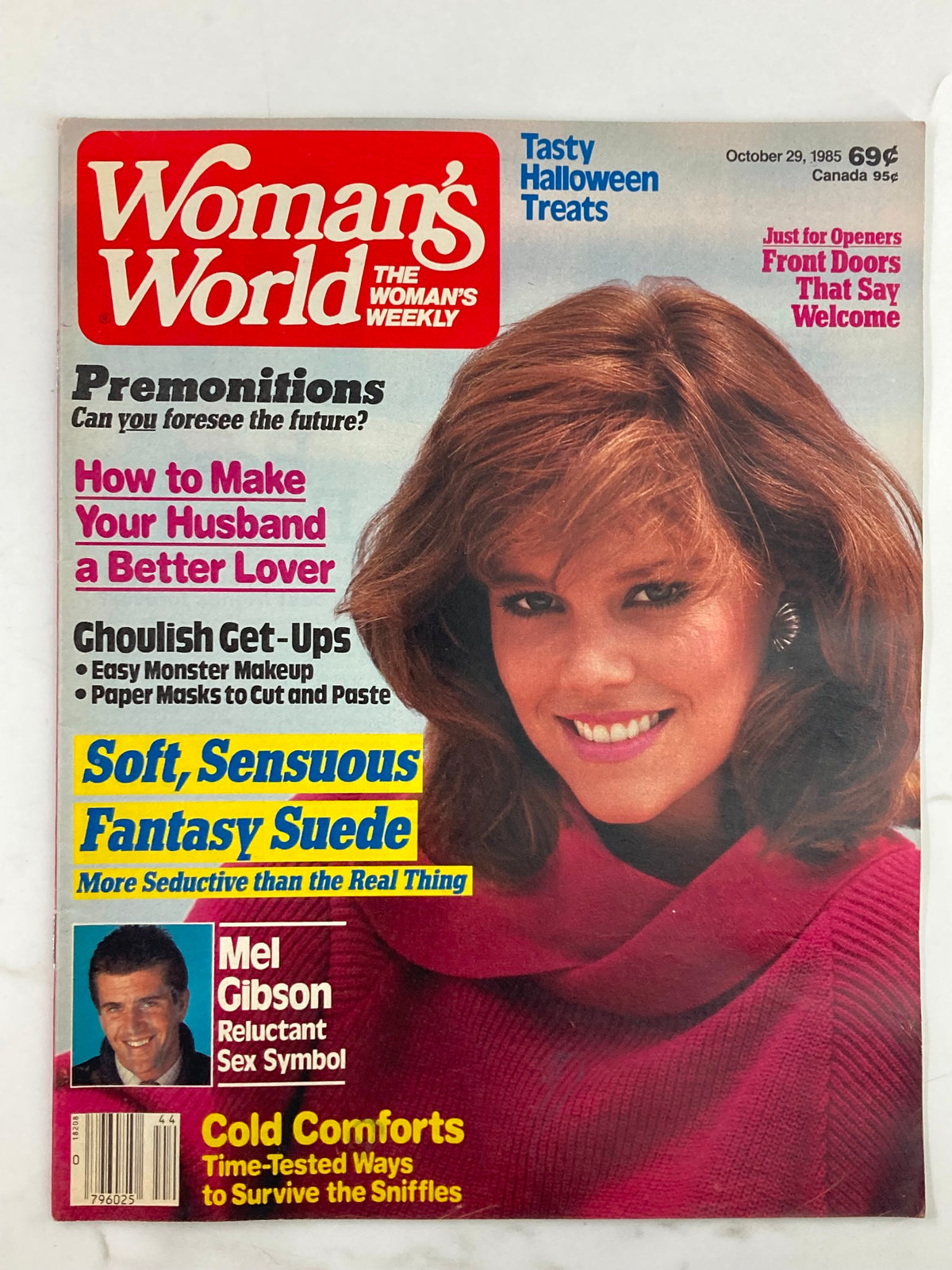
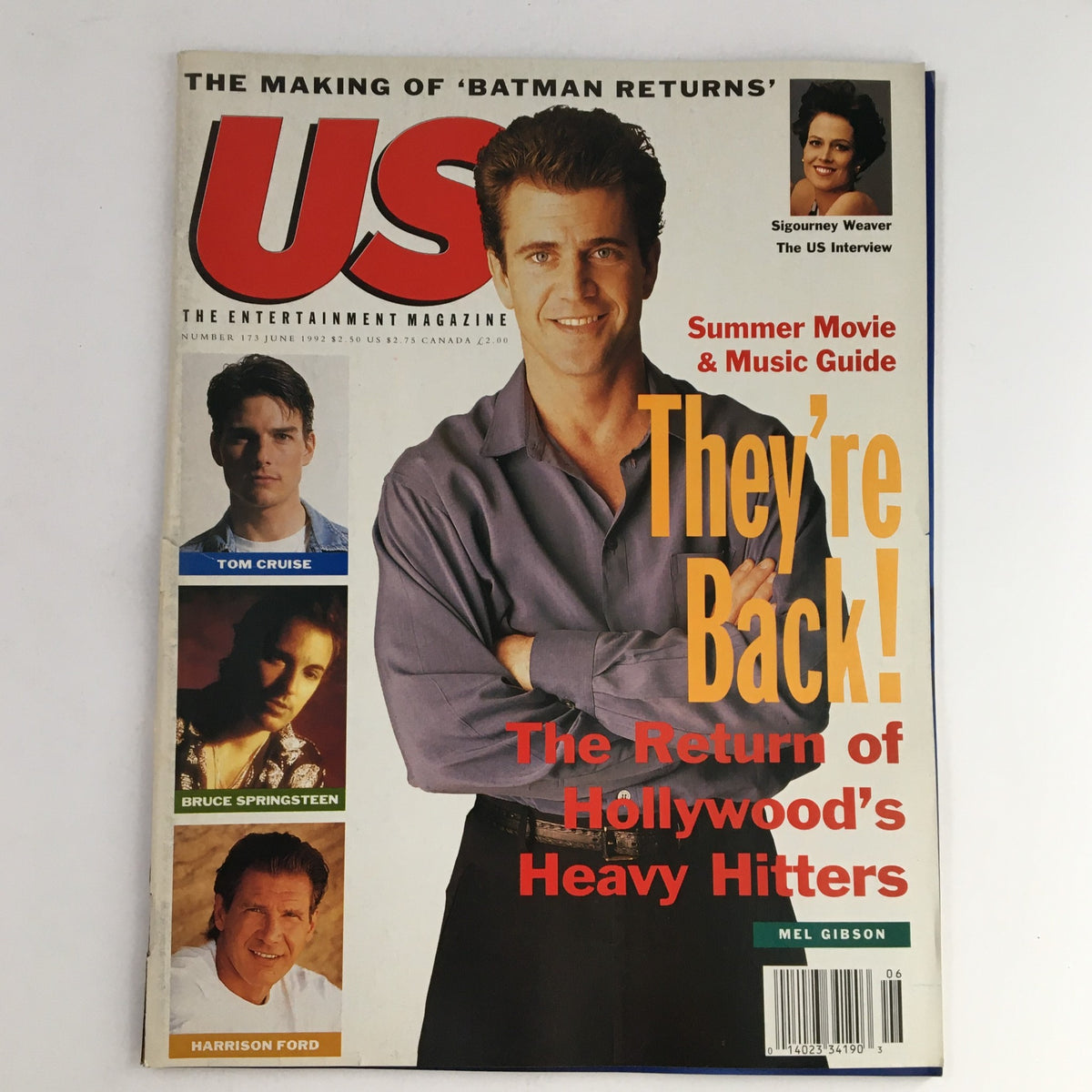
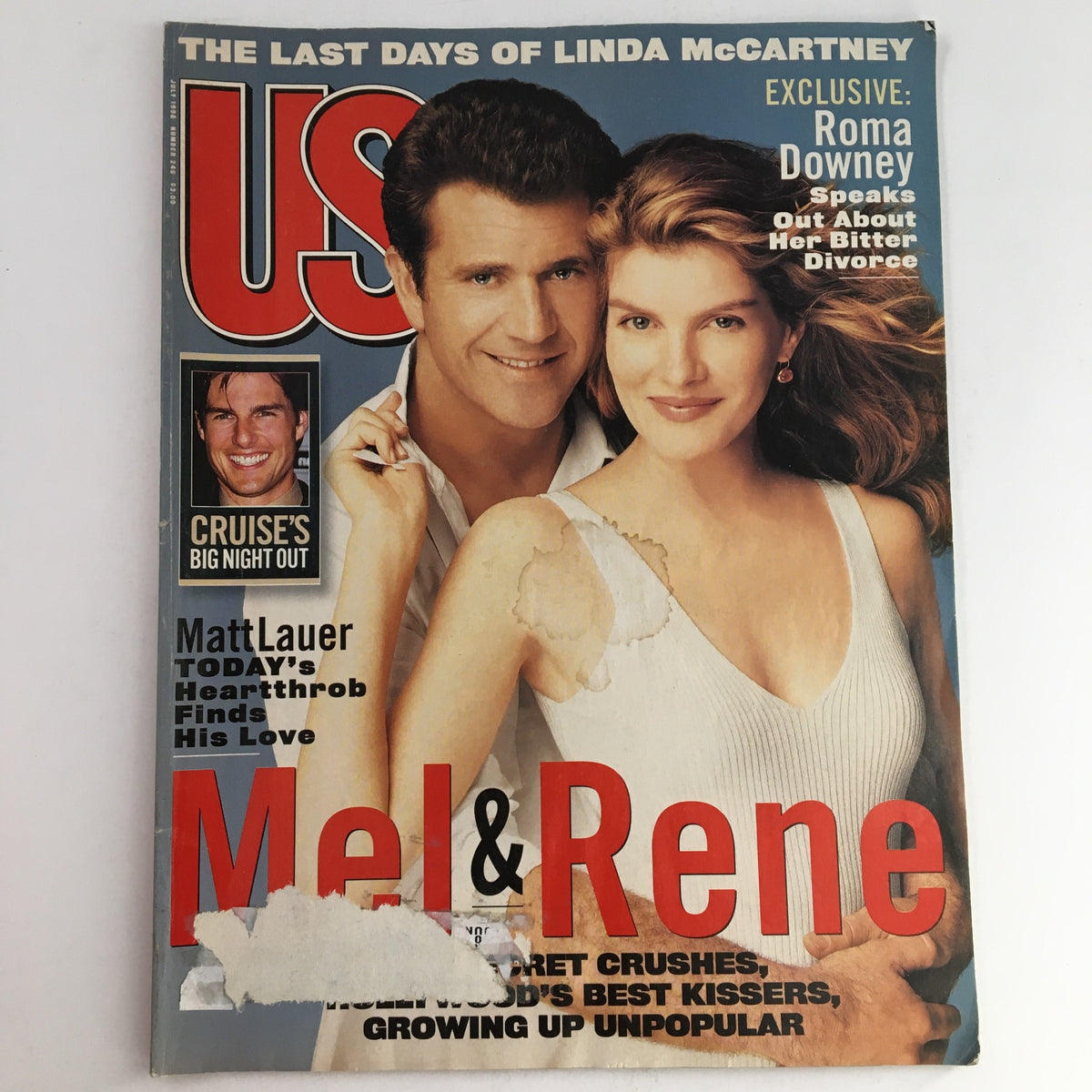
The coverage of this blue-eyed phenomenon unfolded across a remarkably diverse range of publications, reflecting the breadth of his appeal. American entertainment titles like Rolling Stone and Premiere tracked his ascent with lengthy profile pieces and dynamic action photography — chiselled, intense, often wind-swept imagery that leaned into his rugged masculinity and barely-contained charisma. People magazine seized on the family man narrative, featuring the devoted father alongside the reluctant superstar in a way that made him feel both aspirational and accessible. Internationally, Australian publications such as The Australian Women's Weekly and TV Week claimed him as a national treasure from the earliest days, chronicling his career with a proprietary pride that the American press could not replicate. European titles, too — particularly French and German film monthlies — devoted considerable ink to the man who proved that action cinema could be both visceral and emotionally intelligent. The photography across all of these publications speaks to a pre-digital craft: the rich grain of film, the saturated colour palettes of the era, the deliberate composition of a world where a single image had to carry the full weight of a story.
Curator's Checklist: Highlights Often Include
- Early career breakthrough coverage — Australian and international entertainment press from the late 1970s and early 1980s documenting his emergence through Mad Max and Gallipoli, often featuring raw, early photography that predates his Hollywood transformation
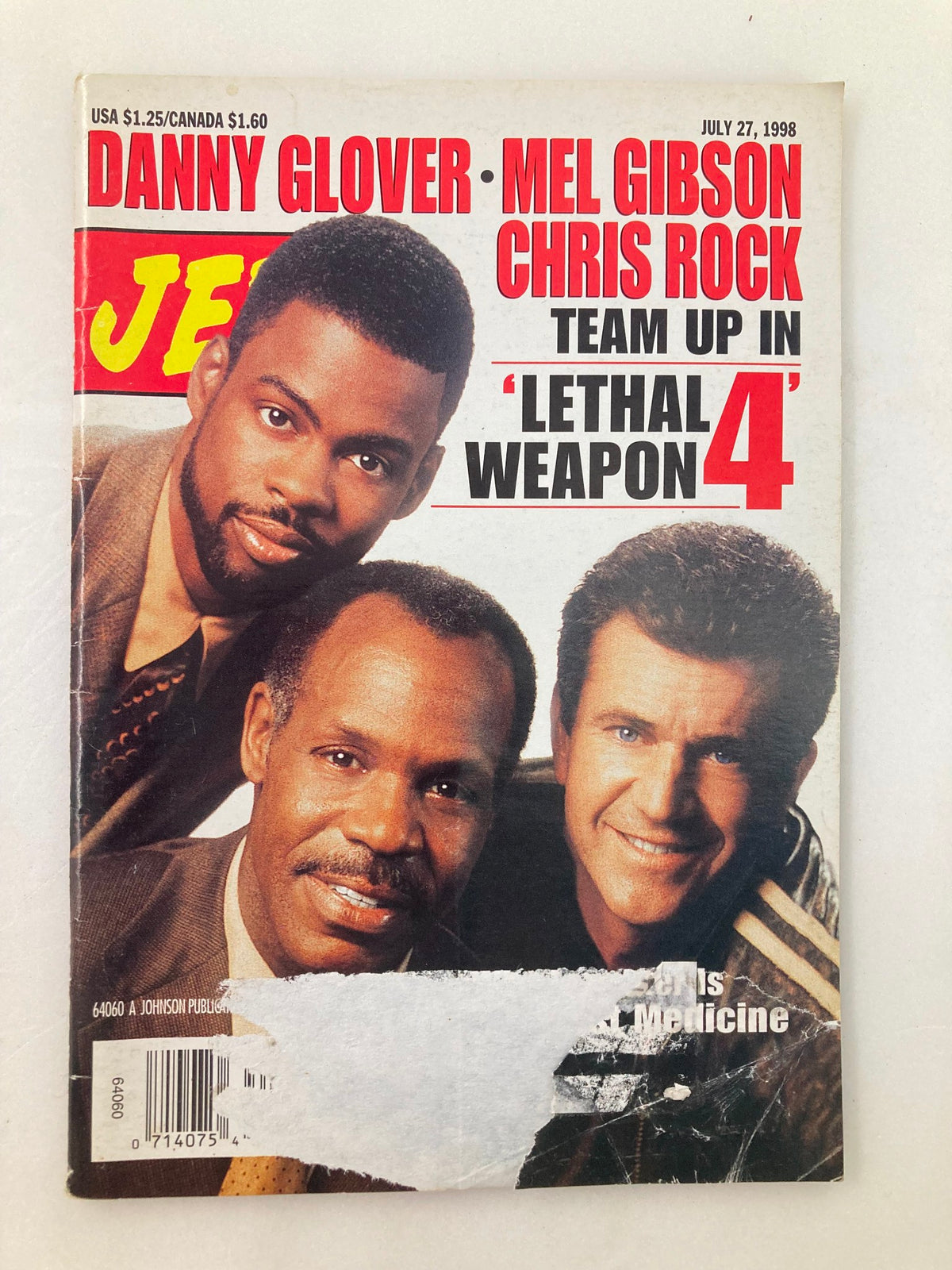
- The Lethal Weapon era features — Major American entertainment monthlies and weekly glossies from the late 1980s capturing his peak as an action icon alongside Danny Glover, often with vibrant on-set photography and candid interview spreads
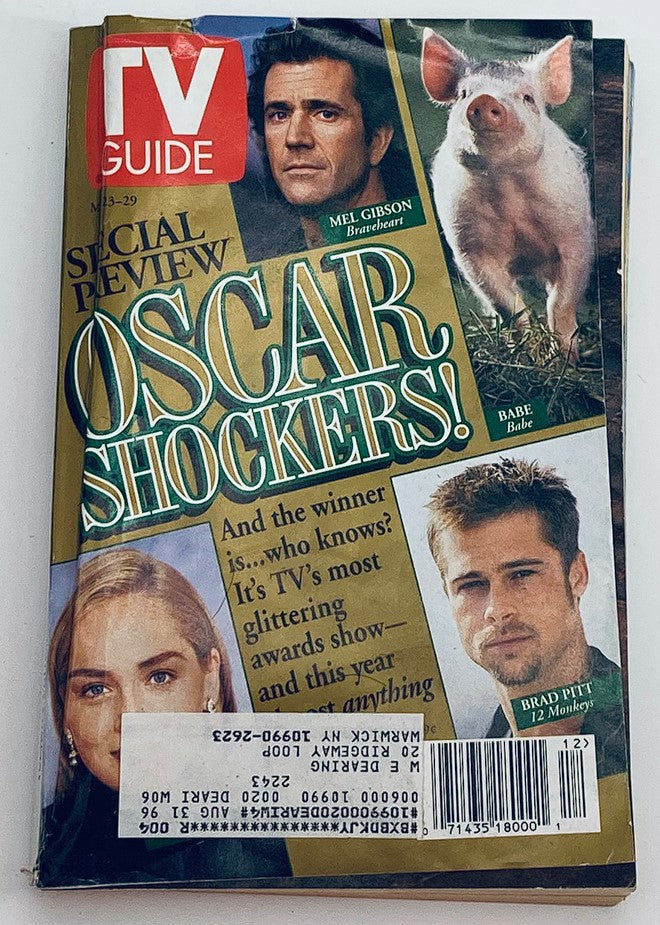
- Braveheart and awards season coverage — Film industry publications, mainstream weeklies, and international titles from 1995–1996 documenting his sweep of the awards season, including behind-the-scenes production imagery from the Scottish Highlands
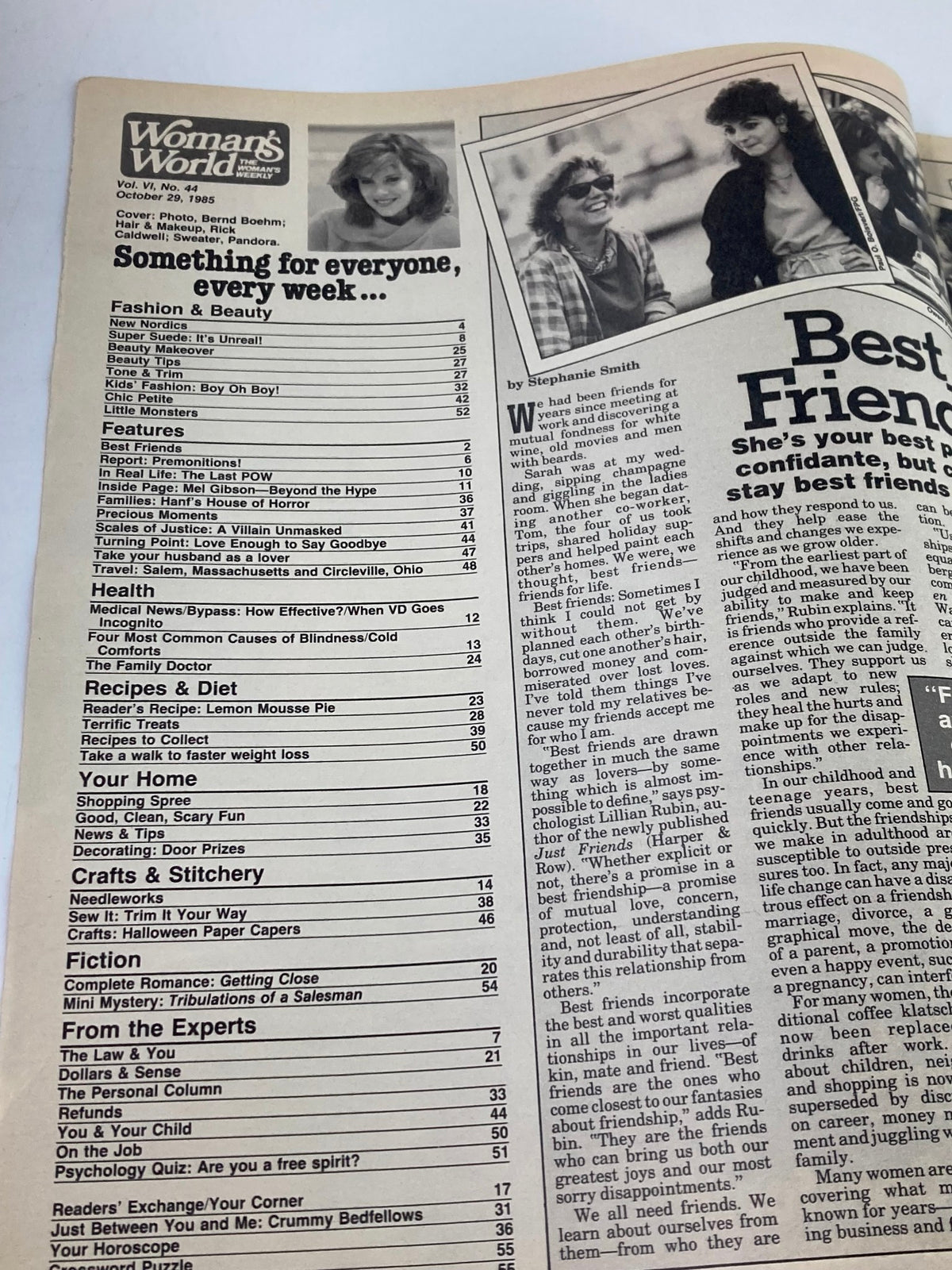
- "Sexiest Man Alive" and cultural moment features — People magazine's 1985 inaugural "Sexiest Man Alive" designation and its extensive cultural aftermath, captured across dozens of subsequent profiles and retrospectives throughout the decade
- Director and auteur profiles — Trade publications and serious film criticism journals from the mid-1990s reassessing him as a filmmaker of ambition and substance, marking the pivot from movie star to cinematic artist
The Collector's Value
What separates a vintage original magazine from any digital archive is precisely what cannot be scanned or streamed: the weight of the paper stock in your hands, the slight yield of the pages as they turn, the particular smell of decades-old ink and coated stock — a scent that is, in its own way, the smell of a specific cultural moment preserved in amber. These are primary source documents, not reproductions. The advertisements that surround the editorial content — the cars, the cigarettes, the perfumes, the technology of the era — frame the subject within the full texture of the world that produced them, offering a richness of historical context that no retrospective can manufacture. A 1985 issue featuring a profile of Hollywood's reigning king does not merely contain an article; it contains an entire civilisation's sense of what mattered, what was beautiful, and who commanded the public imagination. For collectors of Hollywood golden age memorabilia, Australian cultural history, or classic 1980s and 1990s cinema ephemera, these publications offer an irreplaceable and deeply personal connection to one of the most compelling careers in modern film history. Explore the current available inventory below and discover which pieces of this extraordinary story are waiting to find a new home.