📖 About this Collection
Merle Haggard: Outlaw Ink & Okie Pride
The Legend & The Legacy
Born in a converted railroad boxcar in Oildale, California, and forged by years of poverty, reform schools, and a stint at San Quentin, Merle Haggard didn't just sing about working-class America — he was it. From his breakout in the mid-1960s through his towering run in the 1970s and beyond, the Bakersfield Sound's most eloquent voice became a genuine cultural lightning rod, as beloved by blue-collar laborers as he was controversial among the political establishment. When "Okie from Muskogee" dropped in 1969, it didn't merely chart — it detonated, splitting the country along cultural fault lines and landing him on the cover of publications that had never before taken country music seriously. In an era before streaming, before social media, and before algorithms decided who mattered, the public learned who Merle Haggard was through the printed page: through interviews conducted in smoky green rooms, tour retrospectives, and profiles written by journalists who had to earn his trust before he'd say a word.
Inside the Archive
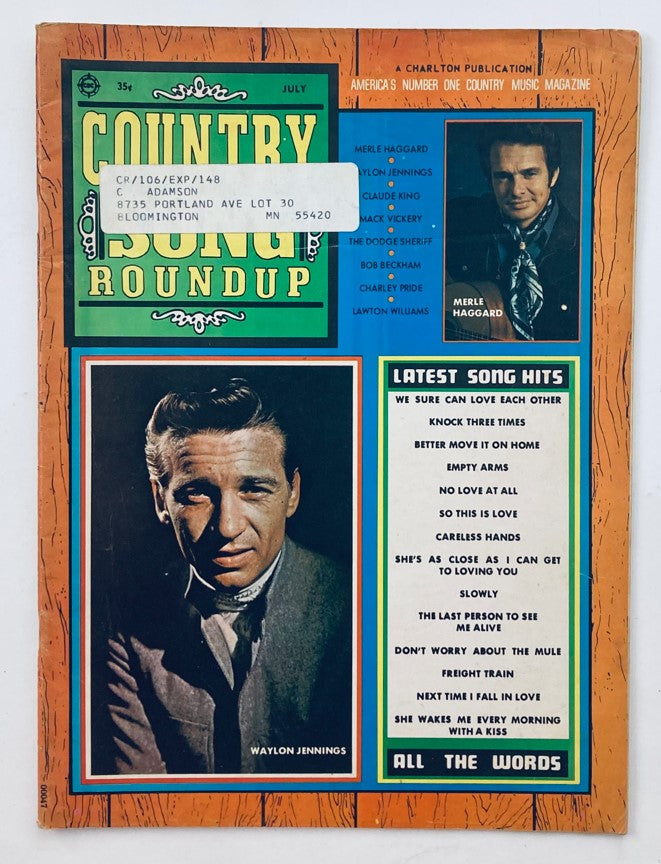
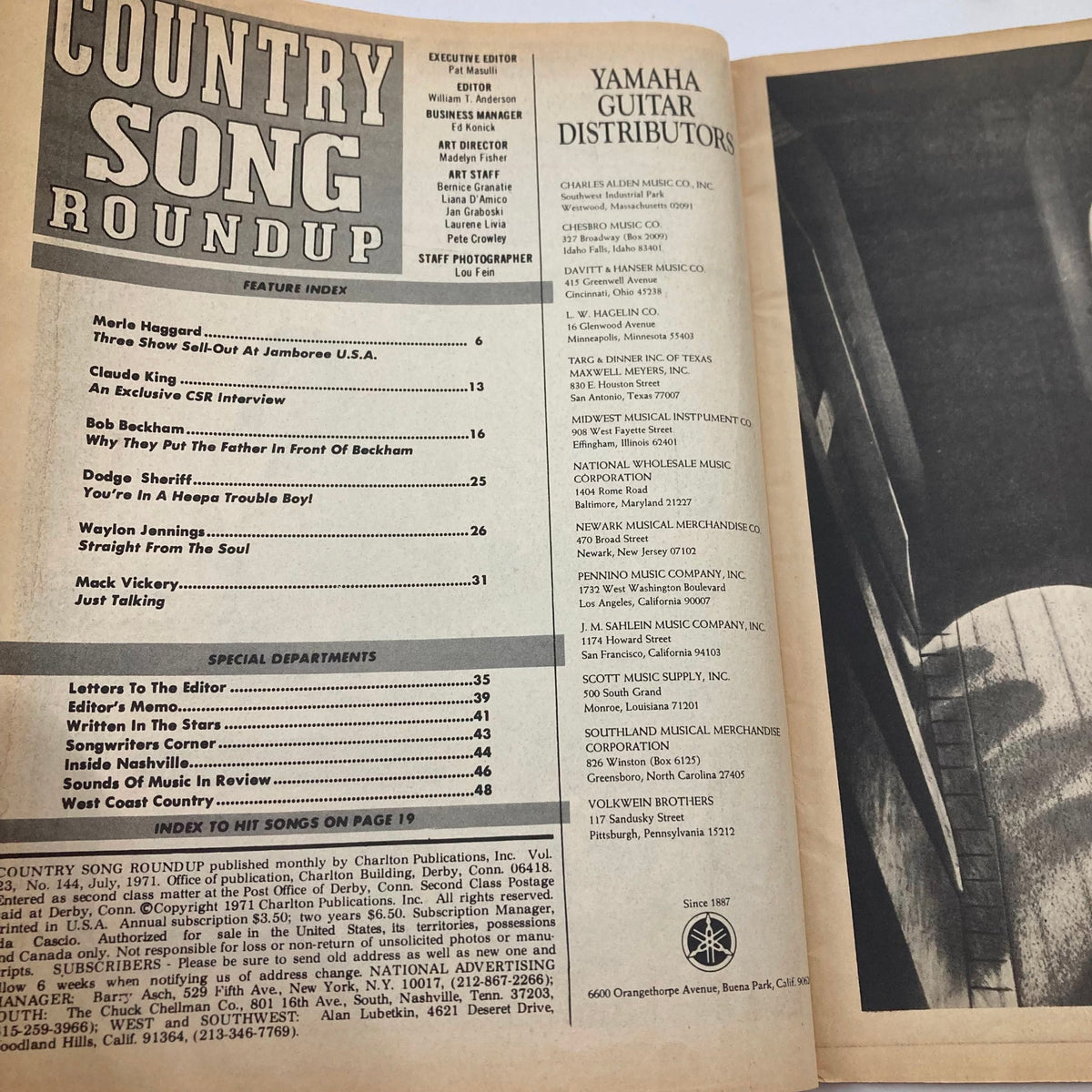
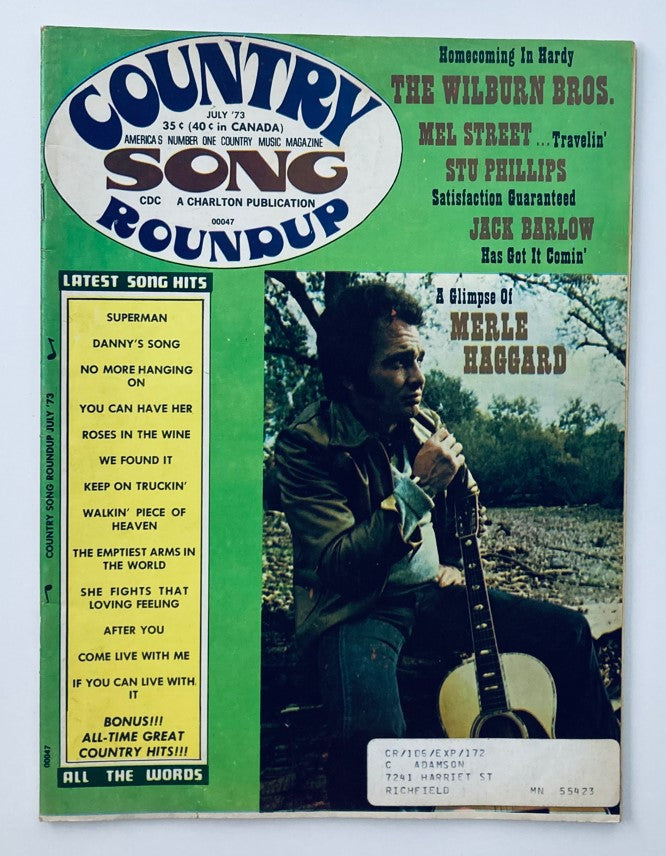
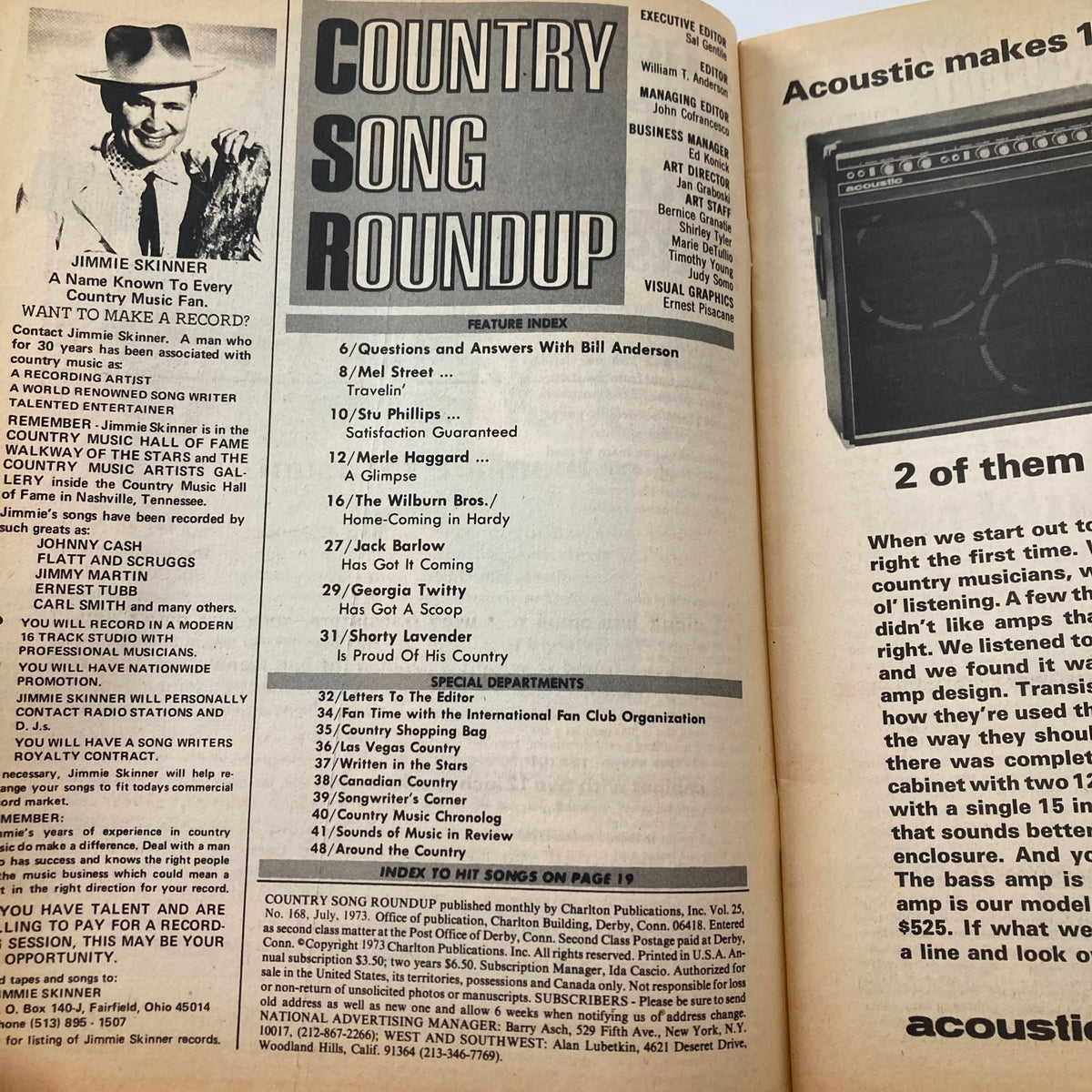
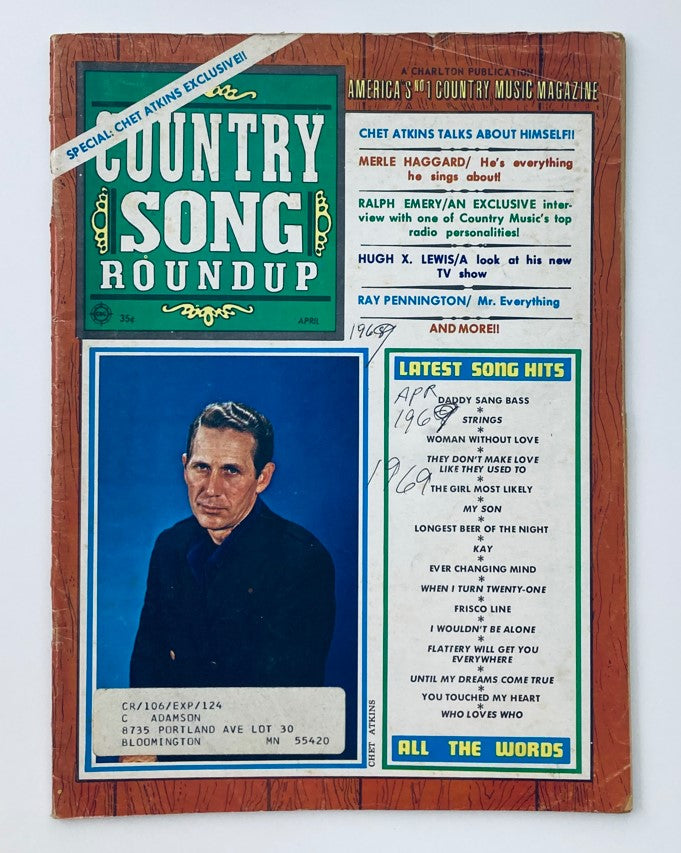
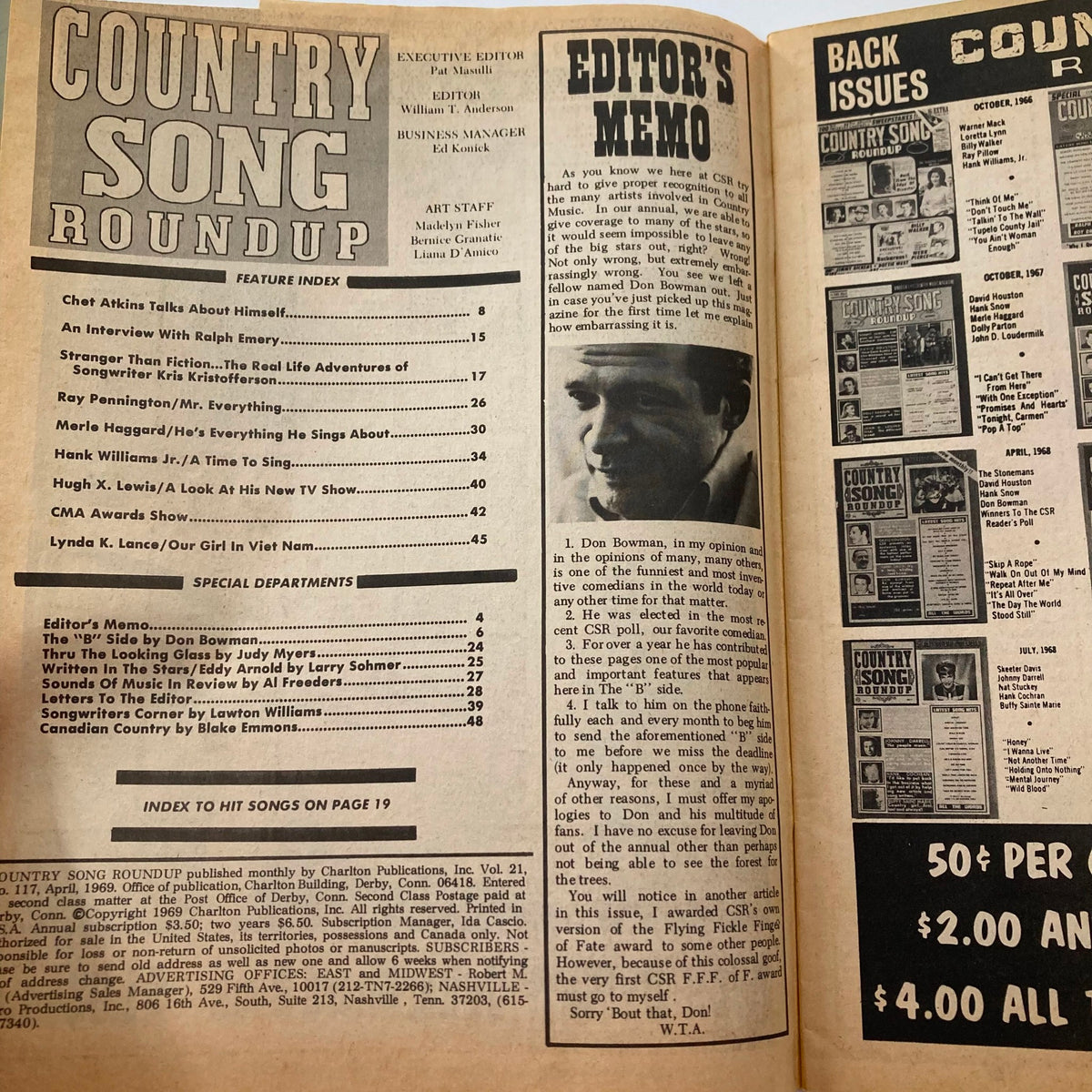
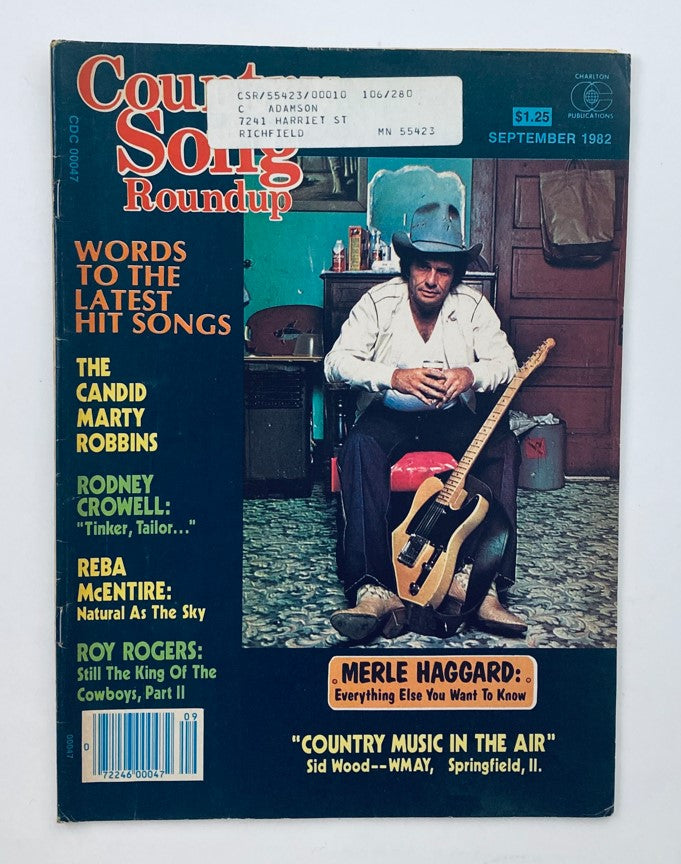
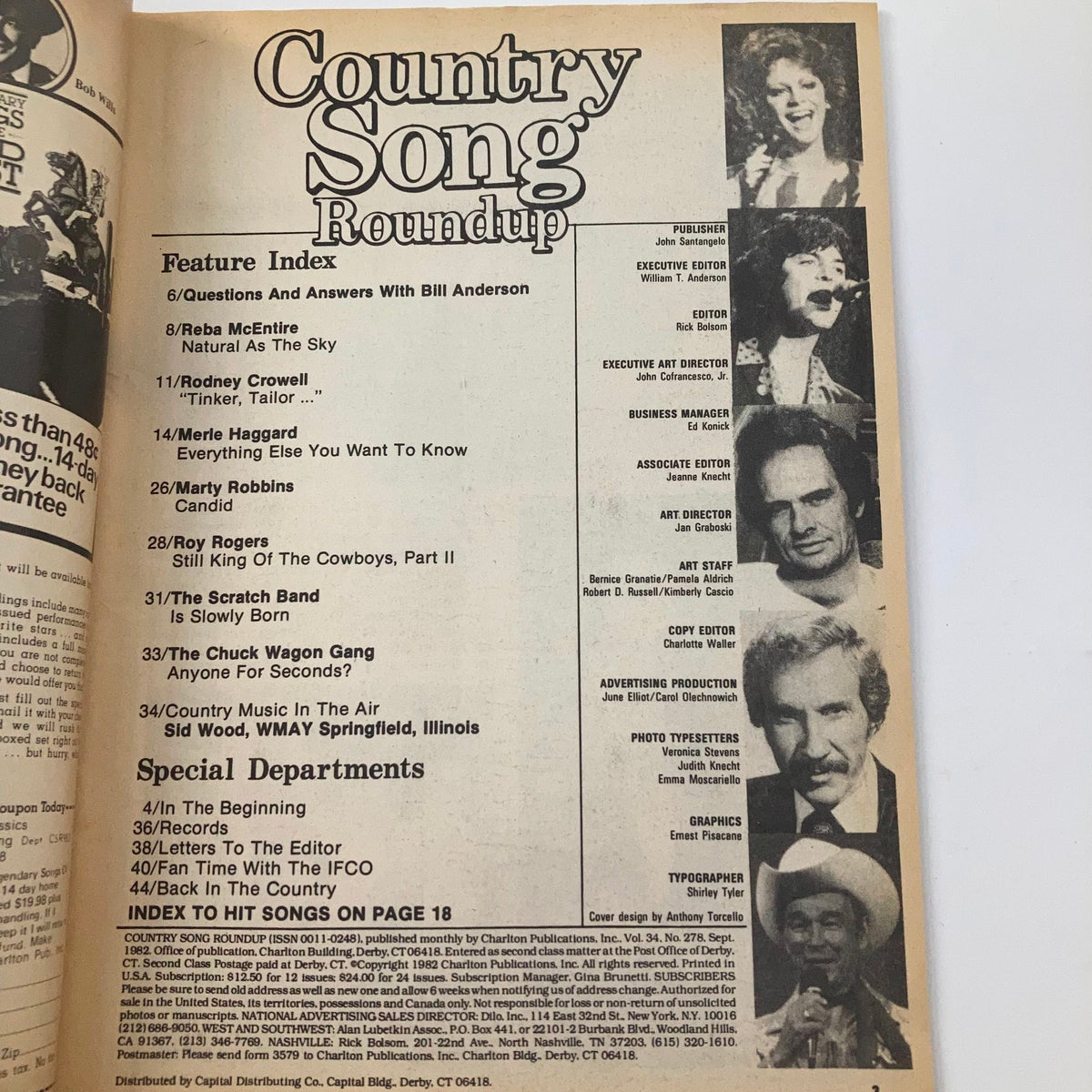
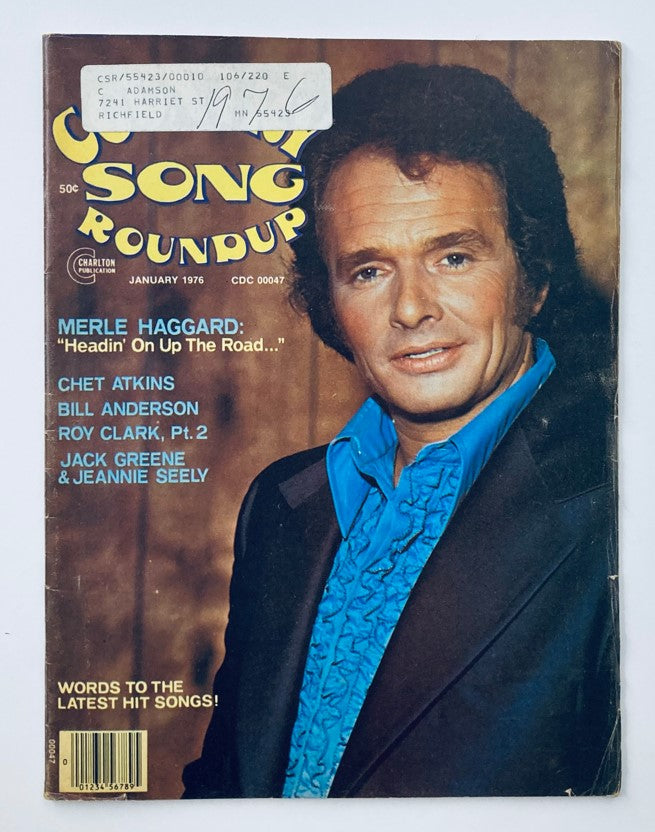
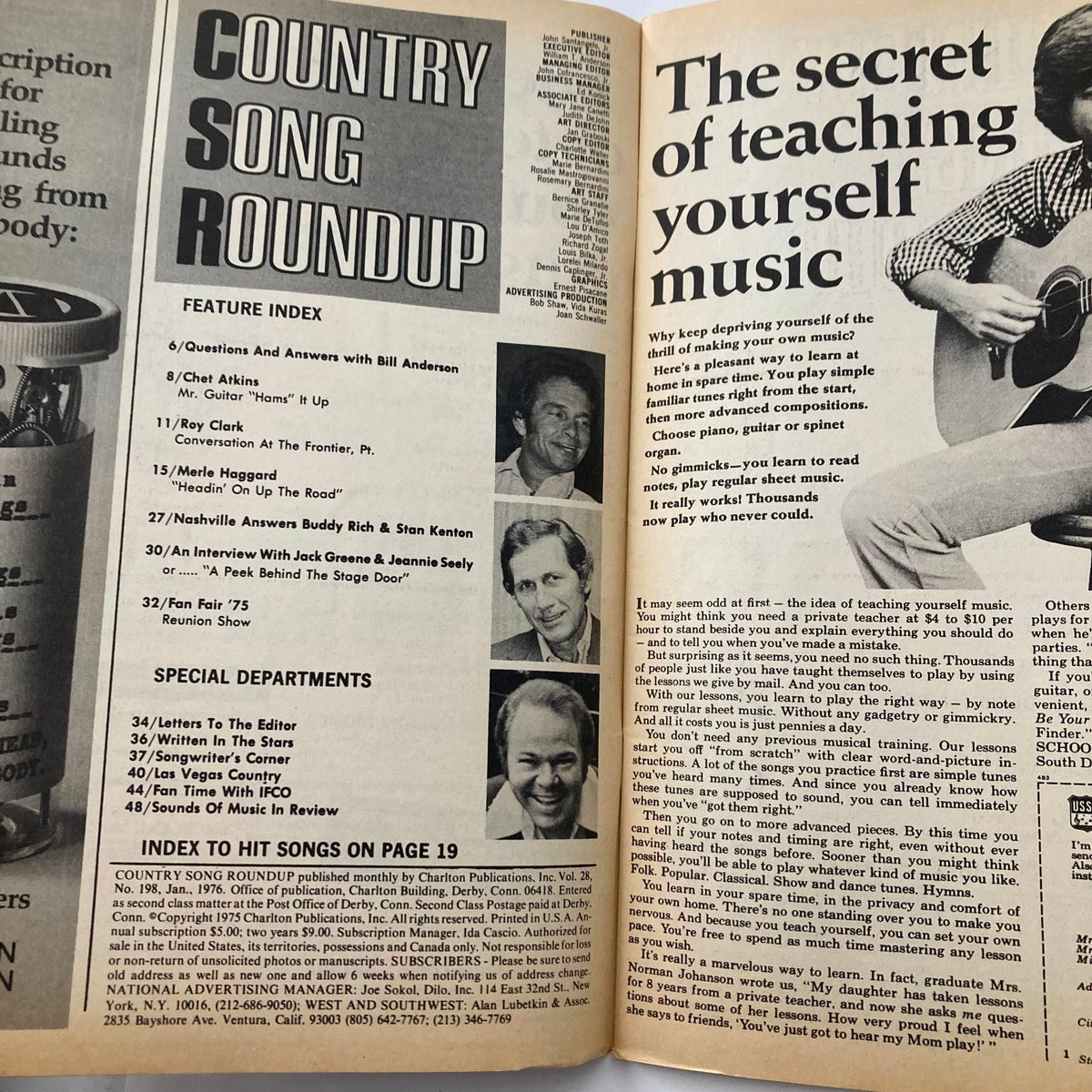
Vintage magazine coverage of the Haggard canon tends to reflect both the reverence and the unease he inspired in the press. Country-specific publications like Country Song Roundup and Music City News tracked his meteoric rise through the Bakersfield scene with intimate, fan-first devotion — sprawling photo spreads that captured the road-worn leather of his stage suits, the lean intensity behind his eyes, and the unpretentious honesty of a man who never stopped looking like he'd just stepped off a freight train. Mainstream outlets, including Rolling Stone during its 1970s heyday of serious music journalism, grappled with him more ambivalently, producing some of the most searching and candid profiles of the era as rock critics were forced to reckon with a country artist they couldn't dismiss. People magazine, in its early years of blending celebrity with genuine human-interest storytelling, returned to him repeatedly — drawn to the irresistible narrative arc of a convicted felon pardoned by Ronald Reagan who became one of the most decorated artists in American music history.
Curator's Checklist: Highlights Often Include
- Landmark political-cultural moments — Coverage surrounding "Okie from Muskogee" and "The Fightin' Side of Me" (1969–1970), when the Hag became an unlikely symbol of the Silent Majority and was invited to perform at the Nixon White House
- Bakersfield Sound retrospectives — Features examining his role alongside Buck Owens in forging a raw, honky-tonk alternative to the polished Nashville establishment, often with rare candid photography from California venues
- Career milestone profiles — Coverage of his historic streak of #1 Billboard country singles throughout the 1970s, including anniversary tributes to landmark albums like Mama Tried and Same Train, Different Time
- Personal redemption narratives — In-depth interviews exploring his early criminal record, his San Quentin years, and the deeply personal songwriting that transformed hardship into American art
- Later-era critical reappraisal — Features from the 1980s and 1990s in which the broader music press — rock, pop, and Americana alike — began formally acknowledging him as one of the great songwriters of the twentieth century
The Collector's Value
There is something irreplaceable about holding a magazine from 1970 that carried Merle Haggard's name on its cover — the slight yellowing at the page edges, the heavier, more substantial paper stock of mid-century print, the faint mineral scent of ink that has settled into pulp over five decades, and the period advertisements surrounding his image that place the whole artifact unmistakably in its historical moment. These are not reprints or digital facsimiles; they are primary sources, snapshots of how a divided, searching America consumed and debated one of its most complicated folk heroes in real time. For collectors of country music history, Americana and roots culture ephemera, or 20th-century print media and journalism, these publications offer something that no biography or documentary can replicate — the unmediated, contemporaneous voice of an era still deciding what it thought of the man from Oildale. Explore our current rotating inventory below, and find the piece of that history that belongs on your shelf.