📖 About this Collection
Merv Griffin: The Showman Who Never Left the Room
The Legend & The Legacy
Long before streaming algorithms and social media metrics decided who deserved fame, Merv Griffin built an empire on something far more elemental: the art of conversation. From his early days as a big-band singer in the late 1940s through his three-decade reign as one of television's most beloved talk show hosts, the man from San Mateo possessed a rare gift — he made everyone around him feel, simultaneously, like the most interesting person alive and like they were watching the most entertaining thing on earth. His eponymous talk show, which ran in various incarnations from 1962 through 1986, became a living archive of the 20th century's most luminous figures, from Richard Nixon to Marlon Brando to a nervous young comedian named David Letterman. Yet Griffin's genius extended far beyond the couch and the camera. He created two of the most enduring game show formats in television history — Wheel of Fortune and Jeopardy! — and quietly became one of Hollywood's most astute real estate and business minds, amassing a fortune that transformed him from entertainer into mogul. In an era when celebrity culture was consumed almost exclusively through the printed page, his story unfolded in glossy spreads and newsprint columns, one fascinating issue at a time.
Inside the Archive
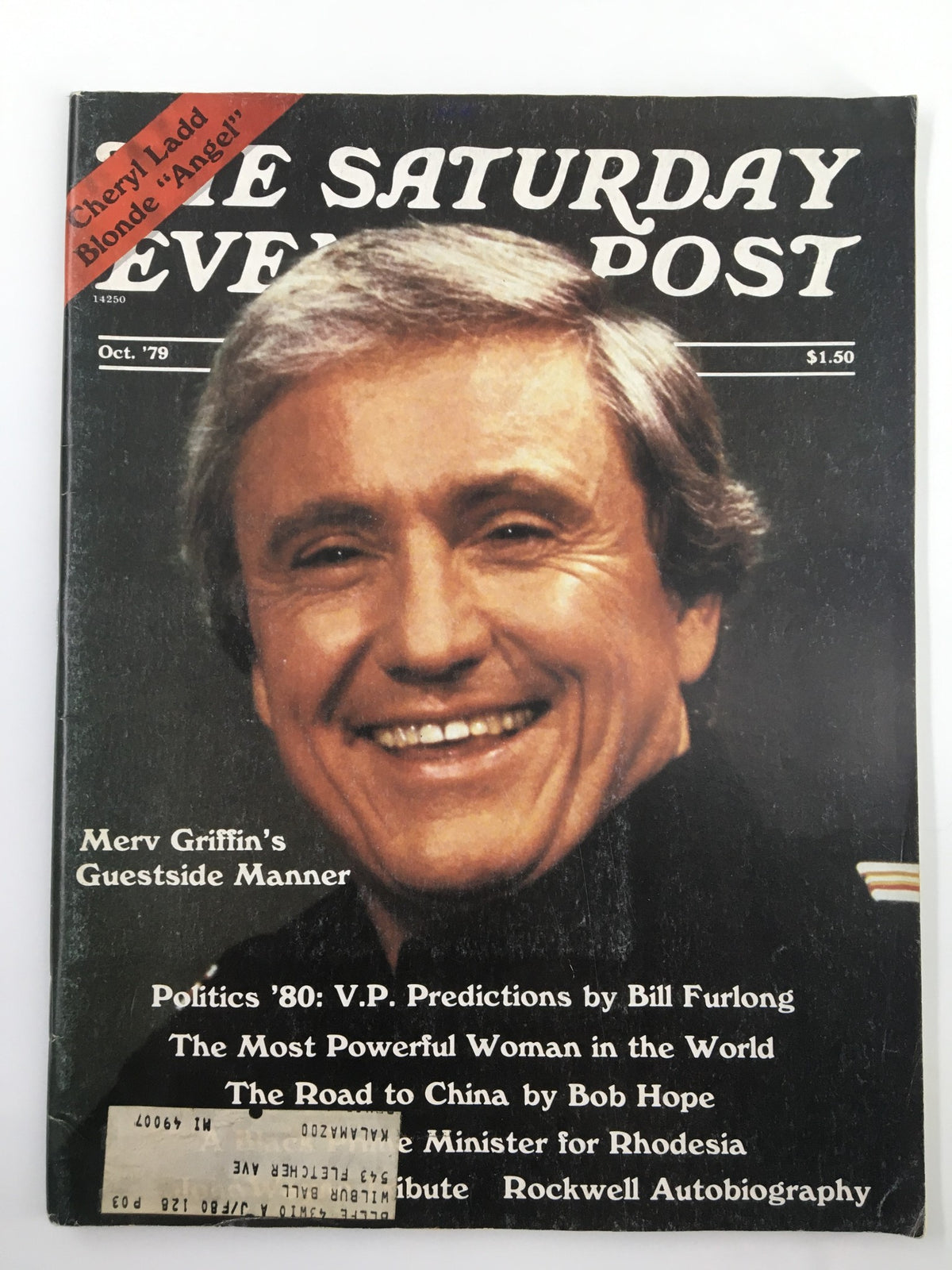
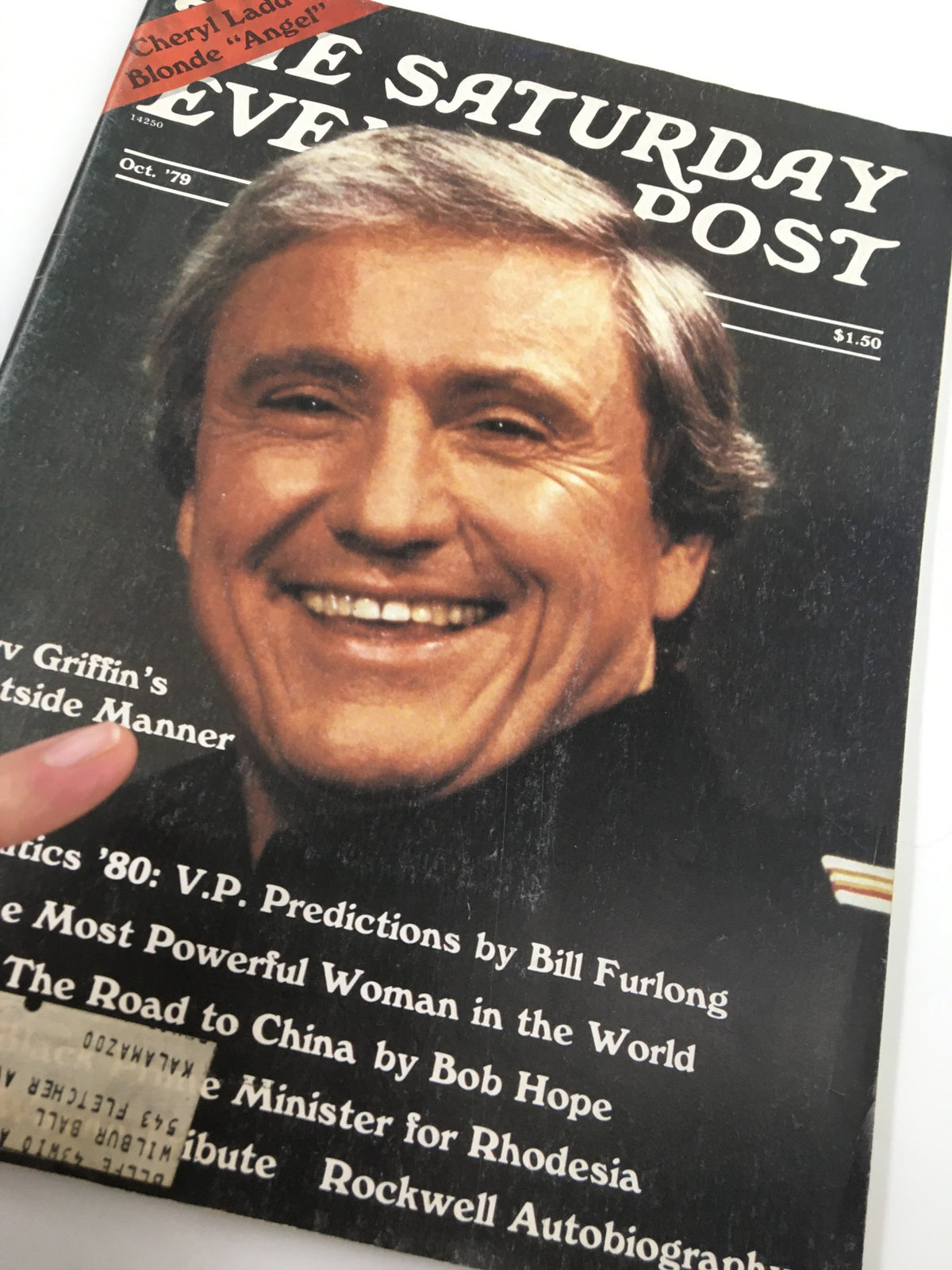
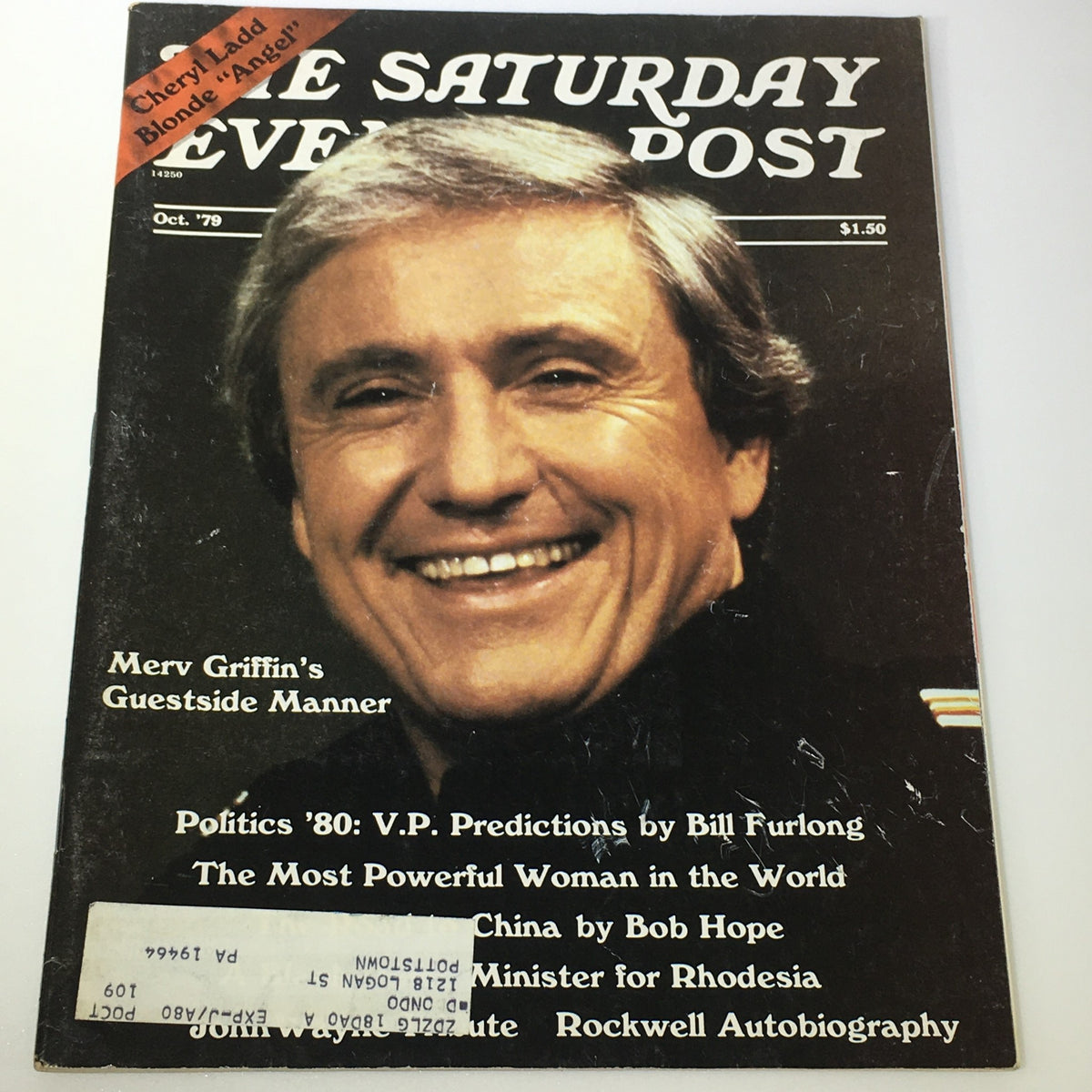
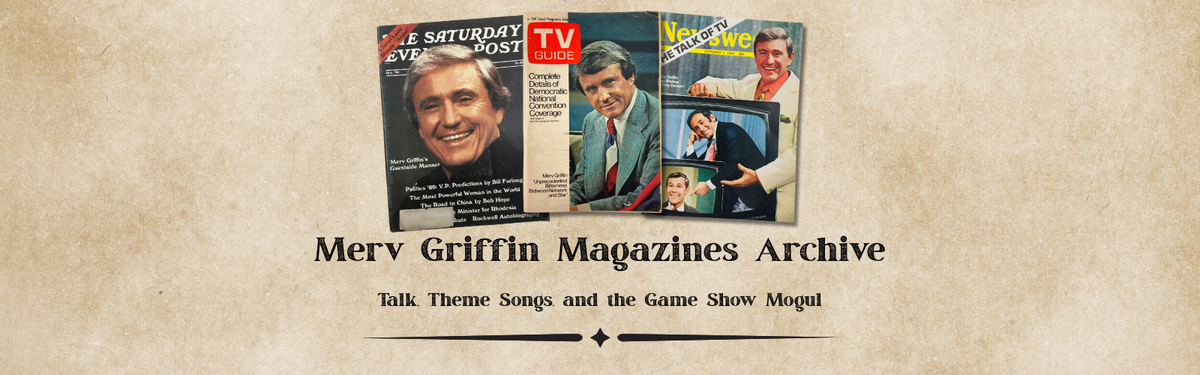
The magazines of Griffin's peak era approached him with a kind of warm, insider delight — he was, after all, one of their own world: glamorous, witty, and deeply at home in the limelight. Entertainment-focused publications captured him with the relaxed, candid energy of a man always mid-anecdote, typically photographed in the plush, jewel-toned sets of his studio or at the sun-drenched terraces of his Palm Springs and Beverly Hills properties. TV Guide, the bible of mid-century American living rooms, featured him with notable frequency, framing him as both a cultural institution and a comforting weekly ritual for millions of households. People magazine, from its earliest issues in the mid-1970s, found in Griffin an ideal subject — a figure who blurred the line between celebrity and celebrity-maker, always surrounded by the famous faces its readers adored. Meanwhile, broader entertainment and lifestyle publications like Look and Life treated his world as a window into a particular strain of American success: self-made, effortlessly sociable, and wrapped in the particular glamour of Hollywood's television age. The editorial tone across all of these was one of easy admiration, capturing a public figure who seemed, remarkably, to have no enemies — only guests.
Curator's Checklist: Highlights Often Include
- Talk Show Milestone Coverage — Features tied to landmark episodes, anniversary seasons, or celebrated guest appearances, including sit-downs with heads of state, Hollywood legends, and cultural provocateurs that defined the arc of late 20th-century public life.
- The Game Show Dynasty — Trade and entertainment press coverage of the launches of Wheel of Fortune (1975) and Jeopardy! (1964, revived 1984), documenting the behind-the-scenes story of how a performer became a television architect.
- The Mogul Years — Business and lifestyle magazine profiles from the 1980s and 1990s chronicling his transformation into a real estate and hospitality titan, including his acquisition of the Beverly Hilton and various resort properties.
- Celebrity Social World — Society and entertainment spreads placing him at the center of the Hollywood-Palm Springs axis, photographed alongside figures like Frank Sinatra, Eva Gabor, and the extended orbit of Rat Pack-era glamour.
- Retrospective & Legacy Features — Later-career tributes and career retrospectives from the late 1990s and early 2000s, reflecting on his singular influence on the format and culture of American television entertainment.
The Collector's Value
There is something irreplaceable about holding a magazine from the height of Merv Griffin's cultural reign — the slight give of the coated paper stock beneath your fingers, the faint, sweet musk of decades-old ink, the sense that you are touching the very object that a family once passed around their living room on a Tuesday evening in 1976. These are not digital scans or reprints; they are primary sources, and the world contained within their pages extends far beyond any single profile. The surrounding advertisements — for cigarettes, automobiles, home appliances, and cocktail attire — frame his story within the full texture of the era, offering a time capsule that no biography or documentary can replicate. For collectors of golden-age television memorabilia, mid-century American entertainment history, or game show and media heritage, these publications offer a tangible and deeply personal connection to a man who, more than almost anyone of his generation, understood the power of making people feel welcome. Explore the current available inventory below and find the issue that speaks to you.