📖 About this Collection
Meryl Streep: The Architecture of Greatness in Print
The Legend & The Legacy
There are performers who inhabit a role, and then there is Meryl Streep — an artist who redefined what the word "actress" could mean across four decades of unrelenting excellence. From her devastating early work in Kramer vs. Kramer and Sophie's Choice in the late 1970s and early 1980s, through her chameleonic reinventions in The Iron Lady, Doubt, and The Devil Wears Prada, she became the rare cultural figure that transcended celebrity and entered the realm of institution. Before streaming algorithms and social media feeds flattened the distance between star and audience, it was the printed page — thick with ink, heavy with intention — that mediated her mystique. Readers encountered her in long-form profiles, lavish photo essays, and breathless award-season retrospectives, their understanding of her craft shaped not by a clip but by a paragraph, not by a tweet but by a cover image they could hold in their hands and return to again and again.
Inside the Archive
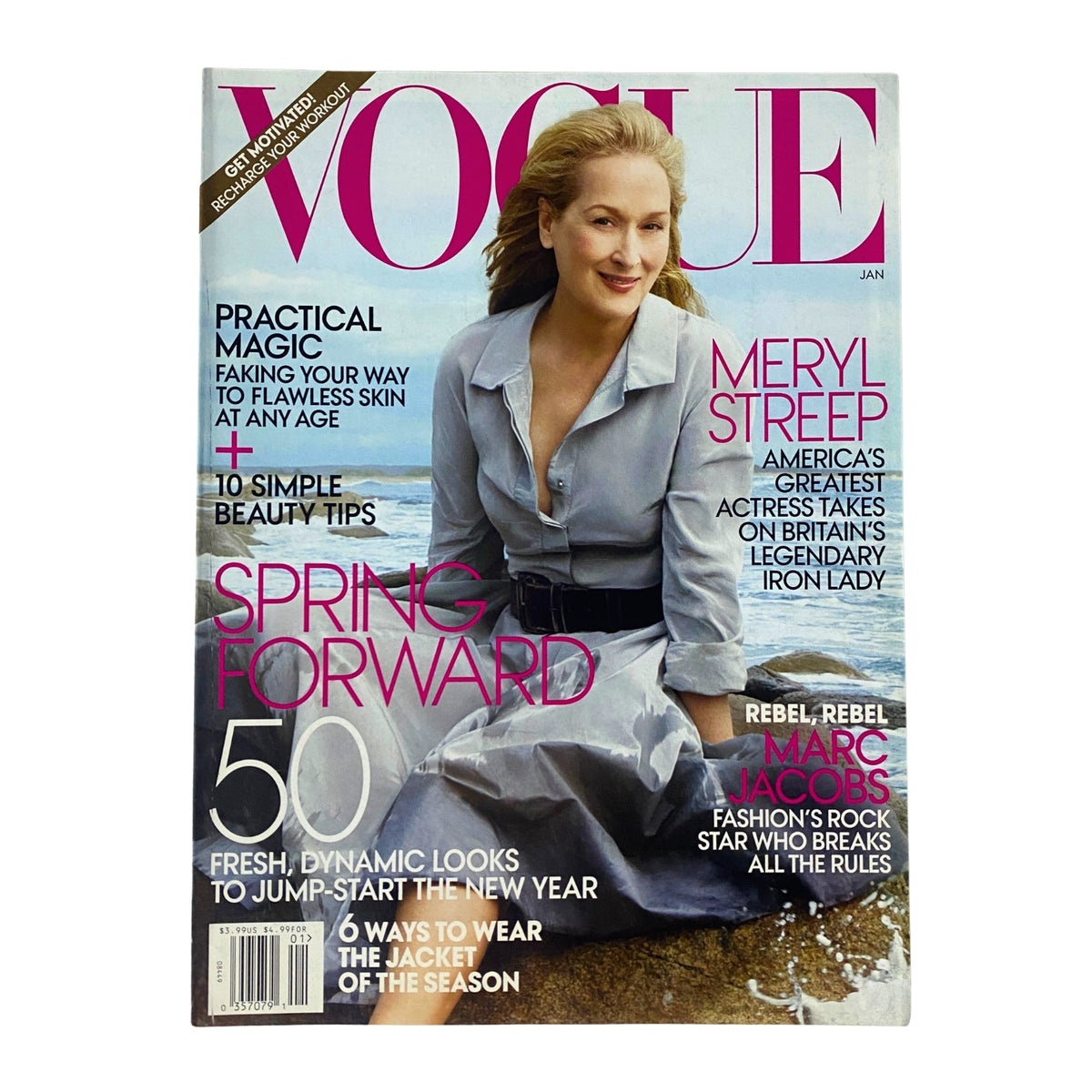
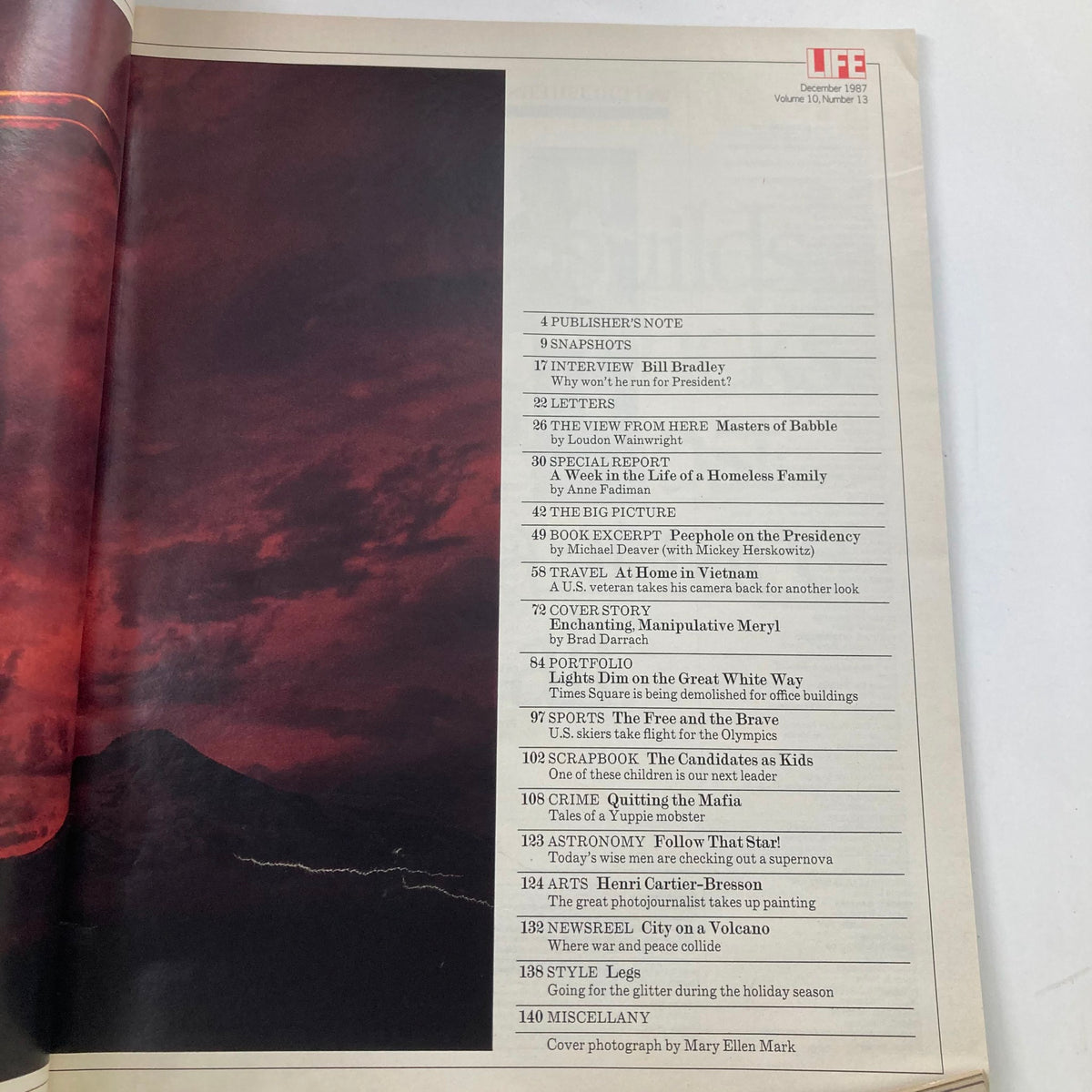
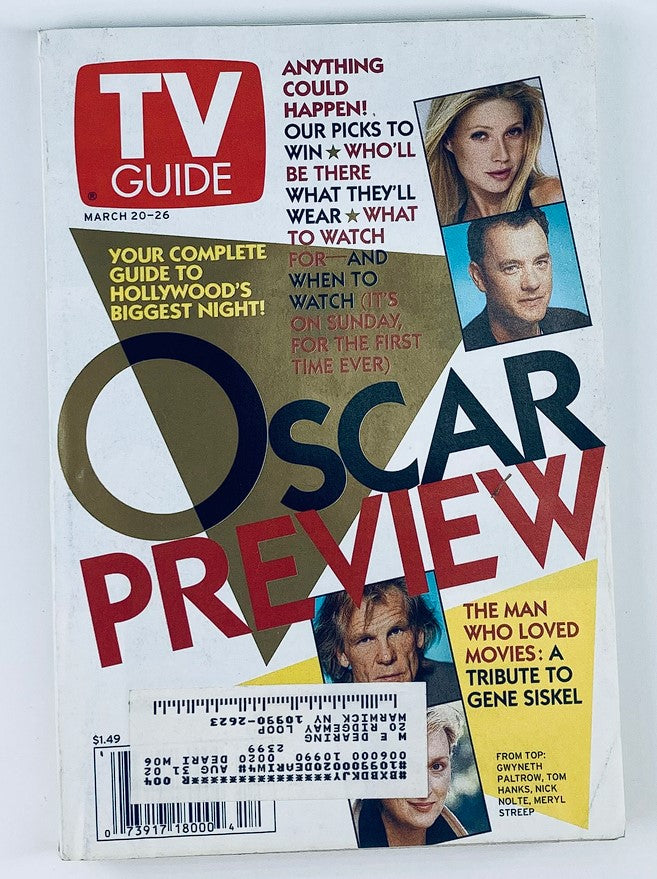
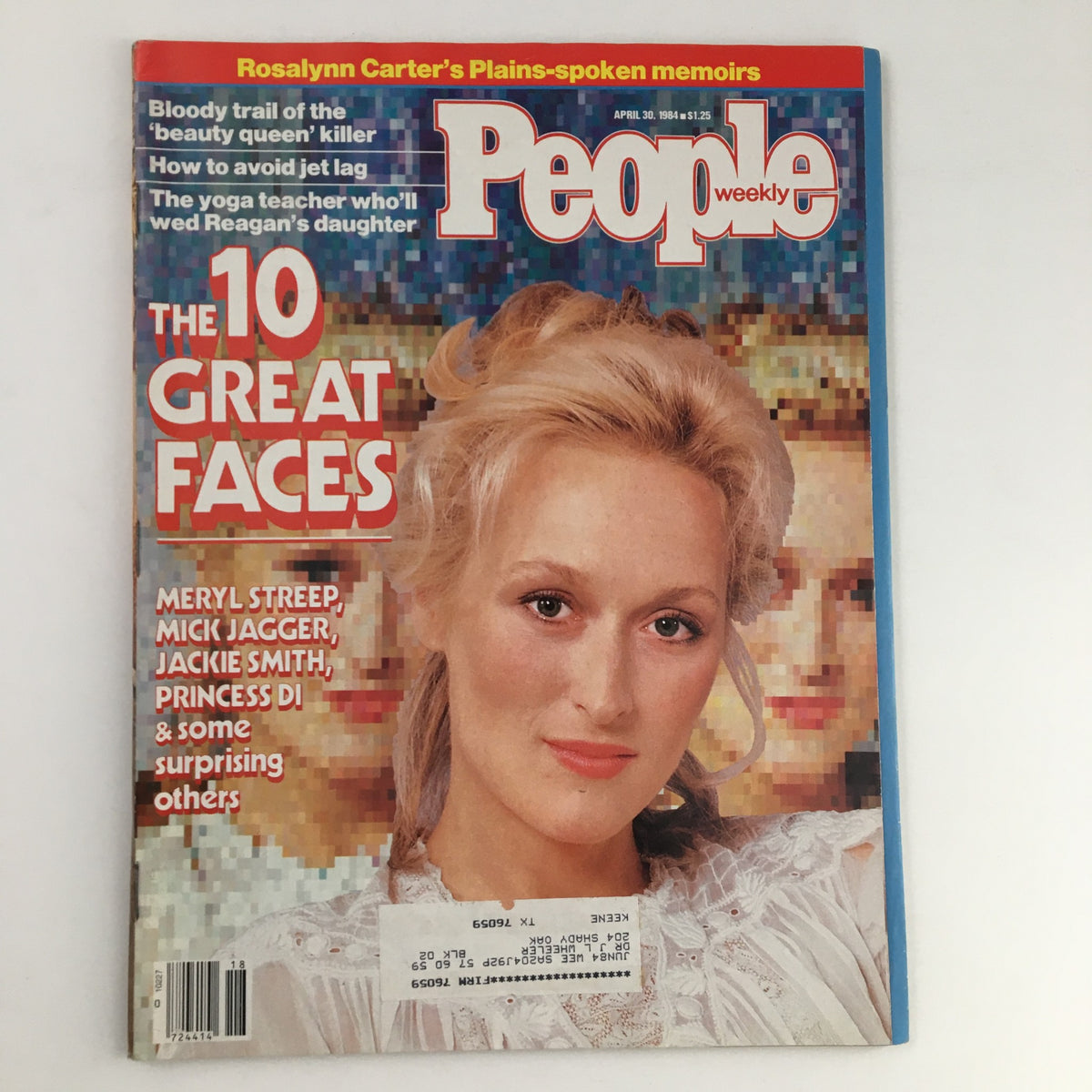
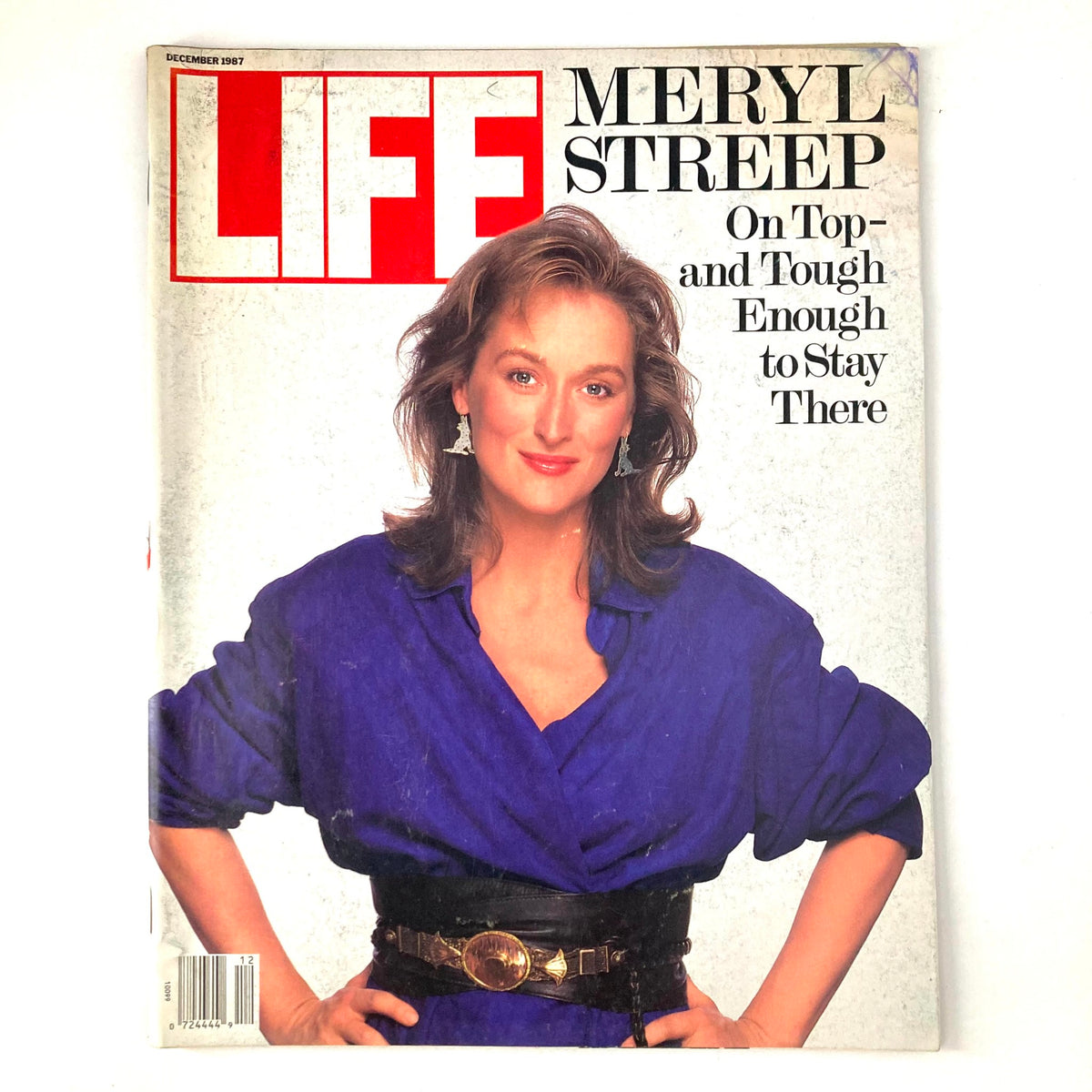
The magazines that chronicled this luminous career did so with a reverence rarely extended to any single figure in modern Hollywood. Vogue returned to her repeatedly across the decades, commissioning portrait sittings that captured not glamour for its own sake but a kind of severe, intellectual beauty — the camera respectful, almost cautious, in her presence. Time magazine placed her among heads of state and cultural titans, its bold, graphic covers lending her the gravity of historical consequence. Rolling Stone, never shy about its generation-defining declarations, profiled her at key career inflections with the long-form ambition it reserved for artists it considered genuinely dangerous. International publications — Paris Match, Der Spiegel, Stern — tracked her global appeal across Europe, their coverage reflecting the fascination of foreign audiences with an American actress who felt, somehow, entirely universal. The editorial tone throughout was one of sustained awe: here was a woman who had to be reckoned with, not merely admired.
Curator's Checklist: Highlights Often Include
- Award Season Milestones: Collectors frequently seek issues tied to her record-breaking Oscar nominations and wins, particularly coverage surrounding Kramer vs. Kramer (1980), Sophie's Choice (1983), and The Iron Lady (2012), when the entertainment press devoted extraordinary column inches to documenting her place in cinema history.
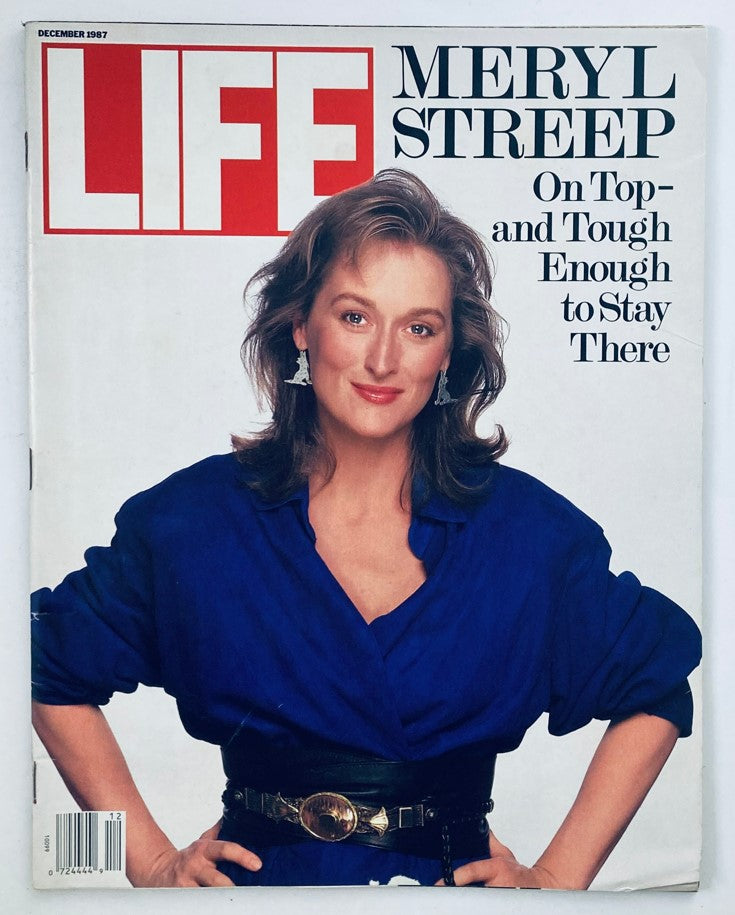
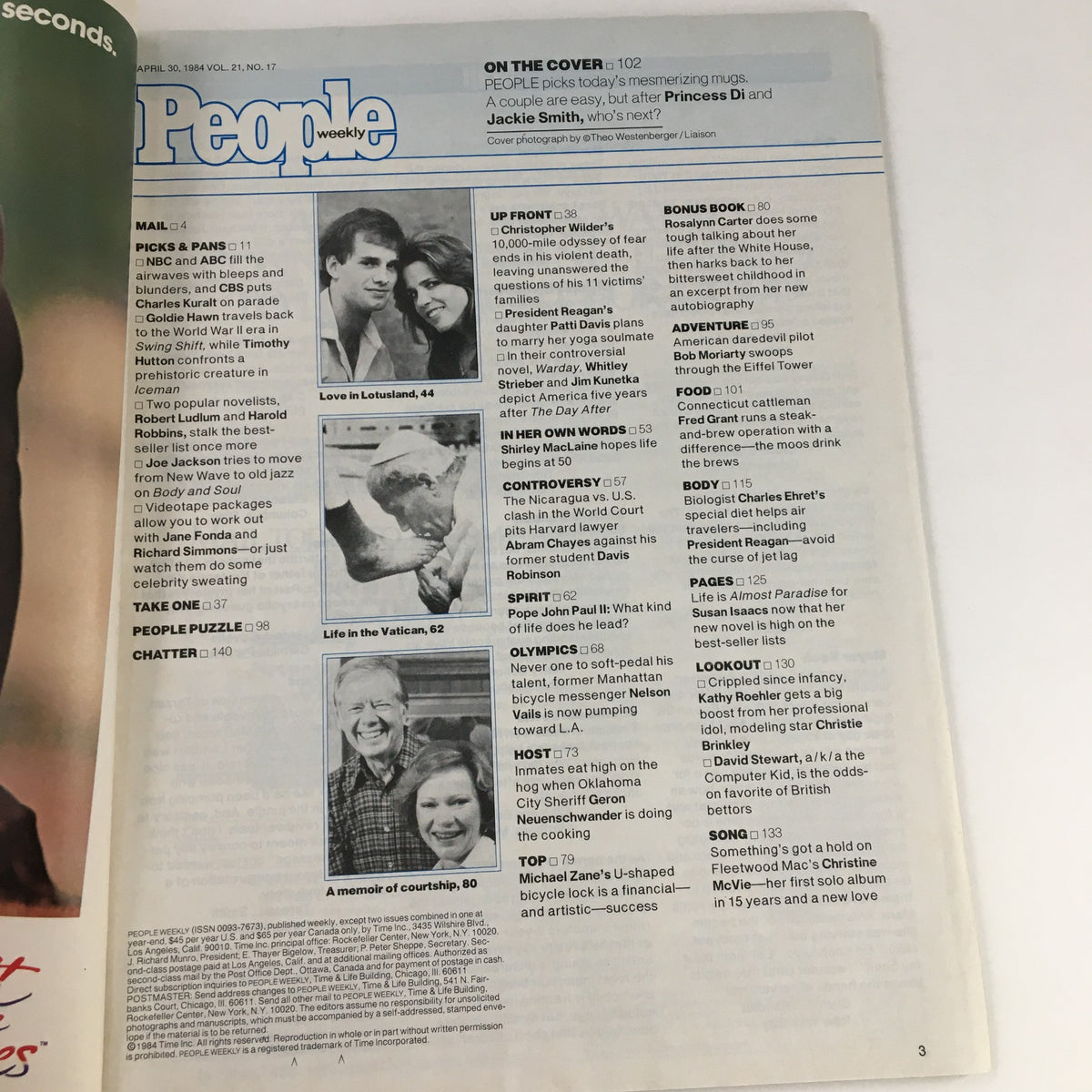
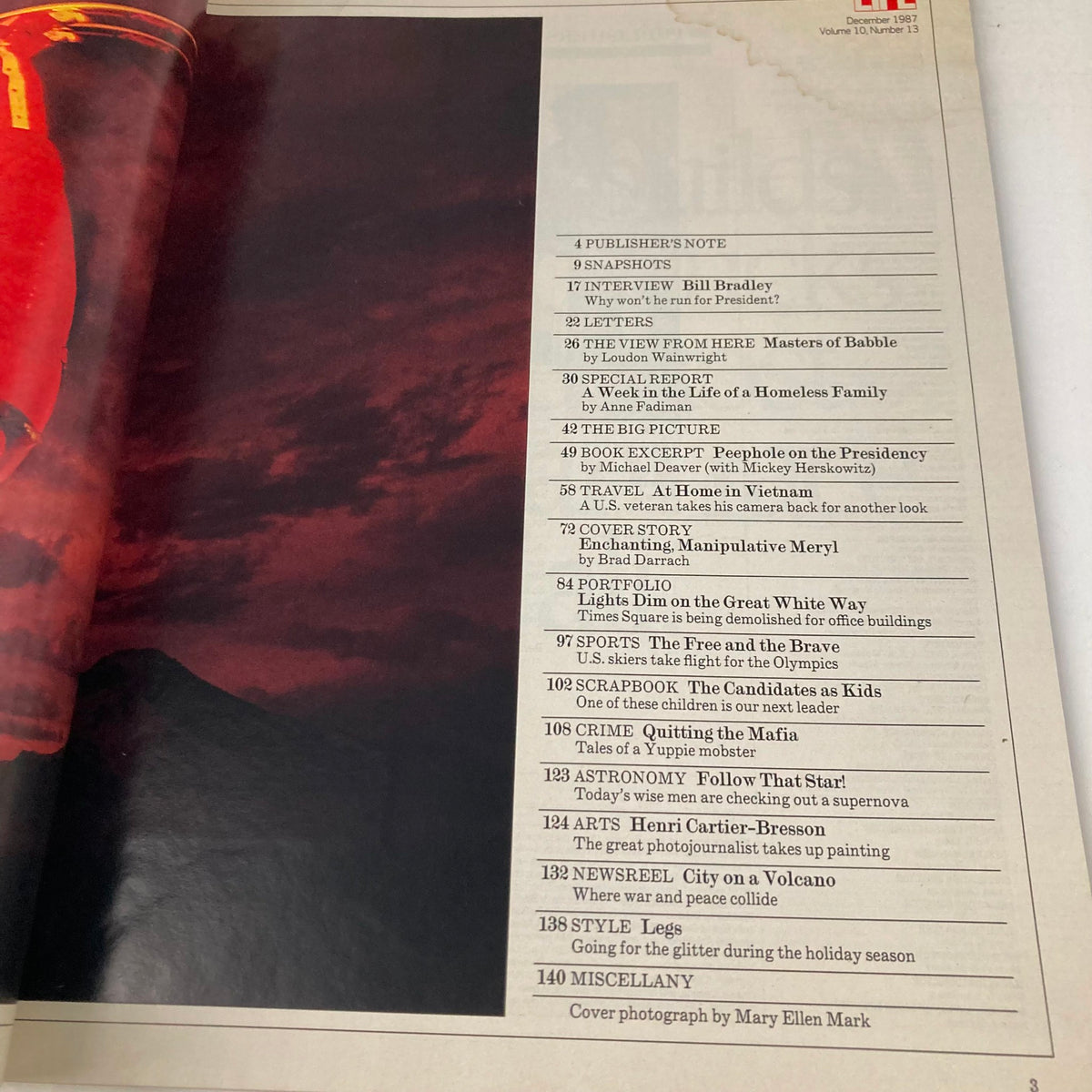
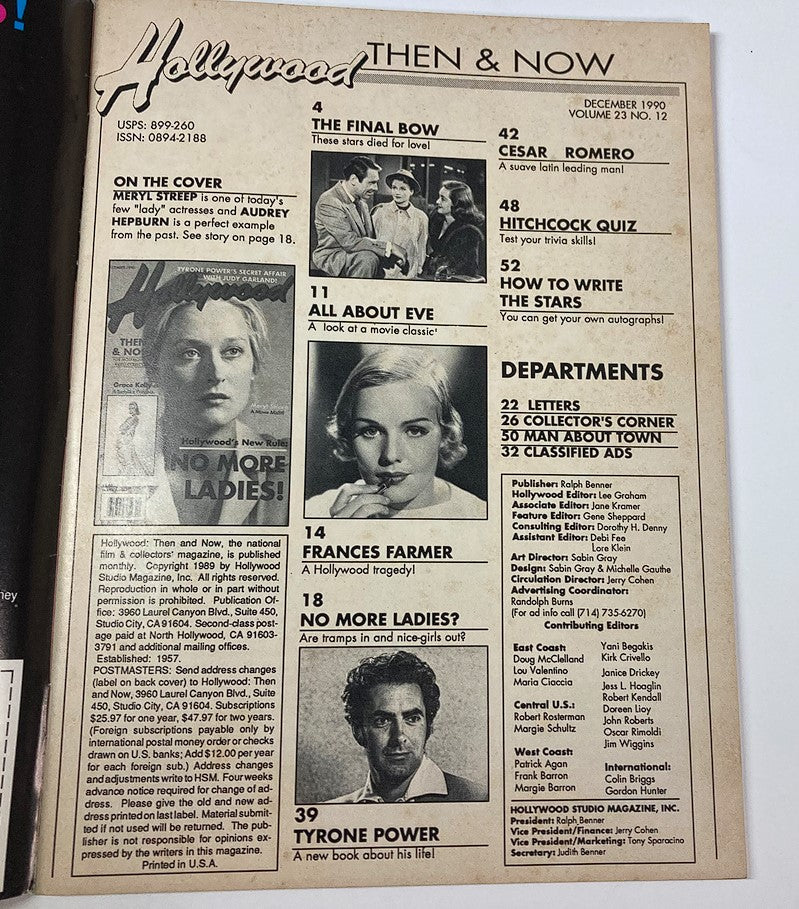
- Major Profile Features: Long-form interview pieces from the late 1970s through the 1990s — when she was simultaneously the most acclaimed and most scrutinized actress in the world — appear with some regularity in the archive, offering a rare window into her thoughts before the age of carefully managed digital personas.
- Film Premiere & Behind-the-Scenes Coverage: Entertainment weeklies and international film magazines often published on-set photography and premiere coverage for landmark productions, capturing the craft and collaborative worlds behind films that are now considered canonical.
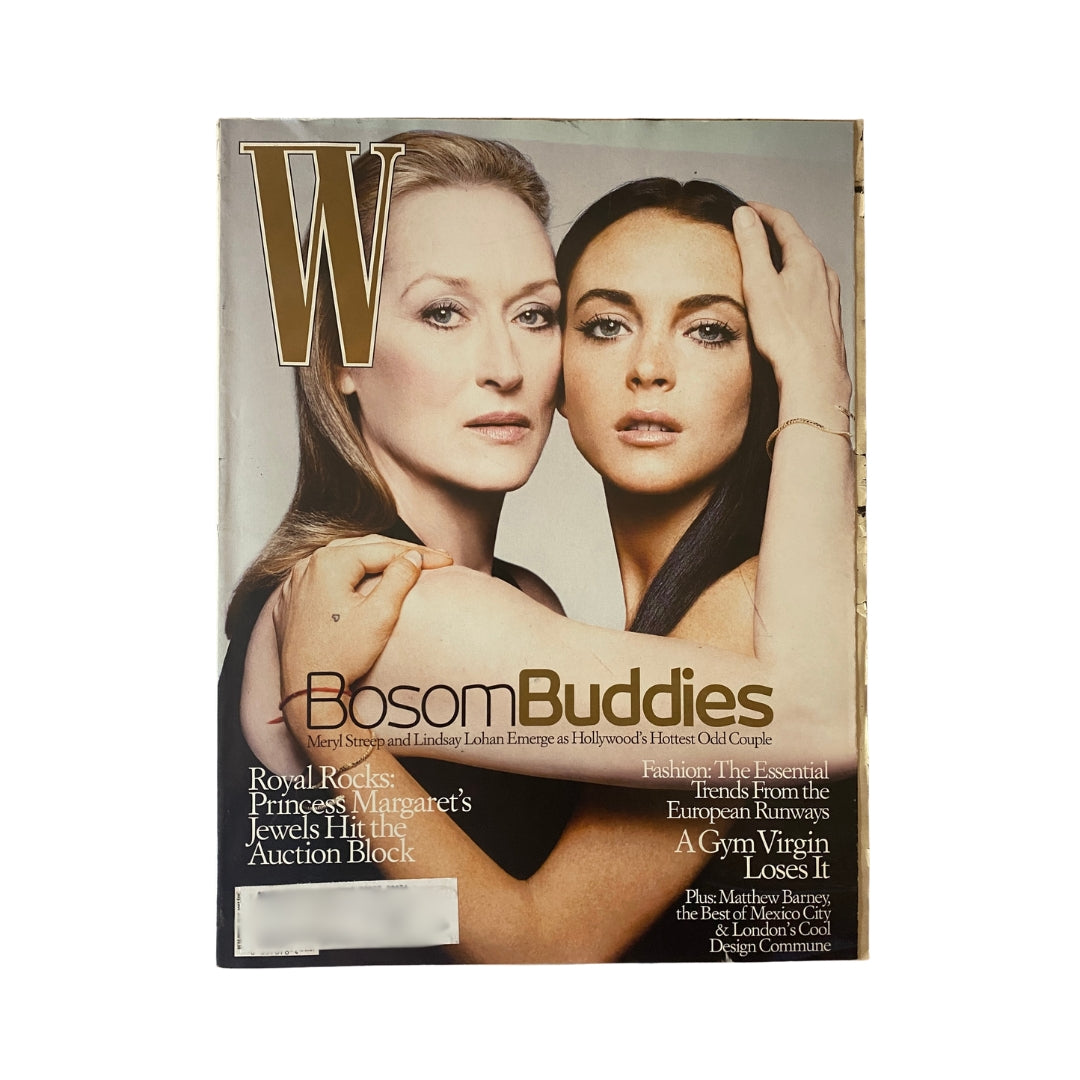
- Fashion & Cultural Crossover Issues: Though famously uninterested in celebrity culture, her appearances in fashion publications — particularly in the 1980s and early 2000s — are considered highly collectible, representing the rare occasions she allowed herself to be styled as icon rather than artist.
- Retrospective & Lifetime Achievement Tributes: Special issues from the 1990s onward frequently honored her legacy within broader reflections on American cinema, feminist cultural history, and the evolution of the dramatic arts — making them valuable not only as Streep artifacts but as primary documents of an era's values and obsessions.
The Collector's Value
To hold a vintage magazine featuring Meryl Streep at the height of her powers is to hold something that no streaming service, no digital archive, and no Wikipedia entry can replicate. These are objects of presence — the slight yellowing at the edges of the paper stock, the particular weight of a glossy mid-century page as it turns between your fingers, the faint, warm smell of decades-old ink that rises when you crack the spine of a well-preserved issue. The advertisements surrounding her interviews and portraits are themselves time capsules: perfume brands and automobile manufacturers, fur coats and film cameras, all conspiring to place her image inside a specific, irretrievable moment in cultural time. For collectors of Hollywood golden-era memorabilia, serious cinema and awards history, or feminist cultural artifacts of the late twentieth century, these publications offer not merely decoration but primary source documentation of one of the most consequential careers in the history of the performing arts. Browse the current inventory below and discover which pieces of that history are available today.