📖 About this Collection
Michael J. Fox: The Boy Who Made the Future Feel Like Home
The Legend & The Legacy
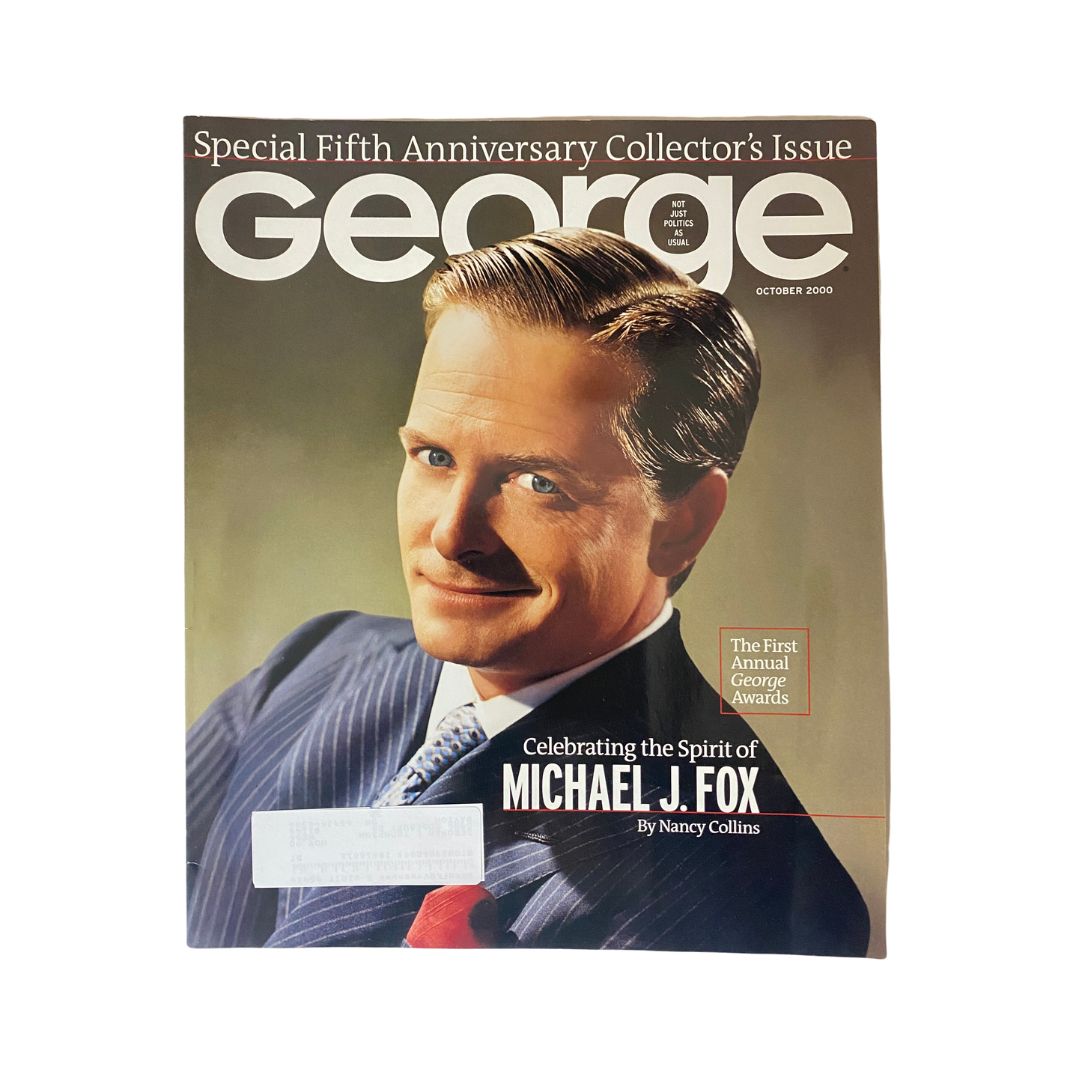
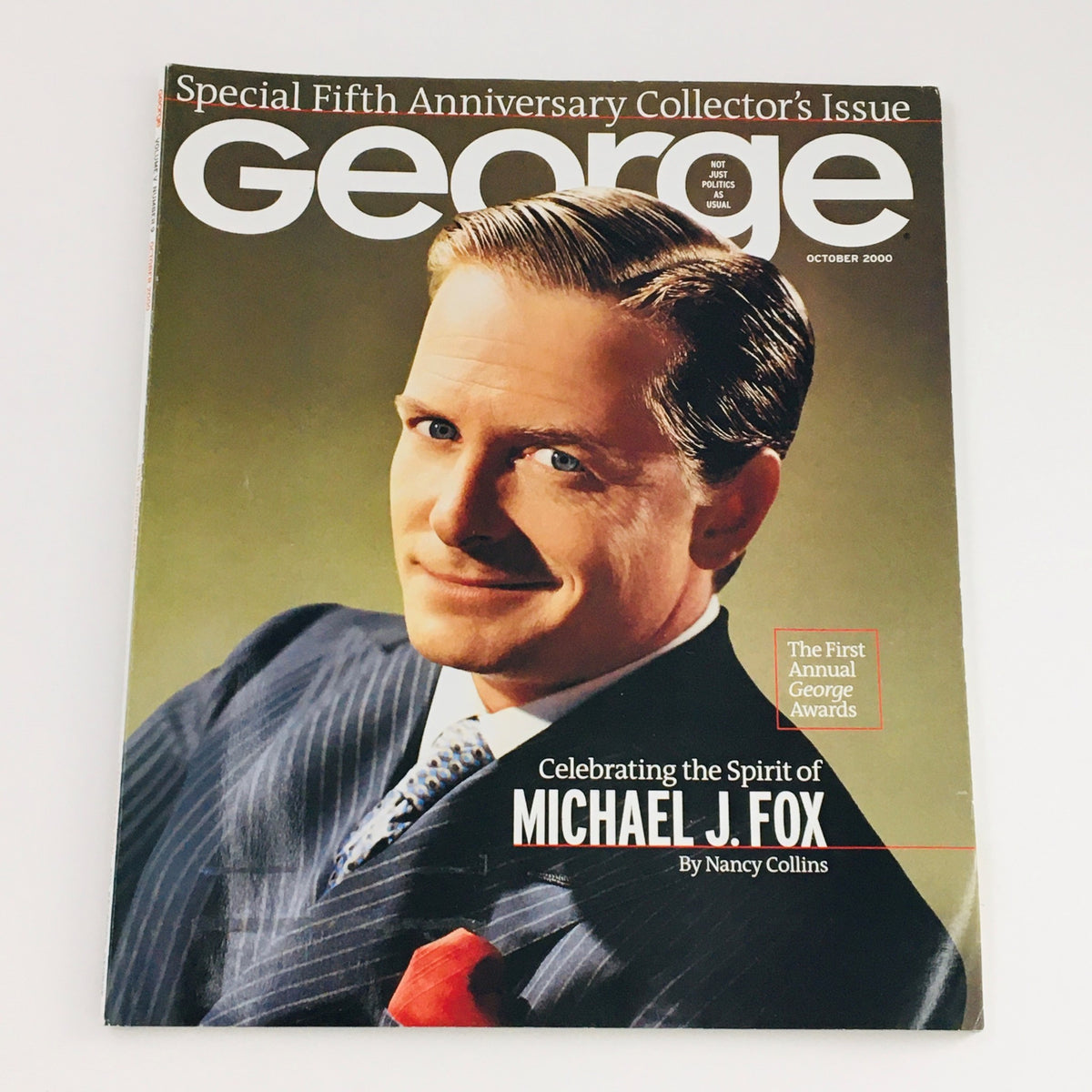
Few figures in late twentieth-century popular culture burned as brightly, or as warmly, as Michael J. Fox. Arriving on American television screens in 1982 as the incorrigibly charming Alex P. Keaton on Family Ties, the diminutive Canadian actor swiftly became the defining face of Reagan-era aspiration — a generation's wry, winking mascot for ambition and wit. Then came 1985, and with it Back to the Future, a film that didn't merely top the box office but embedded itself permanently into the cultural DNA of an entire civilization. In an age before streaming algorithms or viral moments, his ascent was documented entirely through the slow, deliberate ritual of print — fans discovered him in supermarket checkout lines, dentist waiting rooms, and bedroom bookshelves, tearing out pages and pinning covers to their walls. His story, including his unflinching public disclosure of his Parkinson's disease diagnosis in 1998 and the founding of his research foundation in 2000, was carried to the world not by social media, but by ink on paper.
Inside the Archive
Vintage magazines of the 1980s and early 1990s approached the young star with a particular kind of reverence — the fascination reserved for someone who seemed, against all odds, genuinely likeable. Photographers favored high-energy, candid-adjacent portraits: the leather jacket, the easy grin, the suggestion of perpetual motion. Rolling Stone was among the most devoted chroniclers of his cultural rise, framing him not merely as a teen idol but as a generational spokesperson, while People magazine returned to him repeatedly across the decade, tracking his career milestones, his marriage to Tracy Pollan, and later his courageous public health journey with a consistent tone of intimate admiration. International titles, particularly the UK's Smash Hits and various European entertainment weeklies, captured the extraordinary reach of his appeal beyond North America, reflecting a global Marty McFly mania that transcended language and borders. The editorial voice across these publications was uniformly warm — here was a star the press seemed to genuinely root for.
Curator's Checklist: Highlights Often Include
- Peak Family Ties era coverage (1982–1989): Feature interviews and cover profiles from the height of his television stardom, frequently exploring his surprising dramatic range and on-set chemistry alongside the show's cultural commentary on 1980s conservatism.
- Back to the Future phenomenon features: Entertainment and mainstream publications from the summer of 1985 onward often dedicated considerable editorial space to the film's production, its unexpected box office dominance, and the overnight elevation of its lead to full-fledged movie star.
- Teen magazine spreads: Publications such as Tiger Beat and Teen Beat regularly featured poster-format photography and fan-oriented profiles during his years as a dominant teen idol, making these issues among the most nostalgically sought-after by collectors of the era.
- Dual-career coverage (1985–1991): A fascinating editorial window exists when Fox was simultaneously starring in both Family Ties and the Back to the Future trilogy — coverage from this period often wrestles with the remarkable feat of sustaining two major entertainment identities at once.
- Advocacy and resilience profiles (late 1990s–2000s): Following his public Parkinson's disclosure, major publications including Time and Newsweek reframed his story through the lens of activism and grace, producing some of the most emotionally resonant magazine journalism of his career.
The Collector's Value
To hold one of these magazines is to hold a small, perfect piece of the 1980s intact — the slightly glossy, fingerprint-prone cover stock of a People weekly, the intoxicating, faintly chemical scent of decades-old ink that no digital archive can replicate, the serendipitous discovery of a forgotten advertisement for a VHS player or a Tab cola nestled beside a full-page portrait of a twenty-something star at the absolute apex of his cultural moment. These are primary sources, not reproductions — artifacts that existed in the real world before the subject himself knew how large his legacy would grow. For collectors of 1980s pop culture memorabilia, classic Hollywood and television history, or medical advocacy and inspirational biography, these publications offer an irreplaceable and deeply human record of a life lived publicly, joyfully, and with extraordinary courage. Browse the current selections available below and discover which piece of that history is waiting to find its way into your collection.