📖 About this Collection
Michael Landon: The Conscience of the American Heartland
The Legend & The Legacy
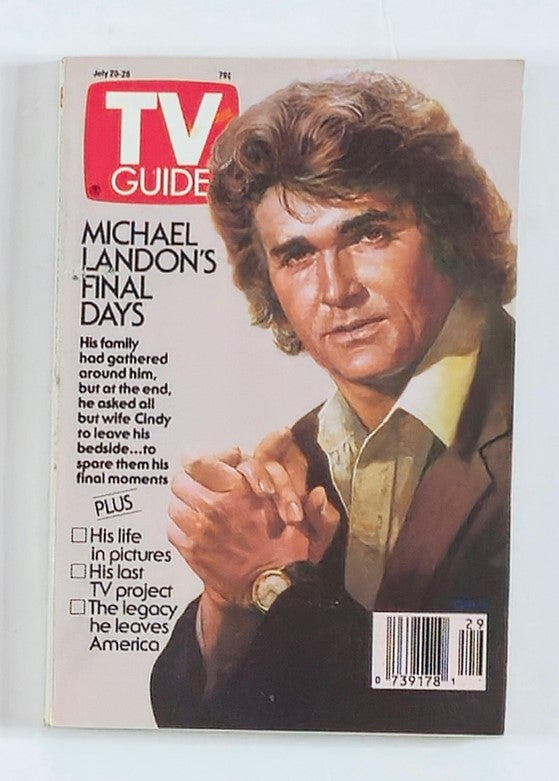
Before the algorithm, before the binge-watch, before the celebrity news cycle consumed itself in real time, there was a simpler ritual: a family gathered around a television set, and Michael Landon was there with them. For nearly four decades, he occupied that sacred space in the American living room — first as the brooding, troubled teenager Little Joe Cartwright on Bonanza, then as the gentle patriarch Charles Ingalls on Little House on the Prairie, and finally as the angel Jonathan Smith in Highway to Heaven. He was not merely an actor; he was a cultural institution, a weekly reassurance that goodness, perseverance, and family were worth celebrating. When he died in July 1991 after a brief and devastating battle with pancreatic cancer, the public mourning was intimate and widespread in a way that felt personal — because for millions of households, it genuinely was. Magazines were how the world processed all of it: the stardom, the private struggles, the marriages, the grace under mortality, and the legacy he chose to leave behind.
Inside the Archive
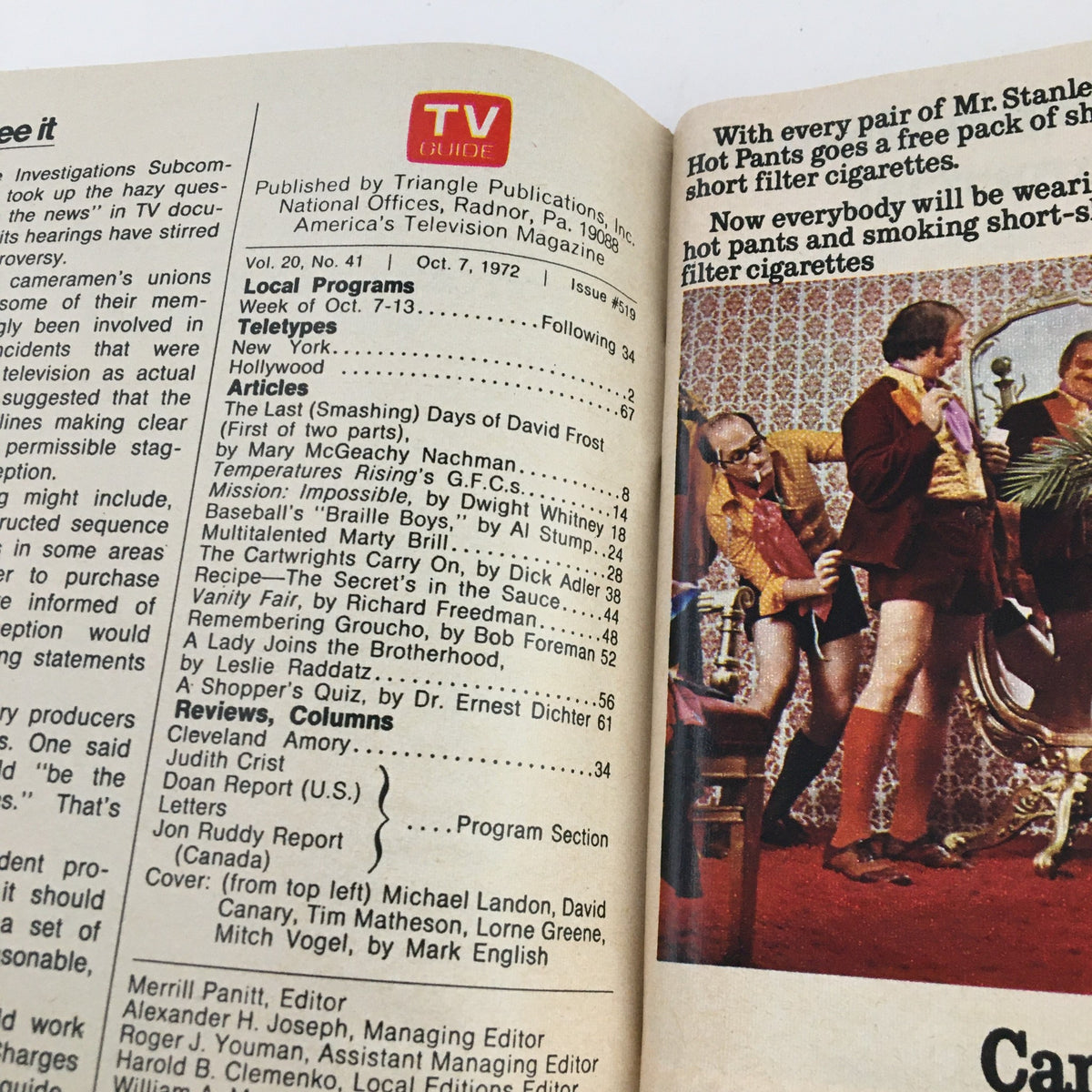
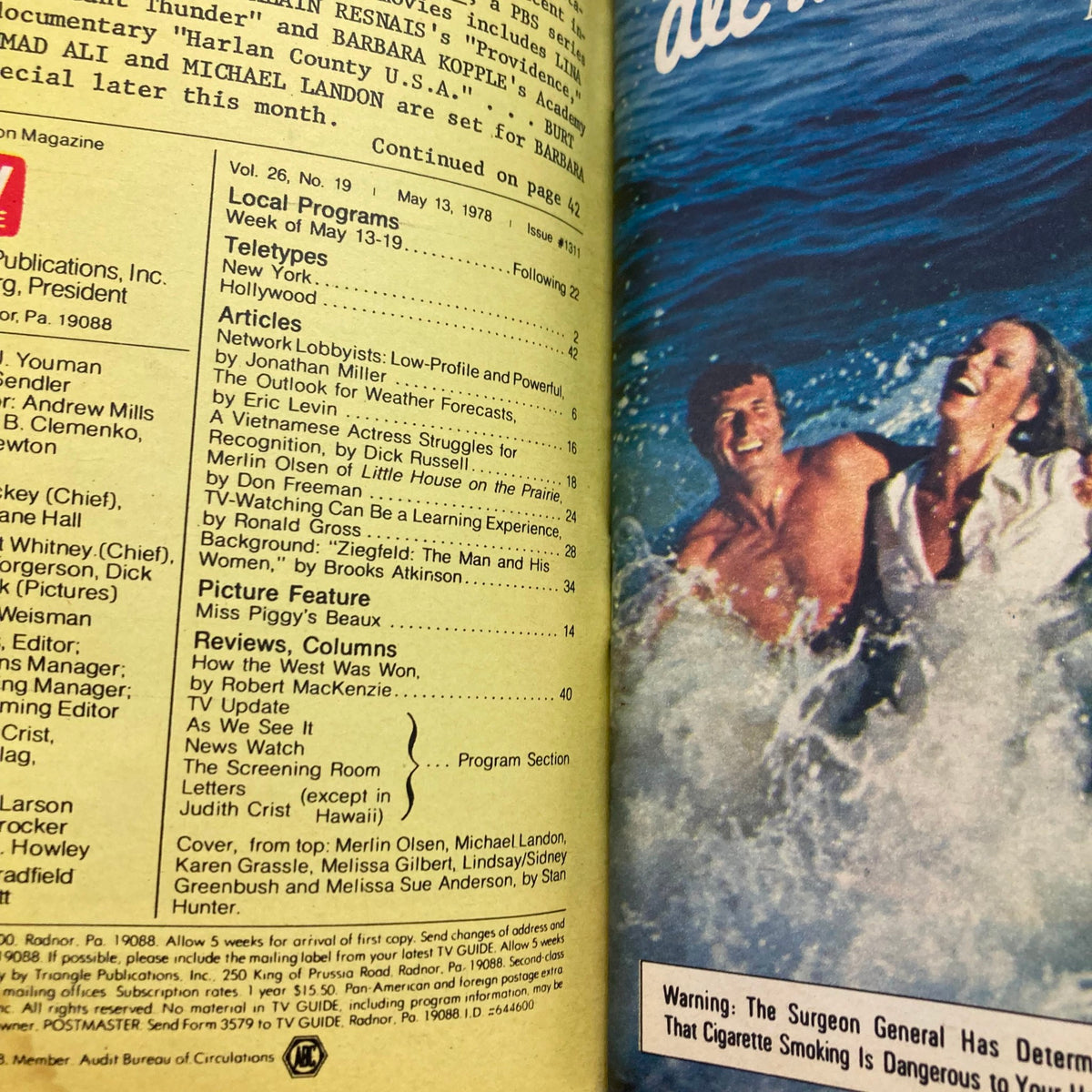
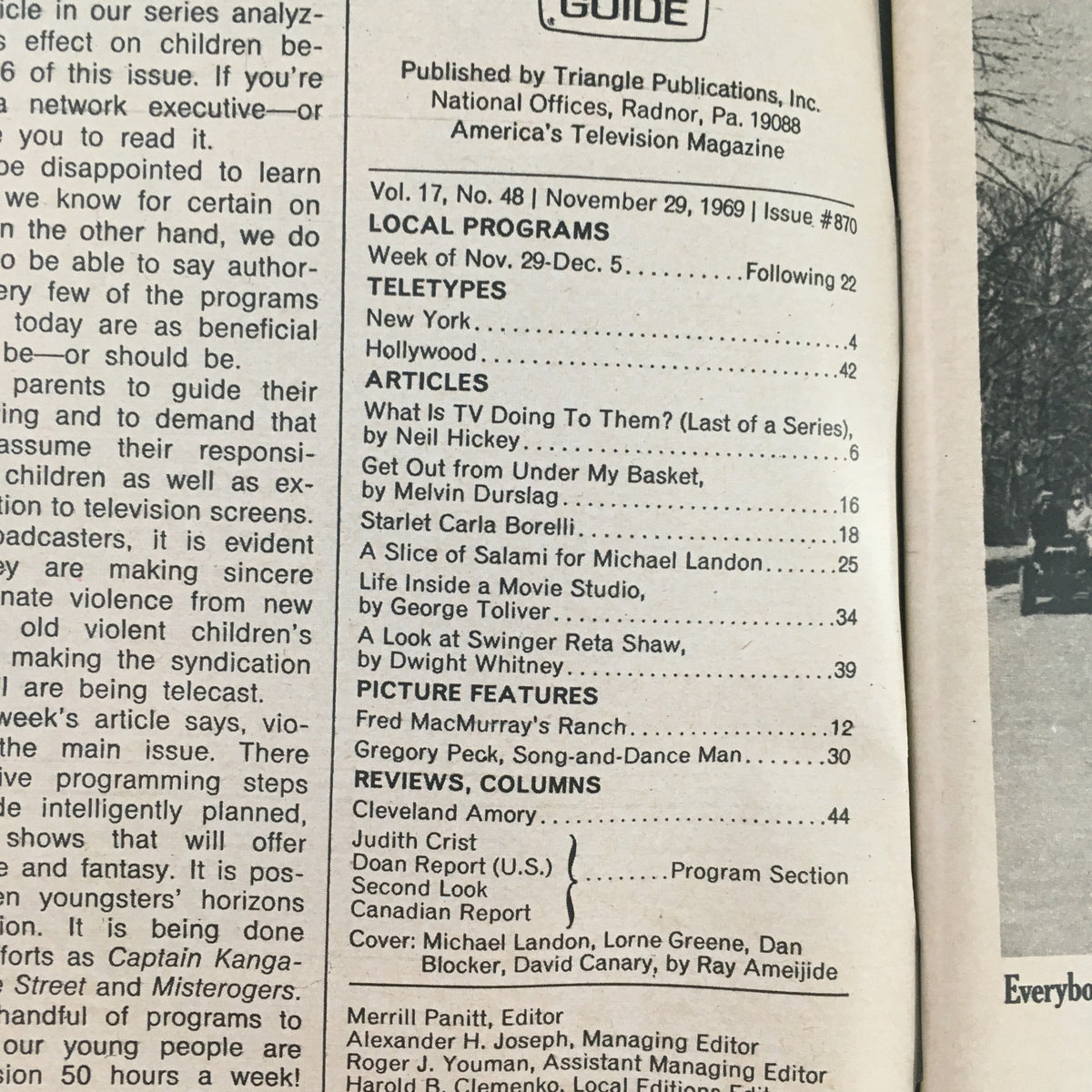
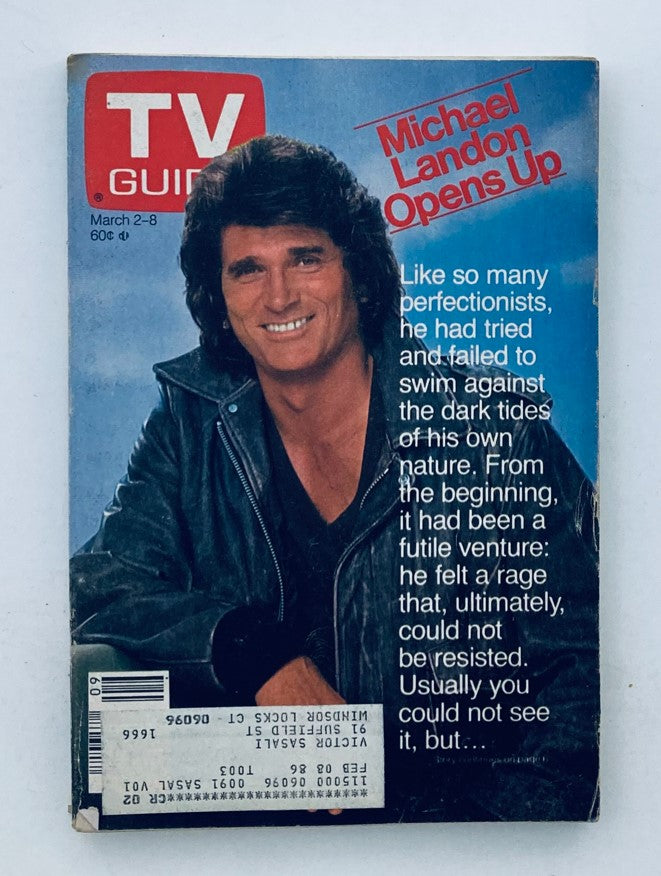
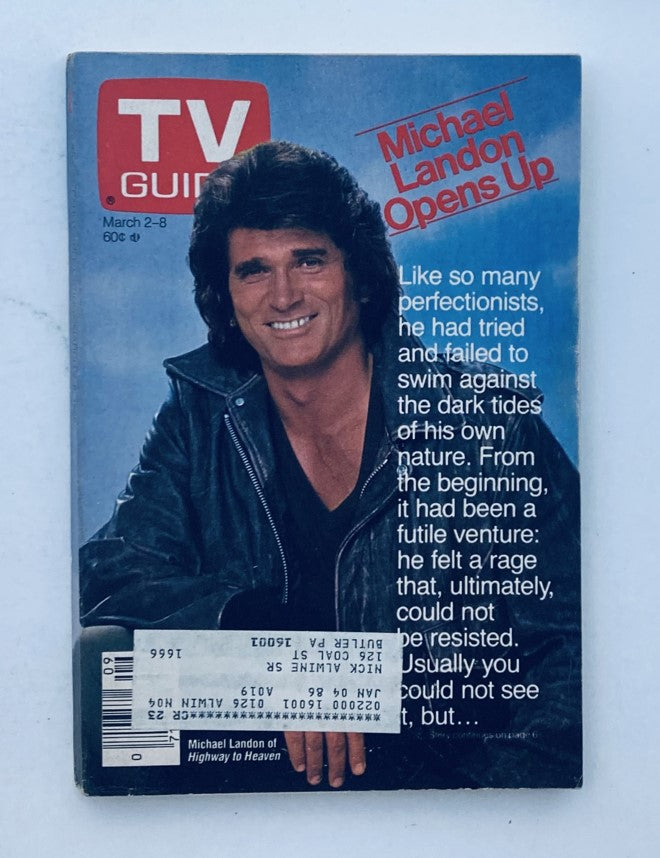
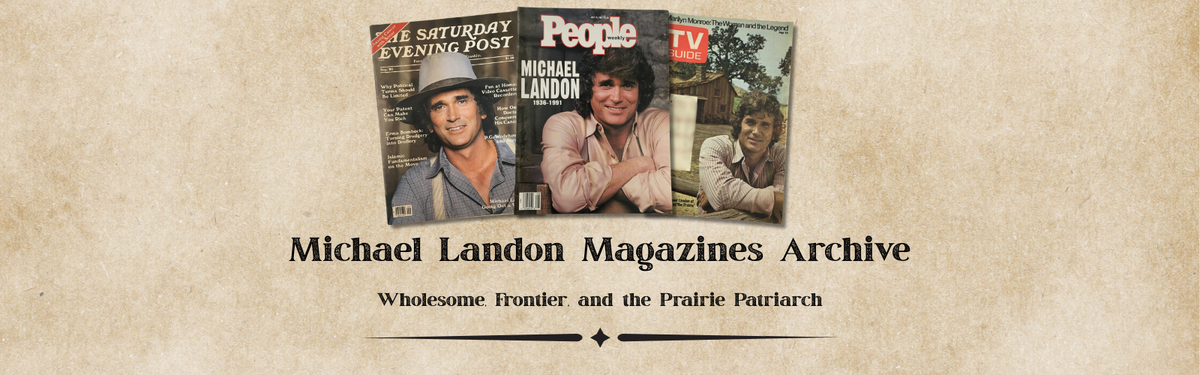
Vintage magazines approached Michael Landon with a reverence that was rare even for major stars of his era. The photography was warm and deliberate — barn-light portraits on the Little House set, candid family compositions on his Malibu ranch, and later, quietly dignified images taken as he faced his illness with extraordinary public courage. Editorial coverage ranged from the aspirational profiles in TV Guide, which featured him on its cover more times than almost any other television personality in history, to the sweeping photographic essays in People, which chronicled both his triumphs and his vulnerabilities in equal measure. Good Housekeeping and Parade magazine — publications read at kitchen tables across Middle America — treated him as a genuine moral figure, a man whose on-screen values appeared to mirror his off-screen devotion to storytelling and family. International editions of fan-driven entertainment weeklies also carried his image widely, a testament to how thoroughly Bonanza and Little House had penetrated global television markets throughout the 1960s, 70s, and 80s.
Curator's Checklist: Highlights Often Include
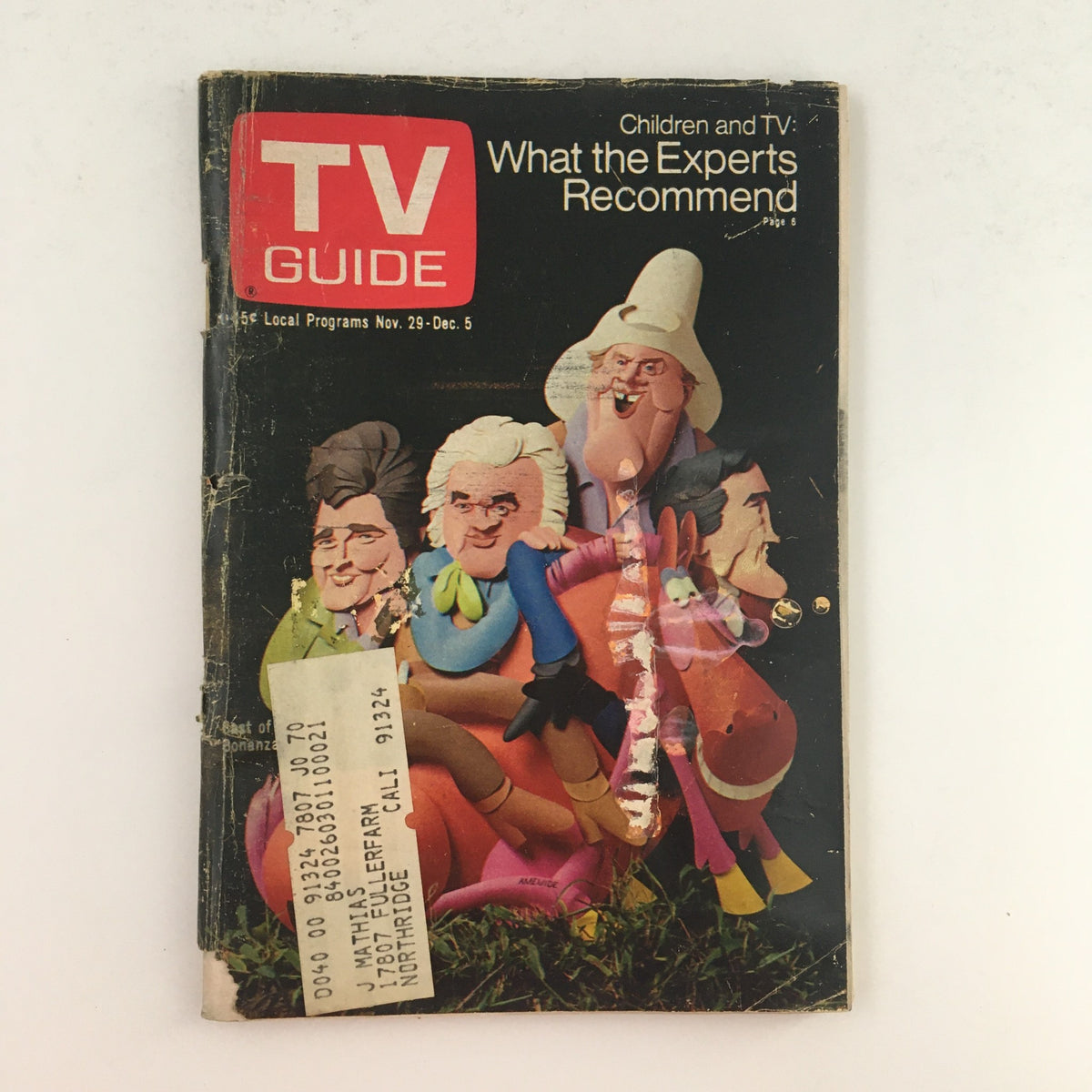
- Bonanza-era features (1959–1973): Early career profiles and cast ensemble coverage from the golden age of the Western, often showcasing the Cartwright family dynamic and the unprecedented global reach of the series
- Little House on the Prairie production spotlights (1974–1983): Behind-the-scenes photography and interviews exploring Landon's triple role as lead actor, writer, and producer — a creative autonomy almost unheard of in network television at the time
- Personal life and family tributes: Cover stories and photo essays on his homes, his children, and his philosophy of purposeful, values-driven entertainment, frequently appearing in domestic lifestyle and entertainment magazines
- Highway to Heaven and late-career reflection pieces (1984–1989): Profiles examining his conscious decision to create uplifting, spiritually resonant television in an era of increasingly cynical prime-time programming
- Memorial and tribute issues (1991): Among the most historically significant and collectible pieces in any archive — the outpouring of coverage following his passing captured a nation's grief and cemented his legacy in print with a tenderness that no retrospective documentary has quite replicated
The Collector's Value
To hold one of these original issues is to hold something the internet cannot replicate. The paper stock — slightly heavier and more textured than anything printed today — carries the warmth of its era, and the faint, distinctive scent of decades-old ink and binding glue is itself a form of time travel. The surrounding advertisements are their own historical document: the station wagons, the kitchen appliances, the fashions of a particular American moment that framed Michael Landon's world as audiences actually lived it alongside him. These are not reproductions or digital scans; they are primary sources, handled once by a reader in another century, preserved now for those who understand the difference. For collectors of classic American television memorabilia, 20th-century entertainment history, or Western and family drama nostalgia, these publications offer an irreplaceable window into how a beloved cultural figure was genuinely perceived, celebrated, and mourned in real time — before nostalgia had a chance to soften the edges. Explore the current available inventory below, and discover which pieces of this remarkable legacy are waiting to find their next devoted custodian.