📖 About this Collection
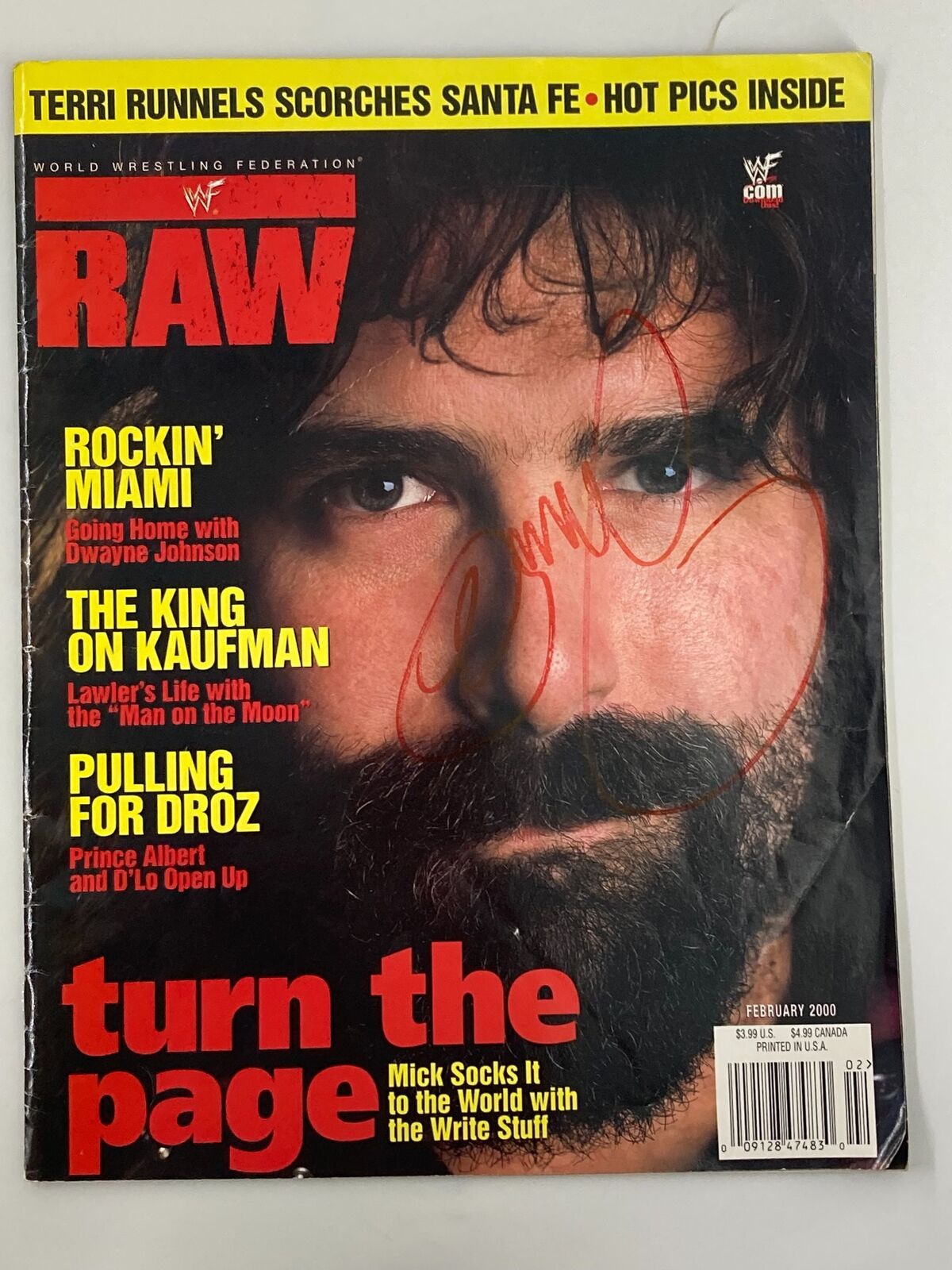
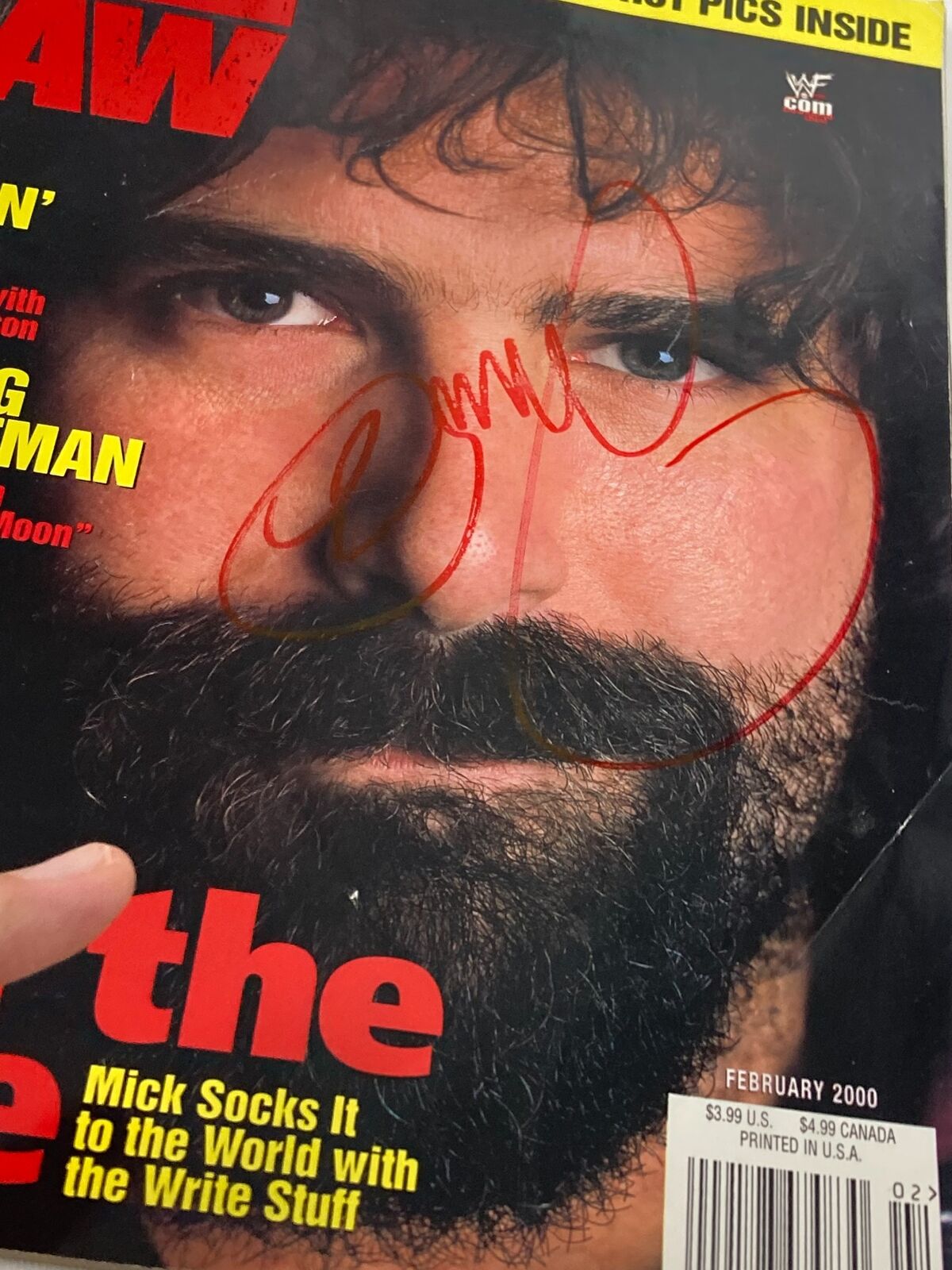
Mick Foley: The Saint of Suffering, Preserved in Print
The Legend & The Legacy
Long before the algorithmically curated highlight reel, before the viral clip and the streaming archive, the story of Mick Foley was told in ink and paper — in the breathless prose of wrestling publications and the stunned dispatches of mainstream sports journalists who could scarcely believe what they were witnessing. Rising through the territorial circuits and reaching his full, thunderous apotheosis in the WWE of the late 1990s, Foley became something the world of professional wrestling had rarely produced: a genuine folk hero. He was not the chiseled ideal. He was the everyman taken to its most extreme and beautiful conclusion — a man who absorbed punishment with almost philosophical serenity, who bled for his craft in arenas from Tokyo to Philadelphia, and who ultimately captured the hearts of millions not despite his softness, but because of it. His Hell in a Cell match, his tenure as three distinct characters — Mankind, Cactus Jack, and Dude Love — and his surprise championship victories in the Monday Night Wars era made him a cultural phenomenon. Fans lined the newsstands and the wrestling shop shelves not just to watch his story unfold, but to own a piece of it.
Inside the Archive
The golden era of Foley's career, spanning roughly the mid-1980s through the early 2000s, produced an extraordinary body of print coverage that ranged from the reverential to the genuinely awestruck. The dedicated wrestling press — publications like Pro Wrestling Illustrated, the essential journal of record for the sport, and the beloved WWE Magazine (then known as WWF Magazine) — tracked his every incarnation with a devoted, almost ethnographic intensity. Photographers captured him in unflinching close-up: the missing ear, the battered smile, the gentle eyes at odds with the carnage surrounding them. Sports Illustrated and mainstream outlets, meanwhile, treated his story as a broader cultural curiosity — a meditation on pain, performance, and the unexpected humanity lurking inside sports entertainment. International wrestling publications from Japan, where his Cactus Jack persona was mythologized to near-operatic levels, offer some of the rarest and most striking coverage of his career, presenting him through the lens of a culture that regarded his sacrifice as something approaching art.
Curator's Checklist: Highlights Often Include
- Mankind's emergence coverage (1996–1997): Early issues featuring the debut and rapid ascent of his deeply unsettling Mankind persona in the then-WWF, alongside coverage of his feud with The Undertaker that defined an era of must-read wrestling journalism
- Hell in a Cell retrospectives and contemporaneous reporting: Issues published in late 1998 and its immediate aftermath, when even non-wrestling publications paused to reckon with what had occurred atop and inside that steel structure in Pittsburgh
- Championship victory issues (January 1999): Perhaps the most sought-after category in any Foley archive — coverage of the legendary RAW title win, one of professional wrestling's most genuinely shocking moments, as documented by the monthly press cycle that followed
- Japanese wrestling publications: Exceedingly rare foreign-language magazines covering his extensive work in IWA Japan and All Japan Pro Wrestling, where the Cactus Jack character was immortalized in a style of photography and editorial coverage distinct from anything produced domestically
- Transition era and authorship coverage: Lifestyle and entertainment publications that covered his remarkable second act as a New York Times bestselling author, bridging the worlds of literary culture and professional wrestling in a way no athlete had quite managed before
The Collector's Value
There is something irreplaceable about holding a physical magazine from this era — the slightly rough texture of the newsprint beneath your fingertips, the vivid, oversaturated color photography of late-'90s sports publishing, the faint ghost of ink that rises from the pages of a well-preserved issue. These are not digital files to be scrolled and forgotten. They are primary documents: proof that the world paused, took notice, and committed its astonishment to paper. The surrounding advertisements — for the video games, the action figures, the long-discontinued cable packages — place you precisely in the cultural moment, making the experience of reading them as much archaeology as nostalgia. For collectors of professional wrestling memorabilia, 1990s pop culture ephemera, or sports autobiography and narrative nonfiction, these publications offer an irreplaceable window into one of the most emotionally resonant careers in the history of entertainment — documented in real time, by writers and photographers who had no idea they were recording something that would endure. Explore the current available inventory below and find the piece of history that belongs in your collection.