📖 About this Collection
Mike Schmidt: The Architect of Third Base
The Legend & The Legacy
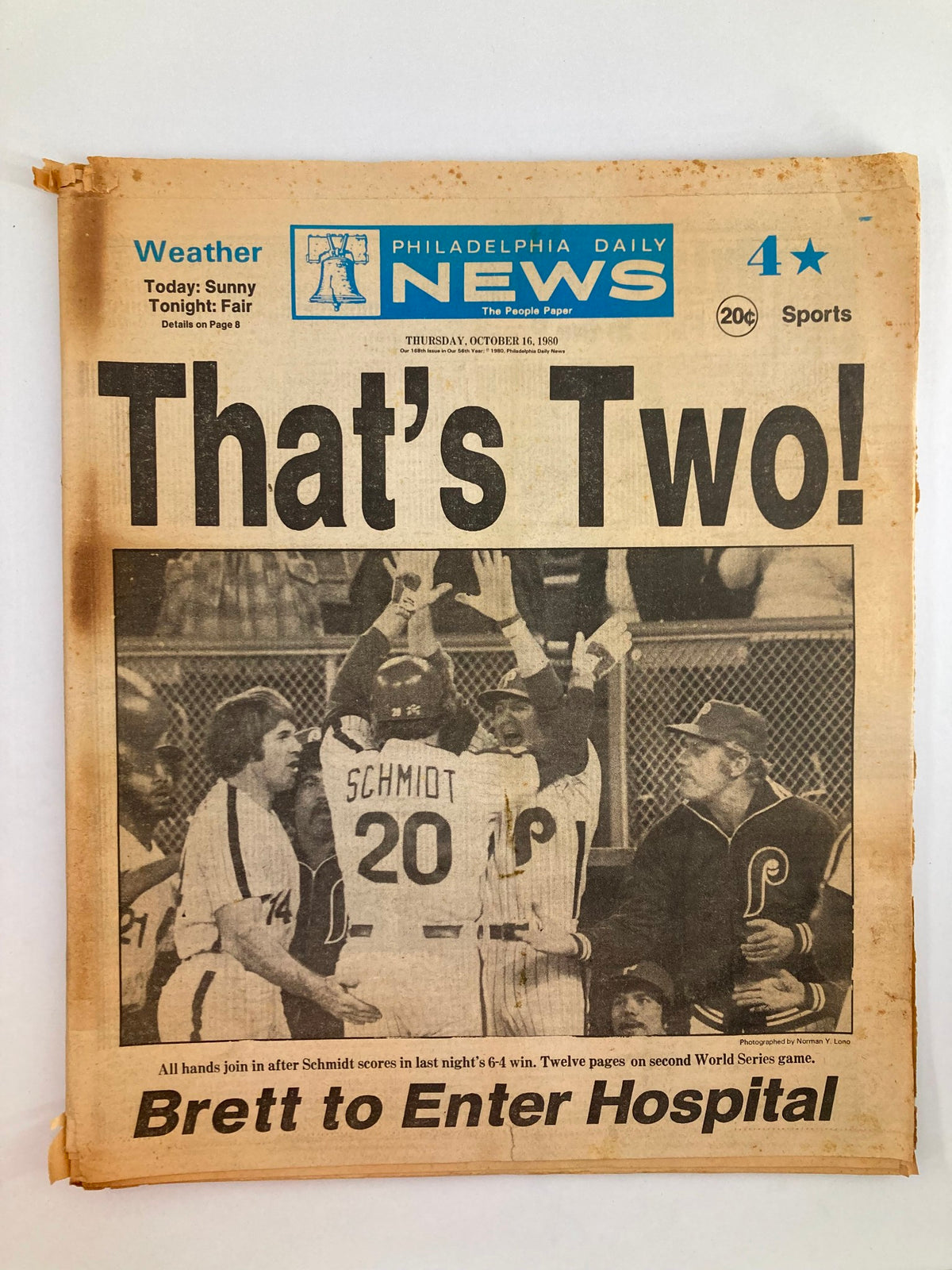
In an era when a ballplayer's greatness was measured in column inches and glossy spreads rather than highlight reels and viral clips, Mike Schmidt stood as one of the most compelling figures in American sport. From his emergence with the Philadelphia Phillies in the early 1970s through his Hall of Fame retirement in 1989, the soft-spoken slugger from Dayton, Ohio quietly assembled one of the most complete careers in baseball history — three National League MVP awards, twelve Gold Gloves, and a 1980 World Series championship that finally silenced a city starved for a title. For Philadelphians, who had a complicated and famously demanding relationship with their star, every at-bat was an event, every slump a citywide crisis, and every towering home run a moment of collective redemption. The press was the only lens through which most fans experienced the drama between games, and the sports press of that golden era rose magnificently to the occasion, weaving the psychological depth and physical grandeur of his career into the permanent record of American sport.
Inside the Archive
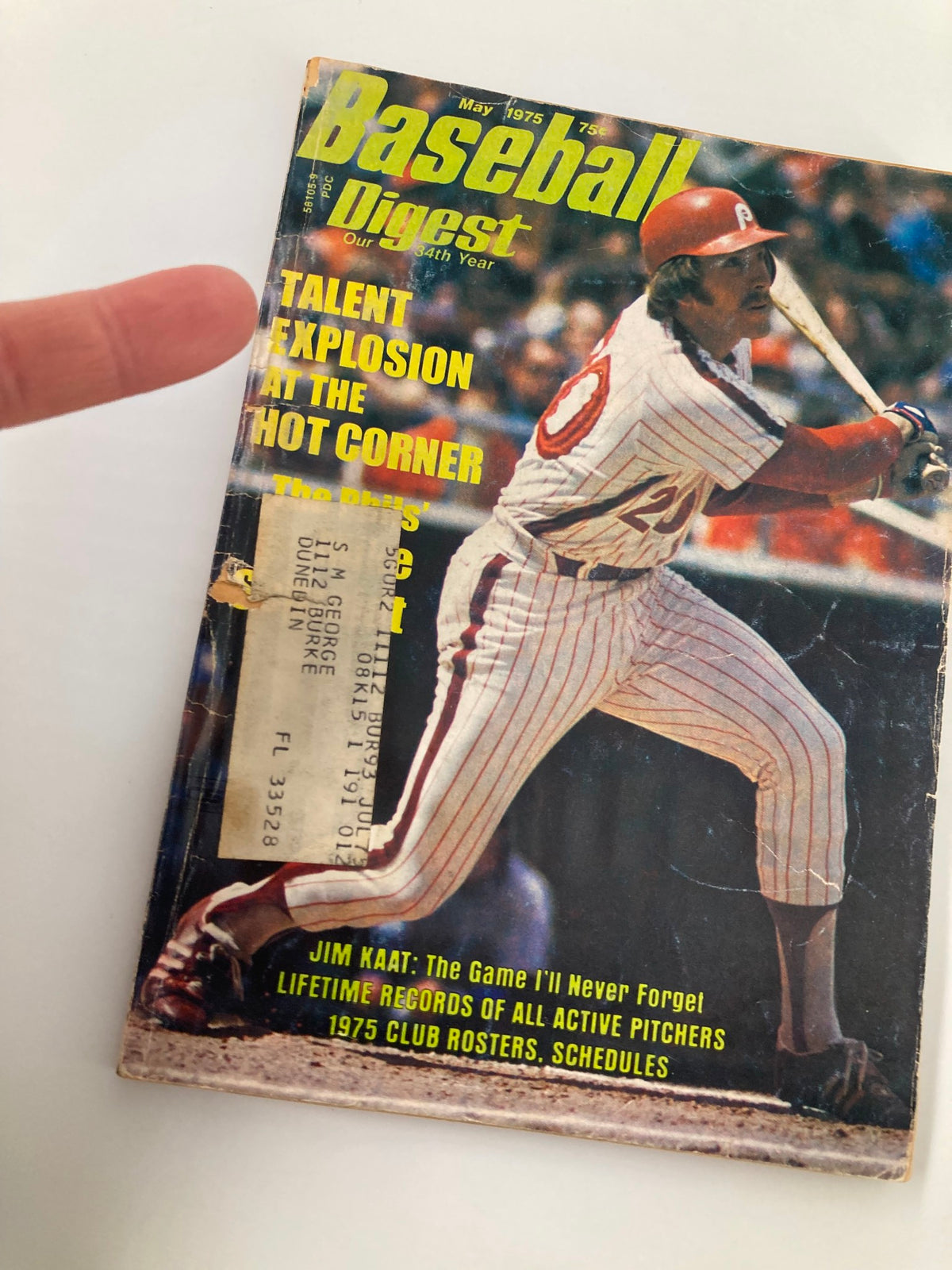
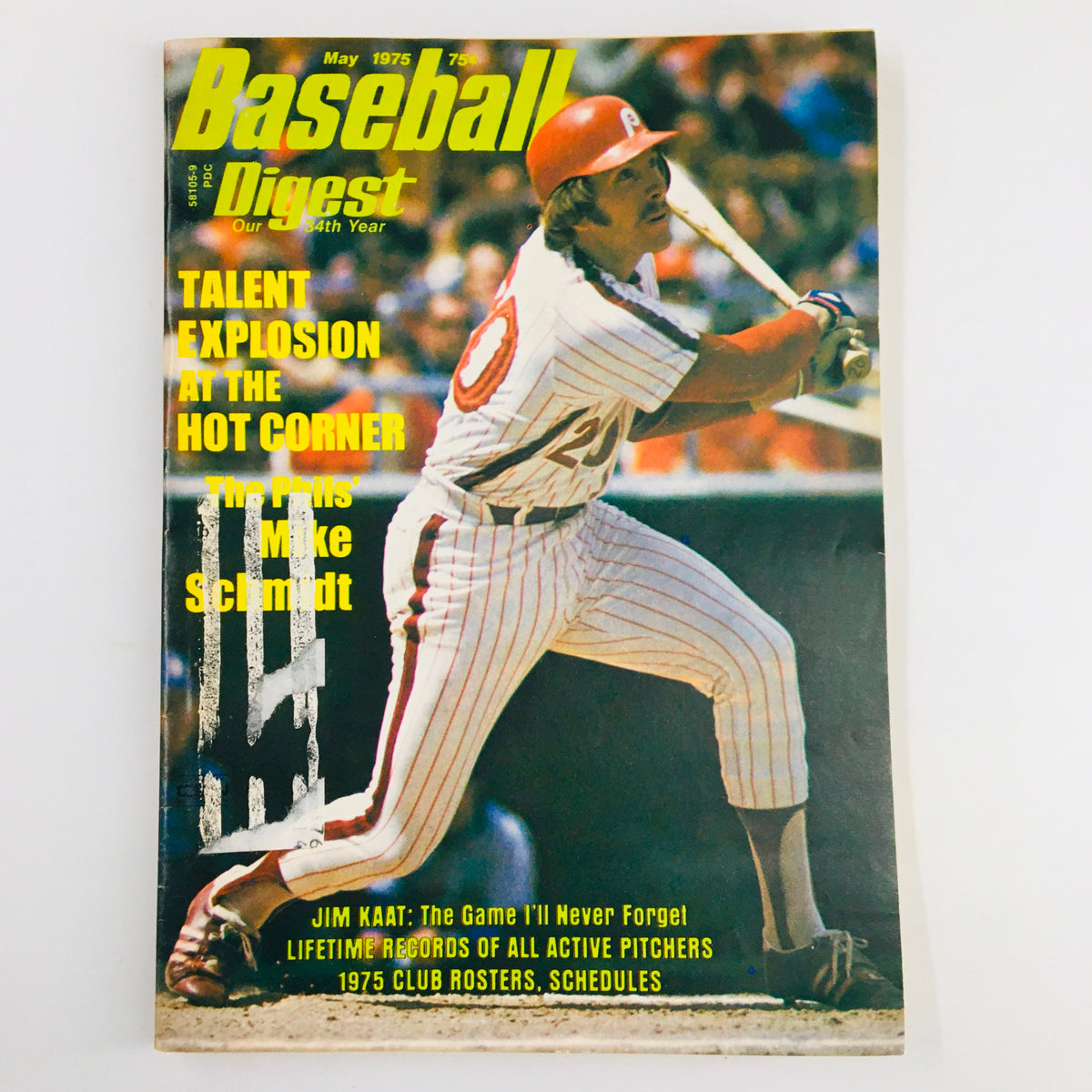
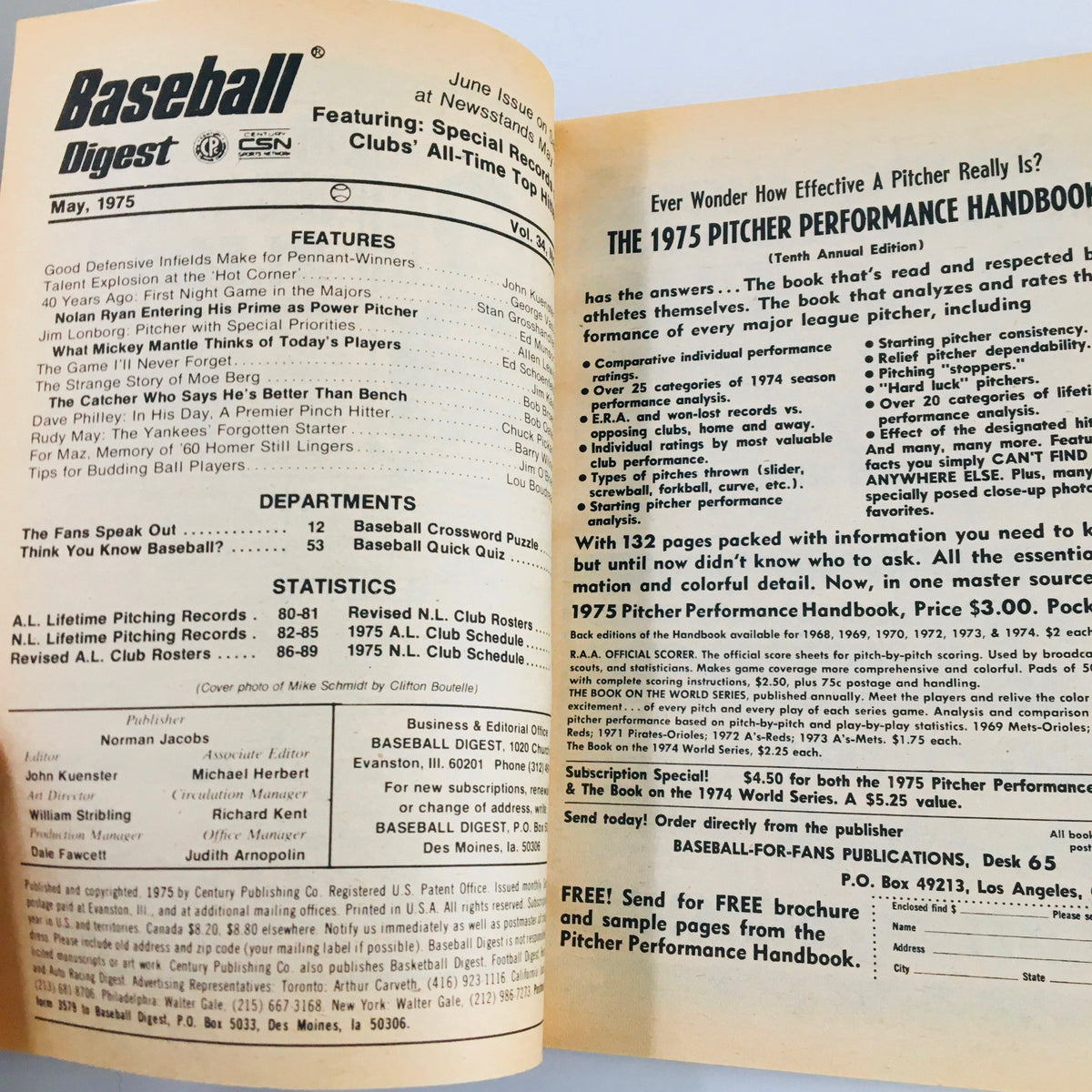
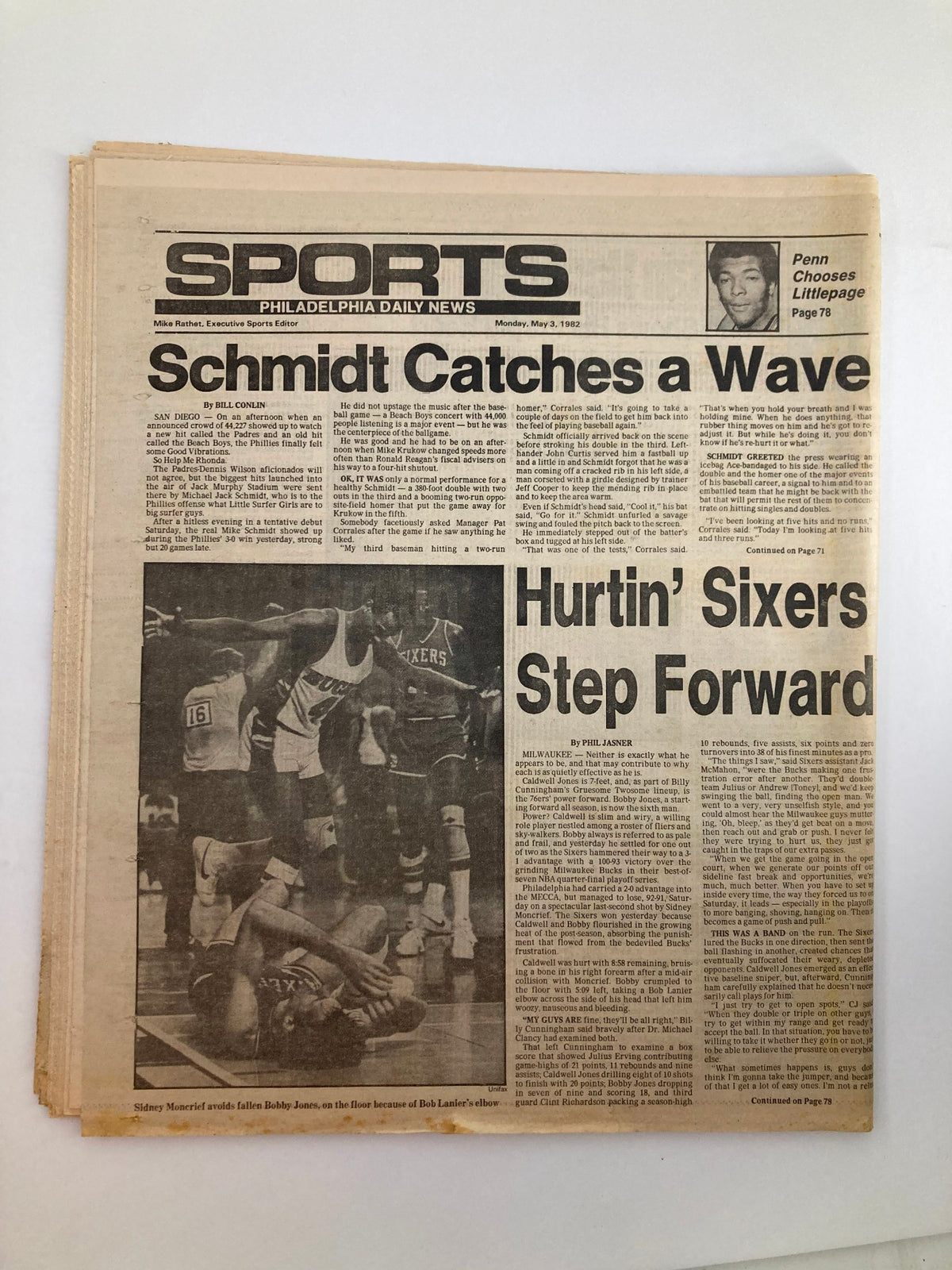
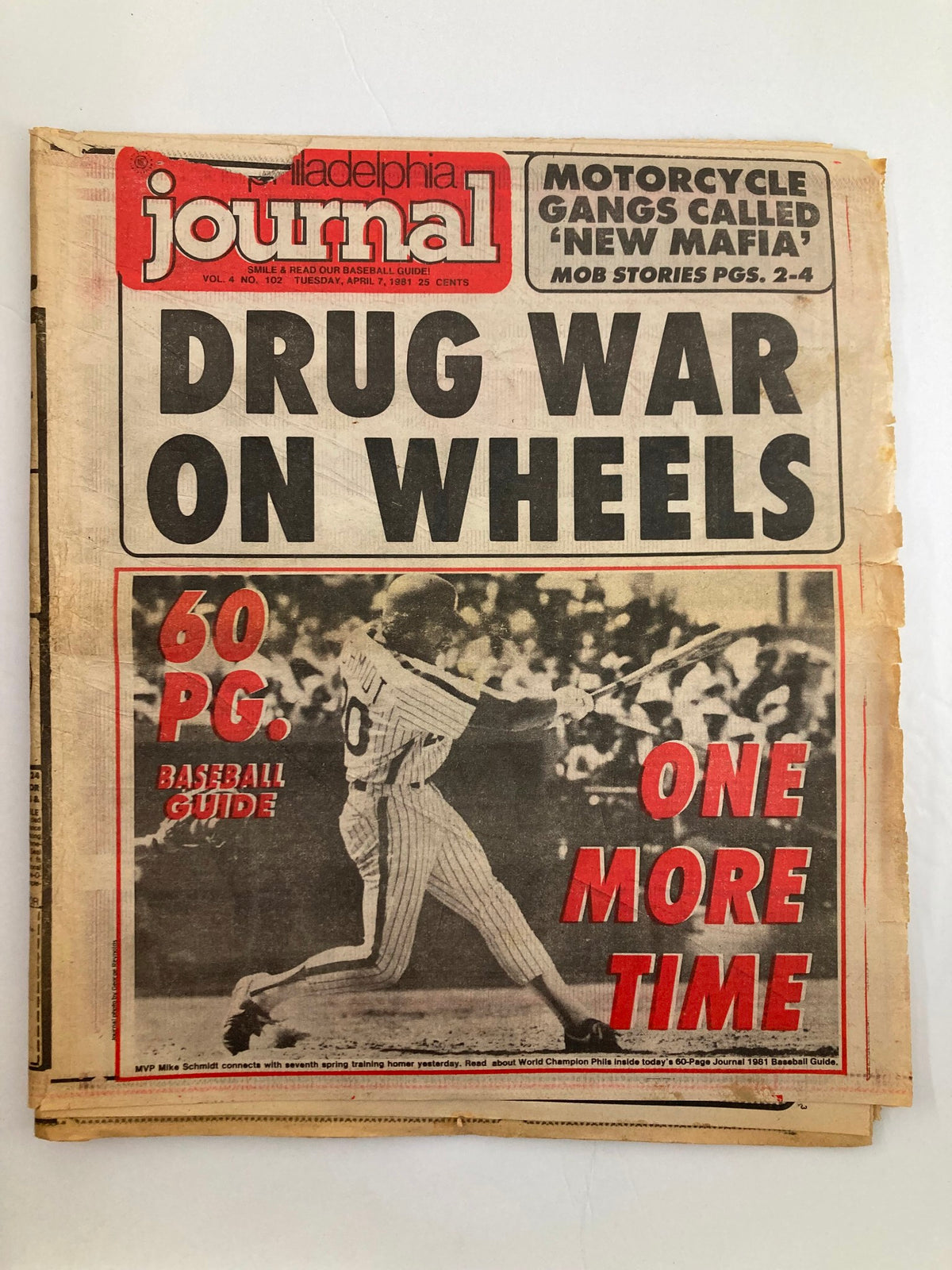
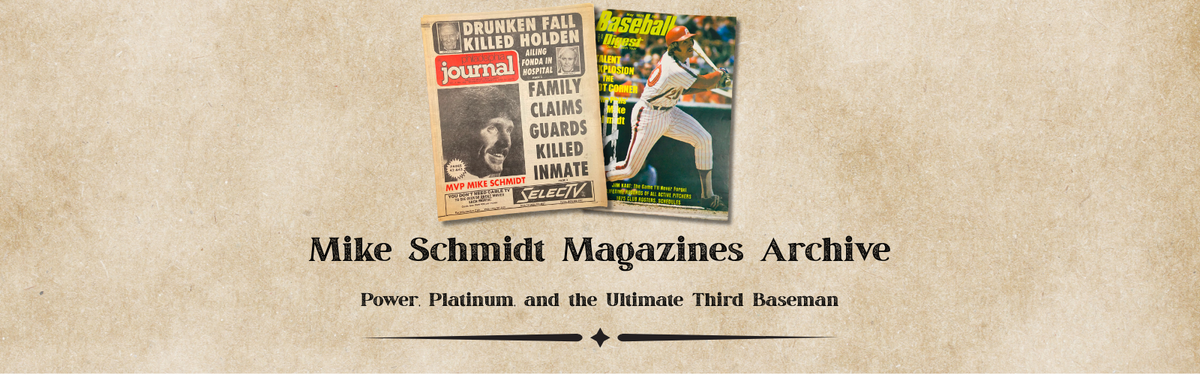
Vintage magazines chronicling Schmidt's career reflect both the craft and the cultural weight of sports journalism at its apex. Sports Illustrated was the undisputed cathedral of his coverage — its photographers capturing his ferocious, uppercut swing with the kind of dramatic, shadow-rich composition that made baseball look like sculpture in motion. The magazine's long-form writers treated his psychological battles with the Philadelphia crowd not as tabloid fodder, but as genuine literary subject matter worthy of serious analysis. The Sporting News, the self-styled "Bible of Baseball," offered dense, statistical reverence alongside insider perspective that no mainstream outlet could match, making its issues from the late 1970s and early 1980s essential primary sources for any serious collector. Sport magazine, a rival to SI throughout much of this era, frequently placed the third baseman on its covers during pennant races and post-season runs, with a bolder, more visceral editorial style that leaned into the drama of Philadelphia's volatile sports culture. Together, these publications form an extraordinary paper archive of a career that redefined the standard of excellence at his position.
Curator's Checklist: Highlights Often Include
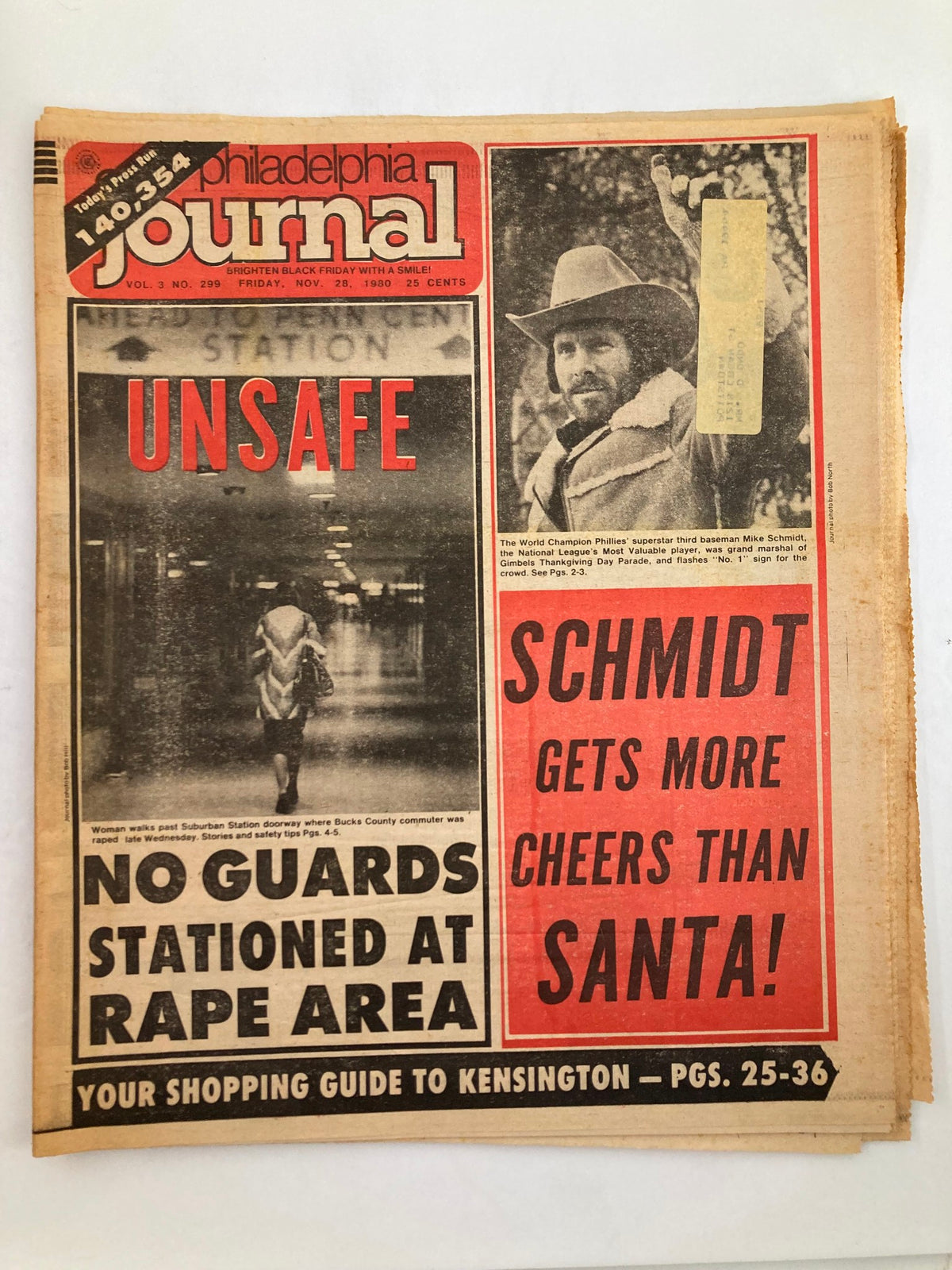
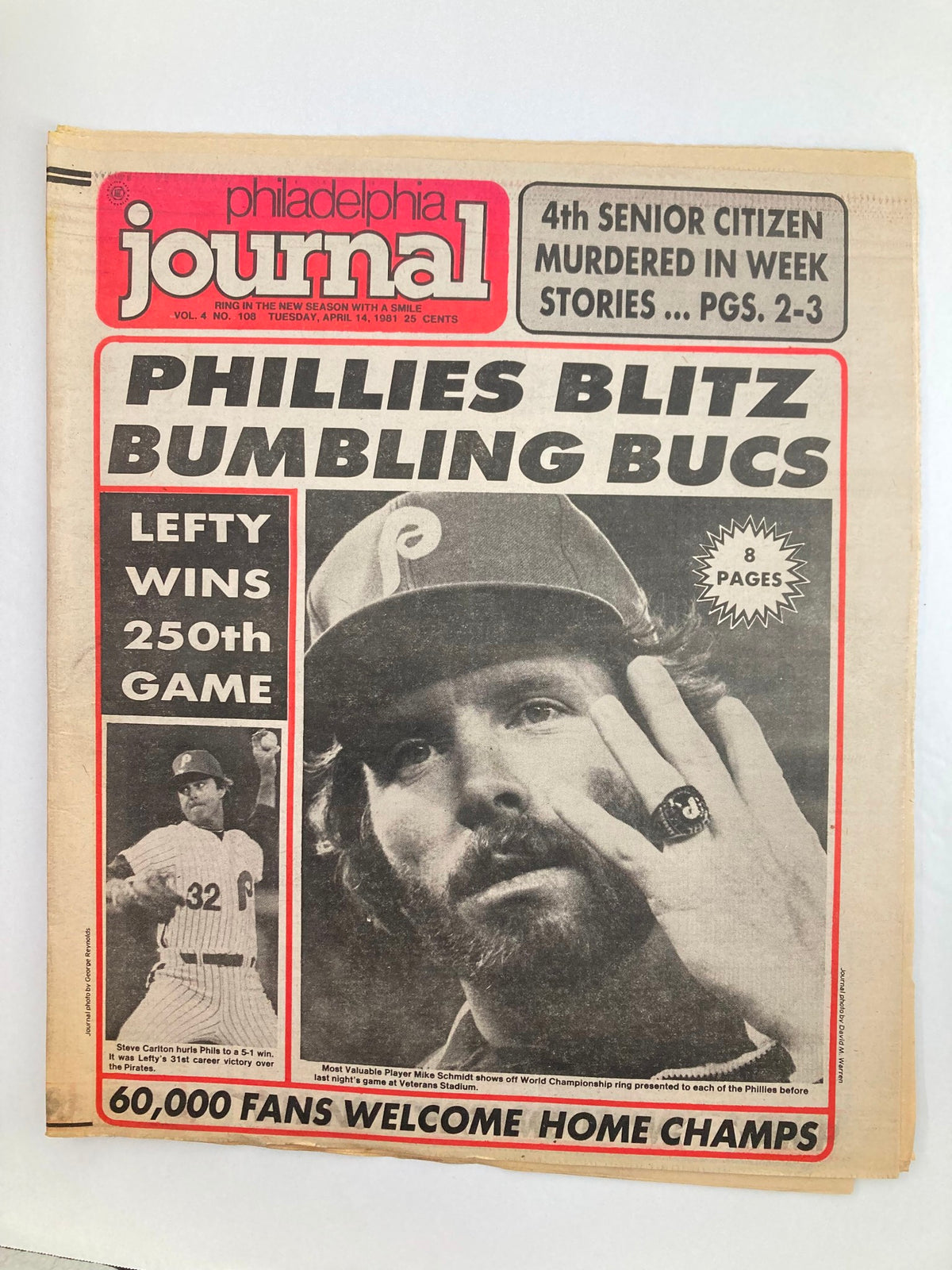
- The 1980 Championship Season — Coverage of the Phillies' World Series run frequently surfaces, including issues with Schmidt's MVP performance analyzed in the glow of Philadelphia's long-awaited first World Series title, a cultural watershed for the city.
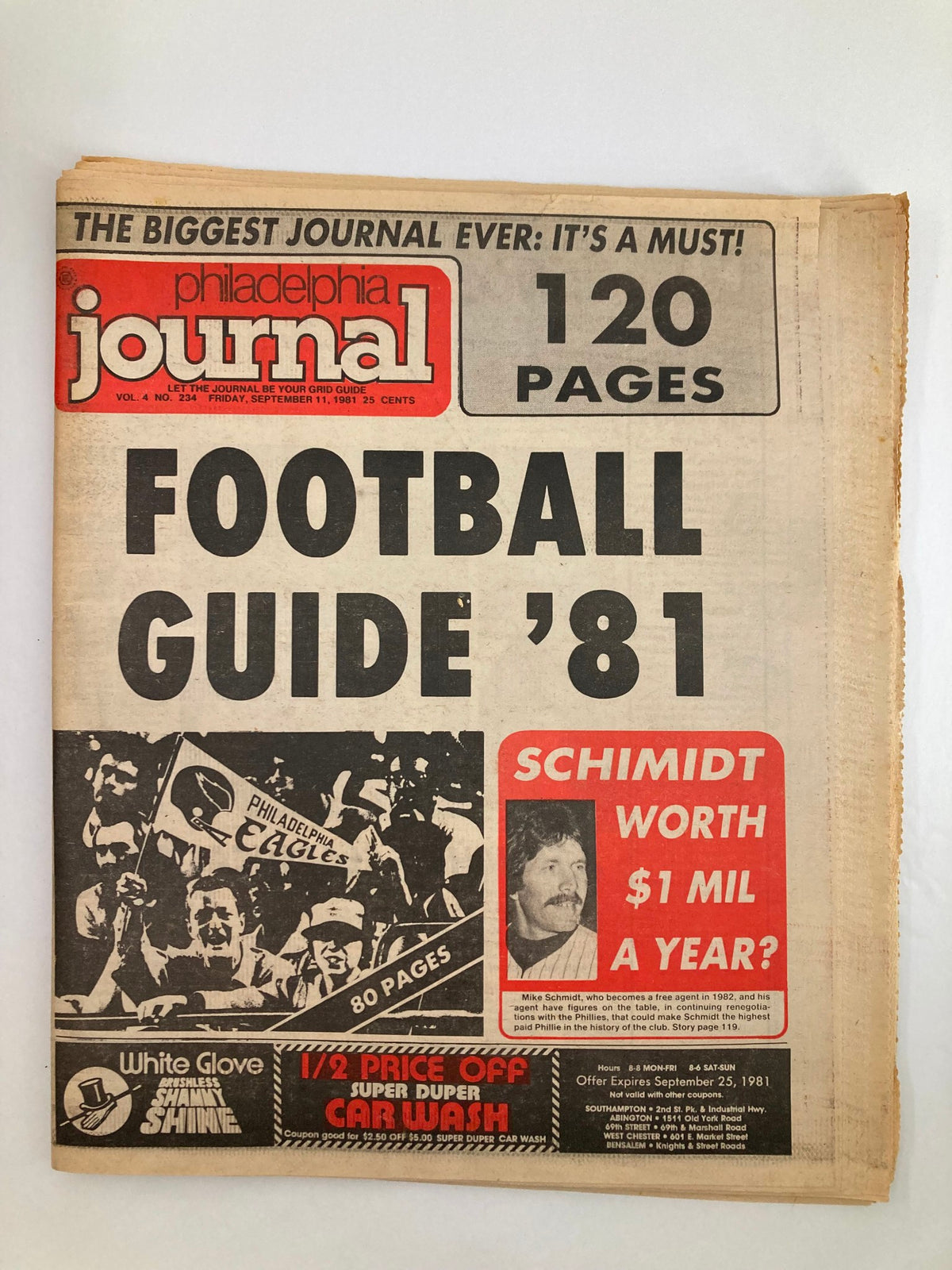
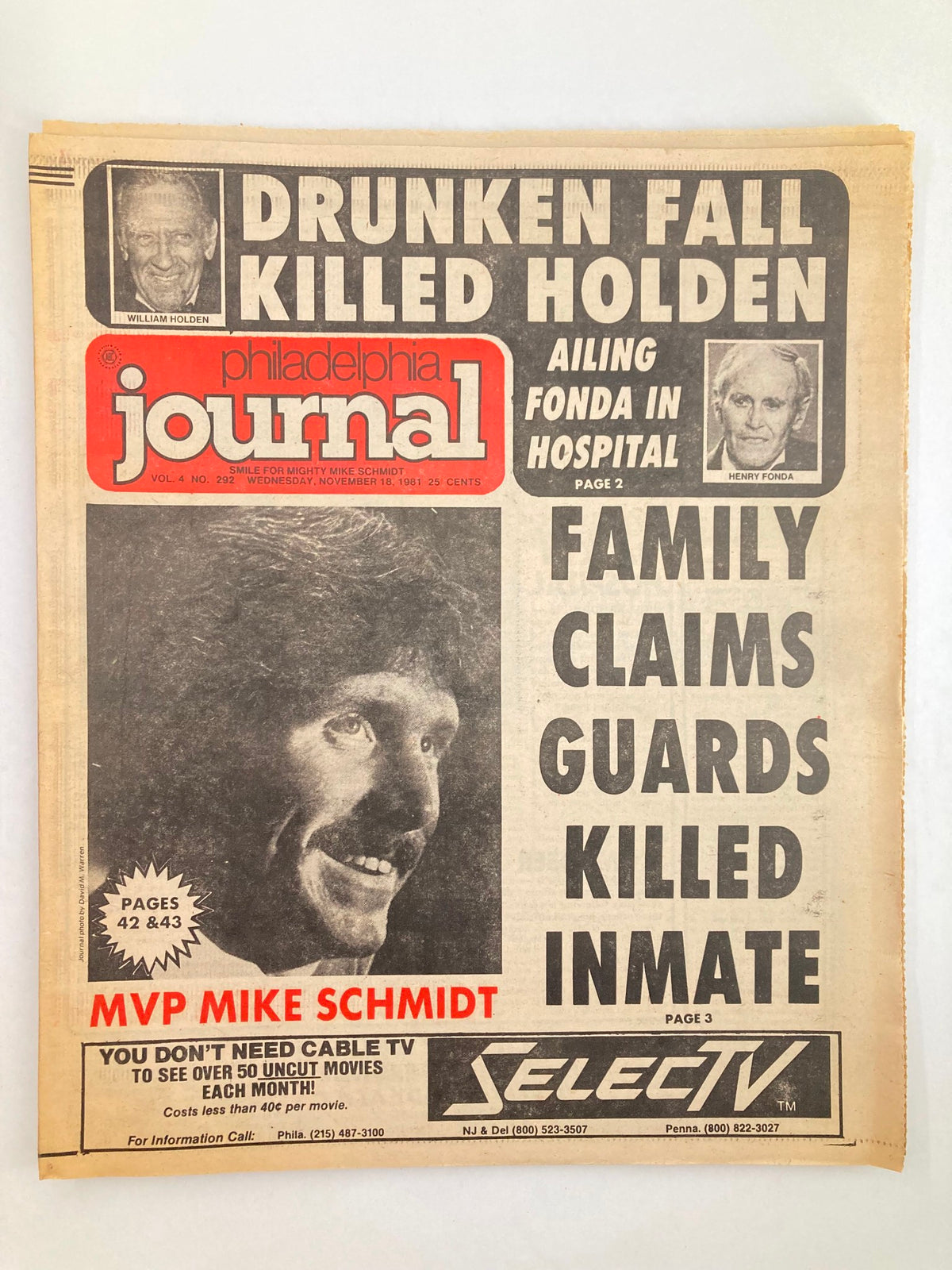
- MVP Award Features — Collector favorites include issues from 1980, 1981, and 1986 recognizing his National League Most Valuable Player honors, often paired with in-depth profiles on his hitting mechanics and relentless off-season preparation.
- The Power Numbers Milestones — As he climbed toward and ultimately surpassed 500 career home runs, sports publications marked each milestone with dedicated features; issues from the mid-1980s documenting this chase are particularly sought after.
- Gold Glove Tributes & Defensive Profiles — Rarer and especially prized are features that focused not on his bat but on his extraordinary defensive artistry — a side of his legacy that contemporary journalism occasionally undervalued but specialist publications celebrated.
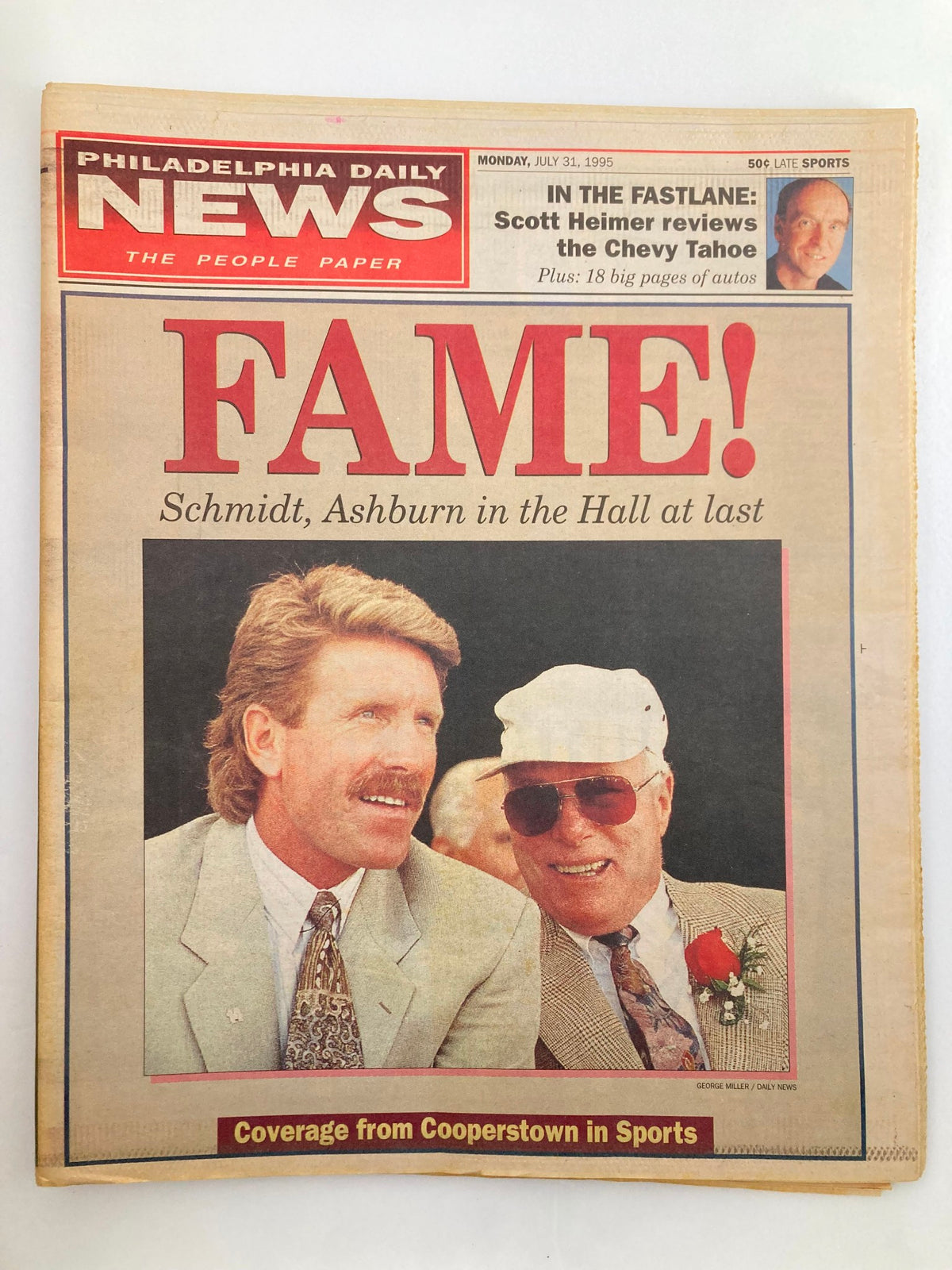
- Retirement & Hall of Fame Induction — His emotional mid-season retirement announcement in May 1989 and his first-ballot Hall of Fame enshrinement in 1995 generated a wave of retrospective long-form coverage that offers collectors a sweeping, elegiac summation of the full career arc.
The Collector's Value
There is something irreplaceable about holding the actual issue of Sports Illustrated that hit newsstands the week Philadelphia erupted in celebration — feeling the slightly coarse texture of the period paper stock, catching the faint, distinctive perfume of decades-old ink and newsprint that no digital archive can replicate, and encountering the full cultural context of the era in the surrounding advertisements for Chevrolets, Schlitz beer, and Rawlings gloves. These are not reprints or facsimiles; they are primary documents, frozen moments from a time when print journalism was the singular, authoritative voice of the sporting world. The flanking advertisements and editorial design are themselves a time capsule, framing the great third baseman within the broader aesthetic and commercial culture of late-twentieth-century America. For collectors of Philadelphia sports history, golden-era baseball memorabilia, or vintage American sports journalism, these publications offer a depth of historical texture and emotional resonance that no trophy or trading card can match. Explore our current rotating inventory below and discover which pieces of this extraordinary legacy are available today.