📖 About this Collection
Mikhail Gorbachev: The Man Who Cracked the Iron Curtain
The Legend & The Legacy
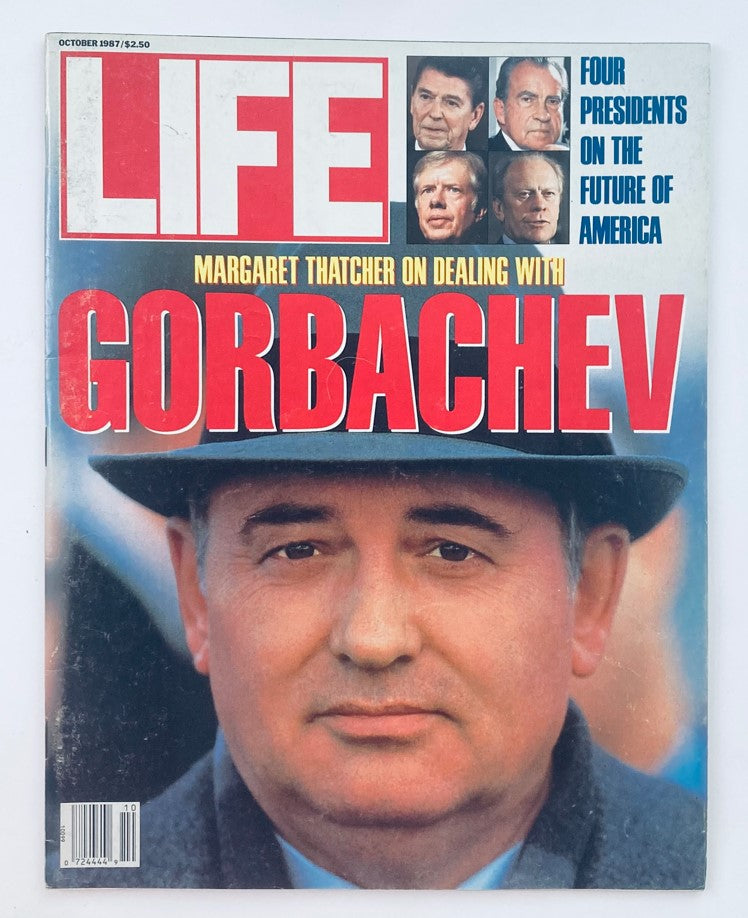
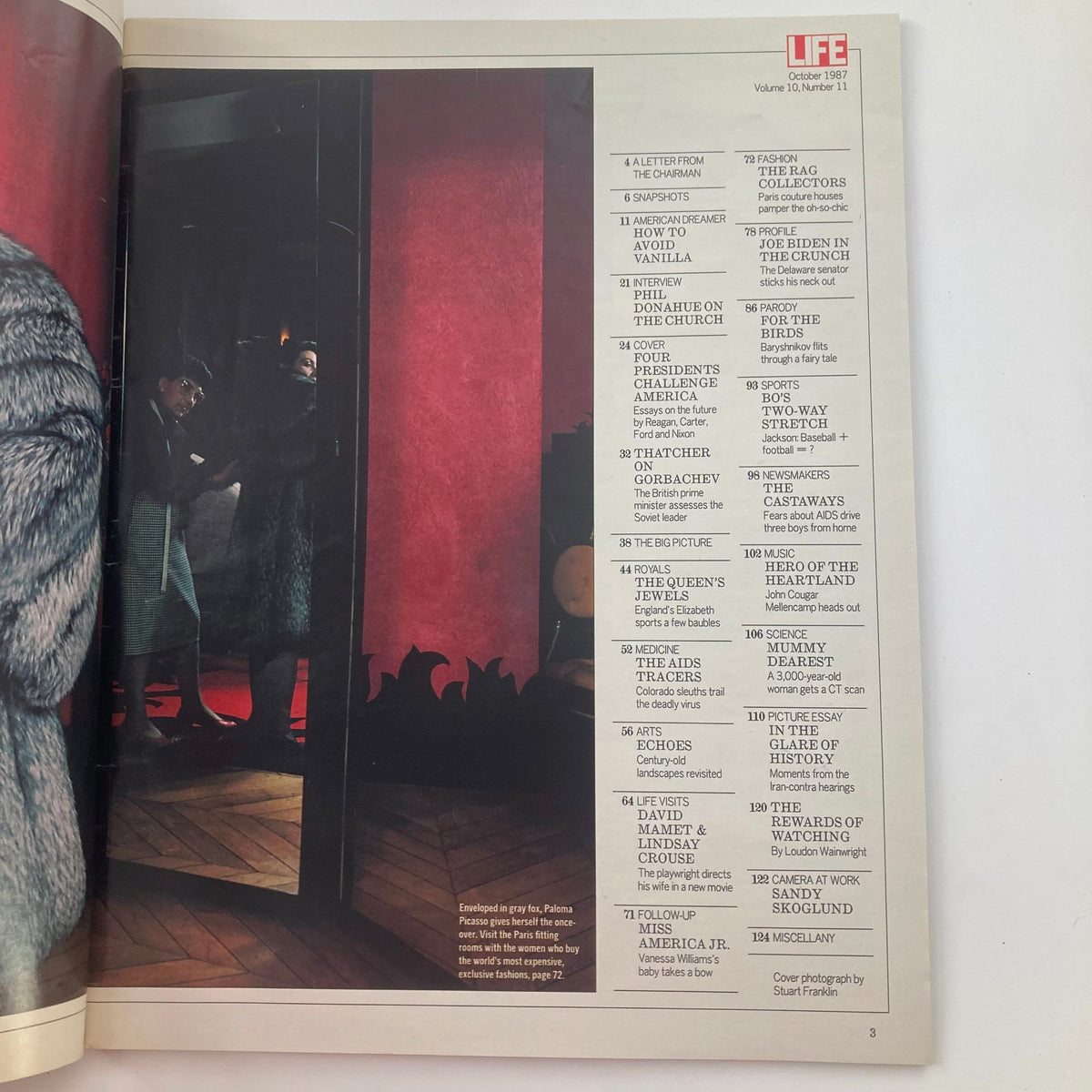
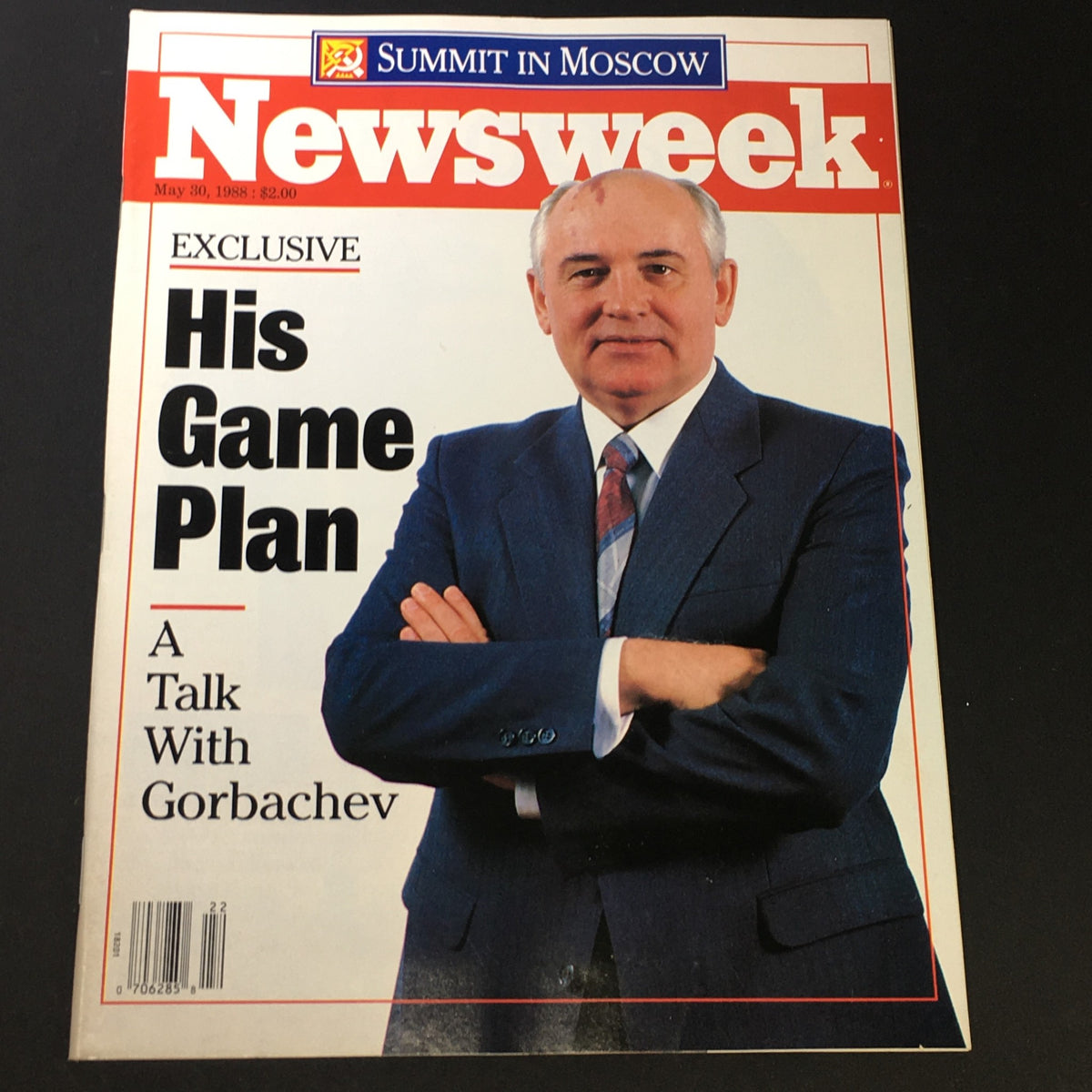
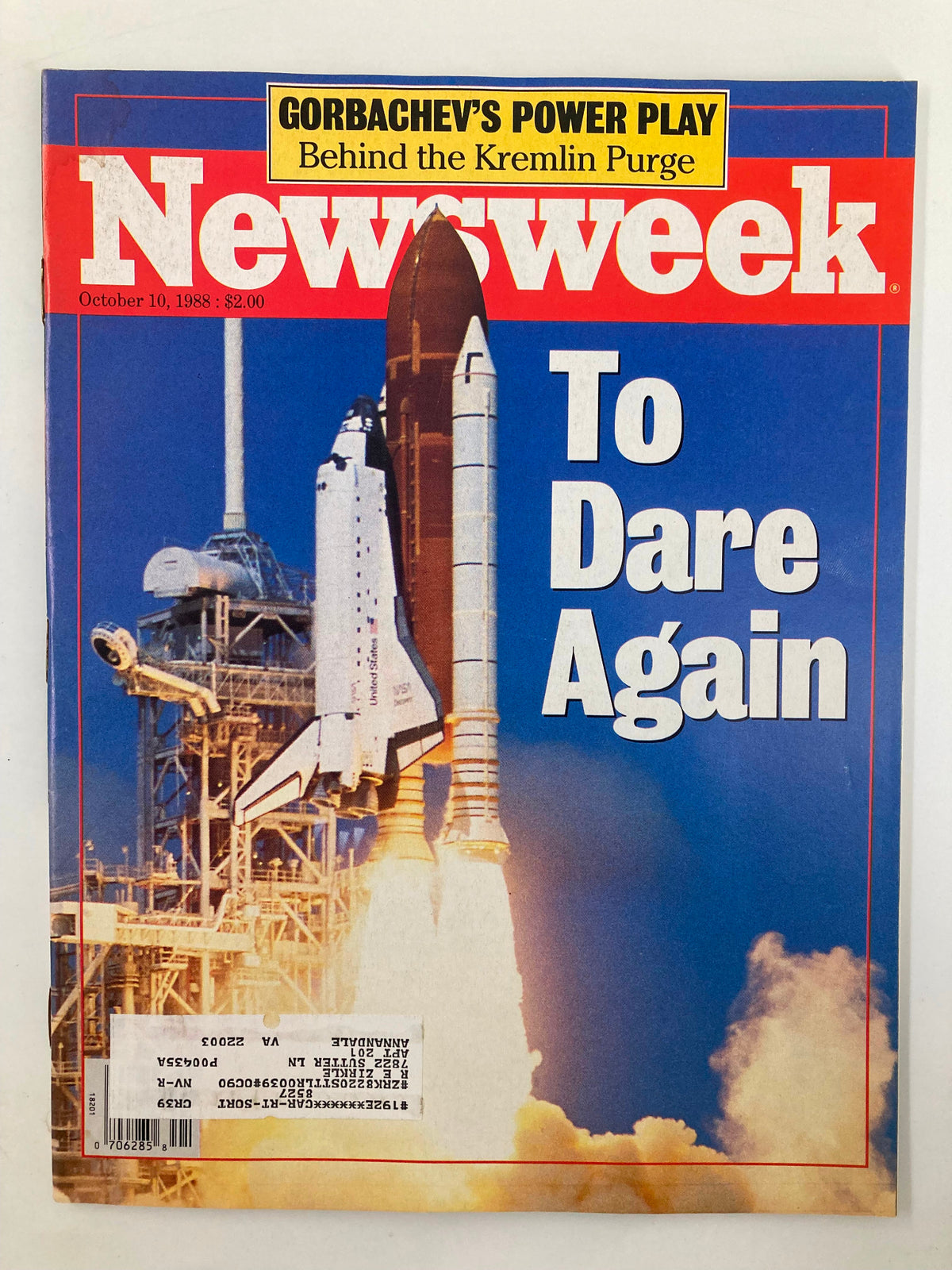
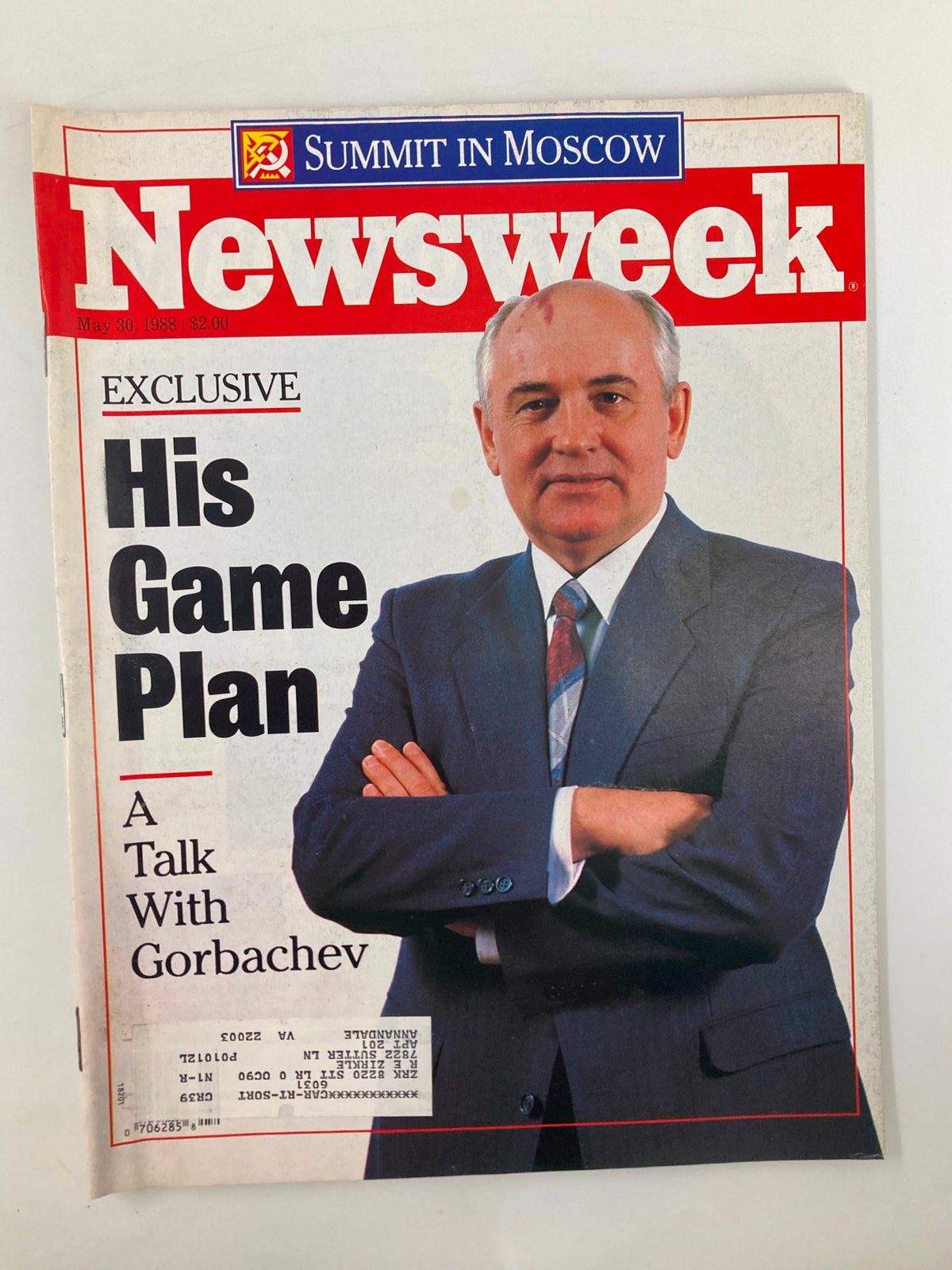
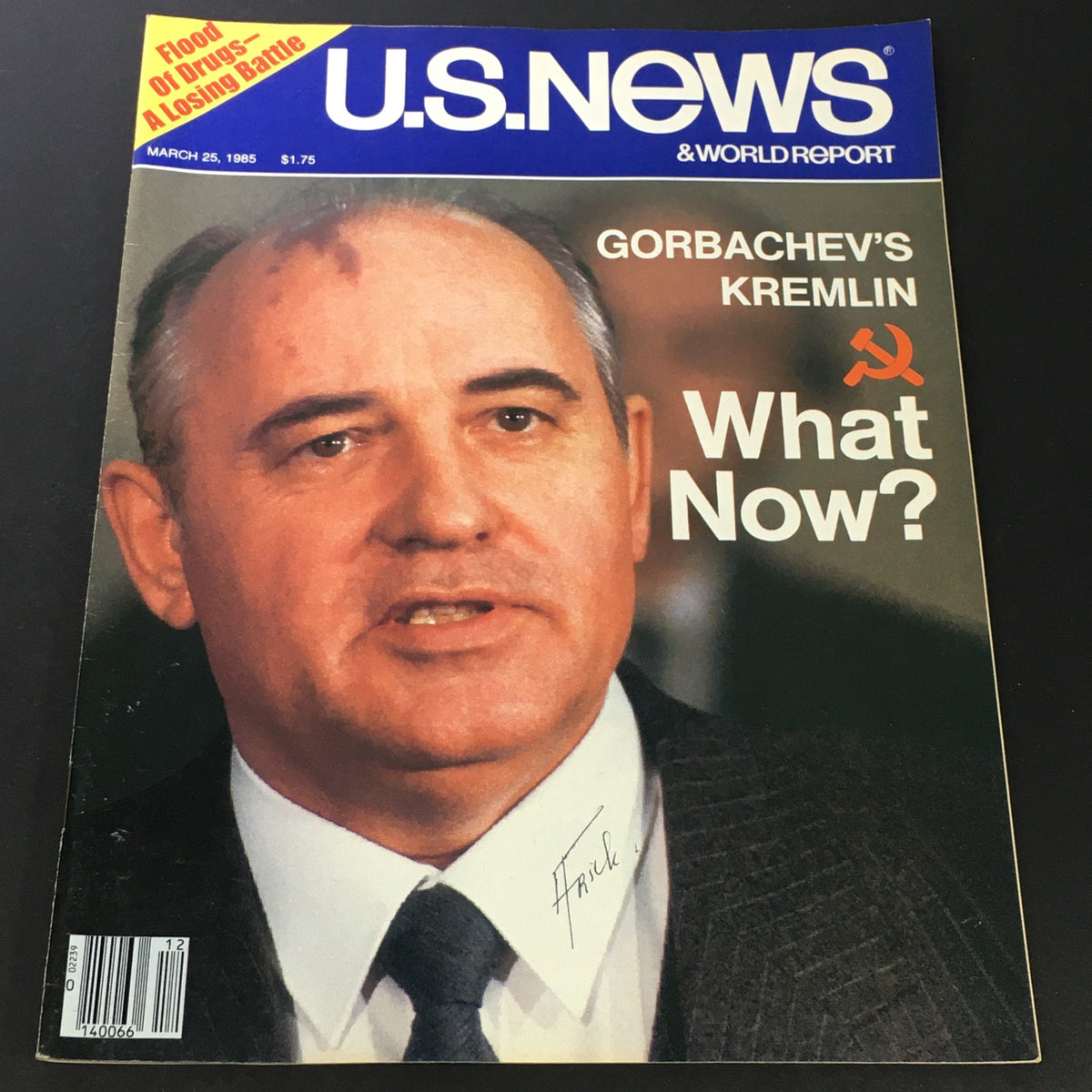
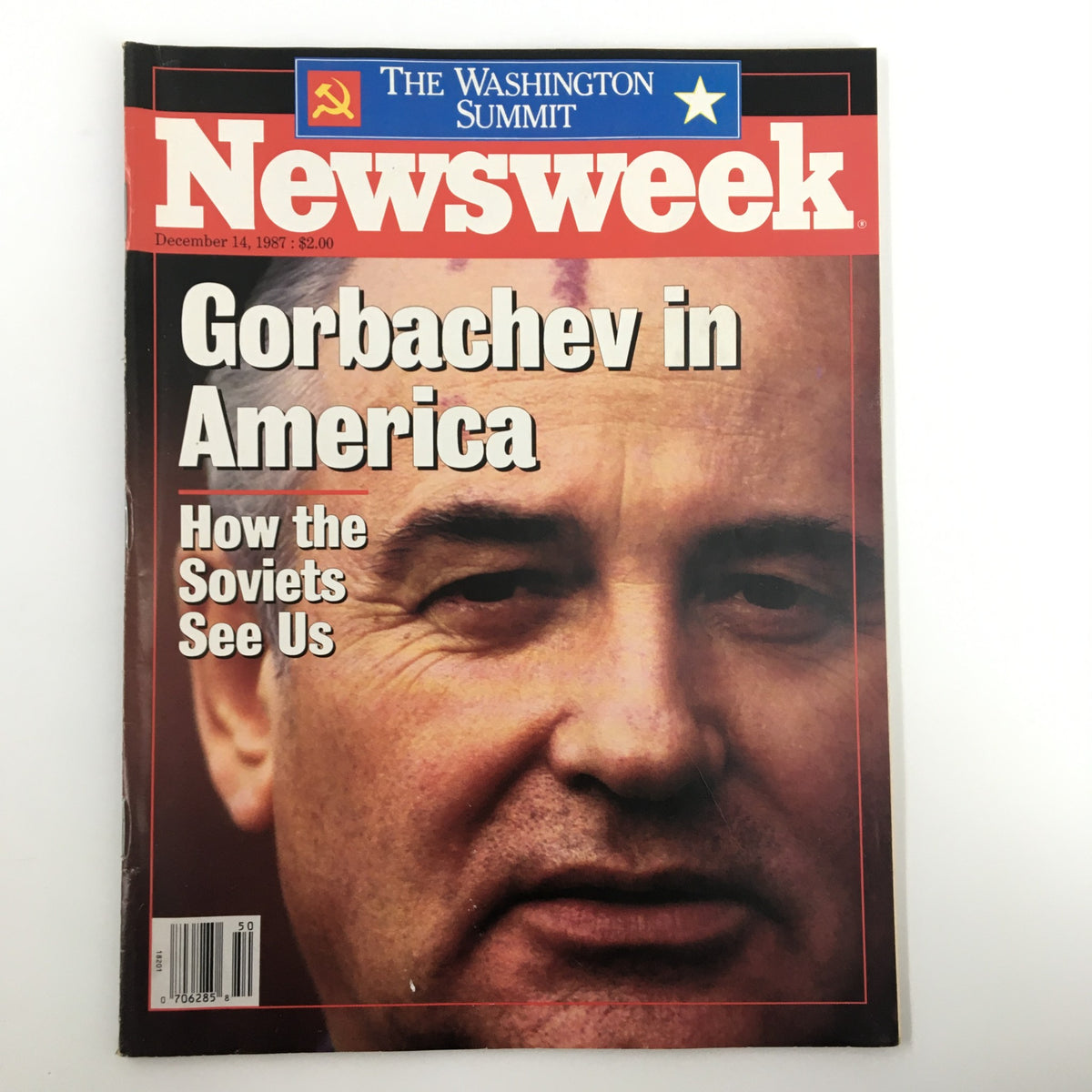
Few figures in modern history arrived so quietly and departed so loudly. When Mikhail Gorbachev ascended to the leadership of the Soviet Union in 1985, the world was still locked in the long, frozen standoff of the Cold War — a conflict that had shaped every headline, every foreign policy column, and every anxious editorial for four decades. What followed was nothing short of seismic. His twin doctrines of glasnost and perestroika — openness and restructuring — sent tremors through the ideological bedrock of the twentieth century, and the Western press, still printing on paper and selling at newsstands, was there to capture every aftershock. In an era before the internet collapsed the distance between event and audience, readers in London, New York, Tokyo, and Buenos Aires reached for their weekly and monthly magazines to make sense of a Soviet leader who smiled for cameras, traveled to summits, and spoke the language of reform. He was, to many, the most unlikely protagonist in history's most consequential story — and print media made him a global icon.
Inside the Archive
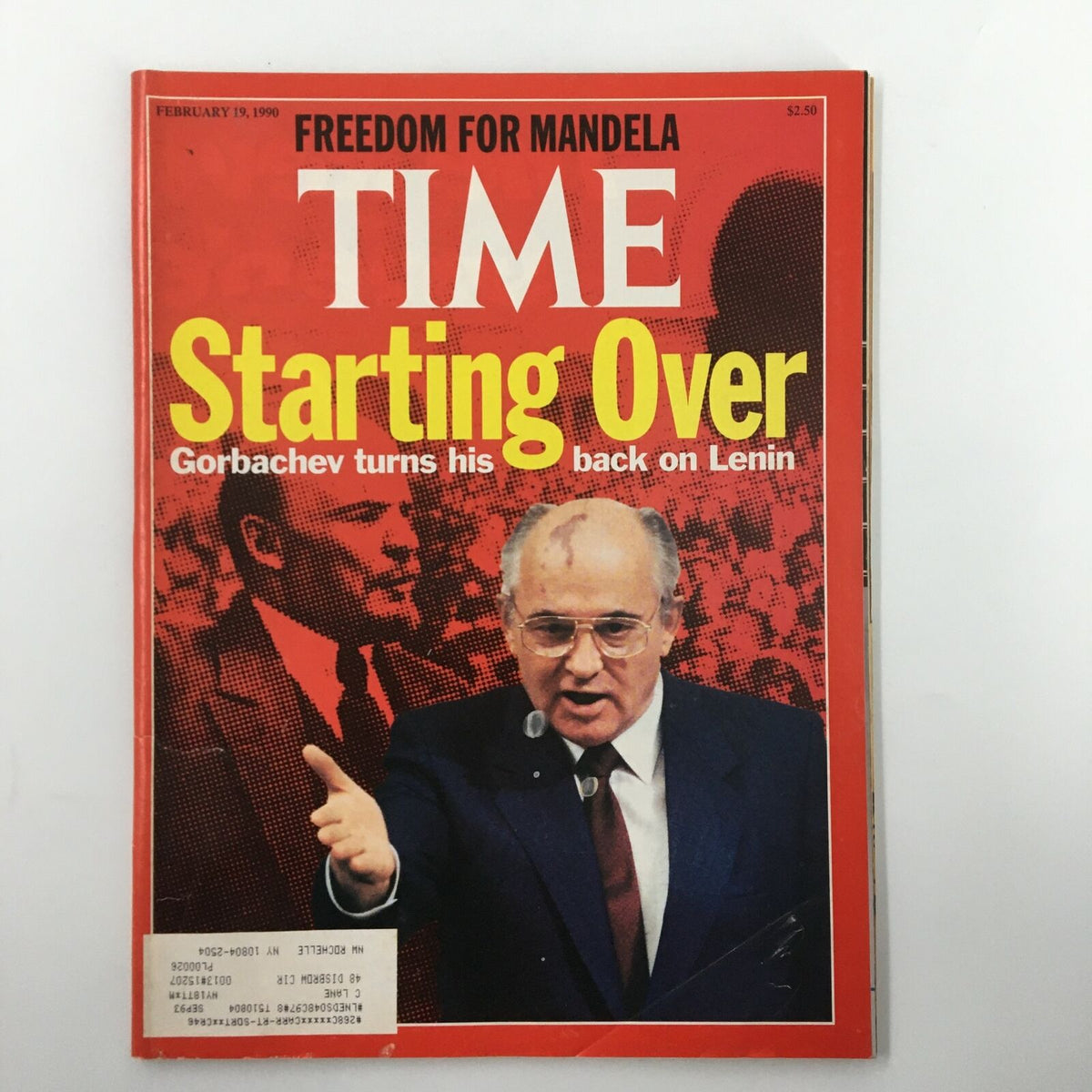
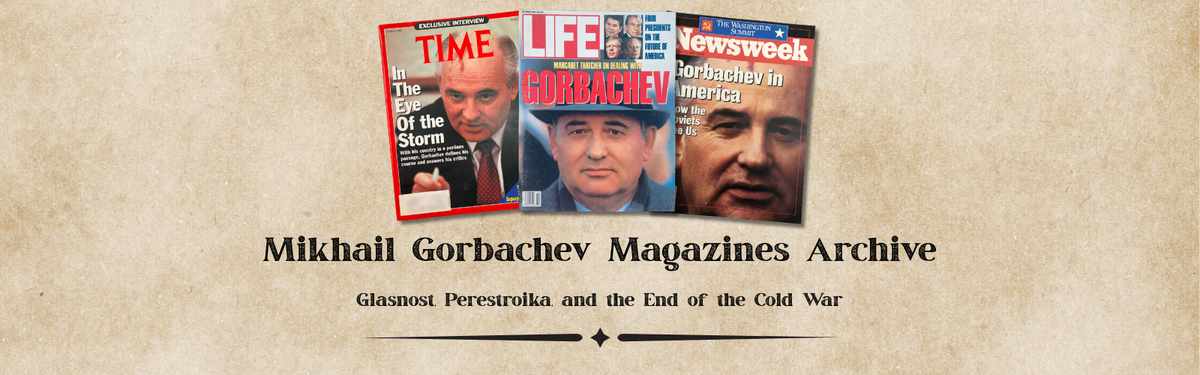
The coverage of Gorbachev across the international press was unprecedented for a Soviet head of state — candid, curious, and often reverential. Western photographers captured him not in the stiff, propagandist poses of his predecessors, but in motion: shaking hands with Reagan in Geneva, walking the streets of foreign capitals with Raisa at his side, or bearing the visible weight of a crumbling empire with dignified composure. Time magazine was perhaps his most devoted chronicler in the West, naming him Man of the Decade in 1989 and granting him multiple cover features that traced his arc from reformer to reluctant revolutionary. Der Spiegel, the authoritative German weekly, offered some of the most analytically rigorous coverage given Germany's profound stake in the fall of the Wall, while Paris Match brought its signature blend of photojournalism and human drama to the Gorbachev story, capturing the personal and political in equal measure. Soviet-era publications — including the state newspaper Pravda and its illustrated companion Ogoniok — document a parallel narrative, one in which the careful reader can trace the seismic shift in official tone from orthodoxy to something dangerously close to candor.
Curator's Checklist: Highlights Often Include
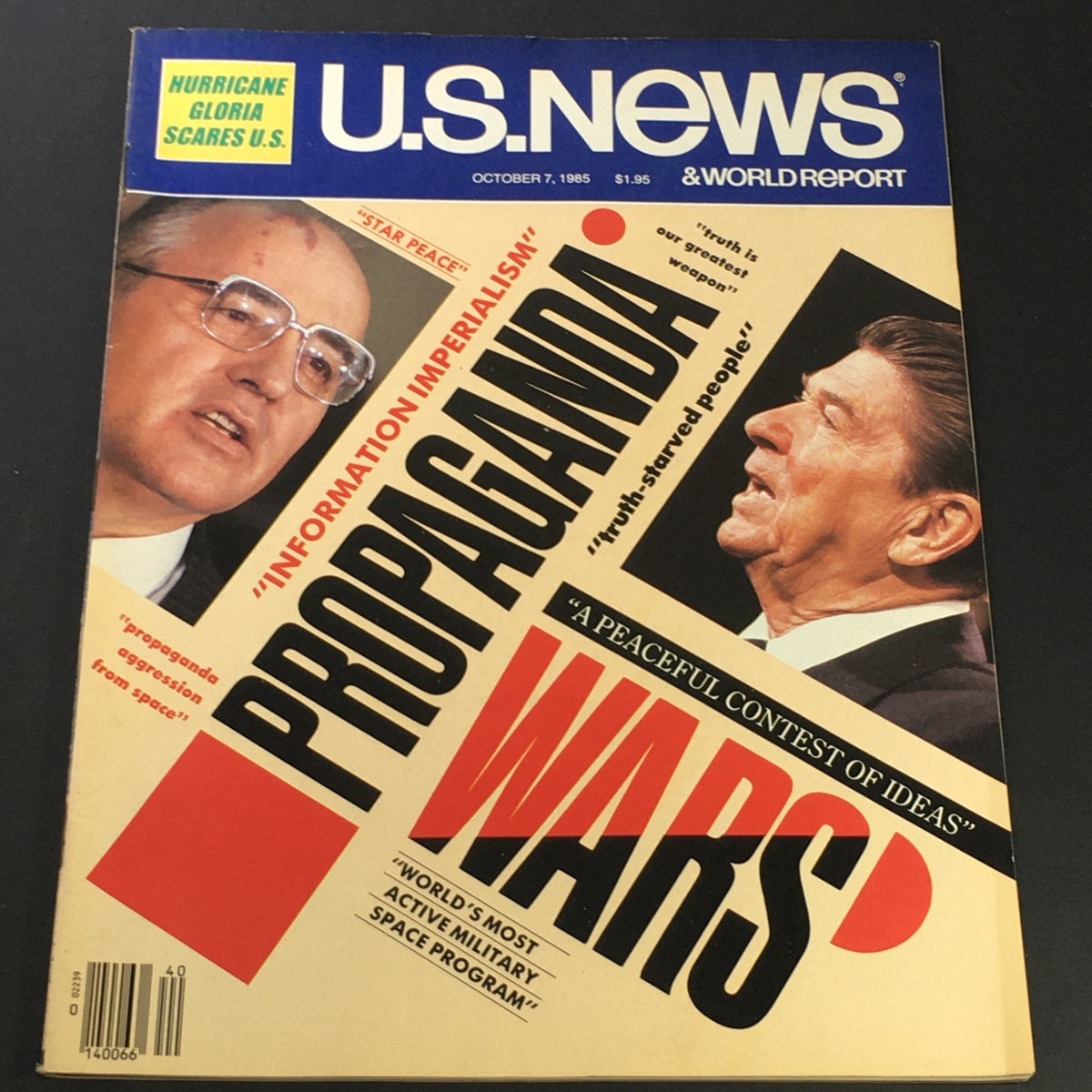
- Cold War Summit Issues — Coverage of landmark meetings with U.S. Presidents Reagan and Bush, including the Reykjavik and Malta summits, frequently surfaces across major American and European newsweeklies from the mid-to-late 1980s
- The Fall of the Berlin Wall (November 1989) — Among the most sought-after issues in any Cold War collection; publications worldwide devoted special editions and photo-heavy spreads to this watershed moment and the Soviet leader who made it possible
- The Nobel Peace Prize, 1990 — International press coverage of his Nobel laureateship offers a fascinating snapshot of how the world chose to define his legacy while history was still in motion
- The August Coup & Soviet Dissolution (1991) — Issues from August and December 1991 are historically electric, documenting the failed hardliner coup and the formal end of the USSR — events that transformed Gorbachev from reformer to a man without a country to lead
- Soviet & Eastern Bloc Publications — Domestic issues of Ogoniok and other Soviet periodicals from the glasnost era are rare primary sources, reflecting the loosening of censorship in real time and offering a view of the man that Western archives simply cannot replicate
The Collector's Value
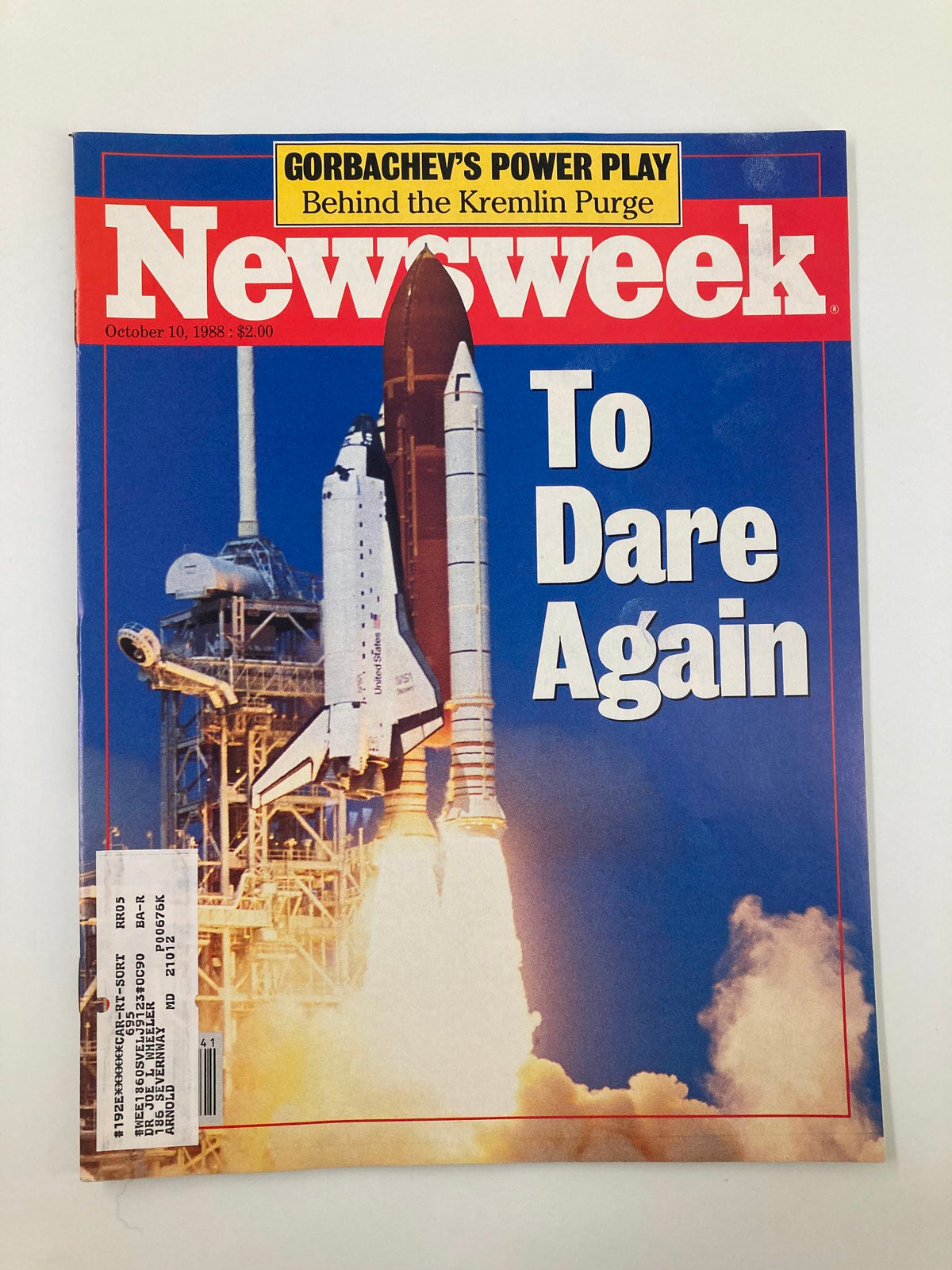
To hold one of these issues today is to hold a dispatch from the edge of history. The paper stock of a late-1980s Time or Der Spiegel carries a tactile authority that no digital archive can replicate — the slight brittleness of aged newsprint, the bold saturated inks of Cold War-era cover design, the surrounding advertisements for products and anxieties of a world that no longer exists. These are not reprints or commemorations; they are the first draft, sold at a newsstand the week the world was changing. For collectors of Cold War history, 20th-century political ephemera, or vintage international press, these publications offer something beyond decoration — they are primary source documents, artifacts of a pivotal civilization moment preserved in their original form, complete with the editorial voice, the visual language, and the cultural context of the age. Explore the current available inventory below, and find the piece of history that belongs in your collection.