📖 About this Collection
Nelson Rockefeller: Power, Patronage, and the Print Record of an American Dynasty
The Legend & The Legacy
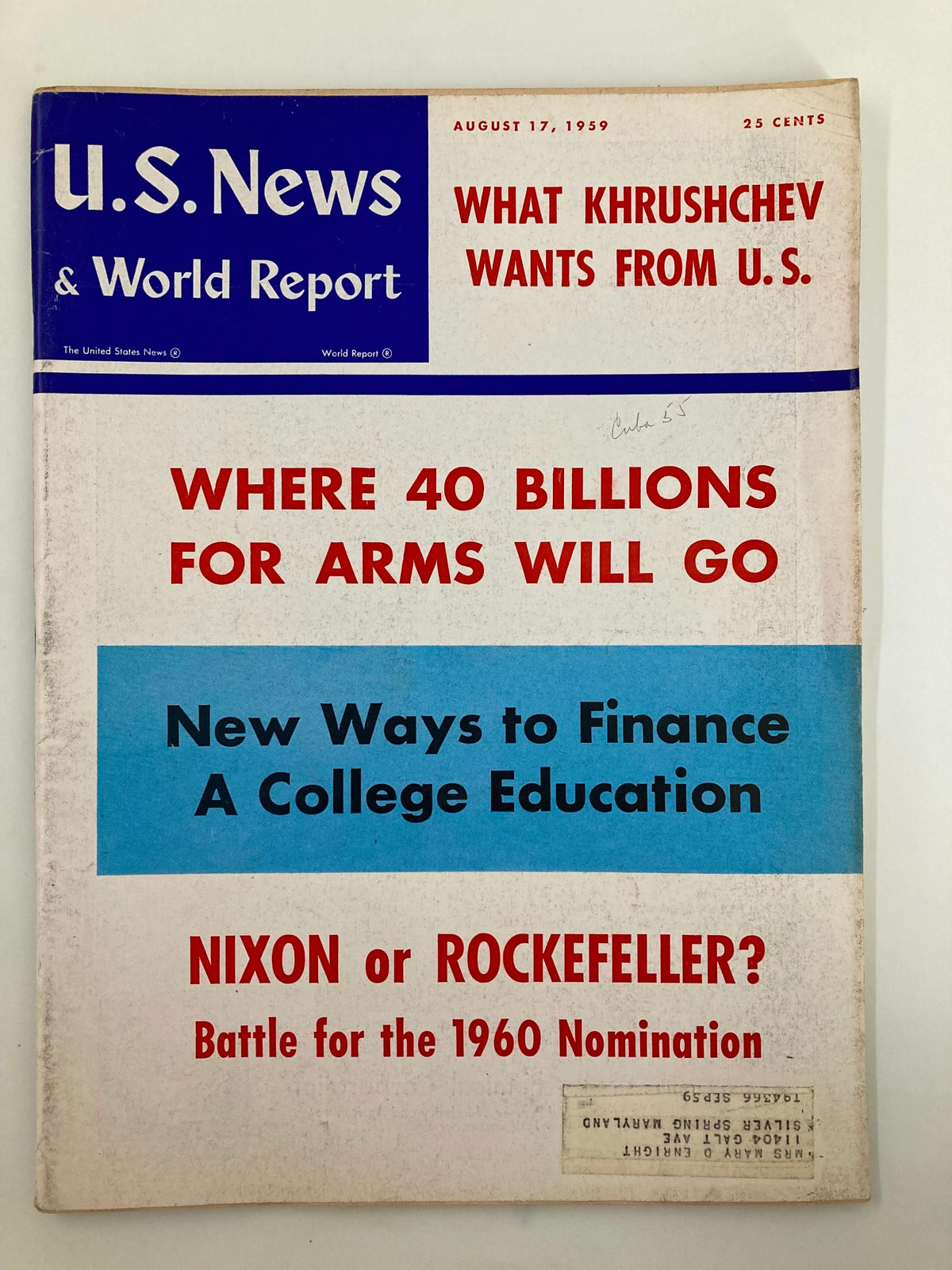
Nelson Aldrich Rockefeller occupied a singular space in the American imagination for nearly five decades — a man born to one of the greatest fortunes in history who nonetheless spent his life in relentless pursuit of something money could not simply purchase: the presidency. As Governor of New York from 1959 to 1973 and later as the 41st Vice President of the United States, he was a colossus of mid-century Republican politics, simultaneously admired for his internationalist vision and modernist cultural ambitions, and viewed with deep suspicion by the conservative wing of his own party. His was a life lived at the precise intersection of inherited privilege and genuine public ambition — a man who commissioned Diego Rivera murals and then ordered them destroyed, who built a gleaming Brutalist capital complex in Albany while simultaneously overseeing some of the most punishing drug legislation in American history. Long before the internet collapsed the distance between public figure and private citizen, Americans followed his career through the glossy and ink-heavy pages of the magazines that arrived at their doorsteps — journals that captured not only his political ascent but his role as a world-class art collector, a builder of monumental public architecture, and a dynastic heir navigating a rapidly changing nation. He was, in every sense, a figure too large and too contradictory for a single headline, which is precisely why the press returned to him, season after season, decade after decade. To read the magazines of his era is to understand how power looked, dressed, and spoke in postwar America — and how a nation simultaneously celebrated and wrestled with the idea of dynastic wealth in a democracy.
Inside the Archive
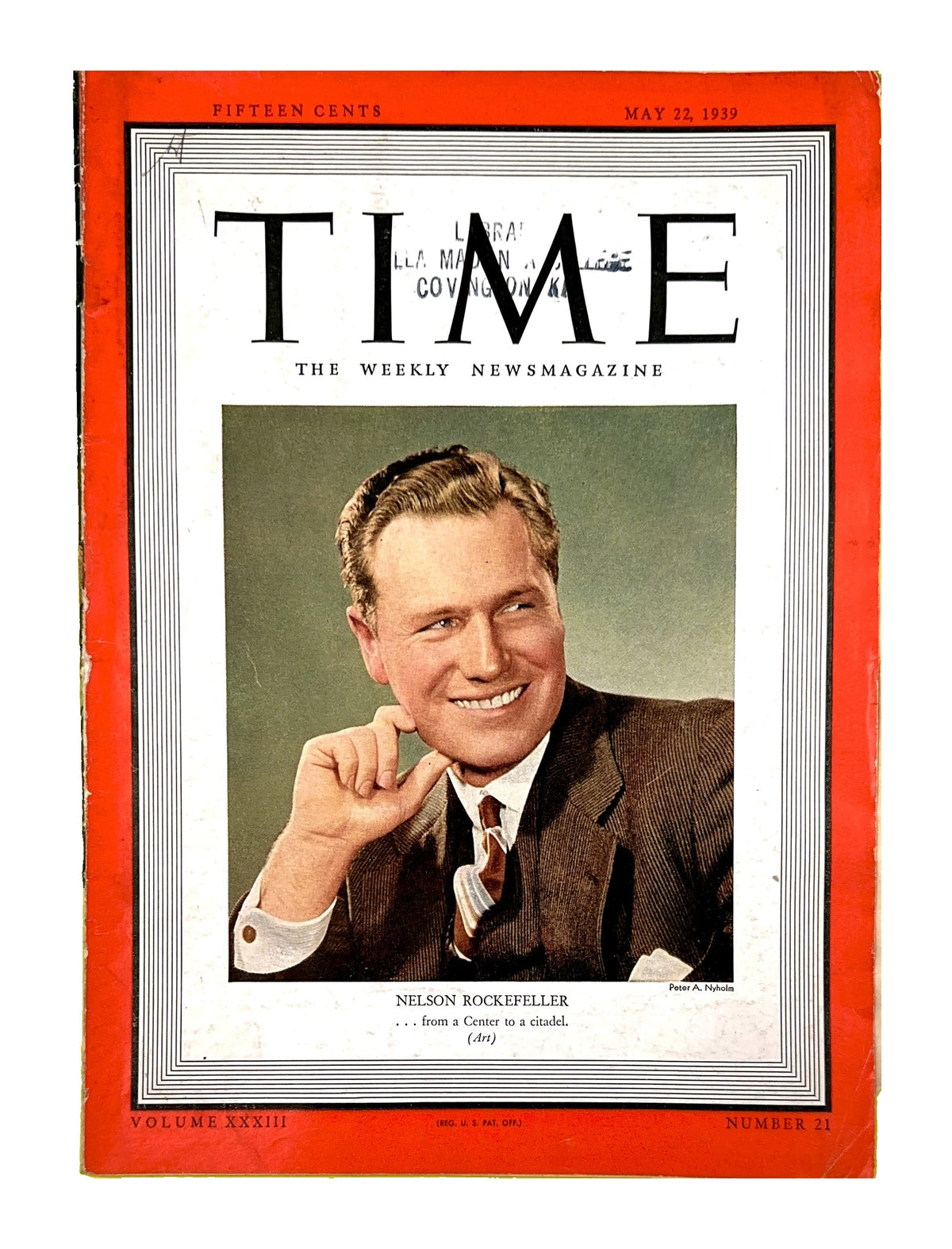
The vintage press treated Rockefeller with the reverence typically reserved for heads of state, because in many respects — financially, culturally, and diplomatically — he functioned as one. Life magazine returned to him repeatedly throughout the 1950s and 60s, deploying its signature full-bleed photography to capture the patrician ease with which he moved through governors' mansions, Latin American capitals, and the corridors of the United Nations. Time placed him on its cover multiple times, framing him as both a political heavyweight and an emblem of establishment American confidence, its editorial voice oscillating between admiration and shrewd analysis of his perpetual White House ambitions. Newsweek, his great rival publication on the newsstands, provided a counterpoint perspective — particularly during the bruising Republican primary battles of 1964 and 1968, when his moderate Republicanism clashed spectacularly with the rising Goldwater and Nixon factions. Beyond the major weeklies, prestige monthlies and arts journals such as ARTnews chronicled his role as one of the most influential collectors and institutional patrons of the twentieth century, documenting acquisitions, gallery openings, and his towering influence over MoMA with the same gravity that political titles gave to his legislative record. International titles such as Paris Match and British weeklies covered him as a figure of global consequence, especially during his years as Special Assistant for Cold War strategy under Eisenhower, when foreign audiences understood that a Rockefeller in government meant something far beyond party politics. Taken together, this vast body of print coverage forms a mosaic portrait of a man who was never simply a politician, never simply a philanthropist, and never — not for a single decade — out of the public eye.
Curator's Checklist: Highlights Often Include
-
Gubernatorial Era Coverage (1959–1973): Issues documenting his transformative — and often controversial — tenure as New York's governor, including the expansion of the State University system, the construction of the Albany Mall megaproject, and the catastrophic Attica Prison uprising of 1971, which defined and haunted the later chapters of his public life; editorial reactions in this period range from celebratory to deeply critical, offering collectors a remarkably balanced historical record
-
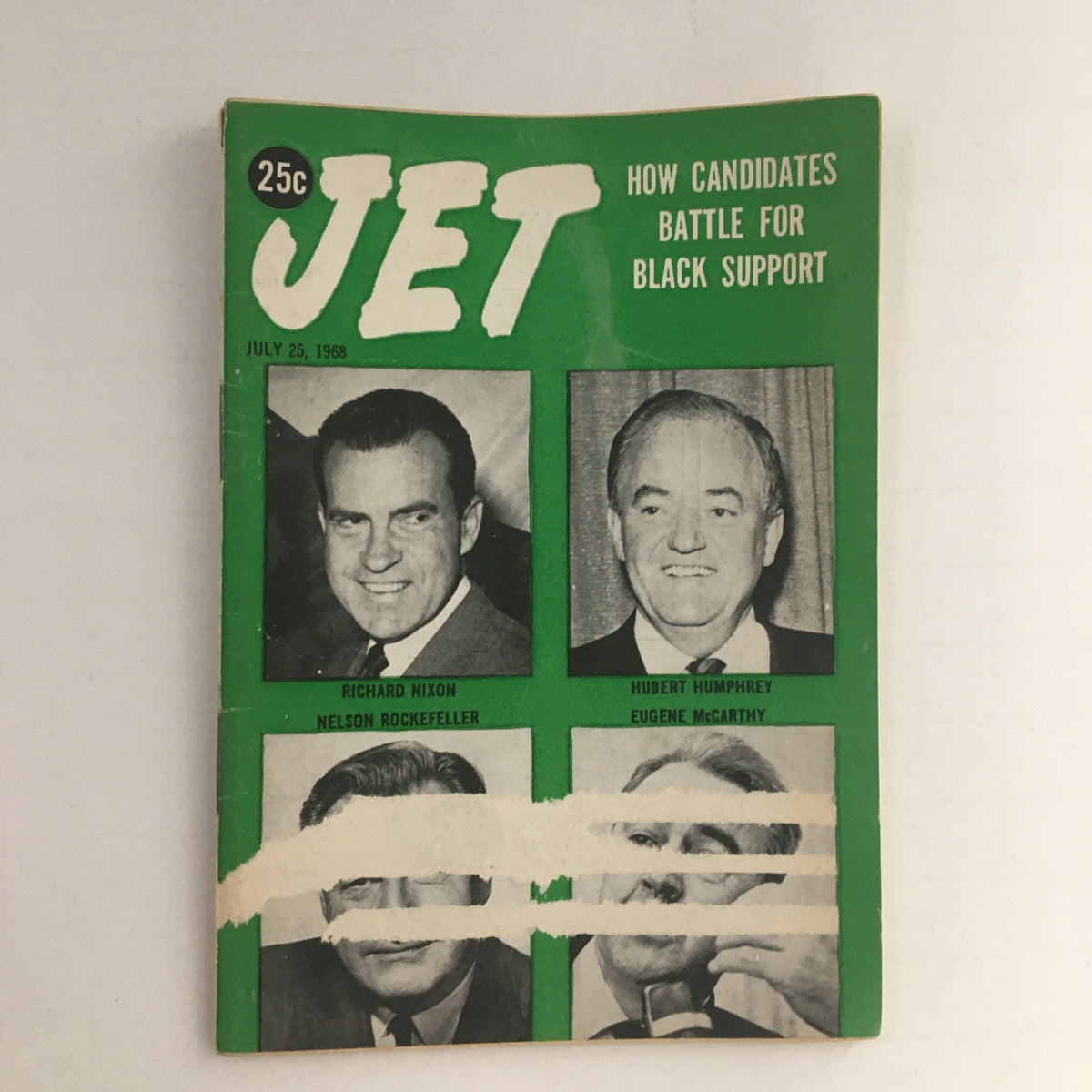
Presidential Campaign Issues: Editorial features and political photography from his three failed bids for the Republican presidential nomination (1960, 1964, 1968), offering a fascinating window into the ideological civil war within mid-century conservatism; these issues frequently include broader features on the fracturing of the GOP establishment, making them invaluable documents of American political realignment
-
Art & Culture Features: Profiles in arts and society publications highlighting his world-renowned collection of modern and primitive art, his foundational role at the Museum of Modern Art (MoMA), and the cultural diplomacy he practiced as fluently as electoral politics; coverage often includes stunning reproductions of works from his personal collection alongside interviews that reveal a man of genuine, if paternalistic, aesthetic conviction
-
Vice Presidential Confirmation & Ford Administration: Coverage from late 1974 and 1975 documenting his historic Senate confirmation hearings — the second person ever confirmed to the vice presidency under the 25th Amendment — and his complex, often marginalized role under President Gerald Ford; this era of coverage is particularly rich for students of constitutional history and the post-Watergate rehabilitation of American political institutions
-
Society & Dynasty Portraiture: Features in prestige titles capturing the Rockefeller family across generations, from Pocantico Hills estate spreads to international diplomatic gatherings, presenting the visual iconography of American aristocracy at its postwar apex; these spreads offer collectors not merely a portrait of one man but an immersive window into the world of mid-century elite America — its interiors, its fashions, its carefully managed public image, and the quiet machinery of dynastic influence
The Collector's Value
There is simply no digital substitute for holding an original issue of Time or Life from the early 1960s, its cover stock still vivid, the interior pages carrying that unmistakable scent of aged ink and coated paper that no archive scan can replicate. These are objects that sat on coffee tables in Brooklyn apartments and rural Ohio living rooms while their readers debated the very politics depicted inside — they are primary sources with a pulse, carrying within their pages the unfiltered editorial sensibility of the moment, untouched by the revisionism that inevitably colors later historical accounts. The surrounding advertisements alone constitute a time capsule of remarkable richness: the automobiles, the cigarette brands, the gleaming kitchen appliances, and the Cold War optimism embedded in every product claim speak to a world that has entirely vanished, preserved in print with an accidental completeness that no documentary could manufacture. Each issue is, in the truest sense, a relic — an object that has survived decades of attics, estate sales, and library deaccessions to arrive, still intact, still legible, still capable of producing genuine surprise in the reader who turns its pages. For collectors of American political history, mid-century modern art and culture, or Rockefeller family and Gilded Age dynasty memorabilia, these publications offer an irreplaceable and tangible connection to one of the most consequential figures of the twentieth century, rendered in the full visual and editorial language of his own time. Explore our current available inventory below and discover which original pieces are waiting to find their next devoted custodian.