📖 About this Collection
Nicki Minaj: The Queen's Crown, Pressed in Ink
The Legend & The Legacy
When Onika Tanya Maraj emerged from the boroughs of New York in the late 2000s and ascended to the summit of popular culture by the early 2010s, the world was still navigating the seismic shift between print and digital media — and for one extraordinary moment, she existed fully in both. The Trinidad-born rapper, singer, and cultural force redefined what a woman in hip-hop could be: unapologetically maximalist, lyrically ferocious, and visually unlike anything the industry had seen before. Before streaming algorithms and Instagram feeds shaped how the world consumed celebrity, it was the glossy, oversized pages of print magazines that gave her image its first monumental scale. Readers pulled issues from newsstands and witnessed something rare — a new archetype being born in real time, rendered in full-bleed photography and breathless editorial prose that struggled, magnificently, to keep pace with her.
Inside the Archive
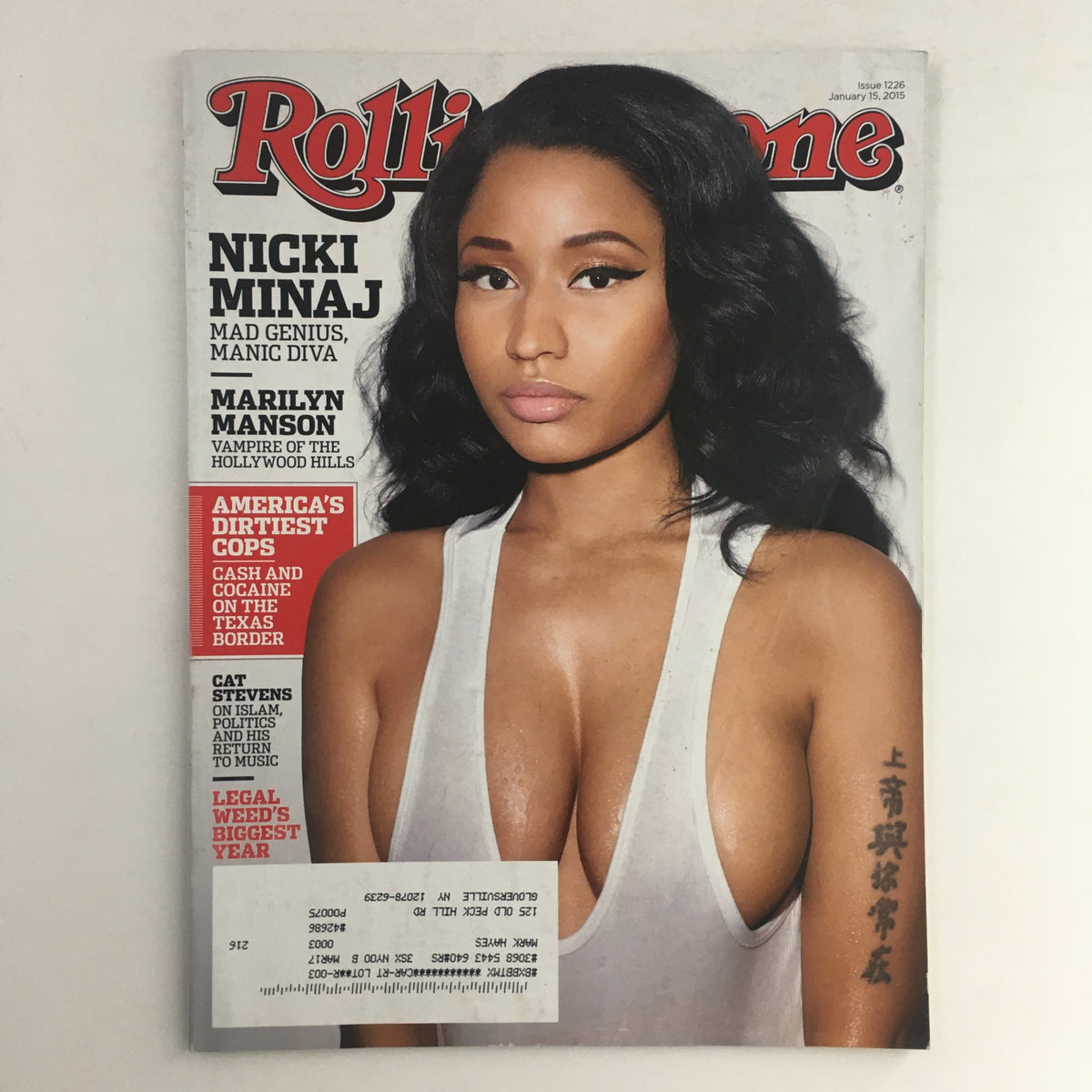
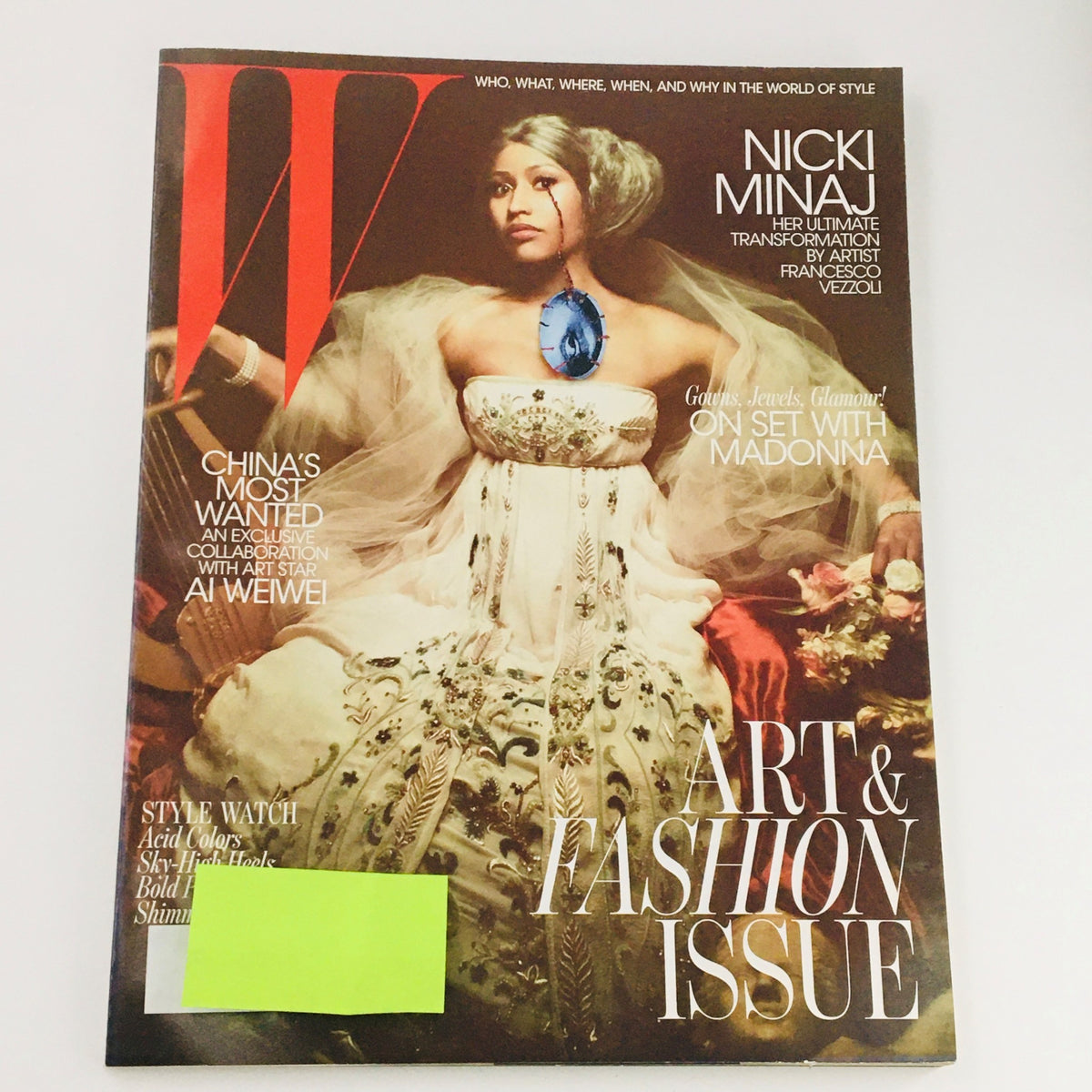
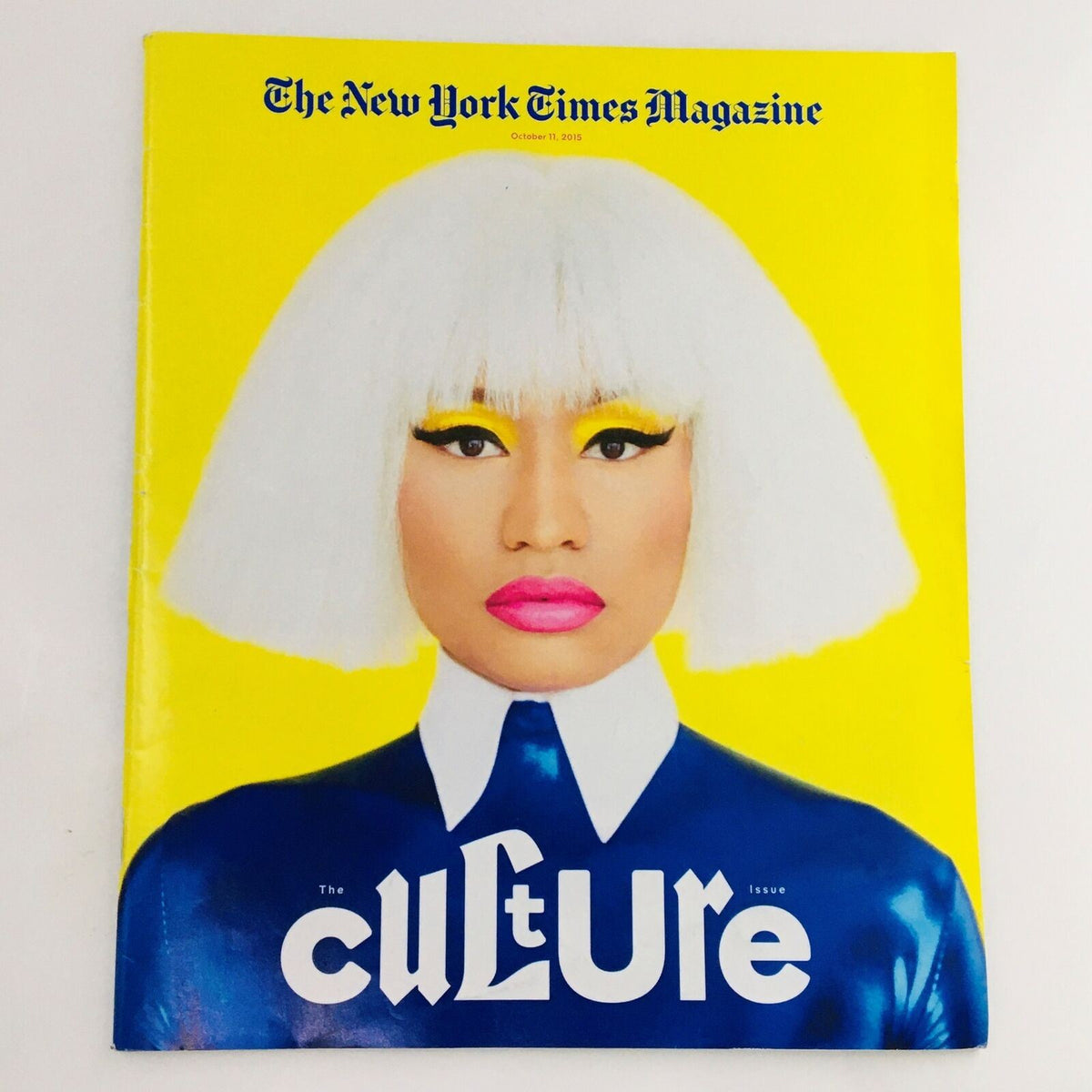
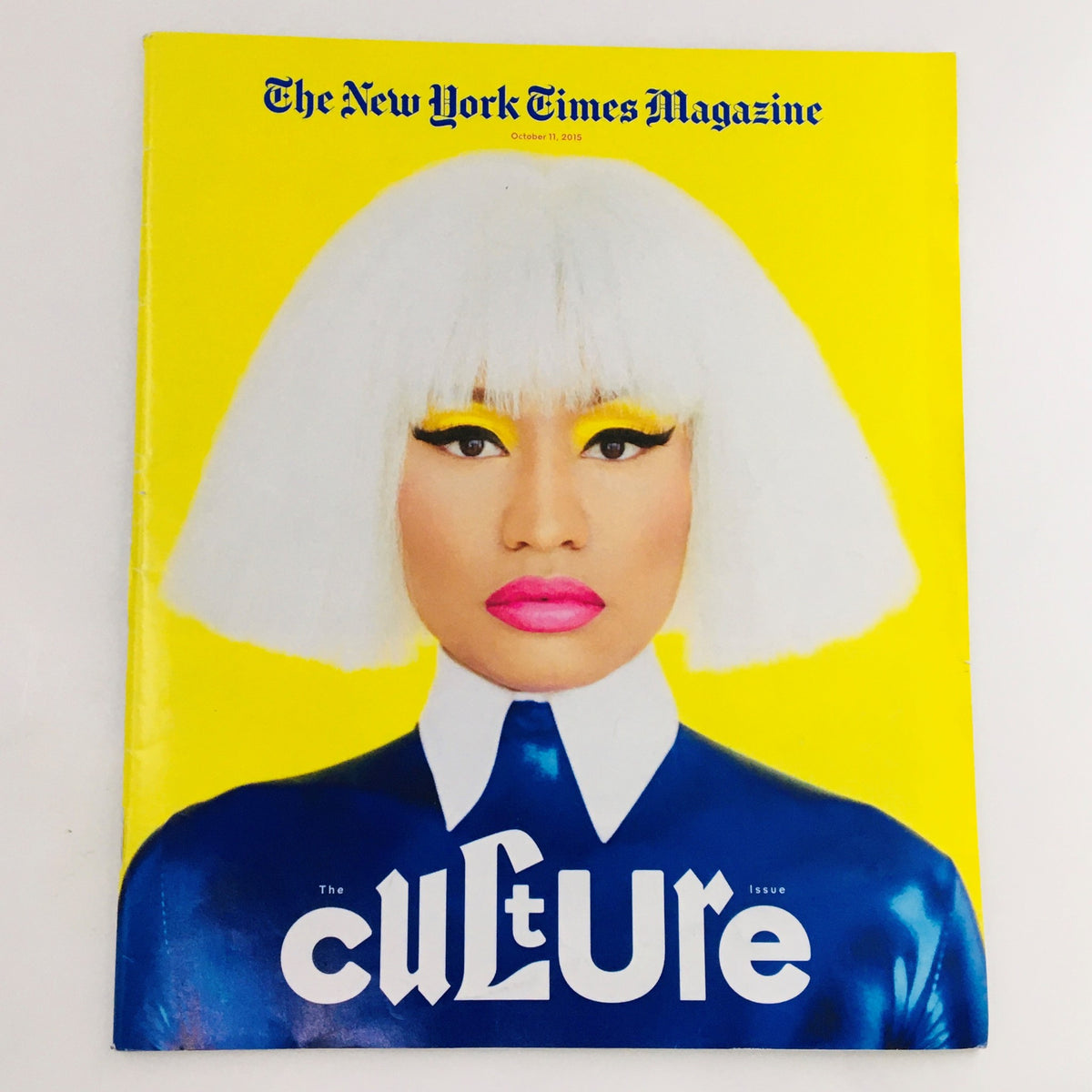
Vintage magazine coverage of the Young Money empress was as theatrical and layered as the artist herself. Editorial photographers leaned hard into her signature aesthetic — the gravity-defying wigs in candy colors, the corseted silhouettes, the almost baroque maximalism — producing spreads that read less like celebrity profiles and more like high-fashion mythology. The tone of features from this era swung between reverent and provocative, reflecting a media landscape still grappling with how to frame a Black woman who refused categorization. Vibe and XXL chronicled her rise from mixtape circuit royalty to mainstream dominance with the gravitas of music historians, while Elle and Harper's Bazaar positioned her alongside the haute couture establishment, signaling a cultural crossover that felt genuinely seismic. Complex magazine, in particular, became one of the defining visual archives of her early peak years, delivering cover shoots that are now considered landmark documents of 2010s hip-hop culture.
Curator's Checklist: Highlights Often Include
- Breakthrough-era hip-hop publications from 2008–2012 documenting her meteoric rise through the mixtape underground and her landmark debut, Pink Friday — coverage that reads today as a firsthand account of a star being born
- Crossover fashion and lifestyle features from mainstream glossies capturing the moment the broader cultural establishment acknowledged her as a force beyond genre, complete with the lavish, high-concept photography of that recognition
- International editions from European and Caribbean publications offering a distinct, outside-looking-in perspective on her global reach and the diaspora pride she inspired
- Chart milestone and award season issues — entertainment weeklies and music trade publications marking her record-breaking runs on the Billboard charts and her historic place as a solo female force in a male-dominated genre
- Collaborative and dual-cover features appearing alongside contemporaries like Beyoncé, Rihanna, or Kanye West, which function as extraordinary time capsules of an entire cultural moment frozen on a single cover
The Collector's Value
To hold one of these original issues is to hold something the internet, for all its abundance, simply cannot replicate. The paper stock of a early-2010s Vibe or Complex has a particular weight to it — coated, cool to the touch, with a rigidity that speaks to the era's confidence in print as permanence. The ink carries that faint, petroleum-sweet scent that anyone who grew up thumbing through magazine racks will recognize instantly as the smell of anticipation. The surrounding advertisements are their own archaeology: the fashion campaigns, the fragrance launches, the flip-phone and early smartphone ads that bracket the editorial content and date the object with startling precision, grounding the superstar's image in a specific, irretrievable cultural moment. These are not reprints, not scans, not digital archives — they are primary sources, each one a surviving artifact of the era when a Trinidadian girl from South Jamaica, Queens reshaped the architecture of popular music. For collectors of hip-hop memorabilia, early 21st-century fashion history, or contemporary Black cultural archives, these publications offer an irreplaceable window into a pivotal chapter, told in the visual language of the moment it was lived. Browse the current available inventory below and discover which piece of that history is waiting for you.