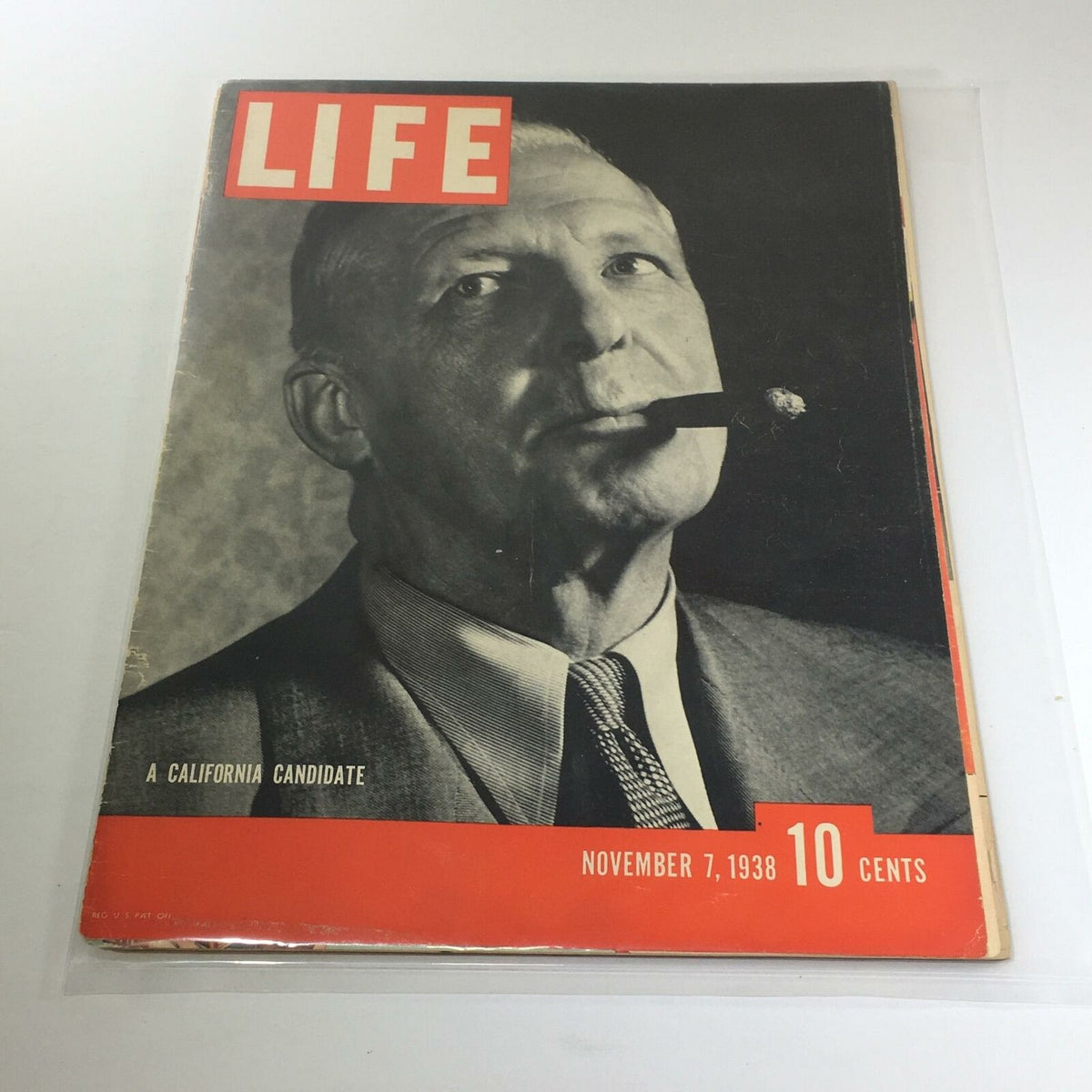
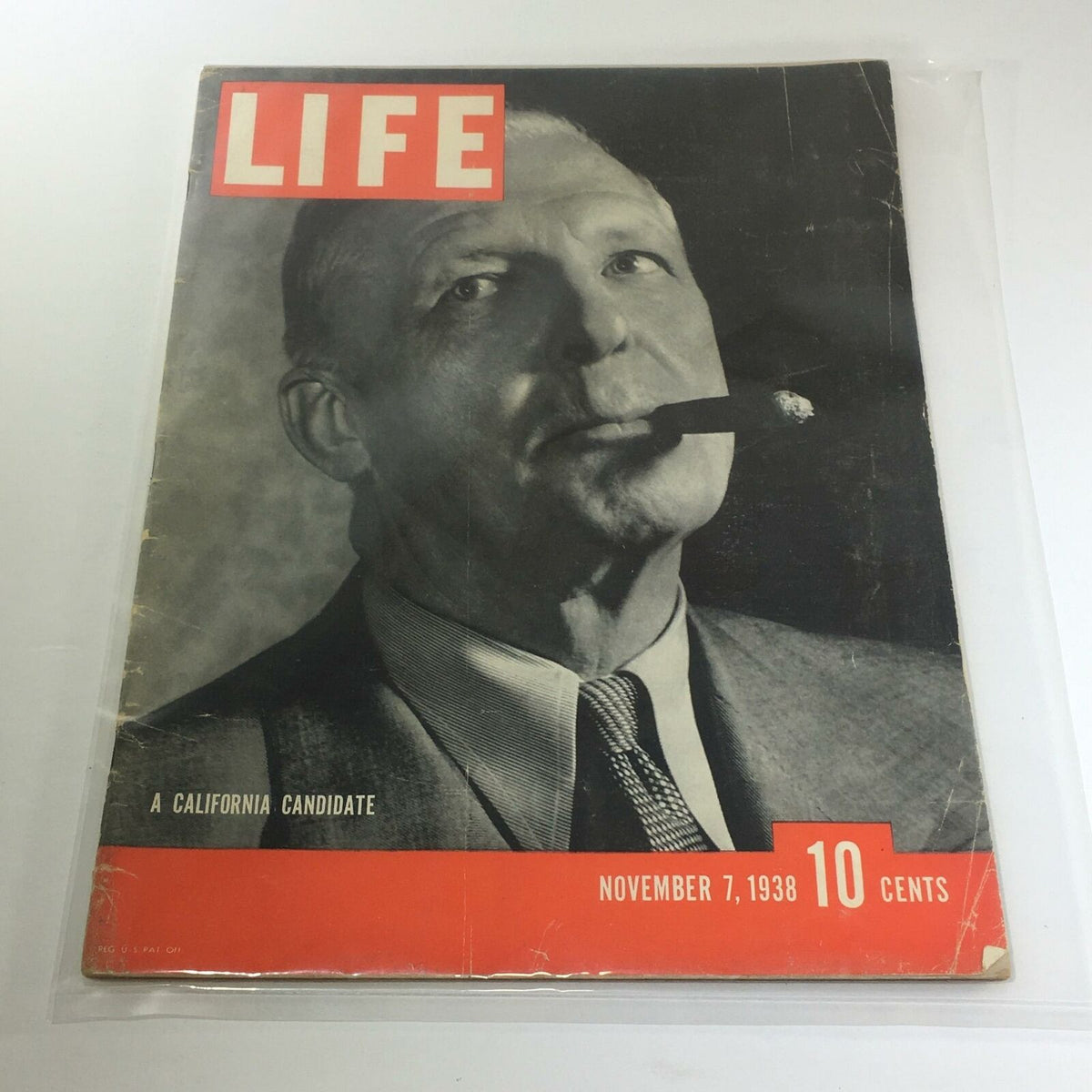
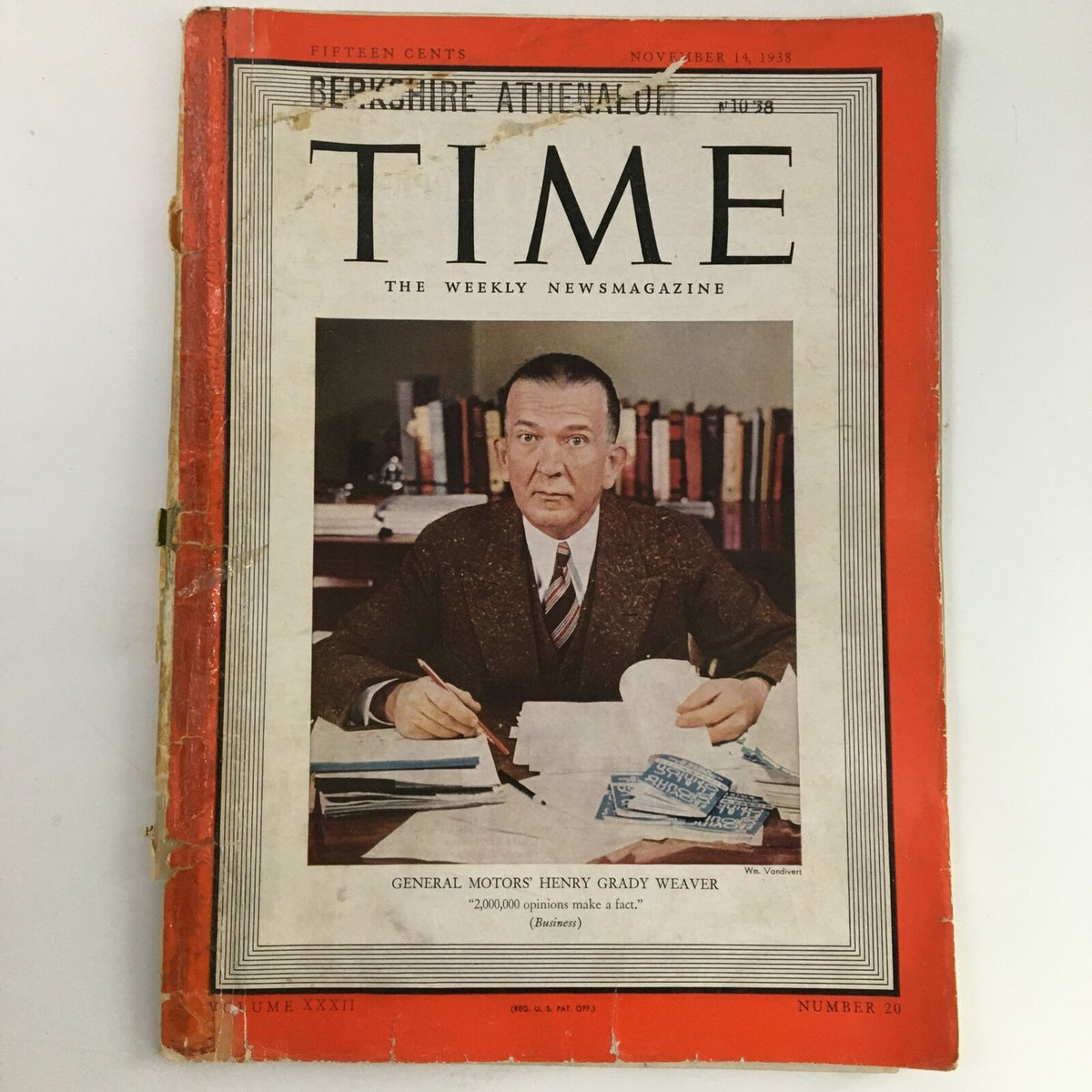
📖 About this Collection
November 1938: The Night Glass Shattered
The Historical Context
Europe stood at a precipice in November 1938, and the world watched with mounting dread. On the night of November 9th, the sound of breaking glass echoed across Germany and Austria as Nazi stormtroopers descended on Jewish homes, businesses, and synagogues in a coordinated wave of violence that would be remembered as Kristallnacht—the Night of Broken Glass. What had begun four days earlier, when a young Polish-Jewish teenager named Herschel Grynszpan shot German diplomat Ernst vom Rath in Paris, became a pretext for the first large-scale, state-sanctioned pogrom of the Nazi era. German authorities then levied a billion-mark fine against the Jewish population itself, blaming the community for the violence enacted upon them. Across the Atlantic, Father Coughlin delivered the first documented antisemitic remarks over American radio, signaling how far the poison had spread. This was the world's darkest November—and the one your loved one entered.
Culture, Sport & the American Pulse
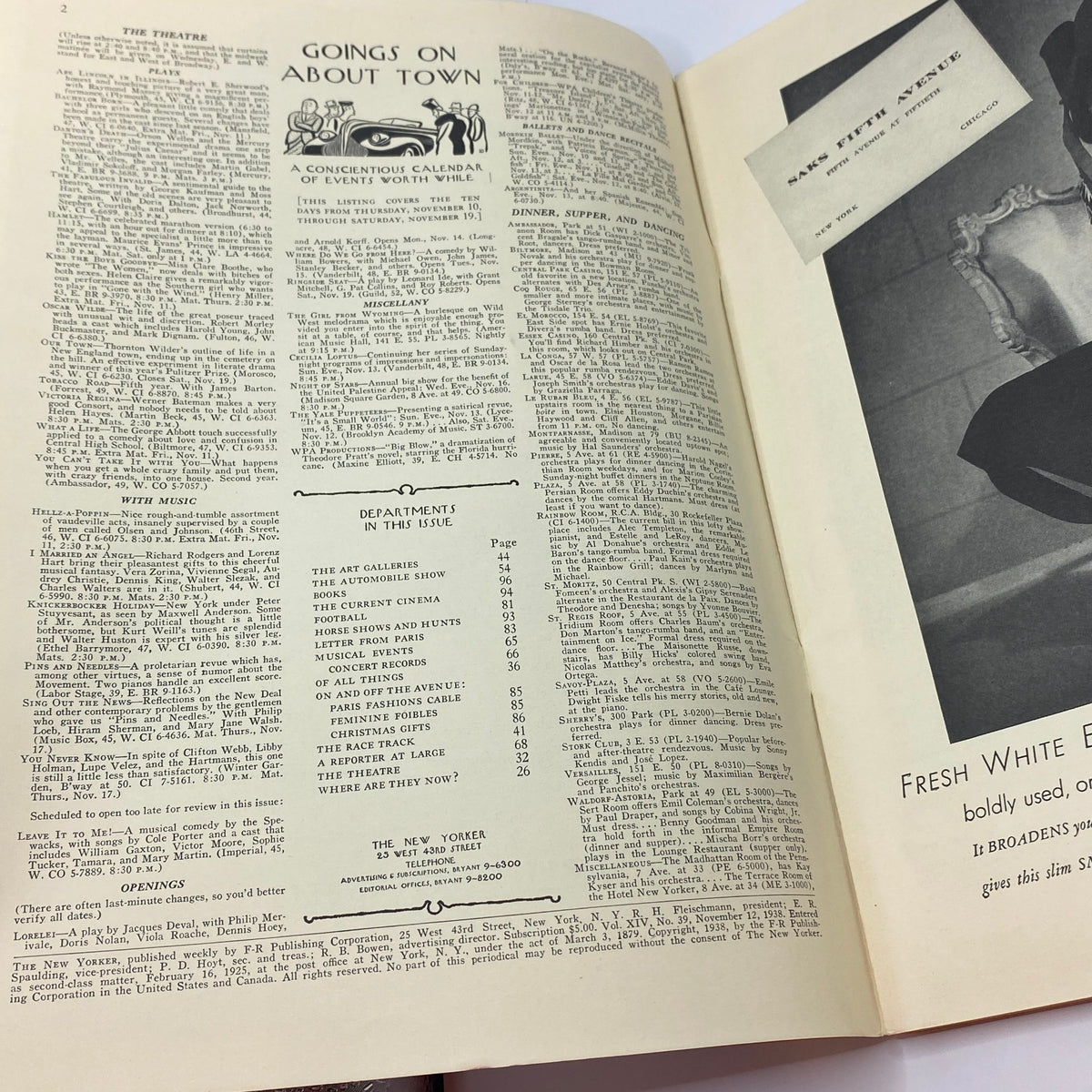
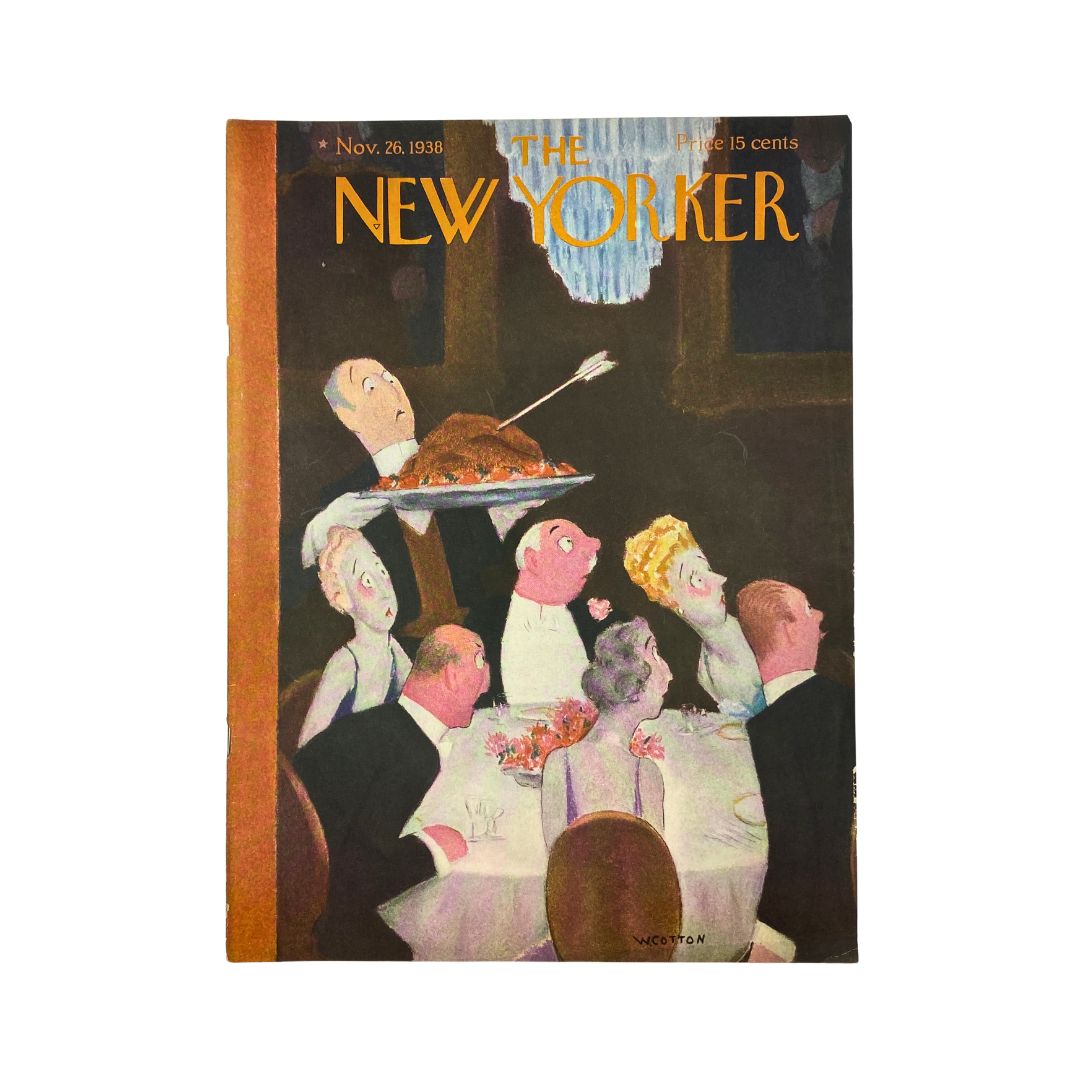
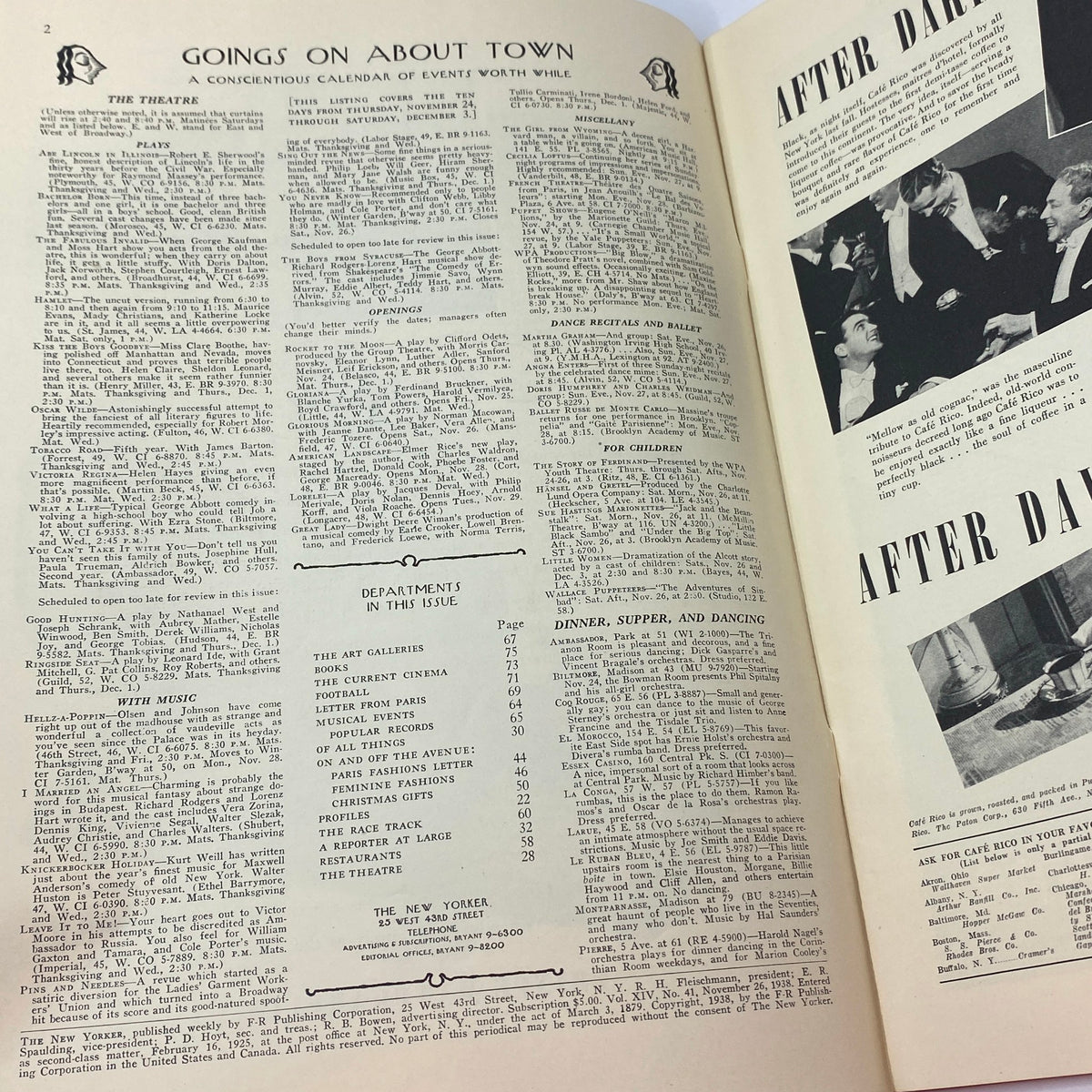
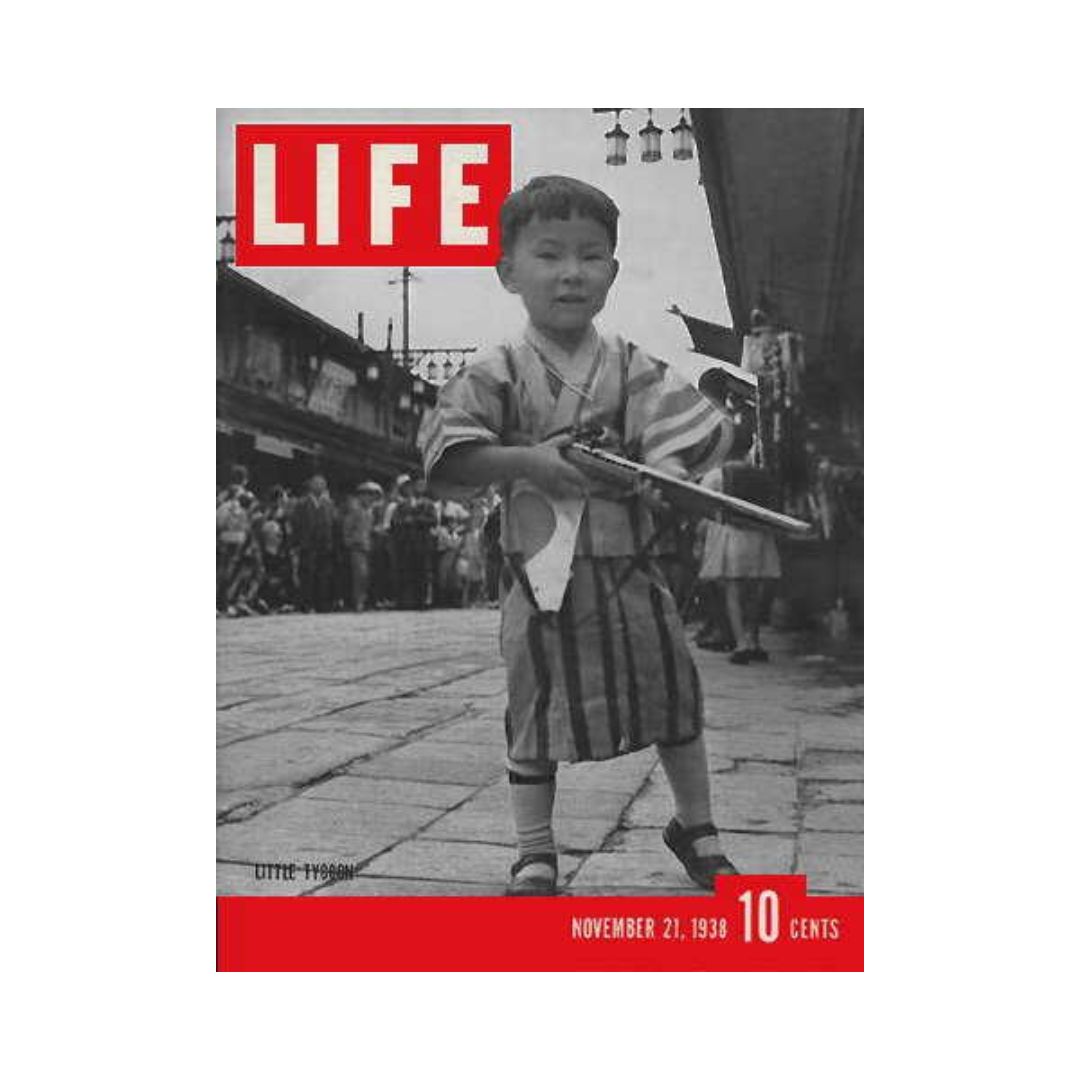
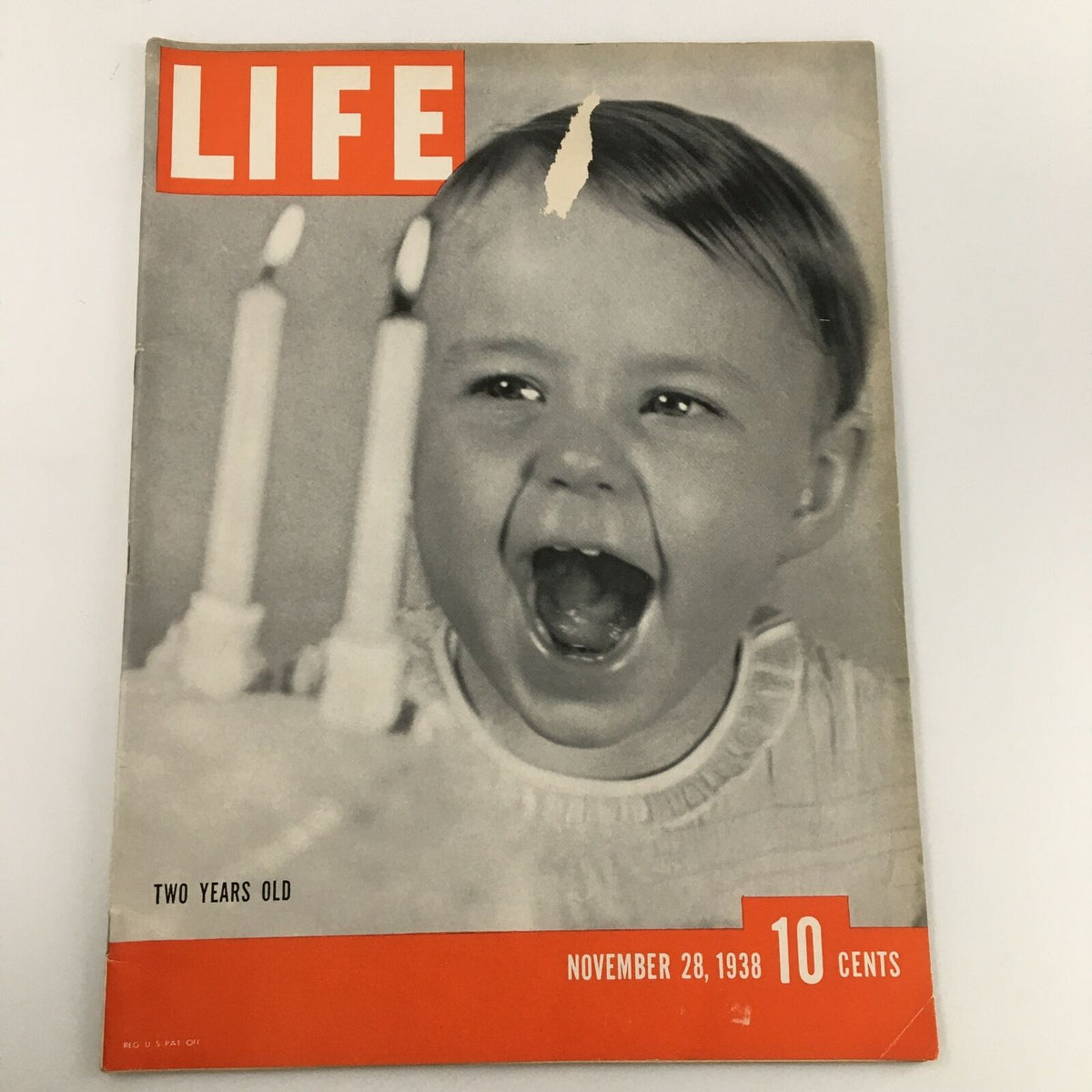
Yet America, even in the shadow of European darkness, was alive with its own vivid energies. On November 1st, Pimlico Race Course hosted what many still regard as the greatest match race in thoroughbred history: Seabiscuit, the scrappy underdog beloved by Depression-weary America, defeated 1937 Triple Crown champion War Admiral by three lengths in record time. Newsrooms from coast to coast erupted. Life and Look scrambled their photographers; Time put the race on its radar as the sporting moment of the year. In Cincinnati, catcher Ernie Lombardi claimed the National League MVP—the first backstop ever to win the honor—while Jimmie Foxx took the American League award for a historic third time. On Broadway, Thornton Wilder's Our Town closed its celebrated run, Pulitzer in hand. Original magazines from November 1938 capture this collision of joy and foreboding: cigarette and automobile ads alongside front-page horror, the American smile held against a European grimace.
The Curator's Checklist
-
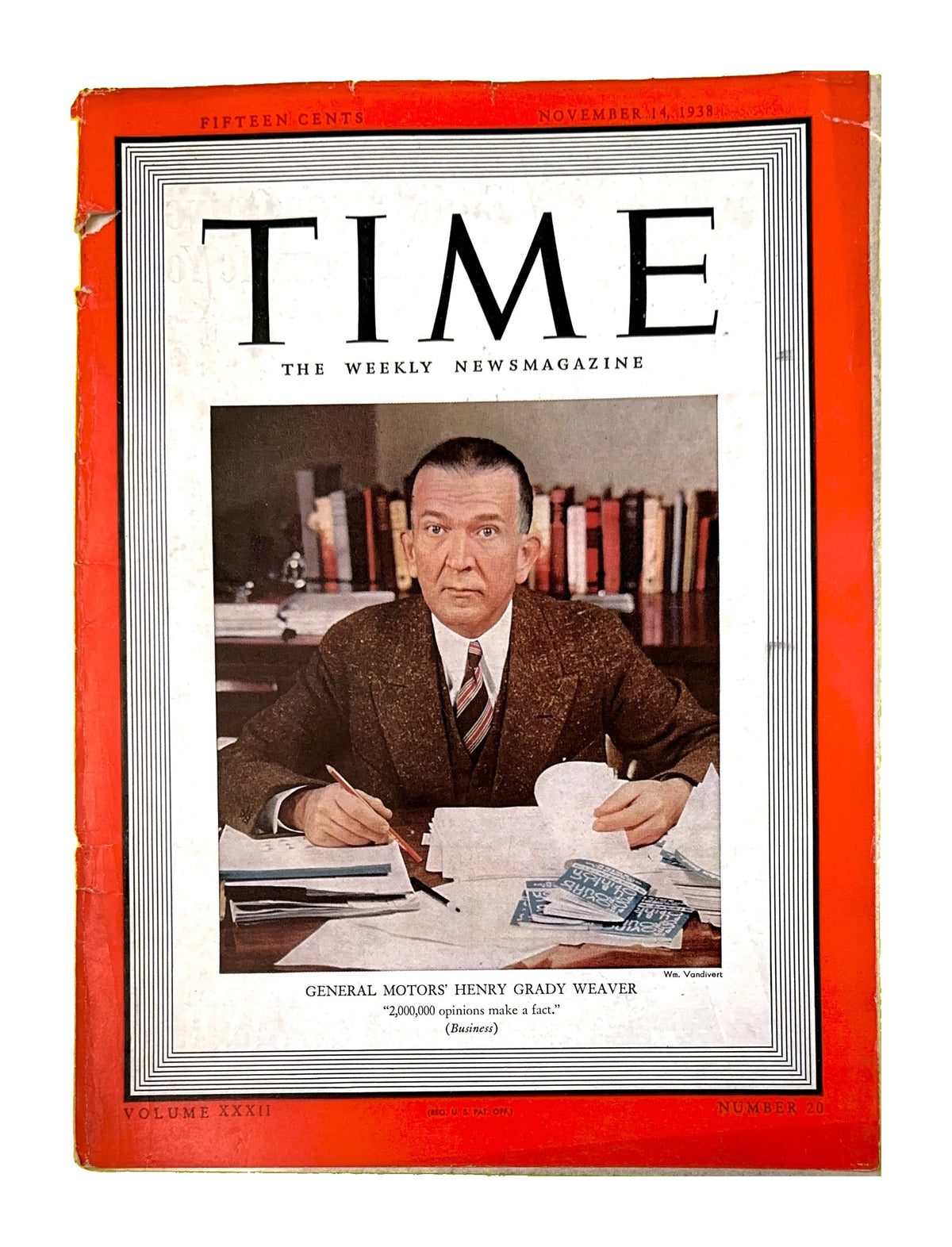
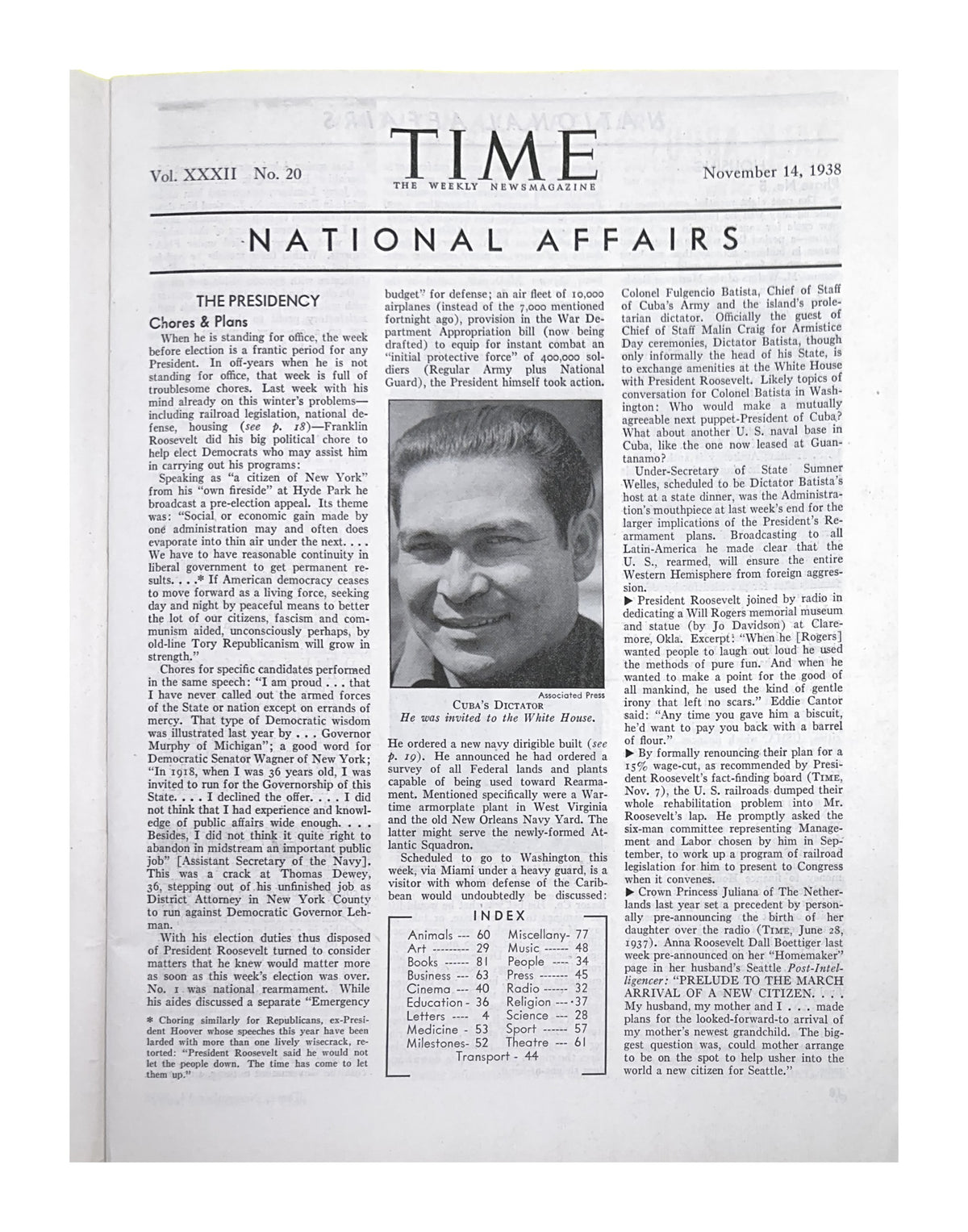
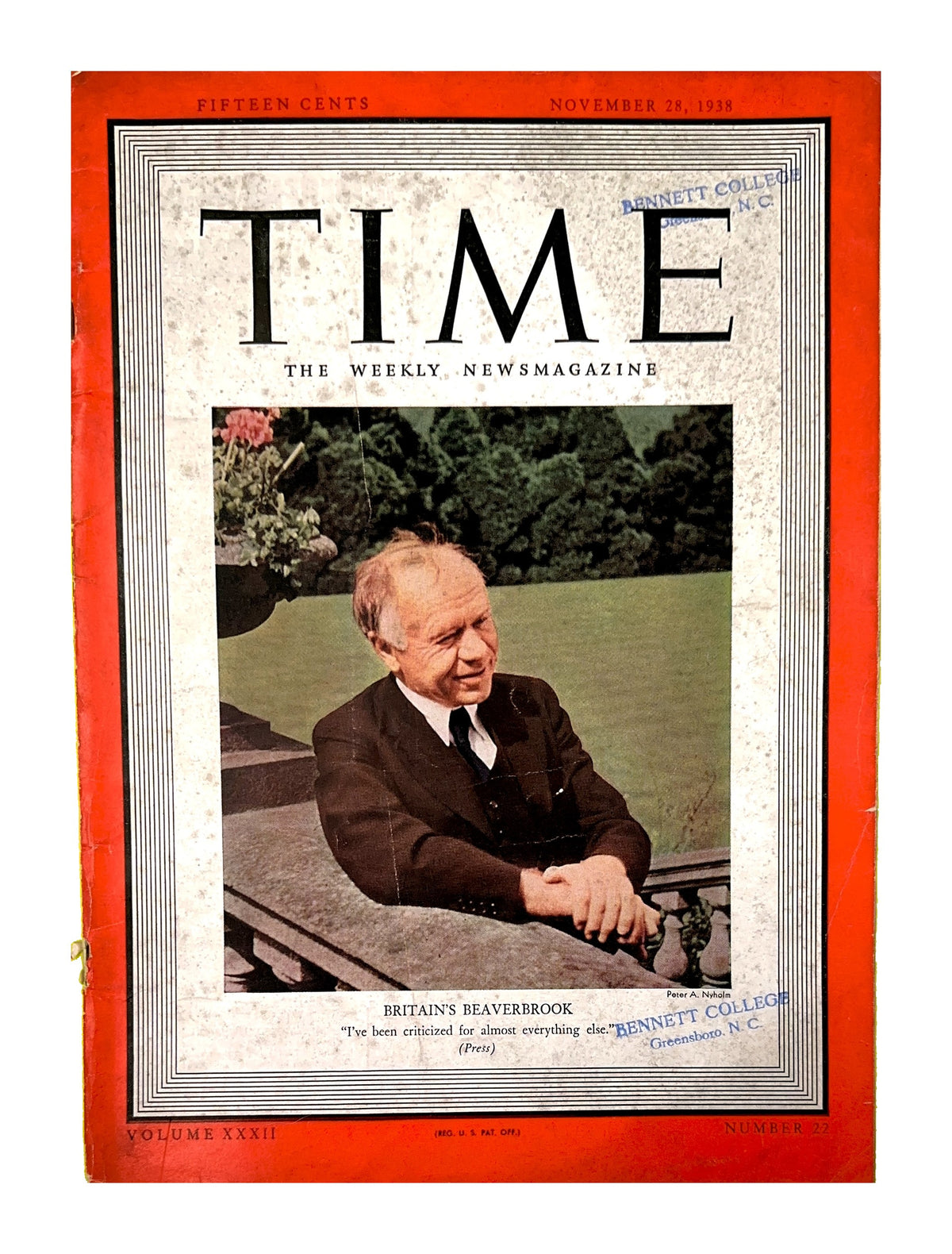
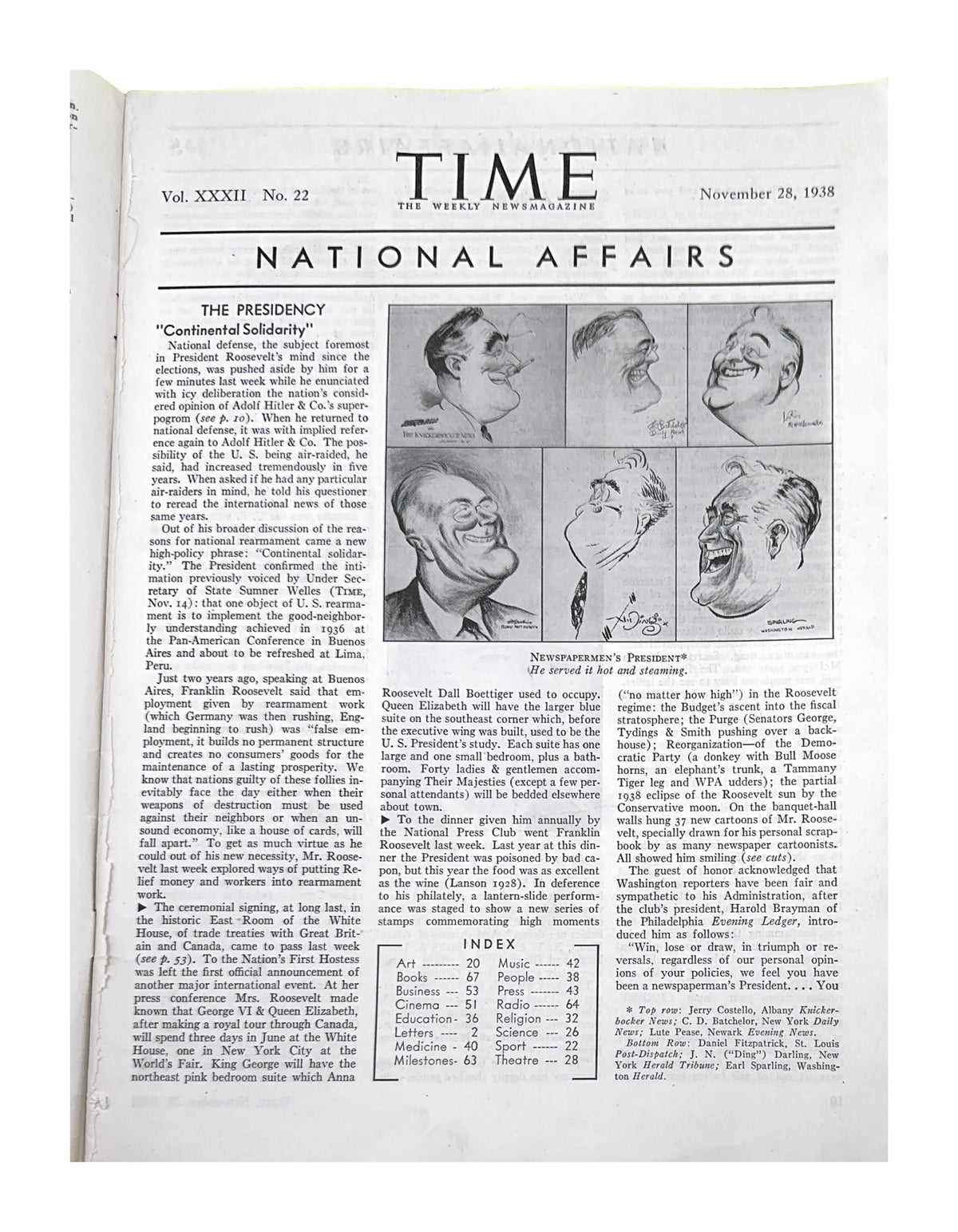
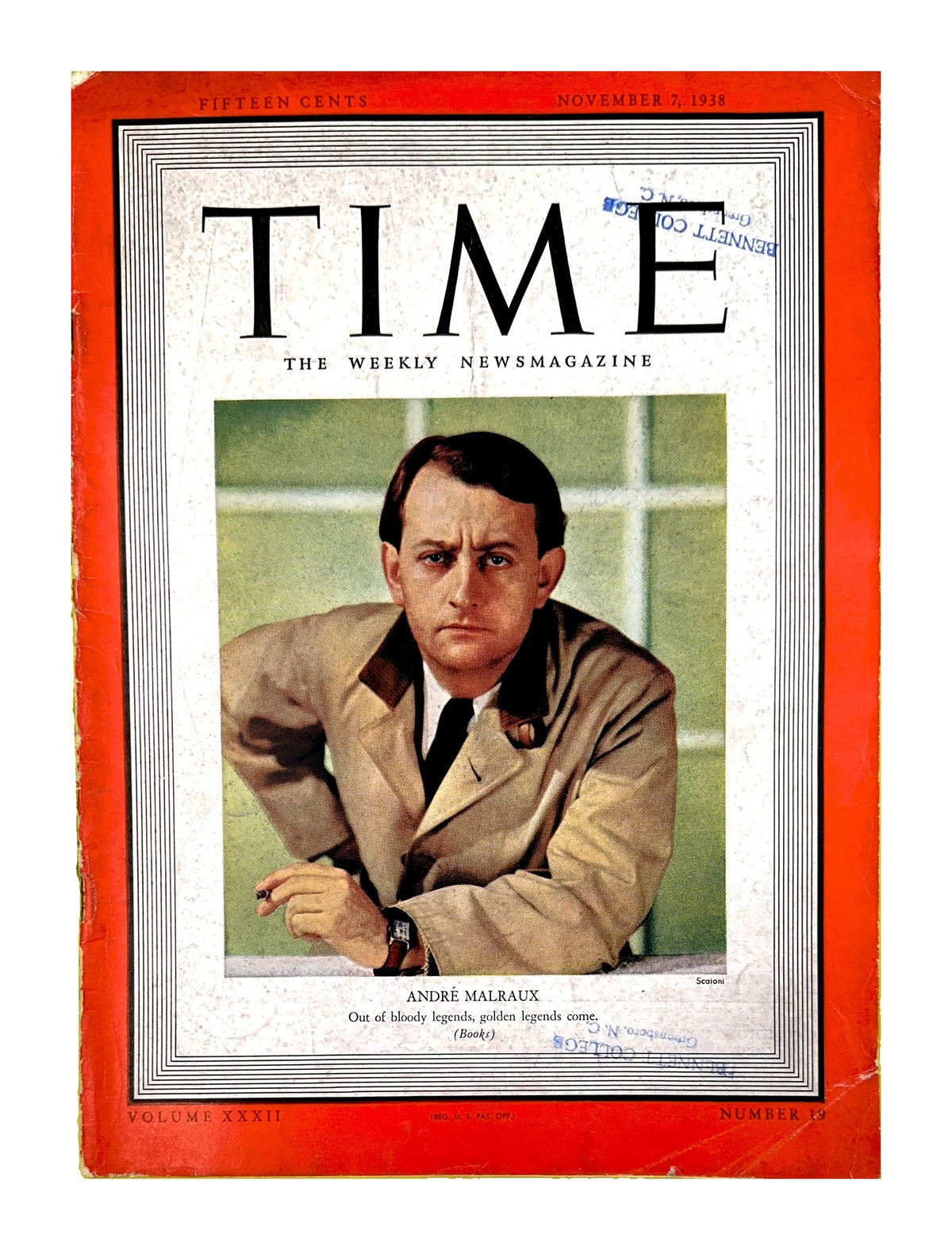
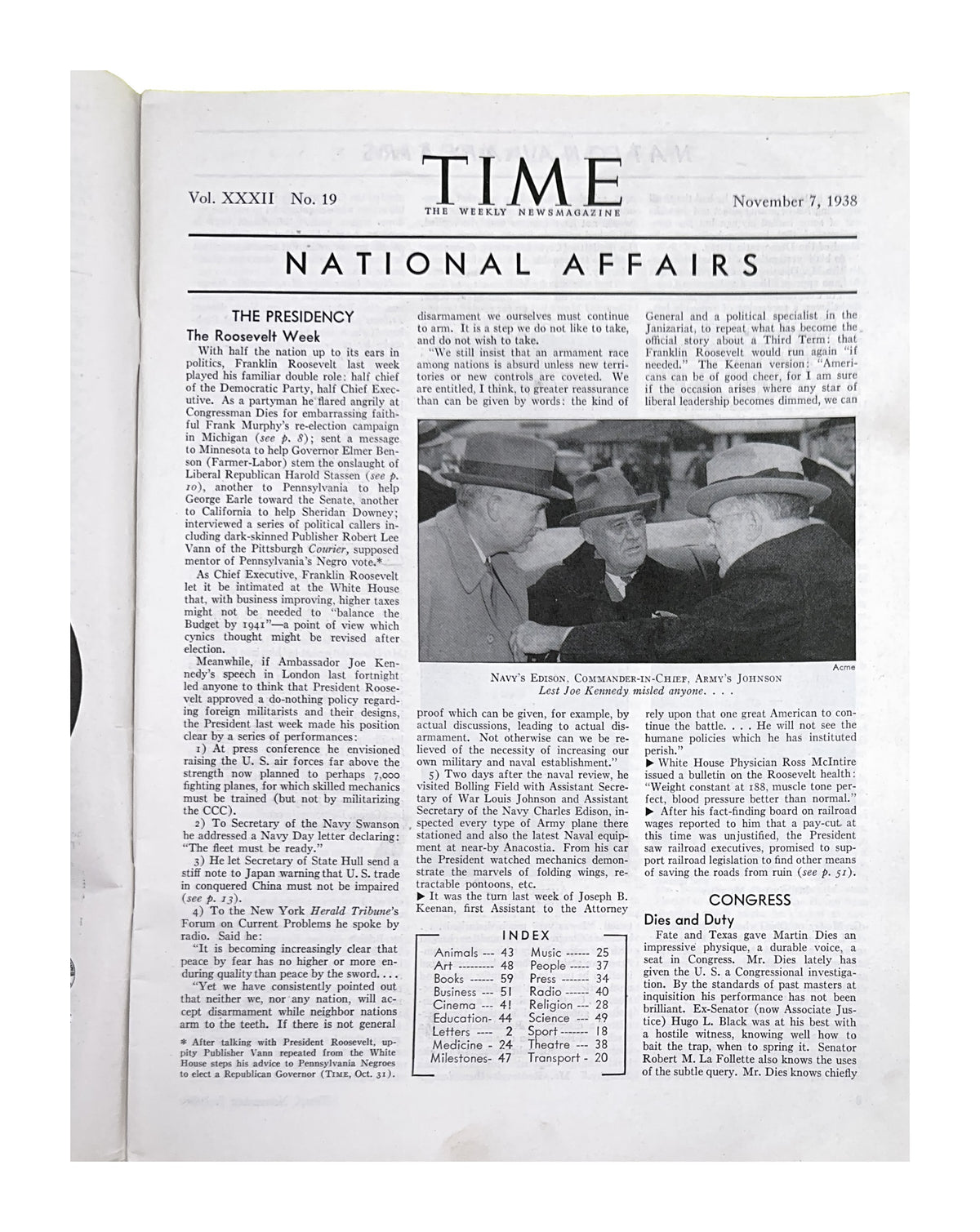
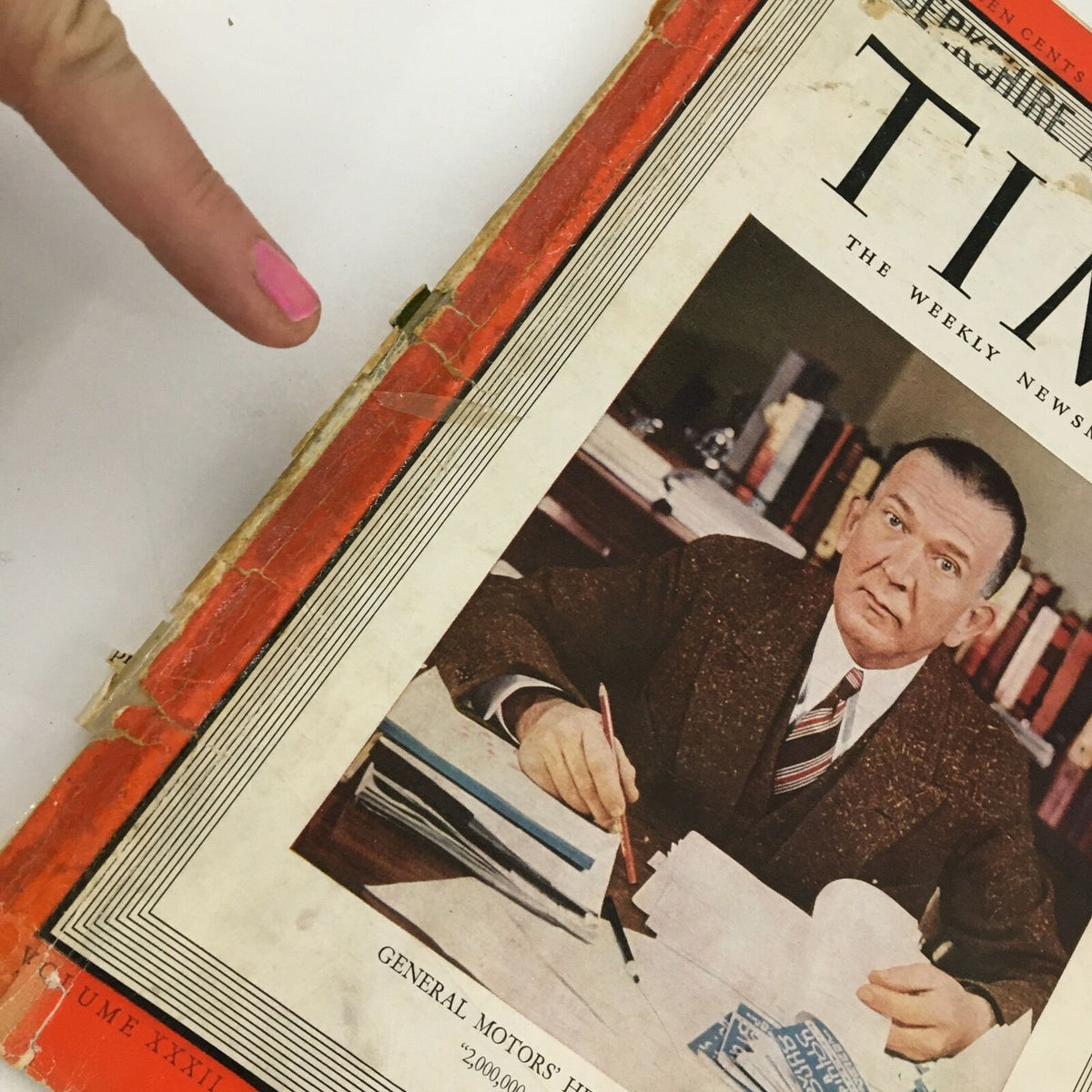
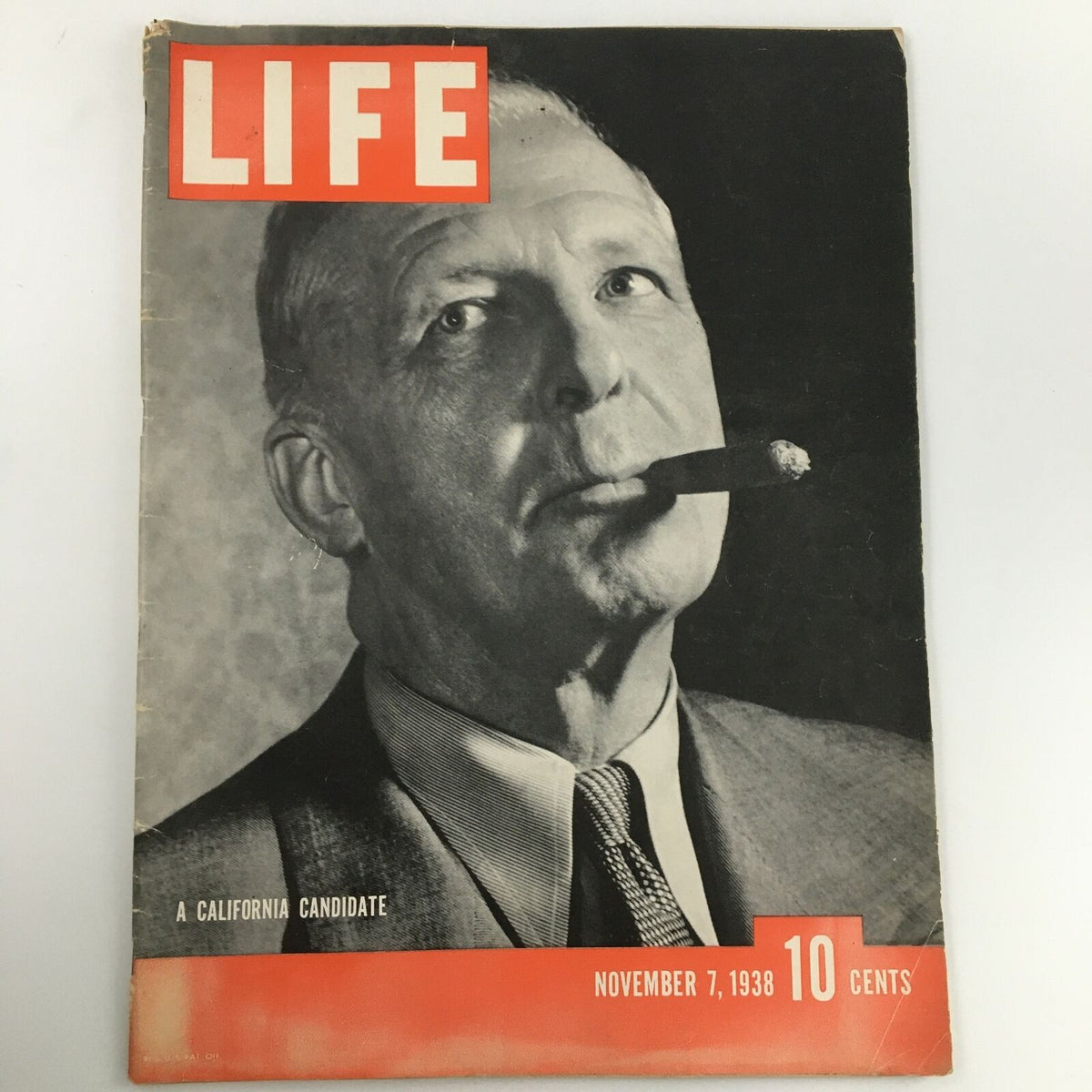
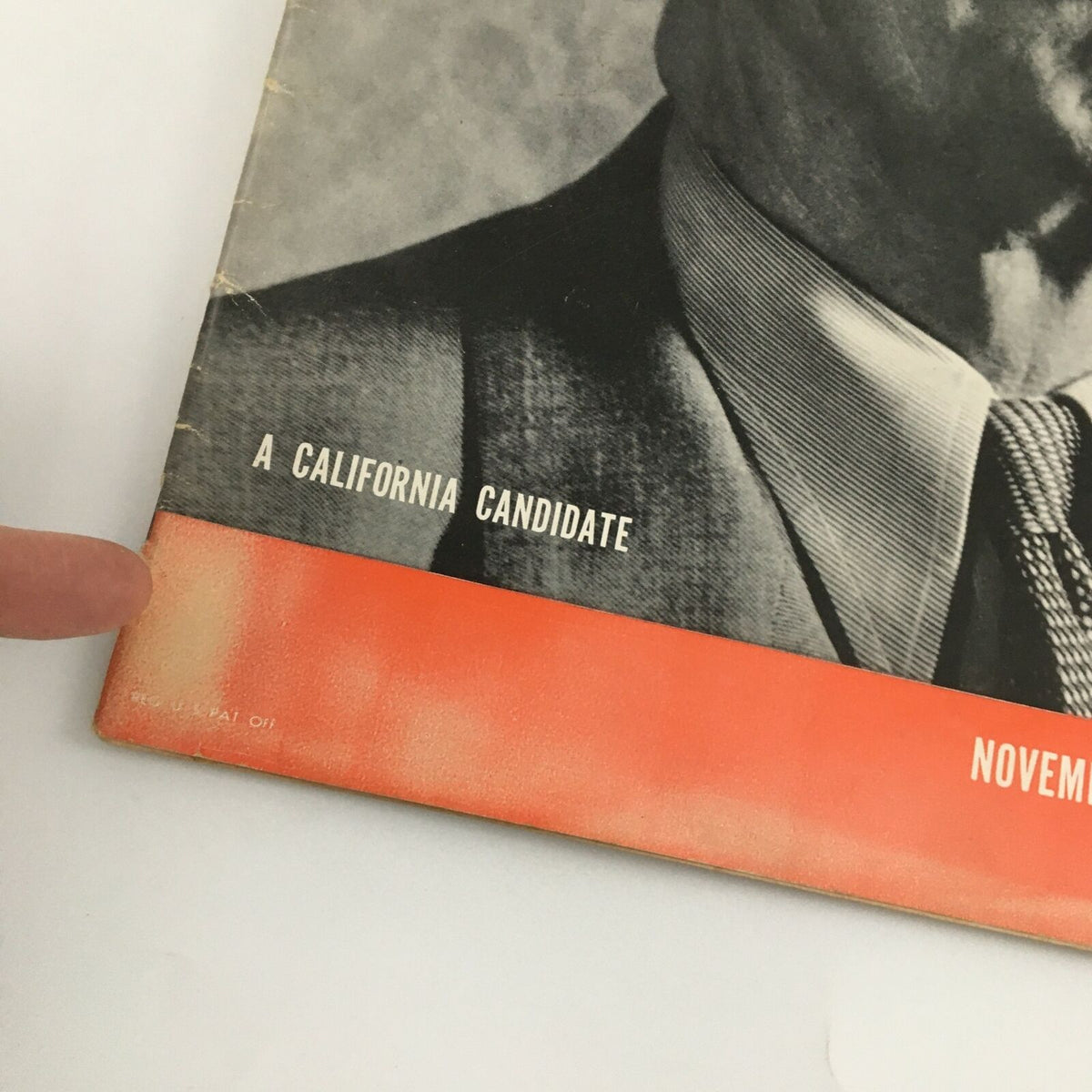
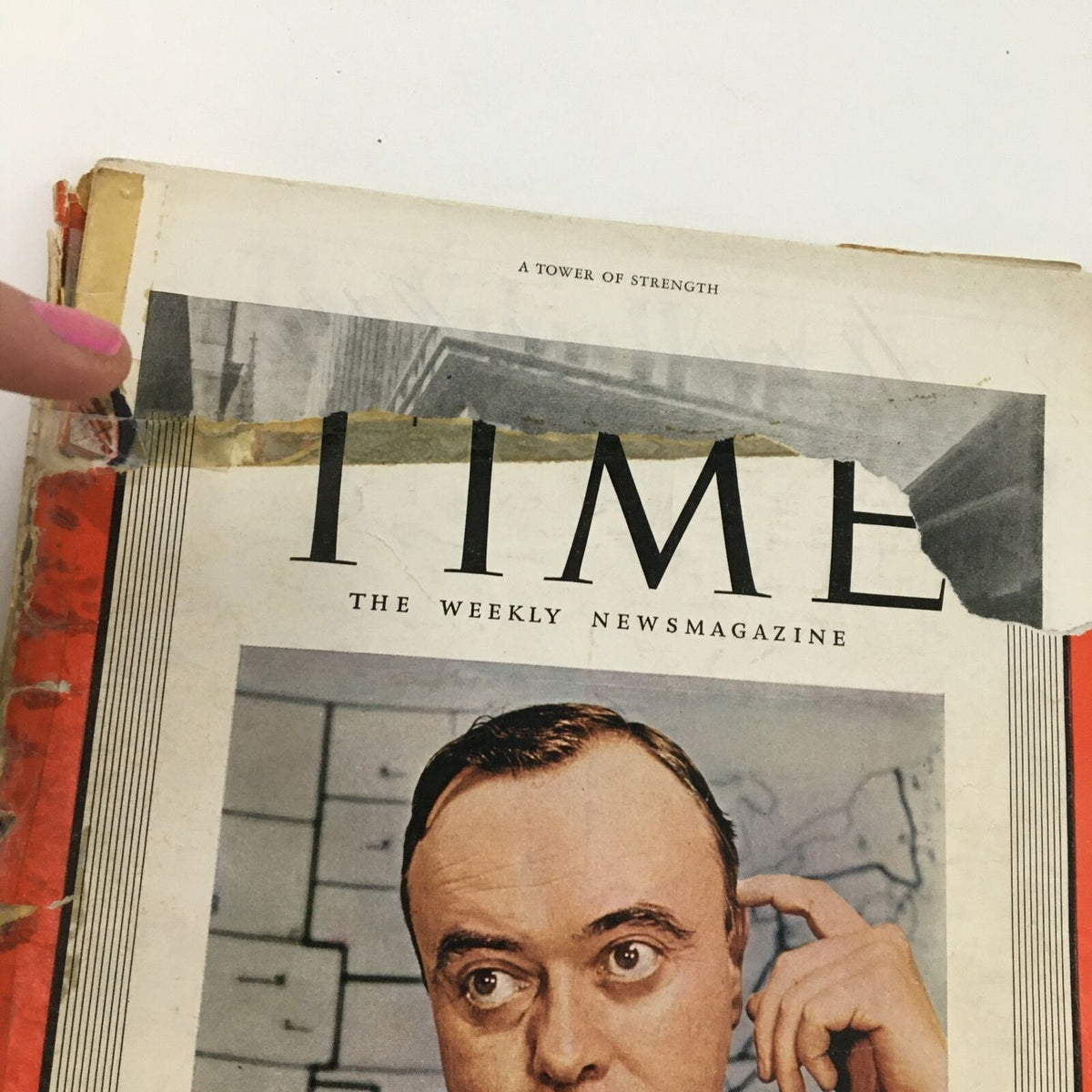
Kristallnacht Coverage: Life, Time, and Newsweek issues from this month featuring urgent photojournalism and editorial columns on the Nazi pogrom, often illustrated with stark imagery of shattered storefronts and burned synagogues—rare magazines that document this turning point in harrowing real time.
-
The Seabiscuit–War Admiral Match Race: Sports pages and Saturday Evening Post issues showcasing full-spread photography of the Pimlico showdown, often alongside breathless race commentary and crowd portraits capturing Depression-era America united in collective triumph.
-
MVP Season Wrap-Up: Sporting News and general-interest vintage magazines featuring Ernie Lombardi and Jimmie Foxx, with authentic period advertisements for sporting goods and tobacco brands that bookend the year's baseball finale.
-
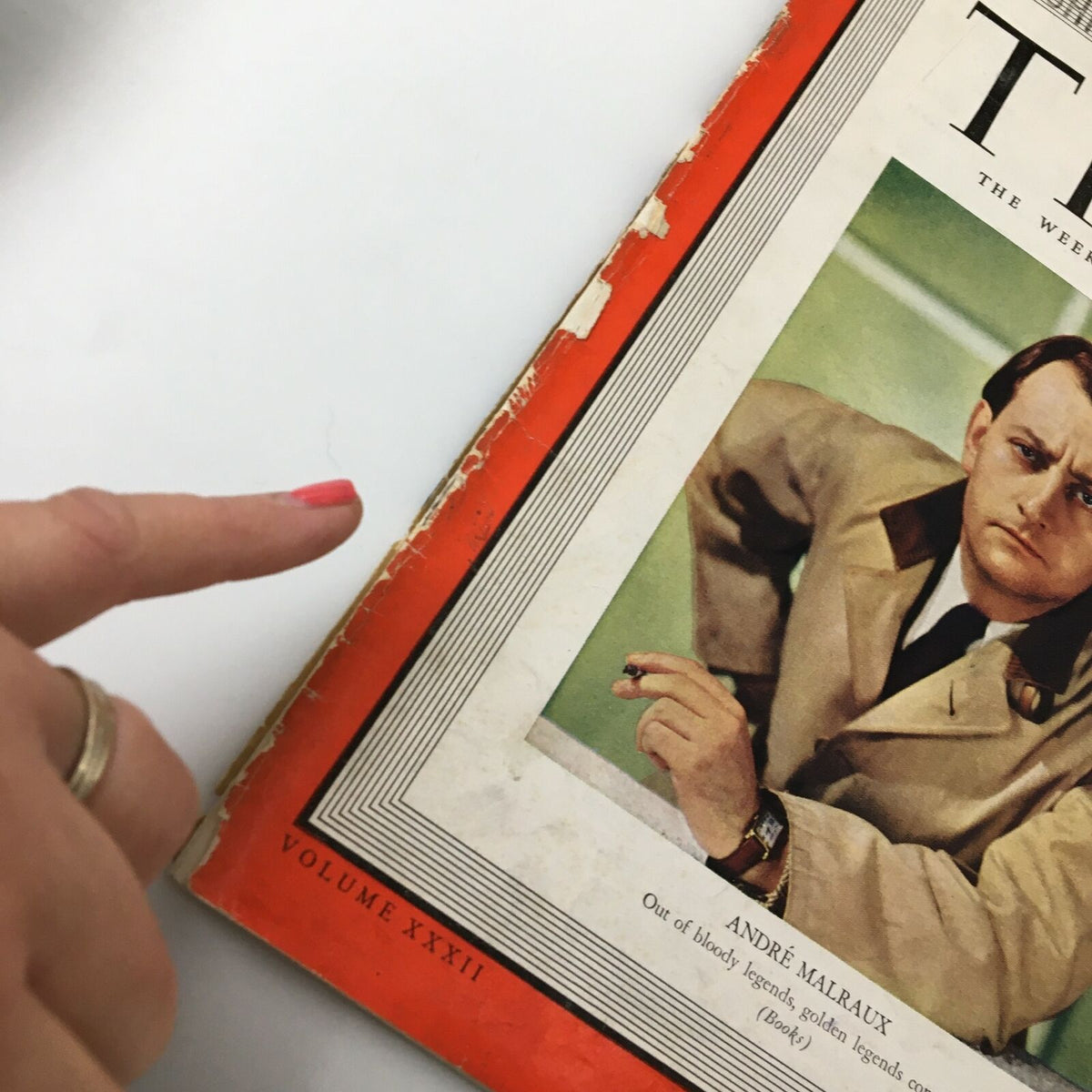
Nobel Prize for Pearl Buck: Time, Look, and literary periodicals featuring coverage of the Nobel Prize for Literature awarded to the author of The Good Earth, often accompanied by publisher advertisements and photographs of Buck herself—genuine artifacts of American cultural pride.
-
Frank Sinatra Arrest: Entertainment and gossip columns in Variety and regional magazines noting the Bergen County arrest of a then-23-year-old Frank Sinatra, a fascinating and little-remembered footnote preserved in the authentic ink of the era's press.
The Perfect Gift
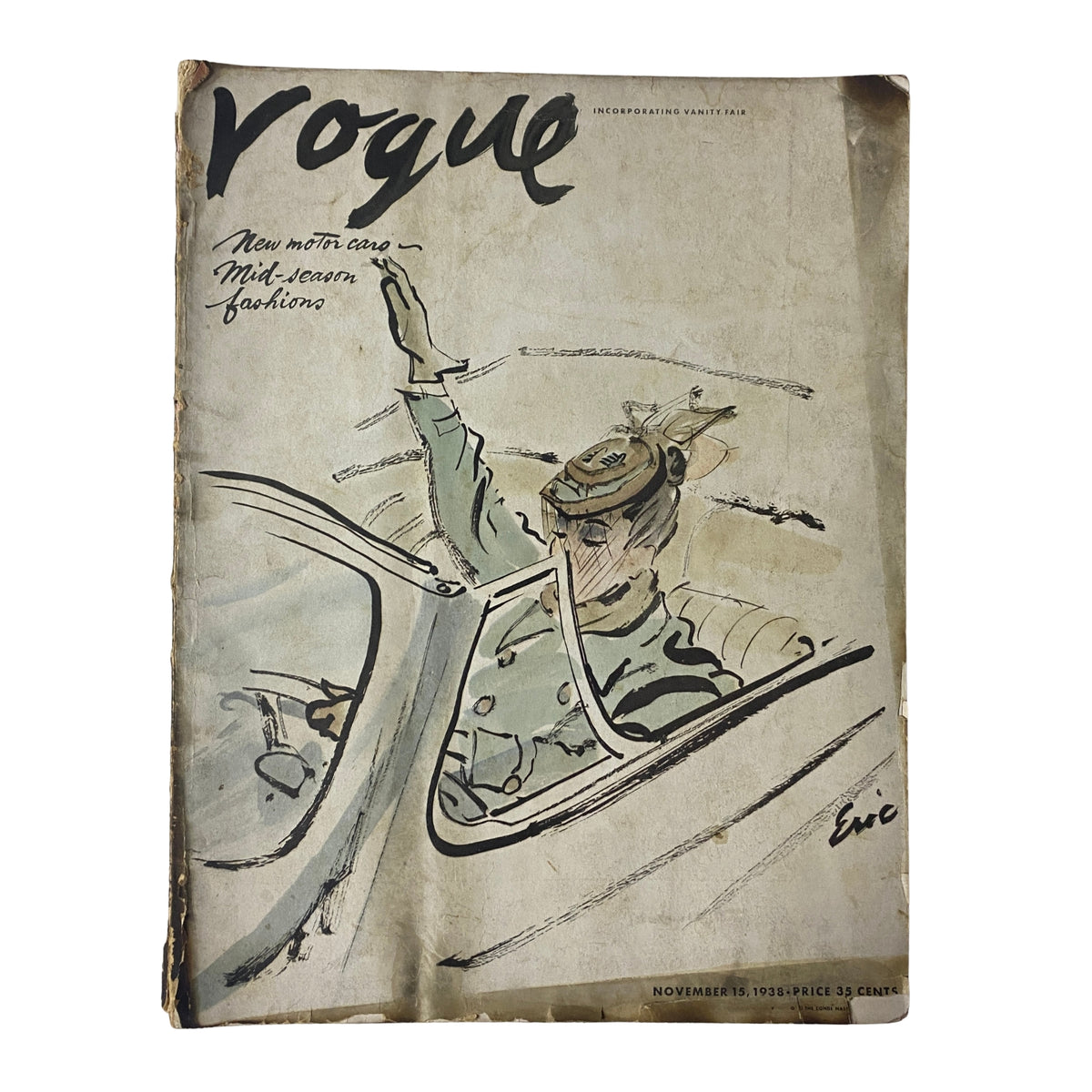
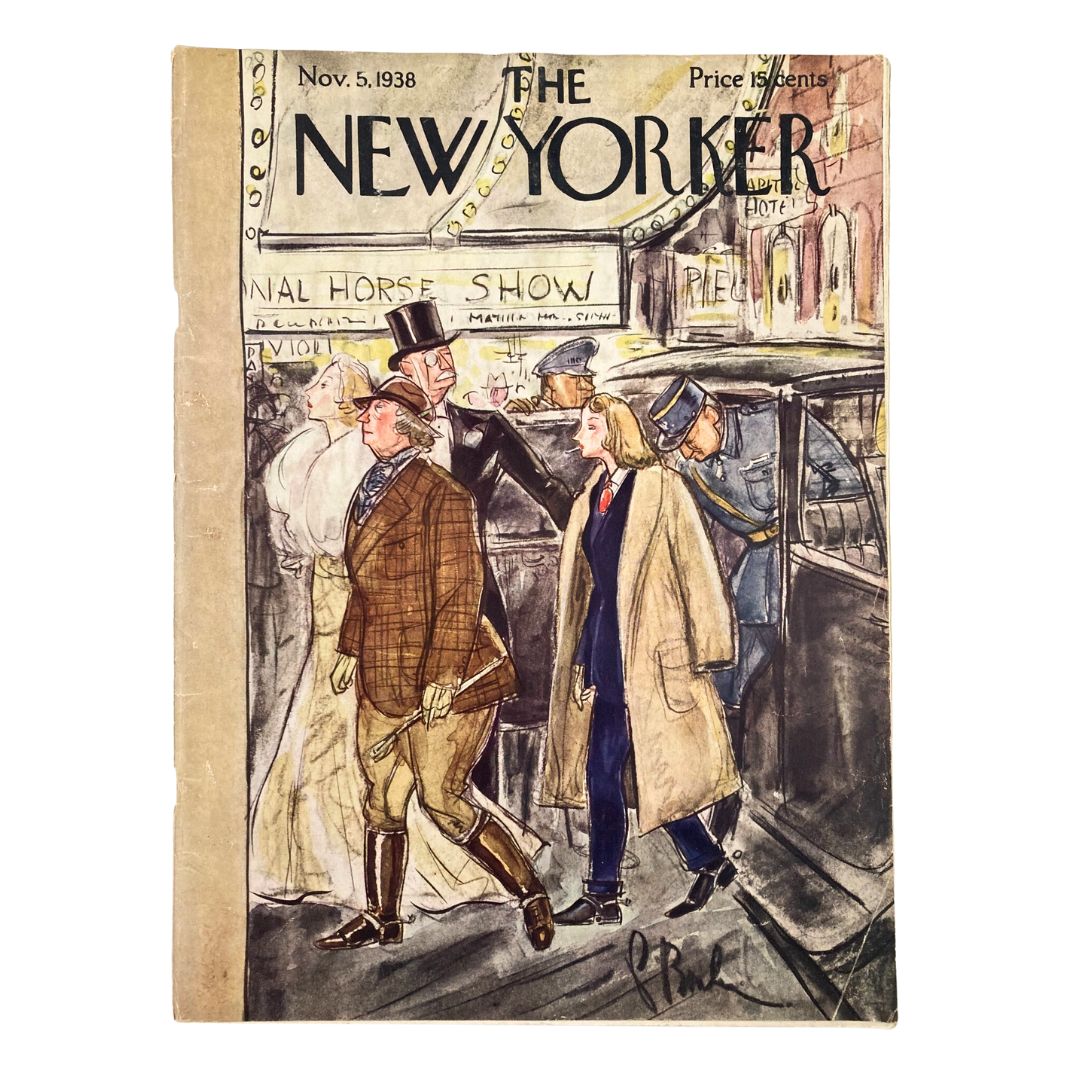
For someone born in November 1938, an original magazine from this pivotal, storm-shadowed month isn't just a birthday gift—it's a genuine time capsule of the moment history tilted, preserved in the period photography, period headlines, and period advertisements that no reproduction can replicate.