📖 About this Collection
November 1941: The Last Days of American Peacetime
The Historical Context
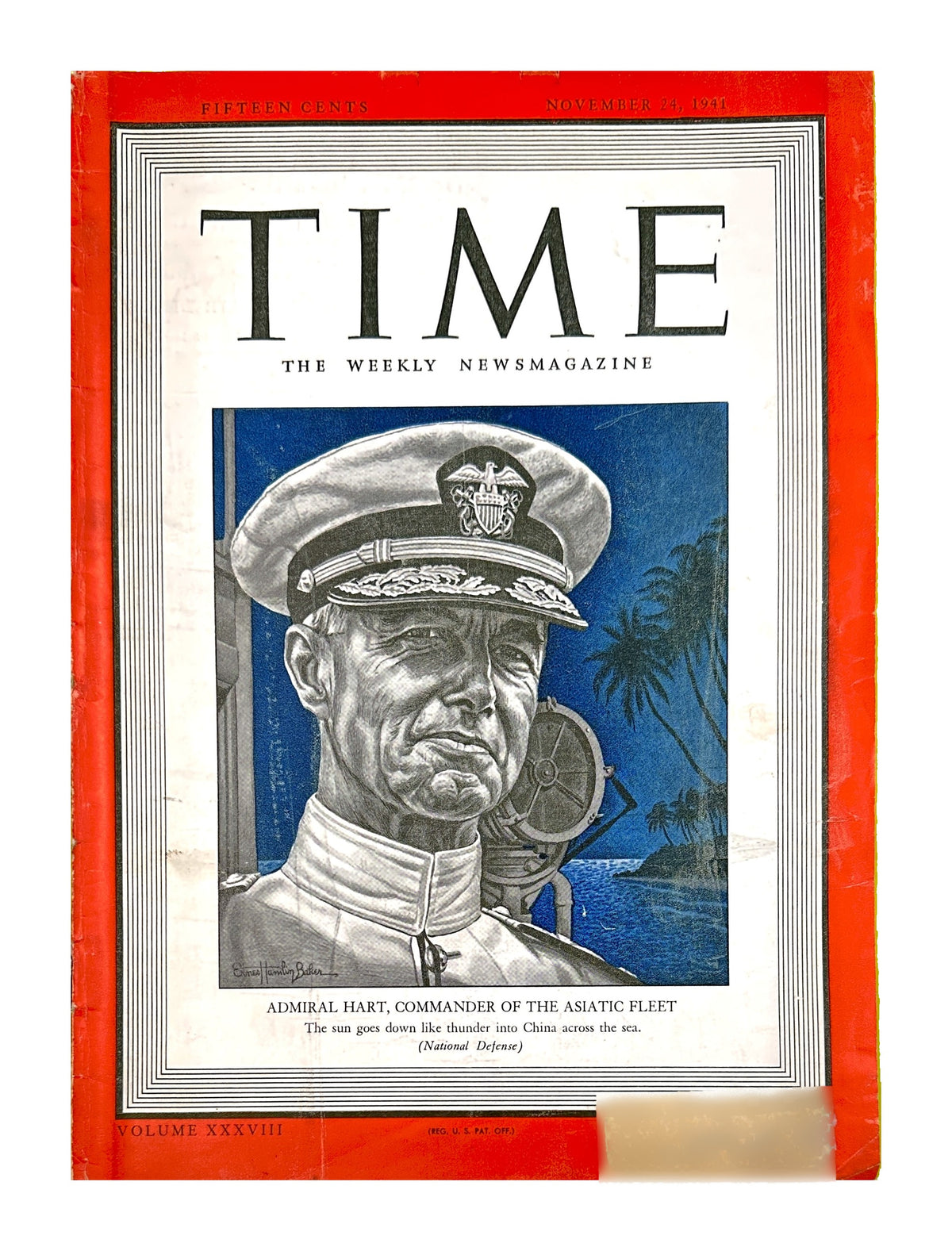
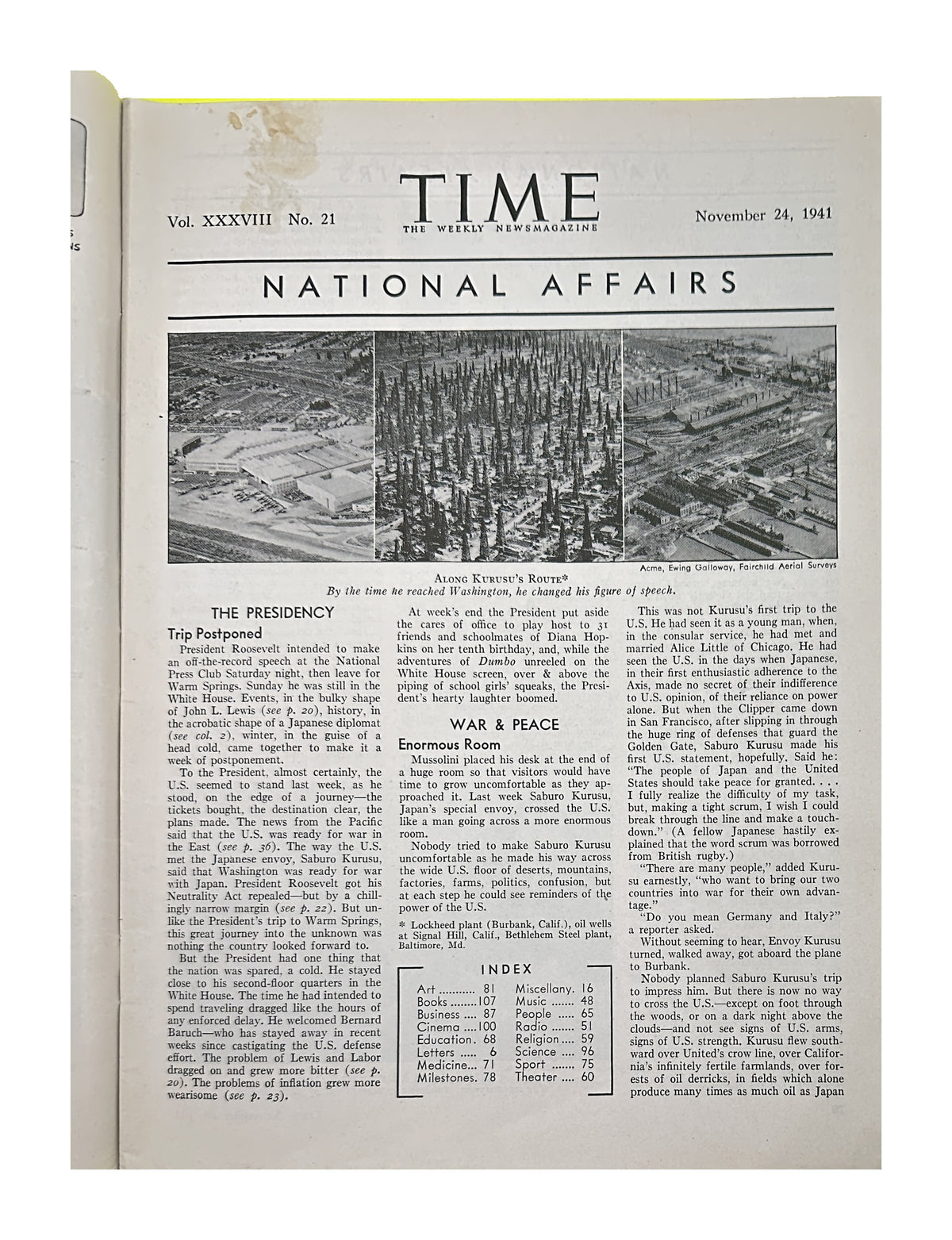
The world held its breath in November 1941. Across Europe, the Nazi war machine pressed eastward, and Germany's drive toward Moscow finally stalled against the brutal Russian winter—a turning point that few observers recognized in real time. In North Africa, British forces launched a desperate push on Tobruk. In the Balkans, Tito's partisans battled their own countrymen in the tangled violence of civil war and occupation. America watched, lent money to the Soviets, and told itself the war was still someone else's problem. What almost no one outside a handful of Tokyo offices and the decks of a departing carrier fleet understood was that the world was about to change—permanently. Japanese Admiral Nagano had already laid the plans before Emperor Hirohito. Japan's naval carrier force quietly departed its bases on November 26th, moving east. The clock was running. For anyone born in November 1941, this was the world on the morning they arrived—charged, uncertain, and days away from transformation.
Pop Culture & Everyday Life, November 1941
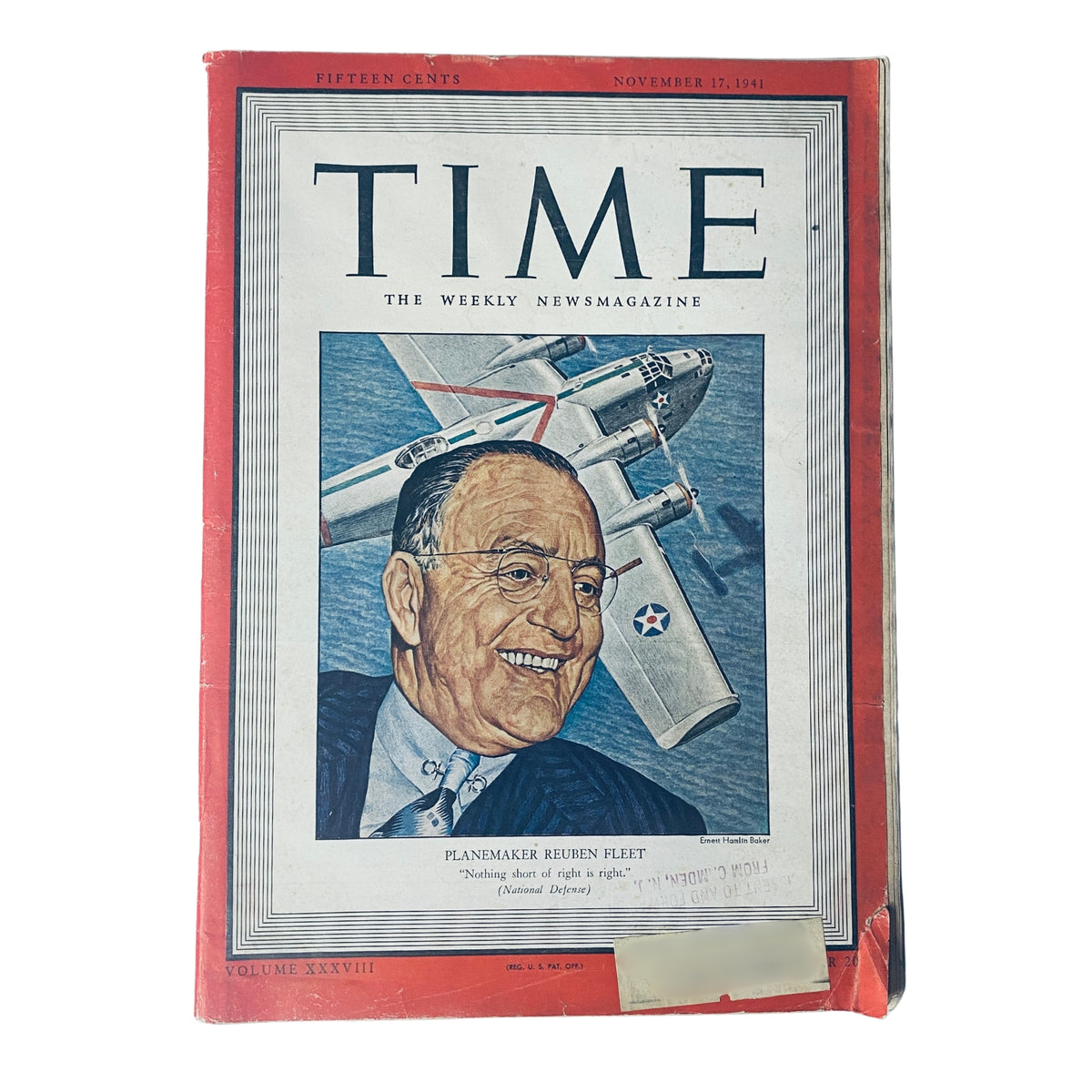
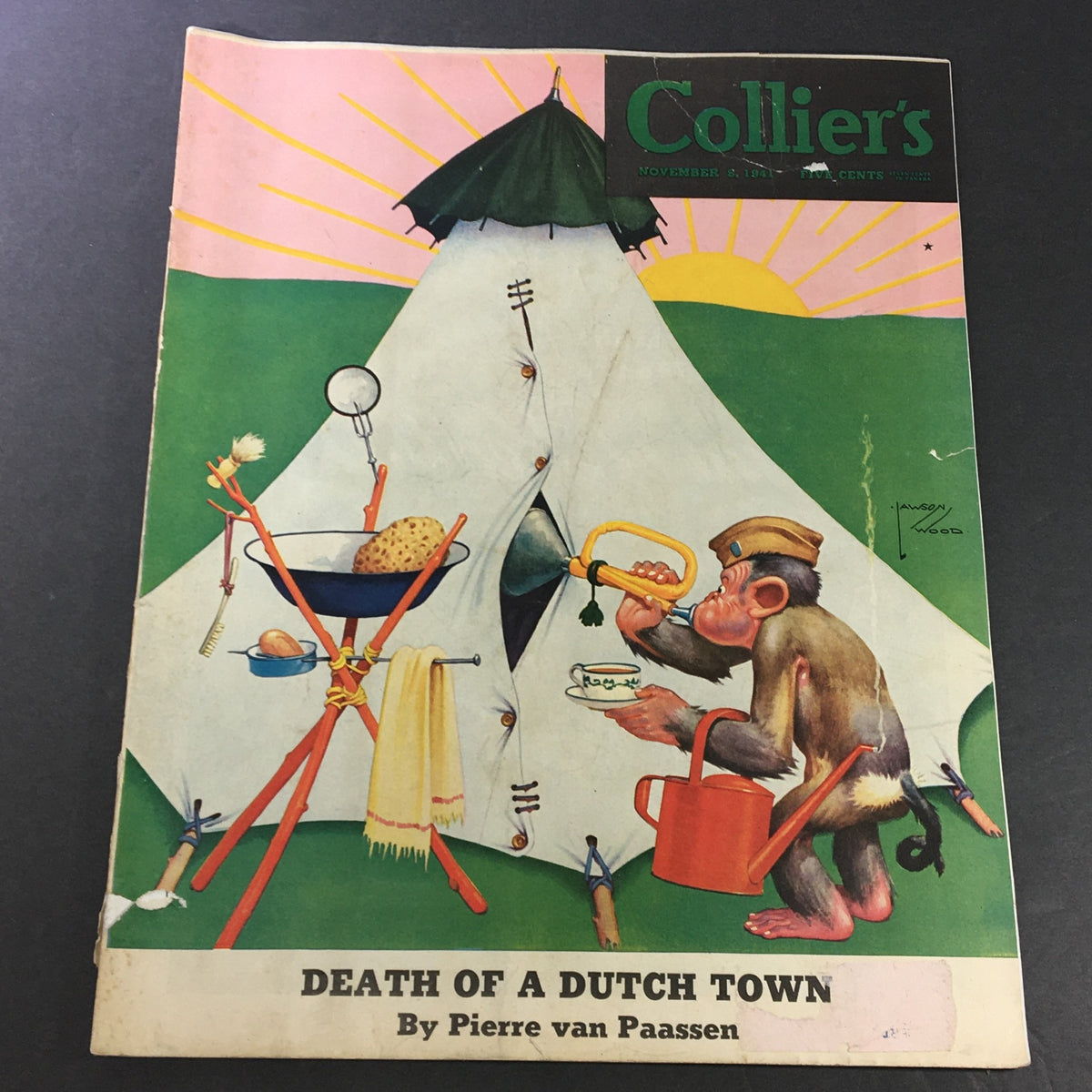
Away from the war dispatches, American life in November 1941 buzzed with the ordinary pleasures of an ordinary season that would never come again. On Broadway, the curtain fell on Pal Joey—the Richard Rodgers and Lorenz Hart musical that had made Gene Kelly a star—after a celebrated 374-performance run. Junior Miss, a fresh comedy by Jerome Chodorov and Joseph Fields, had just opened to welcome audiences. At the ballpark, Joe DiMaggio was named American League MVP for the second time, his legendary 56-game hitting streak still the talk of every sports page. Tennis fans noted that Bobby Riggs and Frank Kovacs had turned professional, closing one chapter of amateur dominance. Meanwhile, Ansel Adams was somewhere in the New Mexico landscape, stopping his car to capture the image that would become Moonrise, Hernandez—one of the most celebrated photographs in American history. Original magazines from November 1941 carry all of this in their pages: the DiMaggio accolades in Life and Sports Illustrated's predecessors, the Broadway notices, the advertisements for a consumer economy still humming before rationing. In Time, Newsweek, and Look, these rare magazines offer an unfiltered window into the last genuinely peacetime month America would know for years.
Curator's Checklist: What to Look For in November 1941 Issues
-
Japan's Shadow Over the Pacific: News and diplomatic magazines featuring coverage of Japanese-American tensions and Admiral Nomura's final diplomatic note, illustrated with maps and political photography that capture the final, tense weeks before Pearl Harbor.
-
The Eastern Front Stalemate: Issues of Life, Time, and Look showcasing Germany's halted Moscow offensive, often featuring stark battlefield photography and analysis of Soviet counter-offensives—documenting the first real crack in Nazi momentum.
-
Joe DiMaggio's MVP Season: Sports pages and general-interest vintage magazines celebrating DiMaggio's second MVP award, with action photography and statistical profiles that capture the golden age of American baseball before wartime rosters fractured the sport.
-
Broadway's Golden Curtain: Theater and entertainment publications chronicling the closing of Pal Joey and the debut of Junior Miss, offering original cast photography, playbill-style layouts, and advertisements for Manhattan's theater district at its pre-war peak.
-
Ansel Adams and American Landscape Photography: Arts and cultural publications featuring the rising stature of American photography, with editorial spreads showcasing the documentary and fine-art traditions that authentic, genuine magazines of this era championed with remarkable visual ambition.
The Perfect Gift
For someone born in November 1941, an original magazine from this extraordinary threshold month isn't just a piece of old paper—it's a genuine time capsule of the last American morning before Pearl Harbor, preserved in period headlines, authentic advertising, and the photography of a world on the edge of history.