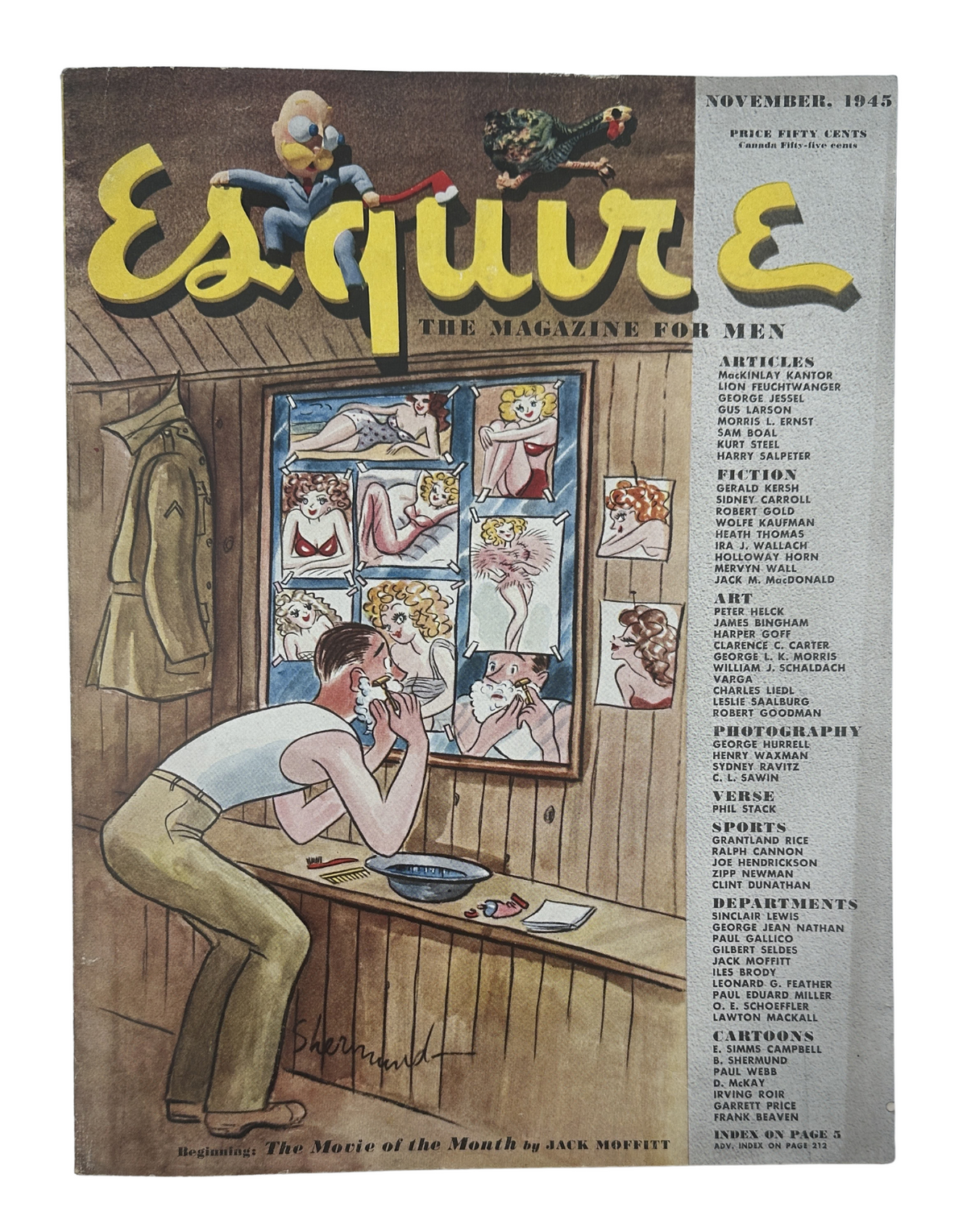
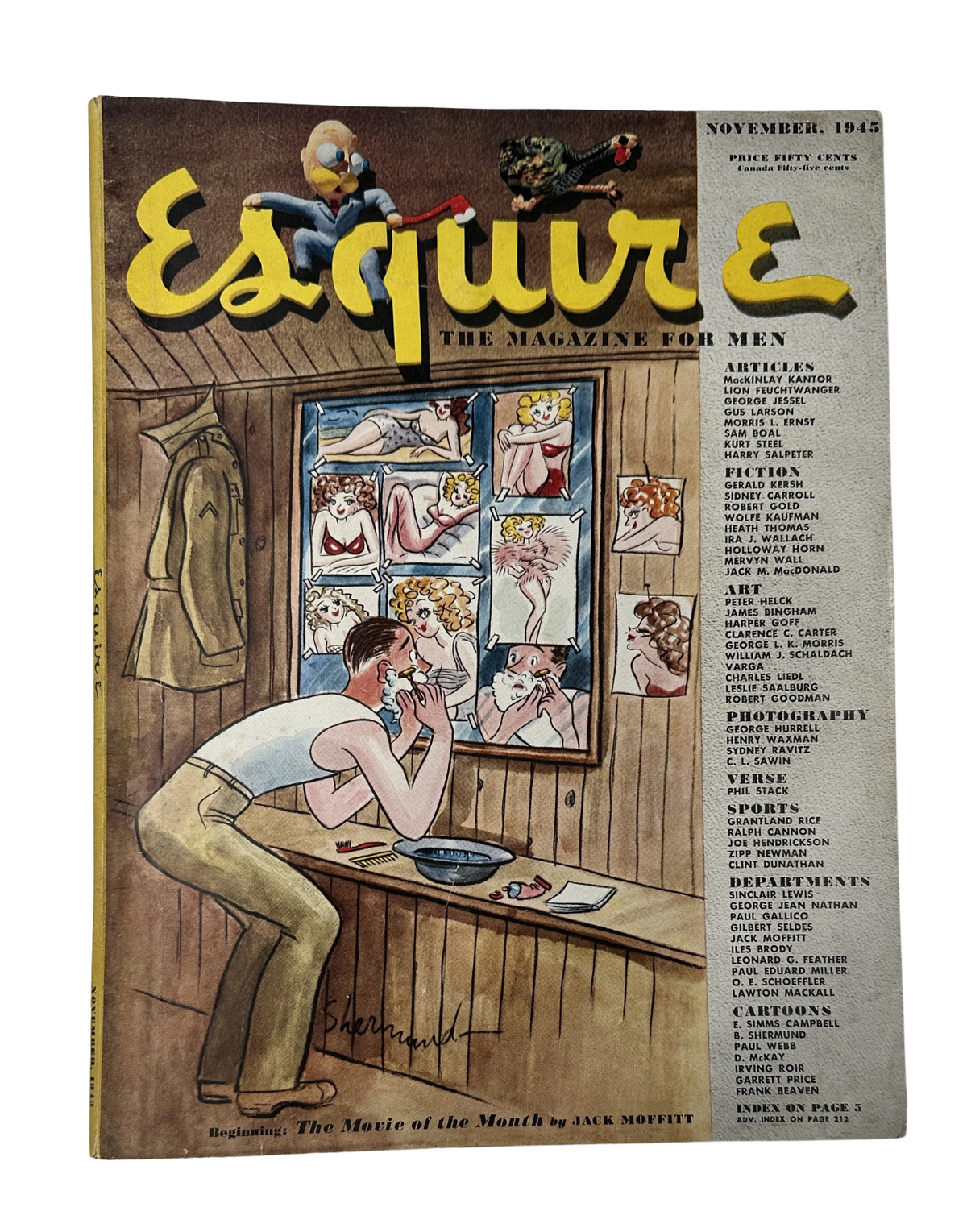
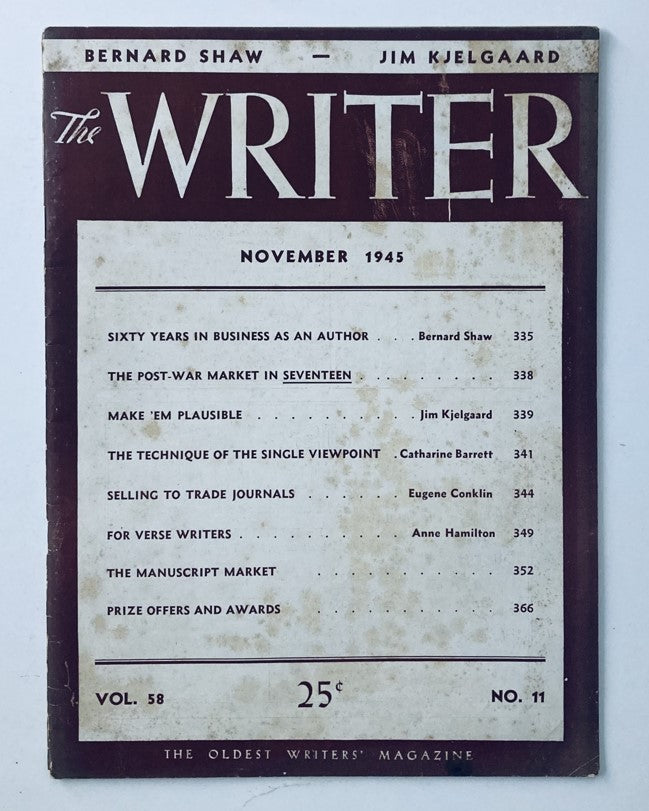
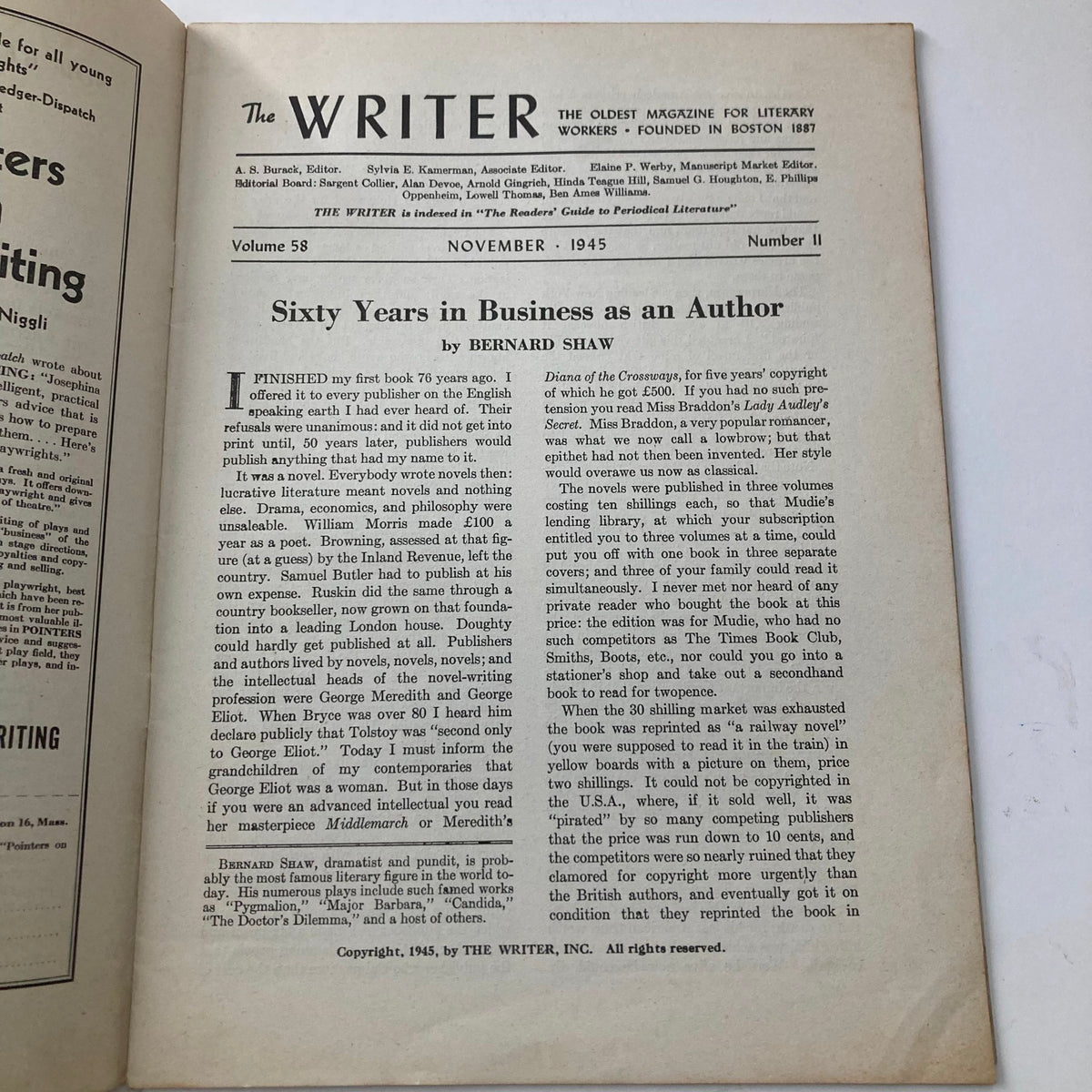
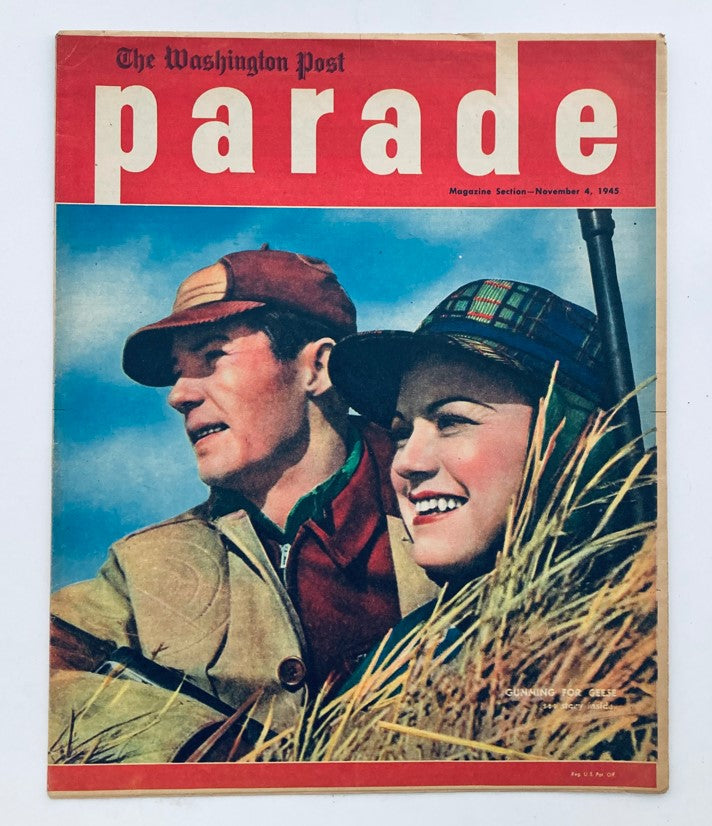
📖 About this Collection
November 1945: The World Rebuilds Its Future
The Historical Context
The air in November 1945 carried something unfamiliar—the tentative, cautious exhale of a world stepping out from under six years of darkness. The most consequential legal proceeding in modern history opened on November 20th, as 24 Nazi leaders faced Allied judges at Nuremberg, the trials broadcast into the collective consciousness of a civilization forcing itself to reckon with what it had witnessed. It was a month defined by accountability. Across the Pacific, Indonesia's first Prime Minister took office, and Yugoslavia proclaimed its new republic—the old empires dissolving, new nations rising in their place. The United Nations Educational, Scientific and Cultural Organization was founded on November 16th, the same day President Truman, Prime Minister Attlee, and Canada's Mackenzie King signed a landmark agreement on atomic energy cooperation. For someone born in November 1945, this was the world in its most electric and fragile moment of reinvention—exhausted, hopeful, and reaching forward.
The Culture of November 1945
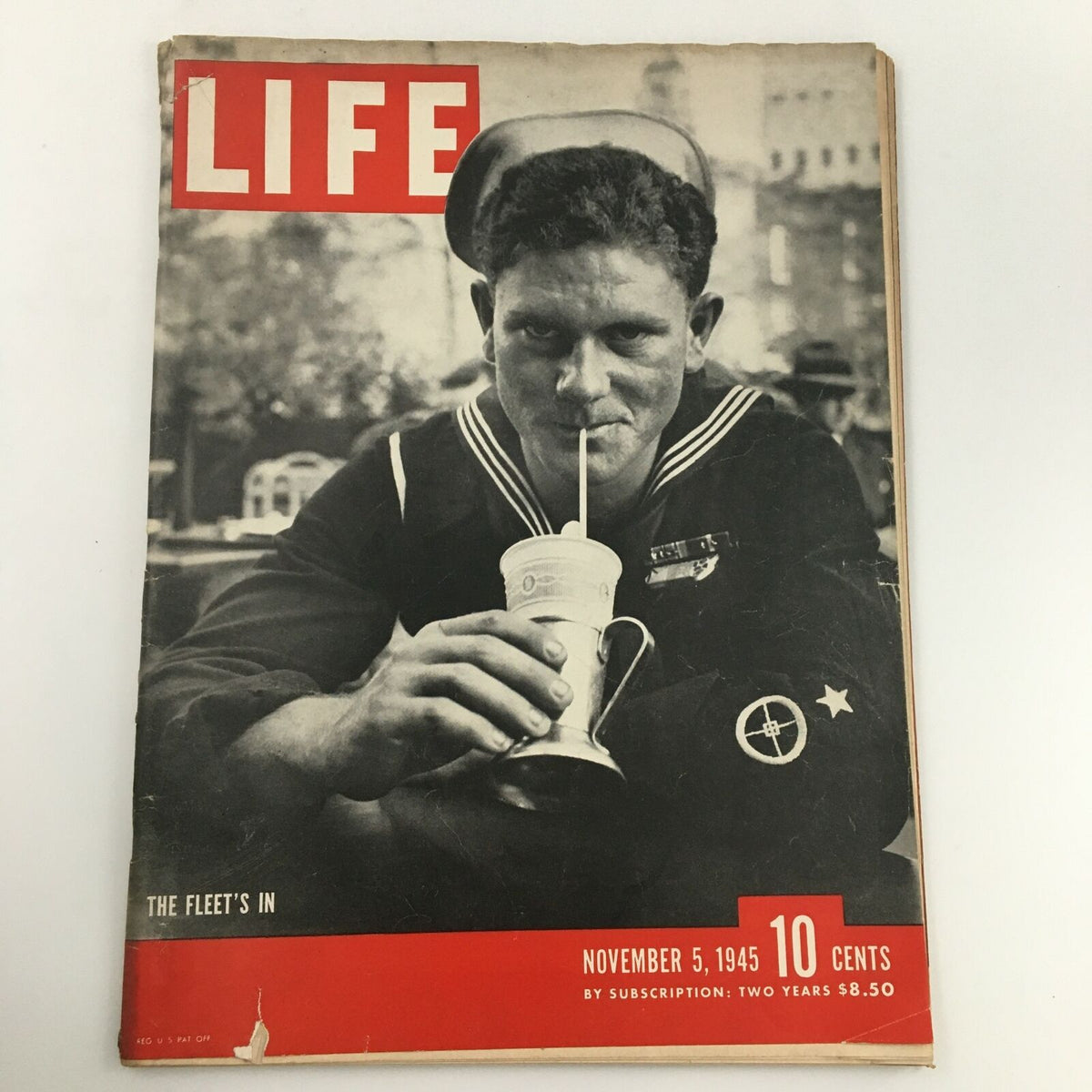
Hollywood understood the national mood perfectly that November. Billy Wilder's The Lost Weekend—the unflinching portrait of alcoholism starring Ray Milland and Jane Wyman—premiered in Los Angeles on the 29th, signaling that American cinema was no longer interested in comfortable escapism. It would go on to claim Best Picture at the 1946 Academy Awards. On the same day David Lean released Brief Encounter, based on Noël Coward's play, a restrained and devastating love story that felt written for a continent learning to suppress its grief. Original magazines from November 1945 caught this cultural pivot in real time—Life and Look devoting pages to returning soldiers, while entertainment columns covered these landmark film releases. Jazz was also in transformation: on November 26th, Charlie "Bird" Parker led a recording session alongside Dizzy Gillespie and a twenty-year-old Miles Davis for Savoy Records, a session immediately hailed as the greatest ever recorded. And in a Harlem office, the very first issue of Ebony magazine rolled off the press on November 1st—rare magazines that survive from that inaugural print run are among the most sought-after of the entire postwar era.
Curator's Checklist: What to Look for in November 1945 Magazines
- Nuremberg War Trials: Time, Life, and Newsweek featuring extensive photographic coverage of the Nuremberg tribunal, illustrated with courtroom photographs of Göring, Hess, and the full defendants' dock—some of the most reproduced images of the 20th century.
- The Birth of Ebony: The inaugural November 1945 issue of Ebony itself is an extraordinary collector's artifact, showcasing John H. Johnson's landmark launch and the visual language of Black American achievement in a pivotal postwar moment.
- Hollywood's New Realism: Entertainment pages and vintage magazines from this month featuring reviews and stills from The Lost Weekend and Brief Encounter, chronicling the moment cinema stepped into more honest, adult storytelling.
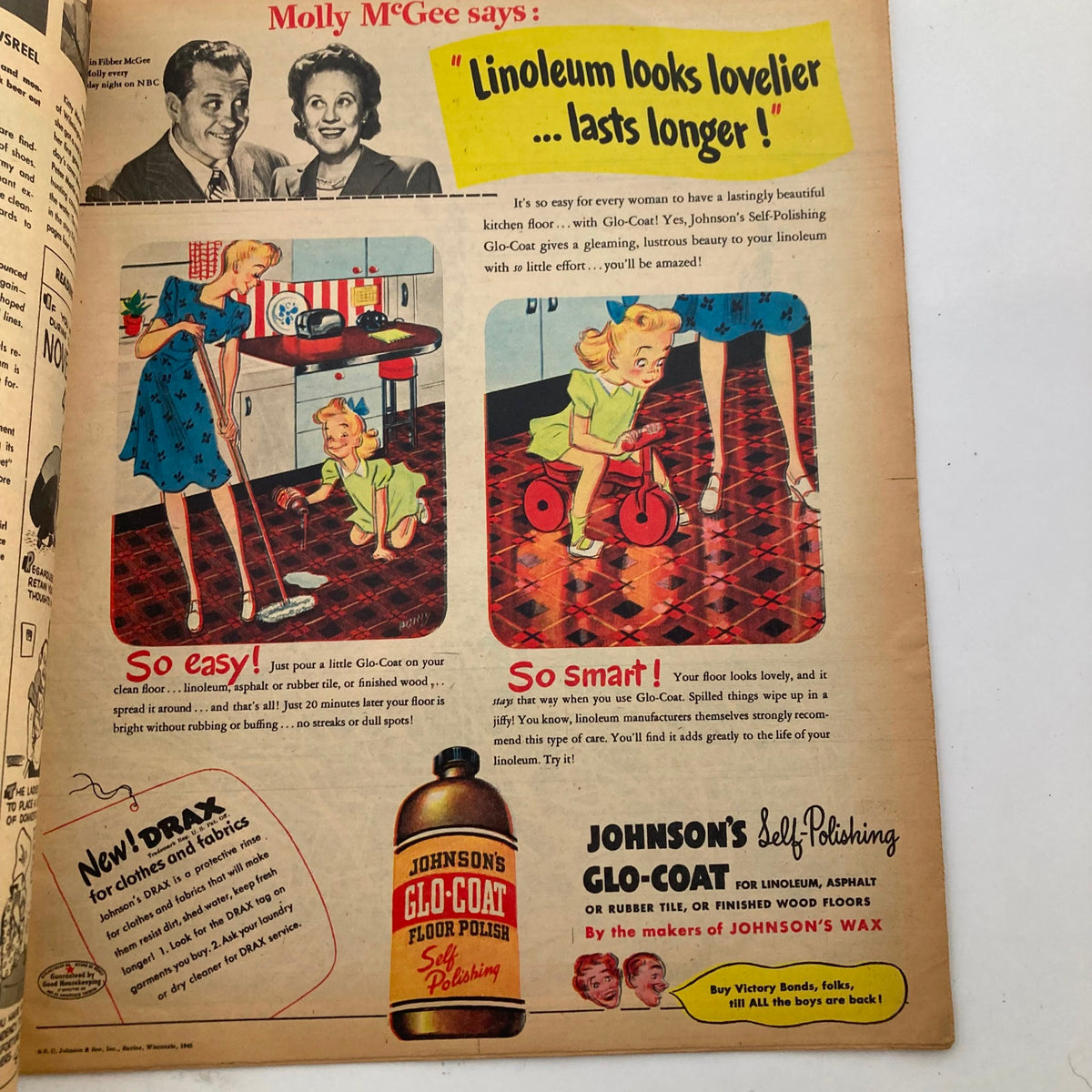
- Postwar Rationing Ends: Advertisements in Saturday Evening Post, Life, and women's titles such as Vogue and Harper's Bazaar celebrating the November 23rd end of most US food rationing—meat and butter ads returning to full-page spreads for the first time in years.
- The Atomic Age Takes Shape: Time and Newsweek covers and features reporting on the Truman-Attlee atomic energy accord and the announcement of two newly discovered elements, americium and curium—authentic artifacts of the moment nuclear science entered everyday public discourse.
The Perfect Gift
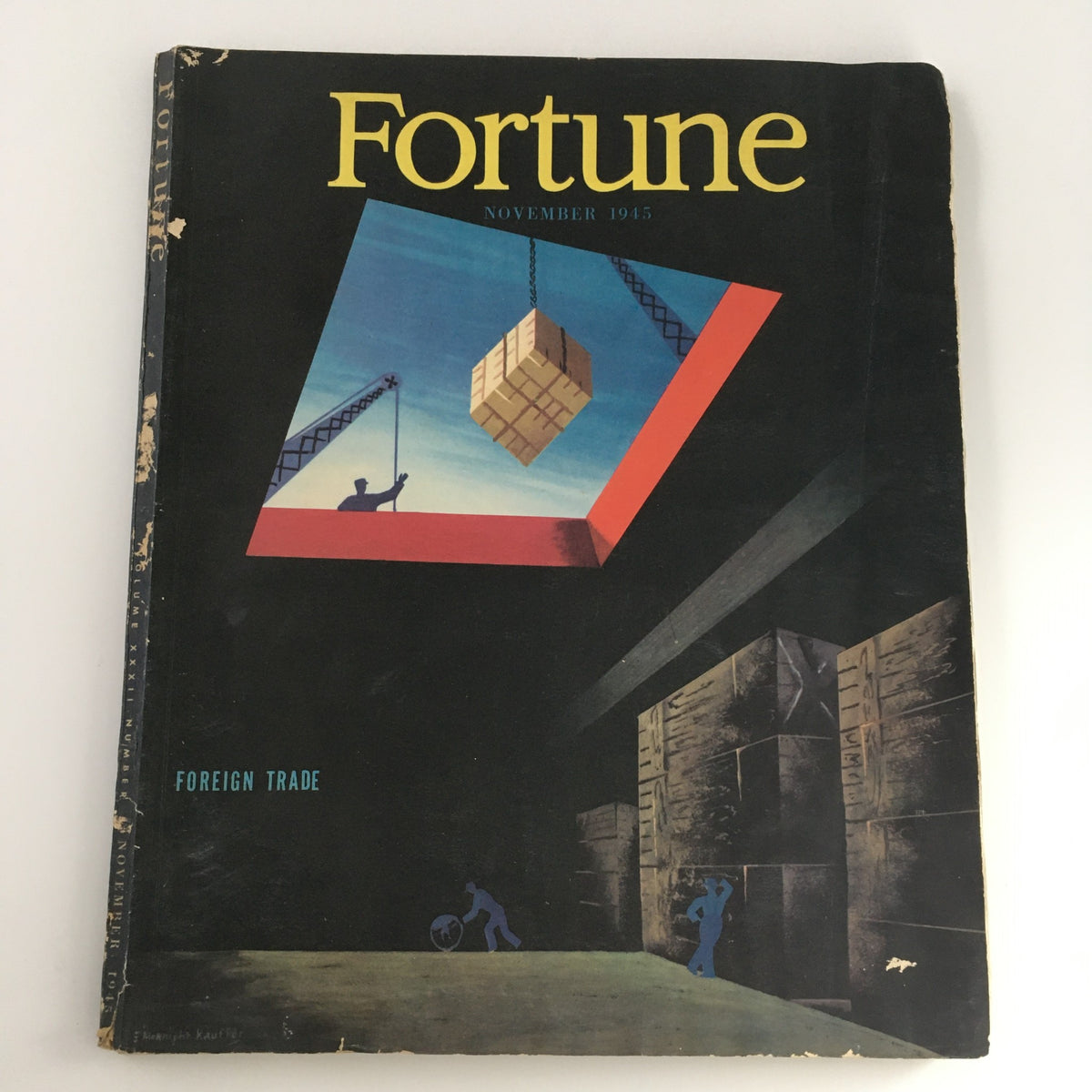
For someone born in November 1945, an original magazine from this watershed month isn't just a paper artifact—it's a genuine time capsule of a world reordering itself, preserved in the authentic headlines, advertisements, and photography of the exact week they arrived.