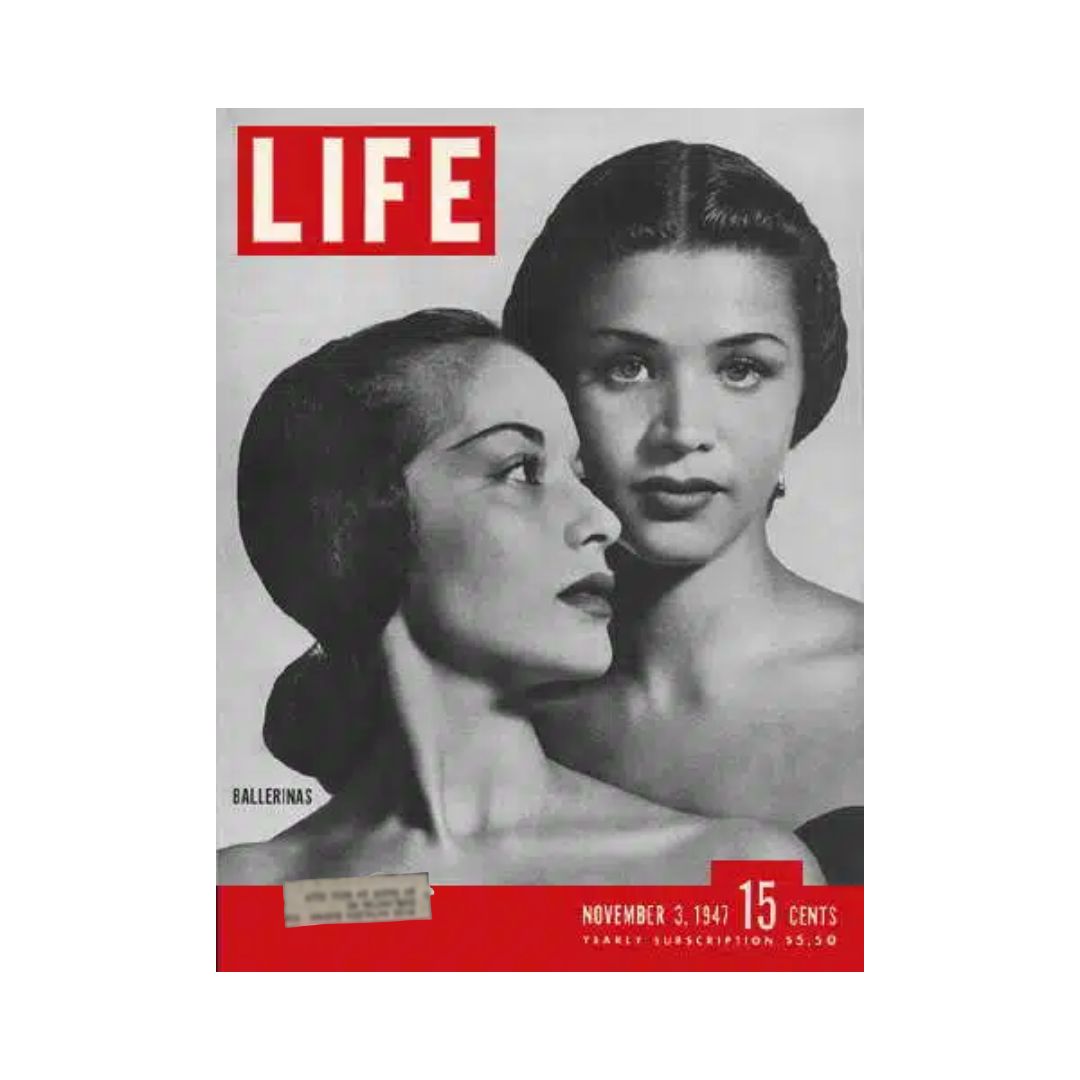
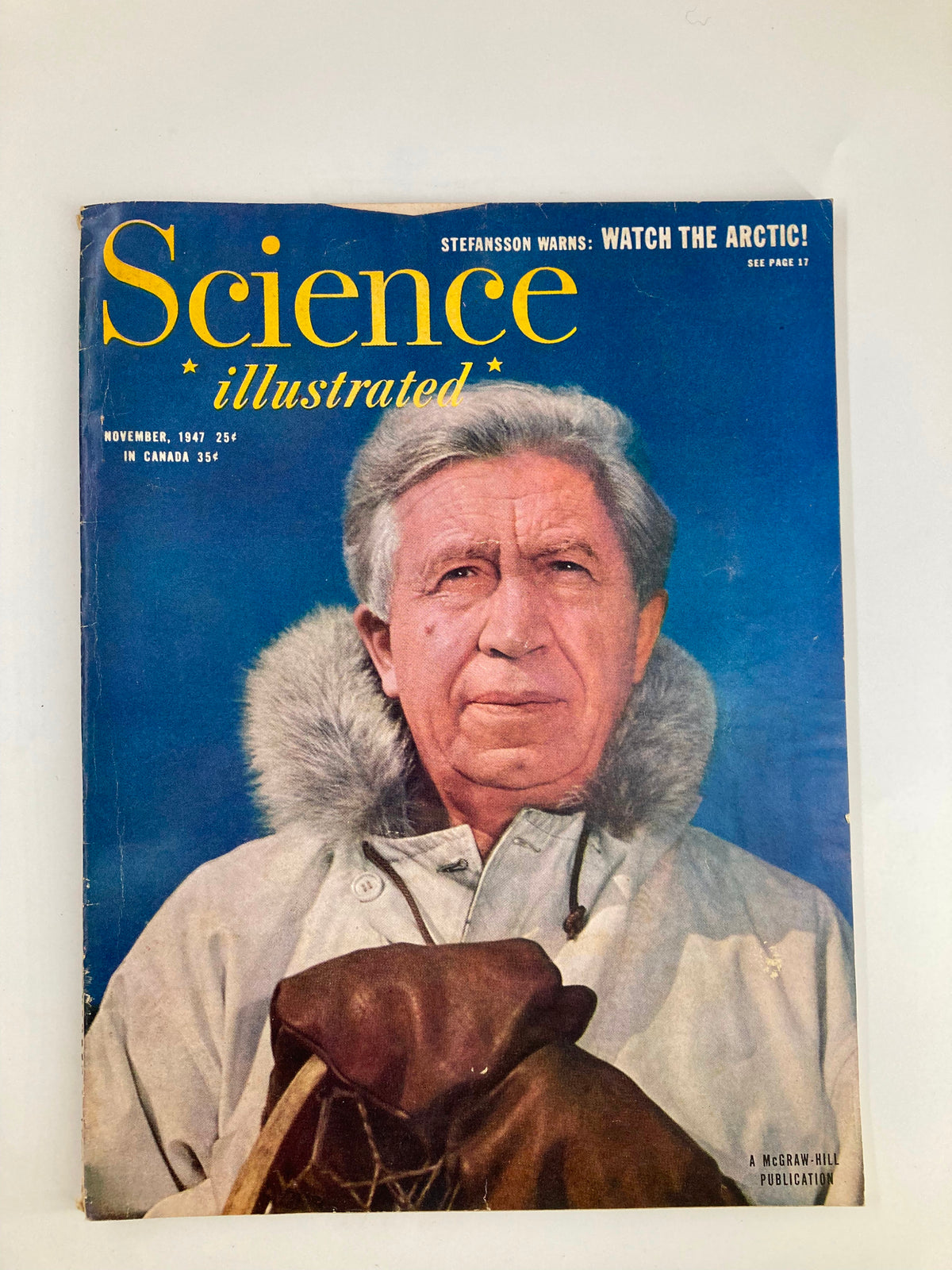
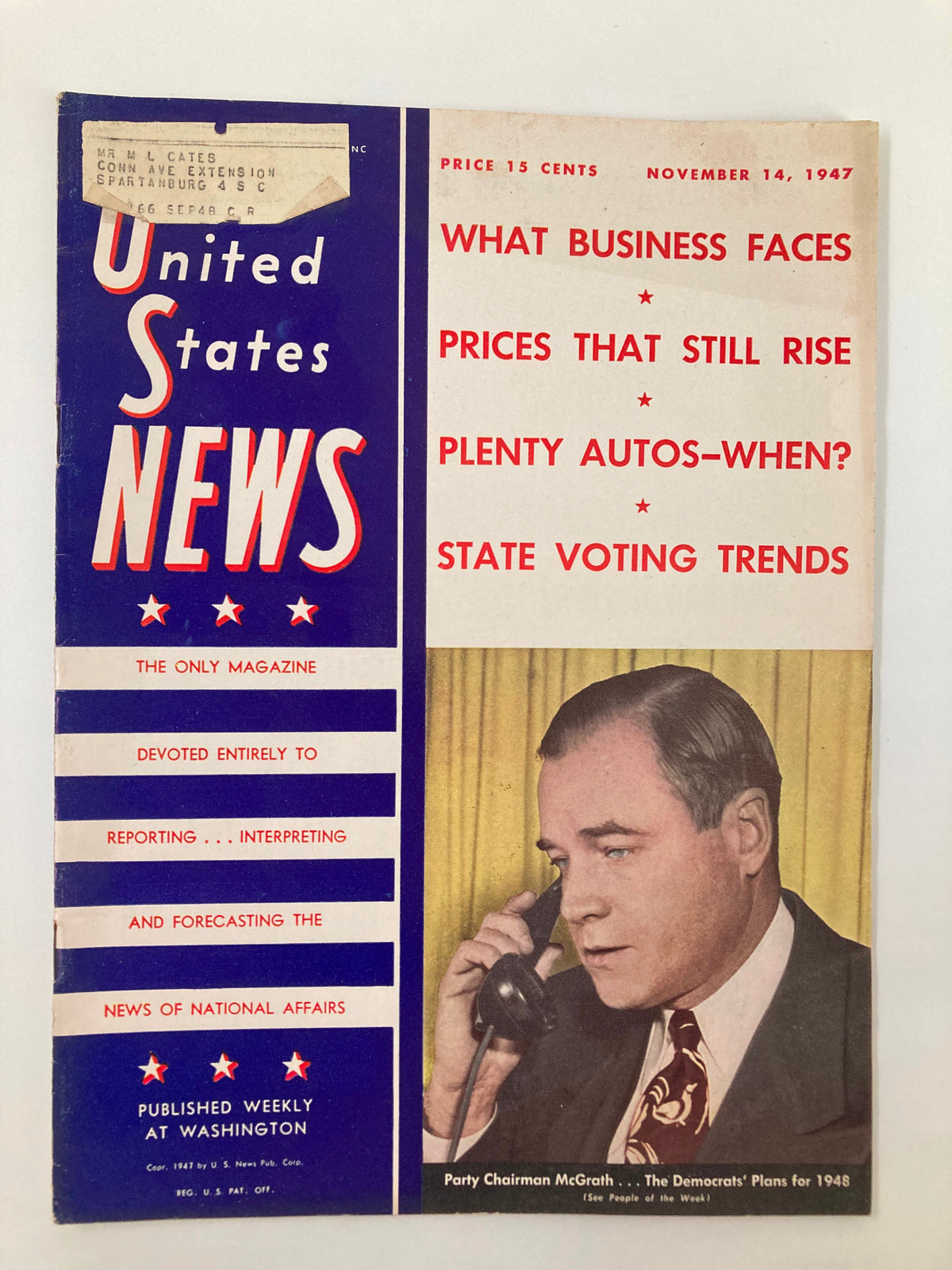
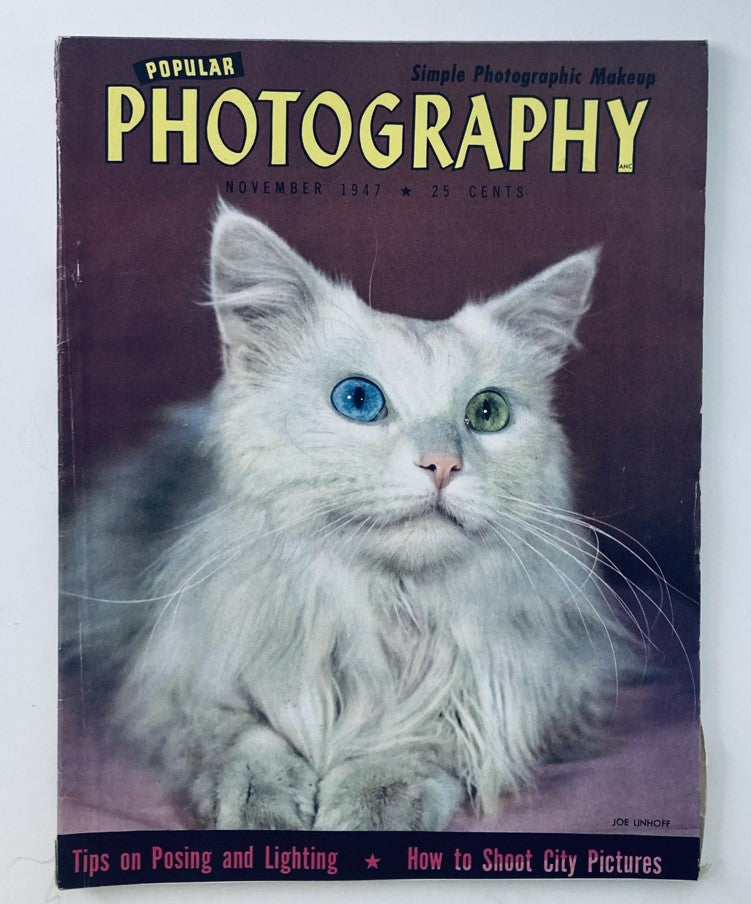
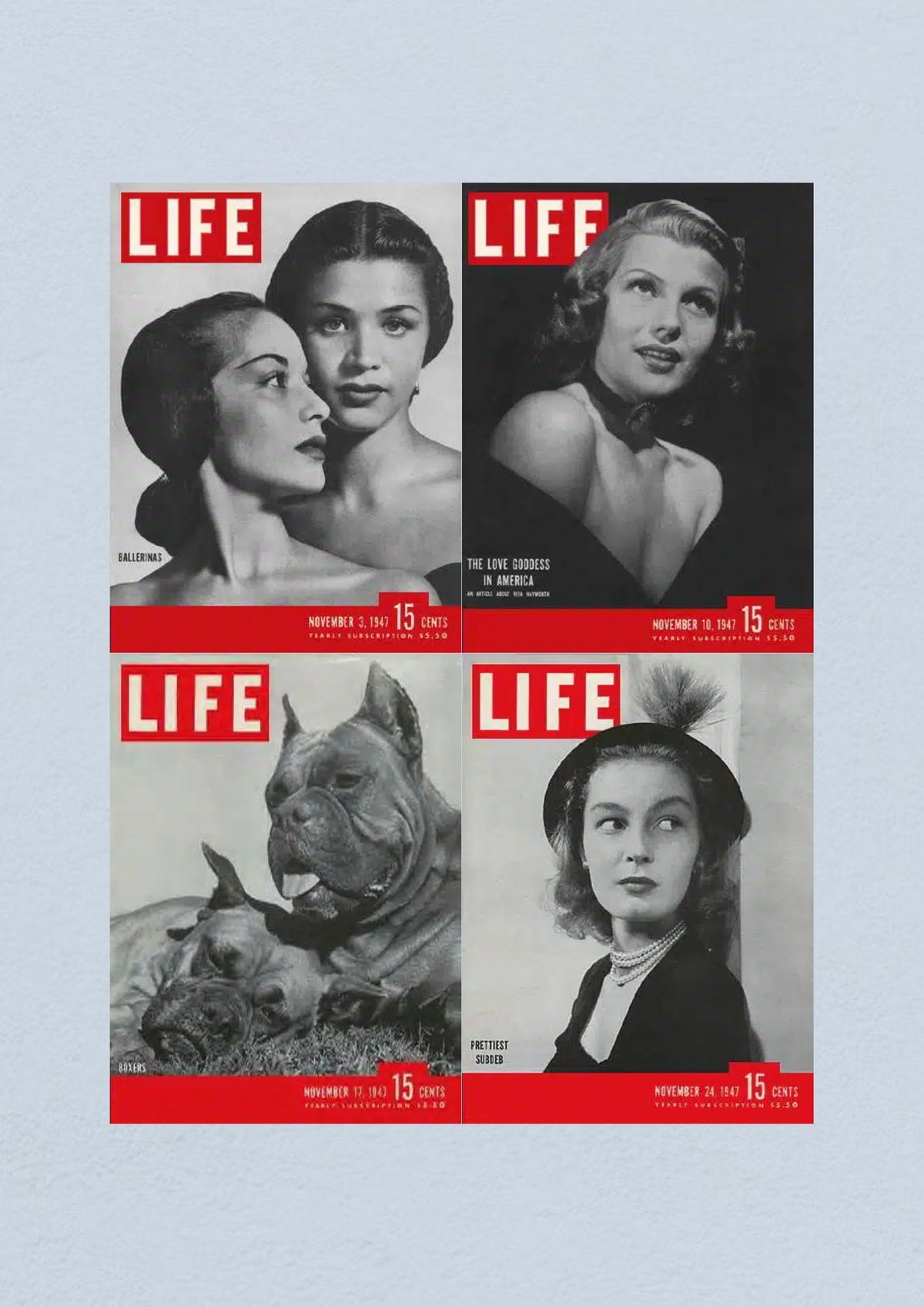
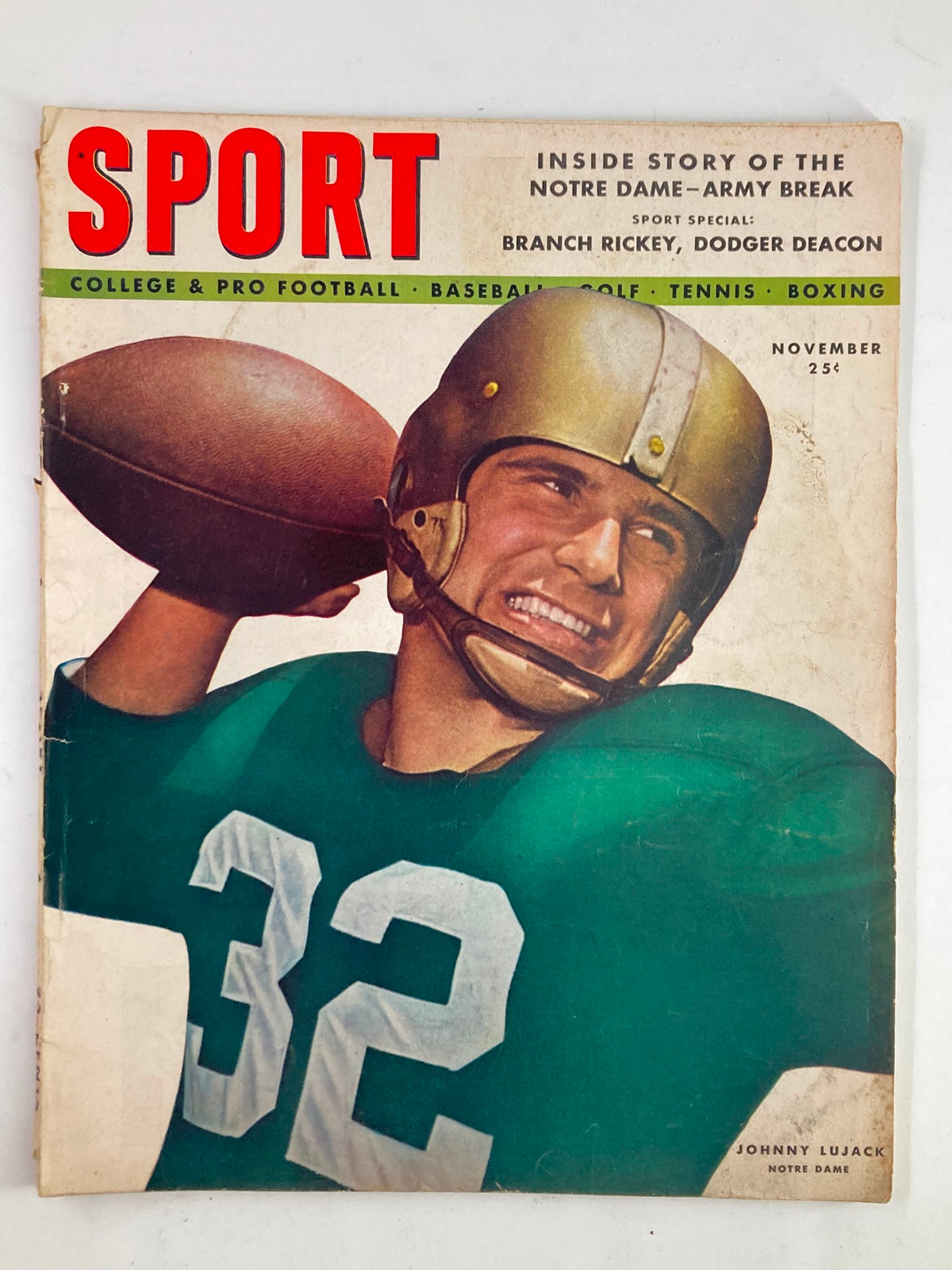
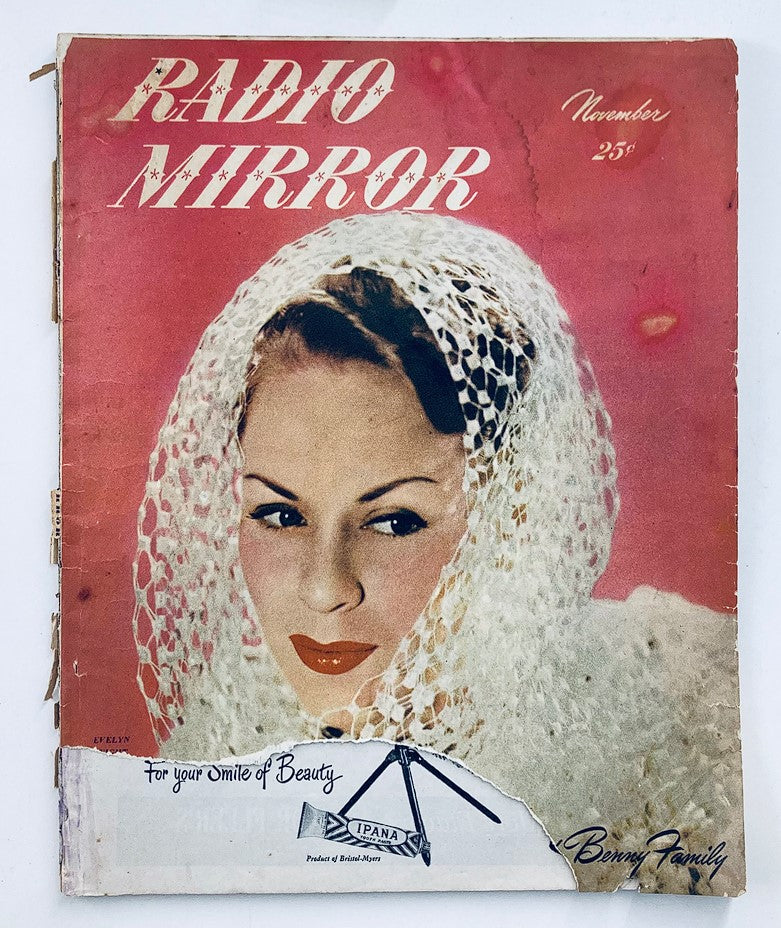
📖 About this Collection
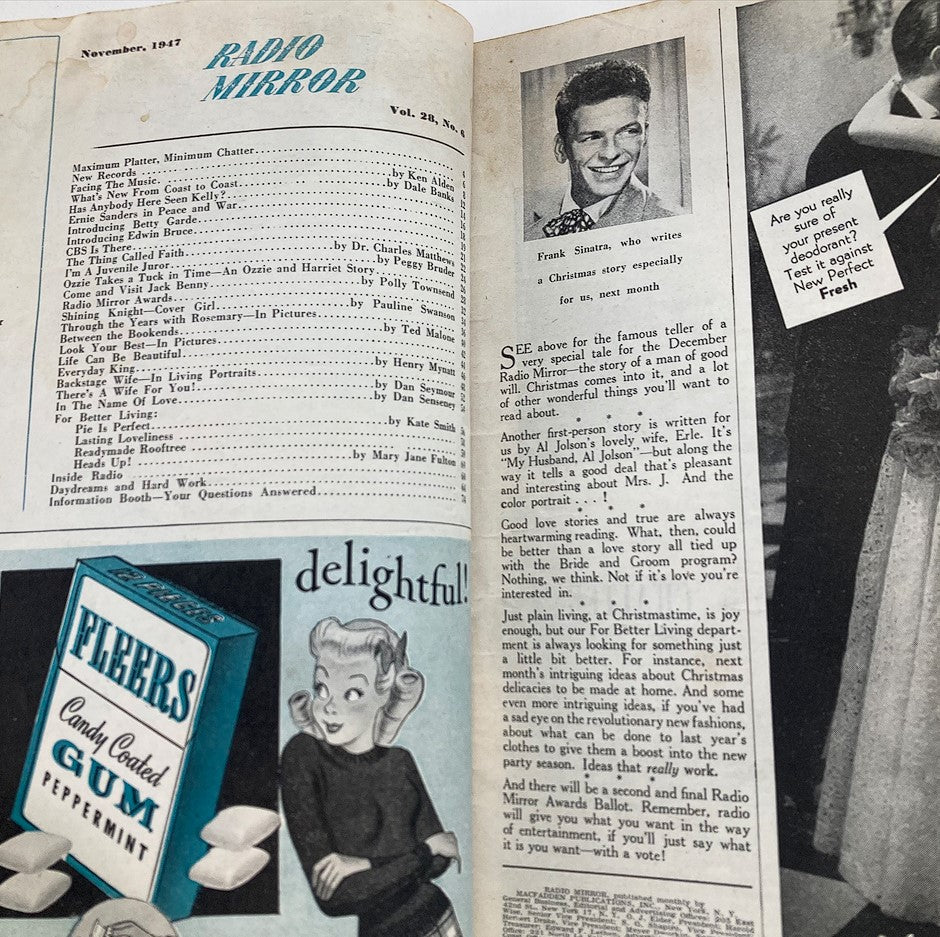
November 1947: The Month the World Was Redrawn
The Historical Context
November 1947 crackled with a particular tension—the kind that comes when old orders collapse and new ones have yet to solidify. On the 29th, the United Nations General Assembly cast its historic vote to partition Palestine between Arabs and Jews, a decision that would reshape the Middle East for generations. The ink was barely dry before Jewish settlements faced attack the very next morning, a grim preview of the conflict to come. Washington was consumed by its own internal reckoning: the House Un-American Activities Committee found the "Hollywood Ten" in contempt of Congress, and just days later, the first systematic blacklist in Hollywood history was instituted—a chill settling over creative America. Meanwhile, the Screen Actors Guild had already imposed an anti-Communist loyalty oath, and the French government of Schumann scrambled to form amid postwar instability across Europe. This was the world your loved one entered—charged, consequential, and utterly alive with history in the making.
The Culture Your Loved One Was Born Into
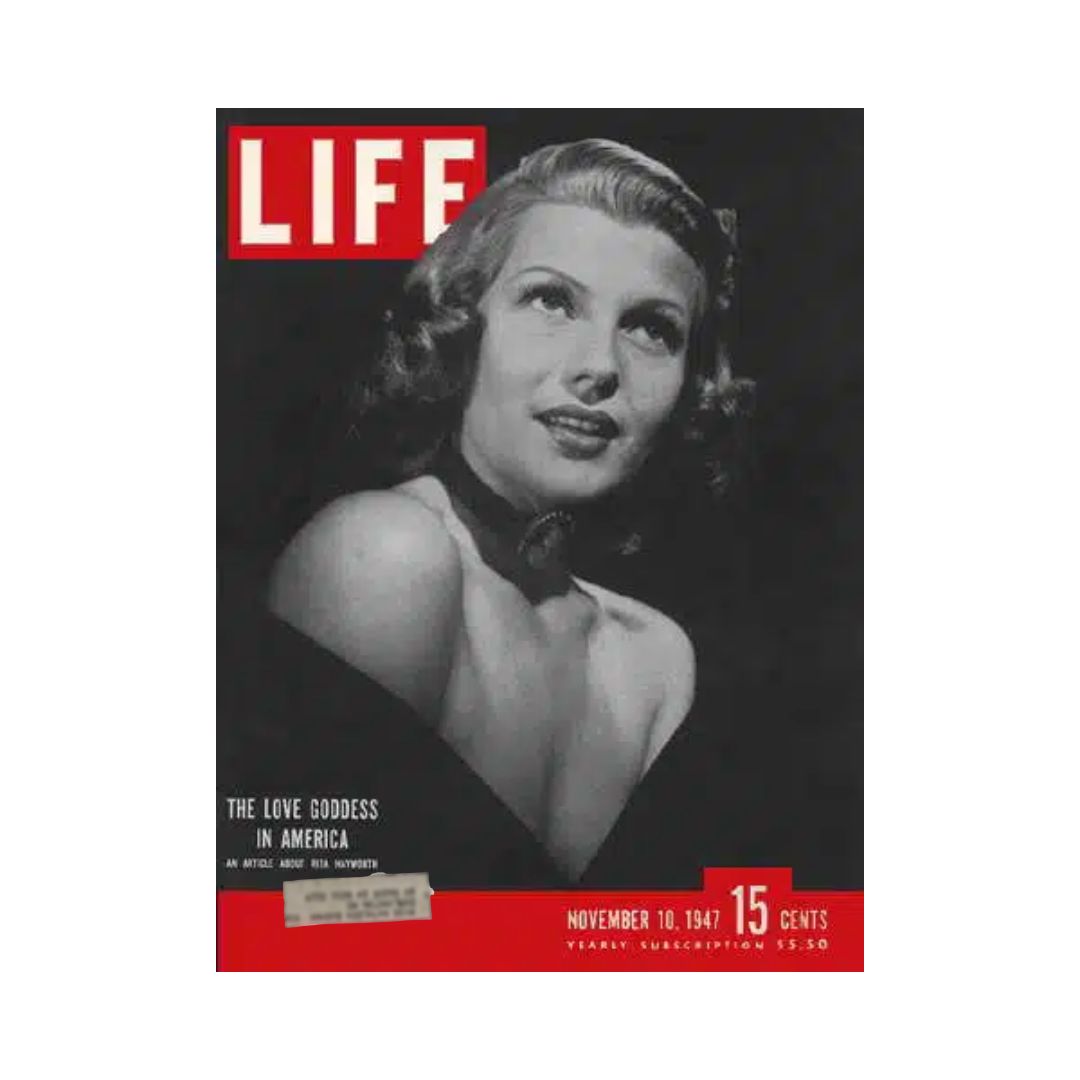
Away from the headlines, November 1947 offered a vivid portrait of American life at a crossroads. Gentlemen's Agreement, Elia Kazan's searing drama starring Gregory Peck, had just premiered in New York City—it would go on to win Best Picture, and the pages of Life and Look captured its cultural moment with striking photography and feature spreads. On the brand-new medium of television, NBC's Meet the Press made its debut on November 6th, launching what would become the longest-running TV show in American history. Howard Hughes dominated the newsreels and front pages when he piloted the magnificent "Spruce Goose"—his enormous wooden flying boat—on its one and only flight, skimming 70 feet above the water before returning to earth as legend. John Steinbeck's novella The Pearl arrived in bookshops. Joe DiMaggio claimed his third MVP award, edging Ted Williams by a single vote. Original magazines from November 1947 catch all of it: the drama, the glamour, and the defining anxieties of a nation in transition.
The Curator's Checklist: What to Look For
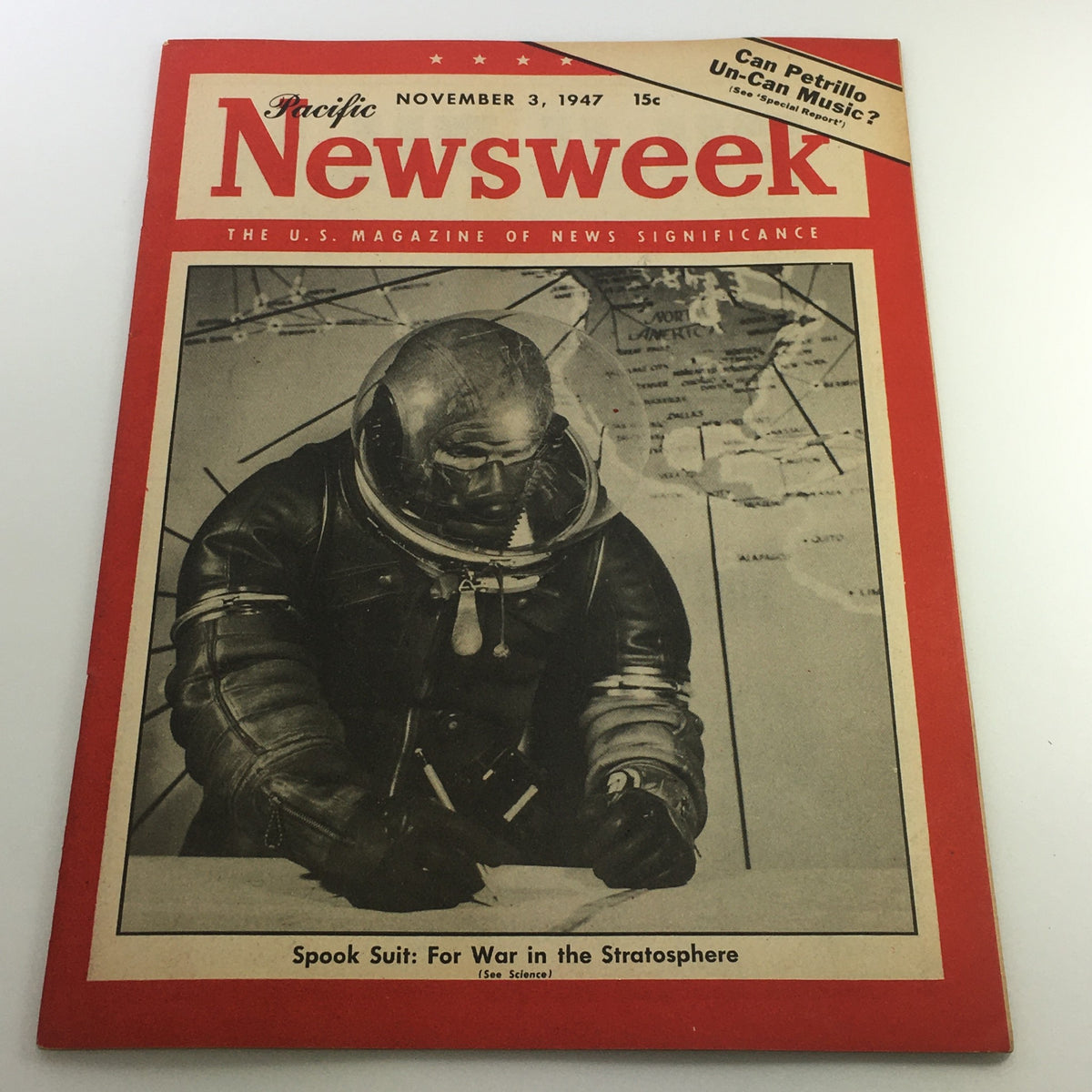
- The UN Palestine Partition Vote: News weeklies including Time, Newsweek, and Life ran urgent coverage of the UN's landmark decision to divide Palestine, featuring maps, photographs of the General Assembly session, and editorial commentary on what it meant for the postwar world order.
- The Hollywood Blacklist & HUAC: Variety and mainstream publications alike covered the "Hollywood Ten" contempt findings and the industry's first formal blacklist, offering buyers a genuine window into the Red Scare's grip on American culture—look for editorial cartoons and opinion columns alongside the hard news.
- Howard Hughes & the Spruce Goose: The November 2nd flight of Hughes's massive flying boat was a sensation. Life and Popular Mechanics both had the story, illustrated with dramatic photographs of the enormous aircraft—among the most visually arresting rare magazines of the era.
- Joe DiMaggio's Third MVP: Sports Illustrated had not yet launched, but Life, Look, and the Saturday Evening Post celebrated DiMaggio's achievement, with vintage magazines showcasing the golden age of baseball photography and America's obsession with its heroes.
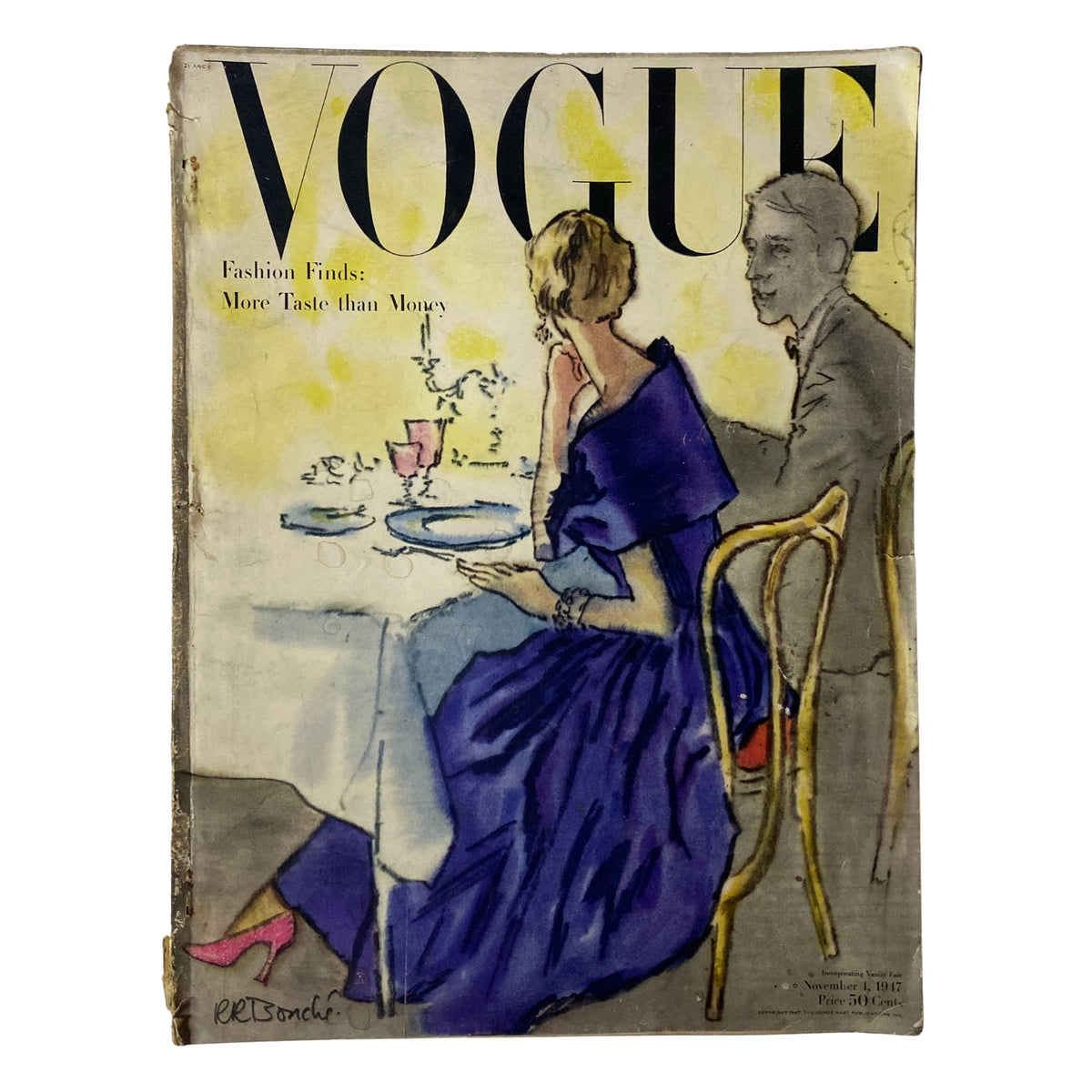
- The Premiere of Gentlemen's Agreement: Vogue, Harper's Bazaar, and entertainment publications featured Gregory Peck and the film's New York premiere, with authentic period advertisements reflecting postwar American fashion, beauty, and consumer culture surrounding the coverage.
The Perfect Gift
For someone born in November 1947, an original magazine from this watershed month isn't just a piece of paper—it's a genuine time capsule of the world at its most consequential, preserved in authentic headlines, period advertisements, and photographs from the exact days they took their first breath.