📖 About this Collection
November 1950: The Month America Faced the Atomic Brink
The Historical Context
The world held its breath in November 1950 as Cold War tensions erupted into terrifying proximity. On the first day of the month, Puerto Rican nationalists stormed Blair House in a brazen assassination attempt on President Harry Truman—Officer Leslie Coffelt died protecting the president in a firefight that brought violence to America's doorstep. But the true crisis unfolded overseas: China's massive intervention across the Yalu River on November 26th transformed the Korean conflict into a potential global catastrophe, prompting Truman to publicly threaten atomic retaliation by month's end. Between these bookends of violence, the nation watched nervously as UN forces pushed toward what they hoped would be a Christmas victory, only to face a Chinese offensive that would dash those hopes. East German Prime Minister Otto Grotewohl's November 30th call for German reunification underscored how the postwar world remained dangerously unresolved. This was the world your loved one entered—a month when the fragile peace of 1945 seemed ready to shatter, and everyday Americans wondered if another world war loomed on the horizon.
Pop Culture & Daily Life
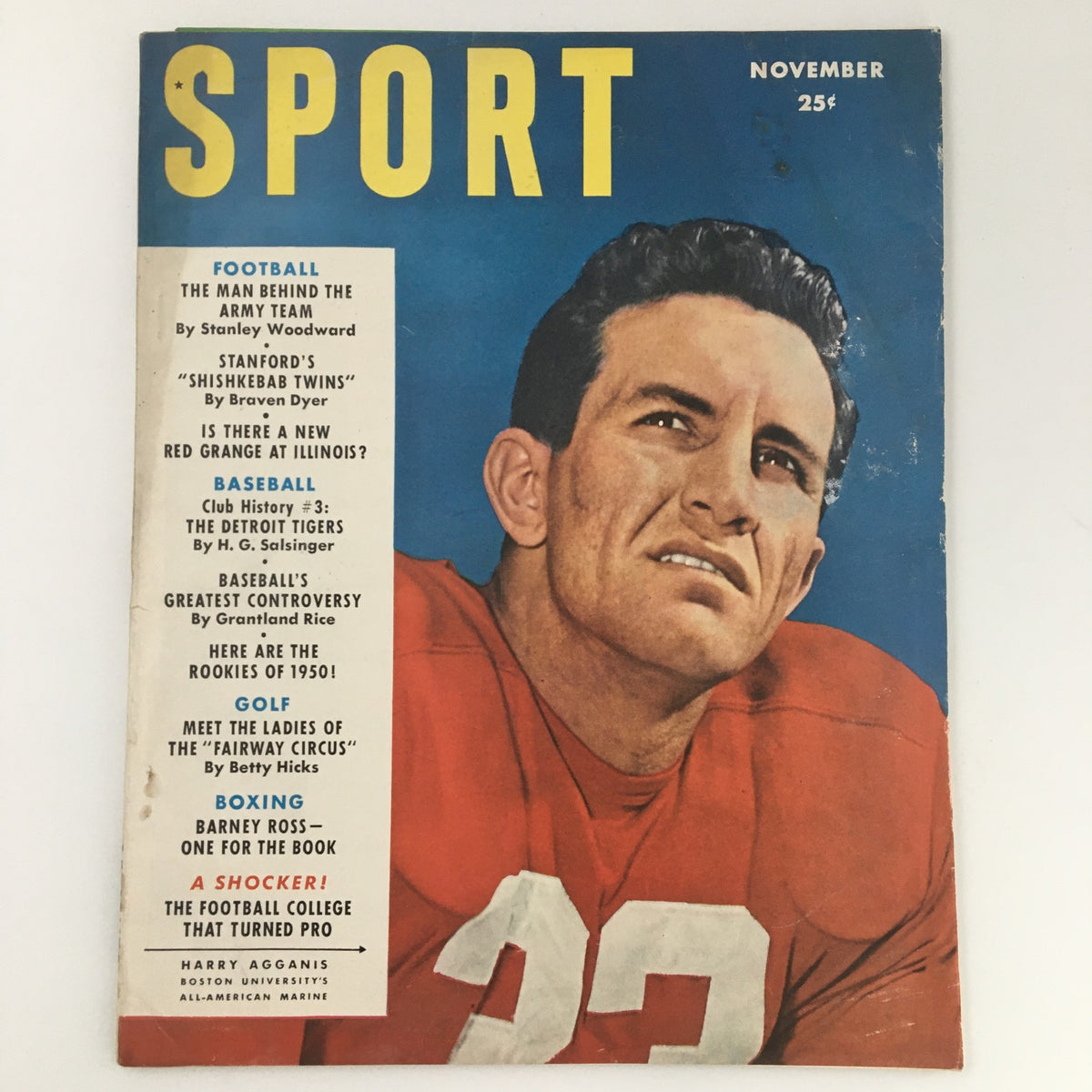
While headlines screamed of war and crisis, Americans sought escape in Broadway's brightest lights and baseball's beloved rituals. Frank Loesser's "Guys & Dolls" opened at the 46th Street Theater on November 24th, delivering five Tony Awards' worth of New York charm with Robert Alda's Sky Masterson wooing audiences for what would become 1,200 performances. Arthur Miller's "Death of a Salesman" closed after its triumphant 742-performance run, leaving theaters to reflect on Willy Loman's American tragedy. On the sports pages, baseball dominated: Walt Dropo claimed AL Rookie of Year honors for the Red Sox, while the Braves' Sam Jethroe won the NL equivalent—both stories of athletic excellence that original magazines from November 1950 captured in action photographs and statistical breakdowns. The NBA witnessed history when Chuck Cooper became the first African American to play in the league alongside Boston's rookie Bob Cousy. Even in a month shadowed by atomic threats, Americans filled magazine pages with box scores, theater reviews, and advertisements for the consumer abundance that separated their lives from war-torn continents.
What to Look for in Vintage Magazines from November 1950
-
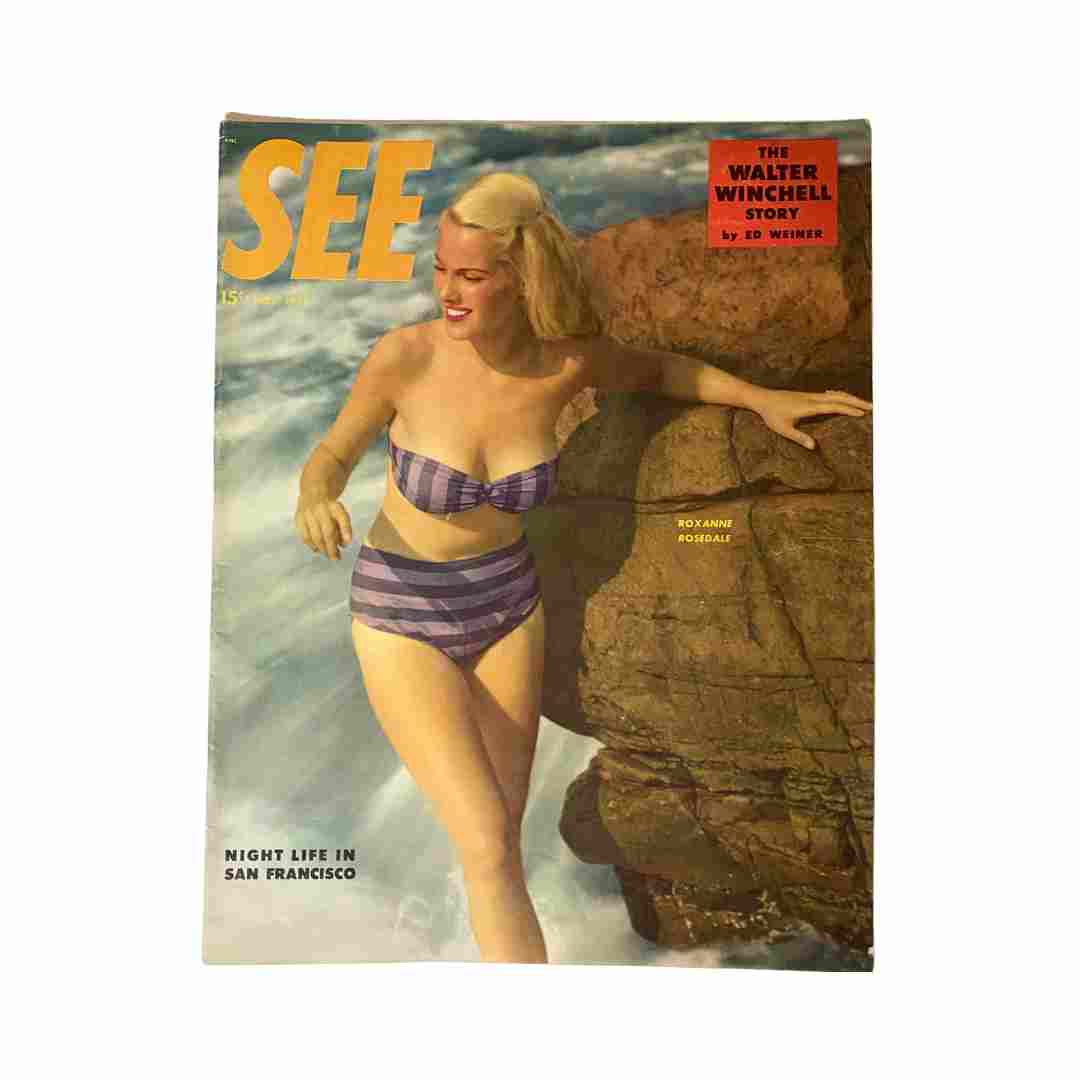
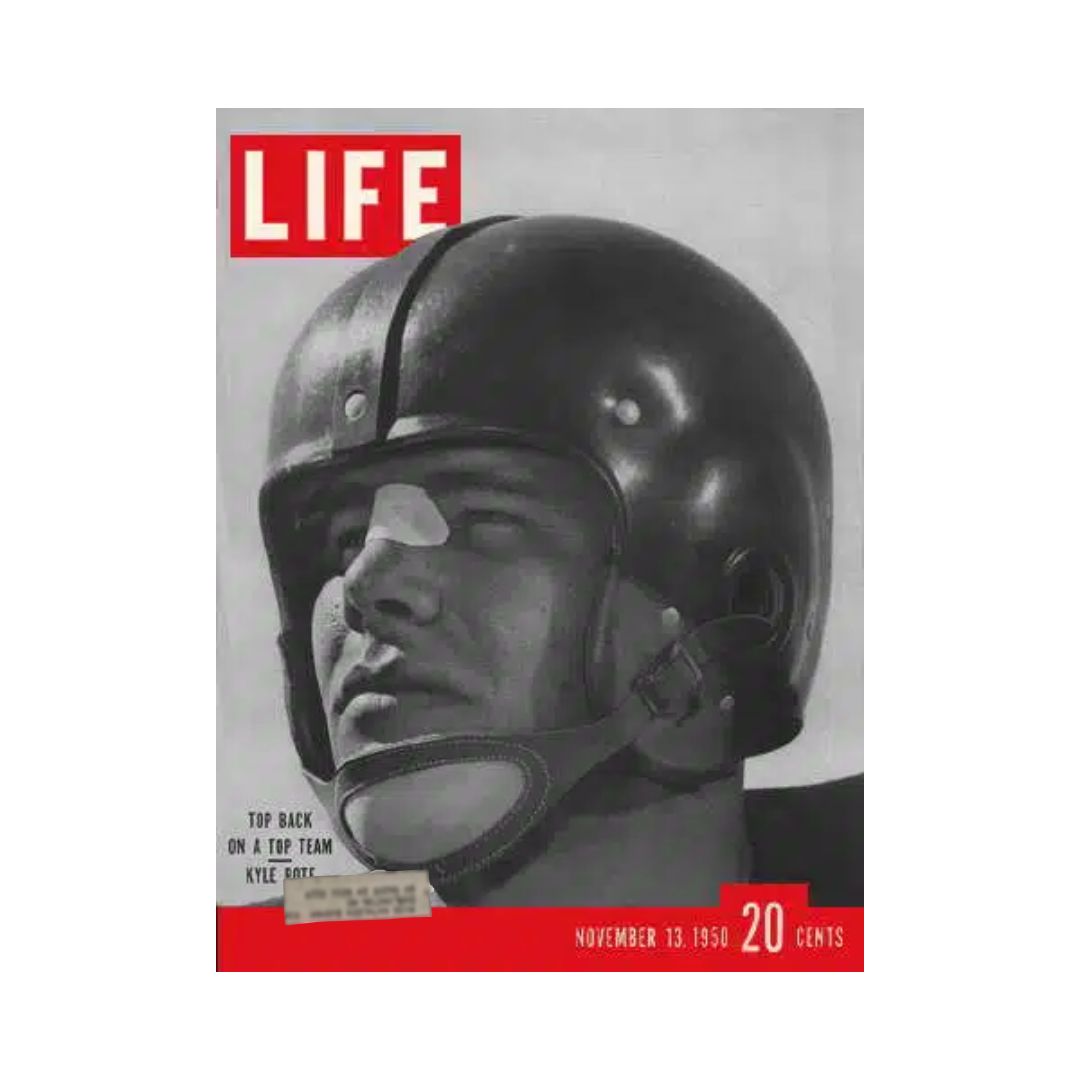
The Blair House Assassination Attempt: News magazines like Life and Time featuring dramatic photographs of the bullet-scarred Blair House entrance and profiles of the fallen Officer Coffelt, often accompanied by security diagrams showing how close the assassins came to President Truman.
-
Korean War Coverage Turns Dire: Look for maps in Newsweek and illustrated magazines chronicling the UN advance toward the Yalu River and China's shocking intervention—the optimistic "Home by Christmas" headlines giving way to crisis reporting as the month progressed.
-
Broadway's Golden Season: Theater sections in rare magazines showcasing "Guys & Dolls" opening night coverage with cast photographs, while "Death of a Salesman" closing features memorialized Lee J. Cobb's legendary performance in what Elia Kazan called his greatest directorial achievement.
-
Baseball's Changing Guard: Sports sections featuring Walt Dropo and Sam Jethroe's Rookie of Year awards, Lou Boudreau's managerial departure from Cleveland after nine years, and the historic November 15th signing of Arthur Dorrington as organized hockey's first Black player.
-
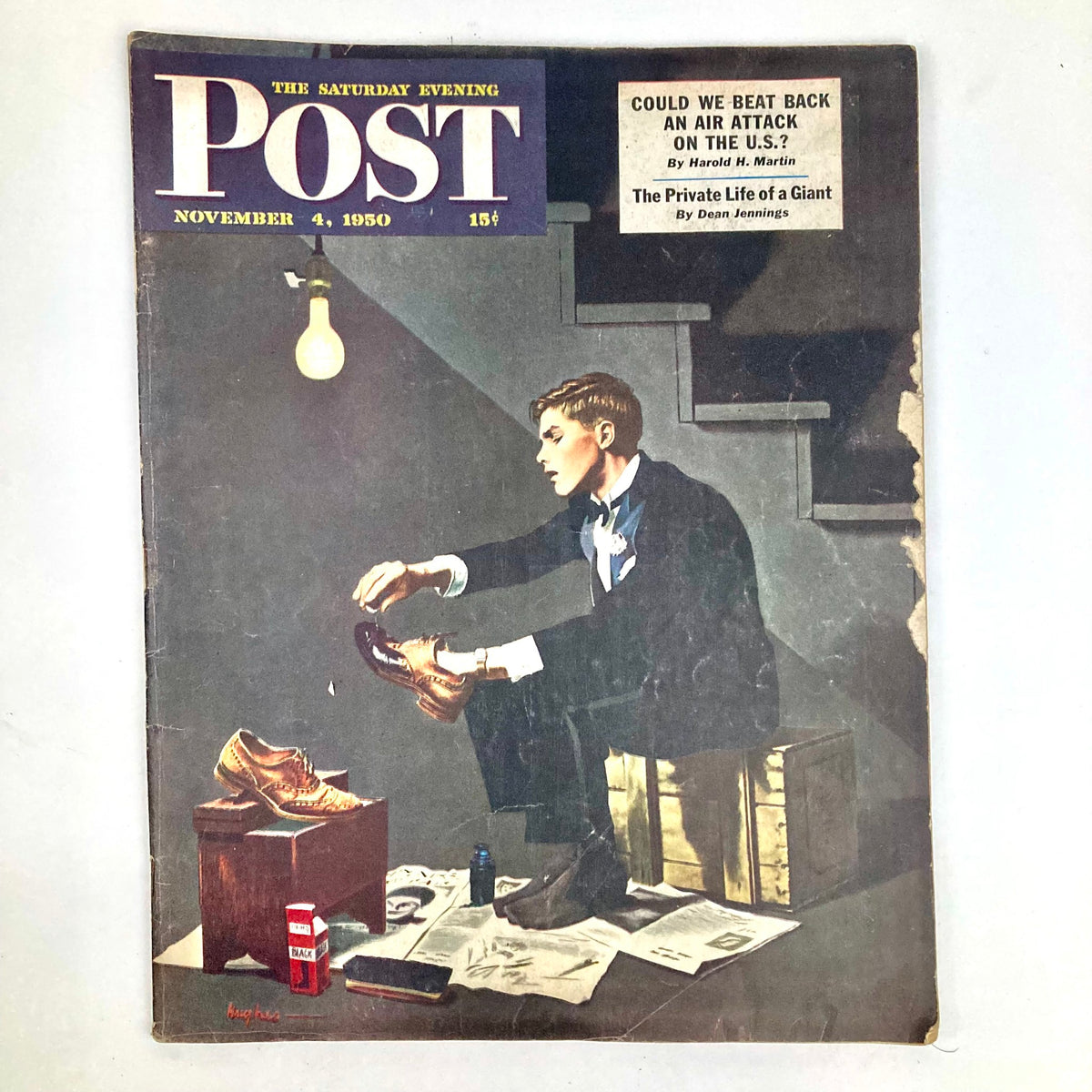
Nuclear Anxiety Advertising: Period advertisements reflecting Cold War consciousness—civil defense messaging, bomb shelter equipment, and the peculiar optimism of consumer goods marketed to families living under the atomic shadow that Truman's threat made explicit.
The Perfect Gift
For someone born in November 1950, an original magazine from this pivotal month isn't just a nostalgic artifact—it's an authenticated witness to the moment when postwar optimism collided with nuclear reality, preserved in genuine headlines, advertisements, and photography that no reproduction can replicate.