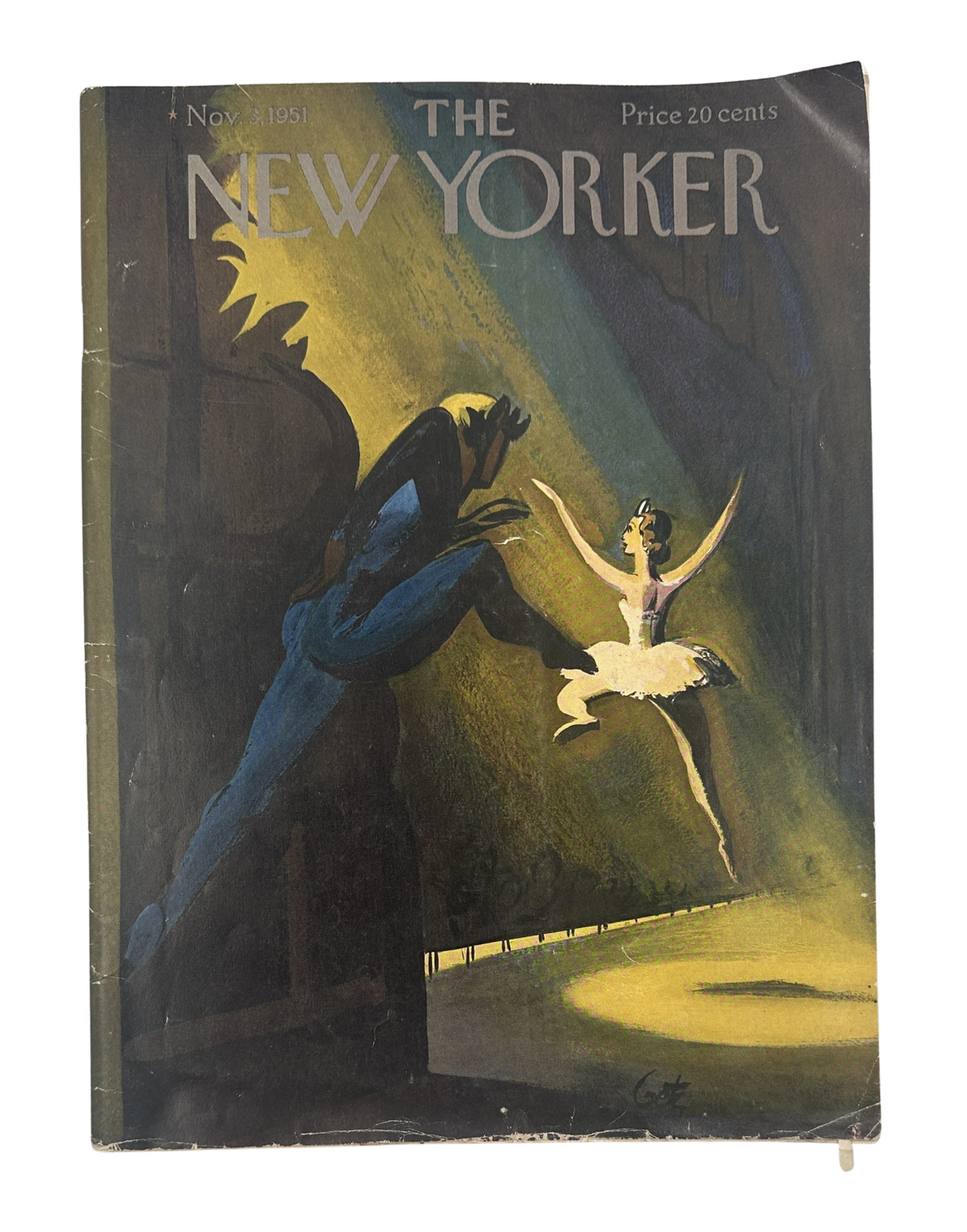
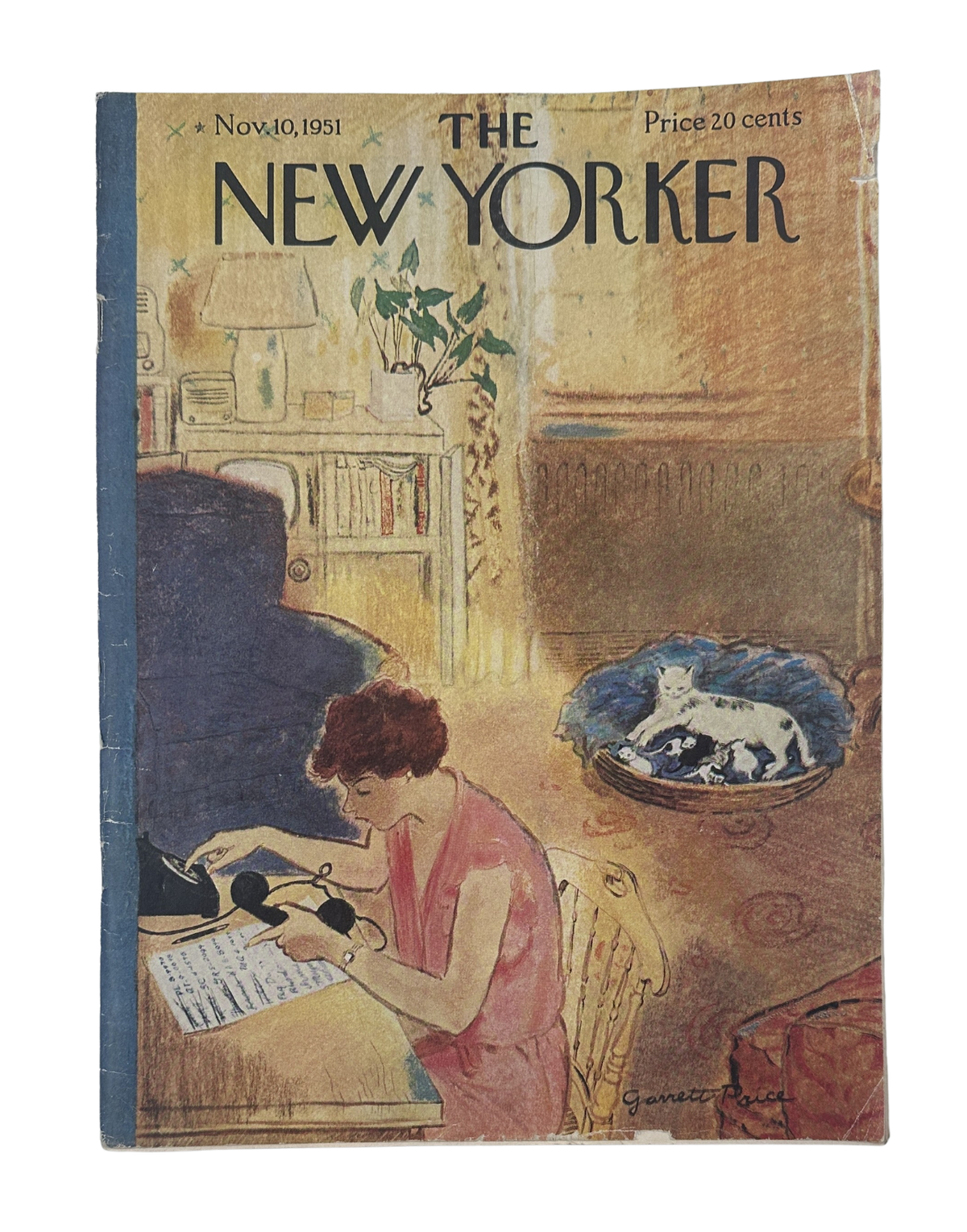
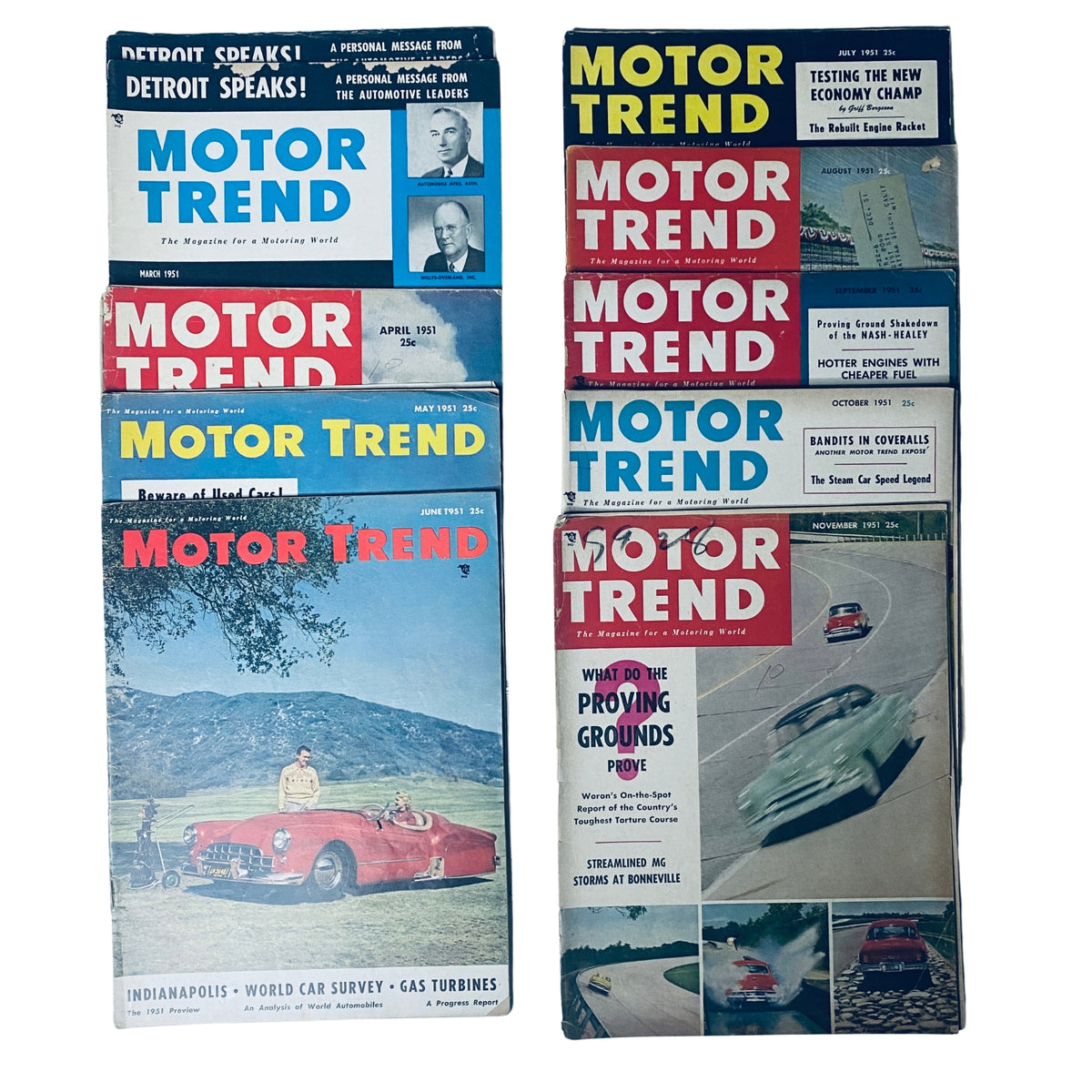
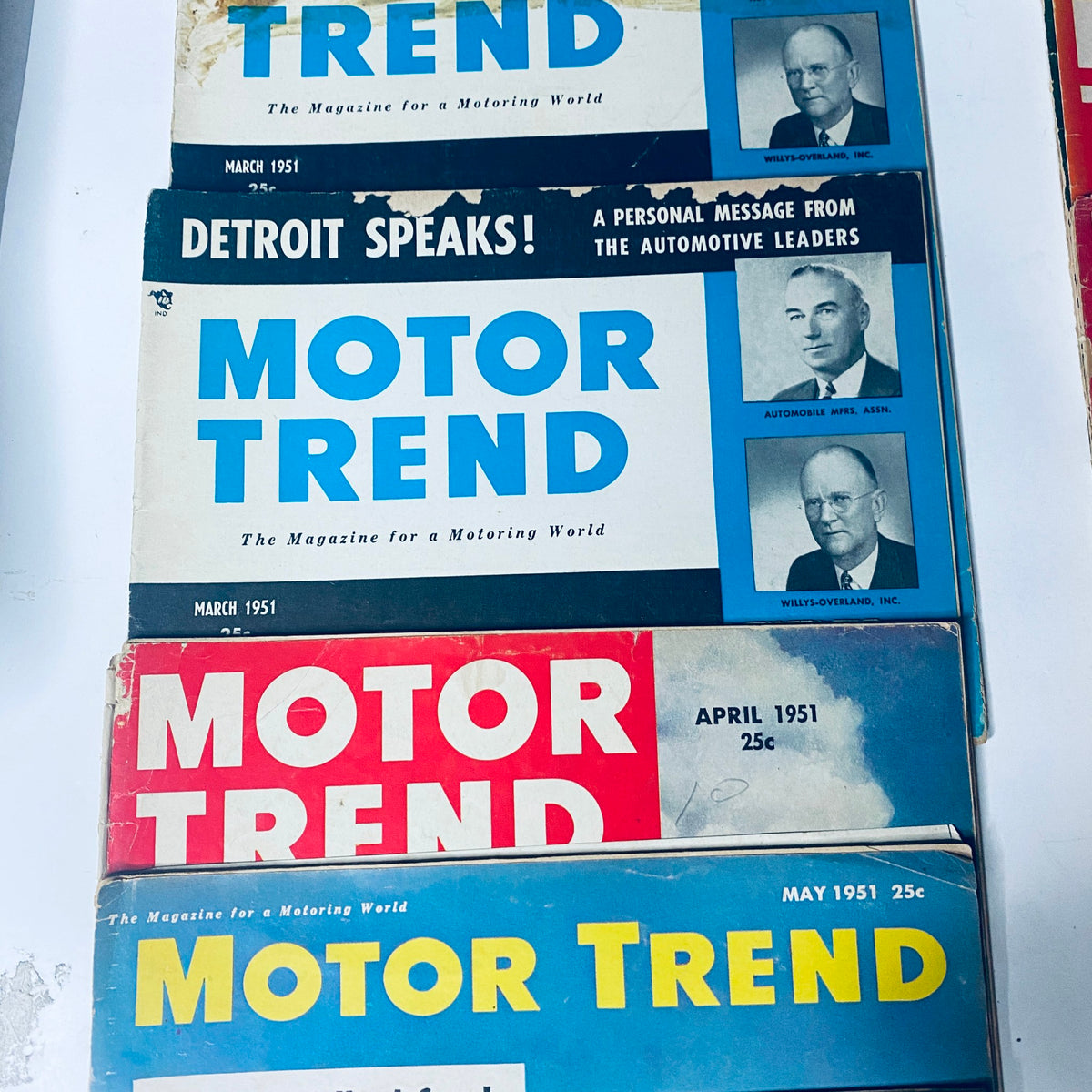
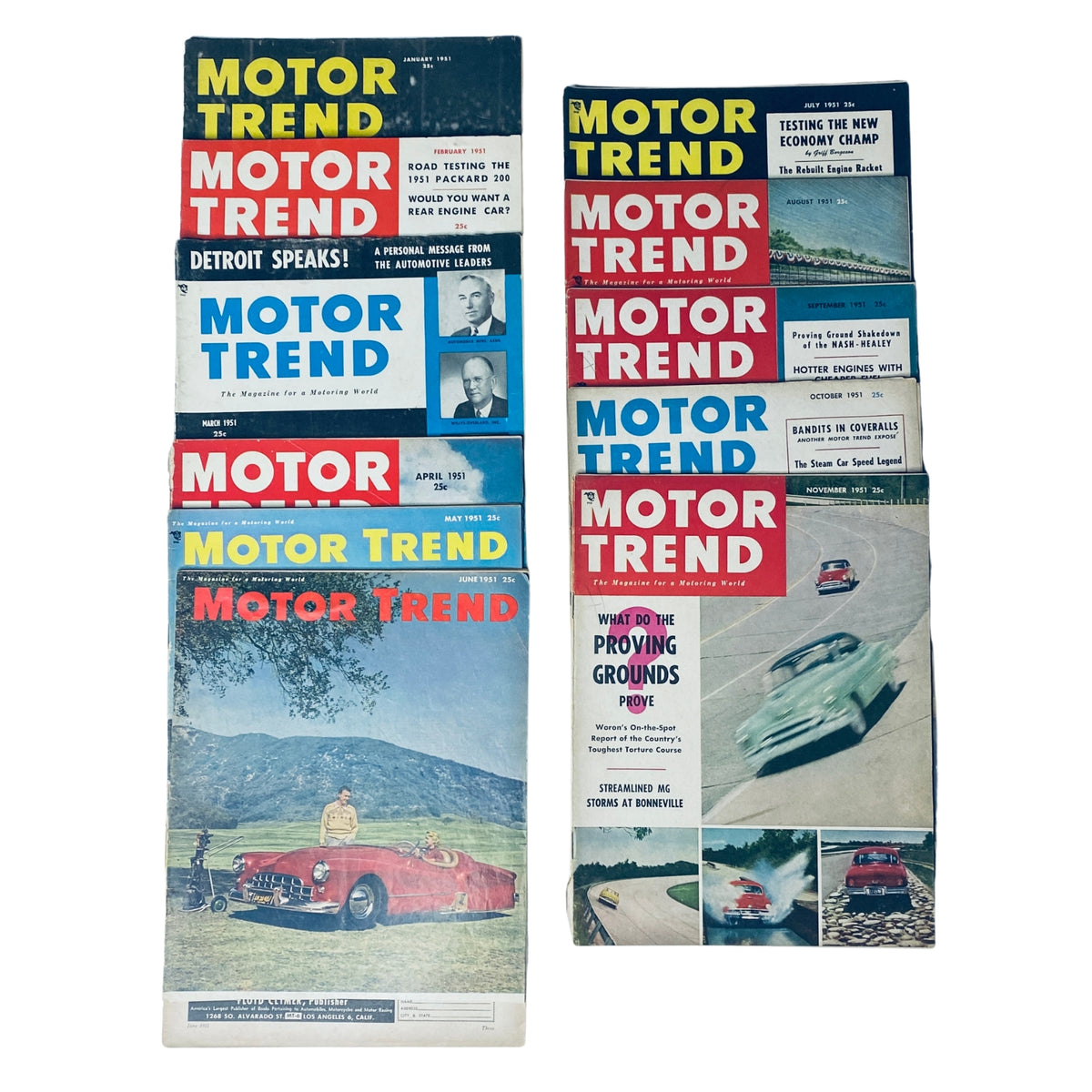
📖 About this Collection
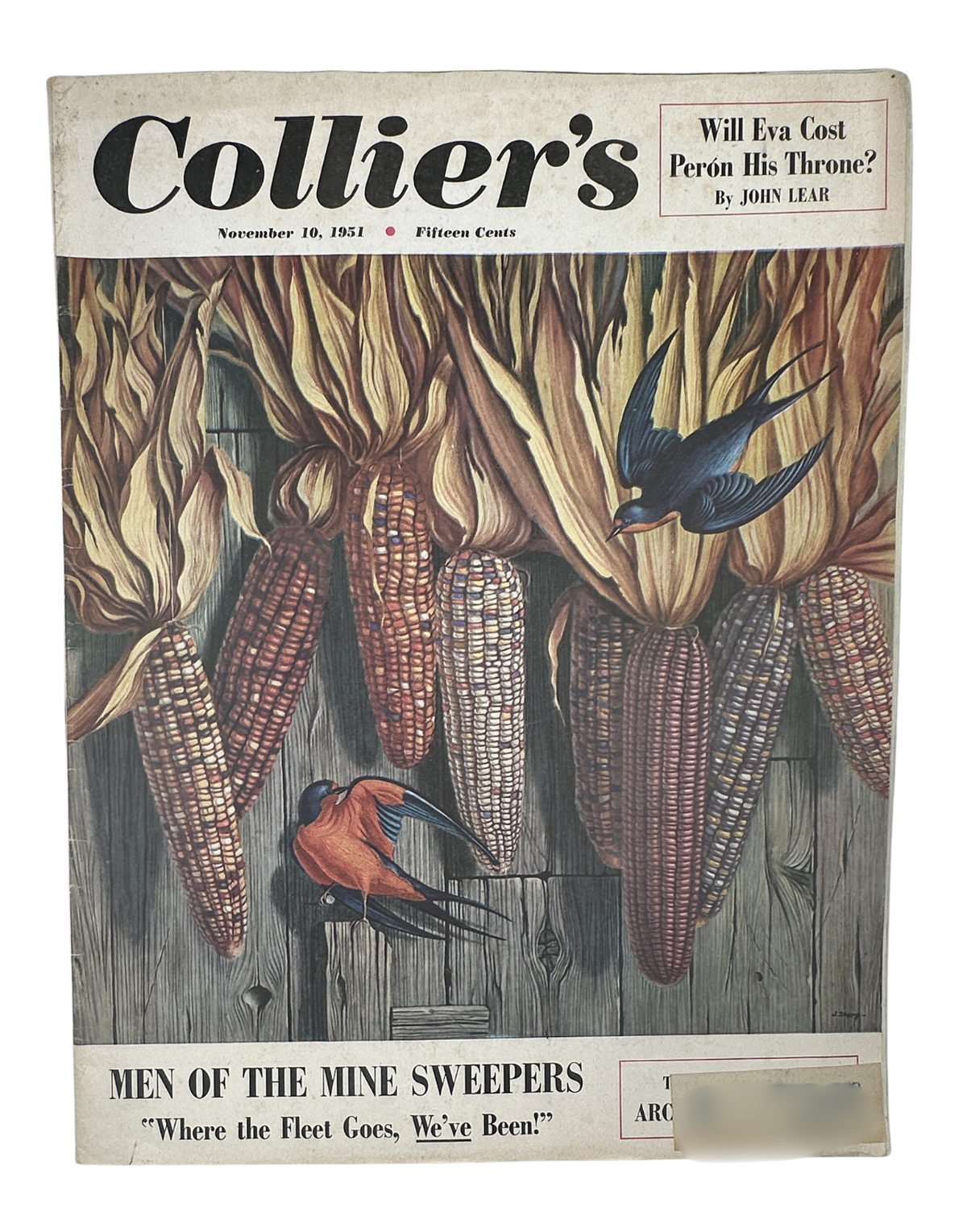
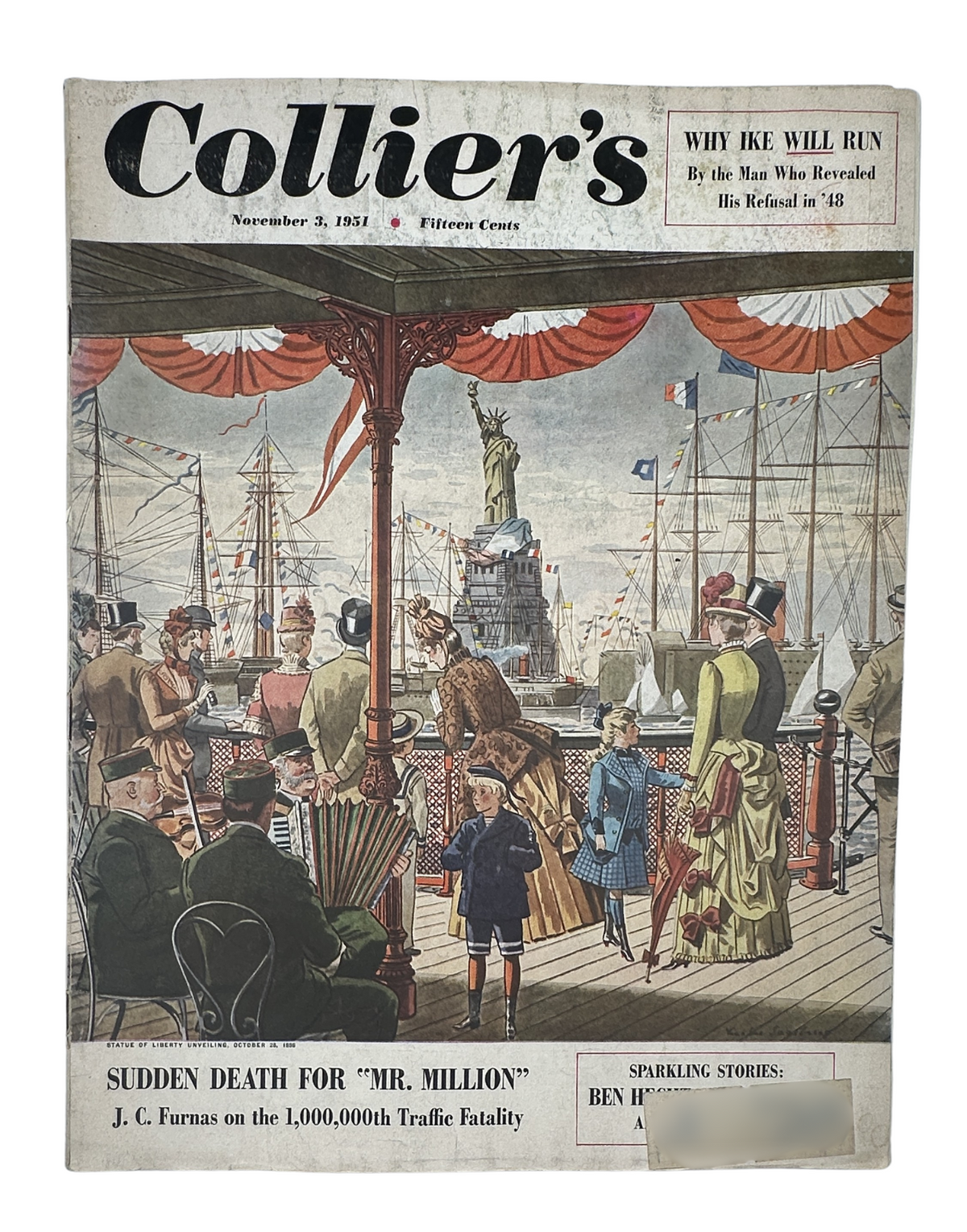
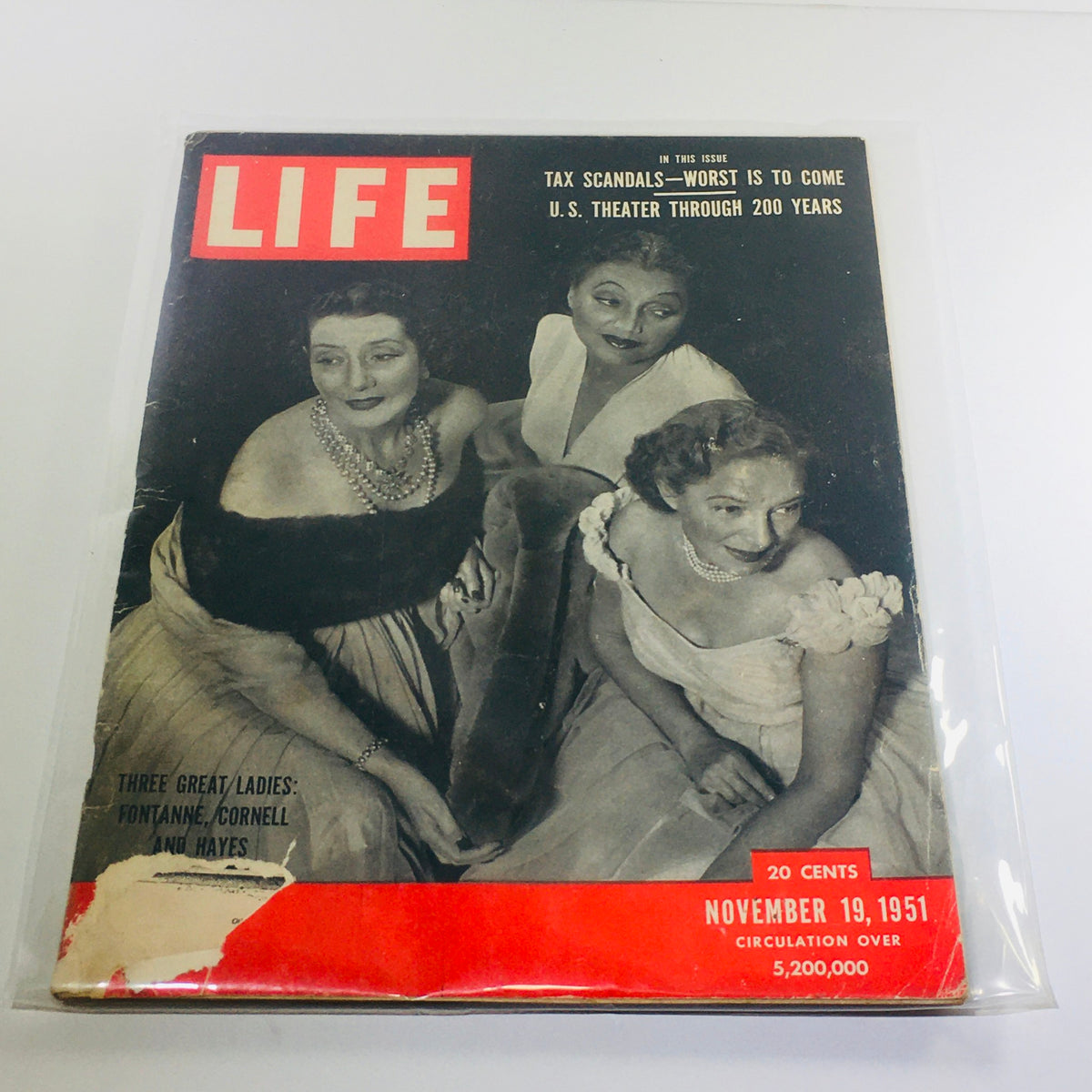
November 1951: When the Atomic Age Came Home
The Historical Context
November 1951 brought the nuclear era shockingly close to American soil. On November 1st, US troops witnessed the first atomic explosion designed for military observers at the Nevada Test Site—soldiers standing just miles from a mushroom cloud in a chilling demonstration of tactical nuclear warfare. The month culminated on November 29th with Operation Buster-Jangle's "Uncle" test, the first underground atomic explosion at Frenchman Flat, Nevada, marking a new phase in nuclear weapons development. International tensions escalated when British troops occupied Ismailiya, Egypt on November 18th during the Suez crisis, while a military coup led by Adib Shishakli forced Syria's government to resign on November 29th. A fragile hope emerged on November 27th when a cease-fire and demarcation zone accord was signed at Panmunjom, Korea, suggesting the brutal conflict might finally end. This was the world your loved one entered in November 1951—a month when mushroom clouds rose over American deserts and the nuclear arms race accelerated beyond public comprehension.
Pop Culture & Everyday Life
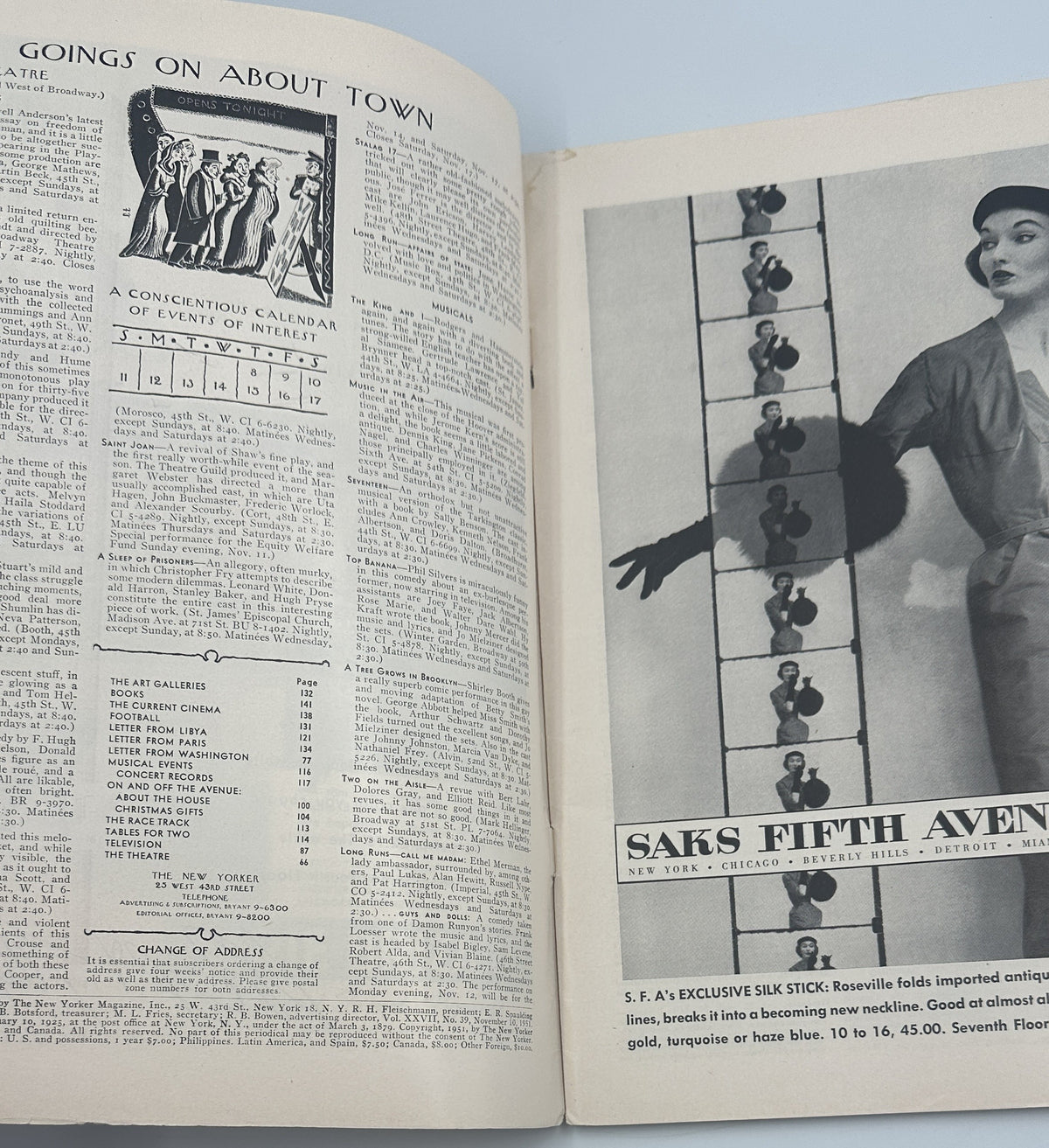
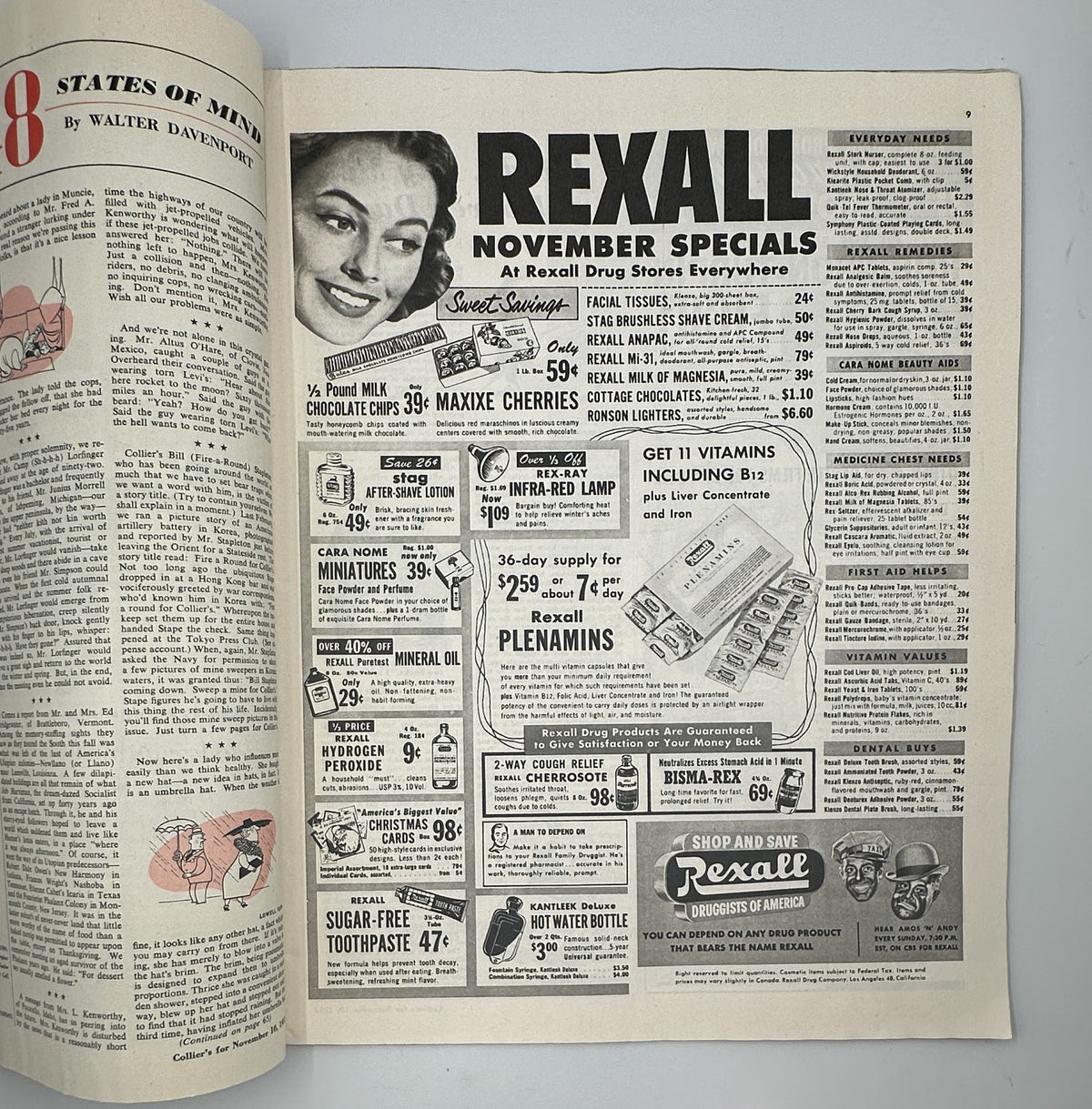
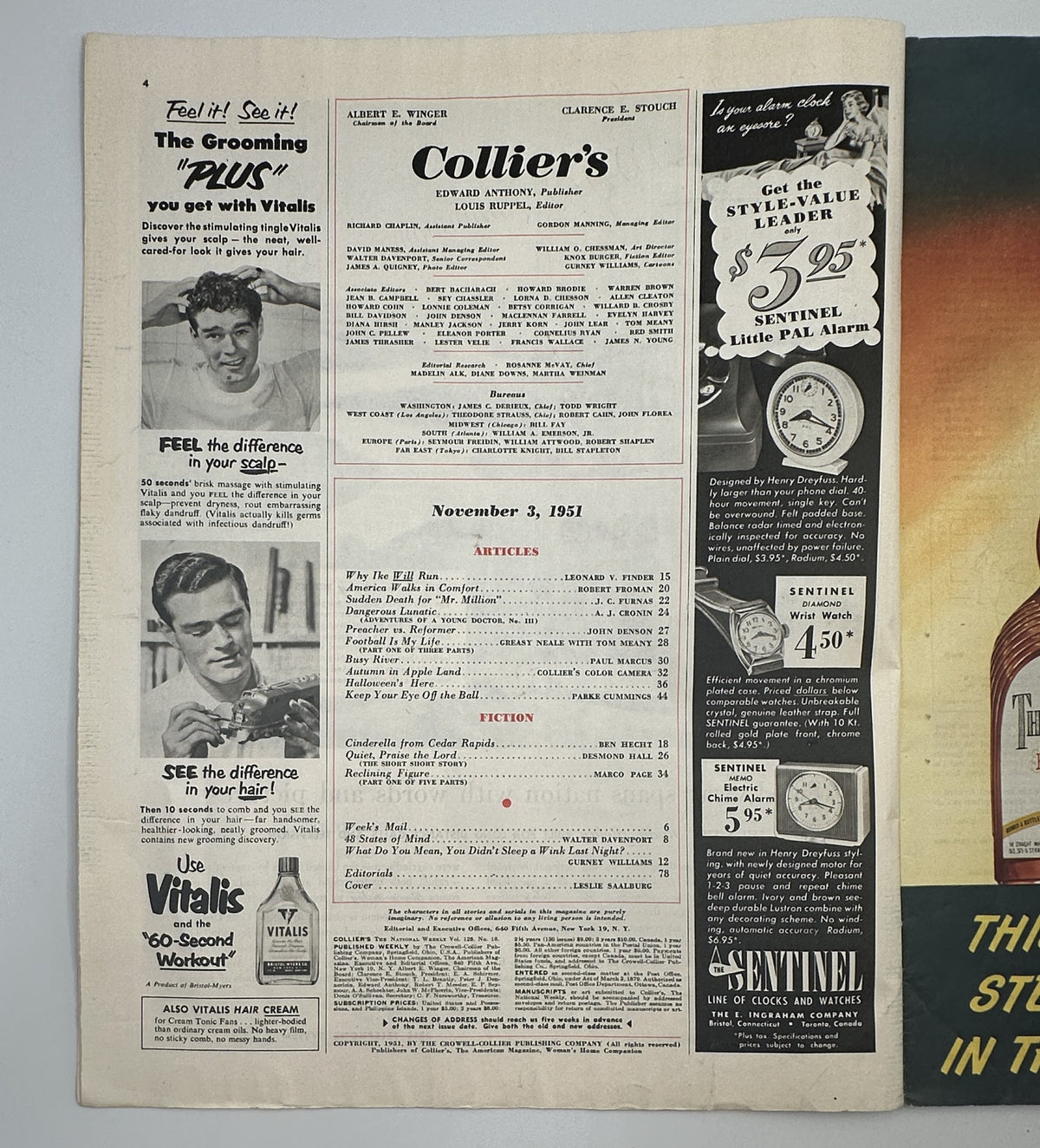
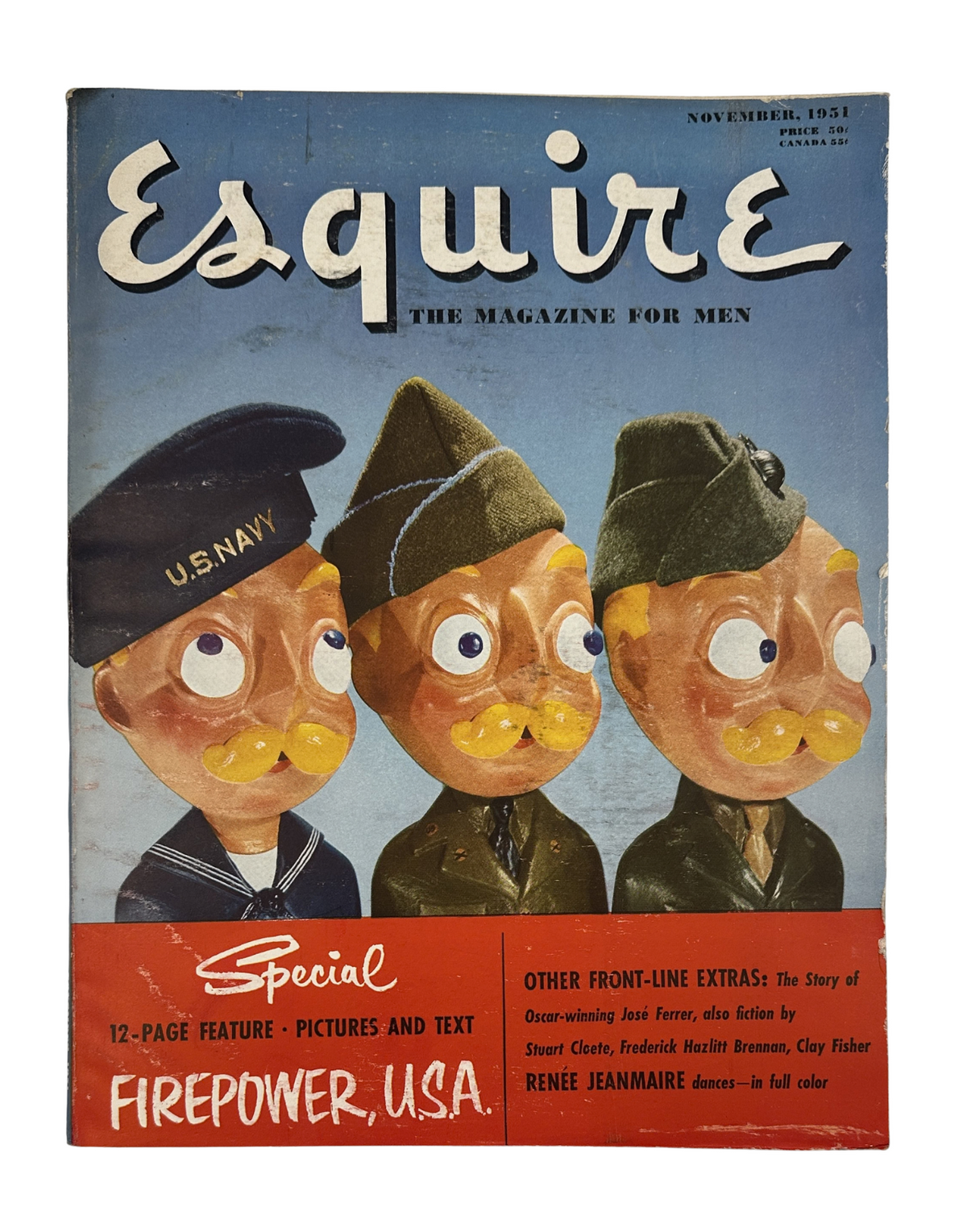
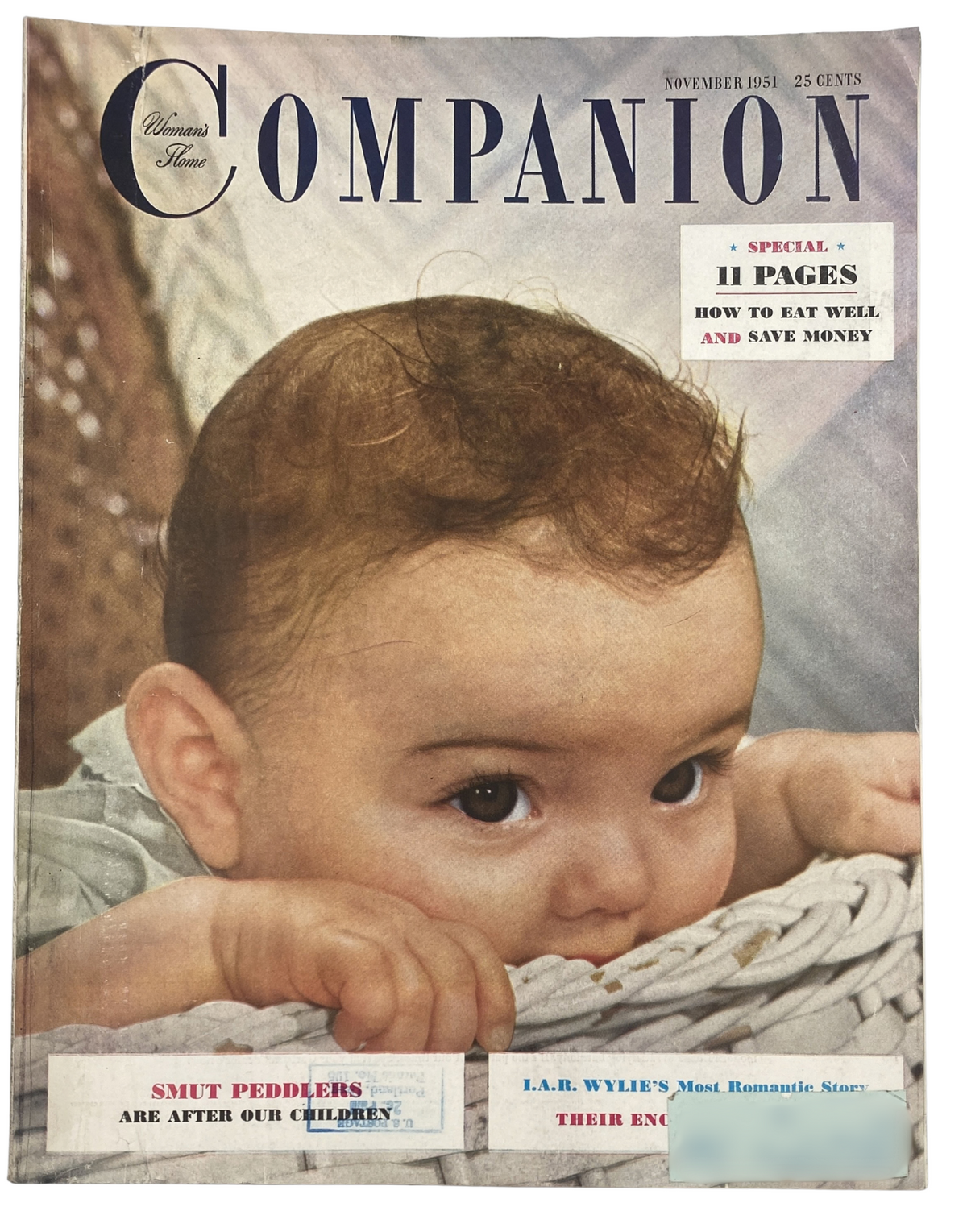
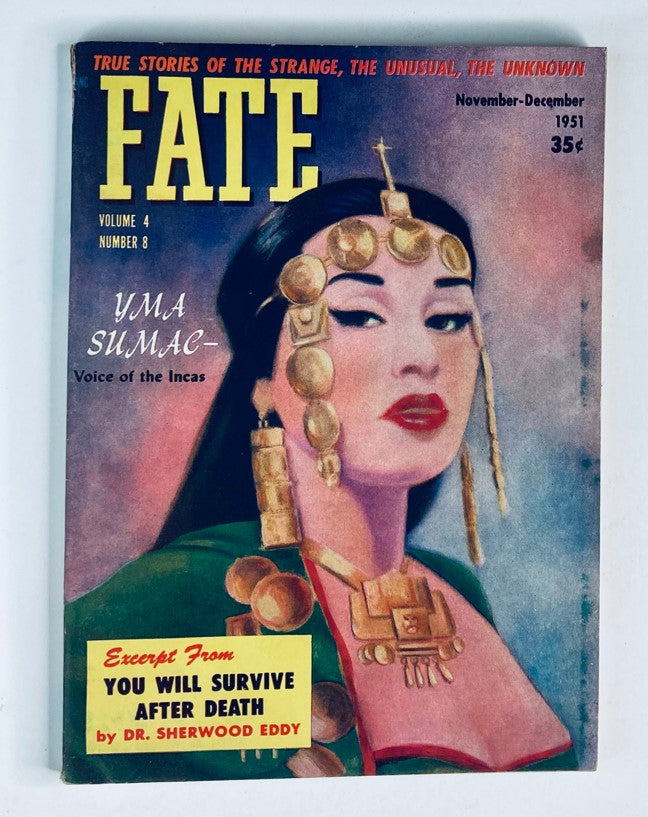
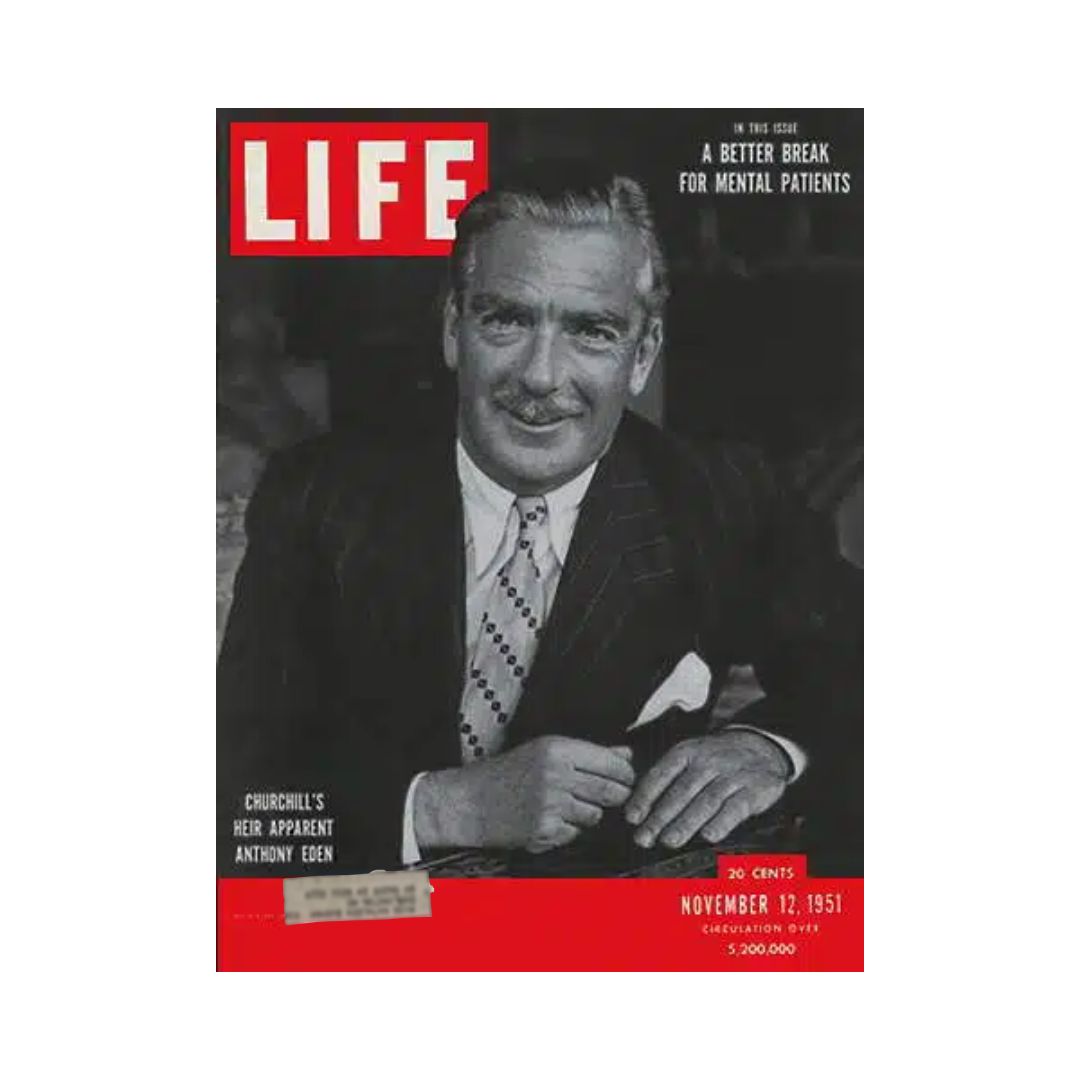
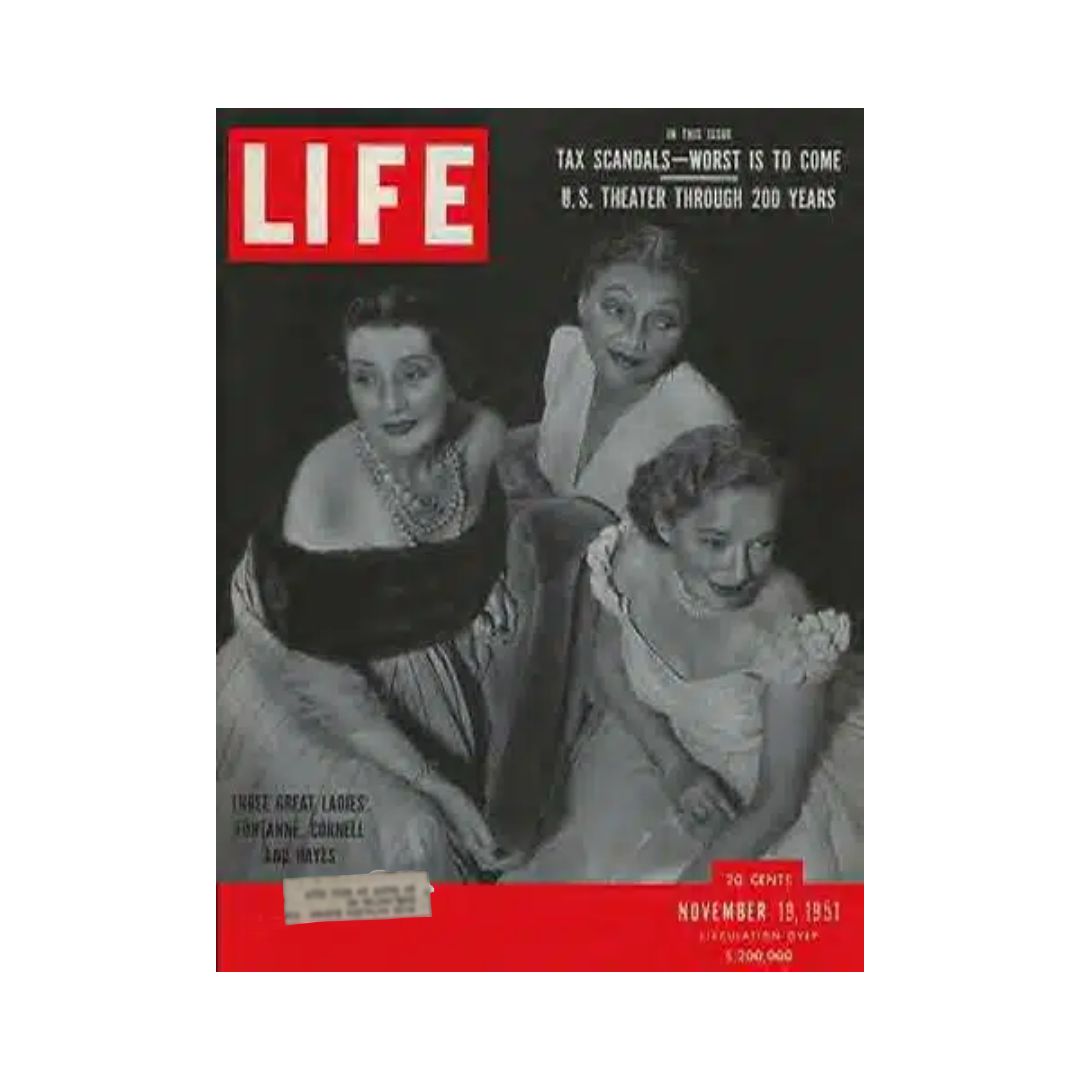
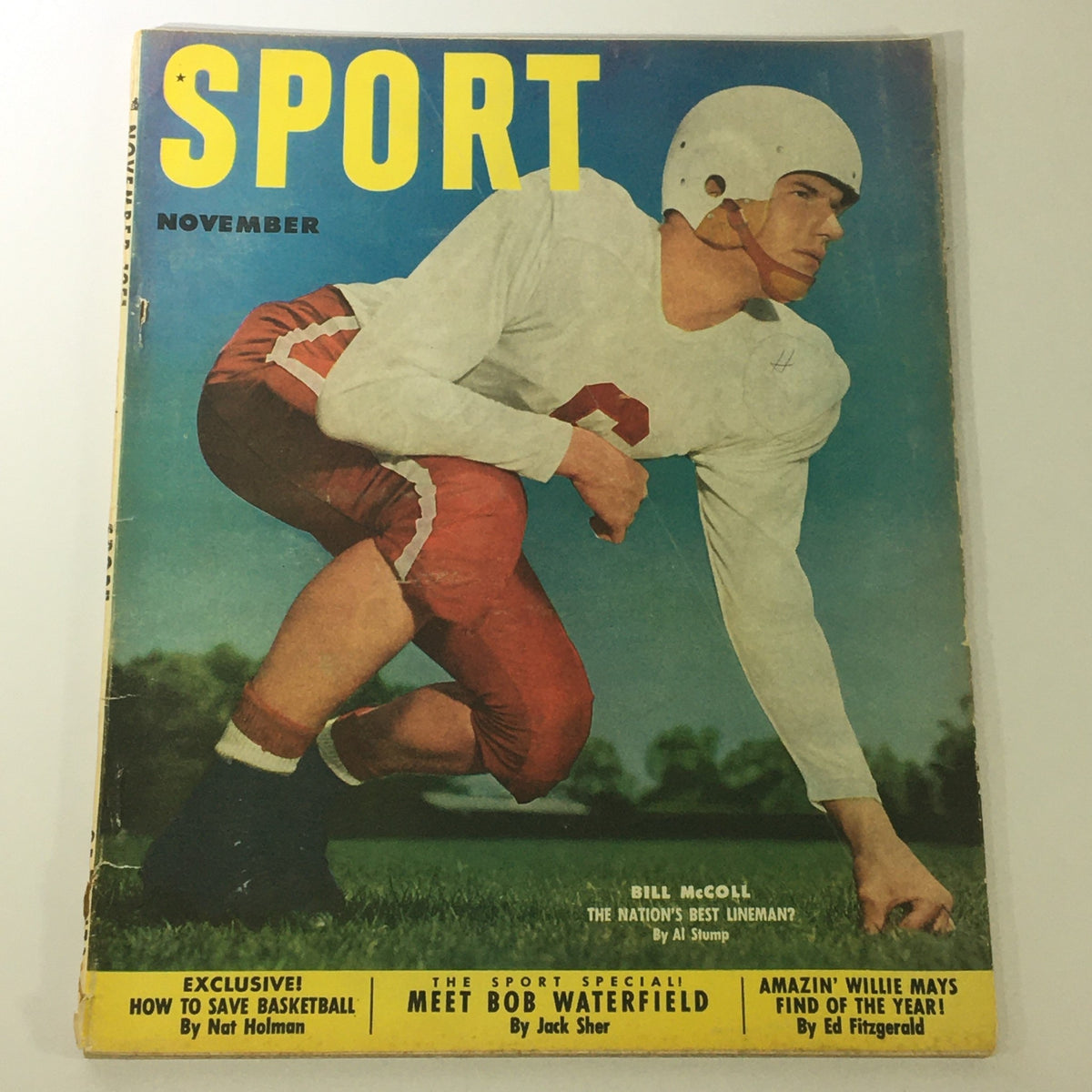
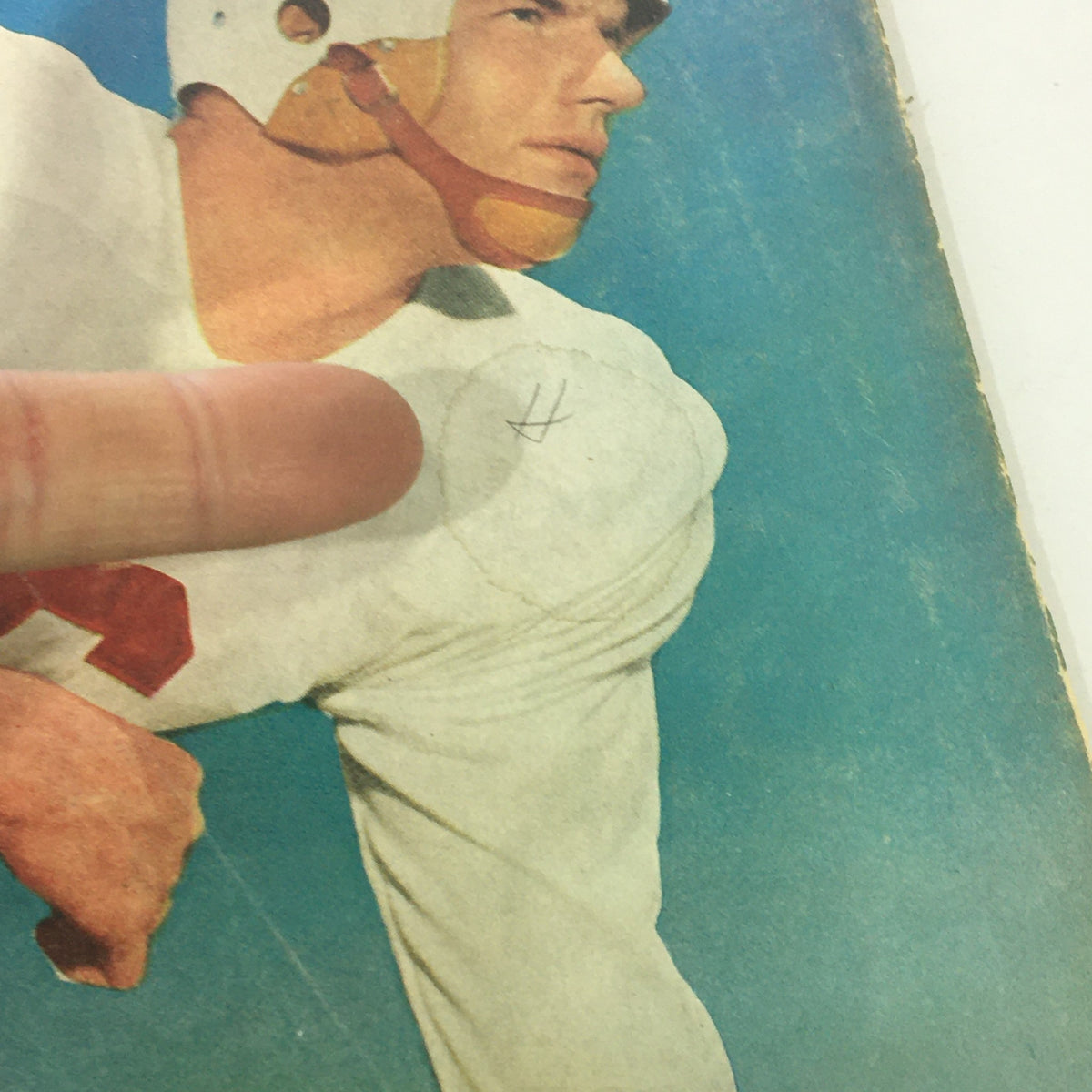
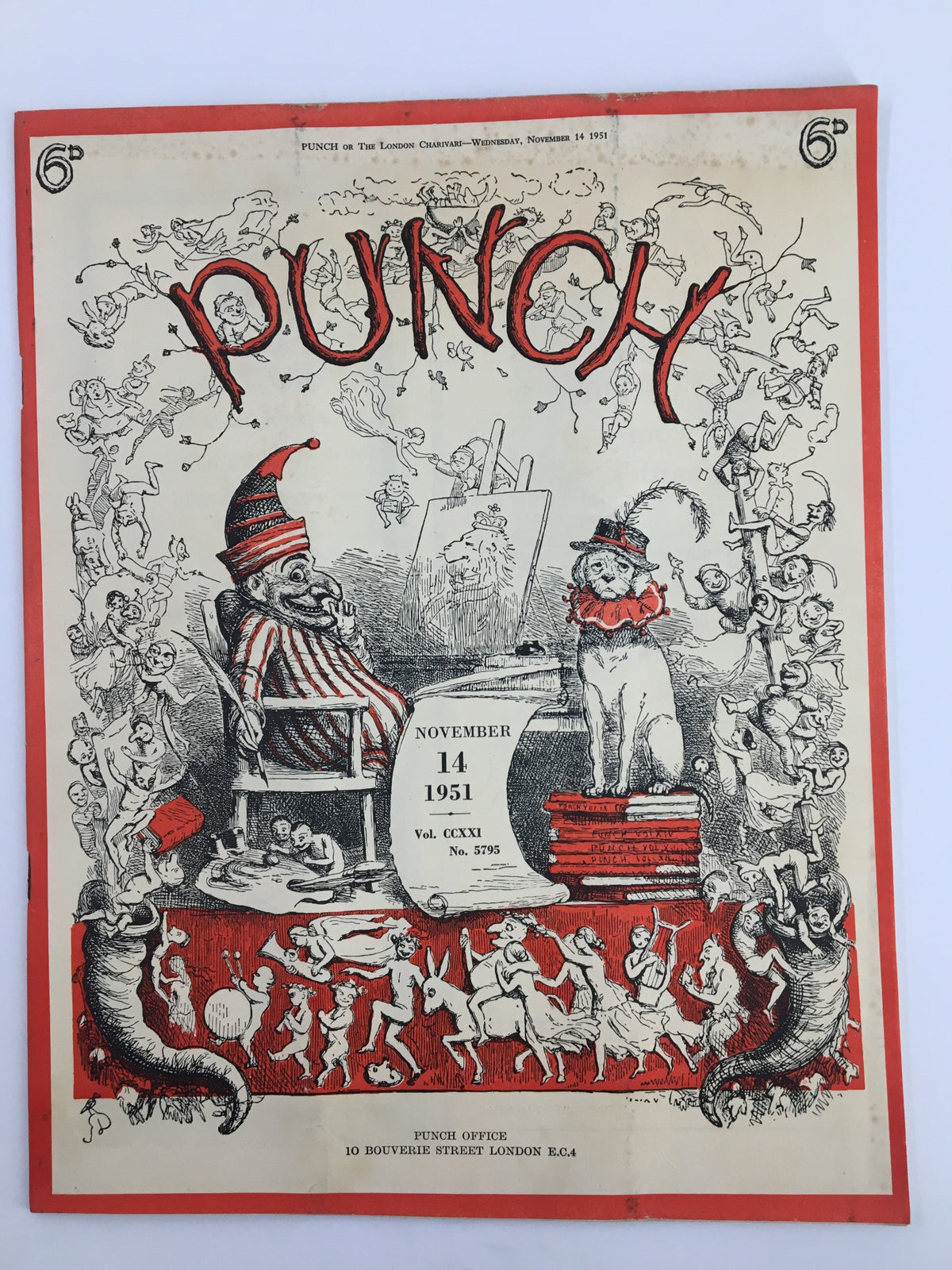
Baseball celebrated its brightest stars throughout November 1951. Brooklyn Dodgers catcher Roy Campanella won the first of his three National League MVP awards on November 1st—then celebrated again on his 30th birthday, November 19th, when the honor was formally announced. Yankees catcher Yogi Berra captured his first of three MVP awards on November 8th, cementing 1951 as the year of the catcher. Broadway welcomed Johnny Mercer's musical "Top Banana" starring Phil Silvers on November 1st at the Winter Garden Theater, running for 356 performances and earning a Tony Award. Television journalism evolved when Edward R. Murrow's "See It Now" premiered on November 18th, pioneering documentary-style broadcasting. The Ryder Cup saw American dominance at Pinehurst Resort on November 4th, with the US defeating Great Britain 9½-2½ under Sam Snead's playing captaincy. John H. Johnson launched Jet magazine on November 1st, creating an essential African-American publication. Original magazines from November 1951 captured these triumphs in sports photography, Broadway advertisements, television listings, and features documenting America's cultural confidence despite nuclear anxieties overhead.
What You'll Discover in November 1951 Magazines
-
Atomic Troops Witness Nuclear Test: News magazines like Life, Look, and Newsweek featuring dramatic photography from the November 1st Nevada Test Site explosion, rare magazines showcasing soldiers positioned near ground zero in trenches, illustrated with mushroom cloud imagery and technical diagrams explaining tactical nuclear weapons that brought atomic warfare disturbingly close to everyday military operations.
-
Baseball's MVP Catchers: Sports periodicals celebrating Roy Campanella's November 19th birthday MVP announcement and Yogi Berra's November 8th honor, vintage magazines featuring portrait photography of both backstops, statistical analysis comparing their seasons, and commentary recognizing 1951 as the year when catchers dominated baseball's most prestigious individual awards.
-
Operation Buster-Jangle's Underground Test: Science and technology coverage in Popular Mechanics and news weeklies documenting the November 29th "Uncle" test at Frenchman Flat, featuring technical illustrations explaining underground nuclear detonation, seismograph readings, and analysis of this new testing method designed to reduce atmospheric fallout while advancing weapons development.
-
Korean War Cease-Fire Accord: International news coverage of the November 27th Panmunjom agreement establishing cease-fire terms and demarcation zones, often illustrated with maps showing the proposed boundaries, photographs of negotiators at the peace talks, and cautiously optimistic editorial commentary about ending the conflict that had dragged on since June 1950.
-
Edward R. Murrow's Television Evolution: Entertainment and broadcasting magazines chronicling the November 18th "See It Now" premiere, showcasing promotional photographs of Murrow, technical features explaining live television journalism, and reviews recognizing how the legendary radio broadcaster was transforming documentary storytelling for the television age with CBS's backing.
The Perfect Gift
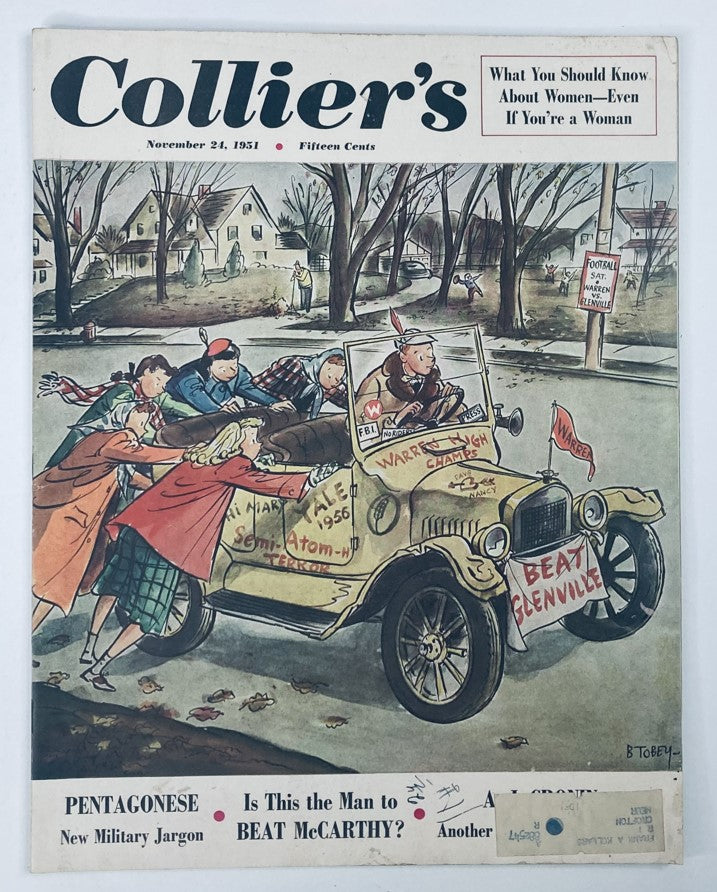
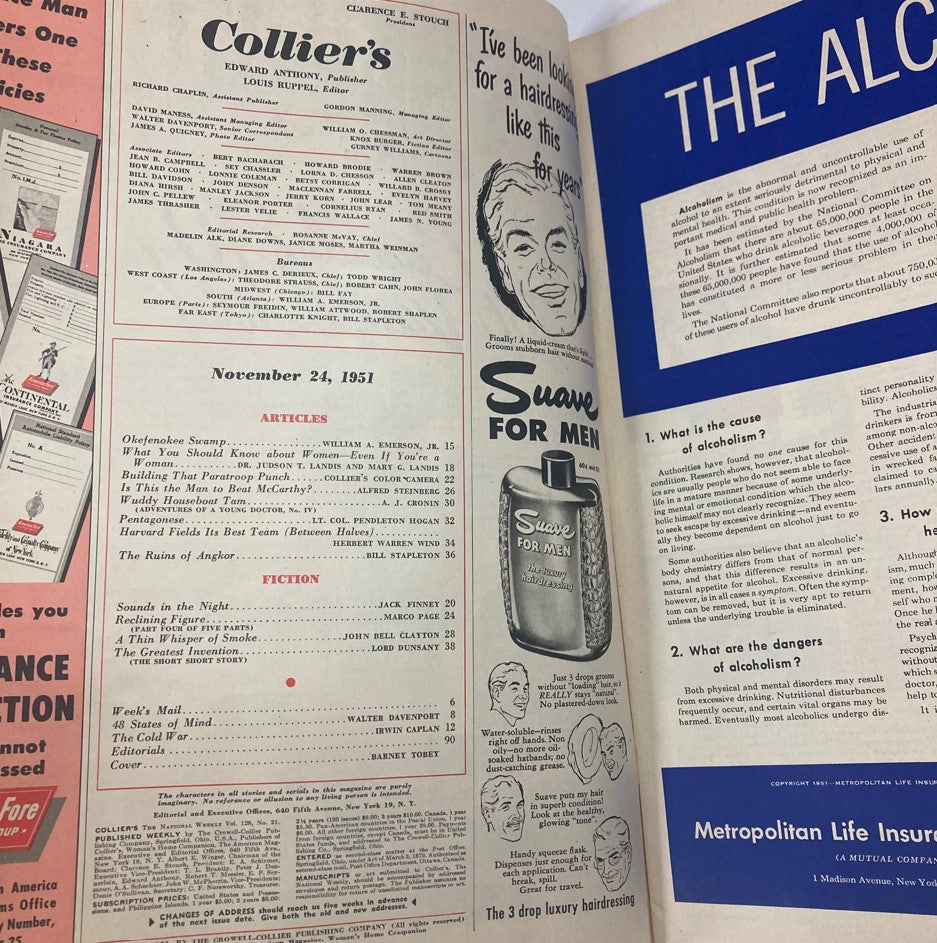
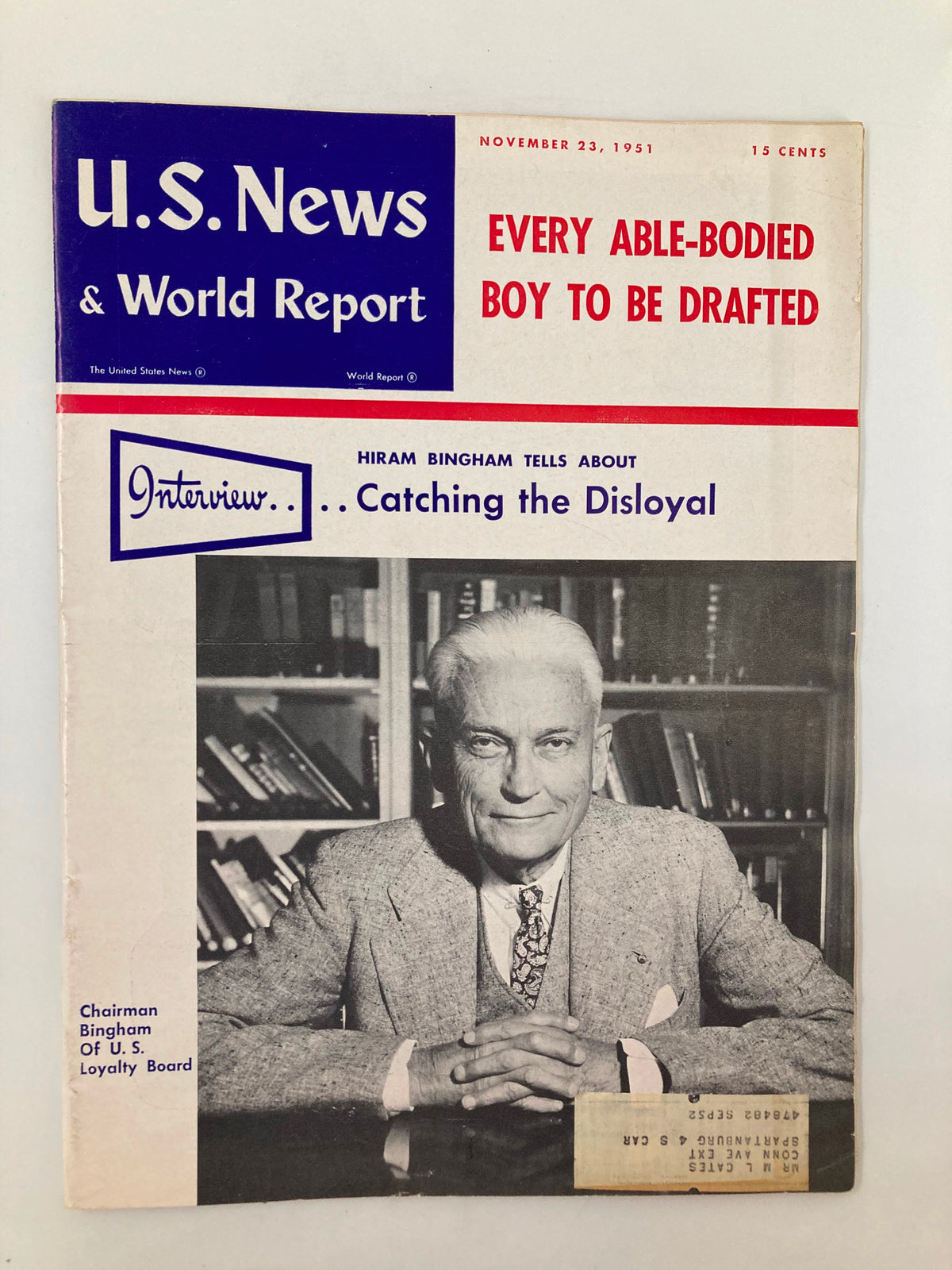
For someone born in November 1951, an original magazine from this pivotal month isn't just nostalgia—it's an authentic time capsule documenting the exact moment when atomic tests became military spectacles and baseball's greatest catchers claimed their crowns, preserved in genuine photographs and headlines.