📖 About this Collection
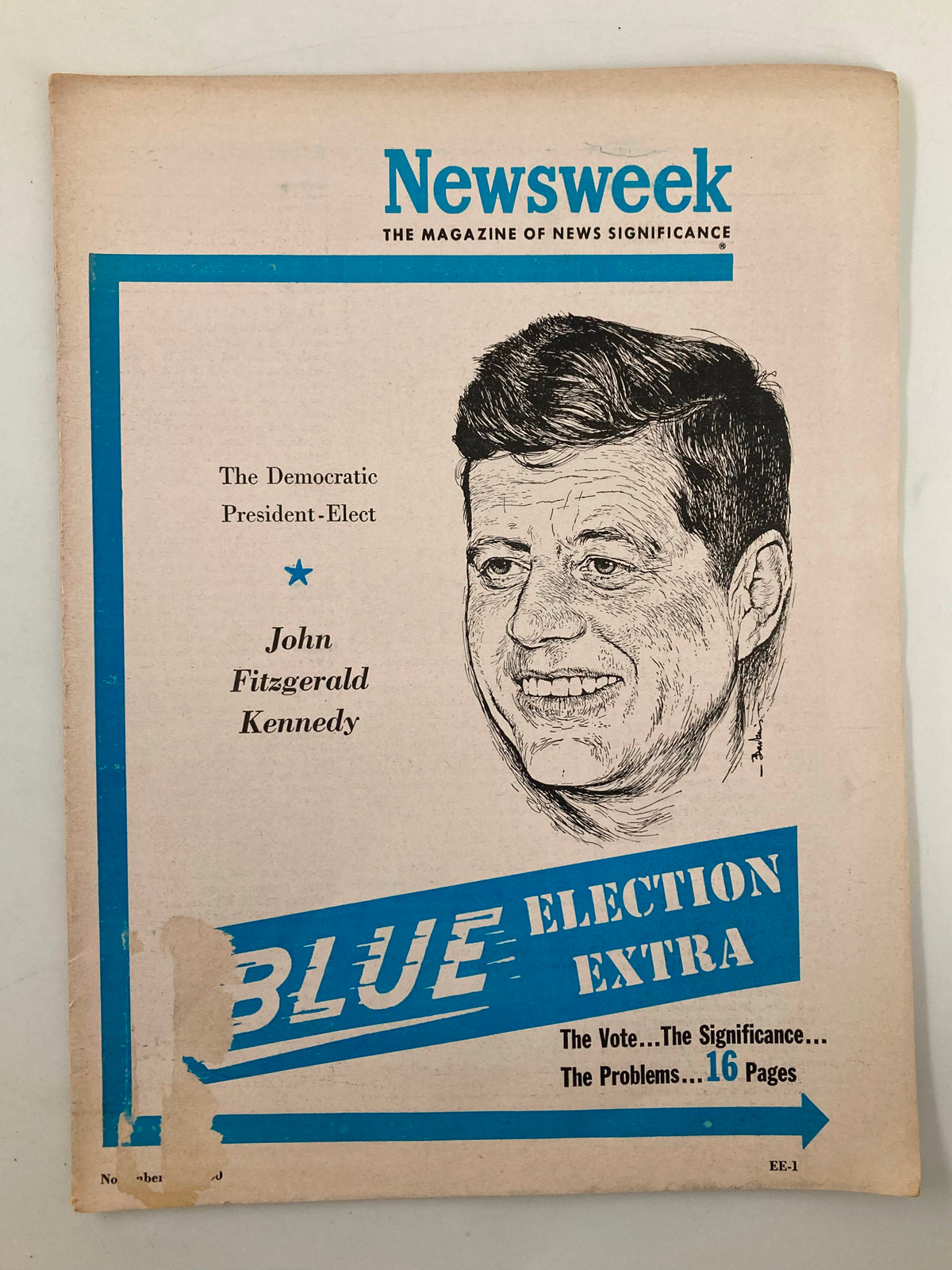
November 1960: The Month Democracy and History Collided
The Historical Context
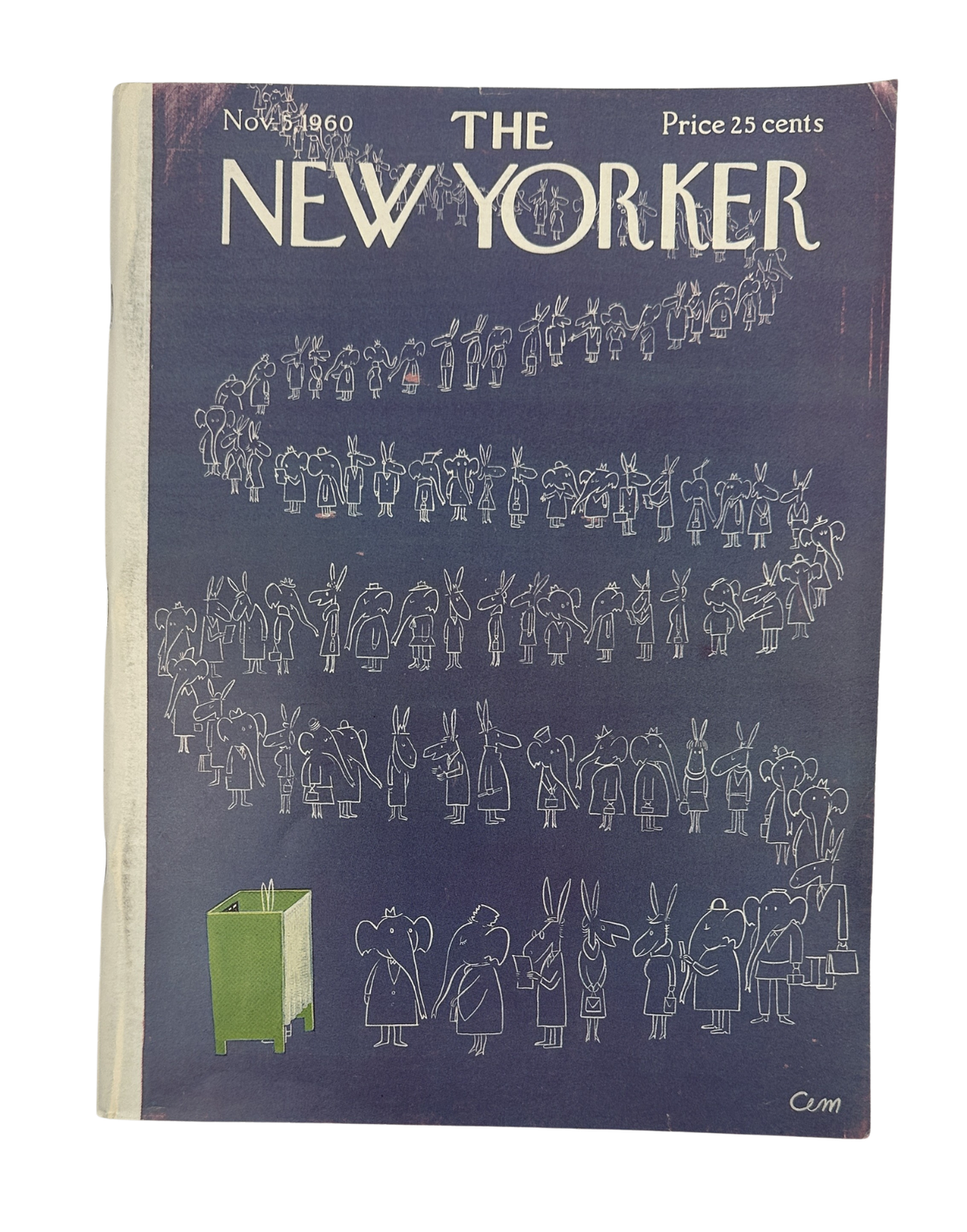
The world held its breath as November 1960 unfolded—a month when the future of American democracy hung in the balance and humanity's ancient past suddenly came into sharper focus. John F. Kennedy's narrow victory over Richard Nixon on November 8th electrified a nation ready for generational change, while just days earlier, Mary and Louis Leakey unearthed Homo habilis jaw fragments in Tanzania's Olduvai Gorge, pushing human history back nearly two million years. But November 1960 wasn't just about headlines that would reshape history books. In New Orleans, four six-year-old African American girls walked into previously all-white elementary schools under U.S. Marshal protection, facing death threats and mob violence that exposed the brutal reality of segregation. Across the Atlantic, Penguin Books won its obscenity trial over "Lady Chatterley's Lover," and copies of D.H. Lawrence's once-banned novel flew off British shelves within minutes. This was the world your loved one entered—charged with possibility, scarred by injustice, and hurtling toward profound transformation.
The Cultural Landscape
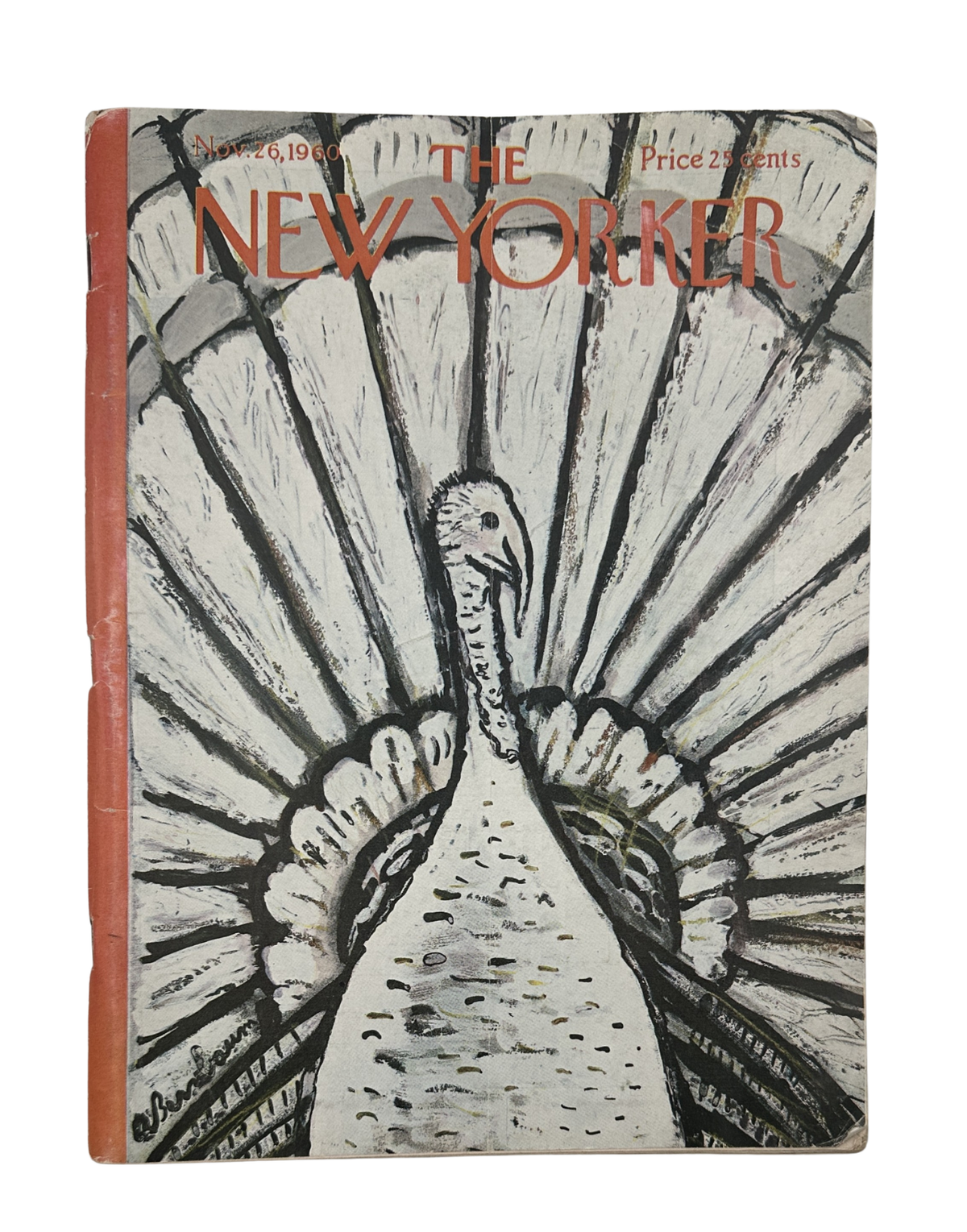
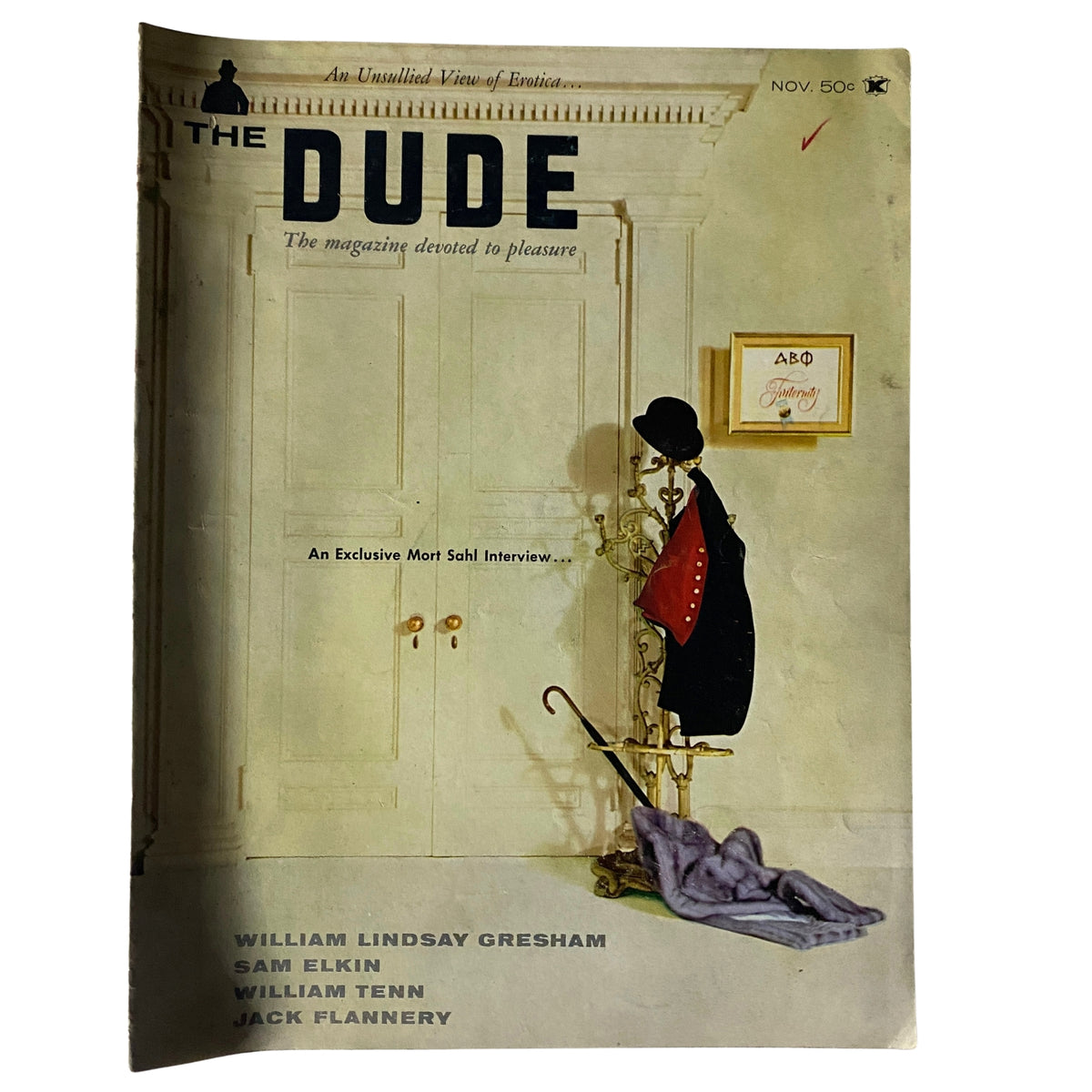
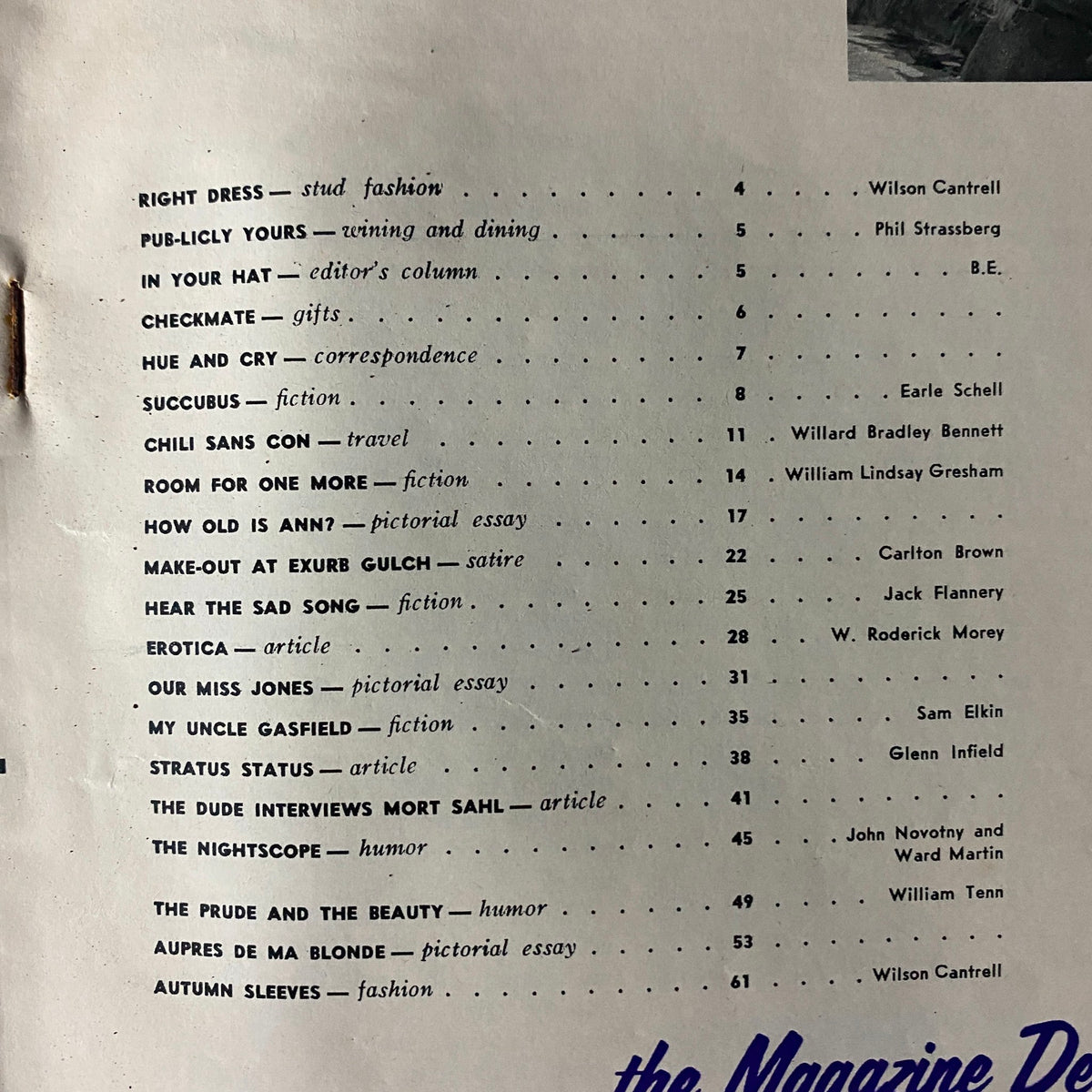
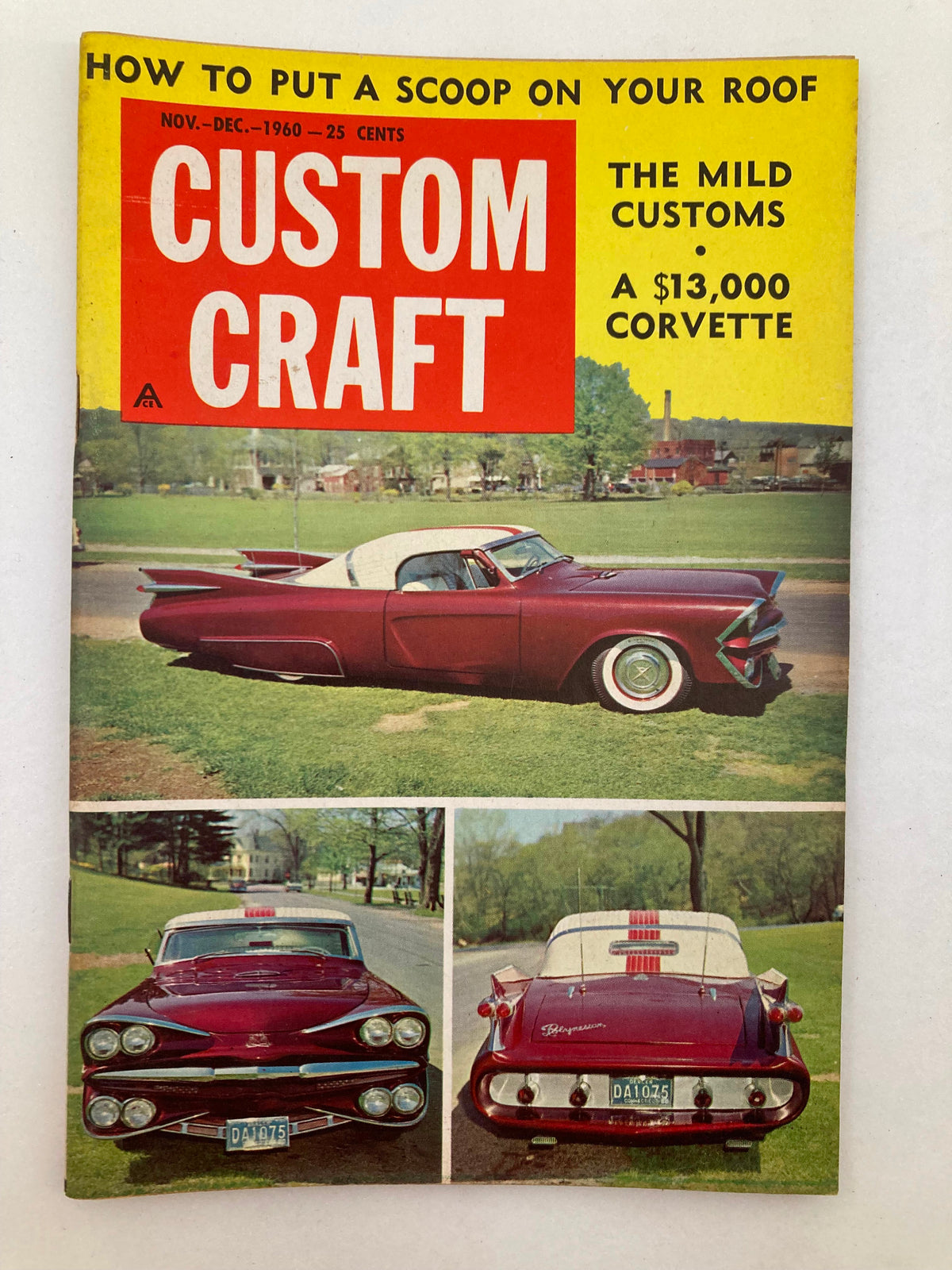
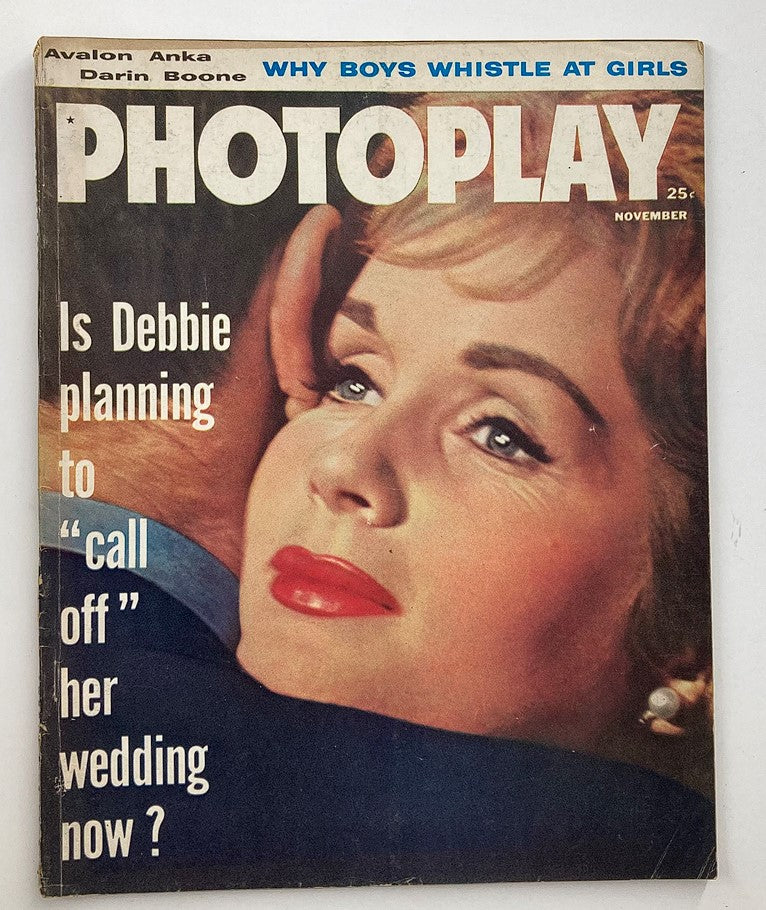
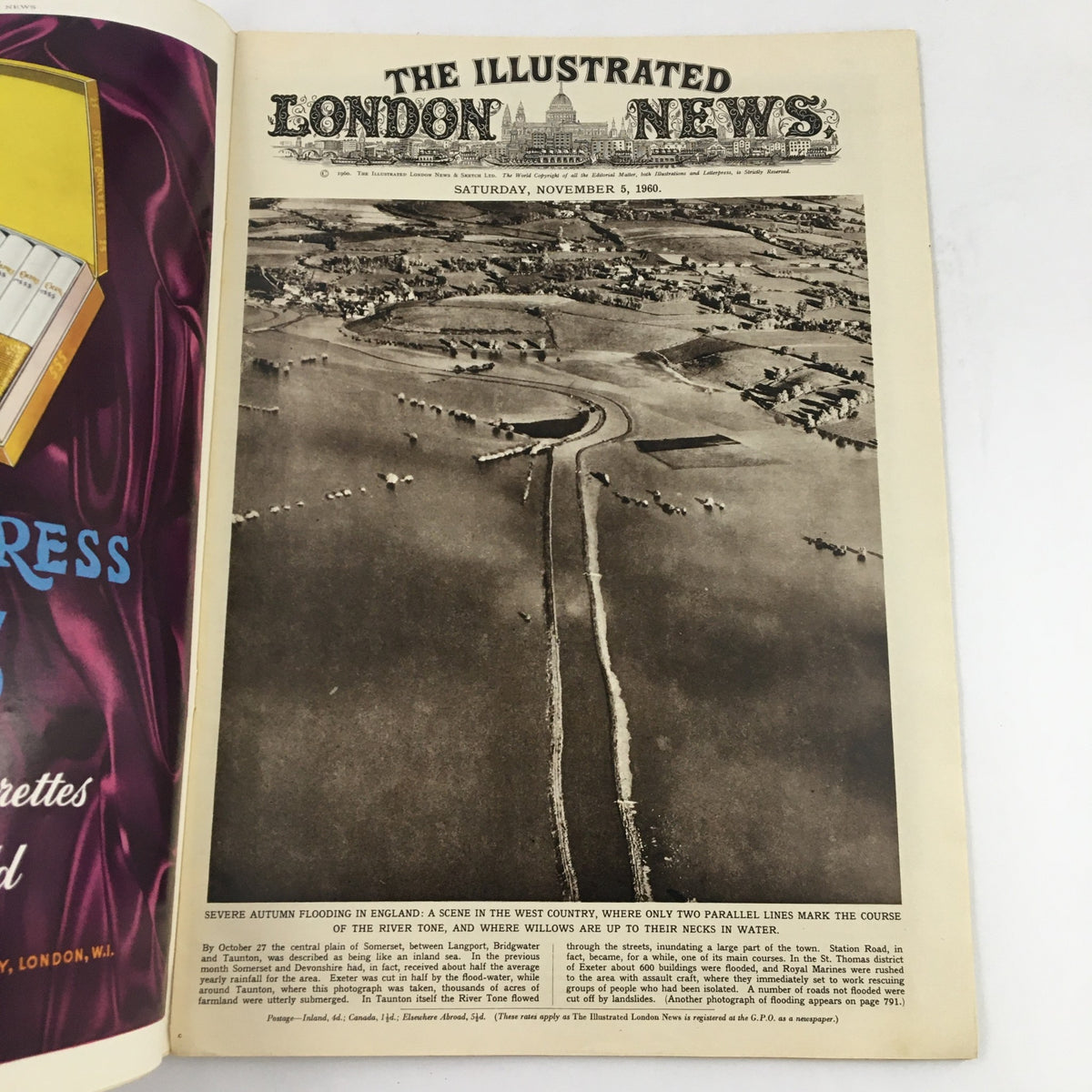
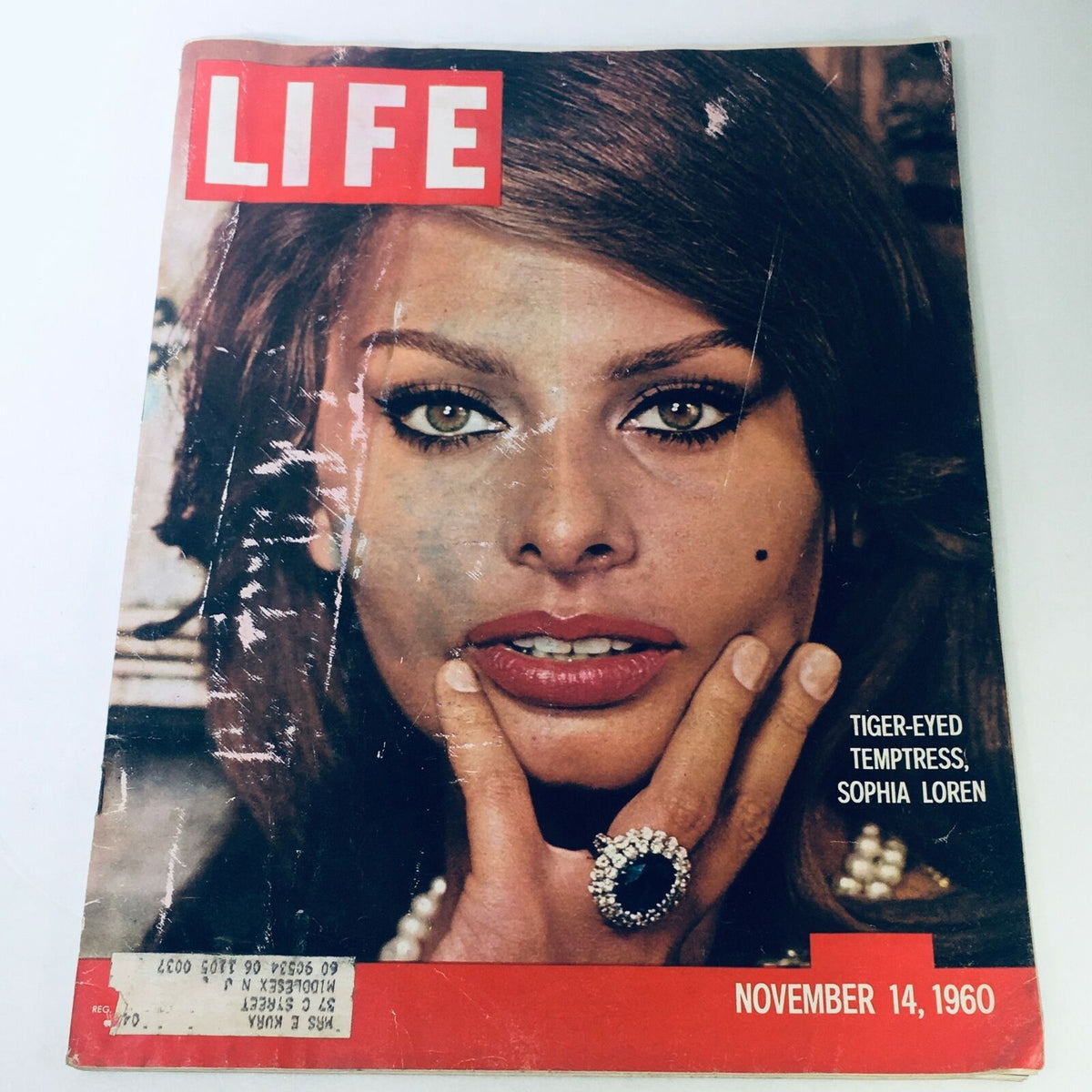
Newsstands in November 1960 crackled with energy as entertainment and sports stories competed for attention alongside political coverage. Ray Charles' "Georgia On My Mind" reached #1 on the charts, its soulful melancholy becoming the soundtrack of the season. Broadway audiences discovered "The Unsinkable Molly Brown" starring Tammy Grimes at the Winter Garden Theatre, a musical celebration of resilience that would run for 532 performances. On basketball courts, Wilt Chamberlain pulled down an NBA record 55 rebounds in a single game, while Gordie Howe became the first NHL player to score 1,000 career points—milestones that sports magazines chronicled in reverent detail. Hollywood's new Walk of Fame was dedicated on November 23rd at Hollywood Boulevard and Vine Street, cementing Tinseltown's place in American mythology. Original magazines from November 1960 captured these moments in vivid advertisements for the era's fashions, feature spreads on Kennedy's photogenic family, and the unbridled optimism of a nation standing at the threshold of what would soon be called "Camelot."
Curator's Checklist
-
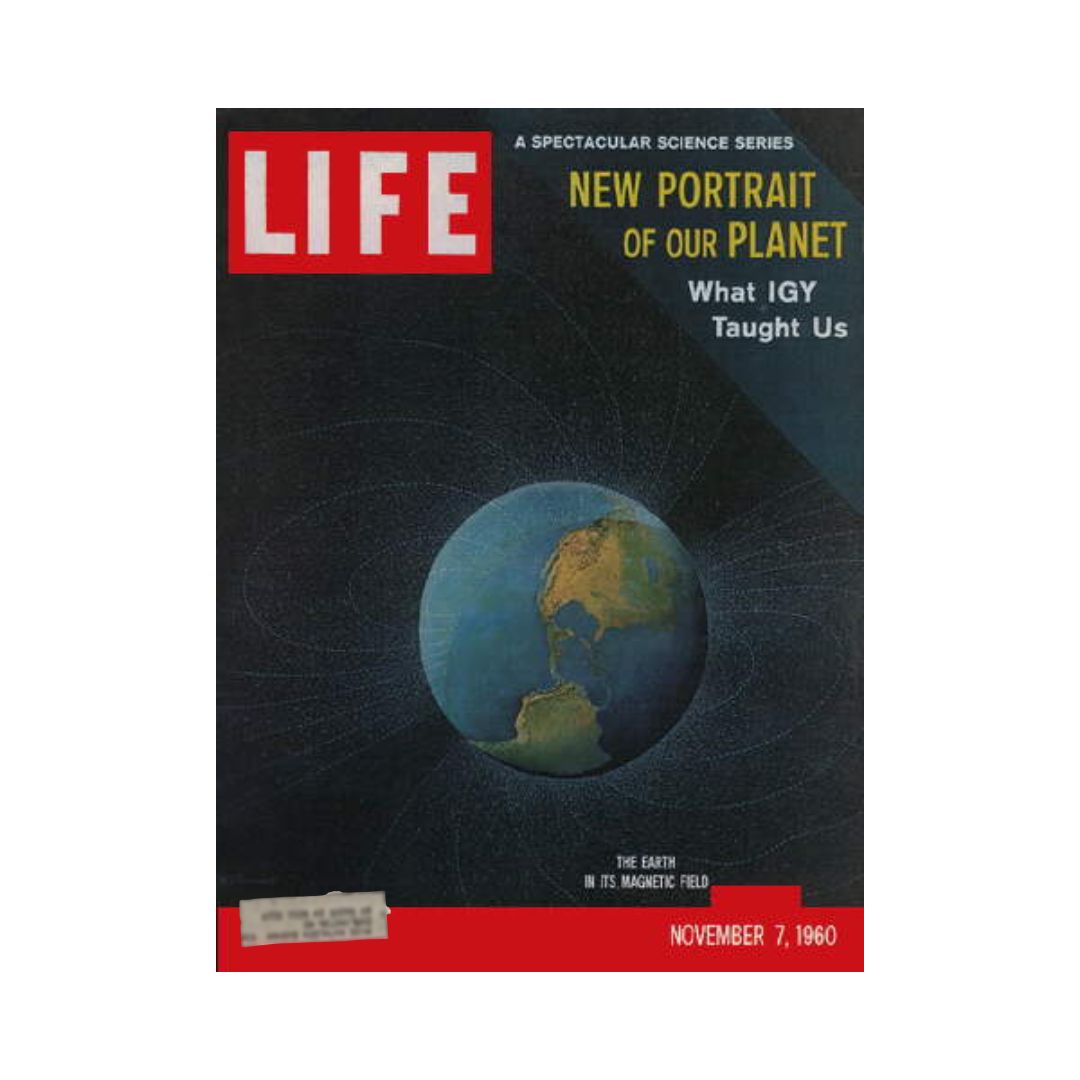
JFK's Historic Victory: News magazines like Time, Life, and Newsweek featuring extensive election coverage, victory photographs of the youngest president-elect in U.S. history, and analysis of the closest popular vote in decades—often with dramatic black-and-white photography of Kennedy's Boston celebration.
-
New Orleans School Integration Crisis: Photo essays in vintage magazines documenting Ruby Bridges and the "McDonogh Three" being escorted past angry mobs, showcasing the Civil Rights Movement's most painful flashpoints through the unflinching lenses of photojournalists who captured history as it happened.
-
Lady Chatterley Obscenity Trial: British and American publications chronicling Penguin Books' landmark court victory, featuring interviews with literary critics, excerpts from courtroom testimony, and the cultural earthquake of literary censorship crumbling in both the UK and United States.
-
Leakeys' Homo Habilis Discovery: Science features in rare magazines detailing the archaeological breakthrough at Olduvai Gorge, illustrated with diagrams of fossil fragments, maps of the excavation site, and the profound implications for understanding human evolution's timeline.
-
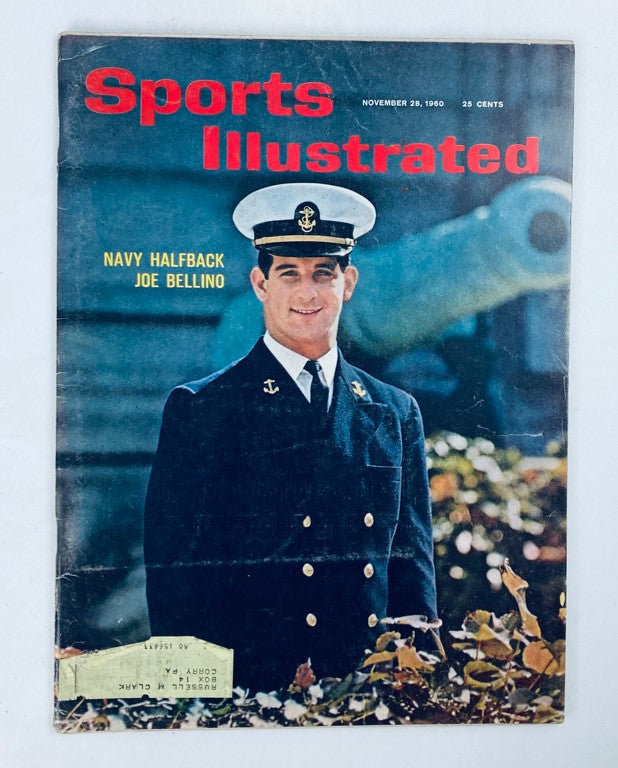
Sporting Legends Breaking Barriers: Sports Illustrated and athletics publications celebrating Wilt Chamberlain's 55-rebound game and Gordie Howe's 1,000-point milestone, preserved with the authentic statistics, action photography, and reverential prose that defined golden-age sports journalism.
The Perfect Gift
For someone born in November 1960, an original magazine from this watershed month isn't just a vintage publication—it's authenticated proof of the precise moment when America elected its youngest president, science rewrote human origins, and courage wore the face of six-year-old schoolchildren, preserved in genuine photographs, headlines, and advertisements from those extraordinary thirty days.