📖 About this Collection
November 1980: The Month America Chose Change
The Historical Context
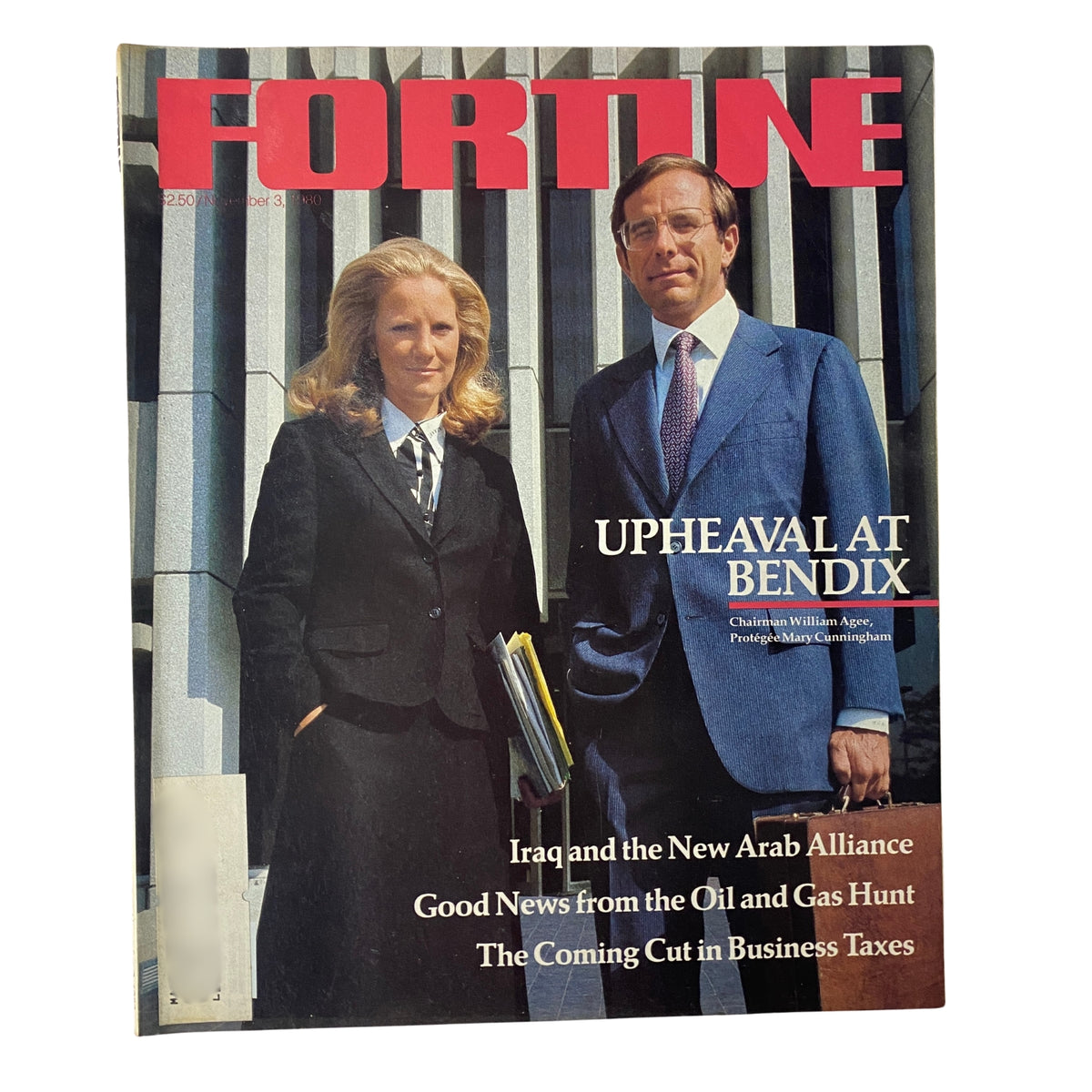
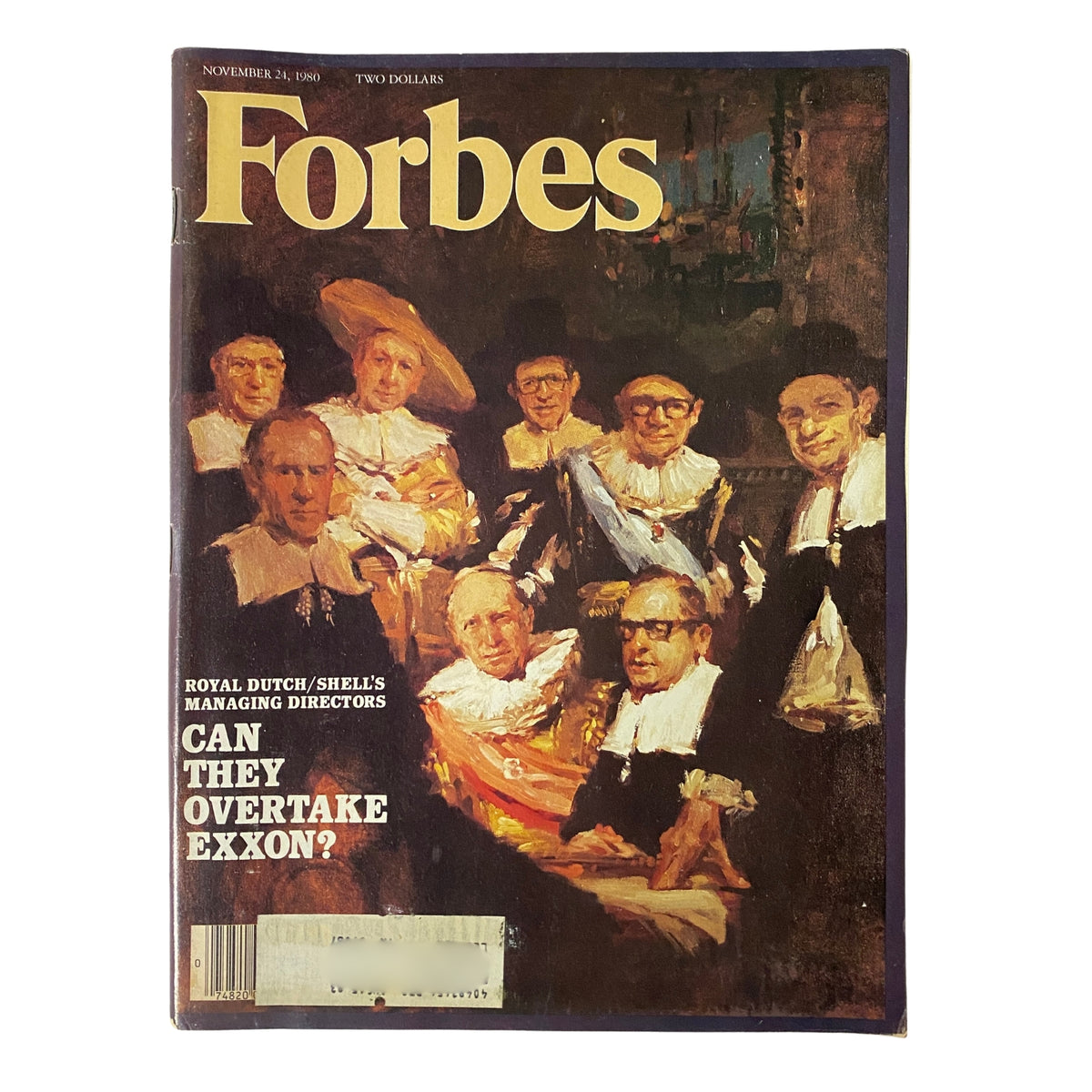
November 1980 crackled with seismic shifts in power and culture. The world held its breath as Americans decisively elected Ronald Reagan over incumbent Jimmy Carter in a landslide victory that would redefine conservative politics for generations. While Reagan's triumph dominated front pages, the Iran-Iraq War escalated dangerously—Iraqi President Saddam Hussein declared a holy war against Iran, capturing the strategic port of Khorramshahr as the conflict spiraled into what would become an eight-year bloodbath. The month turned tragic when 84 souls perished in the devastating MGM Grand Hotel fire in Las Vegas, while natural disaster struck Italy as earthquakes claimed 4,800 lives. In space, Voyager 1 transmitted humanity's first intimate glimpses of Saturn's rings and discovered its 15th moon, a reminder that even amid earthly turmoil, exploration continued. This was the world your loved one entered—a November balanced precariously between hope for new leadership and the harsh realities of war, disaster, and uncertainty.
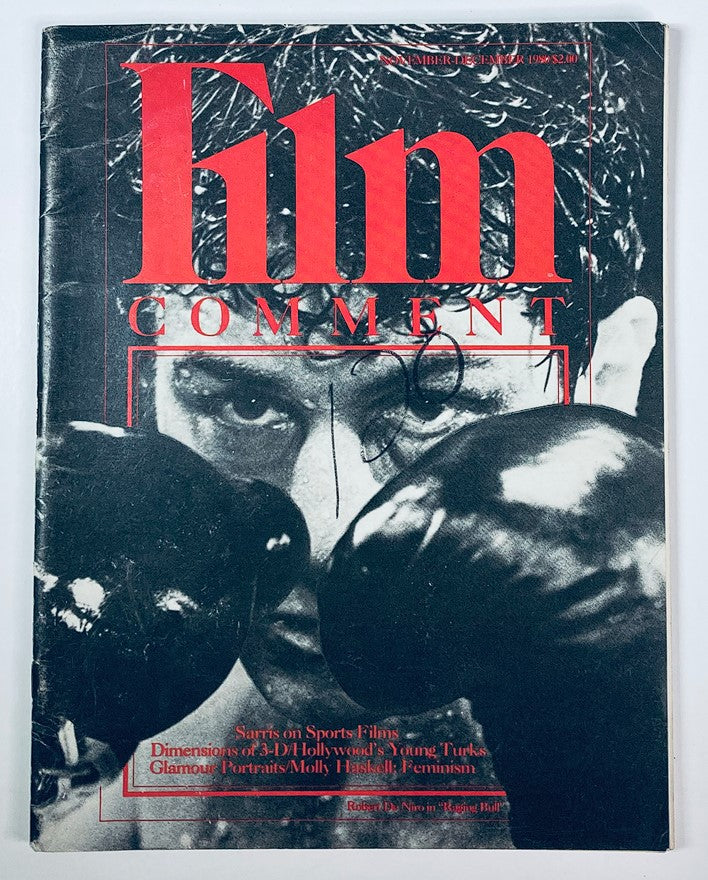
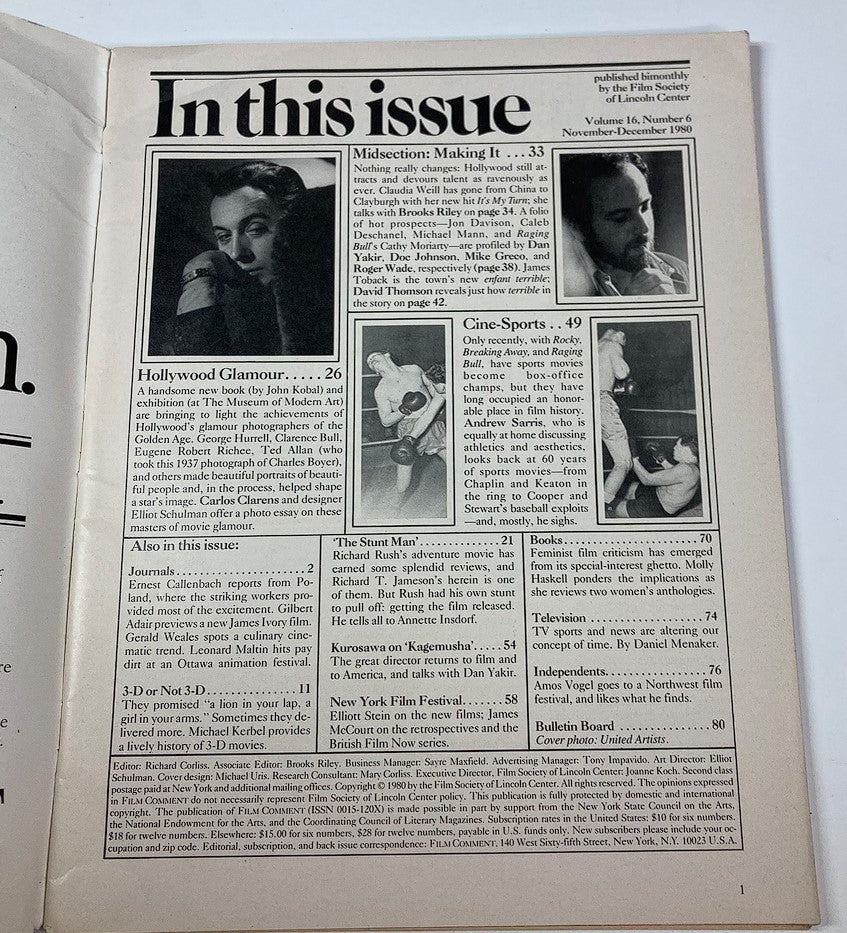
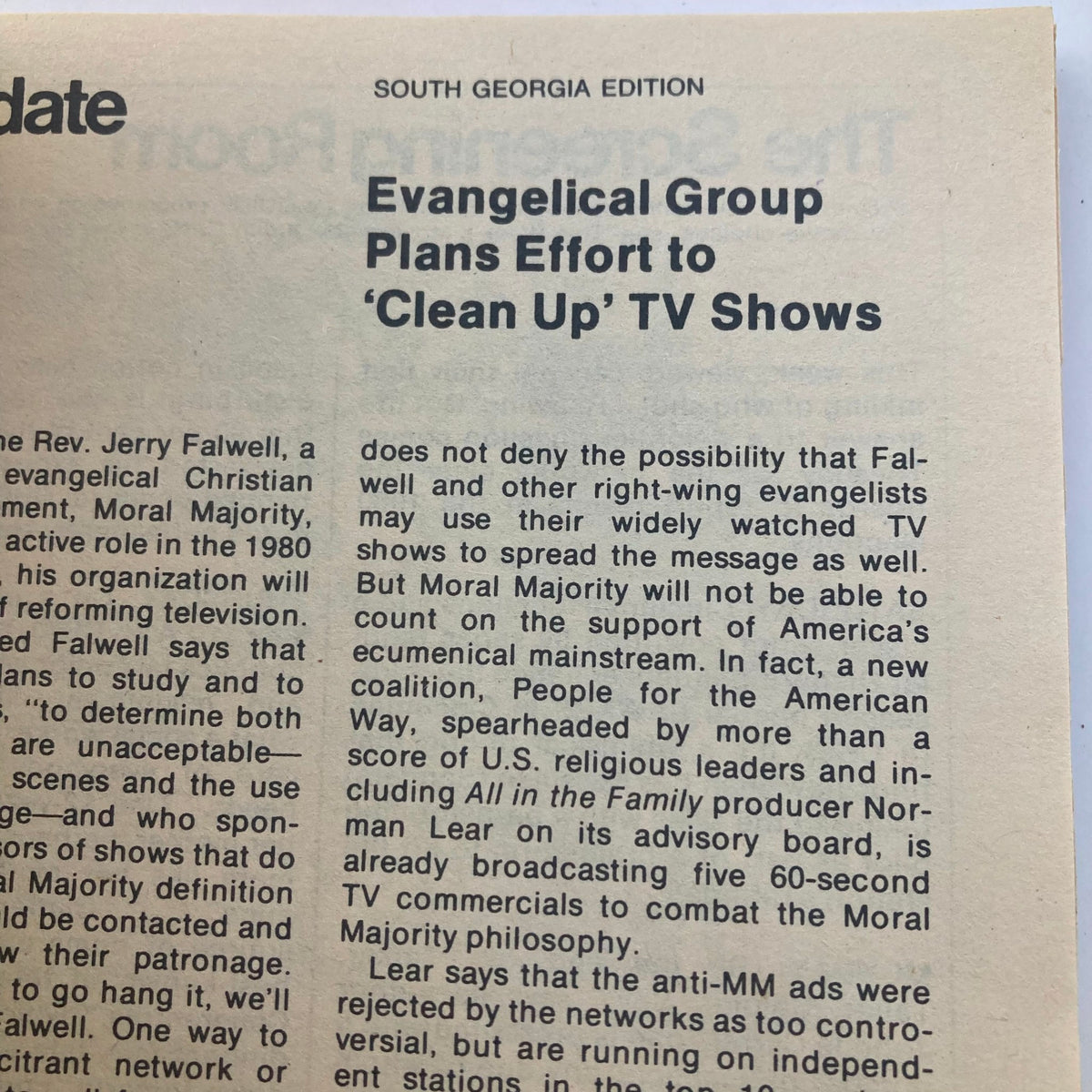
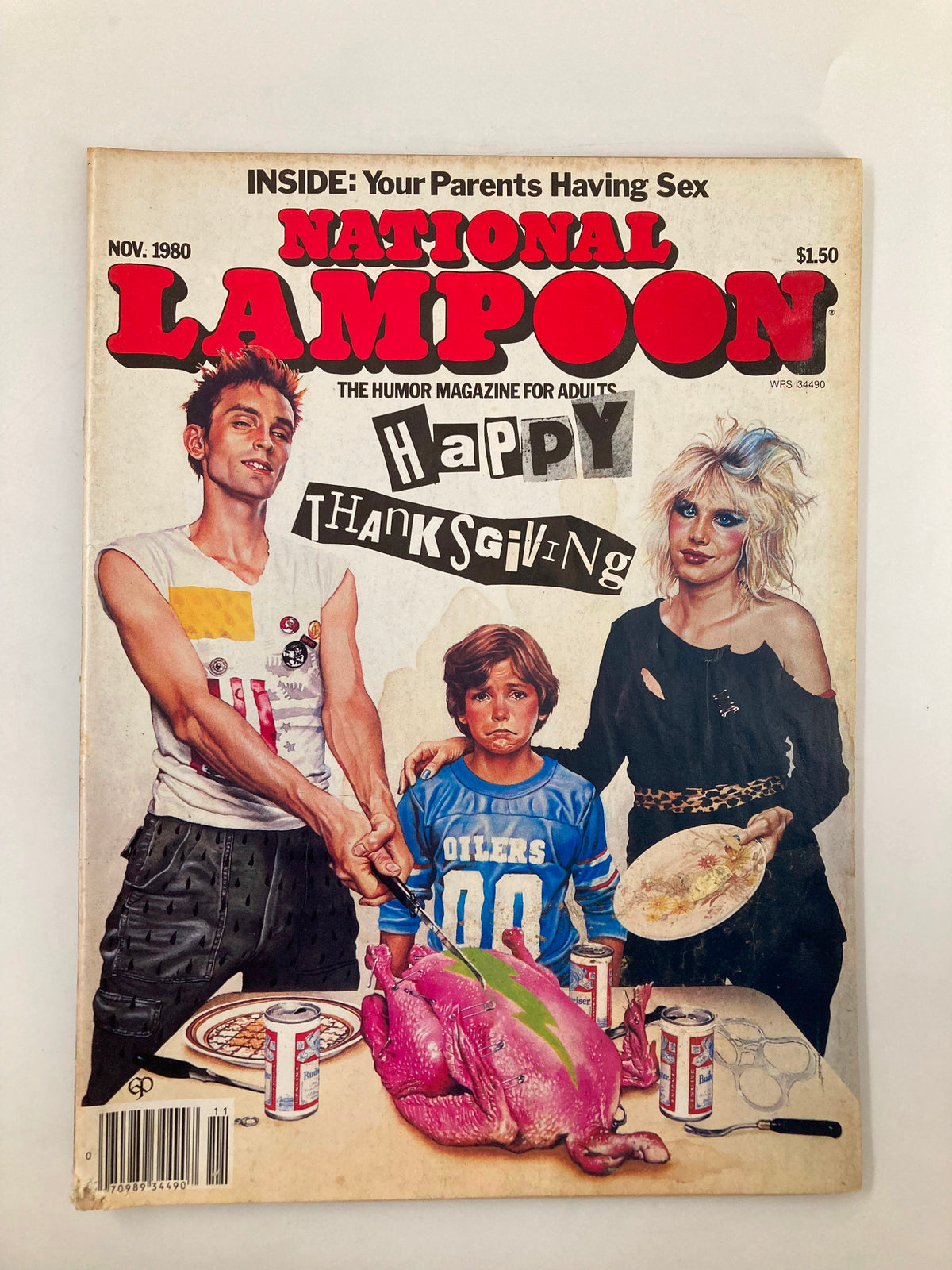
Original magazines from November 1980 preserved an extraordinary collision of entertainment spectacle and cultural controversy. Television history was made when 83 million Americans—76% of all viewers—tuned into Dallas to discover who shot J.R. Ewing, a ratings record that illustrated the medium's unprecedented grip on the national conversation. Music experienced a renaissance of authenticity as John Lennon and Yoko Ono released Double Fantasy on Geffen Records, while Dolly Parton's 9 to 5 and Odd Jobs climbed the country charts. CBS ignited fierce debate by banning a Calvin Klein jeans advertisement featuring 15-year-old Brooke Shields and the provocative tagline about what came between her and her Calvins—a controversy that dominated fashion magazines and op-ed pages alike. On cinema screens, Michael Cimino's Heaven's Gate premiered to catastrophic reviews before being pulled for re-editing, becoming one of Hollywood's most infamous financial disasters. Sports delivered drama as Sugar Ray Leonard reclaimed his welterweight crown when Roberto Durán quit in the eighth round of their "no mas" rematch, while baseball honored Steve Carlton with his third NL Cy Young Award. These authentic moments filled the pages, photographs, and advertisements of vintage magazines that captured November 1980's unique cultural energy.
What to Look for in November 1980 Issues
-
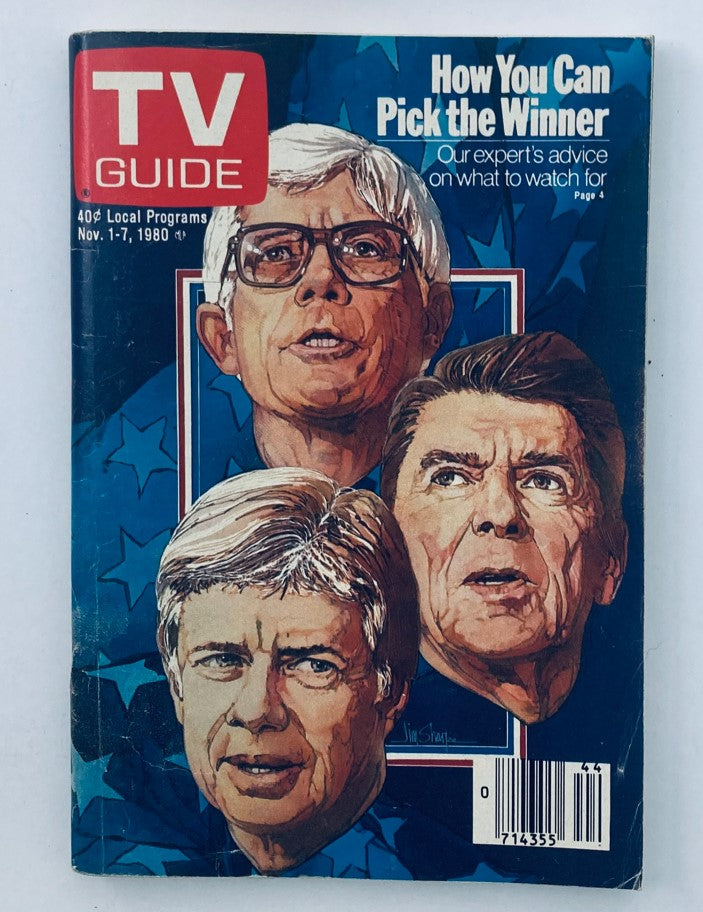
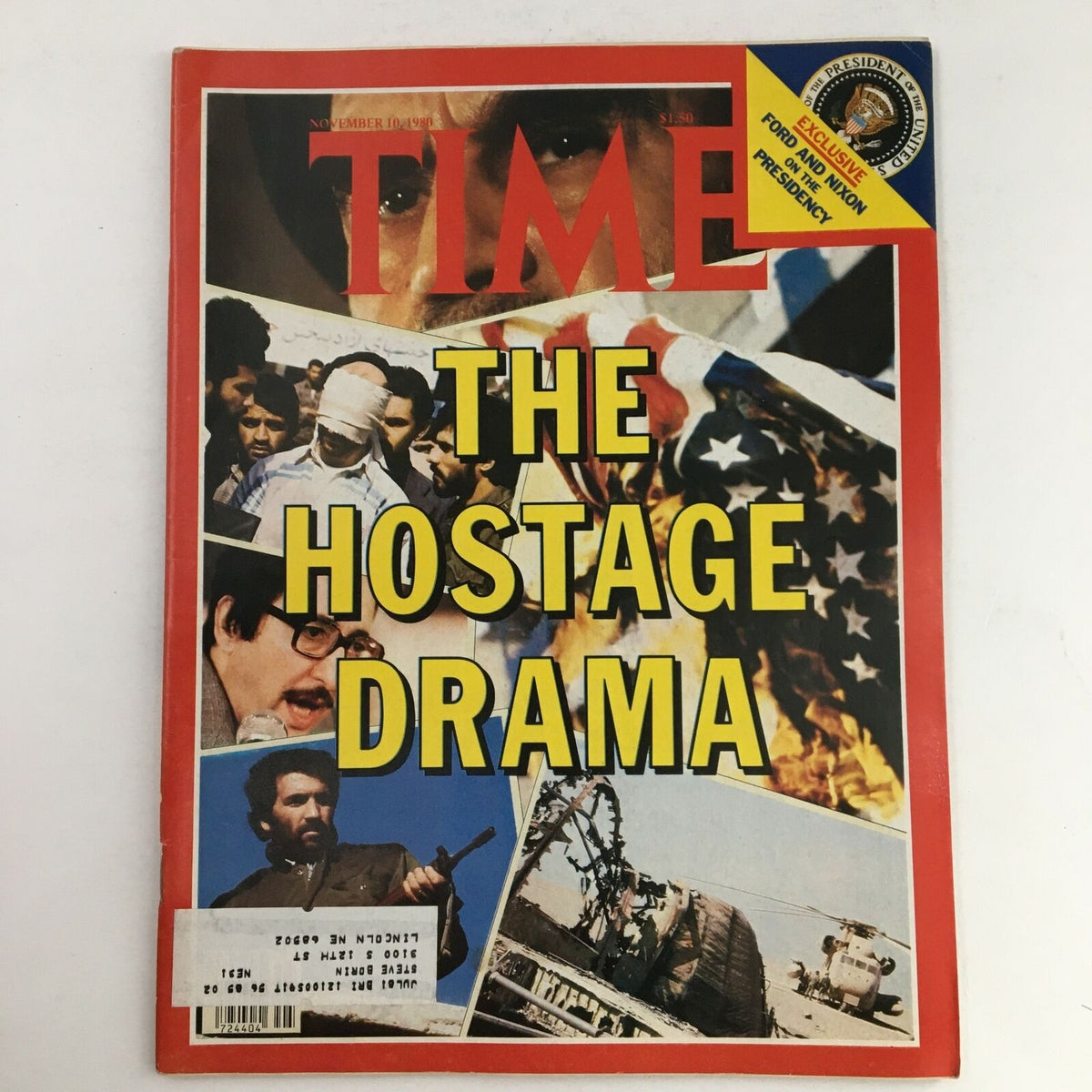
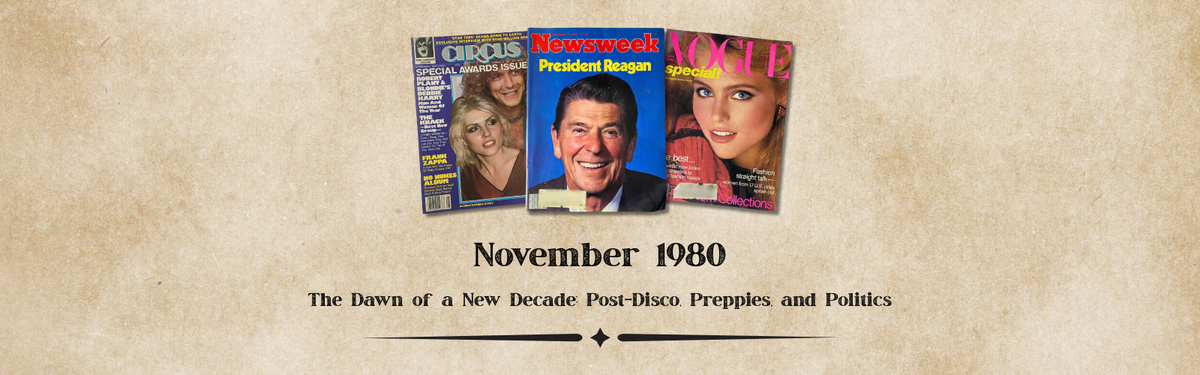
Reagan's Electoral Landslide: News weeklies like Time, Newsweek, and Life featuring election night coverage, victory photographs, and analysis of Carter's defeat—often with striking red-white-and-blue layouts chronicling the conservative revolution's beginning.
-
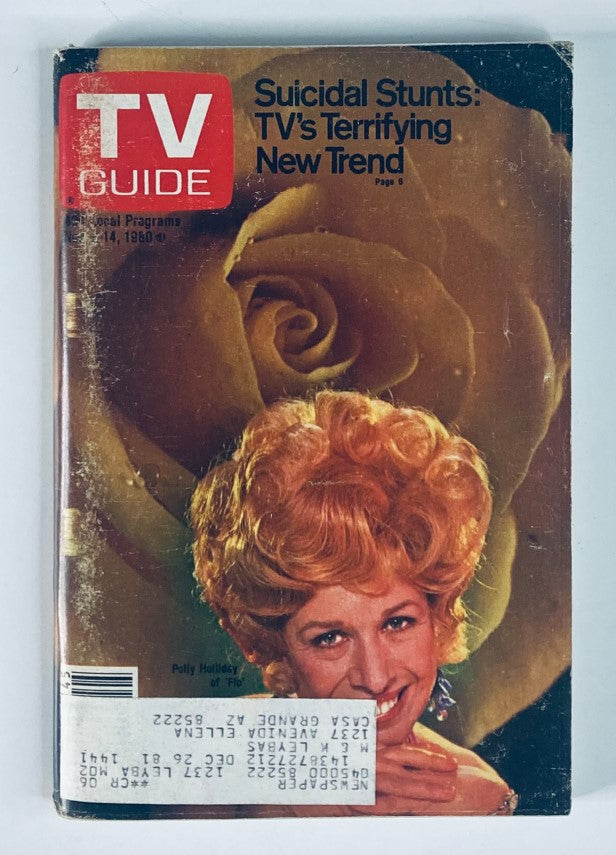
The "Who Shot J.R.?" Phenomenon: TV Guide and entertainment magazines showcasing the Dallas mania, complete with behind-the-scenes interviews, viewer speculation columns, and advertising campaigns capitalizing on America's obsession with the Ewing family drama.
-
Calvin Klein Controversy: Fashion publications including Vogue and Harper's Bazaar covering the Brooke Shields advertising scandal, alongside the actual banned imagery in earlier issues and cultural commentary about sexuality in marketing—a defining moment in 1980s advertising history.
-
John Lennon's Return: Music and lifestyle rare magazines featuring Double Fantasy reviews, Lennon-Ono interviews about their five-year hiatus, and the couple's artistic resurgence—poignant artifacts given the tragedy that would follow just three weeks later.
-
Space Age Wonder: Popular science magazines illustrated with Voyager 1's groundbreaking Saturn photographs, technical diagrams of the flyby mission, and optimistic futurism about humanity's expanding cosmic frontier during the Cold War's technological competition.
The Perfect Gift
For someone born in November 1980, an original magazine from this transformative month isn't just a collectible—it's an authenticated witness to Reagan's ascent, Lennon's comeback, and a culture caught between television's golden age and advertising's controversial new boundaries, preserved in genuine newsprint, photographs, and period advertisements.