📖 About this Collection
November 2001: The World Reordered
The Historical Context
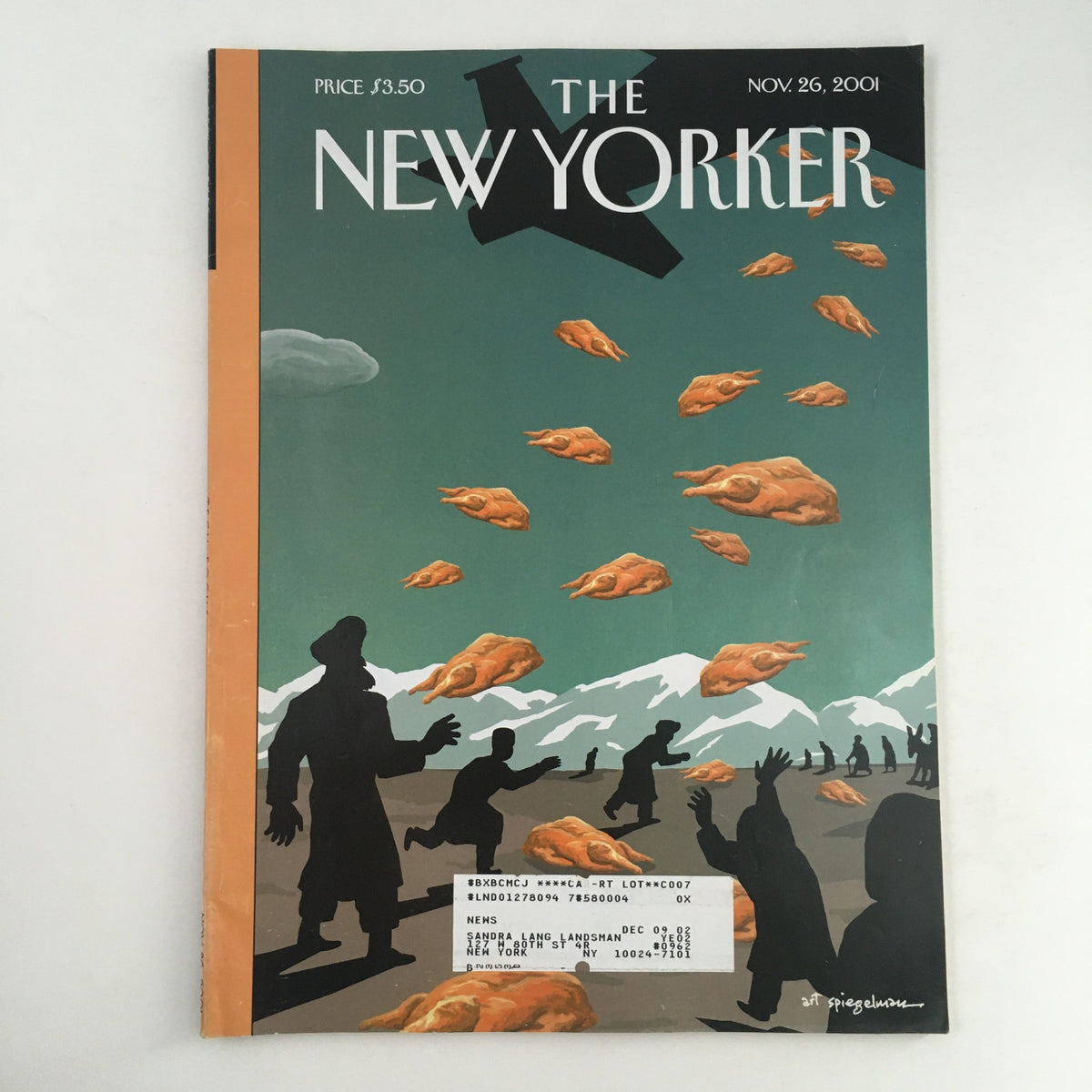
November 2001 arrived with the world still reeling from September's catastrophe, and the month refused to offer easy comfort. The War on Terror dominated every front page and every conversation: on November 14, Afghan Northern Alliance fighters swept into Kabul as Taliban forces abandoned the capital in retreat, marking a pivotal turn in a conflict that had reshaped global politics in a matter of weeks. The gravity of that moment deepened just days earlier, when President George W. Bush signed an executive order on November 13 authorizing military tribunals for foreign terrorism suspects—the first such measure since World War II. Then, on November 12, tragedy struck New York again: American Airlines Flight 587 crashed minutes after takeoff from JFK, killing all 260 aboard and five on the ground, a city still raw with grief forced to mourn once more. Meanwhile, diplomats in Marrakech worked to salvage the Kyoto climate treaty, and the WTO concluded its landmark Doha Round ministerial conference—the machinery of the world, still grinding forward. This was the world as it stood in November 2001.
Culture at the Edge of a New Era
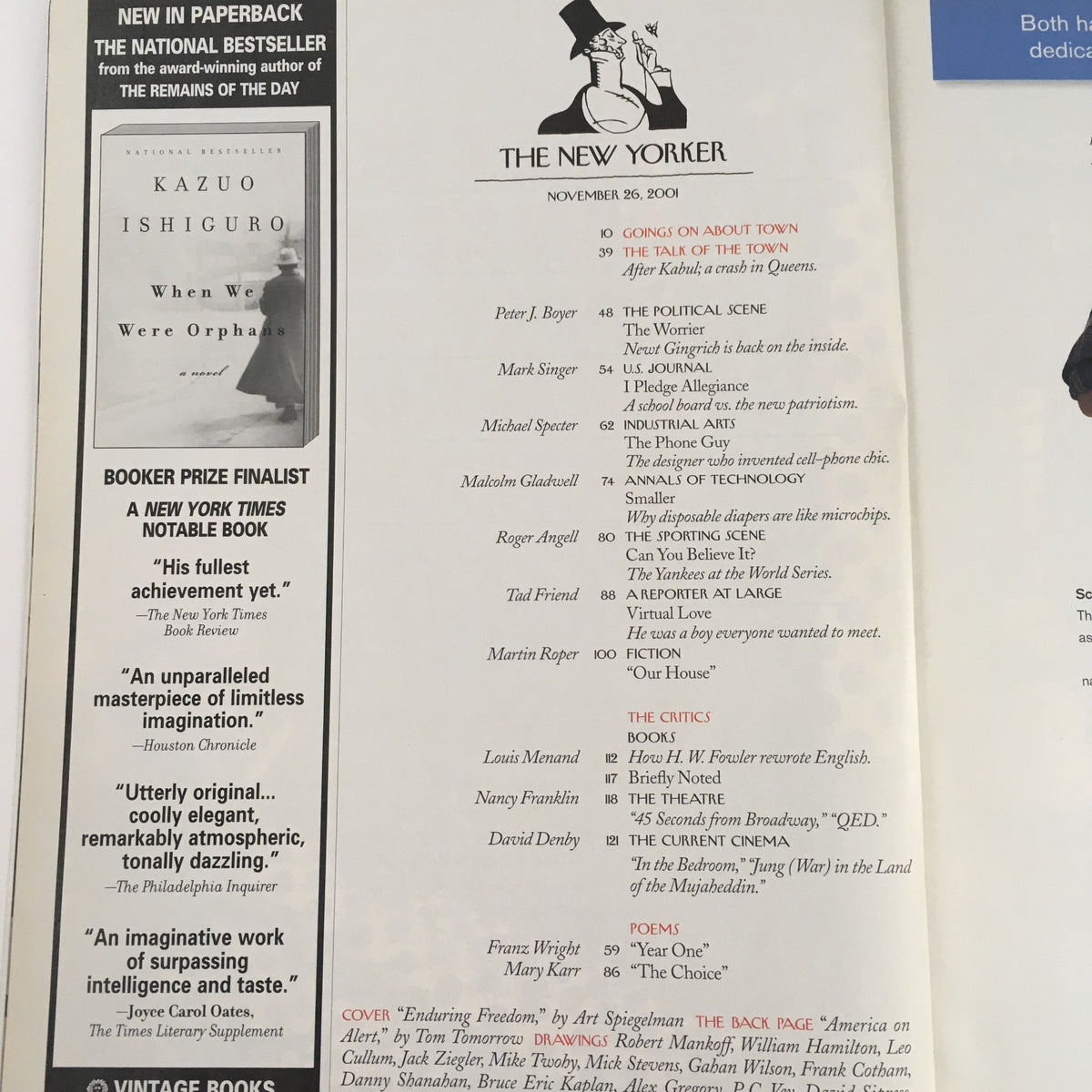
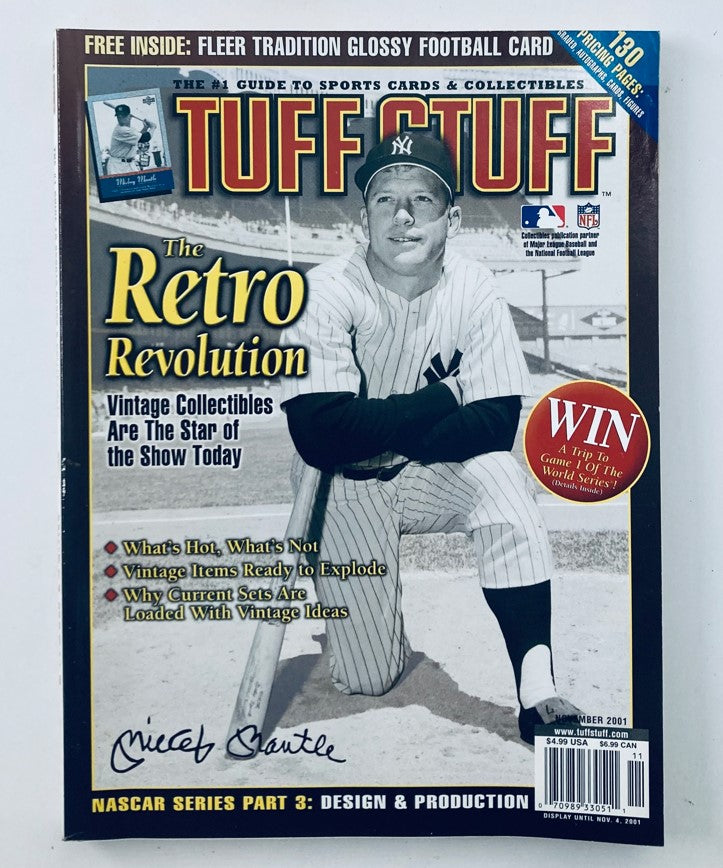
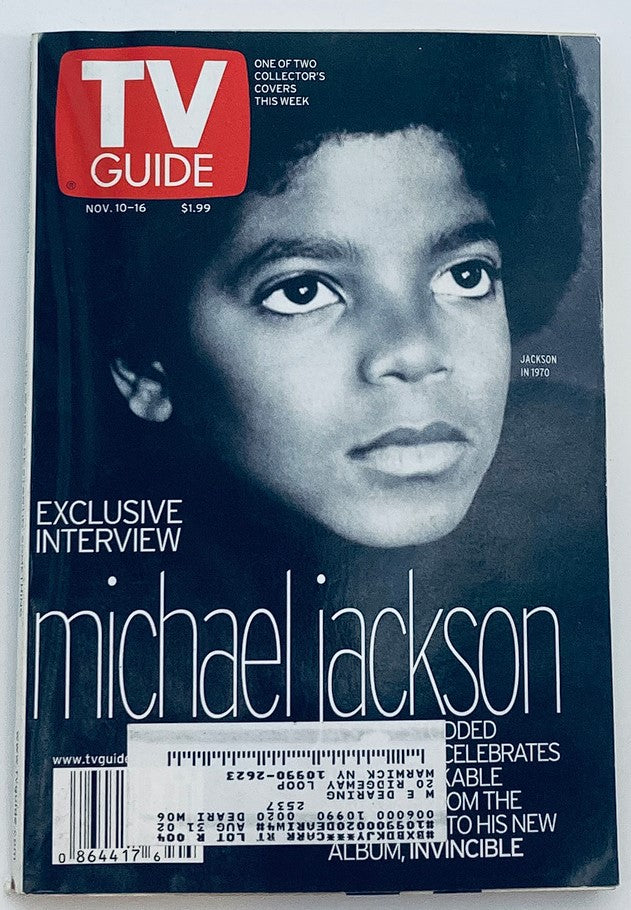
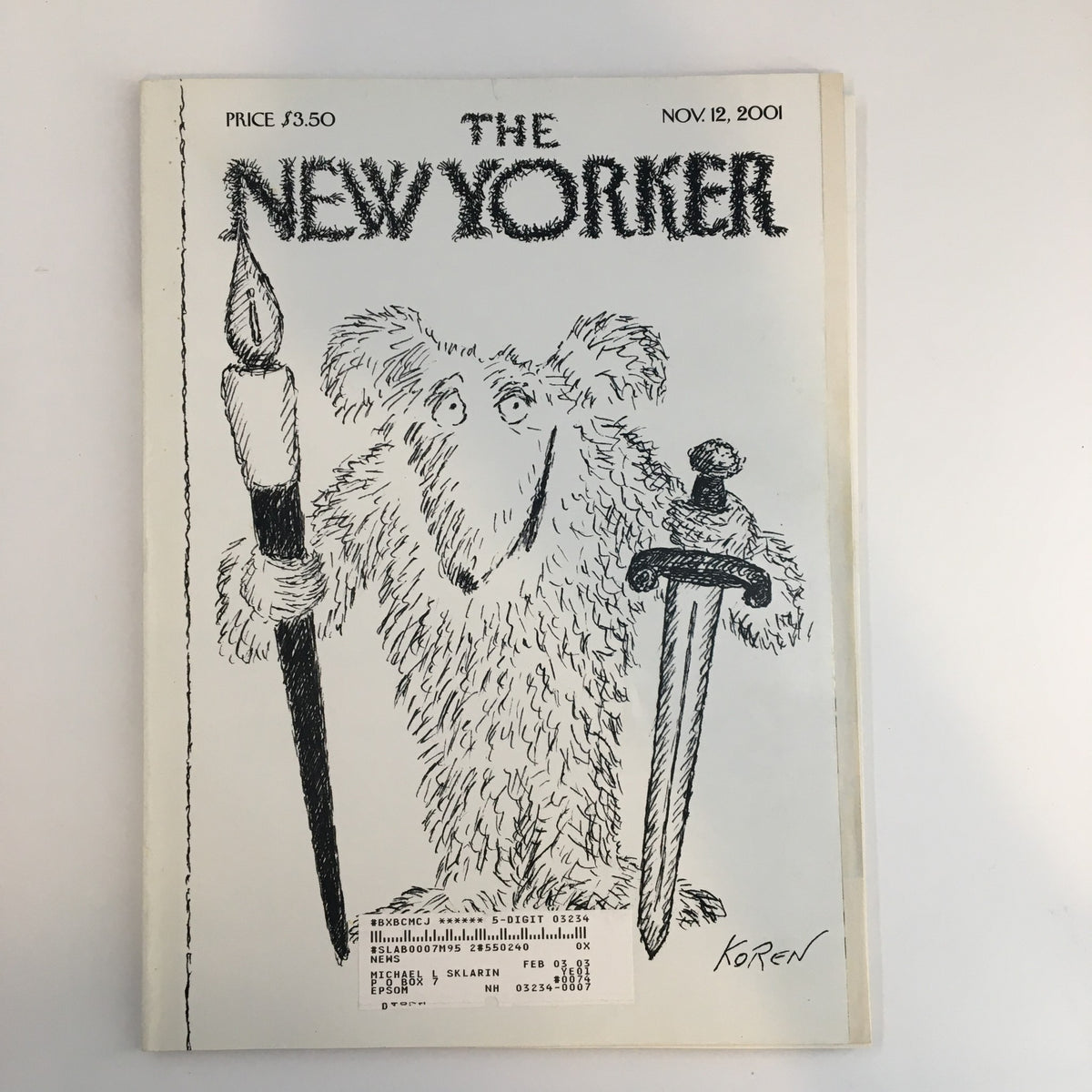
Even under the weight of history, culture found ways to breathe. The month's defining pop culture moment arrived November 16, when Harry Potter and the Sorcerer's Stone opened in American cinemas—Daniel Radcliffe stepping into a role that would define a generation, with queues stretching around city blocks. Television had its own landmark: the gripping drama 24, starring Kiefer Sutherland, premiered on Fox on November 6, introducing real-time storytelling that would change the medium. On November 4, the Arizona Diamondbacks stunned the New York Yankees in a legendary Game 7 World Series finish, co-MVPs Randy Johnson and Curt Schilling delivering one of baseball's most memorable nights. Serena Williams claimed the WTA Tour Championship in Munich, adding another title to what was becoming an era-defining career. Meanwhile, Shakira released Laundry Service, her first English-language album, and Josh Groban's debut arrived quietly before selling five million copies. Original magazines from November 2001—Sports Illustrated, TV Guide, Time, Life, Newsweek—capture all of it: the grief, the grit, and the surprising surge of life carrying on.
The Curator's Checklist
-
The Fall of Kabul: News weeklies including Time, Newsweek, and Life featuring front-page photography of Northern Alliance forces entering the Afghan capital, often illustrated with maps of the conflict and portraits of key military and political figures.
-
Flight 587 and a City Grieving Again: Newsweek and Time issues from mid-November documenting the crash of American Airlines Flight 587, showcasing photojournalism and investigative spreads that capture New York's second devastating loss within two months.
-
The World Series of the Century: Sports Illustrated and regional newspapers from early November chronicling Arizona's Game 7 triumph over the Yankees, featuring action photography of Randy Johnson and Curt Schilling in what collectors regard as rare magazines from a genuinely historic sporting night.
-
Harry Potter Opens: TV Guide, Life, and entertainment-focused vintage magazines from late November carrying features, interviews, and advertisements tied to Harry Potter and the Sorcerer's Stone, marking the precise cultural moment a global phenomenon went from page to screen.
-
The Home Front in Wartime: Authentic advertisements in Look, Esquire, and Popular Mechanics from November 2001 reflect a nation recalibrating its sense of normal—consumer culture, newly released Xbox ads, and oil price headlines appearing alongside dispatches from Afghanistan, a genuine time capsule of America at a crossroads.
The Perfect Gift
For someone born in November 2001, an original magazine from this extraordinary month isn't just a piece of printed paper—it's a preserved record of the exact world they entered: genuine headlines, authentic photographs, and real advertisements from days that changed history, all held in the pages exactly as they were printed.