📖 About this Collection
October 1938: When the Future Hung in the Balance
The Historical Context
The autumn of 1938 arrived under a shadow that stretched across continents. On October 1st, German troops marched into the Sudetenland, completing the seizure of a third of Czechoslovakia that the Munich Agreement had handed them without a shot fired. The world watched, uneasily grateful for what many called peace, though Churchill had already named it something darker. By October 10th, the annexation was complete, and President Edvard Beneš—the man who had tried to hold his country together—left Prague for exile in London. Within weeks, Nazi authorities ordered every Jewish passport stamped with the letter "J," and planners were already drawing the blueprints for ghettos in major cities. This was the world suspended between relief and dread, a civilization bargaining with itself. For someone born this month, their first breath came in a world that was still, just barely, at peace—but only just. This was the world your loved one entered.
Life, Culture & the American Moment
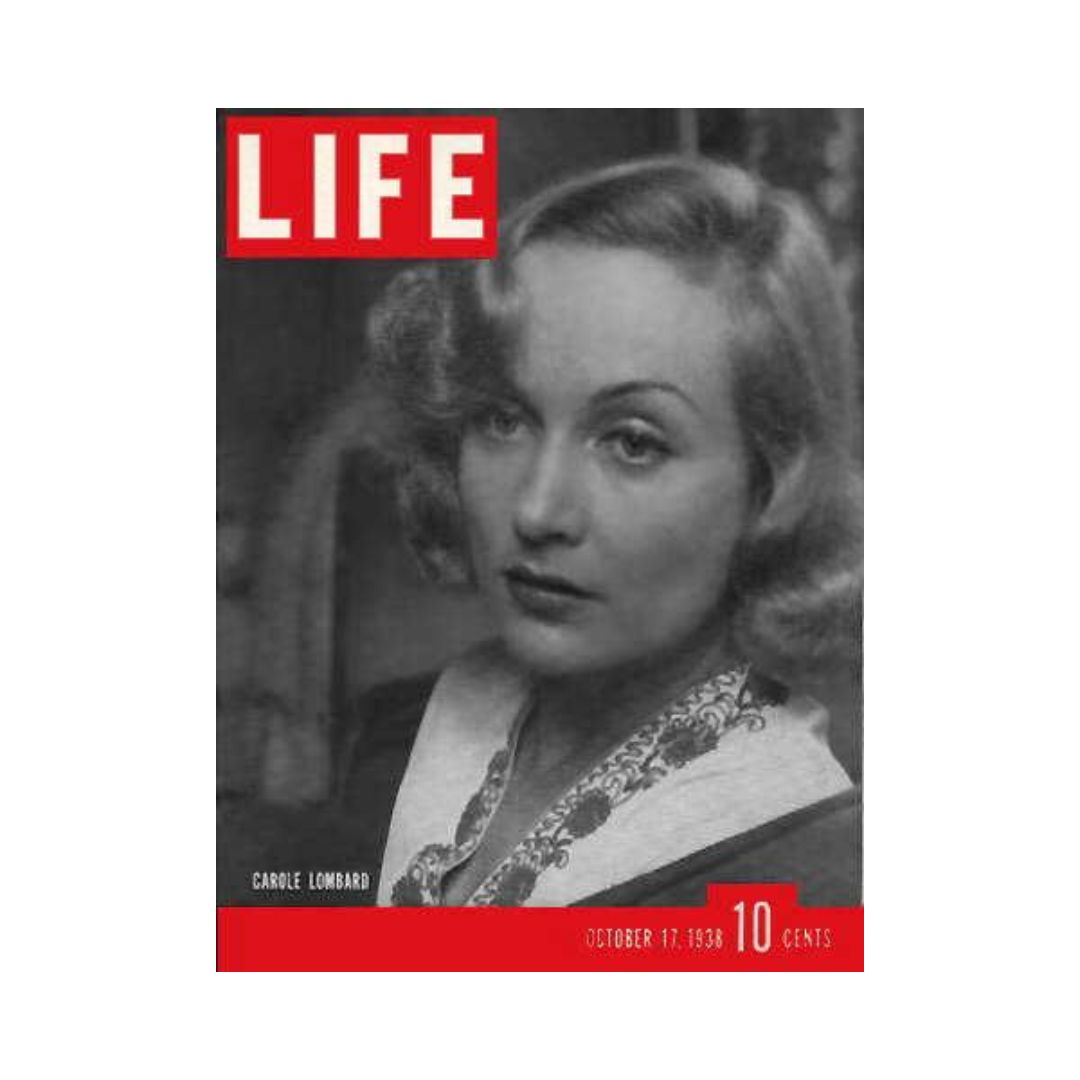
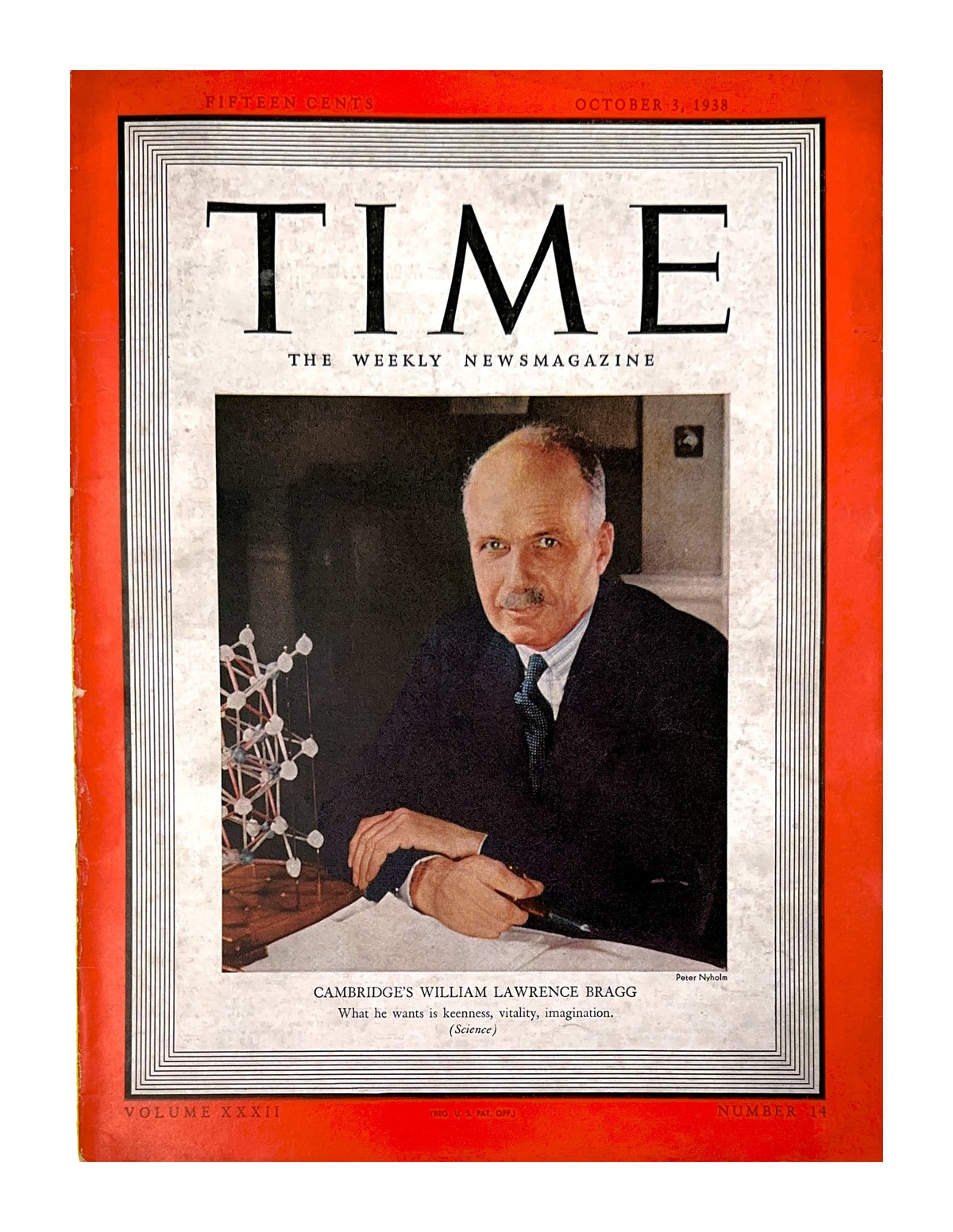
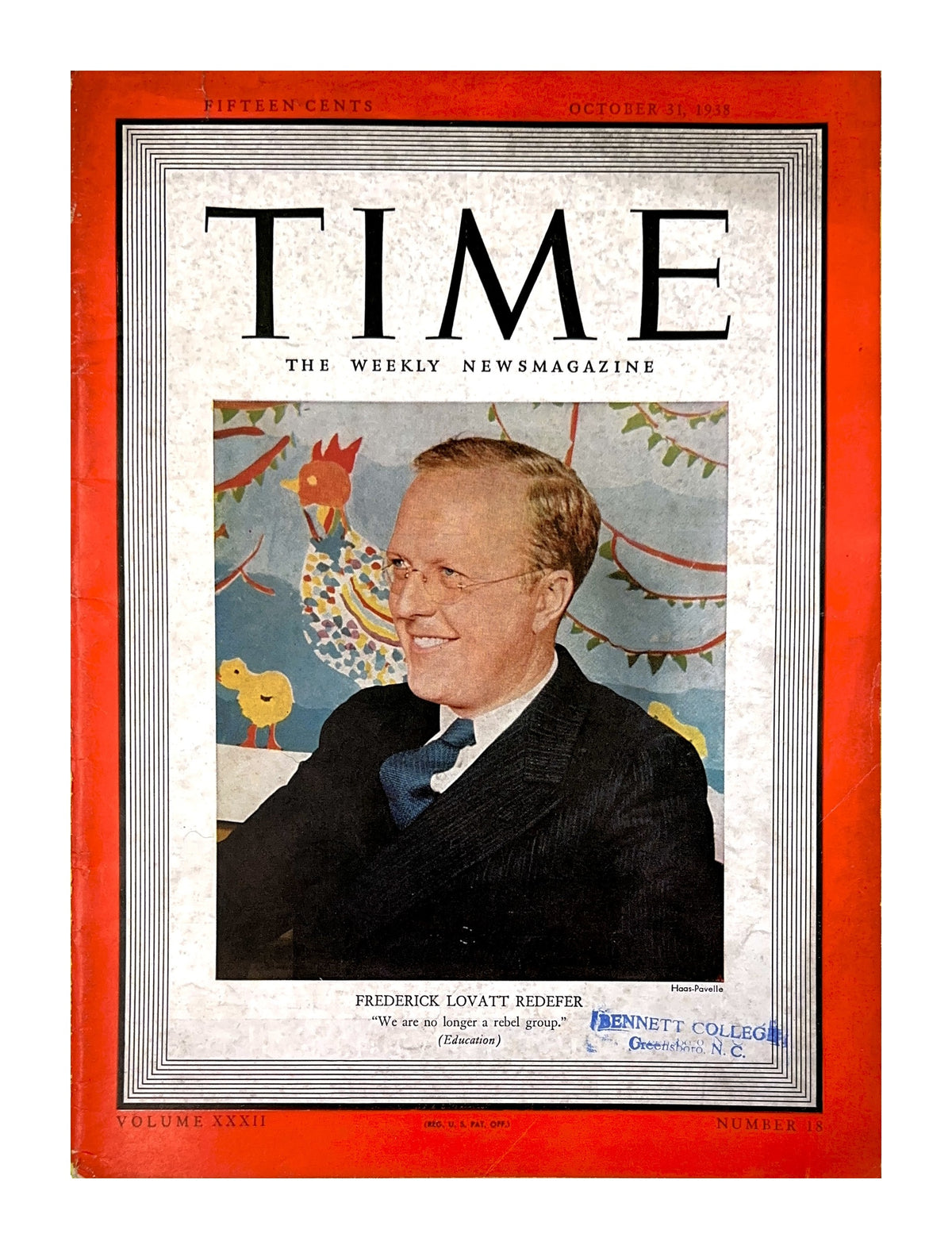
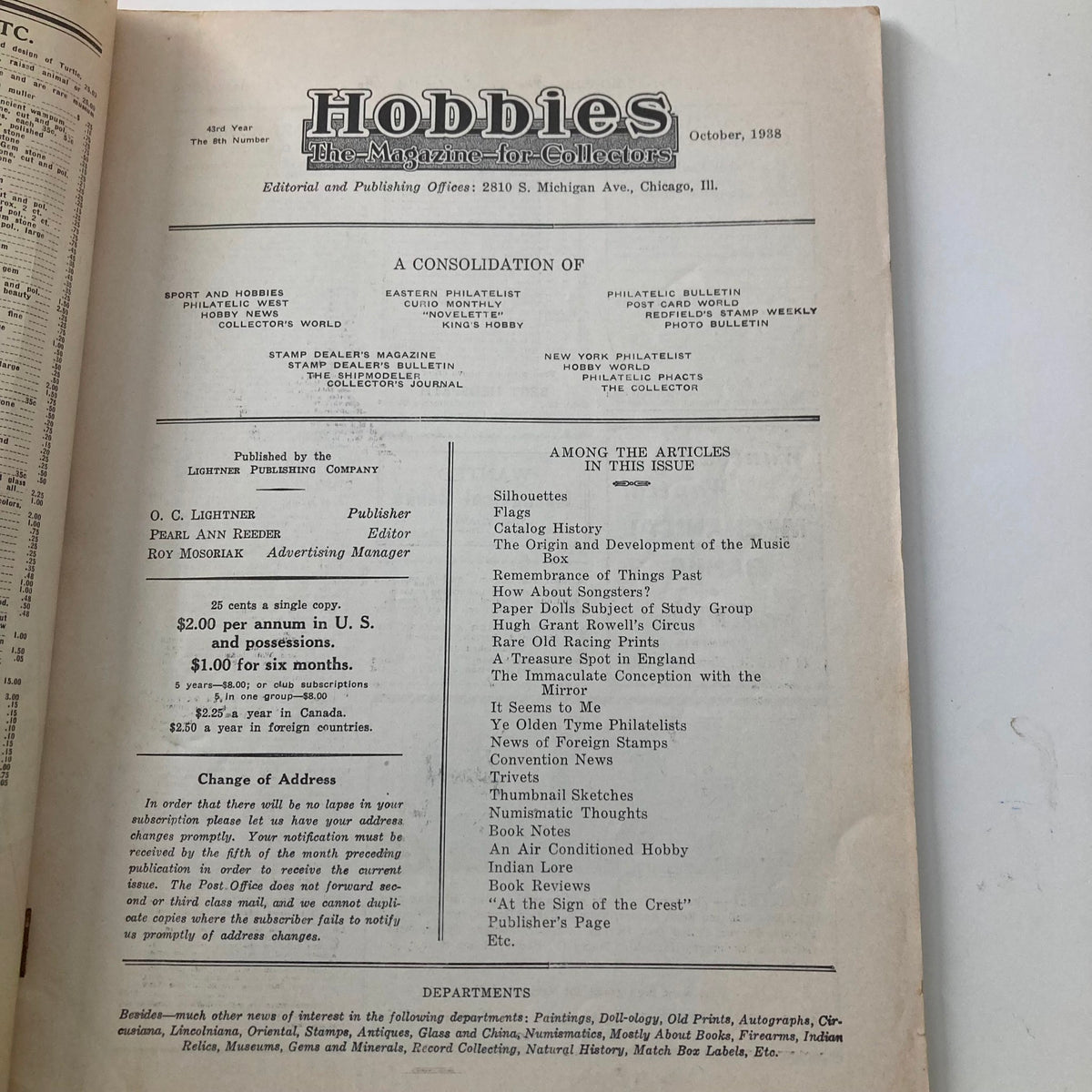
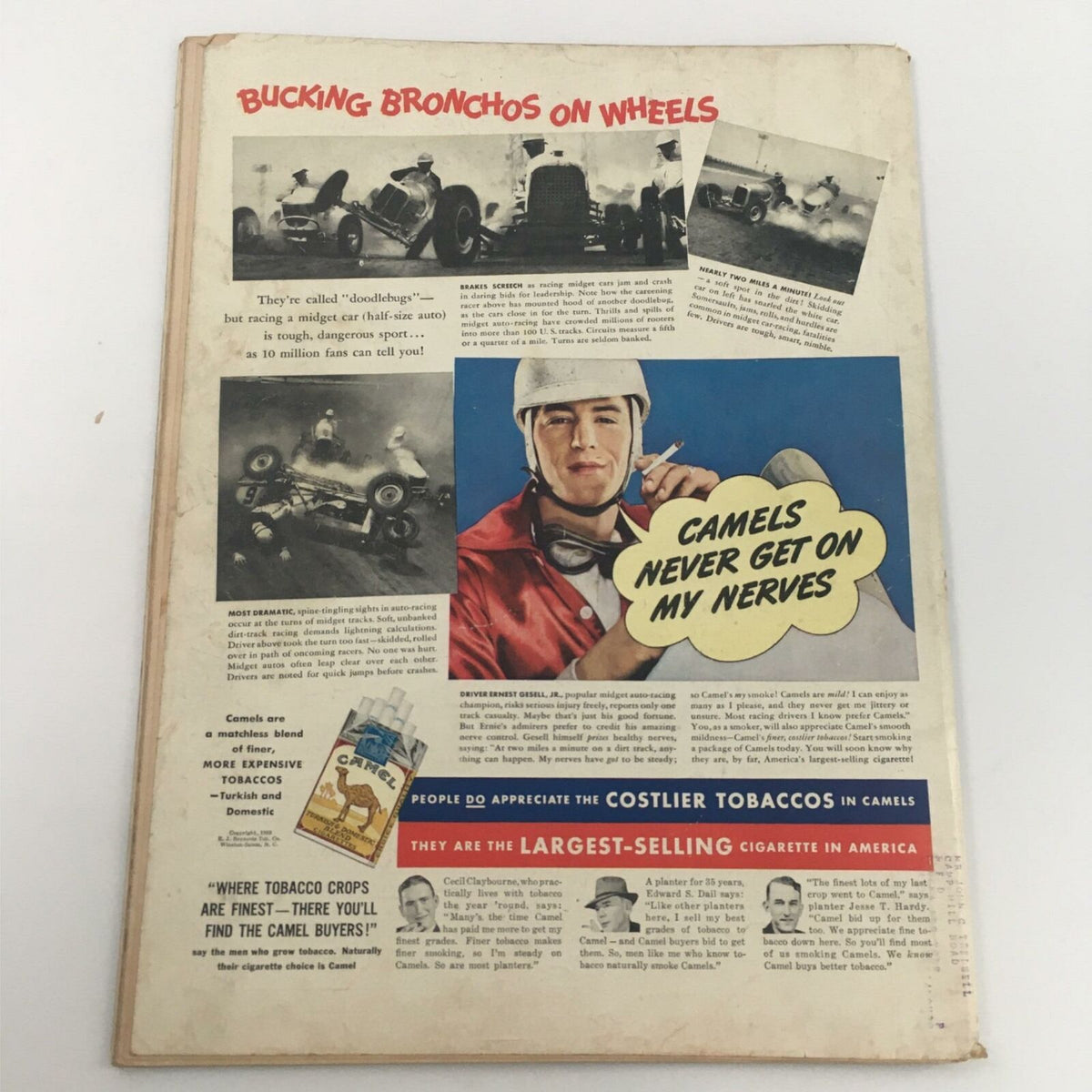
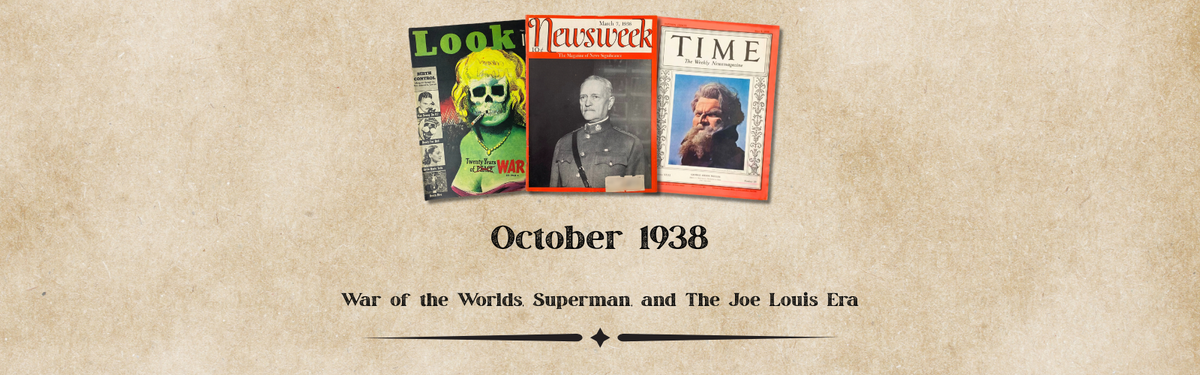
While Europe teetered, American life pulsed with remarkable energy. On October 30th, Orson Welles sat before a CBS microphone and narrated H.G. Wells' War of the Worlds with such conviction that radio listeners across the country reportedly fled their homes in panic—proof of how completely broadcast media now shaped public reality. On Broadway, Raymond Massey opened in Robert E. Sherwood's Abe Lincoln in Illinois to standing ovations, while George S. Kaufman and Moss Hart's The Fabulous Invalid premiered the same month. The New York Yankees completed a stunning 4-0 sweep of the Chicago Cubs to claim their third straight World Series championship. DuPont announced a new synthetic fiber called "nylon," and Chester Carlson quietly made the first successful experiment in what would eventually become the Xerox machine. Original magazines from October 1938 captured all of it—the anxiety and the ambition, the glamour and the gathering storm—on newsstands that Life, Time, and Newsweek dominated with unforgettable photography and headlines that readers couldn't put down.
Curator's Checklist: What to Look For
-
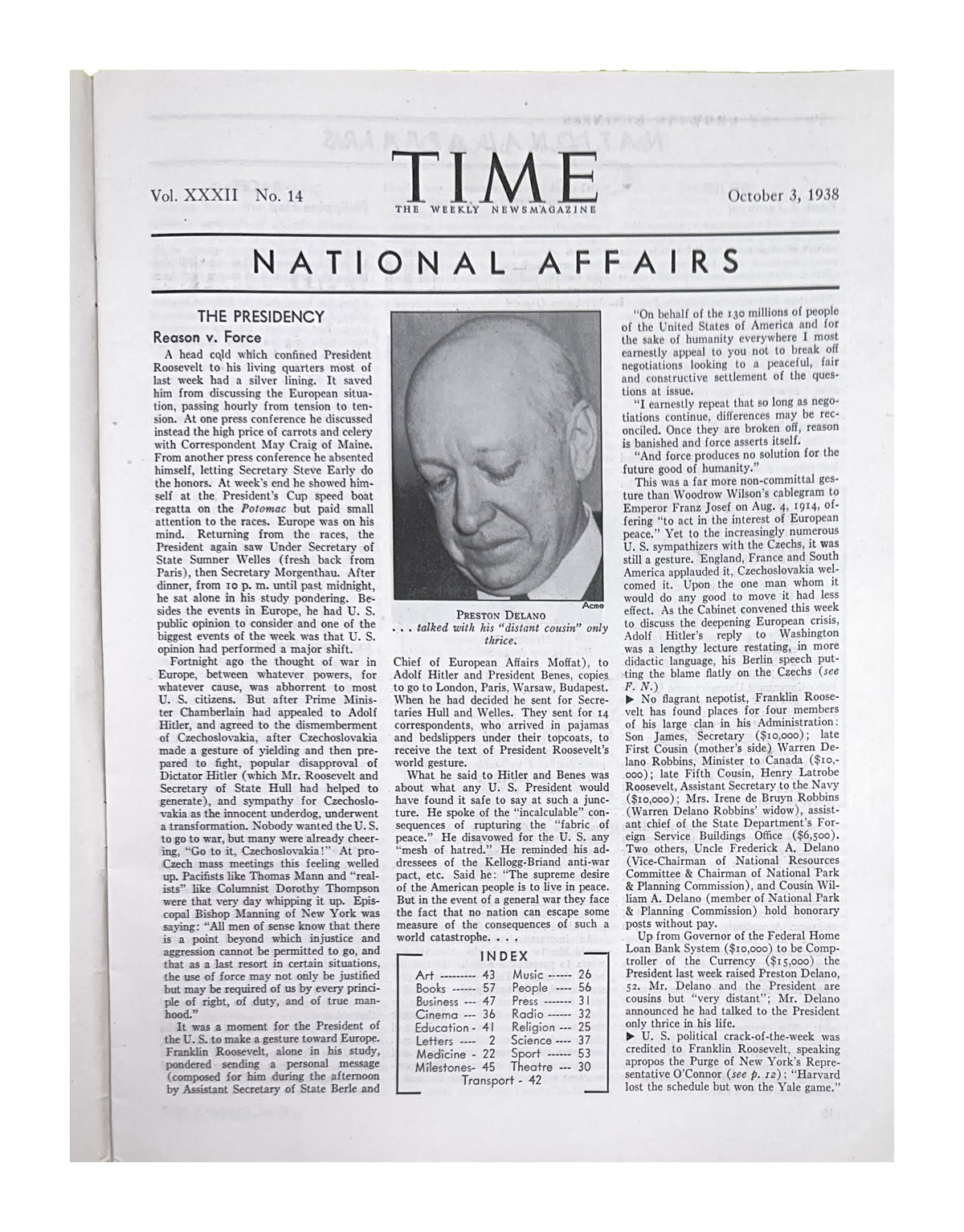
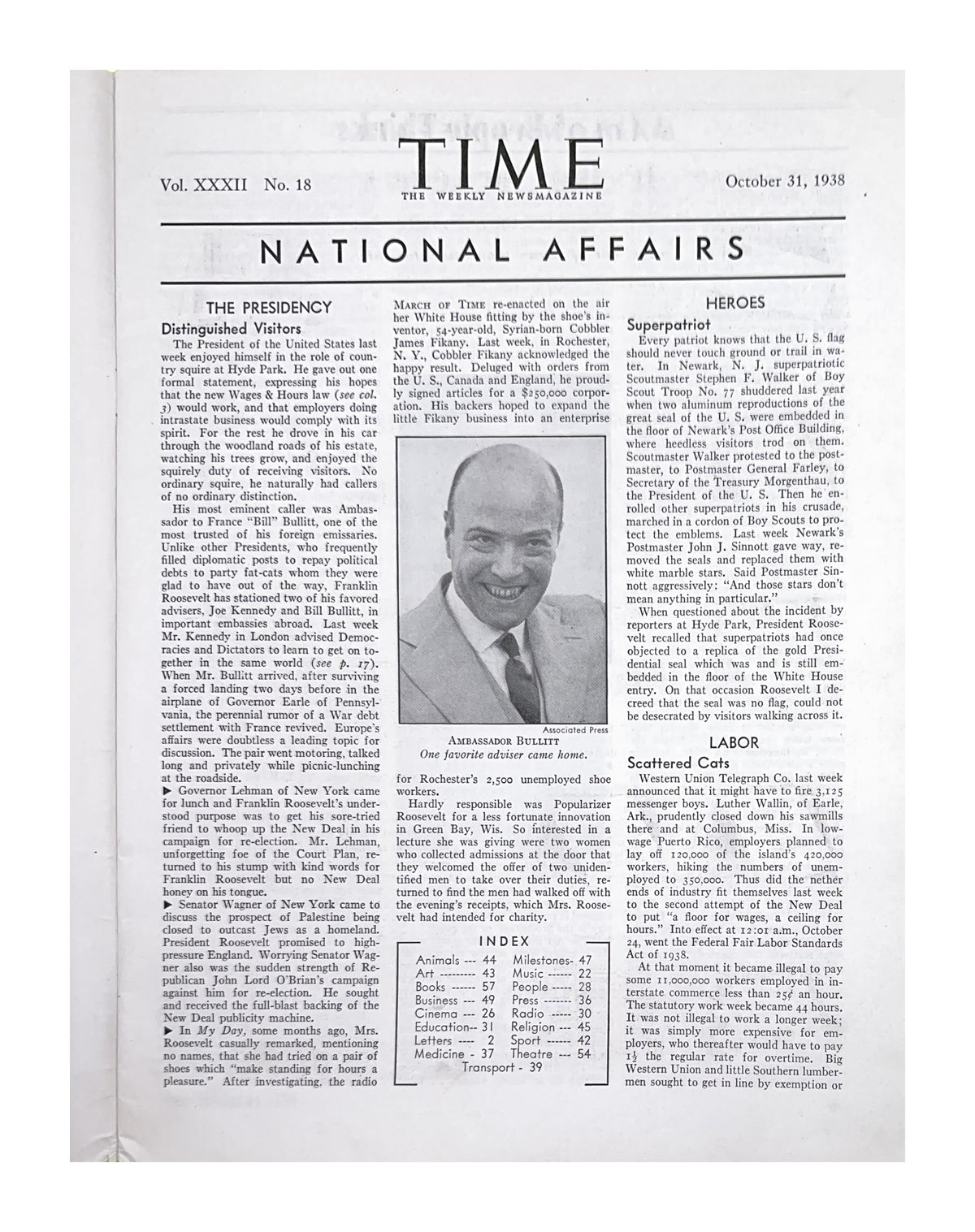
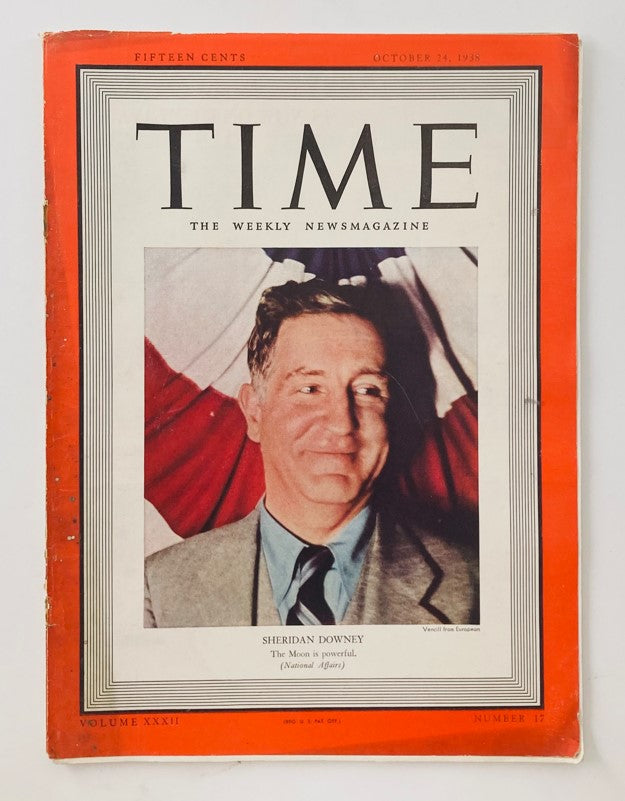
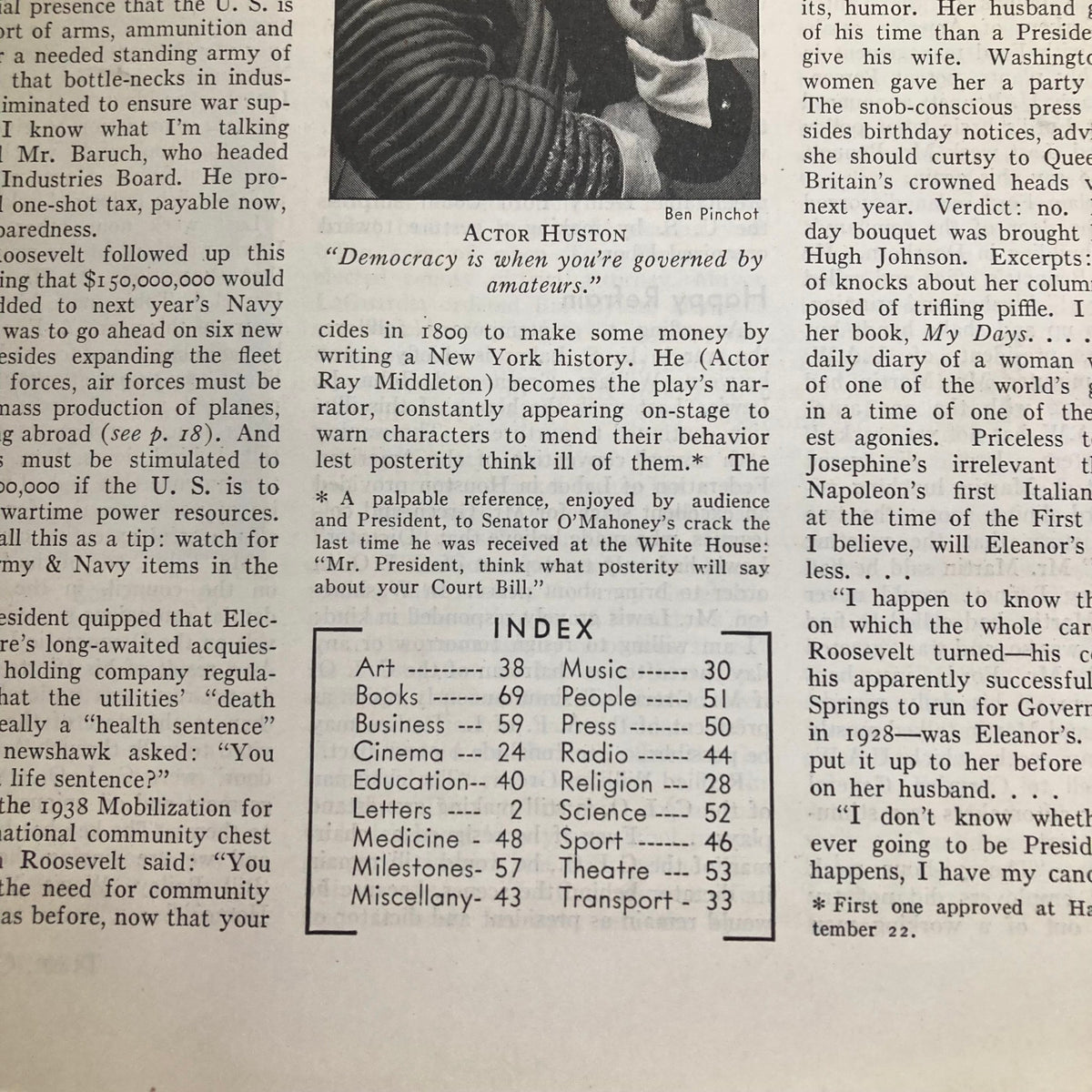
The Sudetenland Crisis: Issues of Time, Life, and Newsweek from this month featuring front-page coverage of Germany's annexation, illustrated with striking wire photography of Wehrmacht troops crossing the border and maps of a fragmenting Czechoslovakia—rare magazines documenting one of the pivotal moments before World War II.
-
The War of the Worlds Broadcast: Entertainment and news weeklies including Variety and Newsweek chronicling the Orson Welles radio panic of October 30th, often featuring editorial cartoons and reader letters capturing the national mood around America's new obsession with broadcast media.
-
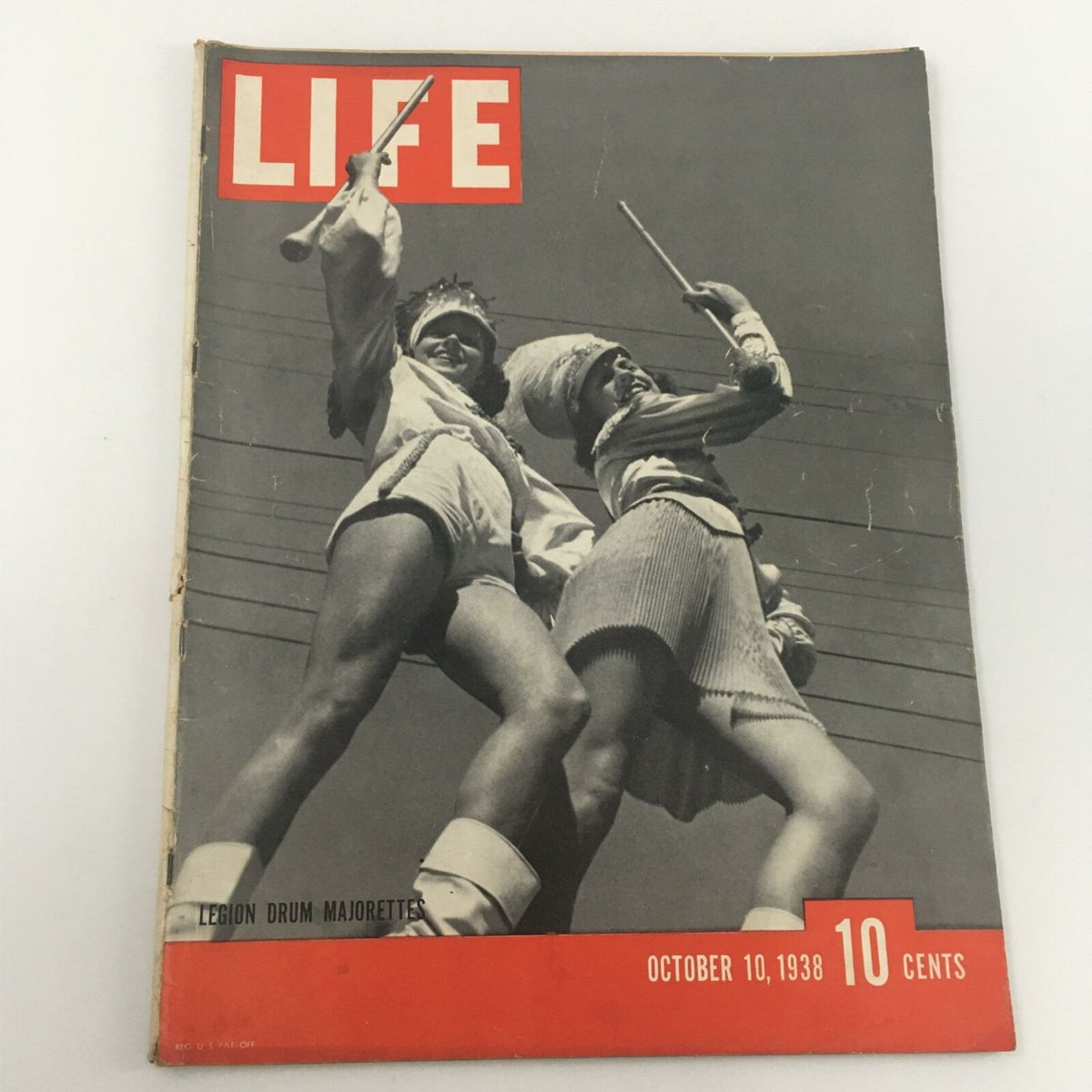
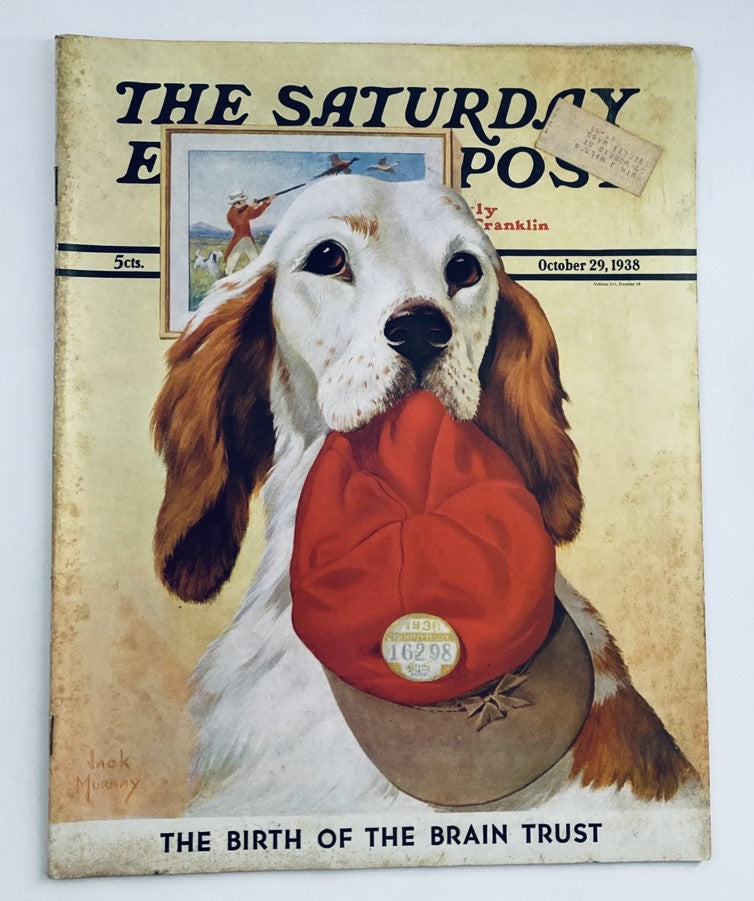
Yankees World Series Sweep: Life and the Saturday Evening Post ran extensive photo spreads on the Yankees' third consecutive championship, showcasing action photography from Yankee Stadium and portraits of legends like Lefty Gomez at peak form.
-
DuPont Announces Nylon: Consumer and lifestyle magazines from this era—including Harper's Bazaar and Vogue—began featuring early mentions and advertisements tied to synthetic fabrics, making authentic October 1938 issues a genuine time capsule of American industrial optimism on the eve of war.
-
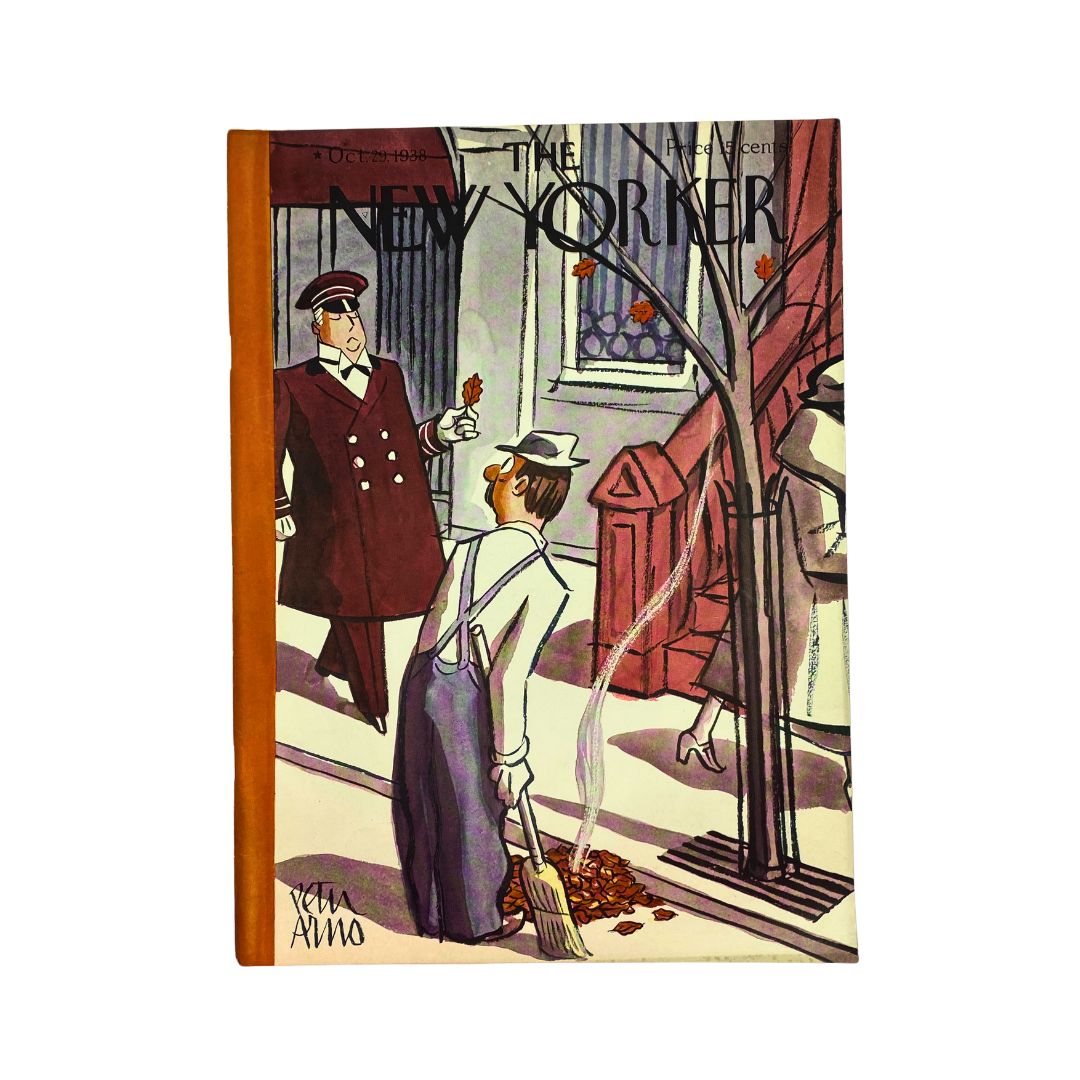
Broadway's Golden Autumn: Vintage magazines including the Saturday Evening Post and Esquire featuring theatre coverage of Abe Lincoln in Illinois and The Fabulous Invalid, with original advertisements for Manhattan entertainment that paint a vivid portrait of cultural life in Depression-era New York.
The Perfect Gift
For someone born in October 1938, an original magazine from this extraordinary month isn't just a piece of printed paper—it's an authenticated window into the last weeks of an era, preserved in genuine headlines, period advertisements, and photography that no reproduction can replicate.