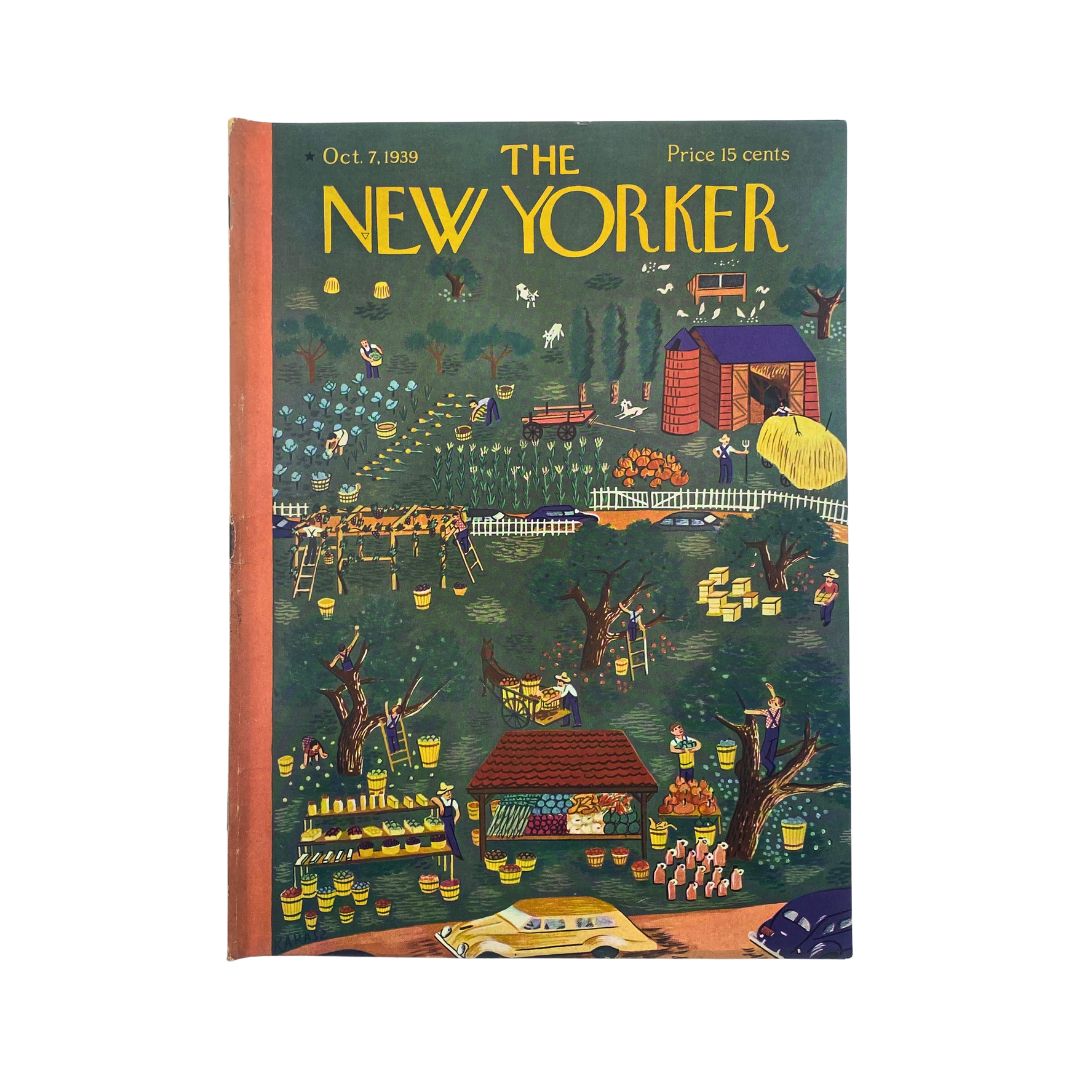
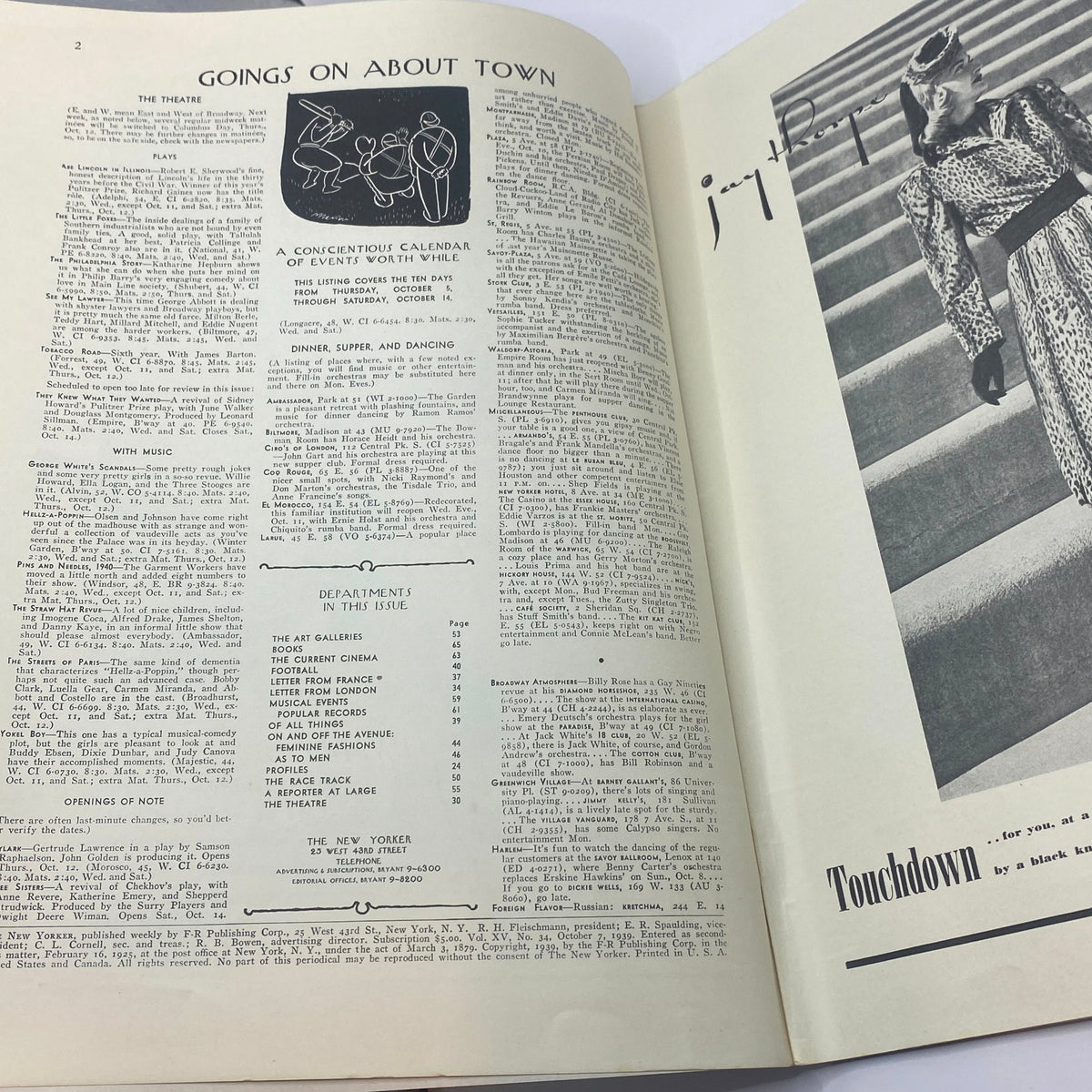
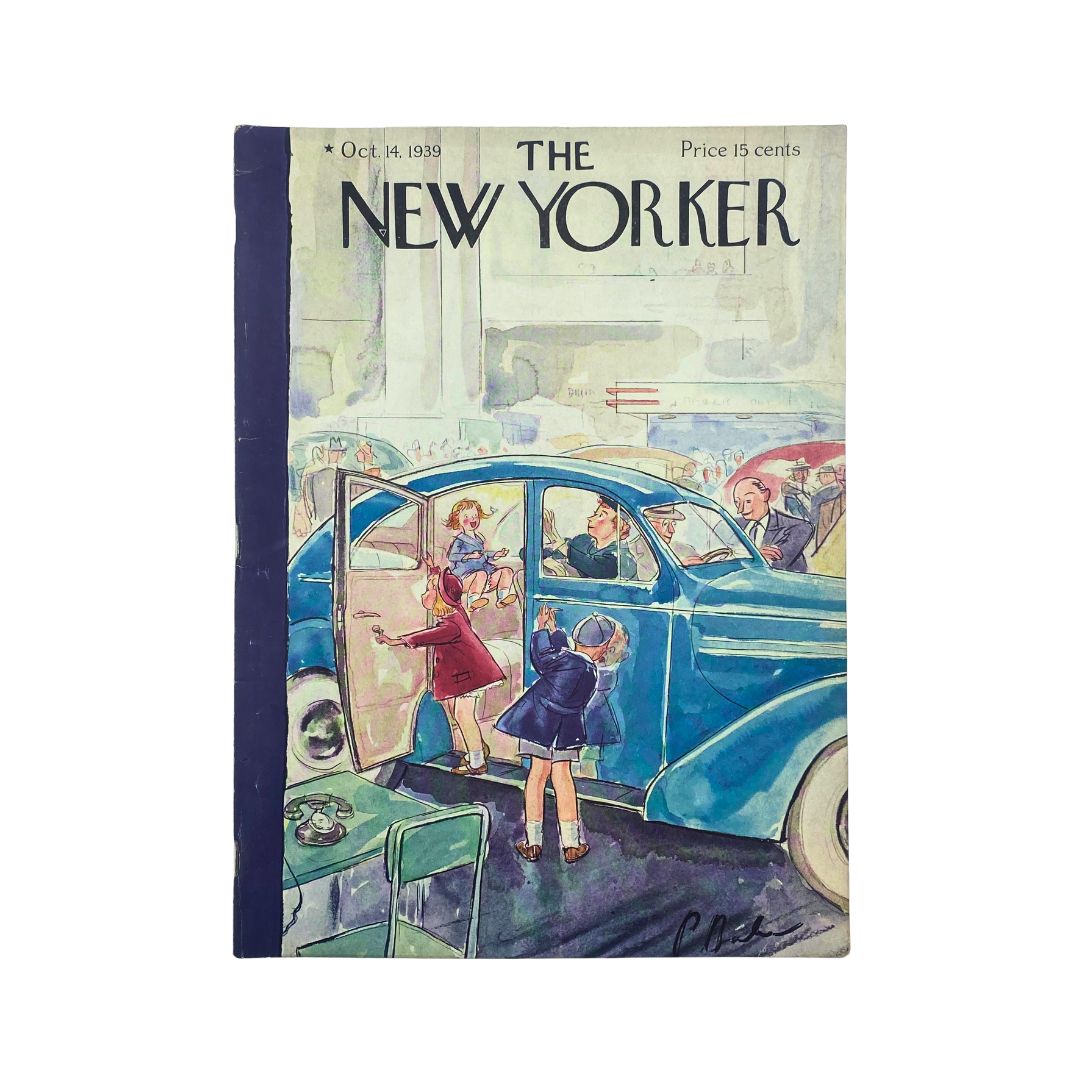
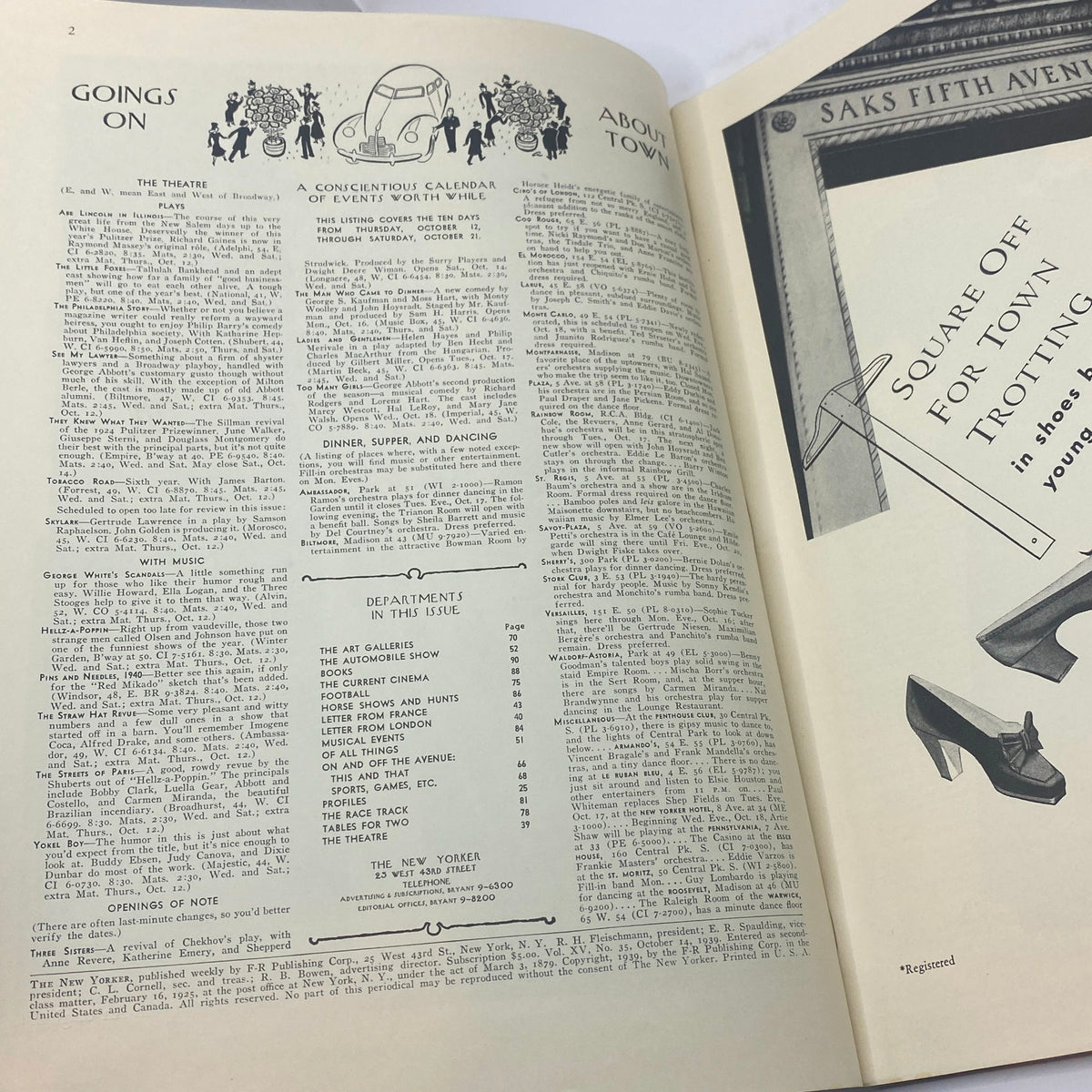
📖 About this Collection
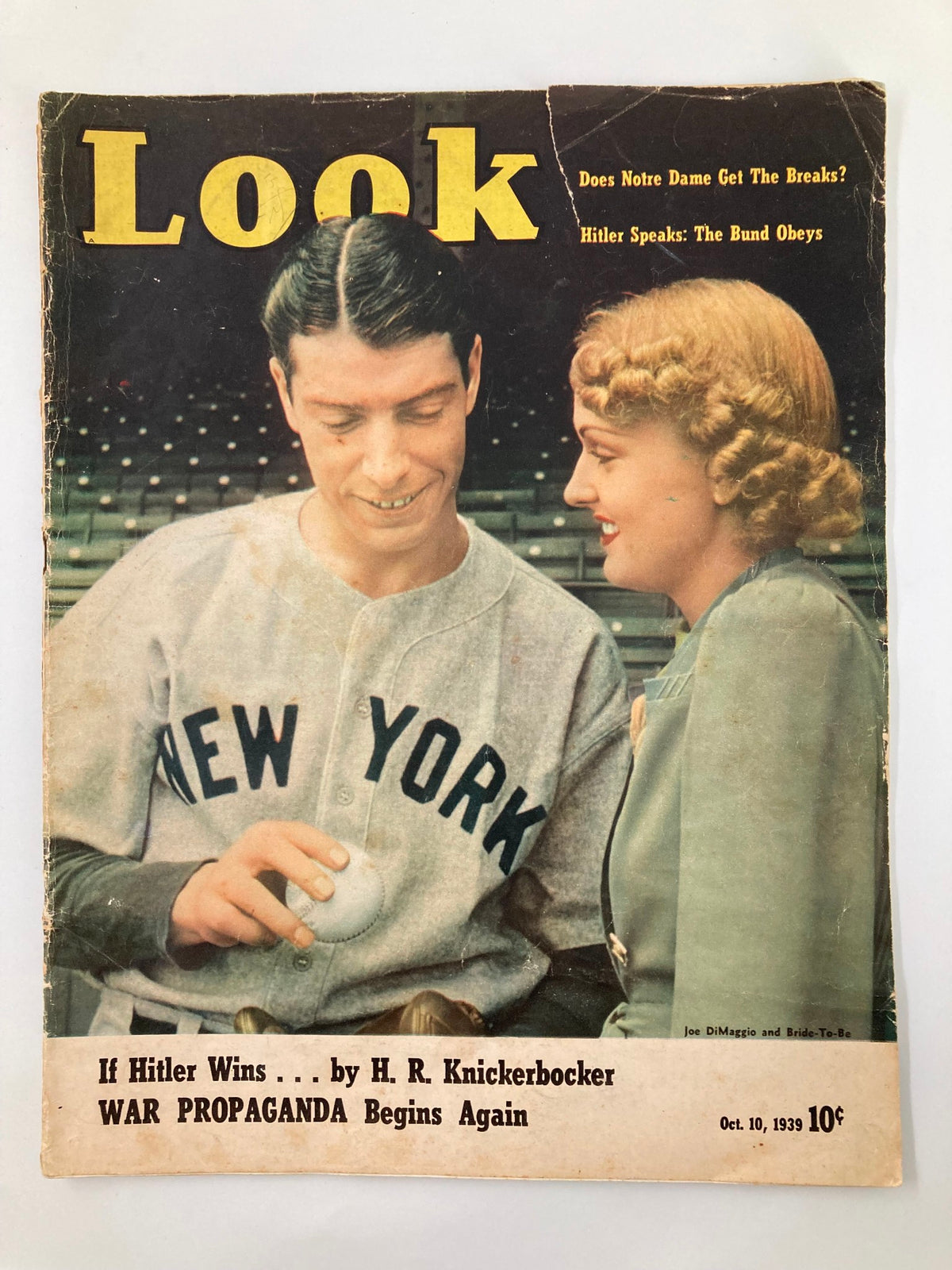
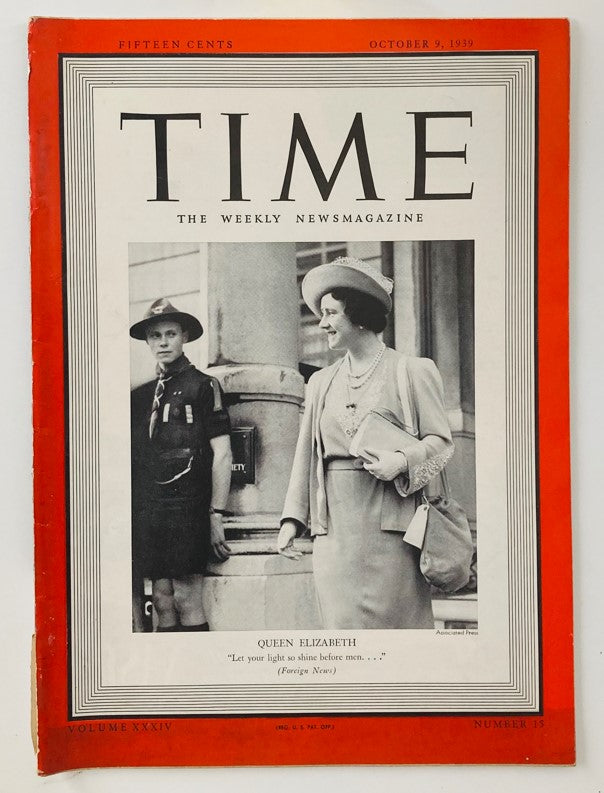
October 1939: Europe in Flames, America on the Edge
The Historical Context
The world held its breath in October 1939. Warsaw had just fallen—German forces entering a shattered city after a month-long siege that announced, with terrible clarity, what this new war would look like. Across the Atlantic, Franklin Roosevelt met quietly with advisor Alexander Sachs to discuss a letter from Albert Einstein warning that atomic energy could be weaponized in ways the world had never imagined. Meanwhile, Winston Churchill went before the British public and delivered one of the most quoted assessments in diplomatic history, describing Russia as "a riddle wrapped in a mystery inside an enigma." This was the world in full, ominous motion. For someone born in October 1939, these were the headlines that greeted their arrival—a civilization at a crossroads, where the choices made in these very weeks would determine the shape of the century they would live.
The Culture That Carried On
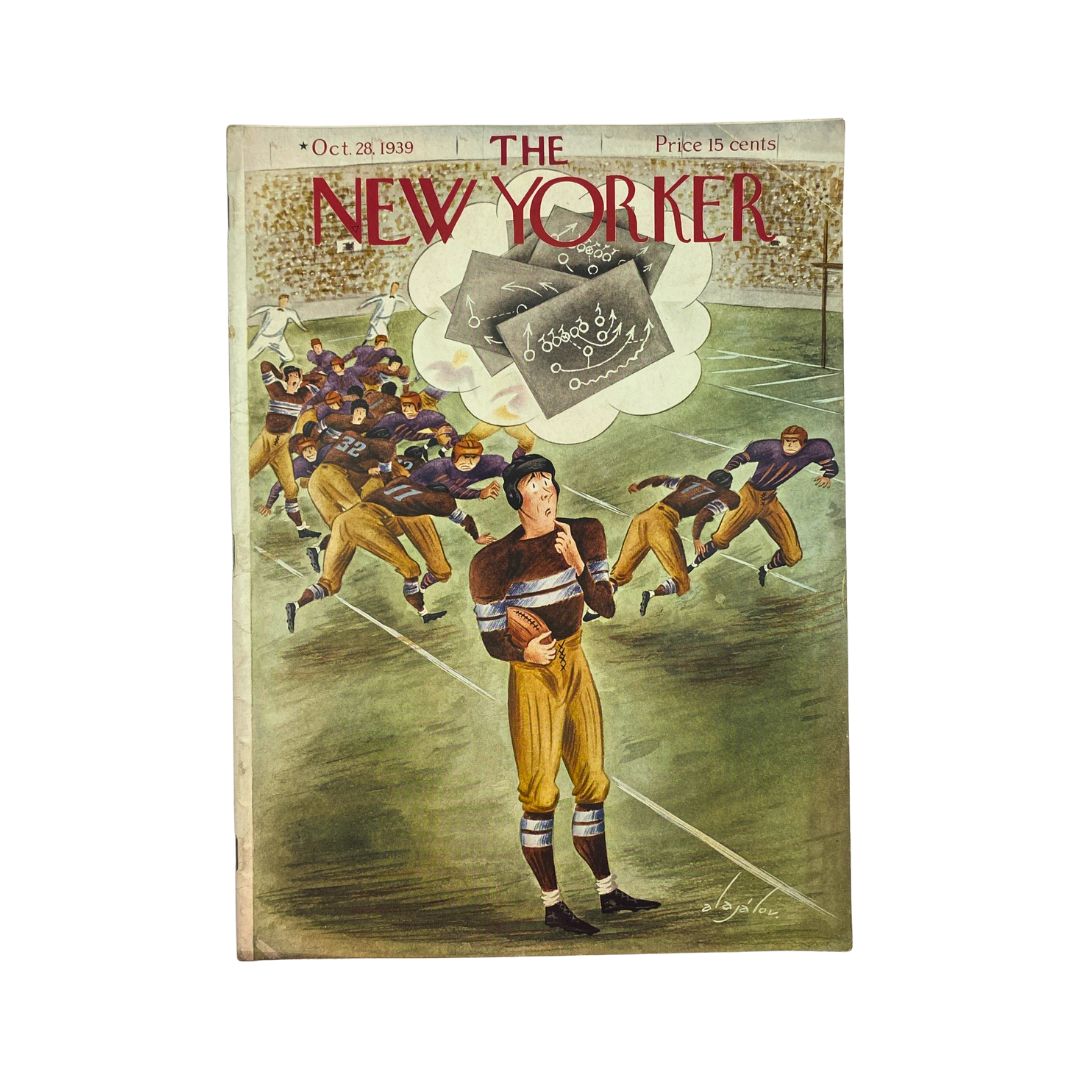
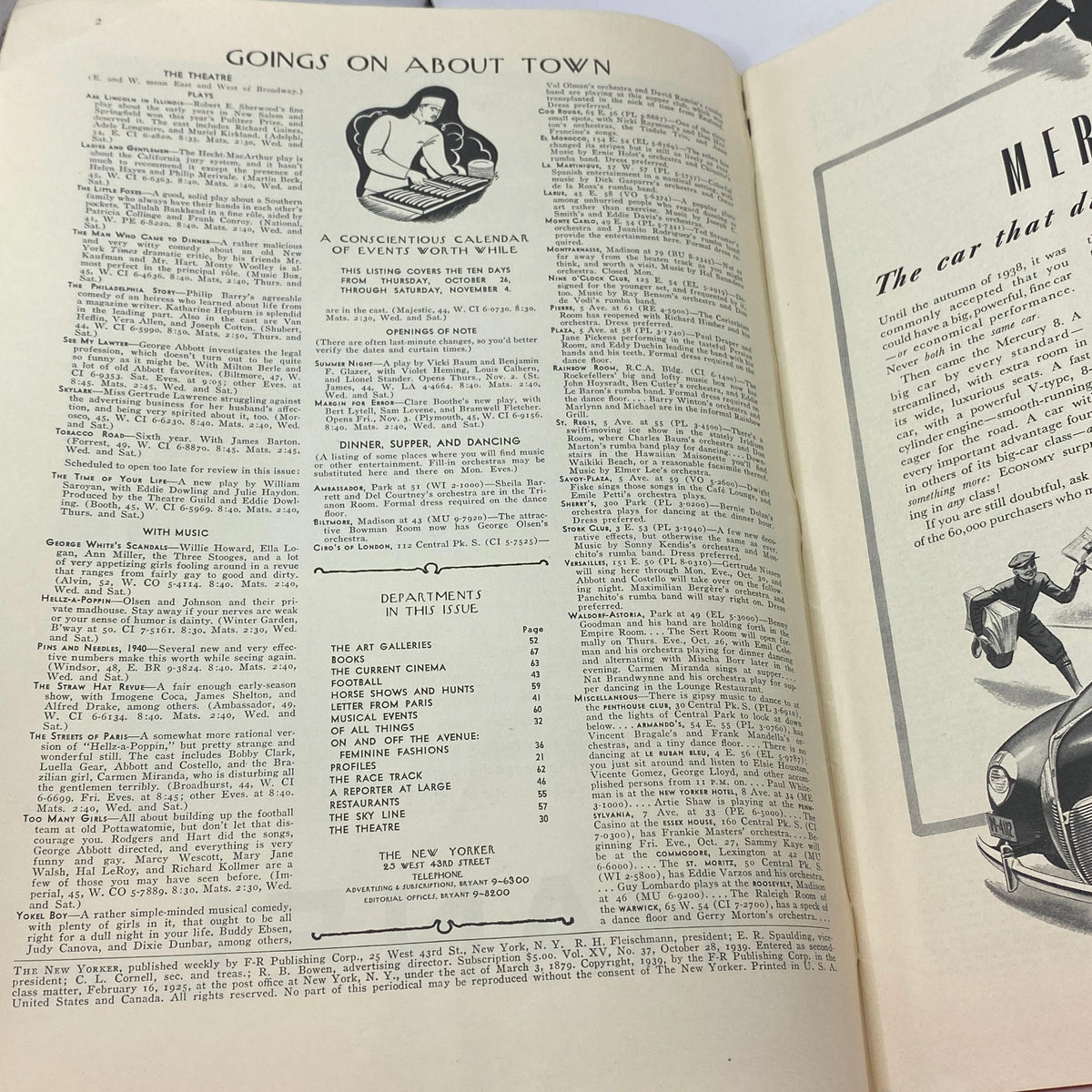
Even as Europe burned, American life pushed forward with remarkable vitality in October 1939. Frank Capra's Mr. Smith Goes to Washington—starring a luminous James Stewart and Jean Arthur—opened in theaters and immediately struck a nerve with audiences hungry for idealism. Warner Bros.' crackling gangster saga The Roaring Twenties paired James Cagney and Humphrey Bogart in what would become a defining crime film of the era. On Broadway, George Kaufman and Moss Hart's comedy The Man Who Came to Dinner launched a 739-performance run, while Richard Rodgers and Lorenz Hart's musical Too Many Girls filled the Imperial Theatre with song. Tommy Dorsey was in the studio recording "All the Things You Are," a melody that would drift from jukeboxes and radio sets for years to come. Original magazines from October 1939 capture all of it—the escapism, the glamour, the nervous energy of a public consuming culture with unusual urgency.
Curator's Checklist: What to Look For in October 1939 Magazines
-
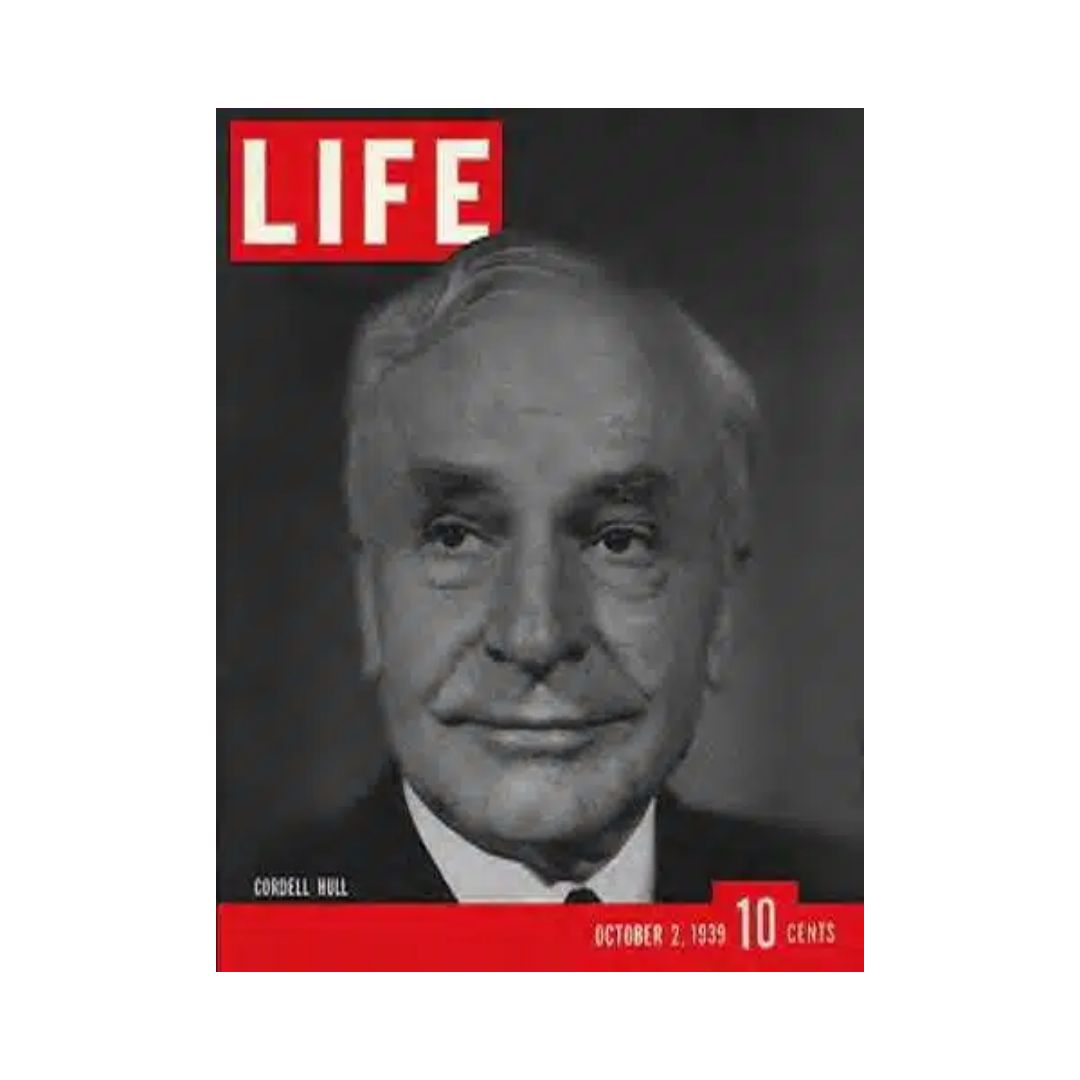
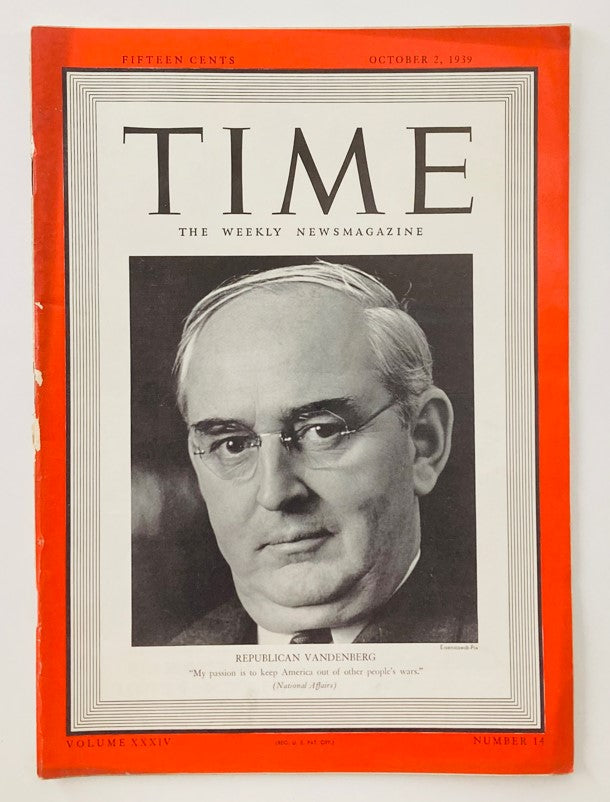
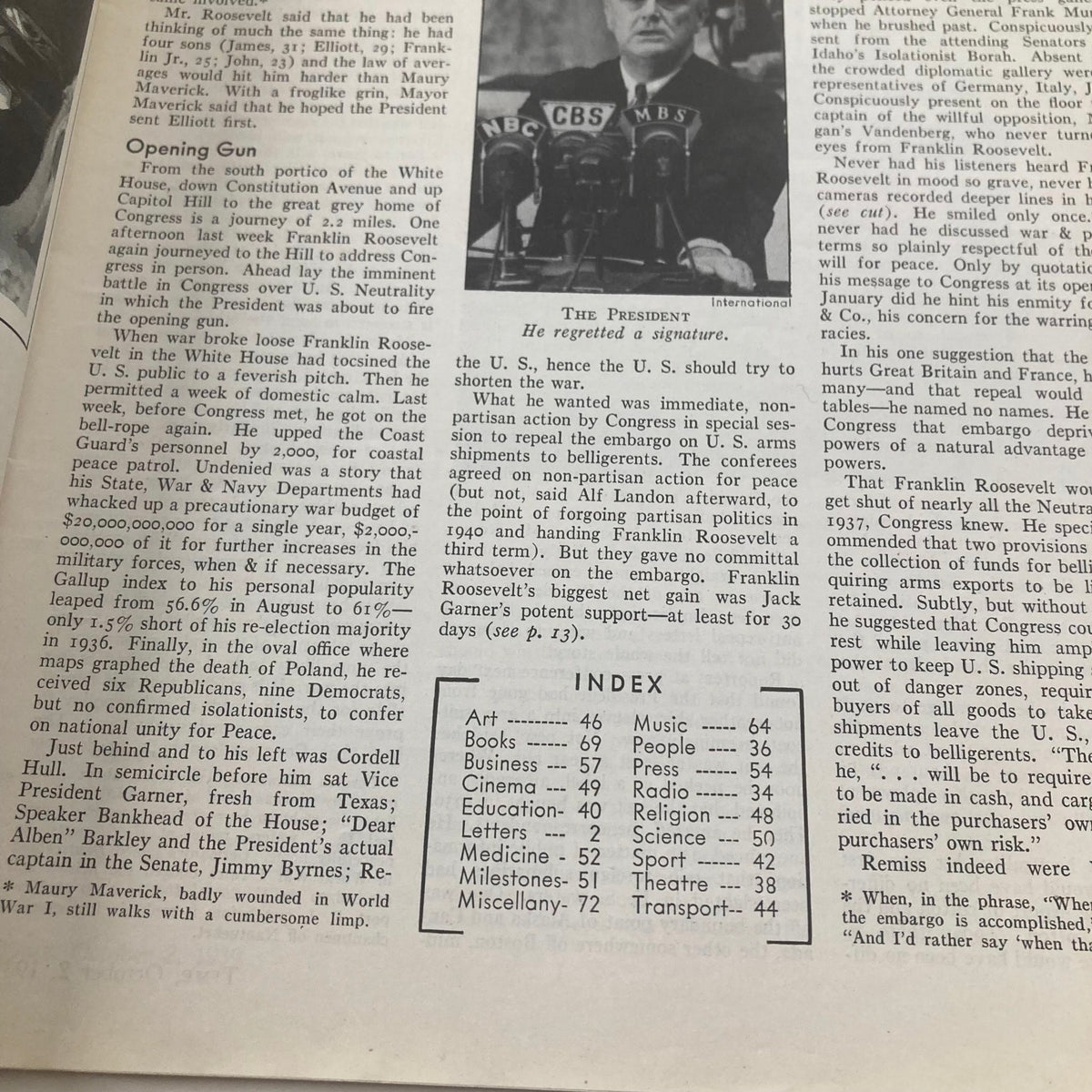
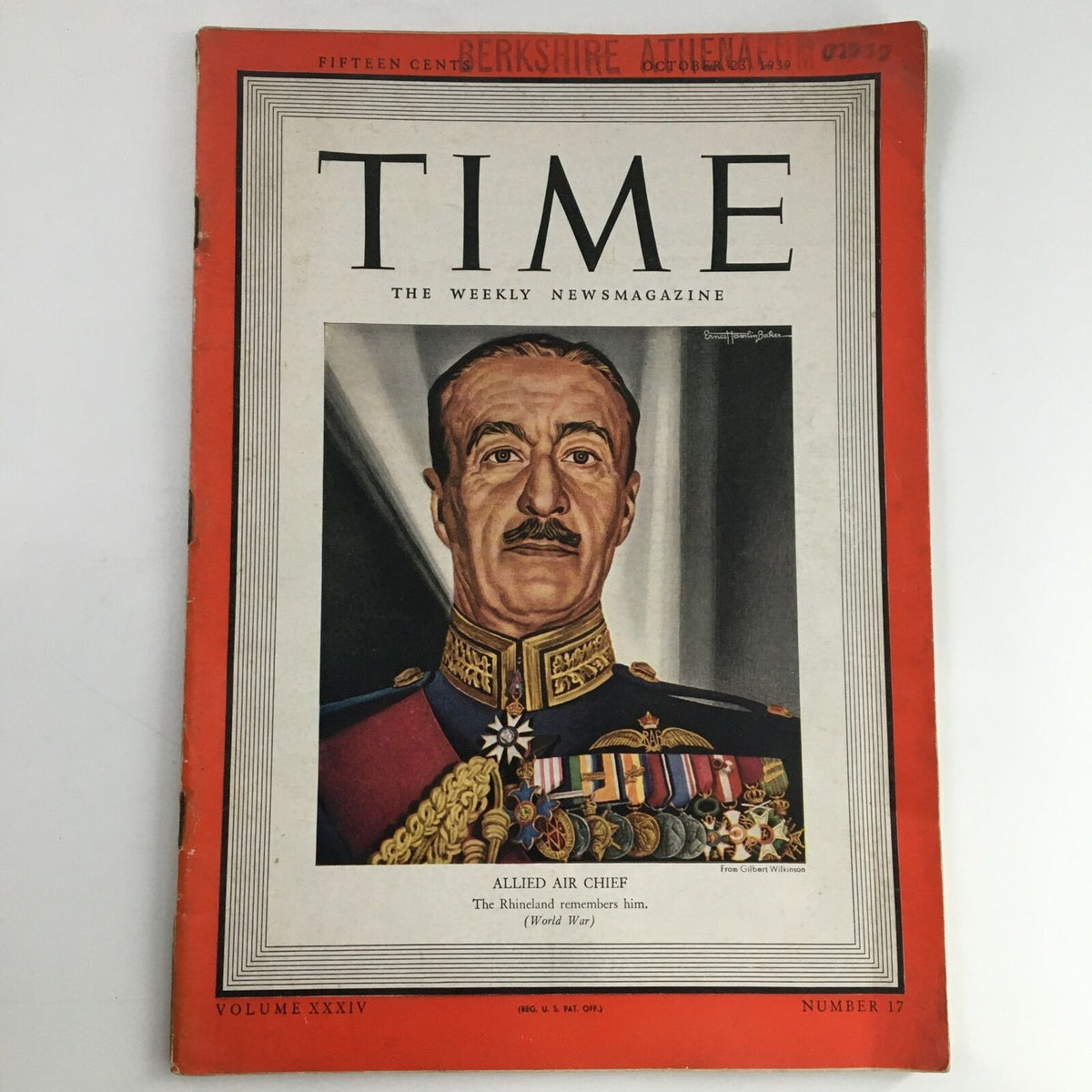
The Fall of Warsaw & Hitler's Reichstag Speech: News weeklies including Time, Life, and Newsweek ran extensive coverage of Poland's collapse, featuring stark front-line photography and analysis of Hitler's October 6th address—making these rare magazines among the most historically charged documents of the war's opening weeks.
-
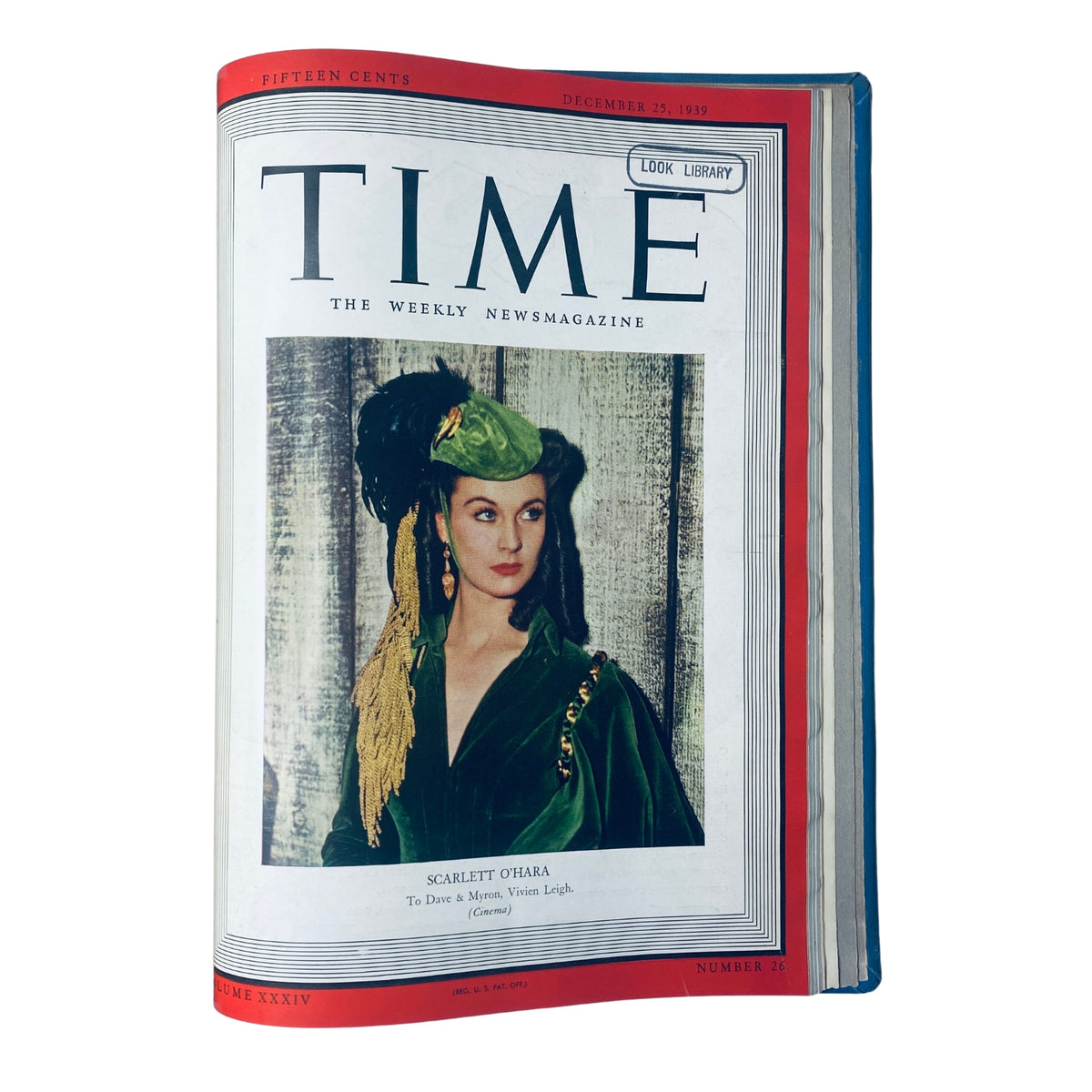
Churchill's "Riddle Wrapped in a Mystery" Broadcast: Look for Time and Look features dissecting Churchill's landmark October 1st speech, often illustrated with portraits of the newly prominent Prime Minister whose words were already reshaping how the West understood Soviet Russia.
-
The Einstein-Roosevelt Atomic Warning: Vintage magazines from science and current-affairs titles occasionally surfaced speculation about new weapons research; collectors watch for Popular Mechanics and news weeklies hinting at the October 11th White House meeting that quietly set the Manhattan Project in motion.
-
Hollywood's Golden October: Entertainment coverage in Life, Variety, and the Saturday Evening Post showcased Mr. Smith Goes to Washington and The Roaring Twenties, with studio portraits, behind-the-scenes photography, and the full-page film advertisements that made this one of cinema's richest months.
-
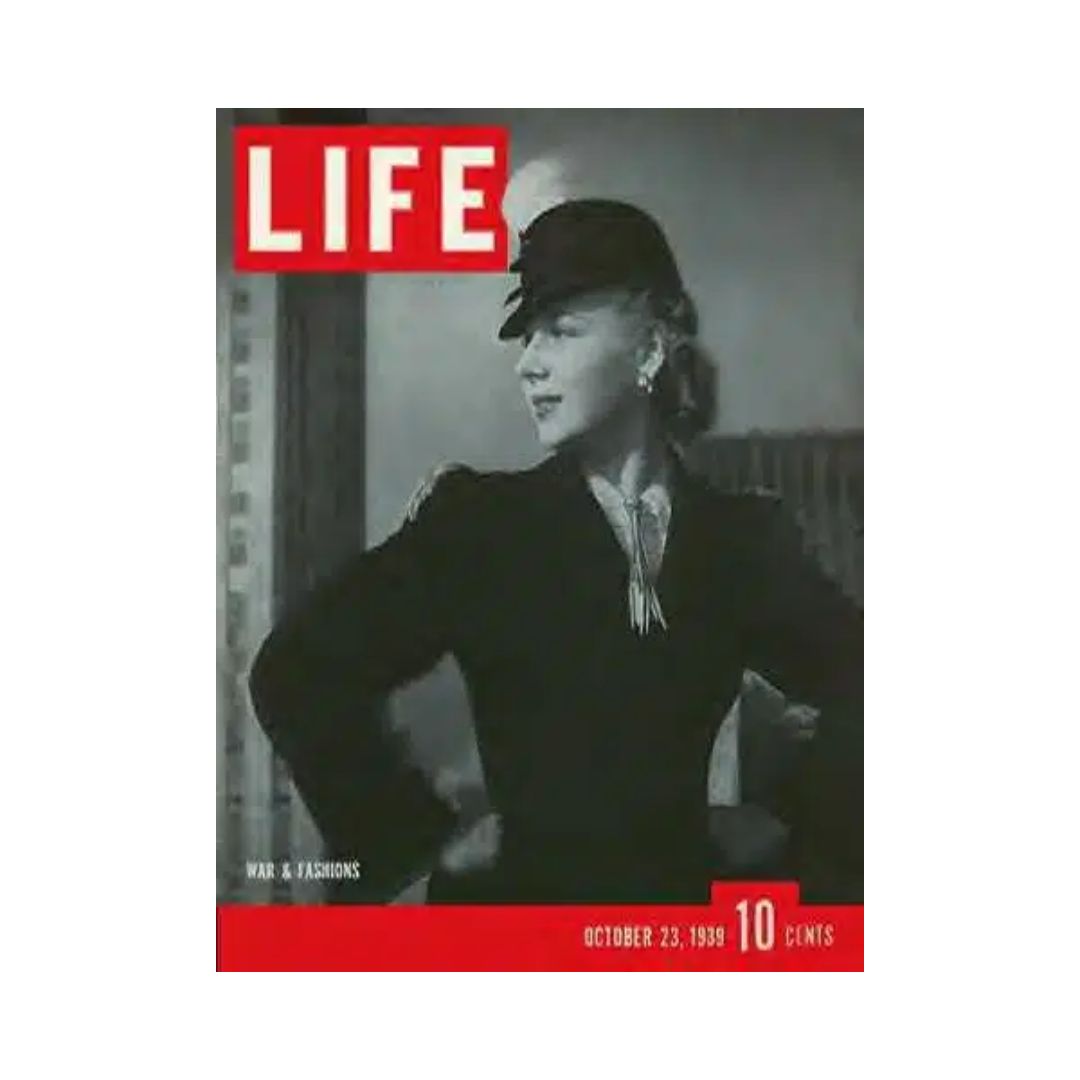
Nylon Stockings & the Birth of Consumer America: Fashion titles including Vogue and Harper's Bazaar documented a genuine cultural milestone—nylon stockings going on sale for the very first time on October 24th—with advertisements and editorial spreads that offer an authentic, unfiltered window into the consumer moment that would define the postwar era.
The Perfect Gift
For someone born in October 1939, an original magazine from this momentous month isn't just a birthday gift—it's a genuine time capsule of the world they entered, preserved in the authentic headlines, advertisements, and photography of the precise days that shaped the century they would live.